
- News
- Posted
Questyle Sigma & Sigma Pro
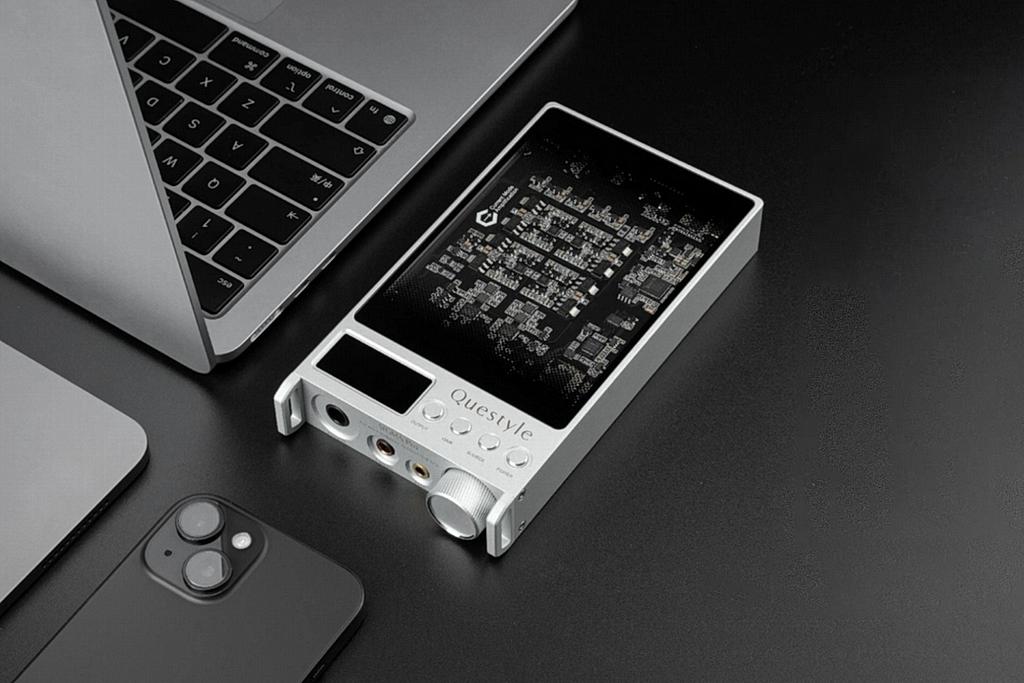
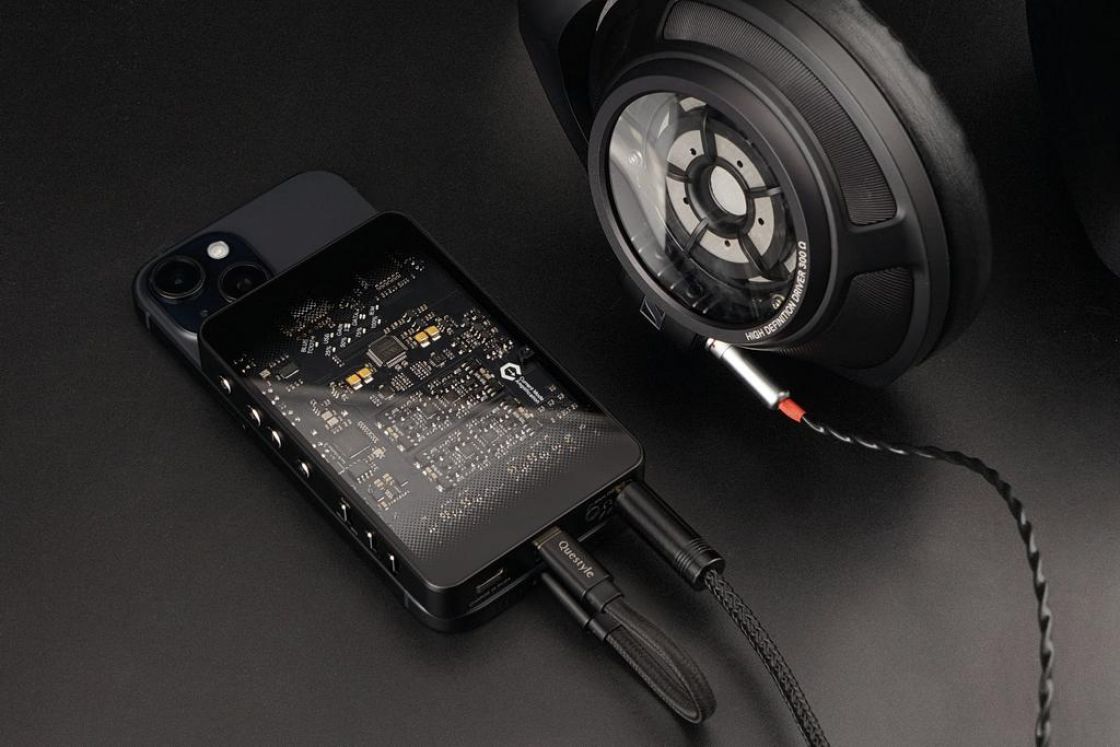
Questyle is expanding its range of portable audio devices with two new models, Sigma and Sigma Pro. The company positions them as mobile solutions intended to deliver a level of performance closer to full-size desktop systems, aimed at users who want genuine high-fidelity playback from a computer, smartphone or tablet. Both devices are built around Questyle's proprietary Current Mode Amplification, or CMA, technology, which is designed to combine very low distortion, strong dynamic performance and substantial output power within a compact form factor.
The Questyle Sigma is presented as a miniature interpretation of the flagship CMA Twelve Master, created for audio enthusiasts who do not want to give up the sound quality associated with desktop hardware but need something lighter and more portable. According to the manufacturer's published specifications and retail descriptions, the current-mode amplifier stage is capable of distortion figures as low as 0.0002% and output voltage above 5 V, which should allow the device to handle more demanding headphones while keeping power consumption under control. Sigma also uses a three-stage TTA decoding architecture and supports PCM up to 768 kHz and DSD up to DSD512, placing it firmly in the category of portable DAC/amps able to process virtually all mainstream hi-res formats.
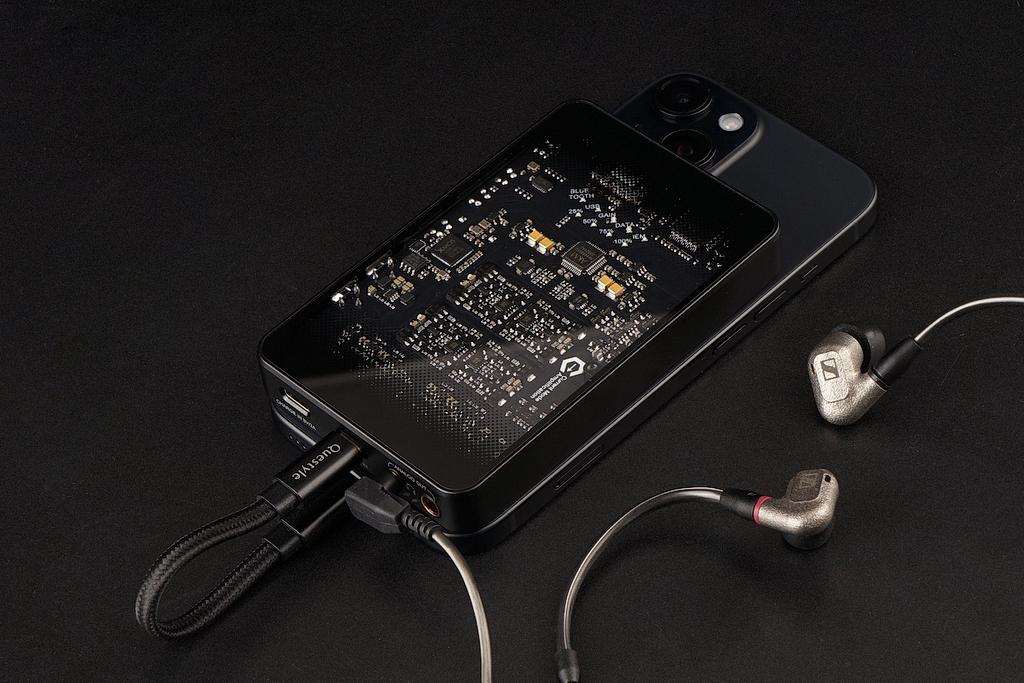
One of Sigma's more practical features is Apple MFi certification, intended to ensure full compatibility with iPhone and iPad devices without the need for awkward workarounds or unofficial accessories. It also carries Qualcomm Snapdragon Sound and Sony LDAC certification, which opens the door to use within wireless ecosystems based on those technologies. In practice, that means Sigma can function both as a wired DAC/amp for a phone or computer and as part of a higher-quality wireless listening setup, depending on the headphones and source devices in use.
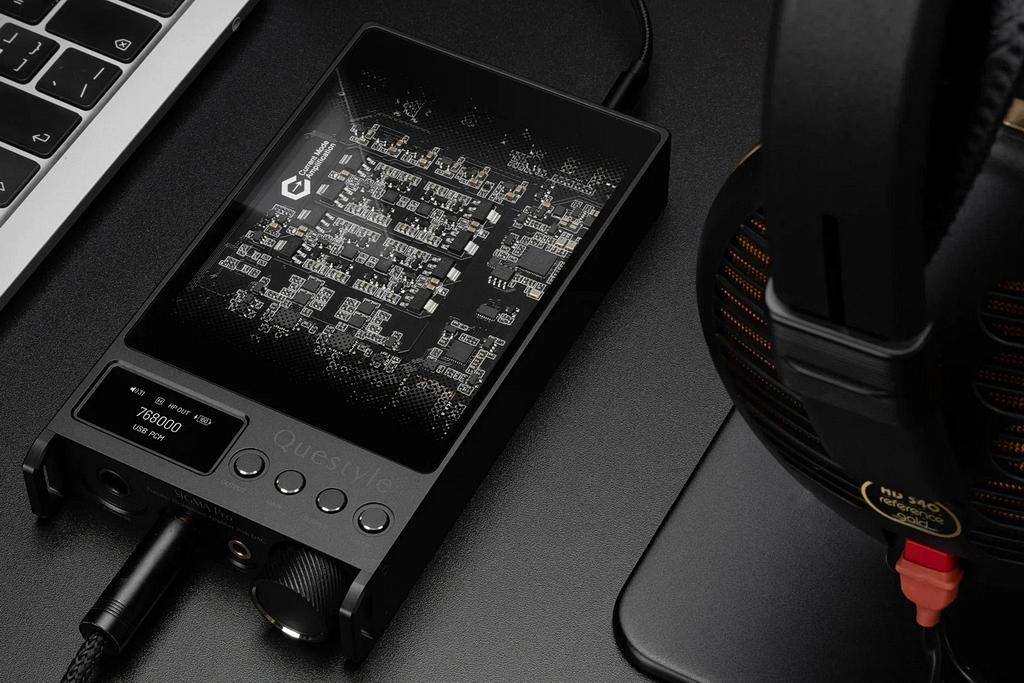
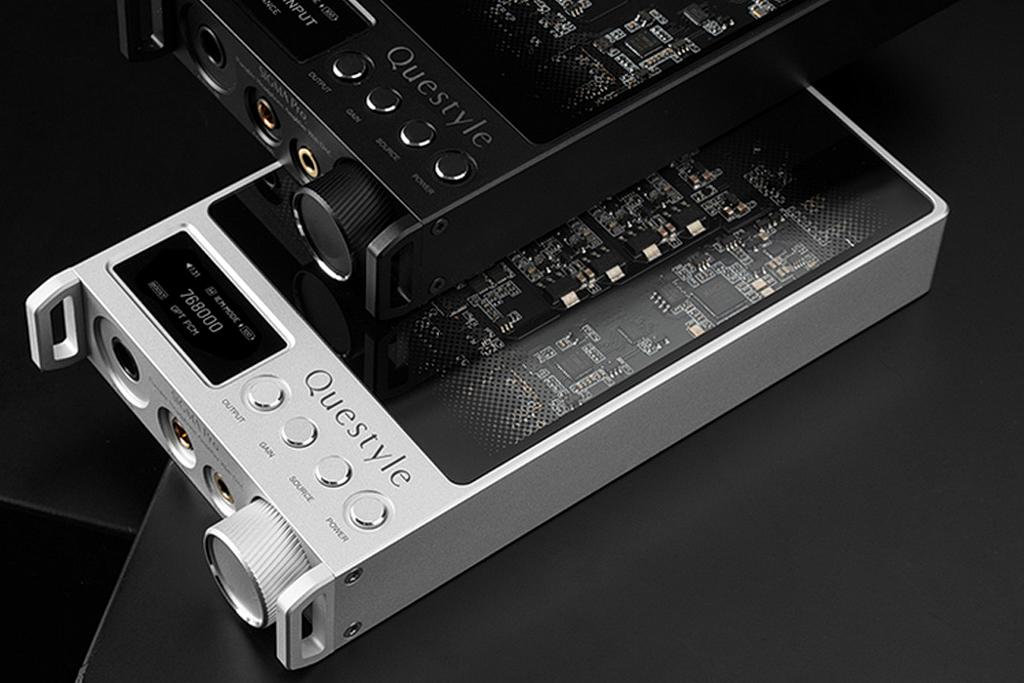
Questyle Sigma Pro takes the same basic concept and pushes it further towards more demanding users. The Pro version uses dual ESS9069 DAC chips, a configuration intended to improve channel separation, lower the noise floor and deliver an even more reference-oriented and neutral presentation. The amplifier still relies on Current Mode Amplification, but offers greater output capability and wider adjustment options, allowing it to be matched more precisely to different types of headphones, from sensitive in-ear monitors to full-size planar models. Sigma Pro also offers a more extensive connection layout. Alongside 3.5 mm and 4.4 mm headphone outputs, it includes a 6.35 mm socket, making it easier to connect many home headphones directly without adapters. Manual gain adjustment is included as well, allowing the user to reduce hiss with sensitive IEMs while preserving enough reserve for harder-to-drive designs.
Unlike the standard Sigma, Sigma Pro includes a built-in 4300 mAh battery that is rated for up to 12 hours of operation on a single charge. Its dual USB-C arrangement allows charging and listening at the same time, separating power and signal paths in a way intended to minimise interference during longer sessions. The Pro model also retains the full set of platform certifications, including Apple MFi, Qualcomm Snapdragon Sound and Sony LDAC, which reinforces its role as a portable DAC/amp that can also sit comfortably at the centre of a more ambitious home or desktop audio chain.
Taken together, Sigma and Sigma Pro show Questyle continuing to push portable audio in a direction that borrows heavily from the desktop world, not only in terms of format support and measured performance but also in the seriousness of their amplification stages. International pricing places the Sigma at approximately €599/$599/£529, while the Sigma Pro is expected to sell for around €899/$899/£799, depending on region. Info and photos by Questyle.