Displaying items by tag: headphone - StereoLife Magazine

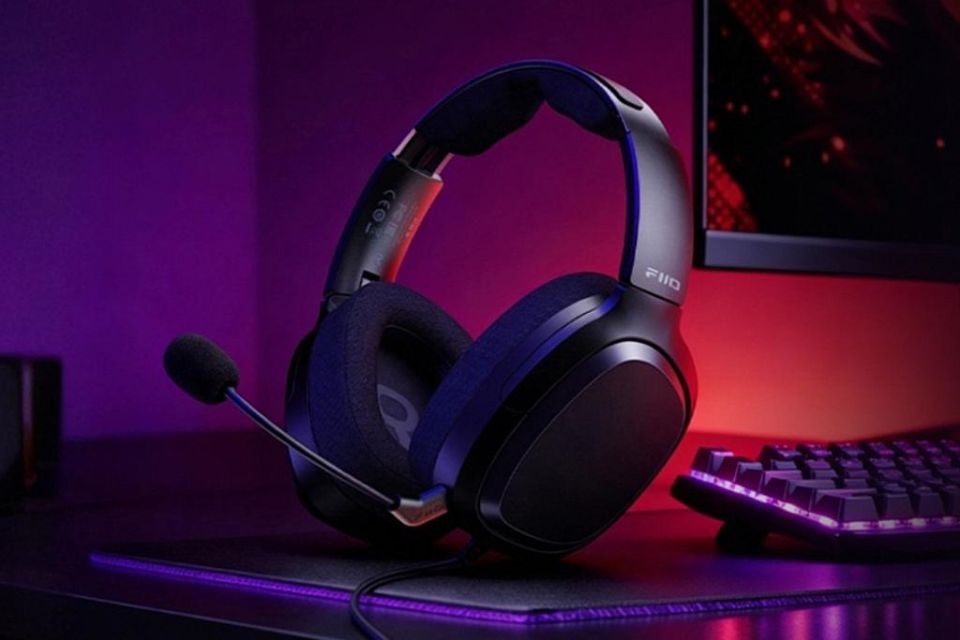
FiiO FG3

For years, FiiO has remained firmly focused on portable and personal audio, more recently expanding into full-size desktop and home hi-fi components. The Chinese company started with compact headphone amplifiers and DACs before building an extensive portfolio of digital audio players, in-ear and over-ear headphones, desktop equipment, streamers, and even devices designed for playing cassette tapes and CDs. Now, FiiO is opening another chapter in its history, this time turning its attention to gamers. The FG3 is the brand's first full-size gaming headset. According to the manufacturer, however, the objective was not simply to develop another conventional gaming accessory. Instead, FiiO decided to apply the engineering knowledge accumulated through years of designing hi-fi equipment and then add the features required for gaming, including a microphone, spatial audio processing, dedicated sound profiles, and convenient access to essential controls.

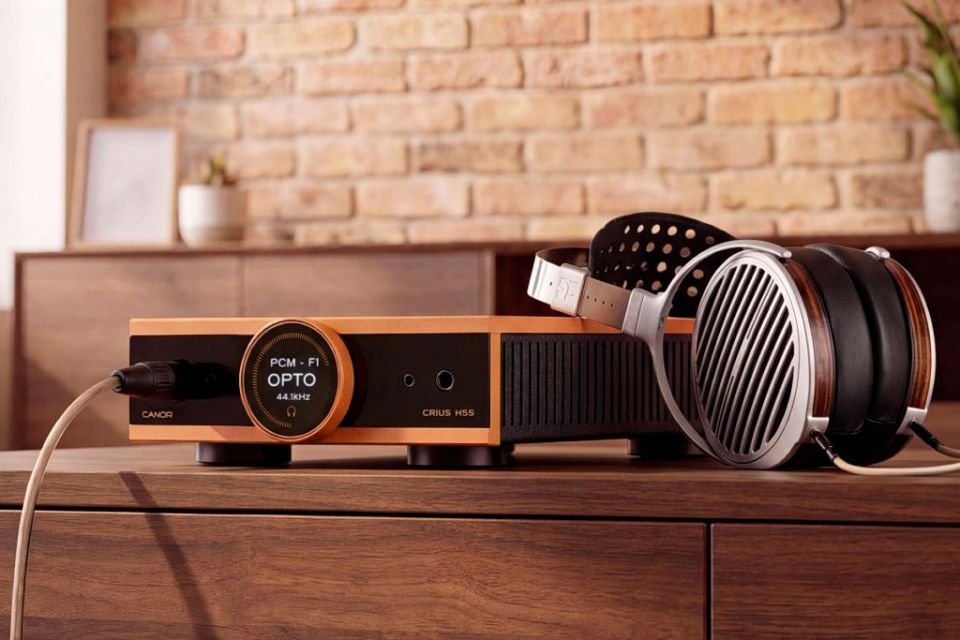
Canor Crius H5S

For many years, Canor built its reputation primarily on tube-based audio equipment, but the Slovak manufacturer has recently been expanding its solid-state offerings with increasing confidence. The latest example of this strategy is the Crius H5S, a compact headphone amplifier, digital-to-analog converter, and preamplifier combined in a single chassis. The new model marks the debut of the Essential Line, a series intended to bring engineering solutions developed for Canor's more expensive components into smaller, more versatile, and more affordable products. Although the Crius H5S has been designed primarily for owners of high-quality headphones, it can also serve as the control center of a compact stereo system, feeding a separate power amplifier or active speakers.

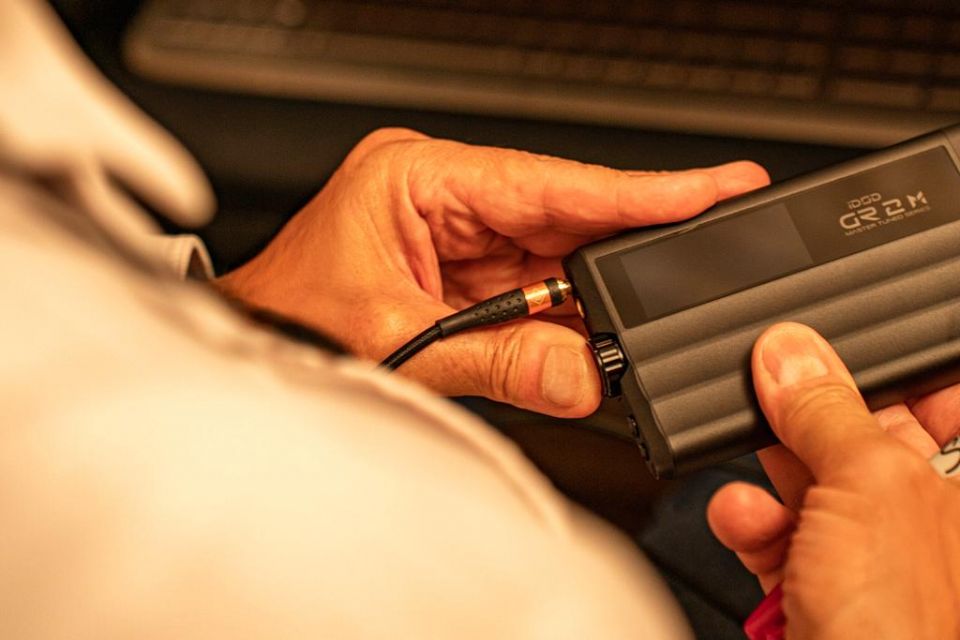
iFi Audio iDSD GR 2 MT

It hasn't been long since the launch of the iDSD GR 2, but iFi Audio has already prepared a special version of its latest portable DAC and headphone amplifier. The iDSD GR 2 MT, with the final letters standing for "Master Tuned," was developed in collaboration with Steve Levine, the British record producer whose credits include Culture Club, The Beach Boys, Gary Moore, and Motörhead. This is not, however, the usual kind of special edition where the differences amount to a new finish, a celebrity signature, and a few additional menu options. For the GR 2 MT, iFi has upgraded several components in the analog signal path, replaced the circuit board material, and introduced two exclusive digital filters developed with Levine. The starting point remains the standard iDSD GR 2, introduced in June 2026 as the successor to the popular xDSD Gryphon. Rather than treating it as a modest update, iFi approached the GR 2 as a substantially new design, introducing a revised DAC architecture, fully balanced amplification, a color OLED touchscreen, and support for the latest wireless audio technologies. At the heart of its digital section is the Burr-Brown PCM1795, a current-output DAC chip that gave the company's engineers considerable freedom in designing the analog circuitry that follows it.

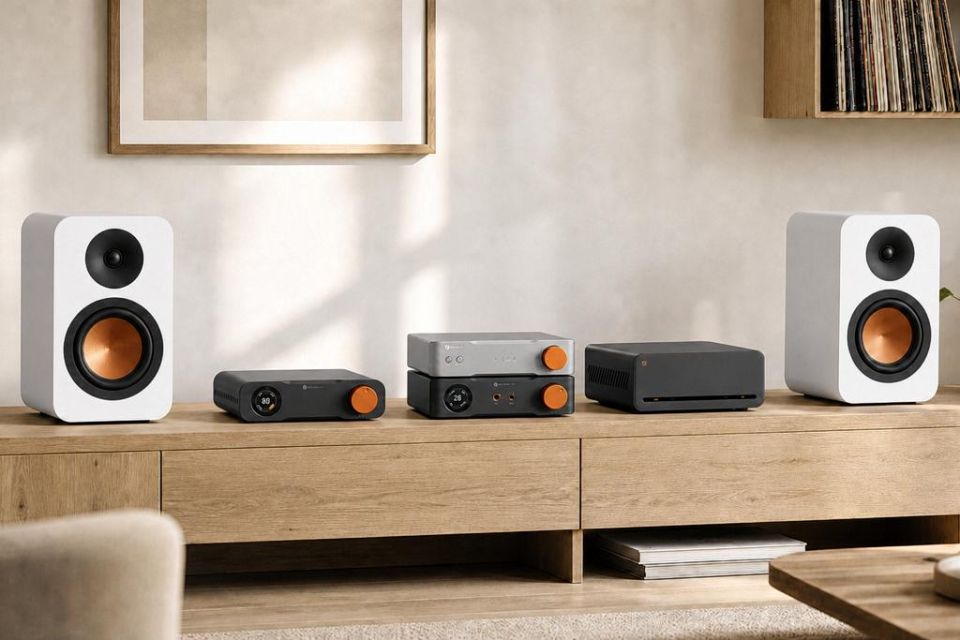
Fosi Audio S3, ZD3, ZH3 & PSU20

Fosi Audio started out making small, affordable amplifiers designed to deliver as much performance as possible for relatively little money, while occupying considerably less space on a desk or shelf than conventional hi-fi equipment. Over time, however, the Chinese company's portfolio has expanded well beyond that original concept. DACs, preamplifiers, monoblocks, headphone amplifiers, and, more recently, loudspeakers and a dedicated music streamer have all joined the lineup. Now, Fosi Audio is attempting to bring these developments together into something that can reasonably be described as a complete audio ecosystem. At its core are four components with similar dimensions and a consistent visual identity: the S3 network streamer, ZD3 digital-to-analog converter, ZH3 headphone amplifier, and PSU20 linear power supply. Each can operate independently, but all four have been designed with the idea that users can gradually assemble a more sophisticated system as their requirements evolve.

Nothing Headphone (1) Pro

Nothing has never been particularly interested in making products that look like everyone else's. From transparent smartphones to earbuds that resemble tiny pieces of industrial machinery, the London-based company has built much of its identity around doing things differently, sometimes simply for the pleasure of standing out. Its latest flagship headphones, however, suggest that the brand is becoming increasingly ambitious about what happens inside those distinctive enclosures. The new Headphone (1) Pro retains the partly transparent design introduced with the original Headphone (1), but the real changes are hidden beneath the surface. Instead of relying on a single dynamic driver in each earcup, Nothing has developed an unusual three-driver arrangement that includes a miniature solid-state xMEMS tweeter. There are also extensive sound customization options, a dedicated Flat EQ mode, tuning developed in collaboration with London's Metropolis Studios, adaptive active noise cancellation, and spatial audio with head tracking. It's a surprisingly elaborate combination for a company that only entered the full-size headphone market relatively recently, and one that clearly aims to challenge more established players in the premium wireless category.

JBL Quantum 120

Not every gaming headset needs a wireless transmitter, a rechargeable battery, or a collection of features that require half an hour of configuration before you can start playing. Sometimes, a good pair of headphones, a decent microphone, and a cable are all you really need. That's the idea behind the JBL Quantum 120, a new entry-level gaming headset that brings some of the technology found in the company's more expensive models to a much more affordable package. Rather than competing with sophisticated wireless designs, JBL has kept things relatively simple, combining a conventional 3.5 mm connection with large 50 mm dynamic drivers, a detachable microphone, and support for its Quantum Spatial Sound processing and QuantumENGINE software. The result is a headset aimed at gamers who want solid performance and useful features without paying extra for wireless connectivity they might not actually need.

Sennheiser Momentum 5 Wireless

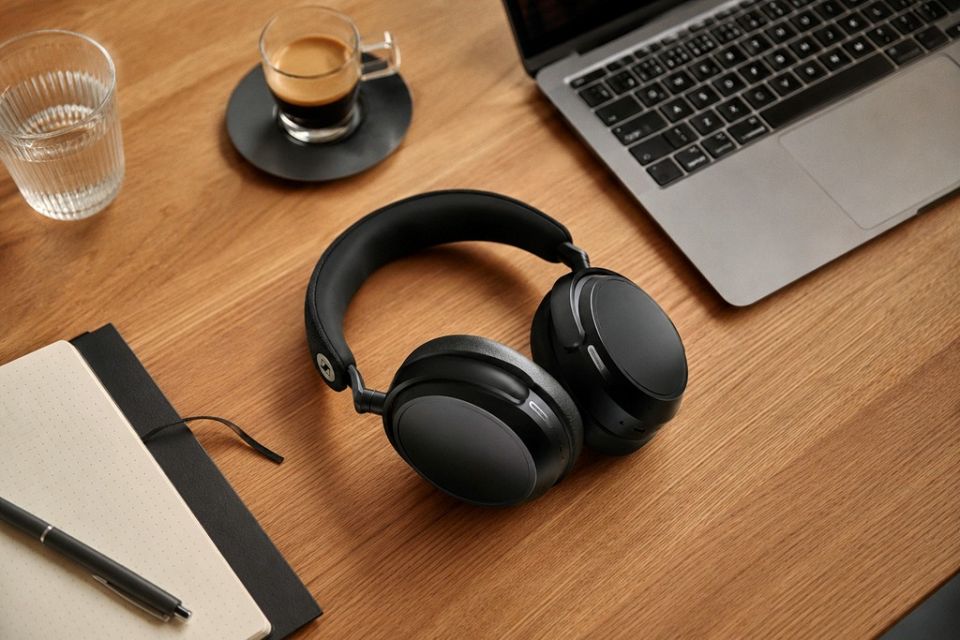
Some audio products come around so predictably that you could almost use them to mark the passing of time. A new smartphone every year. A new DAC every couple of years. An amplifier gets refreshed every three, usually gaining a slightly larger display, an updated streaming board, and a few extra connections along the way. Wireless headphones live on an even shorter clock because the electronics inside them age far faster than the parts that actually make sound. A good driver can remain perfectly competitive for a decade or more, and there is no reason a well-designed enclosure should suddenly become obsolete, but one new codec, a better ANC system, another Bluetooth revision, or a much better app can make a three- or four-year-old model feel surprisingly old. That makes the four-year gap between the Momentum 4 Wireless and their successor unusually long for this market. In 2022, Bluetooth 5.2 with aptX Adaptive was a serious selling point, 60 hours of battery life sounded borderline ridiculous, and manufacturers were still putting the word "adaptive" in front of noise cancellation as though that alone settled the matter. Today, expectations are much higher. Buyers want ANC that can deal with conversation as well as engine rumble, a transparency mode that sounds natural, seamless switching between devices, the best possible wireless audio quality, regular firmware updates, and an app designed for people rather than engineers. Sennheiser has not been standing still either. Since the Momentum 4 appeared, the company has launched the Accentum Wireless, expanded its true-wireless range, and - most importantly from an audiophile point of view - introduced the HDB 630, a model designed to bring some of the philosophy behind the HD 600 family into a modern wireless package. So the Momentum 5 Wireless are entering a very different world. They have tougher competition outside the company and, for the first time, a clearly defined rival within Sennheiser's own lineup.

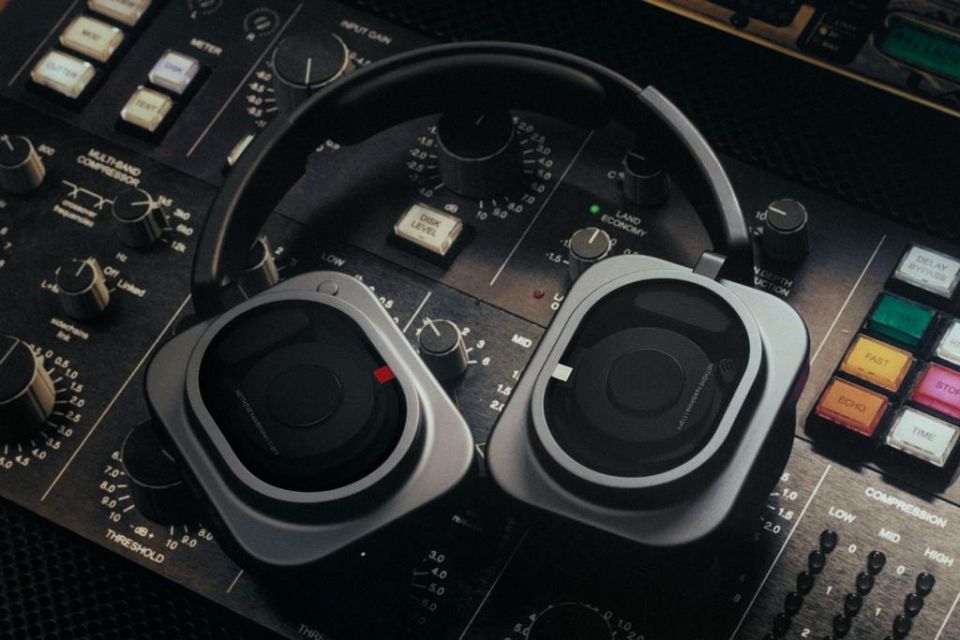
Beyerdynamic DT 275 PRO

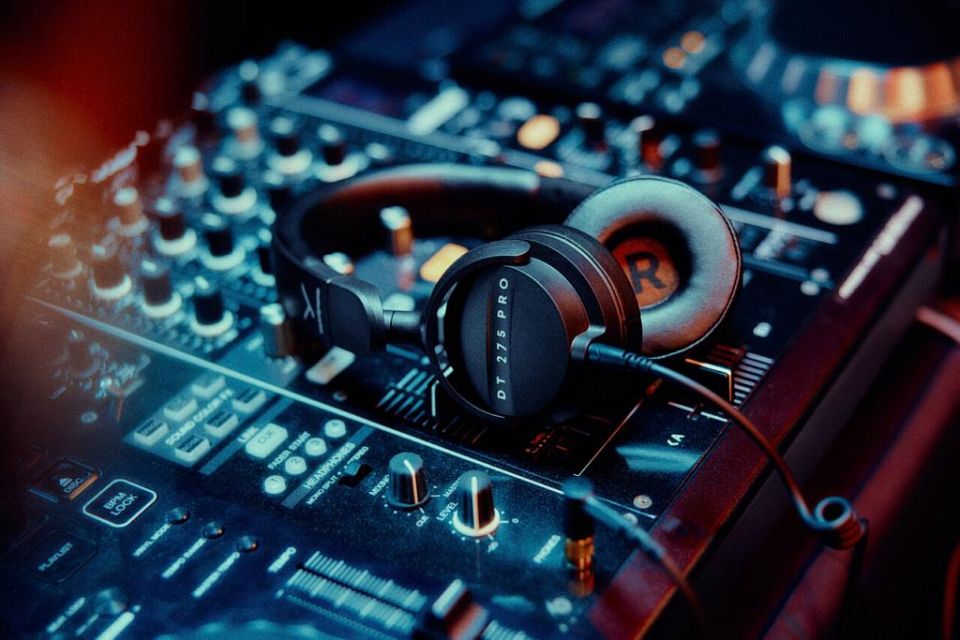
Professional headphone monitoring is not always about creating perfect listening conditions. Sometimes the real challenge is being able to work without them - surrounded by a film crew talking, sound spilling from the stage, a PA system running at full tilt, crowds moving around and all the general chaos that comes with live events. The Beyerdynamic DT 275 PRO was designed precisely for situations like these. These compact, closed-back on-ear headphones are intended for signal monitoring on film sets, at front-of-house positions, side stage, in DJ booths and across other mobile production environments. Rather than presenting the new model as another all-purpose pair of headphones, the company has given it a much more specific job: allowing professionals to assess speech, levels, cues and the most important elements of an audio signal quickly and reliably, even when the world around them is anything but quiet.

Meze Audio Ultra

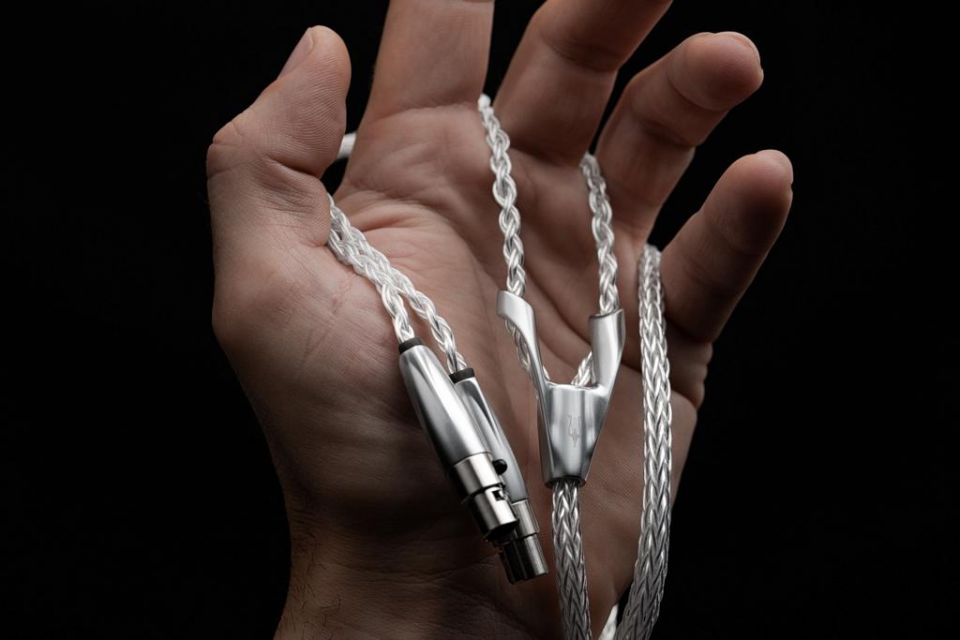
Meze Audio has never treated cables as an afterthought, offering several upgrade options for its headphones alongside the standard cords supplied in the box. The latest addition takes that idea considerably further. Ultra Cable is the company's new flagship headphone cable, built around extremely pure silver conductors, an elaborate hand-braided geometry and metal hardware designed with almost as much attention as the headphones themselves. It is also priced accordingly, positioning itself as an accessory primarily for owners of Meze's most ambitious models rather than a casual replacement for a worn-out cable.

Hegel A200 & H200

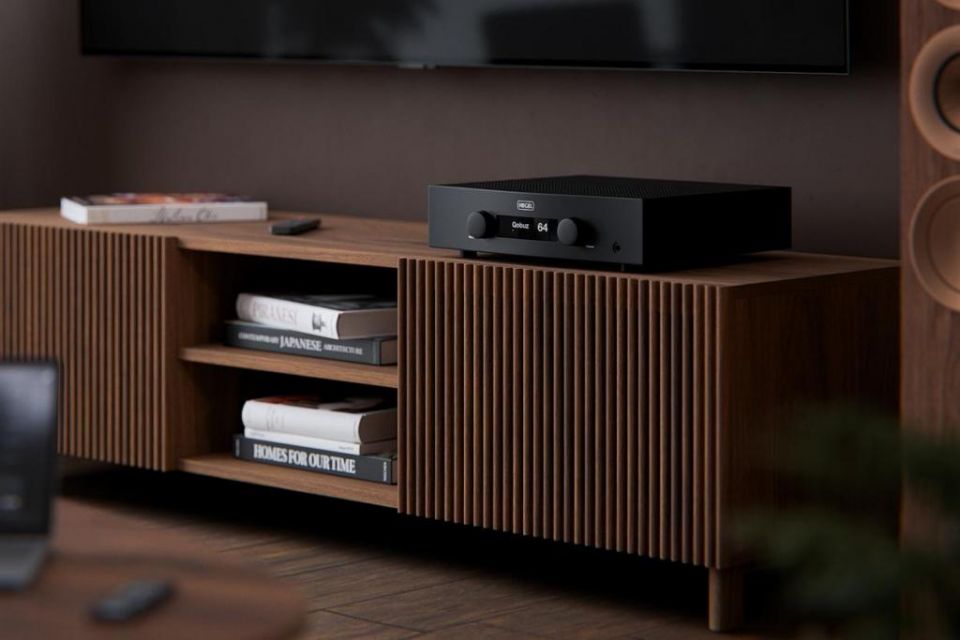
Hegel is introducing two new integrated amplifiers built around the same core platform but aimed at different types of system. The H200, described by the manufacturer as "The Connected", combines a 2 x 150 W amplifier with a digital-to-analogue converter, network player, MM phono stage and headphone output. The A200, or "The Classic", retains the same power output and key circuit solutions, but is an entirely analogue design intended for use with external sources such as streamers and DACs. Both amplifiers employ a Class AB output stage delivering 150 W per channel into 8 ohms. The H200 and A200 are designed to remain stable into loads as low as 2 ohms, while the damping factor of their output stages exceeds 4000. Both models also feature Hegel's SoundEngine2 technology, which is designed to detect and reduce distortion at the point where it occurs, before it travels further through the signal path. The basic amplifier architecture is therefore shared, with the main differences concerning connectivity, features and the role each model is intended to play within a system. Rather than creating one heavily equipped amplifier for everyone, Hegel has developed two versions - a complete network-enabled model and a more traditional integrated amplifier without a digital section.

We use cookies to improve our website and your experience when using it. To find out more about the cookies we use and how to delete them, please see our Privacy Policy.