Displaying items by tag: dac - StereoLife Magazine

Fezz Audio Titania MK2, Titania Power Amplifier MK2 & Mira Ceti MK2

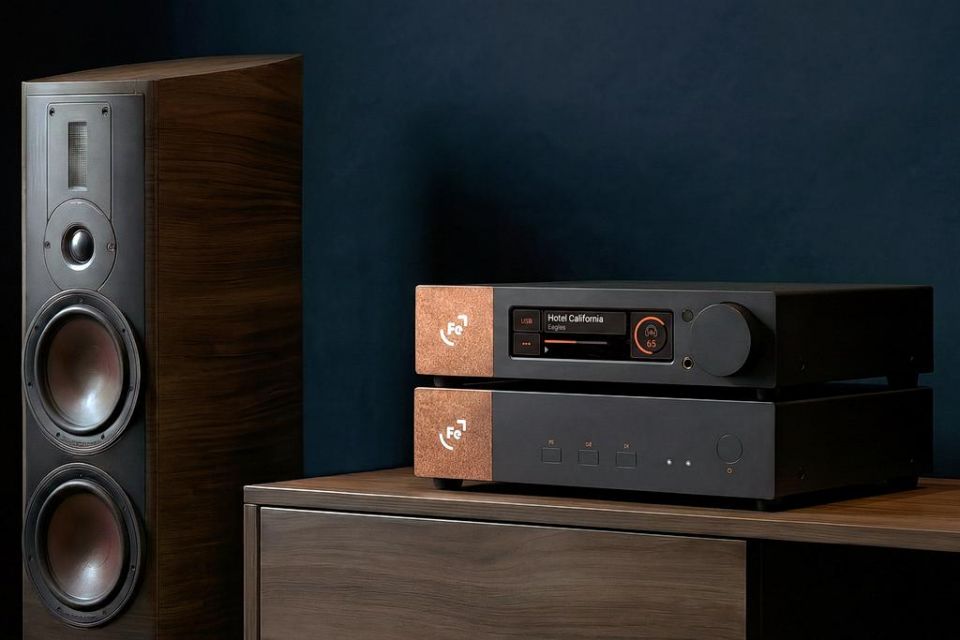
Fezz Audio has refreshed its Evolution series with three updated tube amplifiers - the Titania MK2 integrated amplifier, the Titania Power Amplifier MK2 stereo power amplifier and the Mira Ceti MK2 single-ended Class A design - marking a broader technical step forward rather than a routine generational update. Based in Poland and closely linked to transformer specialist Toroidy, the company has built its reputation on combining traditional tube topologies with modern usability, and the latest MK2 versions clearly continue that approach. All three amplifiers introduce redesigned signal paths, revised driver stages and upgraded operating stability, while sharing a common set of practical improvements including automatic bias control, electronic tube protection systems, optimized warm-up sequences and support for FEBS expansion modules. Together, these changes position the new Evolution models as more mature and more system-flexible successors intended to retain the musical character of classic tube amplifiers while reducing the complexity typically associated with everyday ownership.

Fezz Audio Titania MK2

In the world of audio equipment, it is not hard to find stories that sound compelling on paper, only to lose their charm the moment they collide with reality. Someone has an interesting idea, solid technical backing, a clear vision, even the right moment to enter the market, and yet after two or three years all that remains are a few mentions in the archives of specialist websites and a handful of products remembered by their owners with a certain fondness, but little real conviction. With Fezz Audio, things were different from the very beginning. Of course, one could look at the brand with caution, as it was entering an industry that loves a good new story on the one hand, but remains deeply conservative and distrustful on the other. When somebody appears on that scene with an original tube amplifier, many music lovers inevitably ask whether it really makes sense. Is this merely another attempt to offer something that looks familiar, glows in the dark and is meant to lure customers with promises of magical sound, without necessarily being backed up by a mature design?

Simplicity, lightness, and a focus on streaming sound quality - JPLAY

In the age of streaming and digital audio files, one might think that listening to music has never been simpler. In practice, however, especially for more demanding users, it remains a surprisingly complicated business, particularly when we want to combine the convenience of using a smartphone with the capabilities of more advanced audio equipment. When it comes to managing music playback, we usually have two options. The first is to use the app provided by the streaming service itself - quick and intuitive, but offering only basic functionality. Better control over sound or more advanced options are out of the question, and on top of that our player must be compatible with a given app and hold the right certification for it to appear on the list of available output devices at all. The second option is to turn to external software such as Audirvana, Roon or apps supplied by hardware manufacturers such as BluOS, Lumin or Auralic. This is where the trouble begins as well. Either something important is missing, or the app turns out to be clumsy and unstable, or it is excellent, refined and versatile, but expensive. What is missing is a single standard and a common language. Every company goes its own way - some build their own closed ecosystems, others support already existing platforms, and some seem to be waiting, although it is not entirely clear for what. As a result, the user has to improvise and navigate between all these options, which often ends with the use of several different apps. One streamer appears in the streaming service app, another does not. One supports all the popular standards, while with another the wait for certification has already dragged on for a year, and nobody knows whether customers will ever get it. One proprietary app turns out to be polished, another is irritating at every turn. And yet it was all supposed to be so elegant... Streamers, DACs and all-in-one systems are still evolving relatively quickly, but when it comes to apps, the last real breakthrough was Roon, which arrived on the scene ten years ago. That software has also continued to evolve, though perhaps not as quickly as some would like. Meanwhile, a very serious rival has emerged right under our noses. Meet JPLAY.

Michi Prestige X430 & Q430

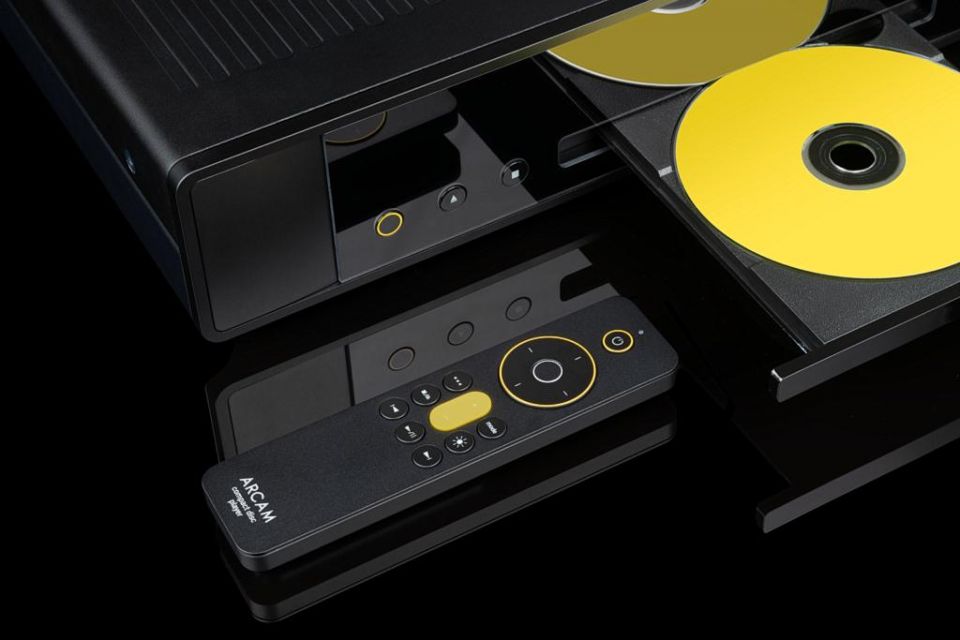
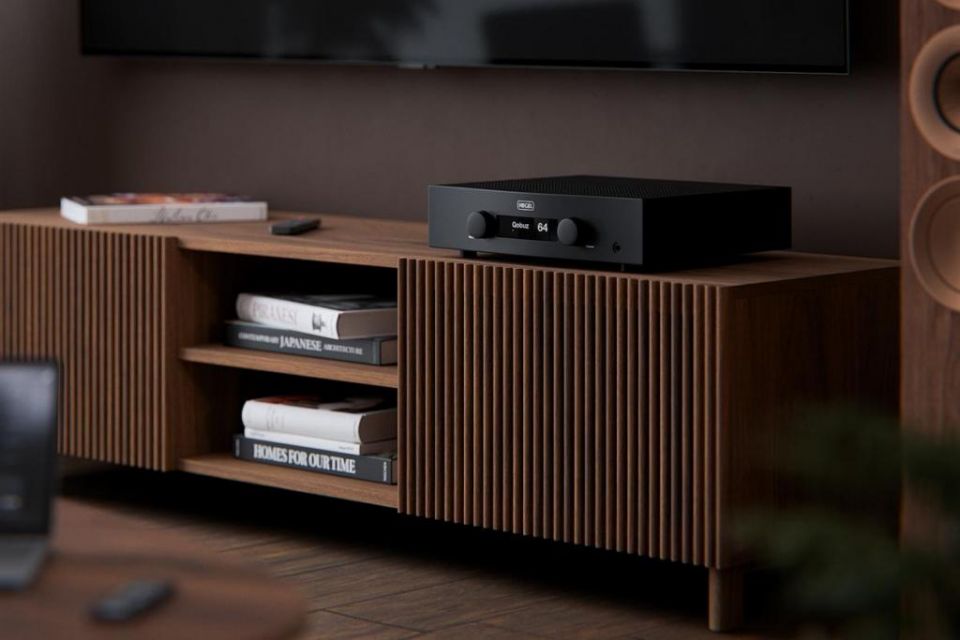
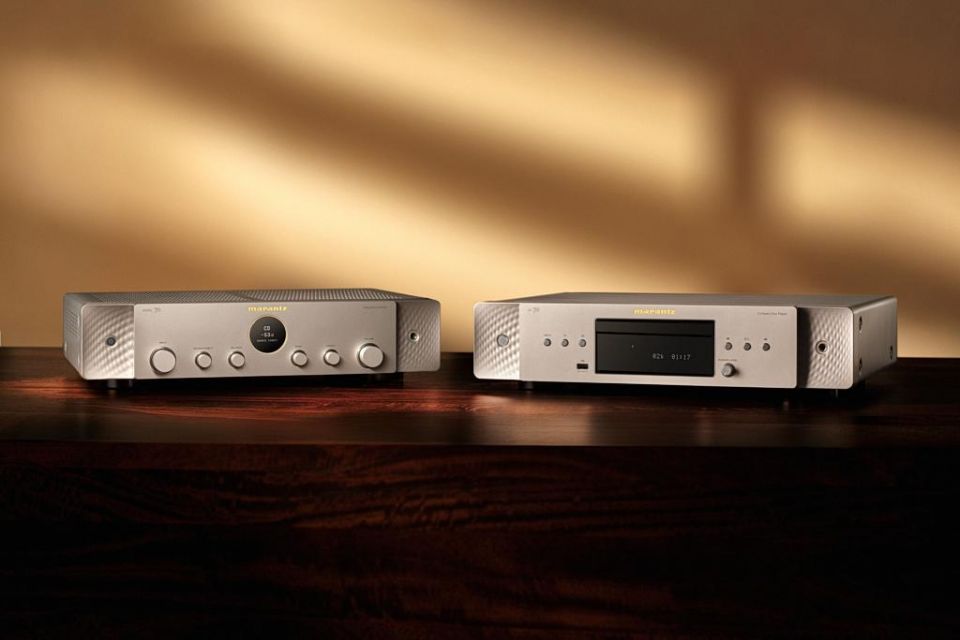
Michi is Rotel's luxury sub-brand, positioned from the outset as the more ambitious and more overtly audiophile branch of the company's catalogue. Its components have typically stood out for their carefully judged industrial design, high power output, refined internal architecture and a strong emphasis on build quality, so the arrival of the new Prestige Series feels like a logical next step in the brand's development. With this new range, Michi appears to be opening the door to a broader group of listeners. Two components join the portfolio at launch - the X430 integrated amplifier and the Q430 CD player. Both are presented as products that bring together the engineering discipline, visual sophistication and key technologies associated with more expensive Michi designs, but at a lower entry point. That sends a fairly clear message about where the brand wants to go next - preserving its high-end identity while creating a more realistic way in for listeners who may previously have admired the Michi catalogue from a distance rather than from a buying position.

Snowsky Echo

FiiO has introduced the Echo, also known as the Snowsky Echo, a compact high-resolution portable music player designed as a deliberately simple alternative to smartphones for offline listening. The device reflects a broader return to dedicated music players focused on distraction-free playback, combining styling inspired by classic cassette Walkman-style devices with a modern dual-DAC audio architecture. It is aimed at listeners who want access to hi-res audio on the move without relying on streaming apps or multifunction mobile platforms.

iFi Audio ZEN Stream 3

iFi Audio is continuing to develop its compact ZEN line with the introduction of the ZEN Stream 3, a dedicated network transport designed for users who already own a DAC and want the cleanest, most stable possible digital signal to bring high-resolution streaming into an existing hi-fi system. The new model builds on the original ZEN Stream concept, but combines updated hardware with a newer streaming engine and expanded software support, while remaining firmly focused on one job only - delivering music from the network to an external DAC.

iFi Audio GO link 2

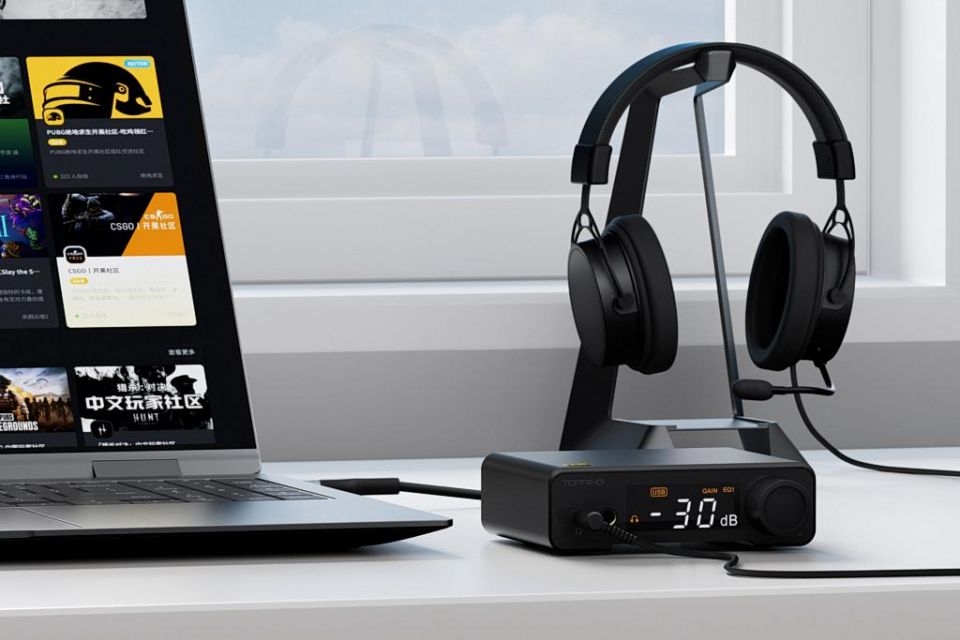
iFi Audio has introduced the GO link 2, a new version of its compact USB dongle DAC designed for users who want a quick and effective way to improve the sound quality of a laptop or smartphone without rebuilding an entire system. The idea is to retain everything that made the first generation successful while delivering a more noticeable step forward in both measured performance and day-to-day functionality. Like its predecessor, the GO link 2 bypasses the basic integrated audio stages found in most computers and mobile devices, taking over the digital-to-analogue conversion process itself so that even an ordinary notebook or phone can become a genuinely usable source for more demanding headphones.

Snowsky Disc

FiiO has introduced the Snowsky Disc, a portable high-resolution audio player that leans deliberately into nostalgia for classic disc-based portables while relying entirely on modern digital hardware. This compact circular player is aimed at listeners who enjoy physical interaction and the visual language of older audio gear, but do not want to give up the convenience of file playback, hi-res support and compatibility with contemporary listening systems. Its chassis is made from aluminium alloy, while the front is dominated by a round touchscreen used not only for playback control but also for album art and lyric display. During playback, the interface can simulate a spinning disc, reinforcing the visual link with traditional Discman-style devices even though the music itself comes from microSD storage or wireless streaming rather than any physical medium.

Questyle Sigma & Sigma Pro

Questyle is expanding its range of portable audio devices with two new models, Sigma and Sigma Pro. The company positions them as mobile solutions intended to deliver a level of performance closer to full-size desktop systems, aimed at users who want genuine high-fidelity playback from a computer, smartphone or tablet. Both devices are built around Questyle's proprietary Current Mode Amplification, or CMA, technology, which is designed to combine very low distortion, strong dynamic performance and substantial output power within a compact form factor.

FiiO DM15 R2R

There are now two parallel trends becoming increasingly visible in the portable audio market - a renewed interest in physical media and a growing appetite for digital conversion methods associated with a more traditional, more "analog" presentation. The FiiO DM15 R2R sits squarely at the intersection of those two ideas, combining the format of a portable CD player with an advanced R2R DAC and a feature set more commonly associated with modern network players and desktop DACs. It is aimed at listeners who do not want to give up their compact disc collections, but still expect serious output power, a balanced signal path, USB DAC functionality and high-resolution wireless transmission. At its current market positioning, the DM15 R2R enters a category in which genuinely audiophile-minded portable CD players remain relatively rare.

We use cookies to improve our website and your experience when using it. To find out more about the cookies we use and how to delete them, please see our Privacy Policy.