
- News
- Posted
Buchardt Audio S400 MK3
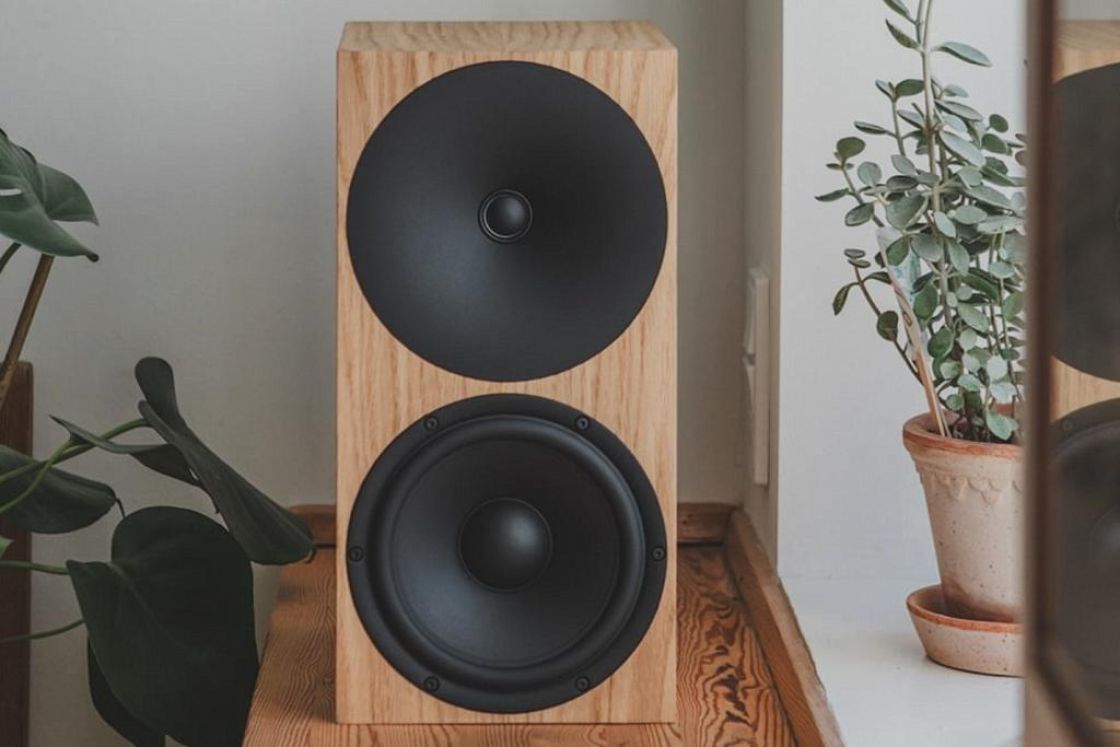
Buchardt Audio unveiled the S400 MK3, the latest generation of one of the company's most important loudspeakers and a model that has remained central to its lineup since the first S400 prototype appeared in 2016. What began as a compact standmount developed with the aid of the Klippel Near Field Scanner quickly became one of the most frequently recommended speakers in its class, largely because it combined a relatively small enclosure with unusually large-scale sound, generous bass weight, and a wide, room-friendly presentation. With the new S400 MK3, Buchardt is not presenting a mild refresh but what it describes as a complete redesign, retaining only a single part from the previous version - the binding posts.
That point matters, because the S400 MK3 is clearly intended to answer a specific set of requests that followed the earlier generations. Buchardt says that while the original S400 and later S400 MK2 were praised for their balance, soundstage, and bass output relative to size, users and reviewers repeatedly asked for greater dynamic authority and more perceived treble resolution. The new model is therefore built around a larger cabinet, new drive units, and a revised acoustic loading concept, all while trying to preserve the neutral, natural character that made the series successful in the first place. The cabinet volume has increased by 18 percent, but the company positions that change as a measured expansion rather than a move away from the compact standmount format that defined the S400 from the beginning.
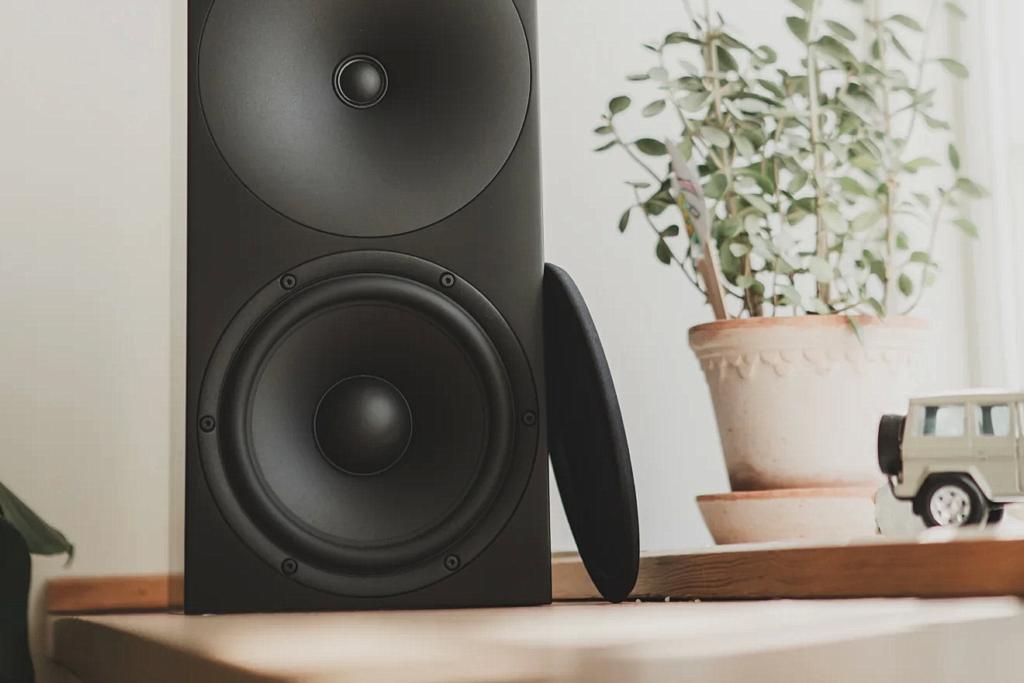
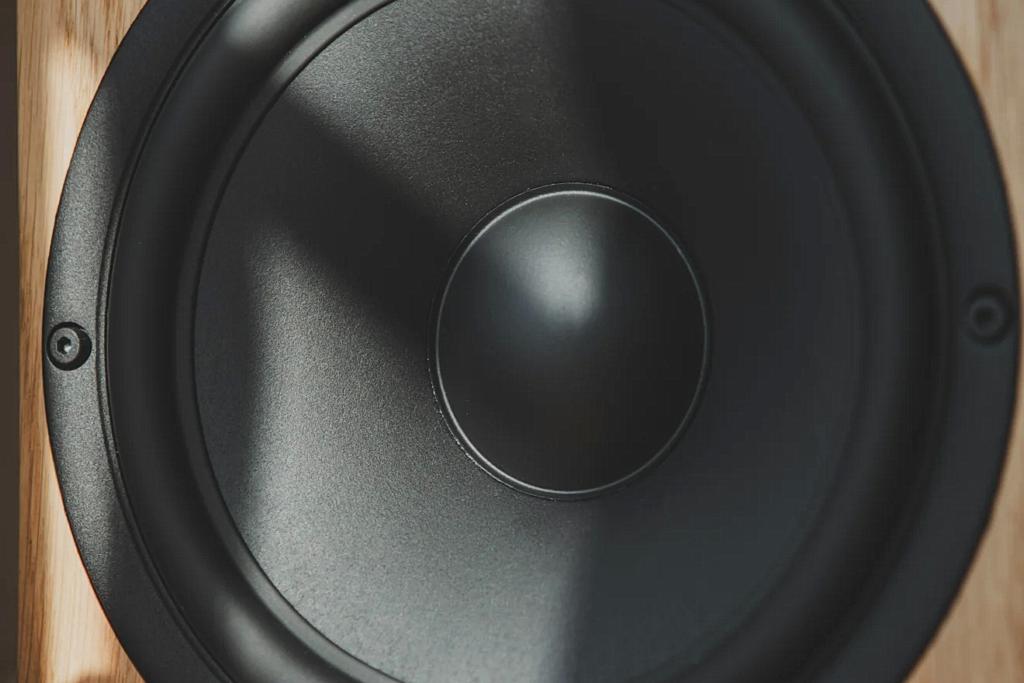
The biggest technical change is the woofer. The S400 MK3 moves to a 7.5-inch SB Acoustics Satori Egyptian Papyrus paper-cone driver with a neodymium motor, replacing the smaller unit used in the earlier model. Buchardt states that this new woofer delivers 65.5 percent greater displacement headroom than the S400 MK2, which in practice is meant to translate into stronger bass impact, greater physicality, more ease at high playback levels, and improved dynamic contrast. The company is unusually explicit here, noting that it chose not to hide behind a rebadged proprietary driver, but instead to use what it considers one of the best commercially available units in this category. It also highlights the driver's vented cast-aluminum chassis, low-damping surround, BIMAX spider, copper sleeve, CCAW voice coil, vented pole piece, and papyrus-fiber cone as part of the reason the speaker is expected to sound both more powerful and more controlled than before.
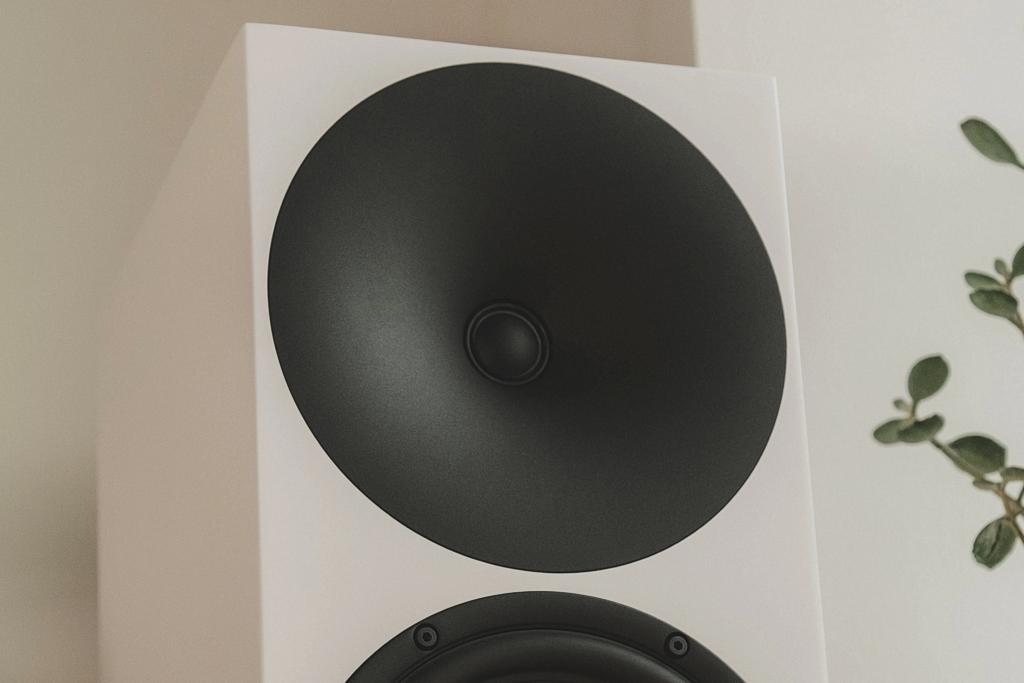
The tweeter has also been completely reworked. The S400 MK3 uses a new custom 26 mm aluminum dome tweeter mounted in a newly developed 7.5-inch aluminum waveguide. On paper, the move from the soft-dome tradition of earlier S400 models to an aluminum dome might suggest a more vivid or brighter tonal balance, but Buchardt explicitly says that this was not the goal. Instead, the company wanted more refinement, greater clarity, and better transient precision without losing the smooth, fatigue-free presentation that long-time S400 users appreciated. To achieve that, the tweeter uses a matrix neodymium motor with copper in the magnet system, an optimized rear chamber for low resonance, and a quasi-first-order crossover approach that still allows a relatively low crossover point. Buchardt also claims the breakup modes associated with aluminum domes have been pushed well above the audible band, allowing the design to keep the speed and leading-edge precision of a hard dome without introducing glare.
The crossover remains a key part of the speaker's identity. Buchardt continues its collaboration with Jantzen Audio and uses air-core inductors made with high-purity copper, Jantzen Cross Cap polypropylene capacitors, and Superes wire-wound resistors. Interestingly, the company says the topology is actually somewhat simpler than in the S400 MK2, using first-order filtering on the woofer and a quasi-first-order network on the tweeter. That choice fits the broader philosophy behind the S400 MK3, which seems to focus less on complexity for its own sake and more on preserving coherence, phase behavior, and transparency while letting the upgraded drive units do more of the work.
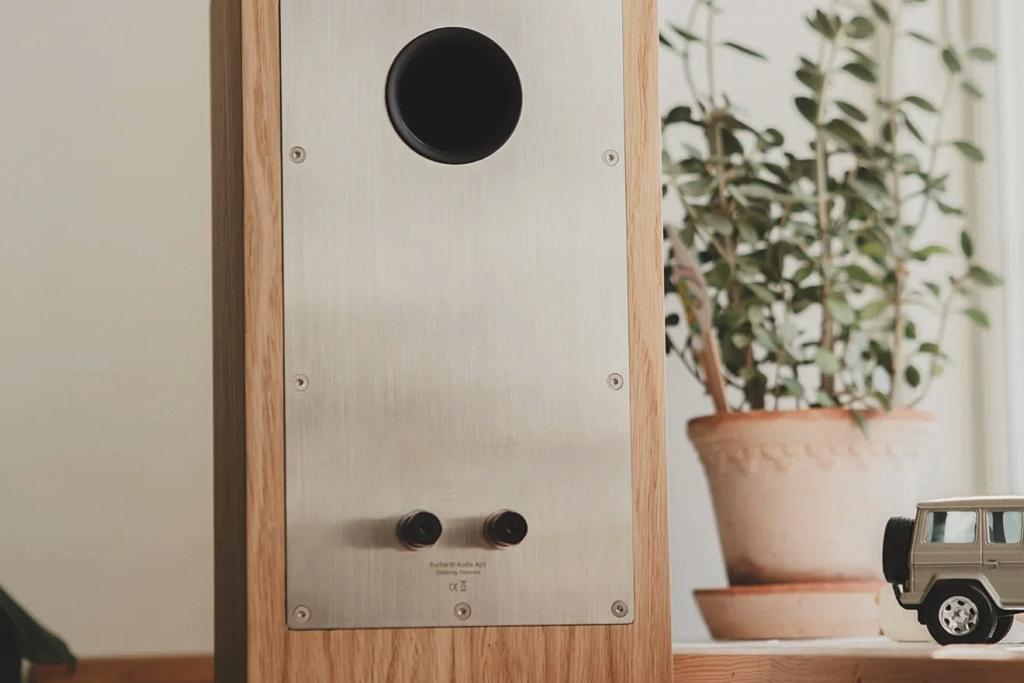
Another important change is the abandonment of the passive-radiator system used in earlier S400 generations. The MK3 moves to a rear-ported bass reflex design, a decision made possible by the larger enclosure. According to Buchardt, this allows the company to maintain the deep, controlled bass for which the S400 became known while simplifying the acoustic system and redirecting cost toward the significantly more ambitious new drivers. The company acknowledges that port noise may be audible in very specific conditions, but says the speaker still works well close to rear walls as long as at least 5 cm of breathing room is left behind the cabinet. That detail is particularly relevant because previous S400 models built a reputation as unusually room-friendly speakers, and Buchardt clearly wants buyers to know that the MK3 is not abandoning that practicality.
In terms of voicing, Buchardt describes the S400 MK3 as neither deliberately warm nor deliberately bright, neither especially forward nor laid back. The aim is a carefully judged middle ground that works across a wide range of recordings and systems. The company says the papyrus-cone woofer brings natural warmth and body to the midrange while improving openness and resolution compared with the MK2, and that bass linearity remains intact even though output, impact, and physical presence have all increased. At the top end, the new tweeter is said to reveal more low-level detail, more transient information, and more subtle spatial cues, especially in elements such as cymbal strikes and other fast leading-edge material. The point, again, is not to make the speaker sound more spectacular in a short demo, but more refined without damaging long-term listenability.
Soundstage and imaging remain central to the S400 identity, and Buchardt leans heavily on that aspect in the official description. The waveguide is presented not just as a cosmetic or sensitivity-related feature, but as a tool for directivity control, smoother integration between tweeter and woofer, and reduced edge diffraction. The intended result is the familiar disappearing-act effect that helped define earlier S400 models - a wide, holographic stage with precise image placement and more natural interaction with the listening room than many conventional small speakers manage. That emphasis on controlled directivity also ties the MK3 back to the original S400, which was the company's first loudspeaker developed with the Klippel Near Field Scanner and helped establish waveguide-based voicing as one of Buchardt's defining engineering traits.
Official specifications place the S400 MK3 as a 2-way passive bass reflex loudspeaker with a 1-inch custom waveguided aluminum dome tweeter and a 7.5-inch woofer. Nominal impedance is 4 ohms, sensitivity is 88 dB, and in-room bass response is specified down to 33 Hz, with the upper limit given as 20 kHz. Cabinet dimensions are 392 x 198 x 280 mm, weight is 8.5 kg per speaker, and Buchardt recommends amplification from 30 watts upward depending on use case. The cabinet itself is made from 15 mm HMR.E2 moisture-proof fiberboard with internal bracing, and the speaker is offered in black, white, walnut veneer, and natural oak veneer finishes. The company also includes acoustically optimized fabric grilles and offers a 5-year warranty, extended to 10 years when locked to the first buyer's name.
The S400 MK3 is initially being launched through a limited pre-order campaign, with 75 pairs available per finish at the introductory price. Estimated delivery is listed for late summer 2026. At launch, the speaker is priced at €2,100 per pair, reduced from a stated regular price of €2,300, with shipping, tax, and import costs included according to Buchardt's current direct-sales model. Info and photos by Buchardt Audio.