Displaying items by tag: speaker - StereoLife Magazine

Naim Muso Utopia

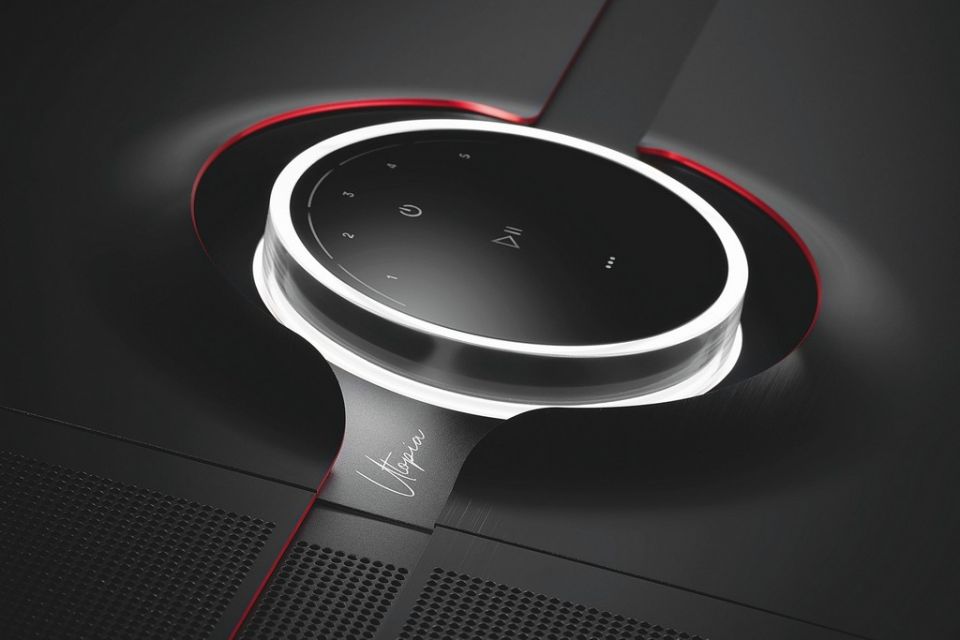
In the world of high-end audio, there has always been a fairly clear division of labor. If you want to listen to music seriously, you buy an amplifier, a network player, and a decent pair of speakers. If movie sound is the priority, you put together a home theater system with an AV receiver, a subwoofer, and speakers dotted around the couch. And if convenience, good looks, and a minimum of boxes matter more than anything else, you buy a soundbar or a wireless speaker and accept that you're making a compromise on sound quality. Or at least that's how the thinking went for years. The trouble is, audio manufacturers seem to have stopped playing by those rules. Increasingly, they're offering products that refuse to stay in their designated categories, promising to take the place of several components in a home entertainment system. Most of the time, the promise is more impressive than the result. It's easy enough to give a soundbar streaming capabilities or add an HDMI socket to a Bluetooth speaker. Getting that same box to sound like a proper stereo system is another matter entirely. Occasionally, though, engineers approach the challenge with rather more ambition. They're not content to assume that powerful bass, clear dialogue, and the ability to stream a playlist from a phone are all anyone could possibly want. That's when things get interesting, and even die-hard audiophiles may find themselves questioning a few long-held beliefs. Suddenly, we have compact wireless speakers that can hold their own against imposing floorstanders, or a beautiful amplifier slim enough to hang on a wall that can embarrass high-end integrated amps and 100-pound power amplifiers. Could the new Naim Muso Utopia be another of these rule-breakers?
QED Performance

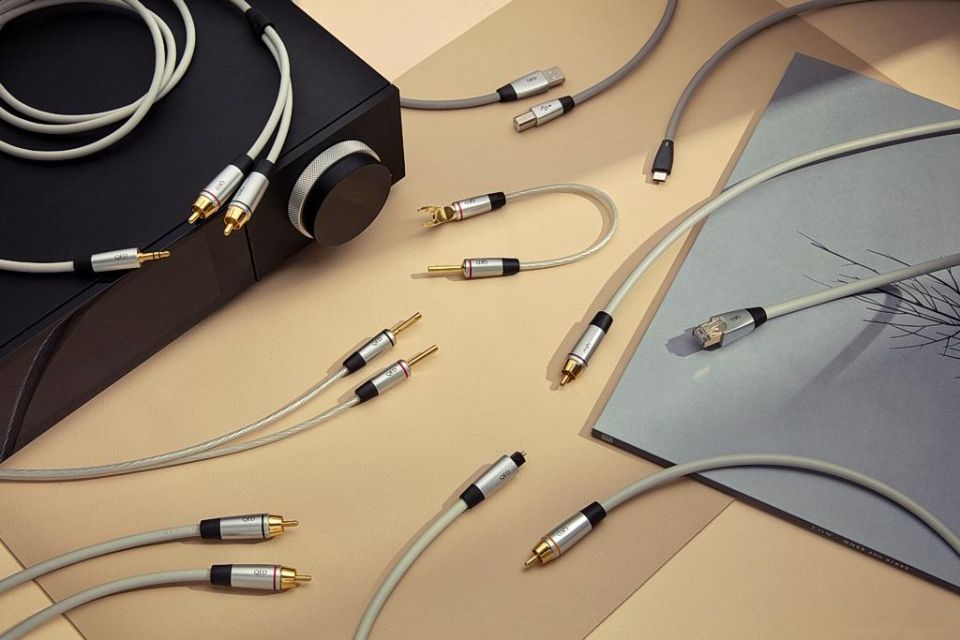
There was a time when connecting a hi-fi system was a fairly straightforward business. You needed a pair of speaker cables, an interconnect between your source and amplifier, and perhaps a few additional wires if you happened to own a particularly elaborate setup. These days, things are rather different. A typical system might include a streamer connected through Ethernet, a DAC receiving music over USB, an optical connection to the television, a coaxial digital transport, an active subwoofer, and perhaps even a good old 3.5 mm headphone jack, which has somehow survived repeated predictions of its imminent extinction. With so many different connections to consider, buying the right cables can become almost as complicated as choosing the equipment itself. British cable specialist QED is hoping to make things a little easier with a comprehensive overhaul of its popular Performance series. The refreshed lineup now consists of 13 models covering practically every common analog and digital connection found in modern audio and home theater systems. The biggest additions are an entirely new speaker cable, matching bi-wire links, and four USB cable configurations, bringing the range up to date with the increasingly diverse ways people listen to music.

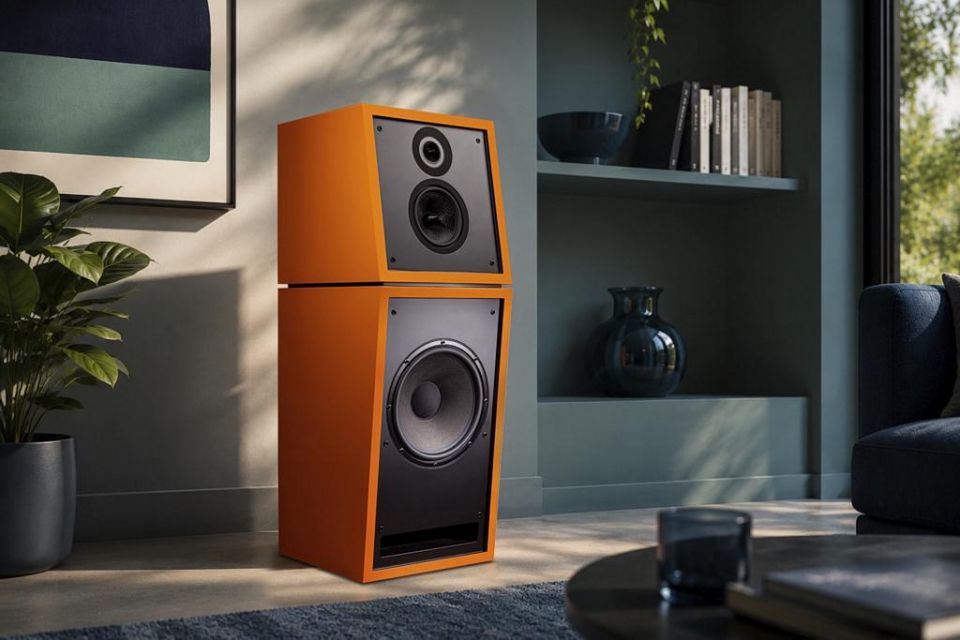
JBL L150 Classic

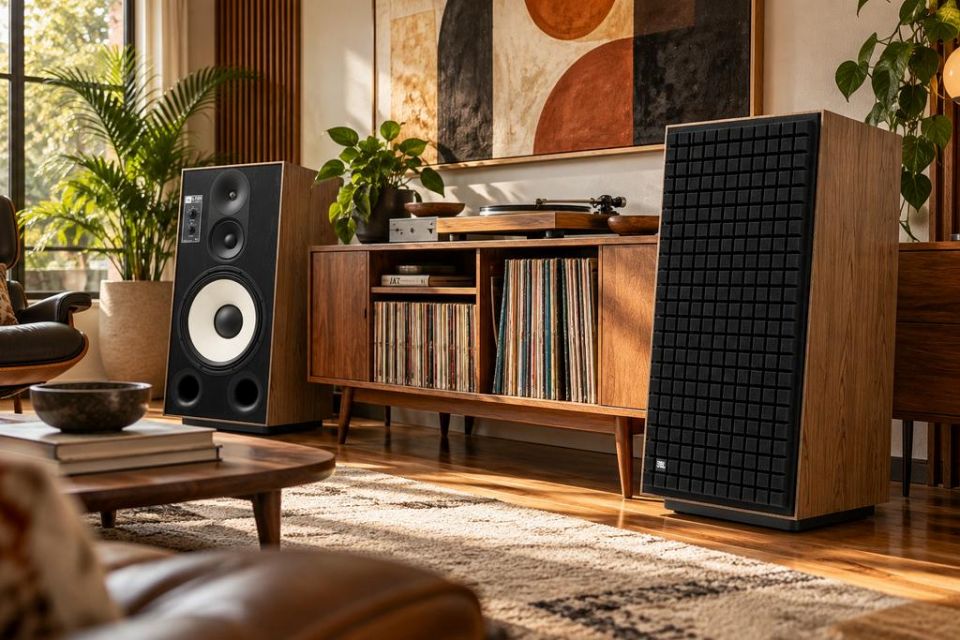
For all the changes the hi-fi industry has gone through over the past few decades, there's something undeniably appealing about a pair of enormous American loudspeakers with big woofers, wide cabinets, and absolutely no interest in blending discreetly into the living room. JBL knows this better than most. The company has spent recent years bringing its most recognizable designs back to life, combining the unmistakable styling of its 1970s classics with modern drivers and acoustic engineering. Now it's taking that philosophy to a whole new level. The newly announced L150 Classic is the largest and most ambitious model in the current Classic series, featuring a massive 15-inch woofer, a dedicated midrange driver, and a titanium dome tweeter, all housed in a substantial three-way enclosure finished in natural walnut veneer. Each speaker weighs approximately 115 pounds, and the famous Quadrex foam grille is present and correct. But perhaps the biggest surprise is where JBL has decided to unveil its latest creation. Instead of choosing an audio show in the United States, Germany, or Japan, the American manufacturer will give the L150 Classic its world premiere at Audio Video Show 2026 in Warsaw, Poland, on October 23-25. Visitors will be the first people anywhere to see the new speakers in person and, more importantly, hear what they can do.

Davis Acoustics Renoir Evolution

The growing popularity of small tube amplifiers comes with one fundamental problem - not all modern loudspeakers are particularly interested in working with them. Increasingly elaborate driver configurations, relatively low sensitivity, and demanding impedance curves mean that a handful of watts is not always enough, even when the specifications suggest that everything should work reasonably well. The Davis Acoustics Renoir Evolution takes precisely the opposite approach. These are imposing three-way floorstanding speakers equipped with massive 12-inch woofers and weighing approximately 220 lb each, yet they offer a sensitivity of 94 dB and a nominal impedance of 8 ohms, with a minimum of just 5 ohms. The French manufacturer therefore openly suggests that its new speakers should work extremely well with low-powered amplifiers, including single-ended designs based on 300B triodes, which typically deliver around 8-10 watts per channel. In other words, the Renoir Evolution promises the scale and authority of a large, full-range loudspeaker without forcing its owner to invest in an equally enormous solid-state power amplifier.

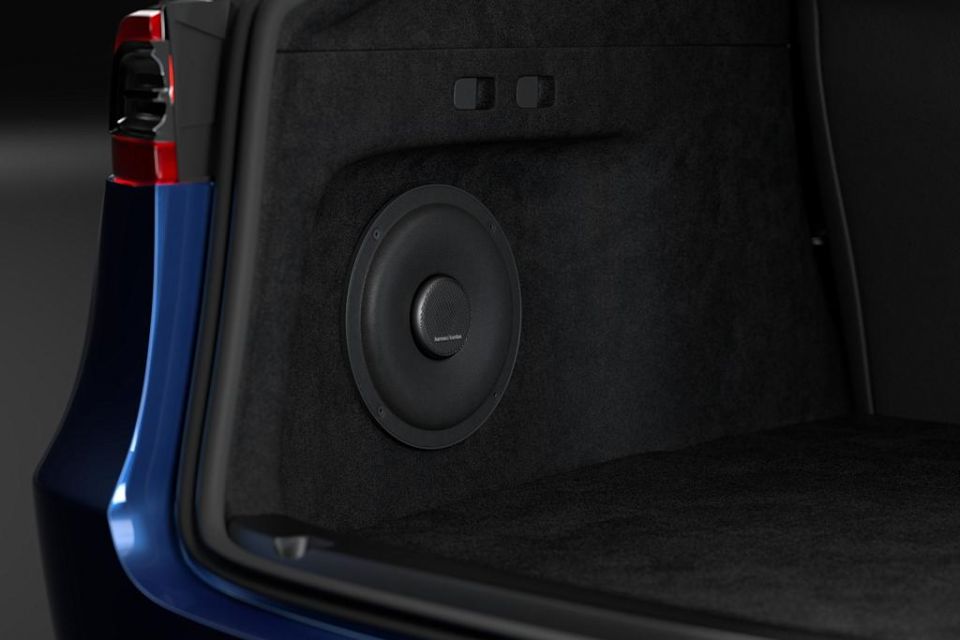
Harman Kardon Fit & Flow

You don't have to be a hi-fi enthusiast to know Harman Kardon. In fact, there's a good chance you've encountered the brand without ever setting foot in an audio store. Its logo has adorned the speaker grilles of countless cars over the years, with BMW being perhaps the most recognizable example of a partnership that has lasted more than three decades. Harman Kardon systems can also be found in vehicles from Mini, Volvo, Subaru, Kia, Hyundai, and several brands belonging to the Stellantis group. For most drivers, however, getting that distinctive badge on their speaker grilles has traditionally involved one important decision: ordering the appropriate audio package when buying the car. Miss that opportunity, and upgrading the sound system usually meant turning to a completely different manufacturer. Harman Kardon is now making that choice a little less permanent. Its expanding aftermarket car audio lineup includes two speaker families, Fit and Flow, along with the compact Flow 80 and Feel 700 subwoofers. Together, they offer everything from relatively straightforward replacements for factory speakers to the components needed for a more ambitious custom installation.

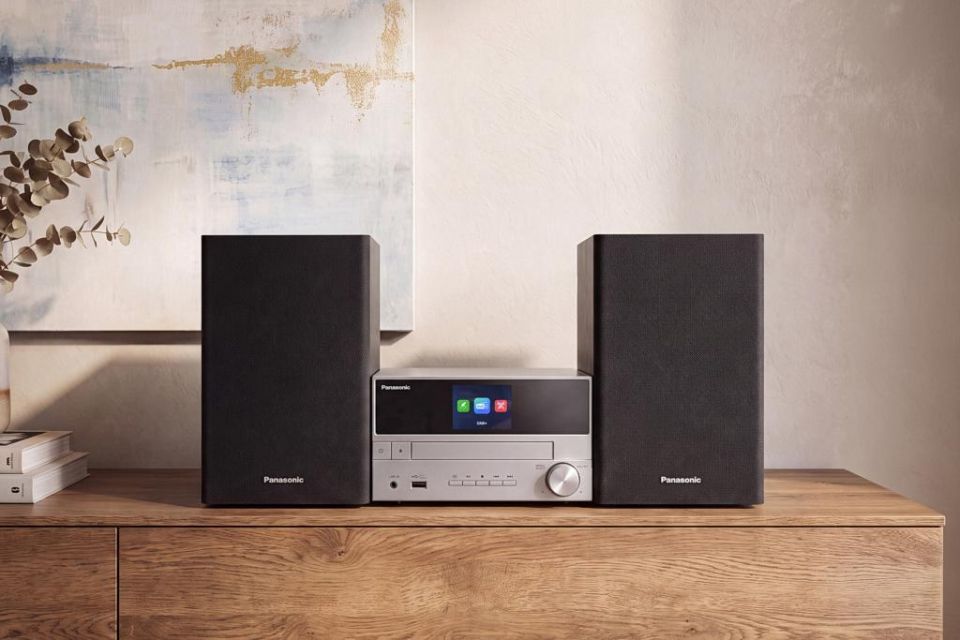
Panasonic SC-PMX112 & SC-PM302

For years, we've been told that the future of home audio belongs to wireless speakers, streaming services, and devices controlled entirely through smartphone apps. And yet, somehow, the traditional micro hi-fi system refuses to disappear. It's not particularly difficult to understand why. For plenty of music lovers, a compact stereo with a built-in CD player, radio tuner, and two separate speakers remains one of the simplest and most practical ways to enjoy music at home. No complicated setup, no need to assemble a collection of separate components, and no requirement to reach for a phone every time you want to hear something. Panasonic clearly believes there's still a market for this kind of equipment, as the Japanese manufacturer has just introduced two new micro systems, the SC-PMX112 and SC-PM302. The former is a more sophisticated, 180-watt model with internet radio, Spotify Connect, and two-way speakers, while the latter offers a simpler, more affordable 60-watt alternative for listeners who are perfectly happy with CDs, radio, and Bluetooth streaming. Both retain the familiar micro hi-fi format while introducing a few welcome modern touches, including color displays and USB playback.

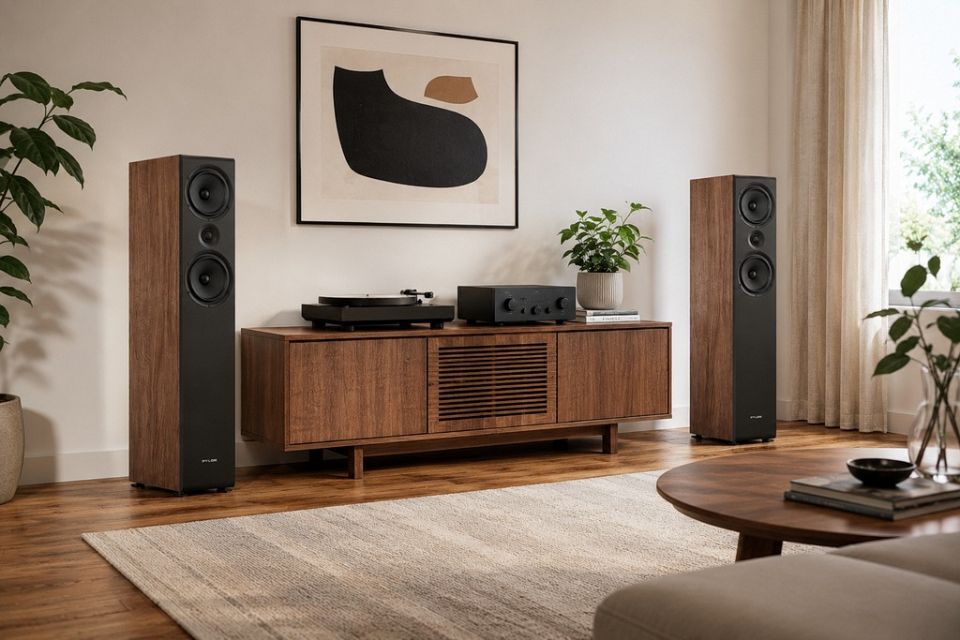
Pylon Audio Opal 23 mkII

Most stereo equipment manufacturers would like us to associate their brands with the products at the very top of their catalogs - the finest, most visually striking models, packed with the most advanced technology. When we buy an affordable pair of bookshelf speakers bearing the shiny Bowers & Wilkins logo, we're supposed to picture the Nautilus or those imposing 801 D3s standing in London's legendary Abbey Road Studios. When we pick up a pair of audiophile headphones from Sennheiser, we're meant to feel as though we're getting a little taste of the Orpheus. Marketing and human psychology have always worked this way. Yet while flagship products shape a brand's image, the vast majority of sales come from the entry-level and midrange segments. Basic economics and the distribution of household incomes tell us everything we need to know about that. The interesting thing is that, at least in my opinion, the best way to judge a company's capabilities and the talent of its engineers is to look at the products rolling off its production lines in the greatest numbers. With an unlimited budget, after all, almost anything is possible - seven-foot-tall speakers with space-age drivers suspended in a silver framework, a million-watt amplifier that unfolds like a futuristic sculpture, or cables as thick as a fully grown python that most people would laugh at. Things become considerably more interesting when we introduce some serious constraints, particularly the most important one - money. That's when we discover who can make intelligent engineering decisions and who can't.

Tiglon arrives in the United States

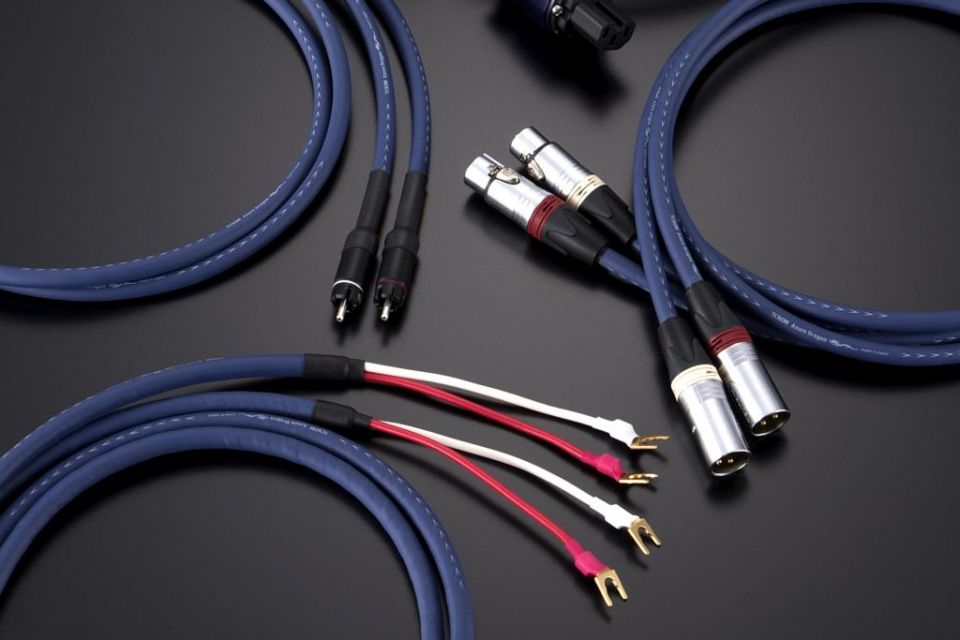
Tiglon, a Japanese manufacturer specializing in high-end audio cables, vibration-control products, equipment supports and related accessories, is establishing a much stronger presence in the United States through Tiglon USA. Headquartered in Yamato, Kanagawa Prefecture, the company is led by founder and chief designer Kentaro Okino and has been developing audio products for roughly two decades. It was formally established in 2008 as Kryna Pro Co. Ltd., the Tiglon brand appeared later that year, and in 2010 both the company and the brand adopted the name used today. Its catalog is now broad enough to include power, analog, speaker, USB, LAN and digital cables, along with equipment racks, platforms, isolators, speaker stands and several more specialized tuning accessories, while production remains centered in Japan.

Wharfedale Aura

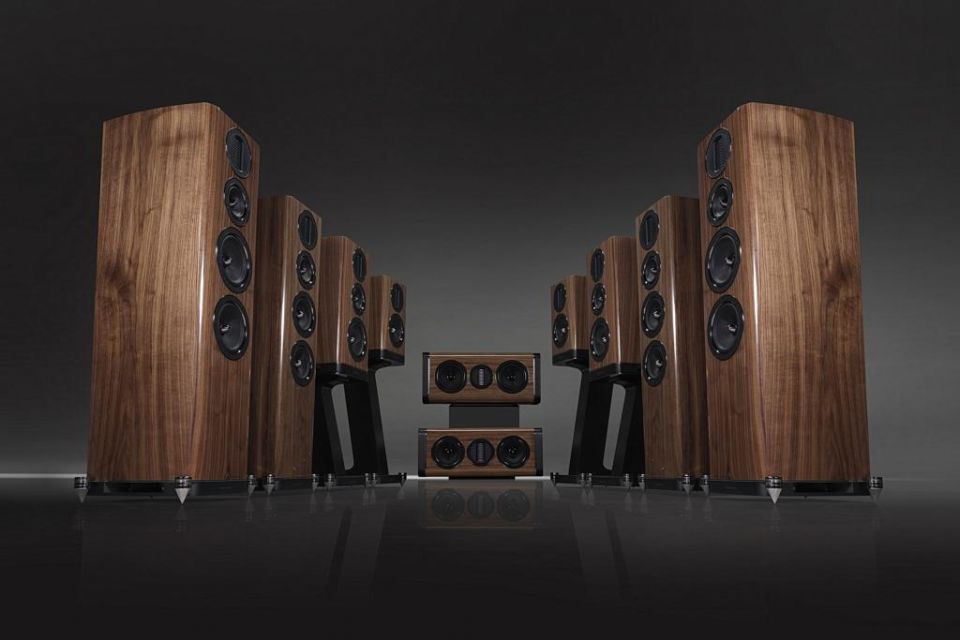
Wharfedale is one of those manufacturers that knows how to spread its ideas across several price levels without turning the more affordable ranges into stripped-down, characterless versions of its flagship designs. The Aura series is a particularly good example. It borrows heavily from technologies developed for the top-of-the-line Elysian range, but packages them in speakers aimed at a much broader audience. In terms of overall size, the Aura models remain relatively close to the popular Evo family, yet their drivers, cabinets, crossovers and bass-reflex systems have all been developed with Wharfedale's more ambitious designs in mind. This is not just a single pair of speakers, either, but a complete lineup capable of forming the basis of anything from a traditional stereo system to a full multichannel home theater. The range consists of two stand-mount models, the Aura 1 and Aura 2, two floorstanders, the Aura 3 and Aura 4, and two center-channel speakers, the Aura CS and Aura C. In other words, buyers can start with a relatively compact setup for a living room or office, move all the way up to a substantial three-way floorstander, or build a tonally consistent system for both music and movies.

Victrola Soundstage

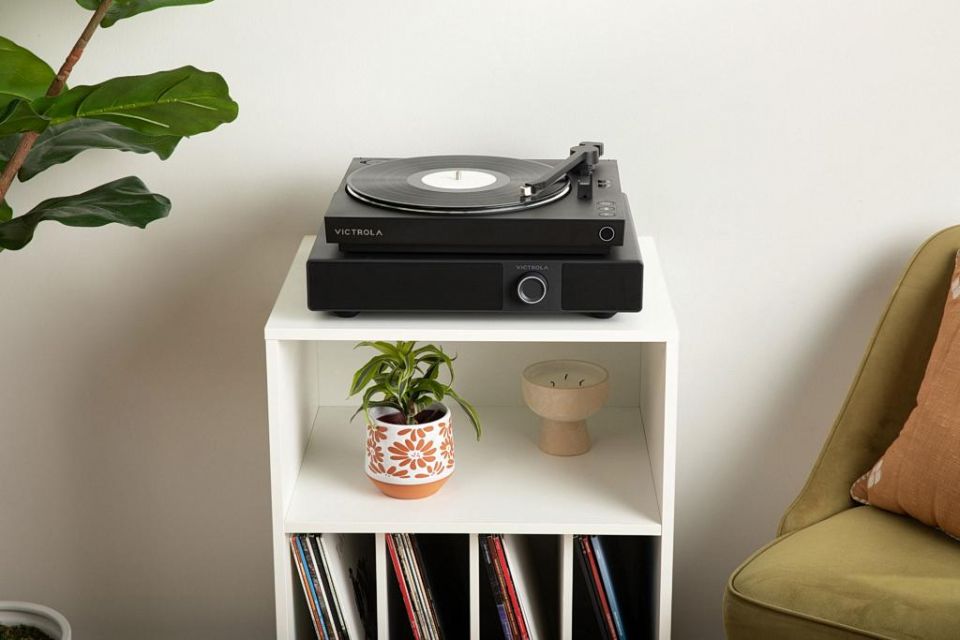
Victrola is preparing to bring one of its more unusual recent products to Europe. First shown at CES 2026, Soundstage is neither a conventional pair of speakers nor an all-in-one record player. Instead, it is a low-profile soundbase designed to sit directly underneath a turntable and provide room-filling sound without introducing the vibration problems that normally make such an arrangement a bad idea. The concept is aimed squarely at listeners who want a compact vinyl system without separate speakers, an amplifier and the extra furniture that usually comes with them. Following its US launch, Soundstage is now heading to Europe, where sales are scheduled to begin in October.

We use cookies to improve our website and your experience when using it. To find out more about the cookies we use and how to delete them, please see our Privacy Policy.