- Articles
- Posted
From Transformers to Tube Amplifiers - The Story of Fezz Audio
If someone were to say that the headquarters of one of the most interesting and fastest-growing manufacturers of tube amplifiers and hi-fi components was based not in Munich, Glasgow, or Tokyo, but in a tiny village near Białystok, Poland, many audiophiles would probably raise an eyebrow. This is, after all, the heart of Podlasie - a region that Poles themselves tend to see as beautiful, picturesque, and somewhat removed from the country's main industrial centers and, at least in popular jokes, a little behind the curve of modern life. Internet memes reinforce the stereotype - people are supposedly still discovering electricity there, throwing spears at airplanes, and rolling up the asphalt from the roads at night. A quick search brings up images of R2D2 and C3PO turned into a moonshine still, a long sausage wrapped around a cable reel labeled "Podlasie Fiber Optic", and Fred Flintstone's car presented as a local taxi. And yet it is precisely here, among forests, lakes, and open countryside, that a company emerged, first with small, simple, affordable tube amplifiers, and now delivers beautifully engineered, thoughtfully designed, thoroughly modern components to music lovers in more than thirty countries worldwide.
Today Fezz Audio is one of the most recognizable Polish hi-fi brands. And yet, while its products are widely known and its progress is followed with genuine interest, the story behind the company remains surprisingly unfamiliar. How did a workshop focused on toroidal transformers decide to enter the market with complete stereo components? Why tube amplifiers in particular - and why have they remained at the core of the lineup ever since? And how did Fezz manage, in just ten years, to move from a garage-built amplifier competing with mass-produced Far Eastern designs to a monumental high-end separates system priced at €80,000? If you've ever been curious about that trajectory, this is an invitation to step into a world where the quiet rhythm of life close to nature intersects with a production facility that feels closer to a NASA lab than a rural workshop, and where the silence of a listening room is broken only by large loudspeakers, vinyl records, and the warm glow of vacuum tubes.




Białystok - The Place Behind the Brand
In an era shaped by global supply chains, standardized technologies, and production networks spread across continents, it's easy to assume that where audio equipment is made no longer matters very much. In reality, geography still leaves a clear imprint. Loudspeakers, amplifiers, and turntables don't emerge in isolation. They grow out of specific technical traditions, local aesthetics, everyday expectations about usability, and a certain cultural sensitivity to sound. That's why German equipment so often reflects discipline and structural logic, French designs can feel light and refined, Scandinavian products combine restraint with naturalness, American gear rarely avoids scale or presence, Japanese components reveal an enduring respect for precision and craftsmanship, and Polish manufacturers are increasingly demonstrating that their own approach to design and voicing can be distinctive while still speaking a universal language. The environment, understood as something far broader than a factory address, still shapes engineering decisions, the balance between form and function, the choice of materials, and ultimately the character of the sound itself.
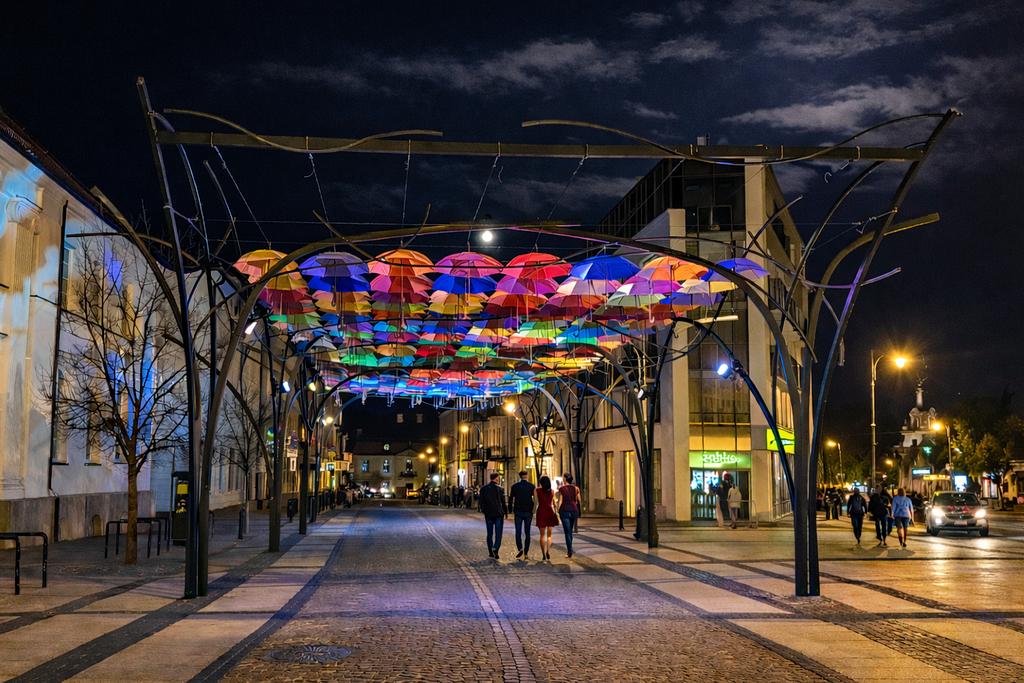
Fezz Audio and Toroidy, its sister company, are based in Białystok, the capital of the Podlasie region. With a population of roughly 300,000, the city can feel unexpectedly green from the very first walk through its streets. Parks and trees appear almost everywhere you look, while the architecture tells a layered story that moves easily between historic townhouses and Orthodox churches, communist-era apartment blocks, modernist civic buildings, and contemporary glass office complexes and shopping centers. Branicki Palace and its gardens are an essential stop for any visitor - not without reason often called the Polish Versailles. This Baroque residence remains closely integrated into the life of the city, as its grounds now house the local Medical University. Residents and visitors alike are drawn to Kościuszko Market Square, which functions less like a traditional plaza and more like a promenade, with its distinctive spatial layout, fountain, and town hall. It's an ideal place for an unhurried walk, a cup of coffee, and a moment spent watching everyday city life unfold. For those who prefer walking routes to café terraces, two trails stand out in particular. The first is the Esperanto and Many Cultures Trail, a thematic route with fifteen stops presenting the city as the birthplace of Esperanto, the international language created by Ludwik Zamenhof. The second is the Białystok Mural Trail. In its official version it runs for about 3 km and passes thirteen works, including the well-known "Żubry", "Girl with a Watering Can", and "Send a Postcard to Grandma". Together they create a layered portrait of a city shaped as much by its people and traditions as by its architecture.
The connection between Fezz Audio, Toroidy, and Białystok extends far beyond a mailing address or administrative boundaries. It is rooted in the biographies of the people who built these companies and in the industrial character of the region itself. The founder of Toroidy was associated with Białystok University of Technology and gained early professional experience at Biazet, while much of the team completed their education here, learned their trade here, and developed their technical expertise here. This is not simply a location on a map. It is the environment in which the company grew naturally. Both the former headquarters in Księżyno and the current facility in Kolonia Koplany lie only a few kilometers from the center of Białystok, yet they already belong to a very different landscape. The surroundings are defined by forests, fields, ponds, small farms, and a characteristic quiet that encourages you to slow down and listen more carefully - not only to music, but also to your own thoughts. Perhaps the most revealing detail is that the site where the modern factory complex now stands was once a plot owned by the company's founder, with a modest apiary on it. After work, he would come here to tend the bees, collect honey, and spend time in nearly untouched nature. That detail says more about the character of this place than any technical description of the location ever could. The factory was not built on an anonymous investment site, but in a setting that was already familiar, personal, and deeply rooted in everyday experience - a place where the rural landscape of Podlasie meets Polish engineering ambition, proprietary technology, and the determination to build equipment recognized far beyond the region.





Where Did It All Begin?
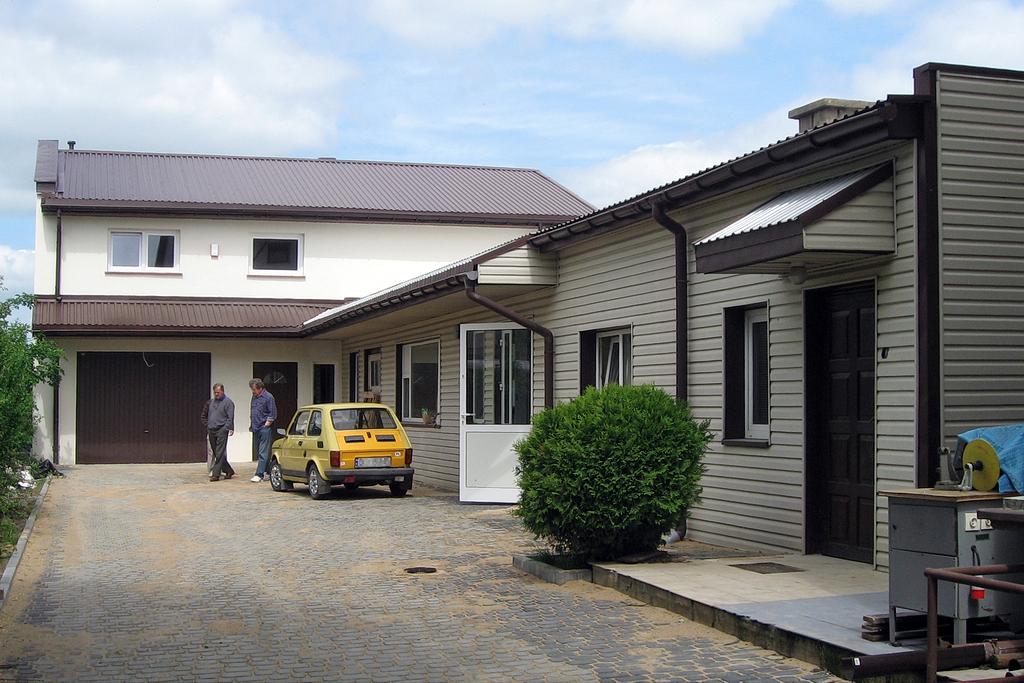
Long before the factory walls in Księżyno - and later the larger, purpose-built facility in Kolonia Koplany - began resonating with music played through Silver Luna, Titania, or Mira Ceti amplifiers, they echoed with very different sounds. For years, what filled those spaces was the hum of winding machines, the metallic clatter of tools, the hiss of resin dispensers, and the steady buzz of transformers undergoing load testing. In interviews and industry materials, one date appears again and again: 1992. That was the year the Lachowski family began working professionally with transformers, at first on a far more modest scale, in conditions typical of a small home workshop - or even around the kitchen table, the kind of setting many hi-fi manufacturers later recall with a certain nostalgia.
Maciej Lachowski smiles today when he remembers the time when the entire family helped wind tapes and wires that his father, Lech, brought home from work. Trained as an aeronautical engineer, Lech Lachowski was then associated with the Białystok Television Components Works Unitra-Biazet, a factory specializing in the production of televisions, monitors, and the tooling required to manufacture them. One of the key components produced there was the deflection assembly for the Jowisz television set - a model designed by the Warsaw Television Works and built using almost entirely Polish-made parts. Compared with Soviet Rubin sets, the Jowisz was more compact and notably reliable. It was not inexpensive equipment, however. In the 1980s it cost 46,000 zł, roughly half the price of a new Fiat 126p. One of its more advanced features was a PIL-type picture tube, whose horizontal and vertical deflection coils were designed to provide automatic convergence of the electron beams. Producing components of this kind required specialized and fairly sophisticated machinery, and Biazet happened to have exactly that capability. At first glance this detail may seem incidental, but in fact it turns out to be crucial for everything that followed.
The political and economic transformation that began in 1989 marked a turning point for Poland. The country was leaving behind the realities of a centrally planned economy and entering a new world shaped by market competition, democratic institutions, and growing openness to international exchange. It was a revolutionary shift, but also a painful one. Many of the mechanisms that had sustained the old system stopped functioning almost overnight, while the new environment demanded independence, flexibility, and competitiveness from companies that had never operated under such conditions before. Industry felt these changes especially strongly. Large factories built for the needs of the communist system often proved inefficient, technologically outdated, and poorly prepared to compete with Western manufacturers. As a result, the 1990s brought a wave of closures, bankruptcies, and restructuring across the country. For some observers this was the necessary cost of modernization. For others it meant unemployment, uncertainty, and the disappearance of entire local worlds that had grown around major industrial plants. Biazet and its workforce were no exception. The factory was collapsing, and machines once used to produce parts for outdated television sets were being sold off for almost nothing - practically as scrap no one needed anymore. It was at that moment that Lech Lachowski saw an opportunity. What if those machines could be adapted to wind transformers instead of deflection coils? He purchased several of them, moved them into a small home workshop, and almost immediately began experimenting with their new purpose.
So where did the original idea of making transformers come from? In many ways, the answer is surprisingly straightforward. The early 1990s were a period of intense economic acceleration in Poland. After decades of shortages and limited availability of everyday goods, store shelves were suddenly filling up, and people began buying almost everything that caught their attention. They used savings accumulated over earlier years to fulfill both modest and long-postponed ambitions. At the same time, many expected prices to rise quickly, which encouraged them to buy various goods sooner rather than later rather than watch their money lose value day by day. Poles were particularly eager to invest in furnishing and improving their apartments and houses. Had DIY superstores existed at the time, the crowds outside them might well have rivaled those gathered at Michael Jackson's famous concert at Warsaw's Bemowo airport in 1996. One of the biggest trends in interior finishing was halogen lighting. Its main limitation was that it required a transformer to step the mains voltage of 220-230 V down to 12 V. Devices of this kind sold extremely well. Small toroidal transformers could be wound by hand, and Lech Lachowski quickly recognized the business potential. There was no shortage of customers - even major electronics wholesalers were placing orders. At one stage nearly the entire family became involved in fulfilling them. If you imagine several people - including children - sitting in front of the television and wrapping insulating tape around round transformer cores, you are not far from what those evenings actually looked like.
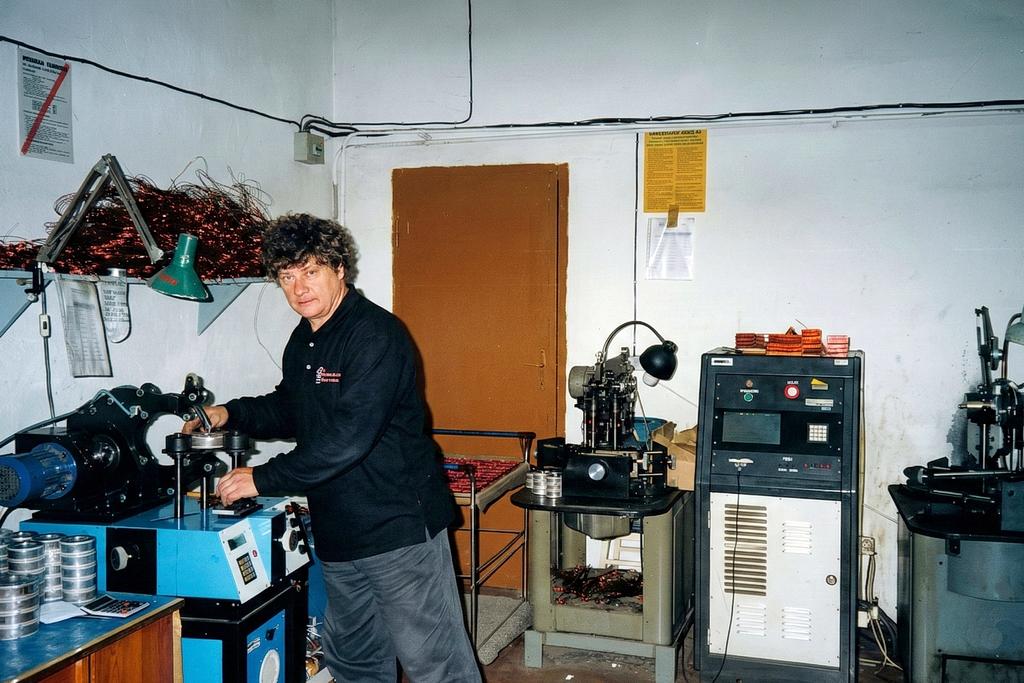

Reinventing a Machine - and a Profession
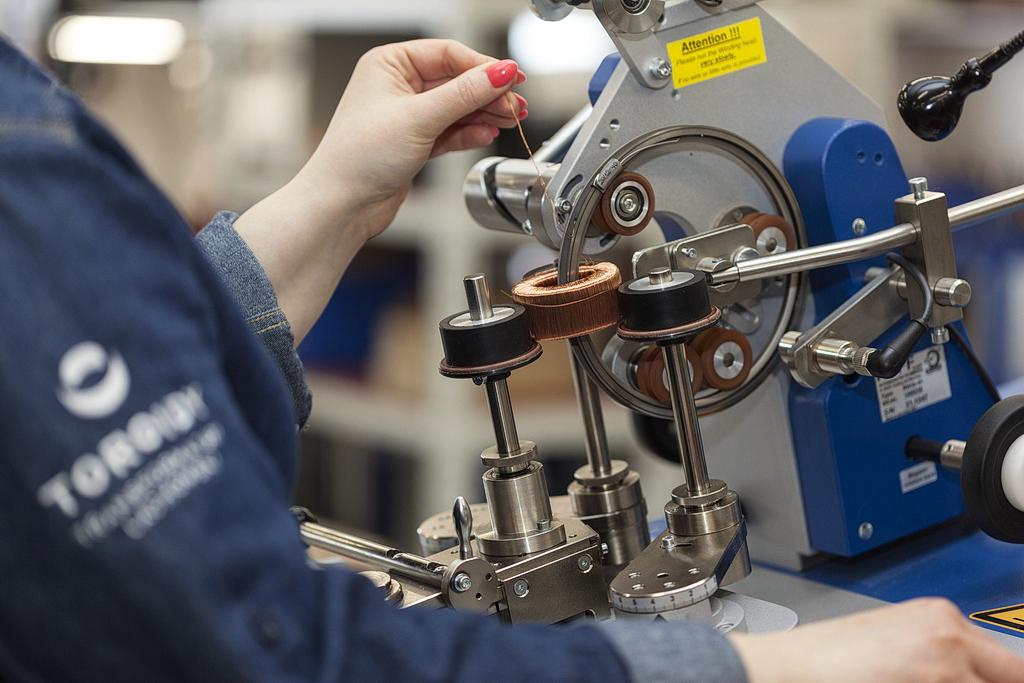
This is where the previously mentioned Biazet machinery becomes crucial. Although the task was far from simple, Lech Lachowski succeeded in modifying a machine originally designed to produce the Jowisz television's deflection assemblies so that it could be used to wind transformers instead. From that moment on, his wife and sons suddenly found themselves with far more free time. Work that the entire family had once spent long evenings doing by hand could now be completed by an automatic winding machine in little more than a dozen minutes. Remarkably, that same machine - heavily modified over the years but still operational - continues to work at the Toroidy factory today alongside many newer equivalents. One might say it occupies a place of honor, but it is no museum piece. More than thirty years later, it remains in excellent condition and still winds transformers every day with impressive precision.
While preparing this article, I asked whether any archival photographs of that machine and the first Toroidy workshop had survived. It quickly became clear that most of them had probably been lost for good. At the time, no one involved expected this technical experiment to become anything more than a temporary way to make a living - a modest home workshop helping a family get through a difficult period after the factory that had employed them effectively disappeared almost overnight. Unexpected help came from Lech's sister-in-law Anna, who, like many Poles of her generation, had emigrated to the United States and brought with her a camera that was considered quite advanced at the time. Whenever she returned to Poland, she documented family life and everyday events with care. When she learned that an audio magazine was tracing the history of the family business, she first photographed prints from her personal album and later scanned selected images for us. That was not her only contribution. It was also Anna who sent specialized bearings from the United States for the first winding machine, which had originally been built to imperial rather than metric standards. At the time, such components were unavailable not only on the Polish market but across Europe as well.
The introduction of automated winding marked a turning point. Production accelerated, and because there were relatively few companies in Poland in the 1990s capable of manufacturing custom transformers, demand began to grow rapidly. The first serious projects were carried out for industrial and energy-sector applications. In that environment, standards, safety, and durability were everything. No one asked about a transformer's "sound signature". It had to meet clearly defined parameters, offer an appropriate insulation class, carry the required current, withstand high voltages, tolerate elevated ambient temperatures, and operate reliably for years. At that stage, Toroidy functioned primarily as a component supplier - a technical partner working inside larger systems designed by other, usually much bigger companies. Many orders followed a familiar pattern: a client would specify electrical parameters, insulation requirements, and protection levels, and the transformer simply had to meet them. Over time, however, audio enthusiasts began appearing among those clients, first with individual commissions and later with small production runs for independent designers. By the end of the 1990s, toroidal transformers from Podlasie were already finding their way into players and amplifiers built by companies such as Ancient Audio, Amare Musica, and Baltlab.
For Toroidy, transformer production for audio equipment was certainly interesting, but it remained only one segment of a much broader activity. From a technical standpoint, such components were treated no differently from industrial units - the priorities were simply different. Instead of resistance to moisture and vibration in a ship's engine room, what mattered here was silent operation, minimal mechanical vibration, effective shielding, and stable behavior under very low loads. Over time, the scale of Toroidy's operations extended far beyond the hobbyist market. Its customer base came to include major industrial clients as well as companies from the energy, maritime, railway, and defense sectors. Transformers produced in Księżyno ended up in environments where no one debated which toroid sounded better, but rather which one would survive the harshest conditions and continue working even when something went wrong elsewhere in the system.
This kind of experience shaped a very specific engineering mindset. A transformer was never treated as an isolated component. It was part of a system that had to meet safety standards, pass high-voltage testing procedures, withstand defined operating temperatures, and deliver a predictable service life. The same habits - precise documentation, disciplined measurement practices, and rigorous quality control - later carried naturally into the company's audio work. Adapting to the expectations of audiophiles and hi-fi designers required another step, however: learning how to listen to a completely different type of customer. Their priorities differed from those of industrial or military clients, but they were no less clearly defined. Out of this experience grew the Audio Grade series of transformers - potted and shielded designs created not only to achieve the best possible electrical performance, but also to operate in quiet environments where precision matters, where vibration and electromagnetic interference must be minimized, and where even subjective listening impressions can become part of the design brief.

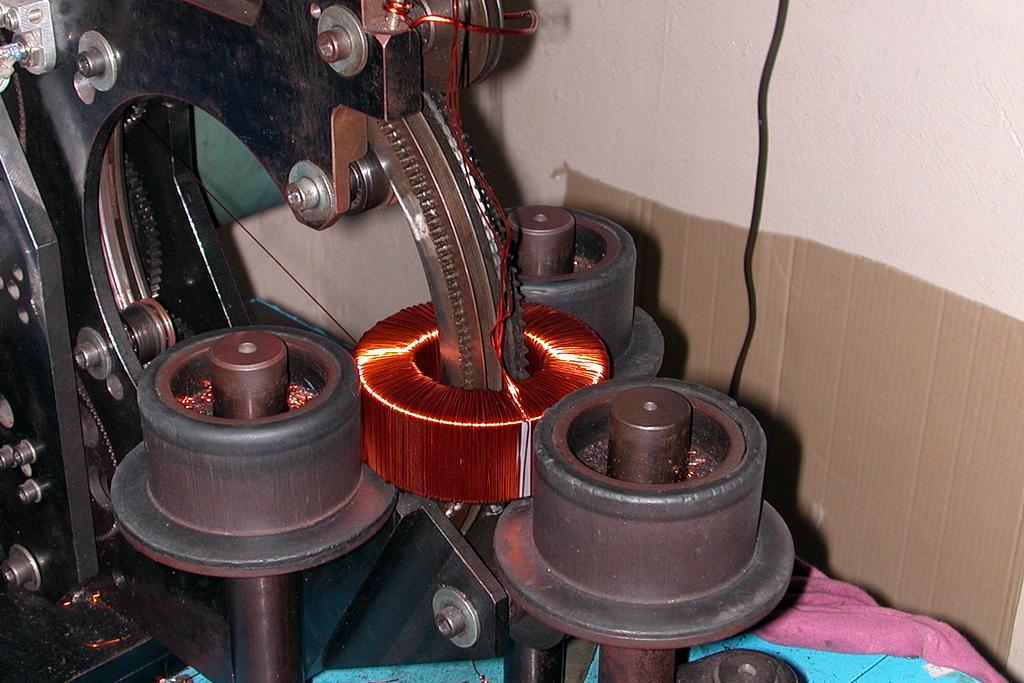


From Toroids to Amplifiers
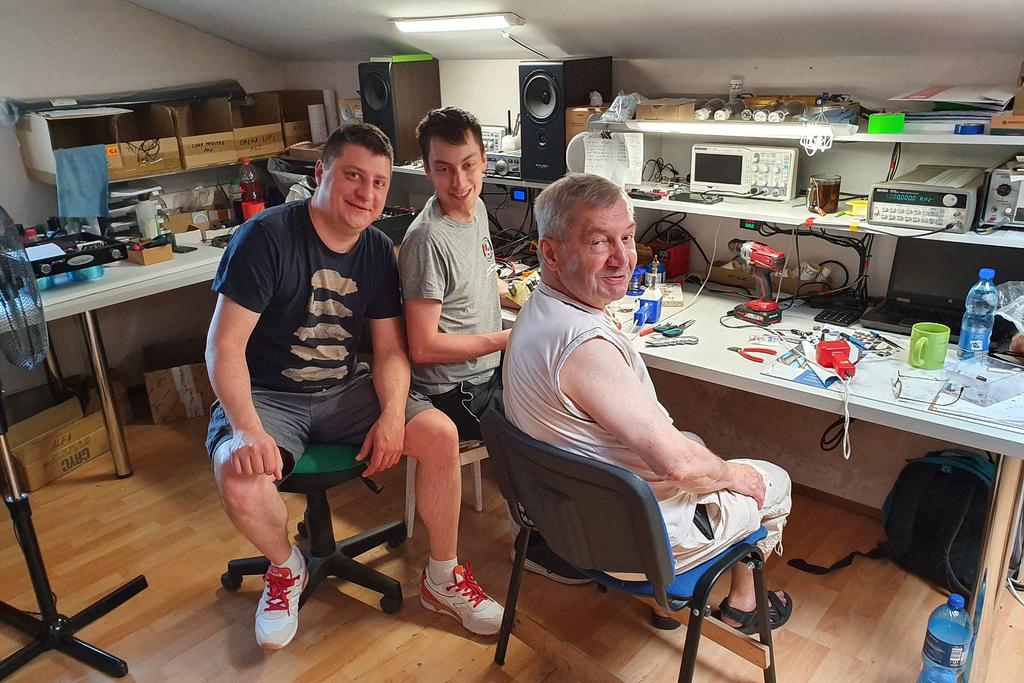
Despite steady - and by that stage increasingly rapid - growth, Toroidy remained very much a family company. Alongside the founder, Lech, the central figures in the story are his sons Tomasz and Maciej. One generation still remembers the years when most of the work was done by hand, while the next watched those same processes gradually migrate to modern machines - machines that still required someone who understood exactly what was happening between the first turn of copper wire and the final layer of impregnation. At some point a simple but decisive question emerged: if we already build transformers for so many audio manufacturers, why not expand the offer to include additional components - or even design our own amplifier around them? That question soon turned into action.
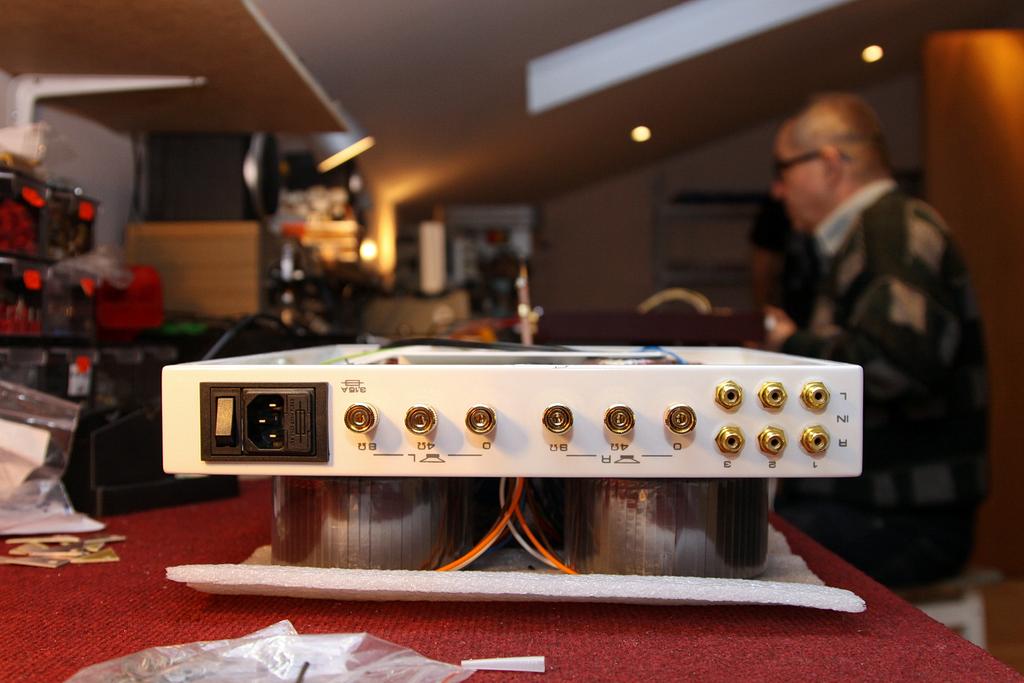
In 2013 and 2014, Toroidy presented its products at the Audio Video Show in Warsaw. At first the company focused on power transformers and enclosures intended mainly for DIY enthusiasts. A year later, using one of those enclosures together with its own power transformers and a newly developed series of toroidal output transformers, the team built an integrated amplifier called Laura. Visitors at the show repeatedly asked about it. At the time, however, Fezz did not yet exist even as a formal concept, so the answer was always the same: this was only a demonstration unit and was not intended for sale, although the key components required to build something similar could be ordered through the company's online store. In reality, Toroidy's goal was not to reach individual customers but to attract the attention of established audio manufacturers. That strategy failed completely. In the world of tube amplifiers, the prevailing assumption was still that output transformers simply had to be wound on EI cores - end of discussion. Meanwhile, visitor after visitor kept asking where the Laura amplifier could be purchased. It was an unexpected reaction.
To understand the situation fully, it is worth remembering that toroidal output transformers did not appear overnight. From the outside, it might seem that designing them required only a modest modification of standard power transformers, but in practice the task was far more complex. The main designer responsible for developing Toroidy's toroidal-core output transformers - later covered by several patents - was Tomasz. After graduating from the Faculty of Electronics and Telecommunications at Białystok University of Technology, he spent more than three years refining their design. Once the results reached a satisfactory level, the decision was made to introduce them into Toroidy's product range. Sample units were even sent to leading tube amplifier manufacturers. The response, however, was minimal. The message was usually some variation of the same polite refusal: "Congratulations on achieving excellent technical and sonic performance, but in our designs we use only EI transformers", or simply, "Thank you for sending the samples and we wish you success". For Tomasz and Maciej, that was difficult to accept. Years of work, countless prototypes, and extensive experimentation were not meant to disappear into cardboard boxes stored somewhere in the attic. That was the moment when the idea of Fezz Audio appeared for the first time - Maciej's concept of creating a proprietary brand that would put Tomasz's work to practical use by building tube amplifiers designed specifically around Toroidy's toroidal magnetic circuits.
Did this bold plan immediately win the approval of the senior member of the family? Not quite. Lech Lachowski not only considered the idea unrealistic, but actively resisted attempts to move it forward. From today's perspective that reaction may seem surprising, but to understand it fairly we need to return to the realities of the time and momentarily forget the success Fezz Audio would later achieve. The family business was growing steadily as a transformer manufacturer and supplied many respected hi-fi companies. There was a real concern that launching an in-house amplifier brand could be interpreted by those partners as a competitive move - or at the very least as a breach of trust. Entering a market already occupied by long-standing clients is rarely a comfortable decision. And that was only part of the problem. While Toroidy had extensive experience working with equipment designers, its direct relationship with the audio market largely ended there. Turning the idea into reality would require building relationships with audiophiles and dealers from scratch and convincing them that buying equipment from a completely new Polish brand made sense. No matter how promising the products might be, that part of the plan also seemed uncertain. Every new brand needs time to establish credibility. What if, during that time, Toroidy's transformer customers decided to look for alternative suppliers? The risk was not limited to losing the funds invested in the new venture. It could also affect the reputation and stability of the parent company itself. With transformer production developing steadily and predictably, taking such a step seemed unnecessary - perhaps even irrational.
Maciej kept returning to the idea in conversations with his father, and the concept continued to evolve in his mind. He refined the plans, added new arguments, and moved through the transformer factory like someone who could already see assembly benches appearing next to the winding machines and rows of amplifiers undergoing burn-in on newly installed racks. Then one day he came across an article online describing the rapidly growing sales of turntables and vinyl records. The trend seemed to contradict everything people had been saying for years, but the numbers were unmistakable. Companies that had never abandoned turntable production were suddenly benefiting from renewed demand. Maciej walked into his father's office with a laptop like someone who had finally found the missing piece of evidence. This time, the argument landed differently. For Lech Lachowski, the idea of launching a new audio brand had previously seemed detached from economic reality, but it was difficult to ignore statistics quoted in a serious industry article. Vinyl sales increasing by several hundred percent? Wasn't everything supposed to move toward files and streaming? And yet suddenly there was a renewed interest in large, inconvenient discs, mechanical tonearms, surface noise, and the ritual of getting up from the listening chair to flip a record. As unlikely as it sounded, that was exactly what was happening. The turntable revival quickly reached Europe as well. Polish customers once again began asking about affordable entry-level record players, and vinyl fairs started attracting crowds of collectors - including younger listeners for whom this was not a nostalgic return to their first stereo systems, but a discovery of the format from scratch. In the end, Lech Lachowski decided to trust his son's intuition. Maciej clearly understood how this unusual market worked - and where it might be heading. He and Tomasz got the green light to bring a new brand to life.




The Birth of Fezz Audio
The new brand could rely on several important advantages from the very beginning. It operated under the umbrella of an established manufacturer and had direct access to its technical infrastructure. But if its presence on the audio market was to last longer than a few months, the key question quickly became what its products should actually be - and what would make them distinctive. Some parts of that puzzle fell into place almost automatically. Since the brand had grown out of a toroidal transformer factory, it was only natural that such transformers would become central to its designs. Toroidy already had a series of dedicated output transformers for tube amplifiers, developed by Tomasz, and because established tube-amplifier manufacturers tended to remain loyal to traditional EI-core solutions - treating toroidal output transformers as an unnecessary risk - these components could become the defining feature of the new amplifiers. The Lachowski brothers were determined to challenge the long-standing assumption that a high-quality output transformer simply could not be built on a toroidal core.
Paradoxically, the lack of interest from established manufacturers helped resolve another potential concern. Since no one had shown serious interest in adopting these transformers in their own products, there was little reason for anyone to accuse Toroidy of competing directly with its existing customers. If the market was not ready to use the components, building an amplifier around them independently became the most logical step. In that sense, a possible obstacle - one that might have exposed the parent company to the risk of losing customer trust - effectively removed itself.
Even so, access to proprietary transformers and the support of an experienced manufacturing base were only part of the equation. Designing a tube amplifier involves far more than transformers alone. The electronic circuit itself had to be developed, along with the enclosure, sockets, controls, accessories, and even seemingly mundane details such as packaging and user documentation. Here again, Maciej Lachowski proved fortunate. He met engineer Zdzisław Kulikowski, for whom tube technology had once been the foundation of everyday professional practice. Zdzisław Kulikowski belongs to a generation trained at a time when electronics was still dominated by vacuum tubes. He is also a musician, which gave him a clear sense of what a well-designed amplifier should deliver in real listening conditions. At Fezz Audio he took on the role of senior engineer, helping design the company's first devices and mentoring the younger members of the engineering team. Silver Luna - the amplifier that started everything - was entirely his design.
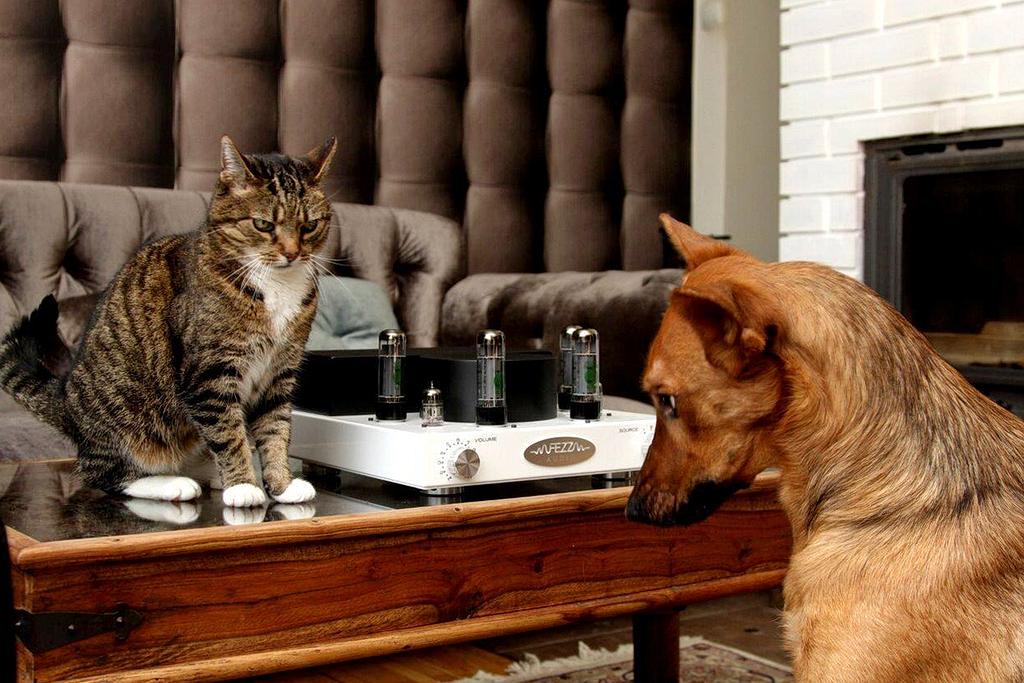
At that point the outline of the project was becoming increasingly clear. The new brand would make its debut with a classic, reasonably priced tube integrated amplifier built around proprietary transformers. There remained, however, one seemingly minor question that still needed an answer: what should the new brand be called? Maciej already had an idea. "When my daughter Ola was learning to speak, like every child she had trouble pronouncing certain words. 'Fezz' was one of them. My whole family and I love dogs. They were, are, and always will be our companions, everywhere and always. When Ola was learning to say the Polish word 'pies' (dog), it came out sounding like 'fezz'. And although Fezz Audio didn't yet exist even as a plan at the time, I immediately thought it would make a great name for a company." - he recalls. Many owners of amplifiers from the Polish manufacturer probably don't realize that they have, in a sense, a "dog" sitting in their listening room.




In the Glow of the Silver Moon
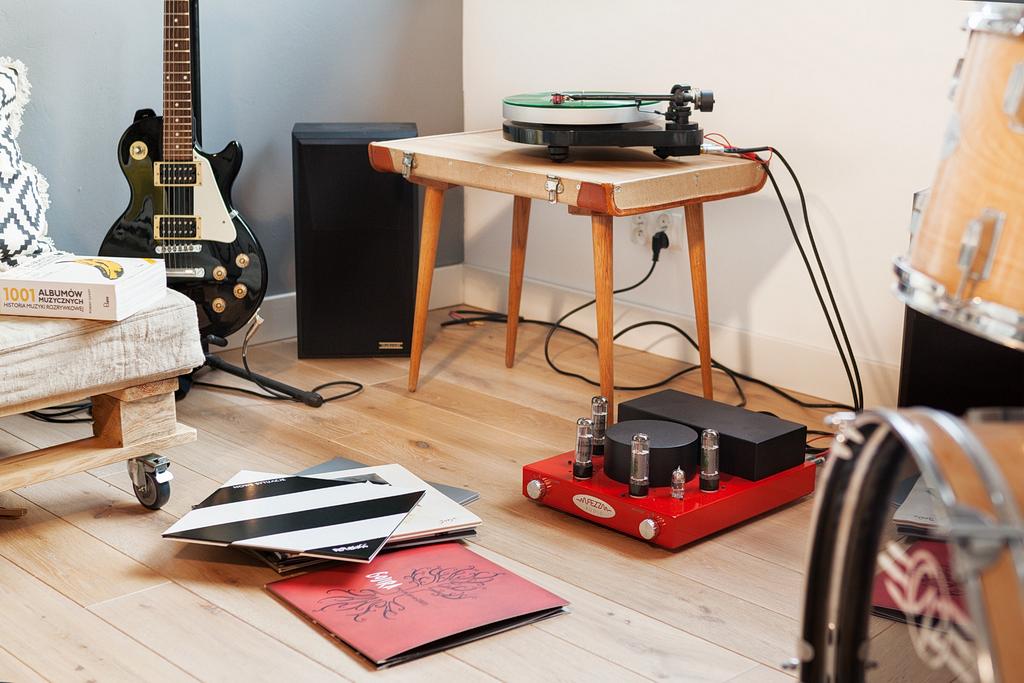
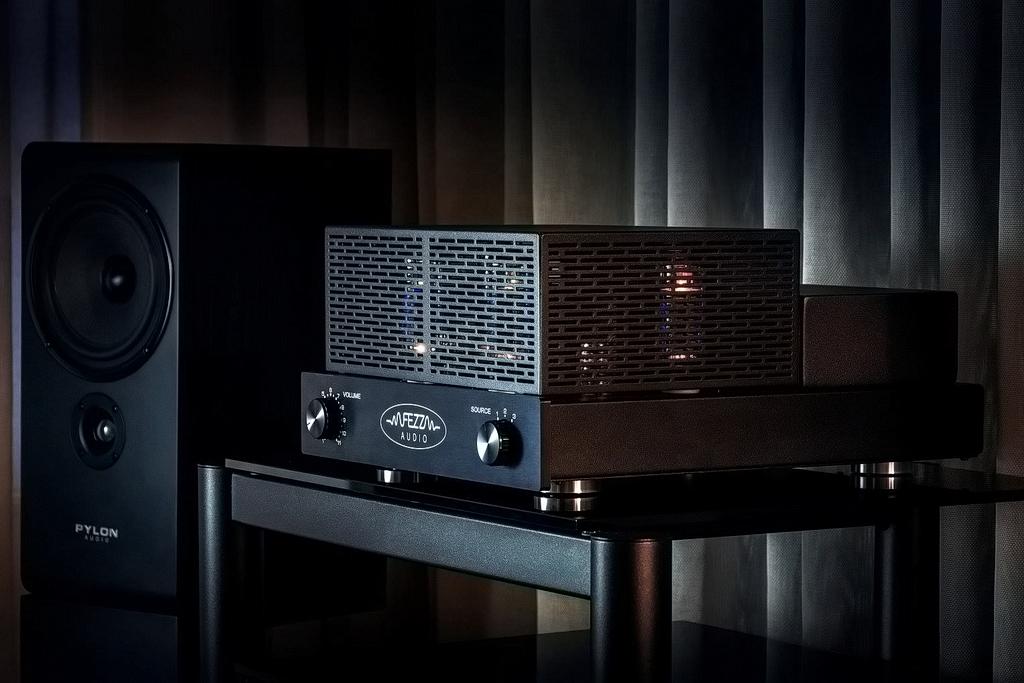
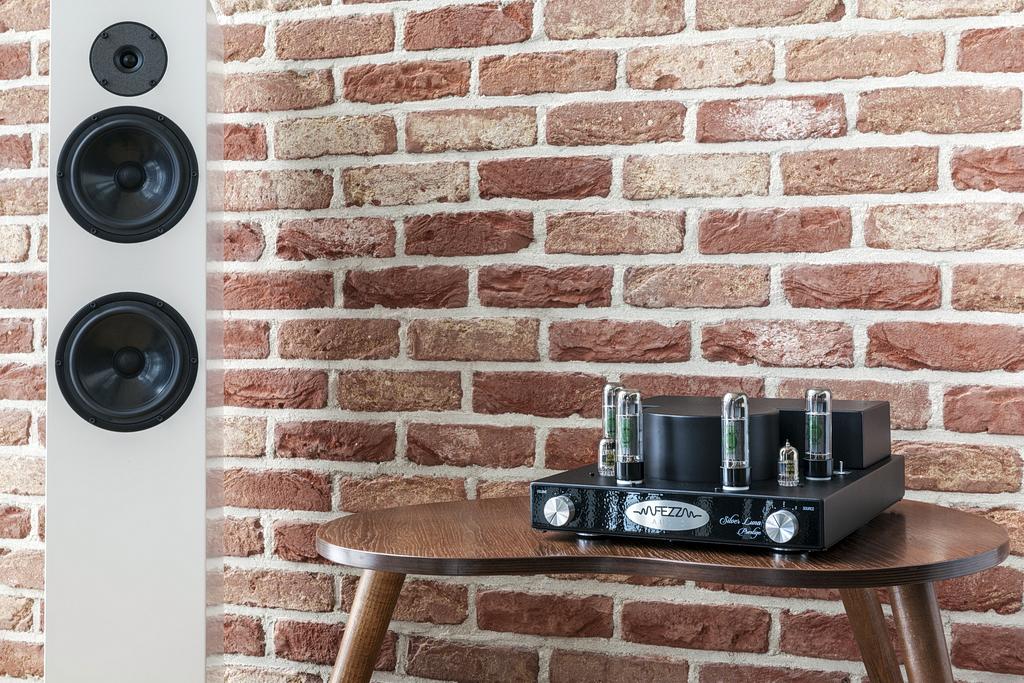
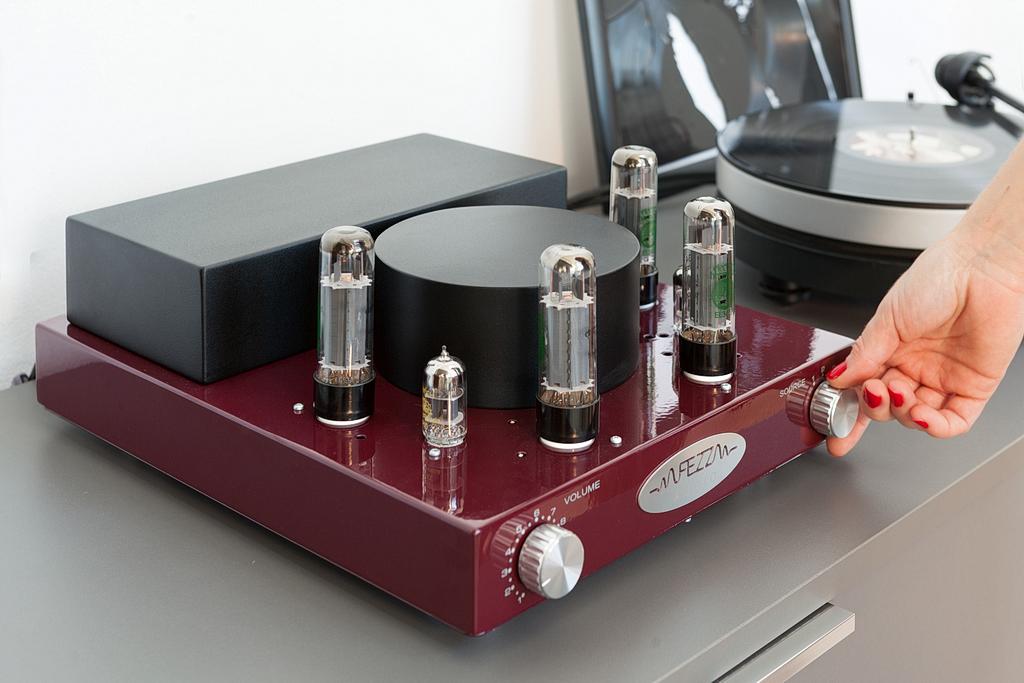
The company made its market debut in 2015 with the Silver Luna, unveiled during the Audio Video Show in Warsaw. Visitors were drawn not only by the appearance of a new Polish brand, but above all by how refreshingly straightforward its first product was. The amplifier was modest, thoughtfully designed, focused on its core function, and strikingly affordable. From the outset, Silver Luna was conceived as a tube amplifier for real listeners rather than an exclusive object for a narrow circle of enthusiasts. It used a push-pull circuit built around widely available EL34 tubes, delivered a sensible 35 W per channel, offered standard line inputs, avoided unnecessary complications, and relied internally on proprietary toroidal transformers. The enclosure, with its aluminum front panel available in multiple color options, completed the picture. Black was naturally part of the palette, but anyone looking for something more distinctive at no additional cost could choose finishes such as red, white, or burgundy. I don't know which version ultimately led the sales charts, but from a branding perspective the decision proved exceptionally effective. In stores and at trade shows, a single glance at an equipment rack was often enough to spot the system in which a Fezz amplifier was playing.
After presenting its first amplifier at Poland's largest audio-video exhibition, the Podlasie manufacturer began its promotional efforts. At first these were surprisingly restrained, almost as if the company was more interested in collecting honest, fact-based feedback than in convincing the audiophile community that it had just introduced the best amplifier of its kind the world had ever seen. In retrospect there was something disarmingly modest about that approach, although the cautious tone may also have reflected a certain respect for Polish music lovers themselves. They form a particularly demanding audience. As a rule they are well informed, technically aware, widely read, and deeply experienced as listeners. They compare equipment carefully and remain critical even when evaluating domestic brands. Supporting local manufacturers does not mean lowering expectations. The first reviews of Silver Luna, however, were clearly enthusiastic. Two themes appeared again and again. One was the common-sense balance between output power and price, which made the amplifier easy to match with ordinary loudspeakers in typical living spaces. The other was the success of the technical experiment involving toroidal output transformers. Some reviewers even pointed out that from a listener's perspective the type of transformer used inside ultimately mattered less than the result, because the sound itself was natural, full, saturated, and unmistakably analog - exactly what one expects from a classic tube amplifier. From the very beginning, proprietary toroidal transformers gave Fezz something few debuting brands can claim: a recognizable identity. A solution that only a few years earlier many audiophiles would have considered controversial quickly became the company's calling card and the foundation for further development.
Polish audiophiles welcomed Silver Luna with genuine enthusiasm. Reports from the Audio Video Show soon began mentioning a Polish system in which a Fezz tube amplifier played together with Pylon Audio loudspeakers, the entire setup costing less than a single power cable in many of the systems presented elsewhere at the same event. Subsequent reviews repeatedly described Silver Luna as an ideal entry point into the world of tube amplification - warm, coherent, and musical, yet offering unexpectedly solid bass control. The amplifier quickly became an obvious choice for listeners looking to move from solid-state to tubes without sacrificing a sense of authority over their loudspeakers, and without having to sell a kidney, a car, or an apartment in the process. Like nearly every hi-fi manufacturer, the Polish brand first had to establish itself in its domestic market, and the accessible pricing of its debut model played a crucial role. At €999, Silver Luna was positioned slightly above the cheapest Far Eastern designs but clearly below many Western tube amplifiers built around similar - or even identical - tube complements and equally straightforward circuits. It did not rely on technological spectacle, but it was likely the only serious tube amplifier manufactured entirely in Europe that could compete directly with Chinese no-name products in this price range.
Once it became clear that the local market responded strongly to the idea of a simple, honest, well-made tube amplifier, foreign distributors began to take notice. Fezz established partnerships with several international companies, among which an audio importer from South Korea quickly emerged as particularly important. Introducing a Polish-made amplifier into that market required considerable effort, largely because of mandatory certification procedures, but once those formalities had been completed, events began to move rapidly. Korean customers embraced Silver Luna so enthusiastically that the factory in Księżyno struggled to keep up with production. Additional employees had to be hired, and shipments were no longer leaving the facility on pallets but in full sea containers. Demand continued to grow, and customers soon began asking for an upgraded version of the amplifier. The result was the Silver Luna Prestige, which introduced improved components and more refined detailing. For listeners already drawn to the original model, it was a natural next step. For the manufacturer, however, the message was even clearer. A single amplifier, no matter how successful, would not be enough to sustain long-term growth. Silver Luna Prestige opened the door to slightly more demanding customers, but if the momentum was to continue, another move was necessary - and with it a broader plan for the near future, one that would involve not just one new model, but several.


When One Model Was No Longer Enough...
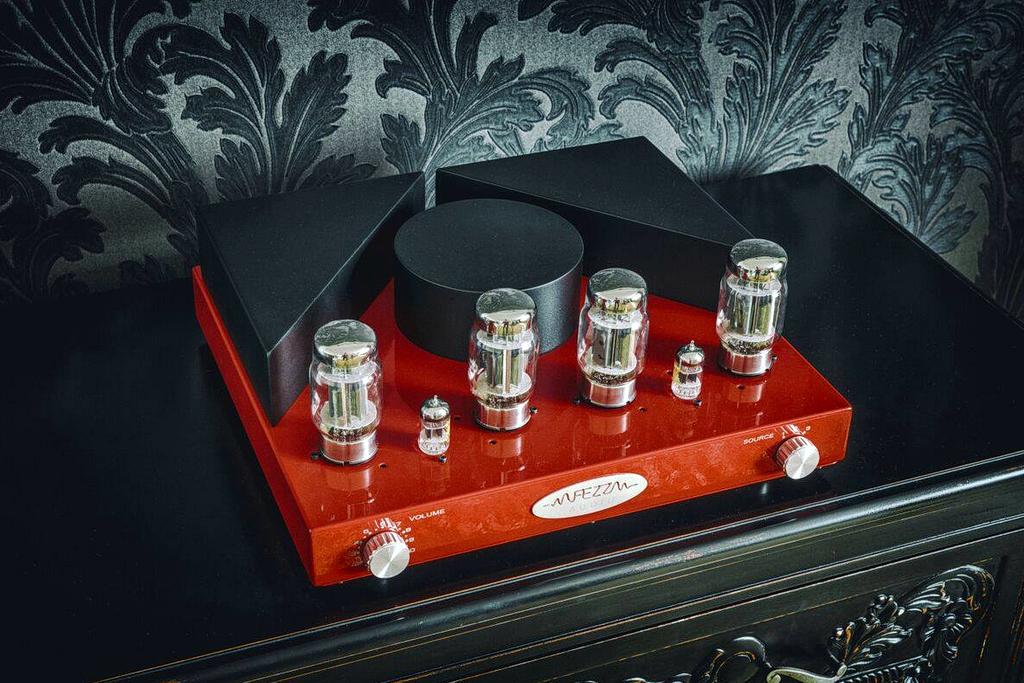
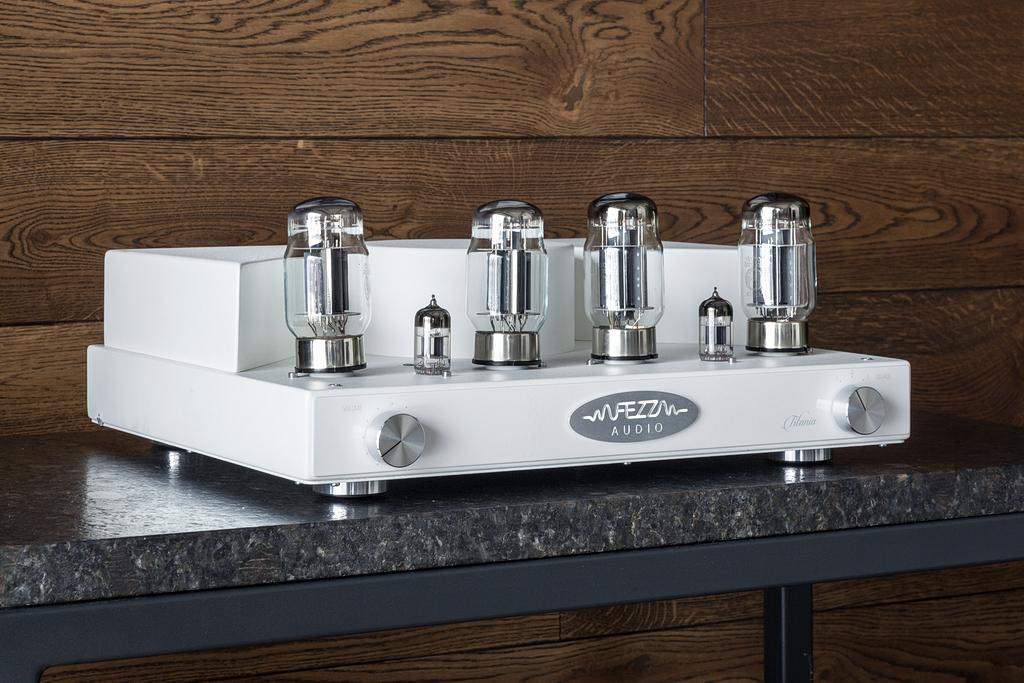
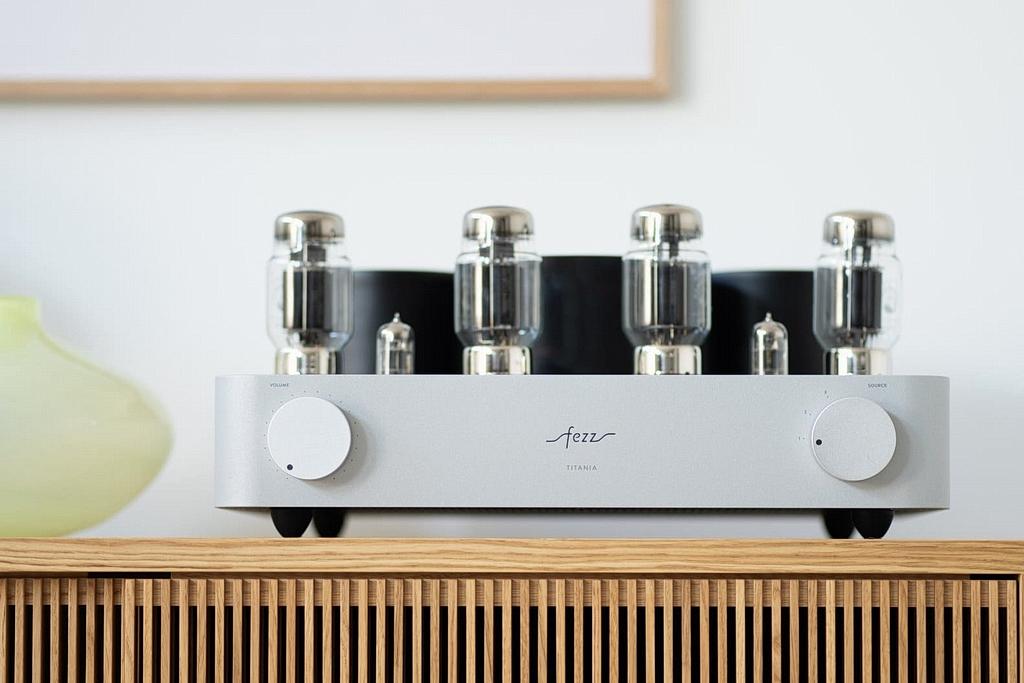
Just a few months after the launch of Silver Luna, the manufacturer decided to build on that momentum by introducing additional amplifiers, each conceived from the outset with a clearly defined role and its own sonic character. The first response to customers who wanted something more powerful than the 35-watt Silver Luna was Titania, offering 45 watts per channel. Built around KT88 tubes, the new integrated amplifier was designed to handle more demanding loudspeakers with confidence. Reviews described its presentation as full-bodied and dense, with powerful bass and a wide stereo image. It was aimed at listeners drawn to rock, electronic music, or larger-scale recordings - listeners for whom Silver Luna might have felt slightly too restrained. At the same time, Titania remained firmly rooted in the company's design philosophy. It was still a classic tube amplifier built around toroidal output transformers, not an exercise in visual extravagance. Simple styling, a straightforward set of analog inputs, no unnecessary features, and carefully selected components once again demonstrated what Fezz considered a properly designed amplifier to be. The additional ten watts per channel may not have looked dramatic on paper, but in practice Titania clearly outperformed Silver Luna in listening sessions. Some customers even felt this was the moment when Zdzisław Kulikowski's design approach reached full maturity.
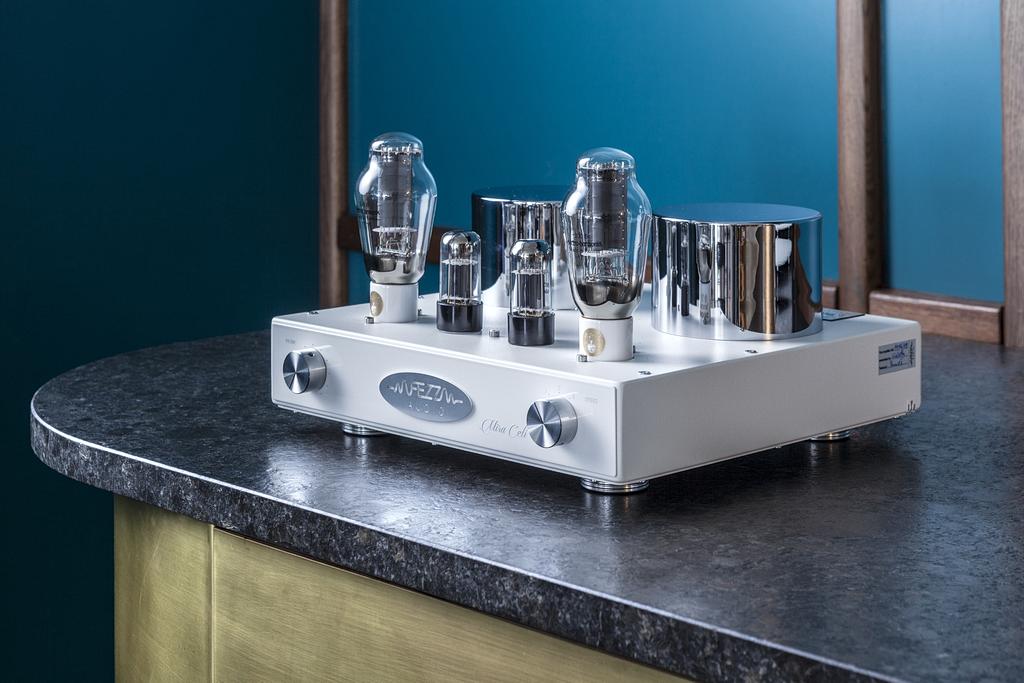
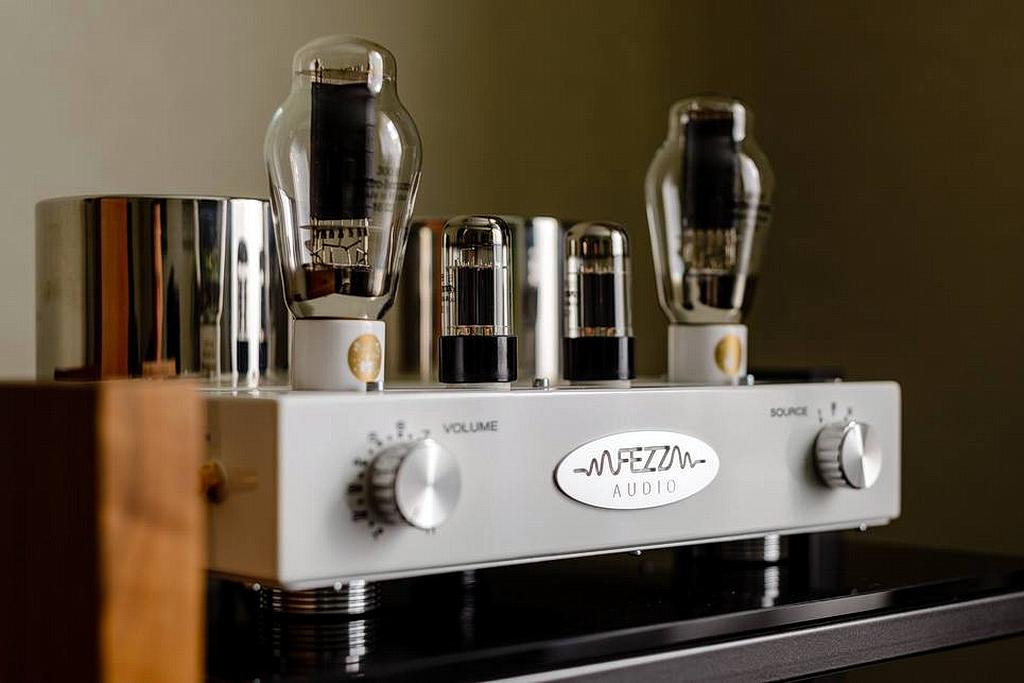
The second pillar of the expanding lineup was Mira Ceti. Unlike Titania, it did not move toward higher output power but toward greater refinement. This was a Single Ended amplifier built around the legendary 300B triodes - a topology that for many audiophiles represents the essence of tube sound itself. Once again, Fezz paired the circuit with proprietary toroidal output transformers, a decision that caused quite a stir among enthusiasts devoted to traditional glass-bottle designs. When Silver Luna and Titania appeared, the reaction had been calm, but combining iconic 300B tubes with anything other than classic EI-core transformers struck some purists as almost sacrilegious. Most listeners, however, were less concerned with orthodoxy than with results. What mattered was that Fezz had taken another bold step by introducing an amplifier that was less universal than Silver Luna or Titania, yet undeniably more seductive. It was also built according to the same guiding principles - simple, restrained, and free of unnecessary embellishment. This characteristic approach made Mira Ceti one of the least expensive, if not the least expensive, Single Ended 300B amplifiers available at the time. Its sound was described as exceptionally saturated through the midrange, dynamic for its class, and surprisingly solid in the bass. Over time, a version based on 2A3 tubes joined the catalog, and a few years later the concept was further developed into monoblocks and standalone power amplifiers.
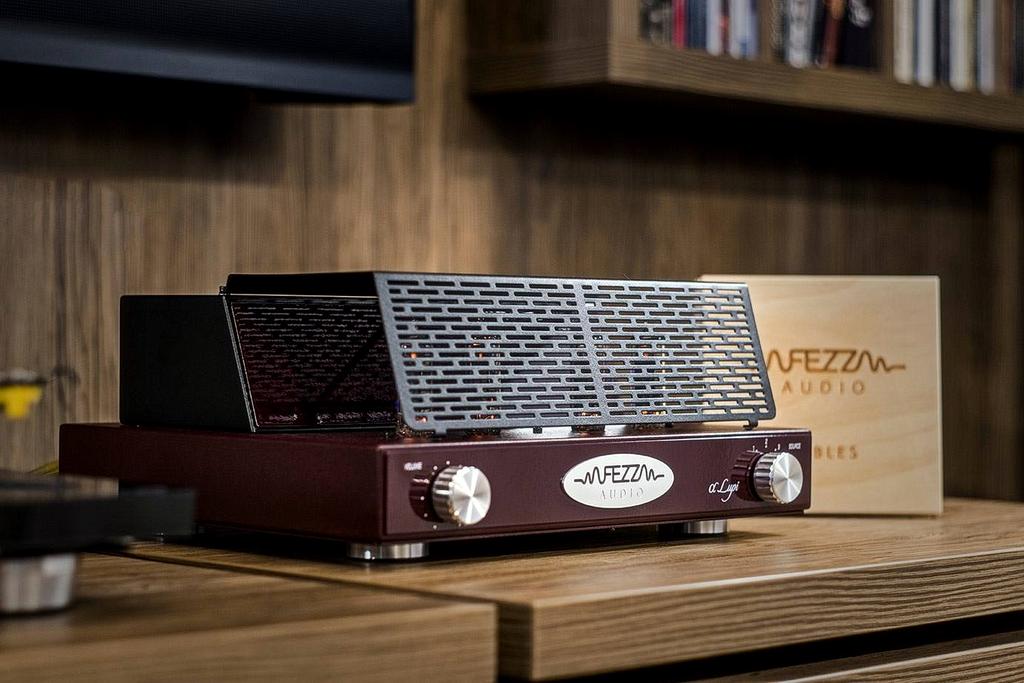
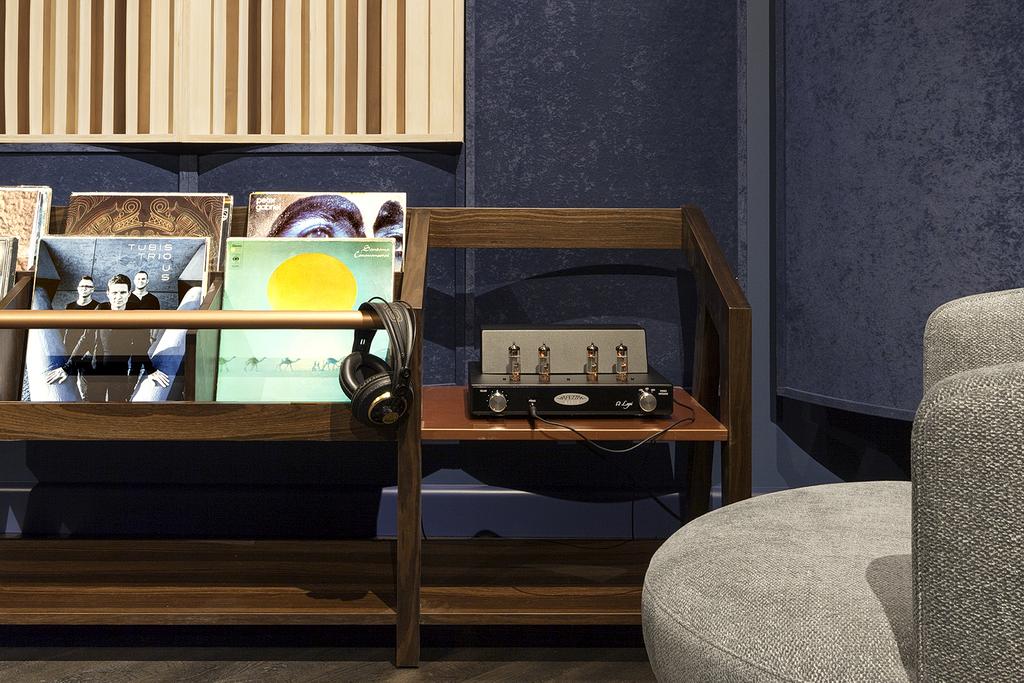
After the introduction of Mira Ceti, a new question began appearing more frequently: could the characteristic Fezz tube sound be packaged in something smaller, more affordable, and still unmistakably part of the same family? The answer was Alfa Lupi - a compact push-pull integrated amplifier built around four PCL86 tubes, delivering roughly 2 x 10 watts and, of course, using proprietary toroidal output transformers. From the beginning it was clear that this model was intended for owners of more efficient loudspeakers and smaller listening spaces - essentially a sensible first step into tube amplification. With a launch price of around €849, it entered territory typically occupied by simple solid-state integrated amplifiers and entry-level tube designs from the Far East. Yet in reviews and online discussions, the phrase that quickly began to circulate was not "small tube amplifier", but "small Fezz". Reviewers praised its clean, open presentation, well-balanced midrange, and surprisingly controlled bass, while users noted that with carefully chosen loudspeakers Alfa Lupi could sound far more mature than its modest size and price suggested.
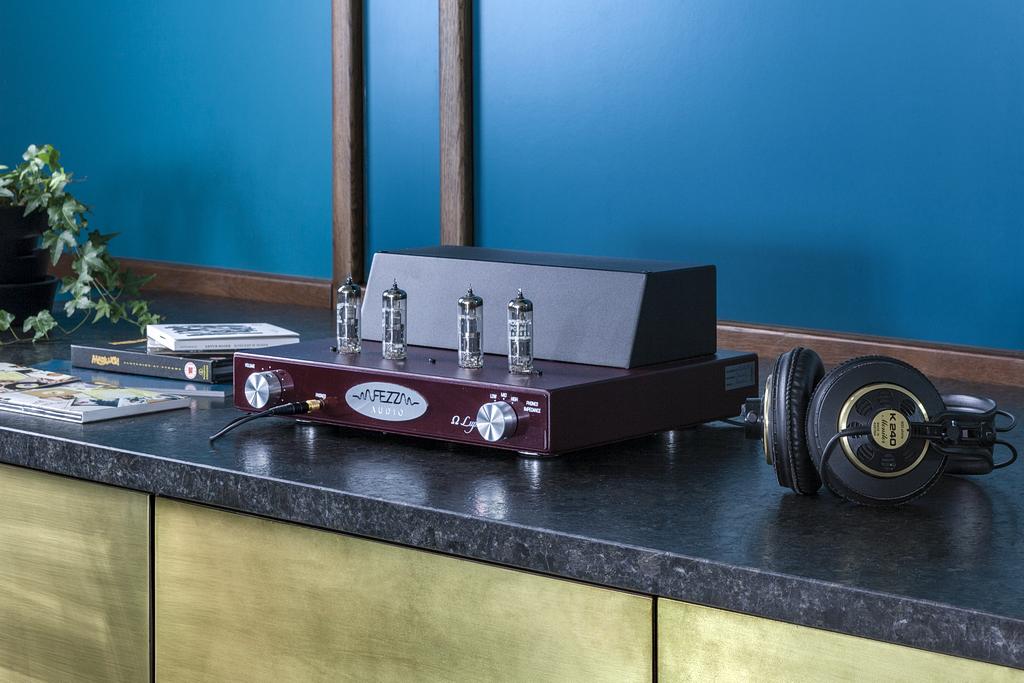
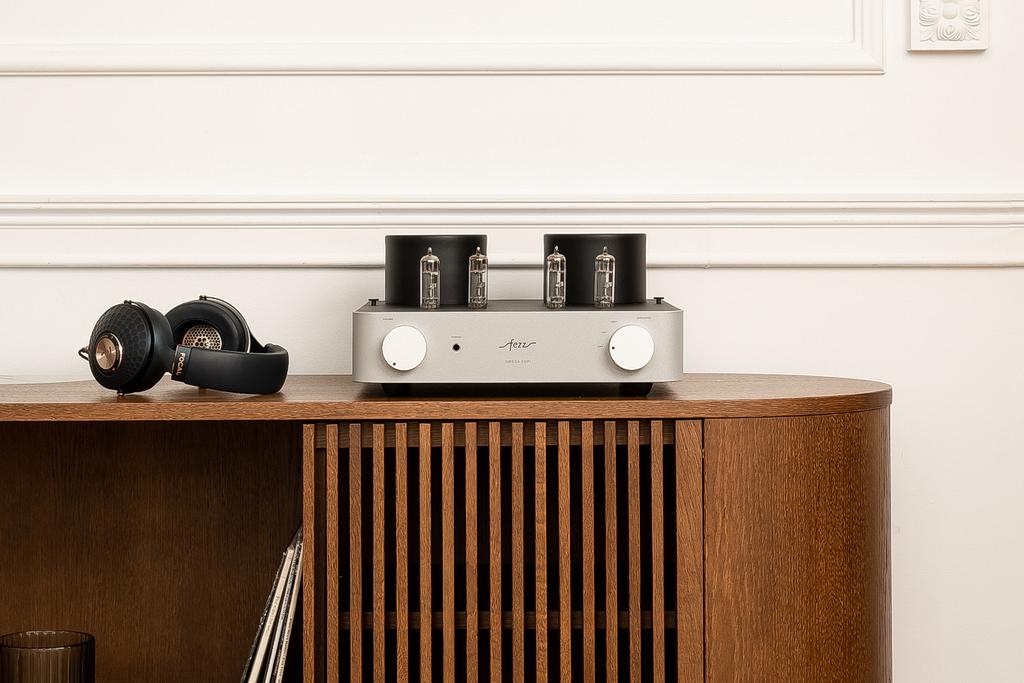
The next logical step was to move beyond traditional loudspeaker-based systems. The headphone market was expanding rapidly, so Fezz turned once again to what it knew best, translating its tube expertise into a design intended for listeners whose musical world revolves around headphones. The result was Omega Lupi - a compact amplifier based on four PCL86 tubes, with an output stage capable of driving headphones across a very wide impedance range, from the low thirties to as high as six hundred ohms. Reviews quickly pointed out that whatever else one might say about the amplifier, a lack of current delivery was not among its problems. Its sonic character was described as neutral rather than colored, with good spatial presentation, refinement, and a natural, well-shaped midrange particularly well suited to vocals and acoustic instruments. For many users, Omega Lupi became the centerpiece of a dedicated headphone system, and the fact that it matched other Fezz models so well both visually and financially reinforced the impression that the company's catalog was no longer just a collection of individual integrated amplifiers differing in details while serving essentially the same purpose.
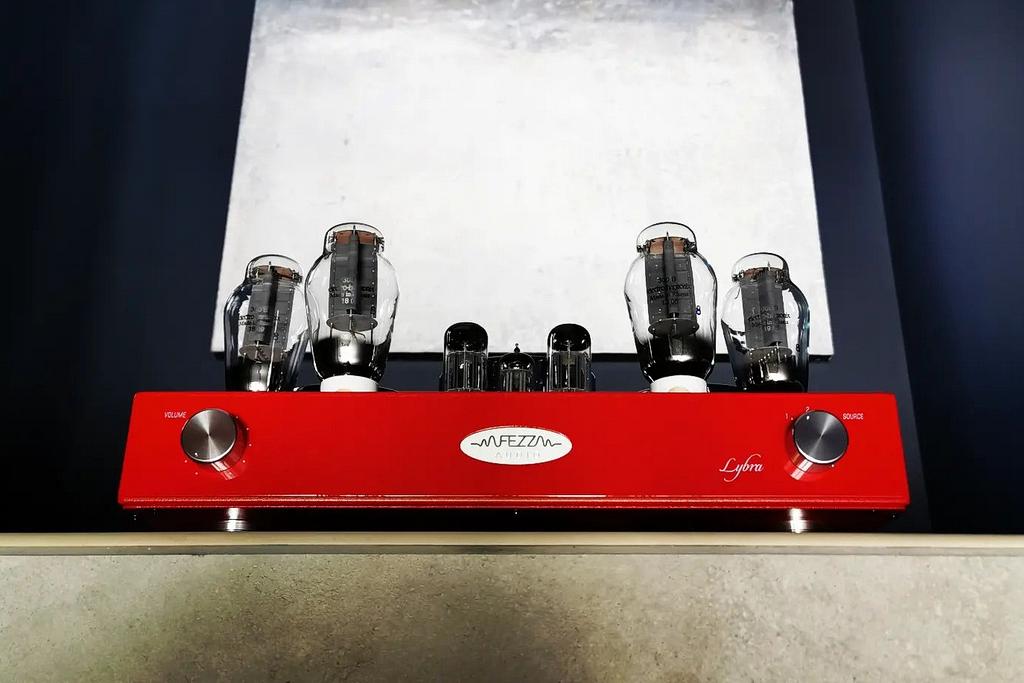
Fezz had no intention of abandoning the subject of 300B tubes, and the next step was the introduction of a large, stately integrated amplifier called Lybra. Instead of a traditional Single Ended configuration using a single pair of triodes and delivering only a few watts per channel, the company developed a parallel Class A design in which four 300B tubes produced approximately 15 watts per channel. That still sounds modest on paper, but in practice it significantly expanded the range of loudspeakers that could be driven without compromise. Lybra was therefore aimed at experienced audiophiles who dreamed of the sound of 300B tubes but did not own - and had no intention of acquiring - very large, unusually high-efficiency loudspeakers. Proprietary toroidal transformers made it possible to extract from these legendary triodes a dense, richly textured midrange while maintaining wide bandwidth, convincing dynamics, and a low noise floor. Reviews described Lybra's sound as exceptionally fluid, engaging, and particularly compelling with vocals, while also offering solid, well-extended bass. Many listeners pointed out that this was a 300B amplifier designed for everyday use - in a normal room, with ordinary loudspeakers, and without the feeling that the system was beginning to dominate the living space.
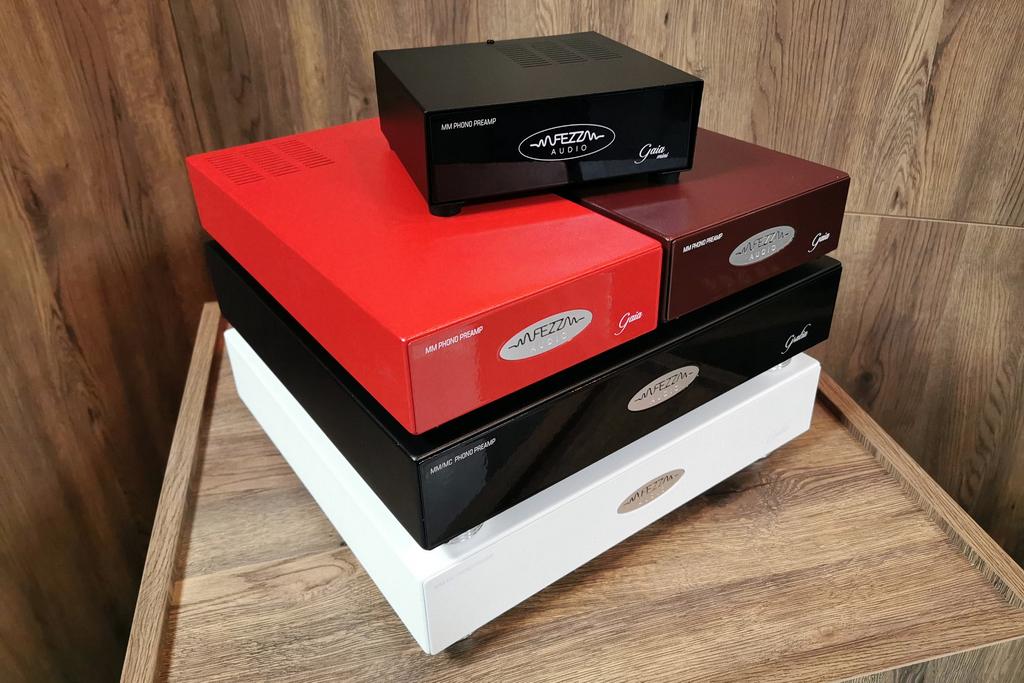
Having covered the amplification end of the system with loudspeaker and headphone amplifiers, the next step was to turn toward the source. Although the idea of developing a matching CD player or streamer might have seemed tempting - and still does today - the Polish manufacturer chose a different direction and introduced phono preamplifiers instead. Two models appeared in the catalog almost simultaneously: Gaia and Gratia. Each was designed with a slightly different user in mind. Gaia was intended as a partner for more affordable tube and solid-state amplifiers, primarily for owners of MM cartridges and high-output MC designs. Instead of tubes, its circuit relied on a discrete Burson Audio operational amplifier, powered - naturally - by the company's own toroidal transformer. Reviewers and users described its sound as calm and musical, with a quiet background and a wide soundstage, free of nervousness or excessive brightness. Gratia, by contrast, represented a significantly more ambitious design. It offered separate inputs for MM and MC cartridges, adjustable gain, and a wide range of loading options that allowed it to work successfully even with demanding cartridges. Users described it as "a serious preamplifier at a sensible price", combining a full, smooth, refined presentation with very good dynamics and convincing bass control. Most importantly, however, these models demonstrated that Fezz could offer its customers something more than another tube amplifier. Gradually, what began to emerge was something closer to a coherent system concept than a simple sequence of individual products.



Strength in Unity - Polish Brands Together with Fezz
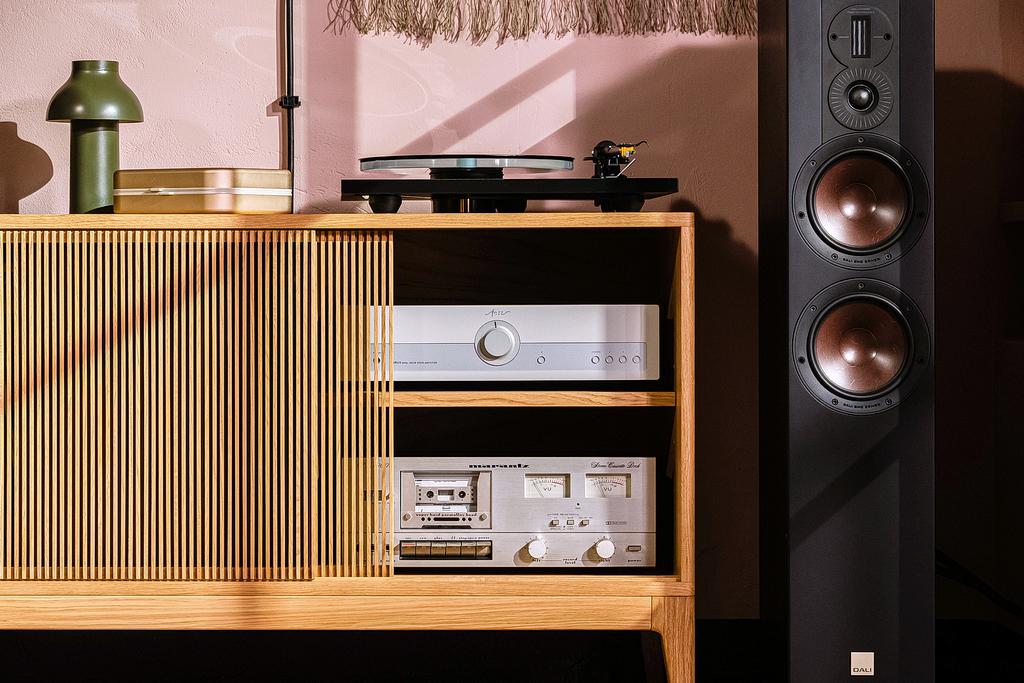
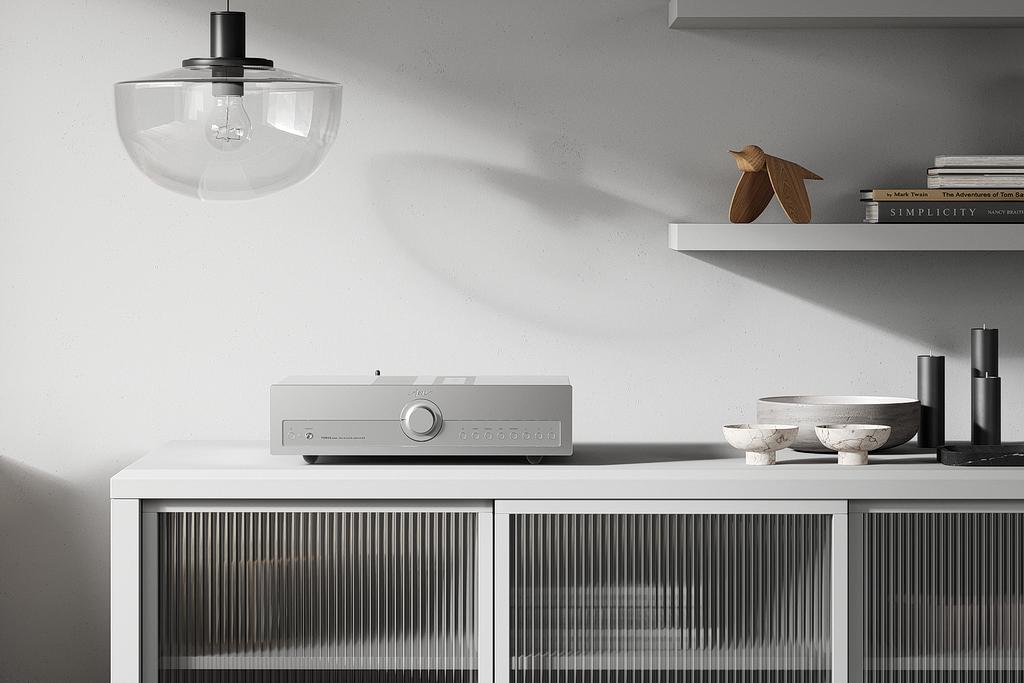
Rather than developing every new model entirely from scratch, Fezz Audio eventually decided to collaborate with other Polish hi-fi companies. That decision led to an idea that, although entirely natural from the perspective of an audio manufacturer, had never before been explored by a Polish brand in quite this way. The result was Torus - a fully solid-state integrated amplifier operating in class AB and visually unlike anything Fezz had previously introduced. The project was developed in cooperation with Looptrotter Audio Engineering, a company known primarily for studio equipment that combines the strengths of solid-state and tube-based solutions. Torus appeared in three versions: 5040, 5050, and 5060. All three shared the same enclosure and the same core circuit architecture. Each operated in class AB and delivered 90 W per channel into 4 Ω and 65 W per channel into 8 Ω. The differences lay mainly in equipment and functionality. The higher versions included an integrated digital-to-analog converter, allowing Torus to serve as the central hub of a modern hi-fi system.
At first glance, the introduction of a transistor amplifier might have seemed like a departure from Fezz's tube-oriented identity. In practice, however, Torus represented an attempt to translate the company's established design philosophy into a different technological context. Order, restraint, a very low noise floor, sensible output power, and the absence of unnecessary technical spectacle - these were qualities customers already associated with Fezz tube amplifiers. In that sense, the "Fezz transistor" turned out to be an integrated amplifier with a surprisingly neutral and composed presentation. It did not try to imitate tube sound, nor did it emphasize frequency extremes or artificially warm the tonal balance. Within its price range - €1599 to €1799 - it also distinguished itself through impressive dynamics, resolution, and stereophonic precision. Torus did not ultimately become a commercial breakthrough, but it opened the door for Fezz to systems built around a practical integrated amplifier with a full complement of connections, where features such as a DAC, Bluetooth, remote control, or phono stage could be added according to individual needs. That modular approach later proved highly effective in other devices from the company, demonstrating that even tube amplifiers could be configured for greater flexibility from the ordering stage onward.
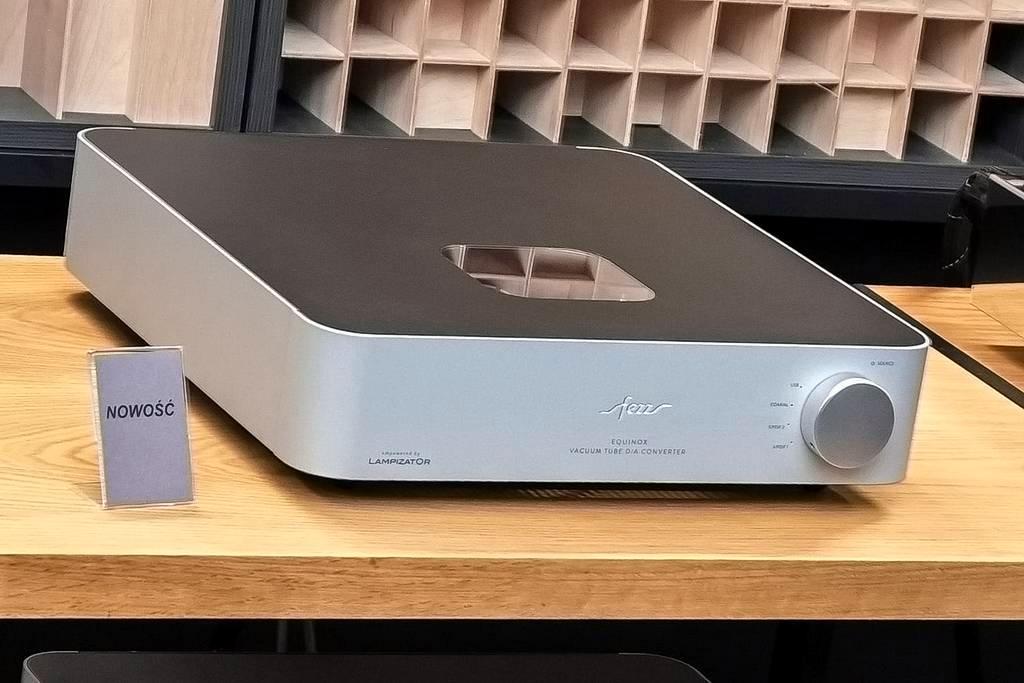
A much more decisive step toward developing a proprietary source component - and at the same time a way of bringing Fezz's analog know-how into the digital domain - came through cooperation with Lampizator. Fezz naturally specializes in transformers and power supplies, while Lampizator is a brand closely associated with the art of turning zeros and ones into music. The idea of combining those competencies led to the creation of Equinox, a tube digital-to-analog converter designed by Łukasz Fikus and built around Fezz components and transformers. The device used PCM1794 chips in the conversion stage and a 12AU7 dual triode in the output section. It also featured a distinctive top cover with a sliding hatch that allowed access to the tube for replacement or rolling, making it possible to fine-tune the sound to personal preferences. Instead of a long list of functions, Equinox offered a carefully selected set of digital inputs, a refined power supply built around a high-quality toroidal transformer, and operation simple enough not to intimidate less experienced users. Reviews frequently emphasized that this was the most affordable DAC to carry the Lampizator name, effectively opening the door to that brand's sonic philosophy for listeners who were not planning to invest in its larger and far more expensive designs. From Fezz's perspective, Equinox demonstrated that the company's expertise could be applied successfully not only to analog amplification, but also to digital components.
In the context of Fezz's cooperation with other Polish brands, it is also worth mentioning initiatives that did not lead directly to new products but nevertheless brought clear benefits for the company's image and business development. These included joint presentations with companies such as Pylon Audio, Muarah, Lampizator, and KBL Sound at major exhibitions including the Audio Video Show in Warsaw, High End in Munich, High End Show in Guangzhou, and Audio Video Show in Hong Kong. Particularly important in this respect has been Fezz's long-standing cooperation with Pylon Audio. The two companies share a strikingly similar design philosophy. Both began with affordable models and gradually expanded toward more ambitious products. Both are closely connected with manufacturing facilities that also supply components for other brands - toroidal transformers in the case of Fezz and Toroidy, and loudspeaker cabinets in the case of Pylon Audio. Both first established strong positions in the domestic market before expanding internationally, which in each case eventually required moving into larger production facilities. And finally, both companies are driven by relatively young teams that continue to develop their ideas with unusual confidence. Loudspeakers and tube amplifiers - this combination illustrates perfectly how naturally the two brands complement one another.
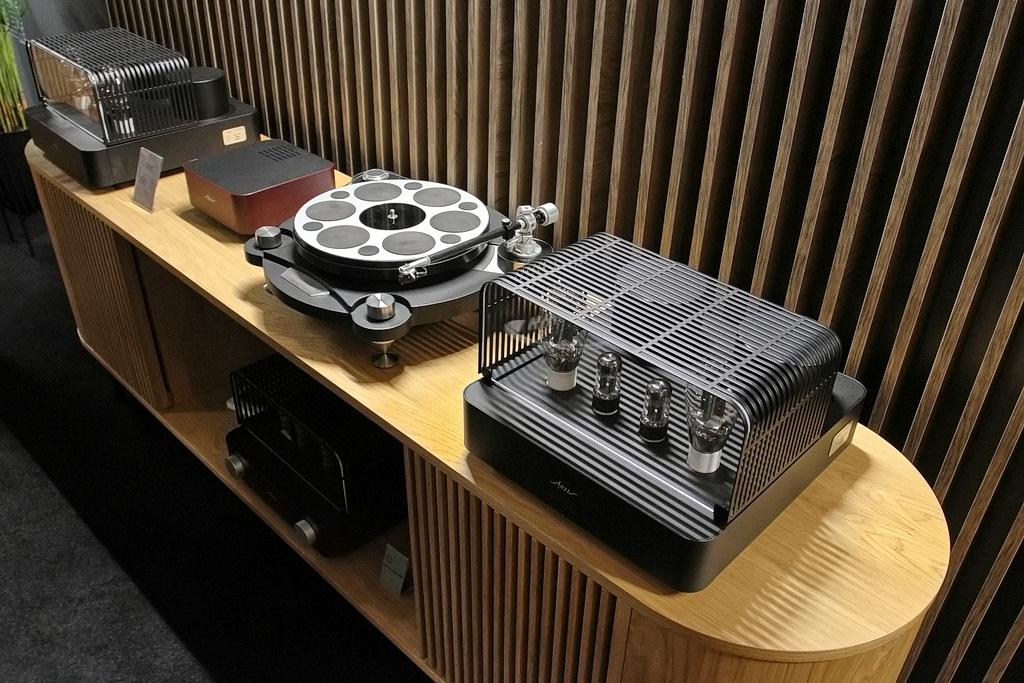
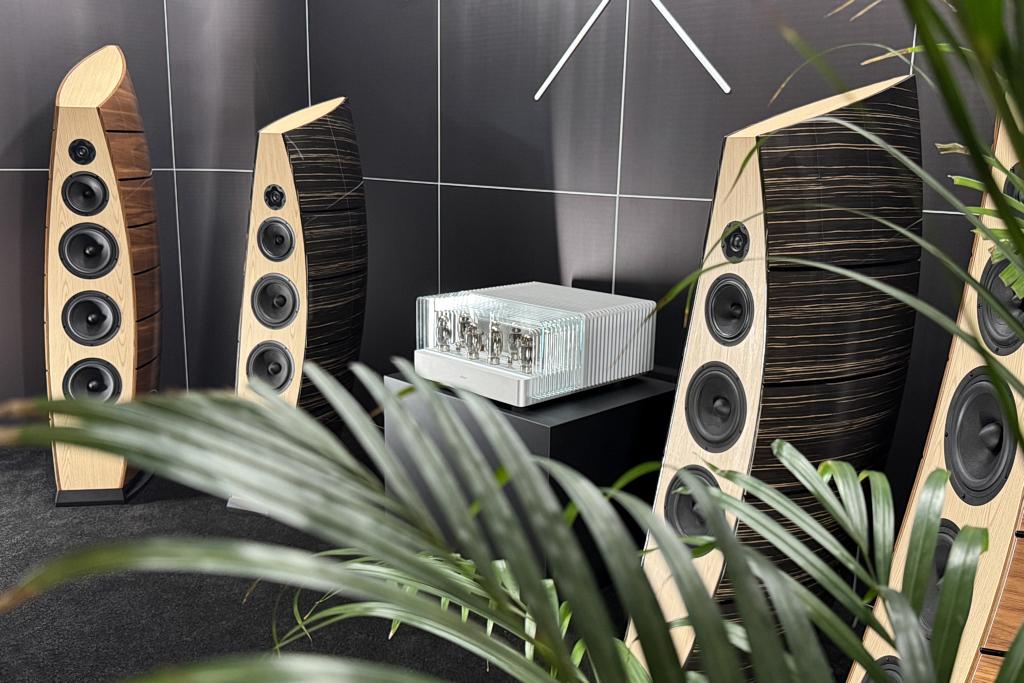
The culmination of these efforts was the presentation of a fully Polish high-end system at the Audio Video Show 2025. Built around Pylon Audio Amethyst Gamma loudspeakers, Fezz Audio Magnetar preamplifier and monoblocks, a Lampizator Pacific DAC, and KBL Sound Extrema cabling and power accessories, the system made a strong impression and demonstrated clearly that Polish manufacturers are capable not only of producing well-priced equipment, but also of creating advanced systems aimed at the most demanding listeners. All of this contributes to Fezz's image as a company that chooses not to operate in isolation, but instead consciously participates in building a broader narrative around Polish high-end audio - an approach that benefits all the brands involved and helps them establish a stronger presence on the international hi-fi stage.





A Design Revolution
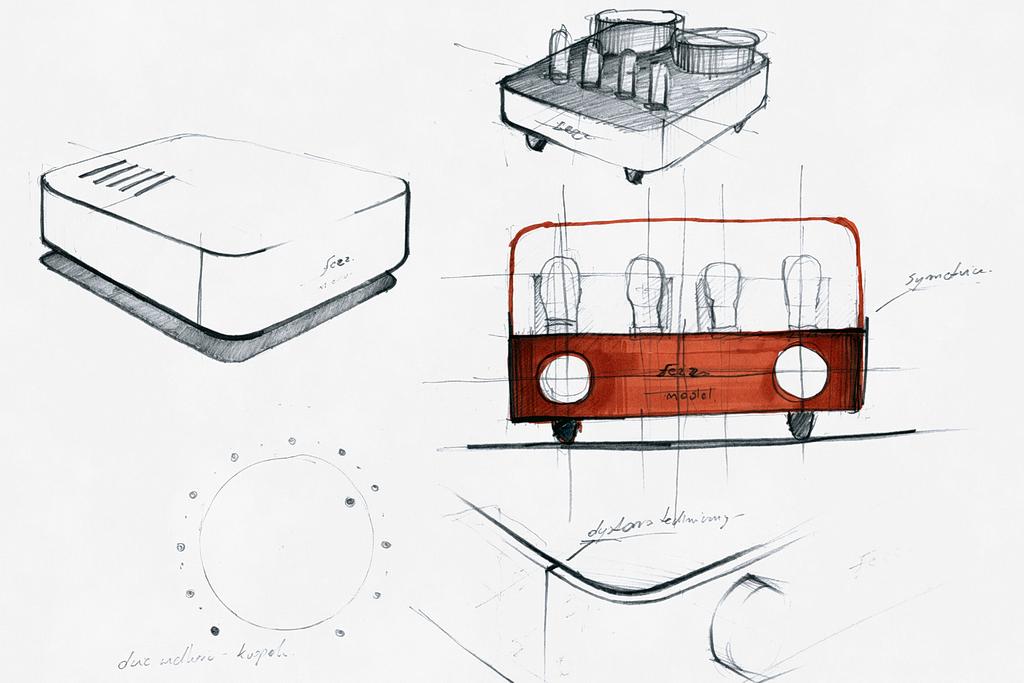
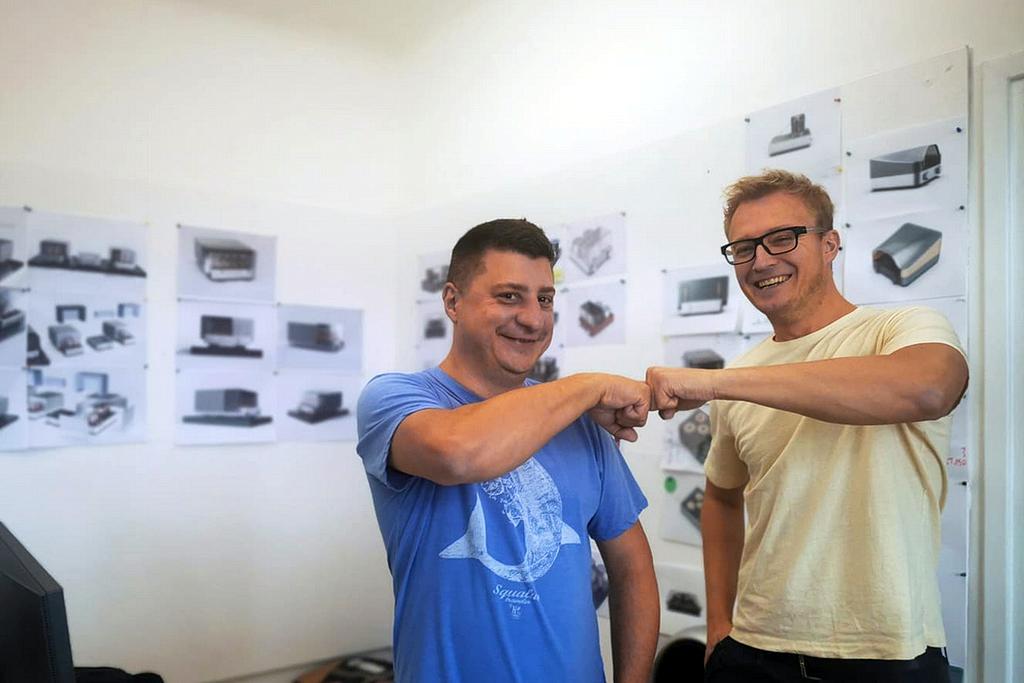
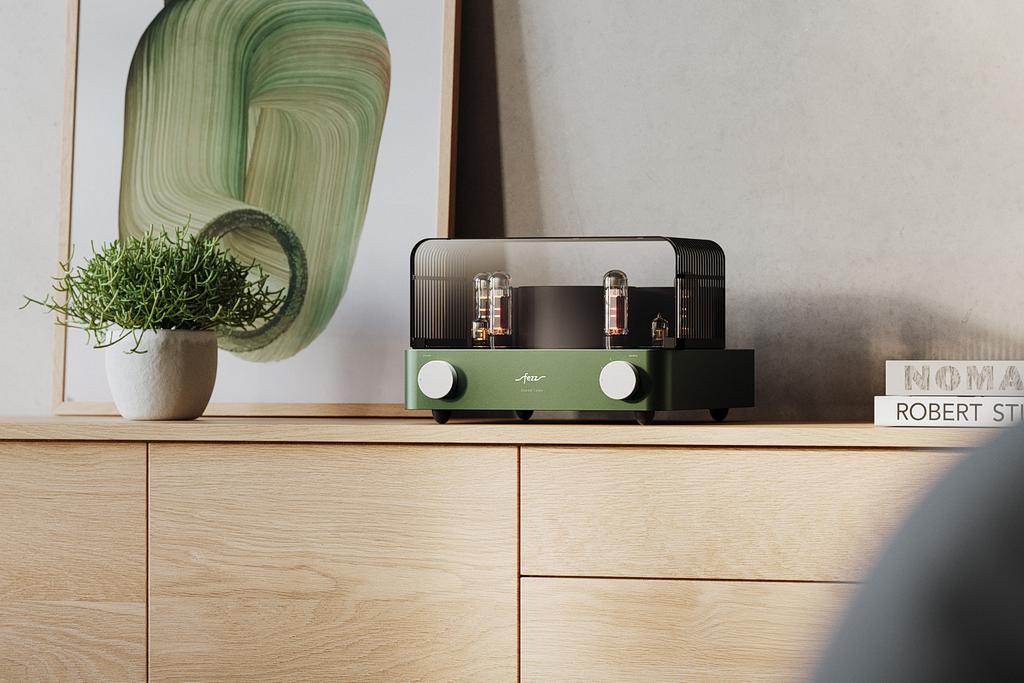
As the Fezz catalog continued to expand in multiple directions, the need to organize the company's visual language became increasingly clear. The earliest amplifiers from the Podlasie-based manufacturer certainly had their own appeal, butthey still had something of the garage-built product about them. What mattered most at the time was that they worked well and sounded right. The enclosure itself was essentially a sturdy box made from thick sheet metal which, aside from its distinctive color options, did little to set the products apart visually. Rather than experimenting with incremental cosmetic adjustments, the company chose a far more decisive approach. Production of all earlier versions was discontinued, and they were replaced by models from the Evolution series - devices that retained the same internal architecture but introduced an entirely new visual identity. Fezz made a clear shift toward a coherent and carefully considered design language and invited the Kabo & Pydo studio to collaborate on the project, a design team already recognized with Red Dot, iF Design, and Dobry Wzór awards.
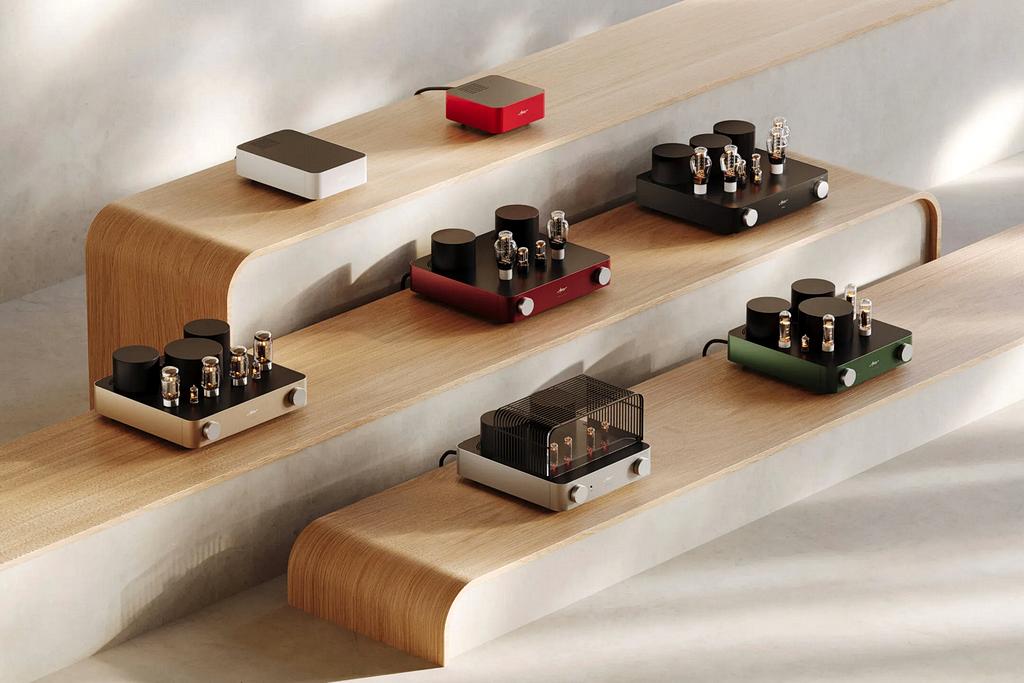
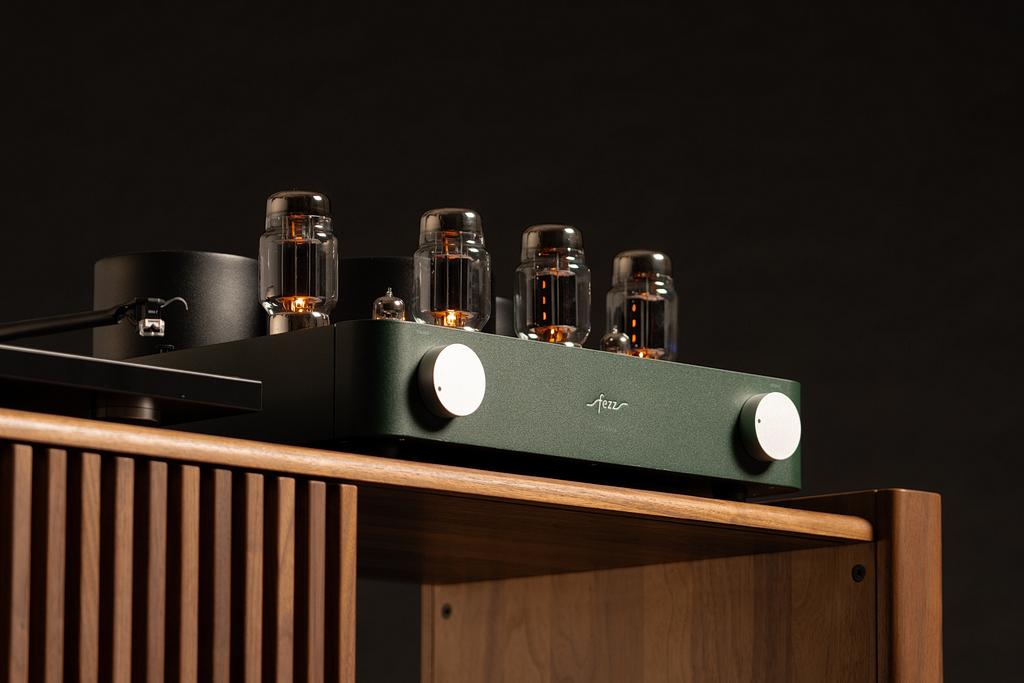
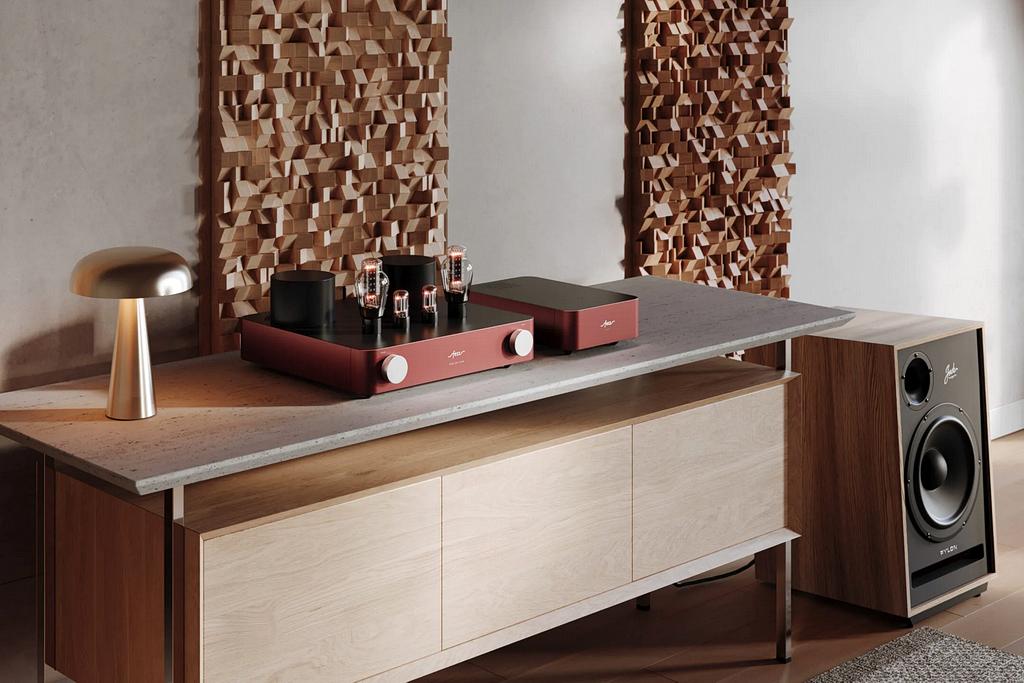
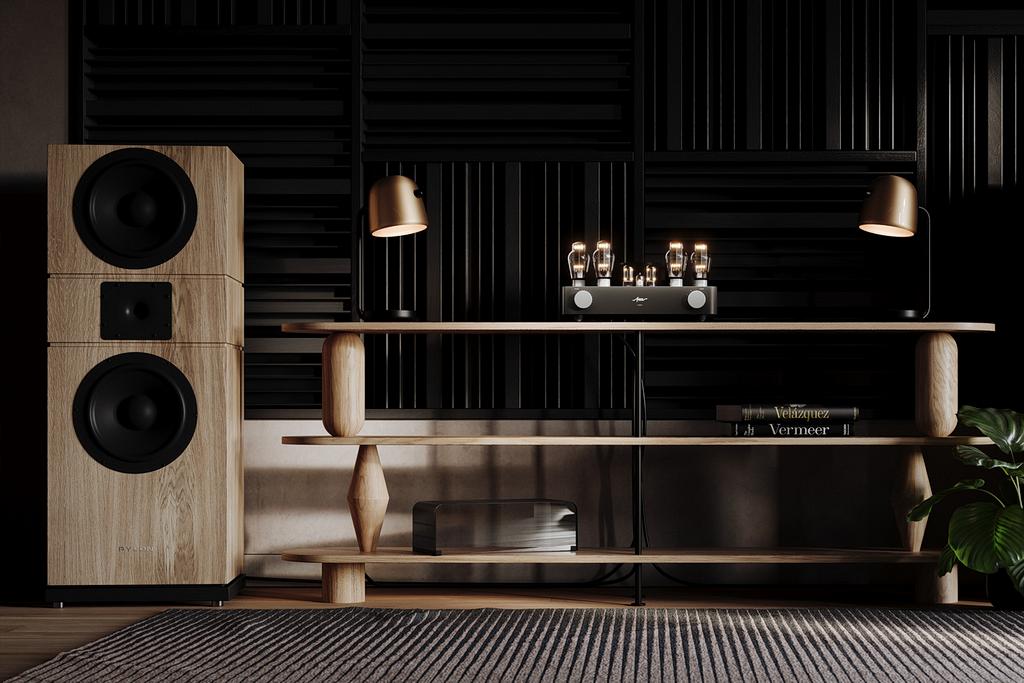
The designers began with research. They conducted interviews with users, spoke with distributors, analyzed competing products, and observed how the amplifiers functioned in everyday environments. Drawing on this material, they set out to redefine the brand's stylistic DNA from the ground up. What they chose to preserve from earlier Fezz designs was their raw, industrial character and the use of thick steel panels. At the same time, they simplified the forms by removing unnecessary detail, concealing most visible screws, standardizing enclosure proportions, and dividing them into several clearly defined size categories. As a result, Titania, Mira Ceti, Lybra, Omega Lupi, Gaia, Gratia, and Equinox began to look like members of a single family rather than a collection of unrelated components. The symmetrical front panel with two large control knobs, the centrally positioned laser-cut logo with subtle illumination, the rounded edges of the enclosure, and a carefully staged play of light in which glowing tubes could be admired through the transparent front section of the protective cage - all of this was complemented by circular transformer covers that referenced Fezz's origins and one of its defining technical signatures. The effect proved remarkably successful. Both reviewers and customers responded immediately. One reviewer even remarked that earlier Fezz devices had felt too close to DIY constructions, while the Evolution series models were simply beautiful. The introduction of the new series was therefore not a superficial redesign of front panels, but the moment when Fezz Audio clearly emerged as a mature European brand with its own coherent language of form.
Polish industrial designers transformed what had previously been treated as a necessary compromise into one of the company's strongest visual assets. At the same time, they retained the bold color palette that had already become part of Fezz's identity. Side panels and front plates could now appear in silver, black, red, gold, dark green, or burgundy, while the top, bottom, and rear sections of the enclosure remained black. This solution not only simplified logistics and reduced production costs, but also allowed the colored exterior surfaces to function almost like a frame for the illuminated tubes. With the introduction of the Evolution series, Fezz effectively moved several steps forward at once, presenting a family of ten devices in a single coordinated design language - tube integrated amplifiers, power amplifiers, headphone amplifiers, and phono preamplifiers. The catalog itself explicitly described them as components intended to feel like parts of a coherent system, not a random collection of boxes. That intention is visible in the repeating pattern of ventilation openings, the way edges are shaped, and even the layout of sockets and switches on the rear panels. All of these elements were also carefully considered from a manufacturing perspective, ensuring that the enclosures could be bent, painted, and assembled efficiently without sacrificing the individuality of each model.
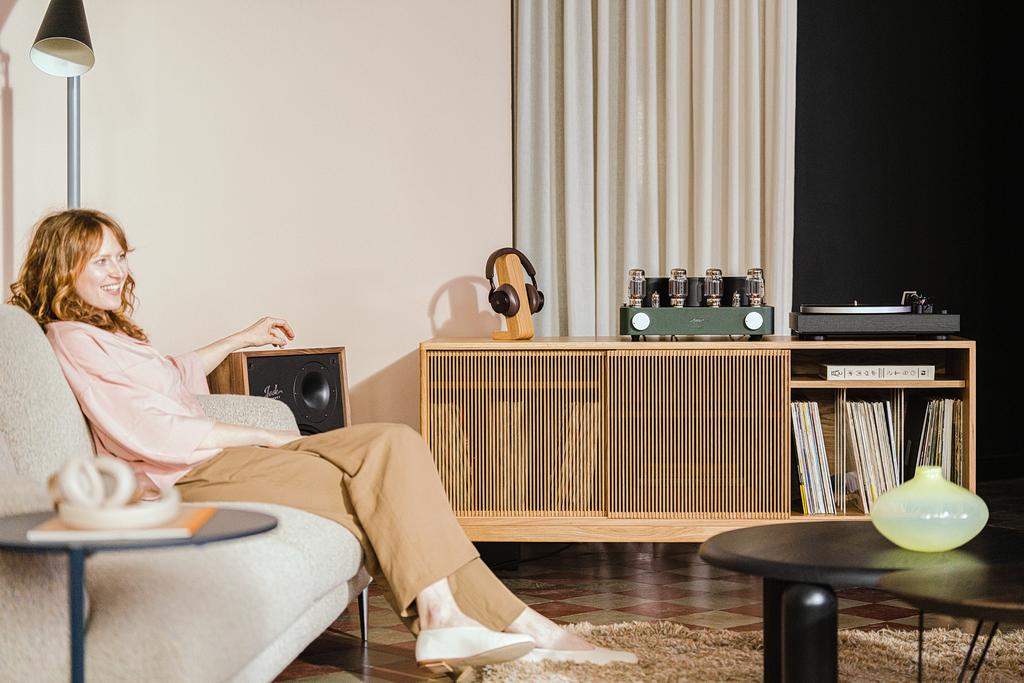
It is hardly surprising that the Evolution series earned Fezz and Kabo & Pydo another Red Dot Design Award. The jury noted that the project successfully captured the character of analog audio equipment in a contemporary visual form. Both industry publications and the designers themselves emphasized that the challenge lay in combining the technical requirements of specific audio components with a design language that would also make sense to people encountering these devices as everyday objects - elements of a living space rather than purely technical instruments defined by schematics and specifications. The redesign proved extremely beneficial for the brand. Today there is no longer any need to distinguish explicitly between earlier models and Evolution versions, because this design language has gradually come to define the entire Fezz catalog and has remained in place for several years. We have grown so accustomed to it that when looking at older photographs, it is difficult to believe that Silver Luna, Titania, and Mira Ceti once looked so different from the amplifiers we know today.


A Growing Family Needs a Bigger Home
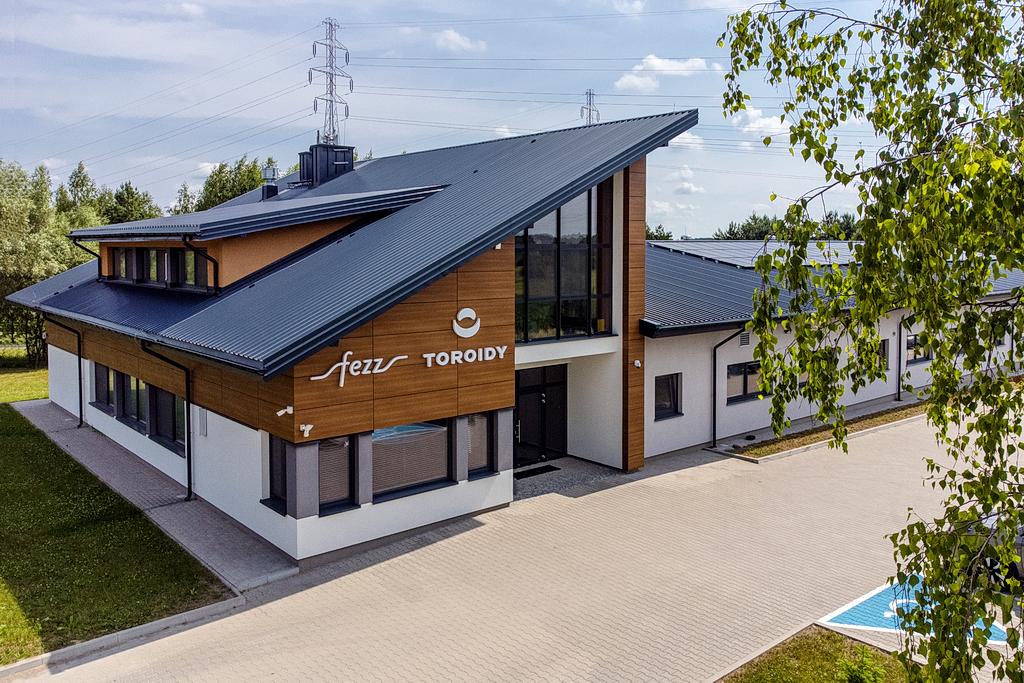
The design revolution almost perfectly coincided with another major - and long-anticipated - milestone. Fezz moved production into a new purpose-built headquarters in Kolonia Koplany, just a few kilometers outside Białystok. Alongside expanded facilities for toroidal transformer manufacturing, the company created a fully integrated production environment for its audio equipment. For many years, amplifier manufacturing had been spread across several locations in the surrounding area. The transformer facility, metalworking shop, design office, and warehouse all operated separately. That kind of structure works well for a company in its early stages, but it quickly becomes restrictive once orders begin to grow, exports expand, and interest from customers and international distributors continues to accelerate. The decision to build a new headquarters was therefore about far more than adding floor space. It marked the moment when the entire production process could finally be brought together under one roof, closing the chapter on what had effectively been a company operating in fragments.
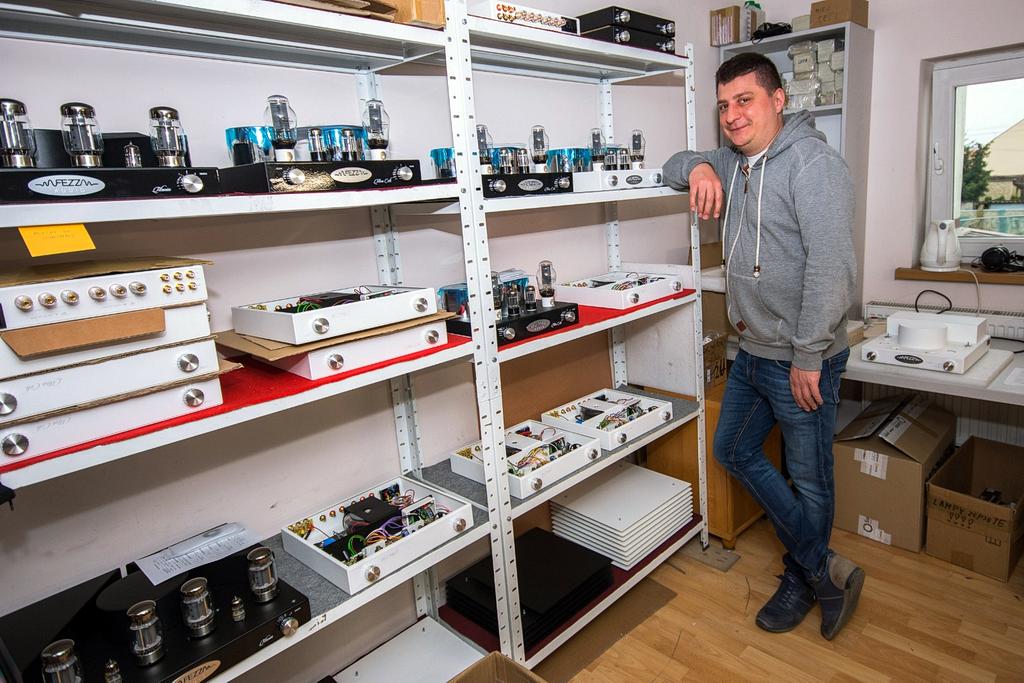
From the outset, the new factory was designed as a fully integrated production site. The complex includes Toroidy's transformer hall, Fezz's assembly area, service facilities, a packing department, listening rooms, and an expanded quality-control section where every unit undergoes final testing before shipment. Offices and the engineering department were located within the same building, ensuring that designers have immediate access both to technical documentation and to the production floor itself. According to the manufacturer, more than 80 percent of the work involved in building each amplifier now takes place on site - from the arrival of steel cores and copper wire, through transformer winding and circuit assembly, to burn-in and final packaging. This is not a matter of assembling products from prefabricated modules supplied by subcontractors, but a genuinely closed in-house production chain.
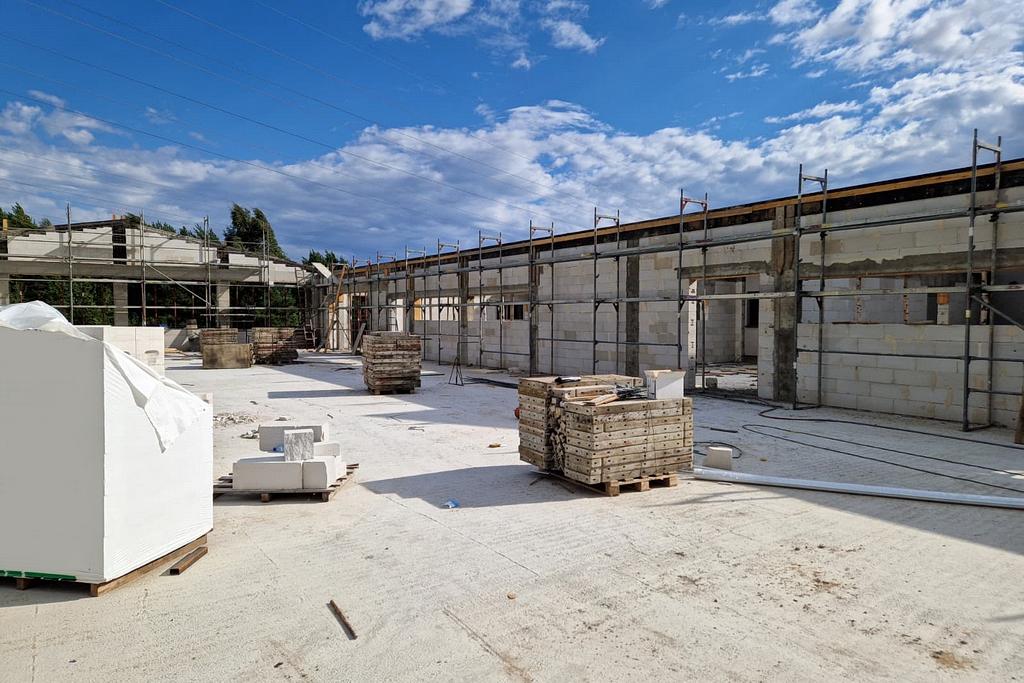
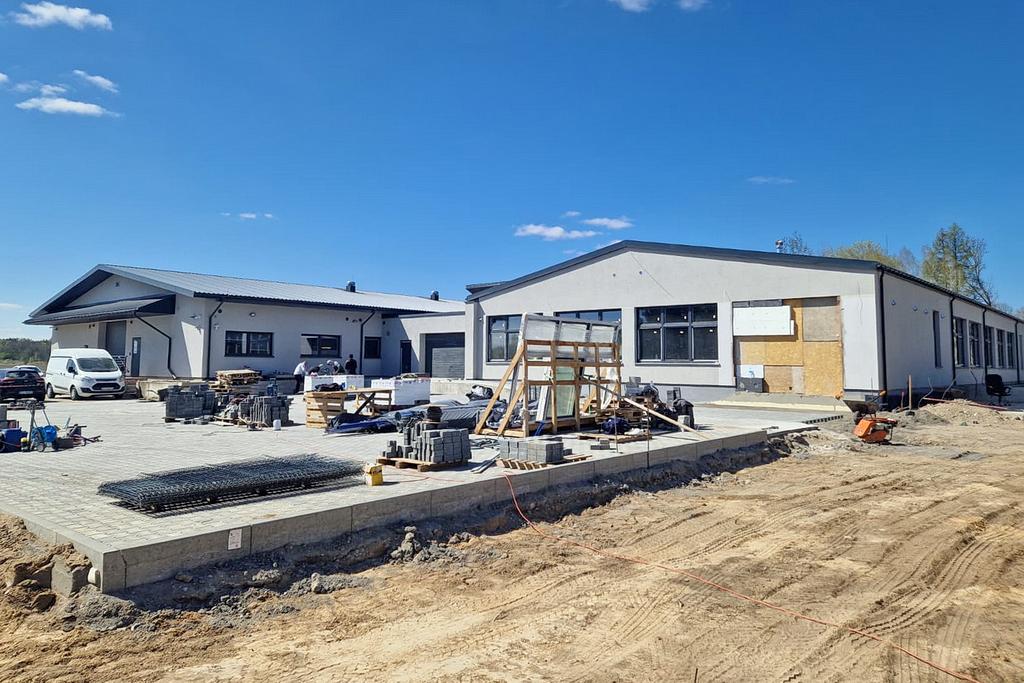
The only part of the equipment not yet manufactured on site is the enclosure. At least for now. Fezz produces these largely independently using its own tooling, but at a separate location. That means already painted metal panels must be transported to the main facility, unpacked, and carefully inspected for damage before assembly can begin. Only then does the process continue with the installation of the electronic components inside the chassis. For that reason, construction is already underway on a second production hall adjacent to the current factory. Among other things, it will house a metalworking shop and paint facility, together with the full machinery required for processes such as laser cutting and engraving. Once completed, the two buildings will be physically connected, allowing the entire production process to take place under a single roof. Beyond improving workflow efficiency, this expansion will make it possible to undertake more complex manufacturing operations without relying on the limitations of external suppliers. Photographs documenting successive stages of construction make it clear that even in a small village in Podlasie, it is possible to build a factory capable of standing confidently alongside manufacturers in Japan, Italy, Germany, or Great Britain.





The System Comes Together
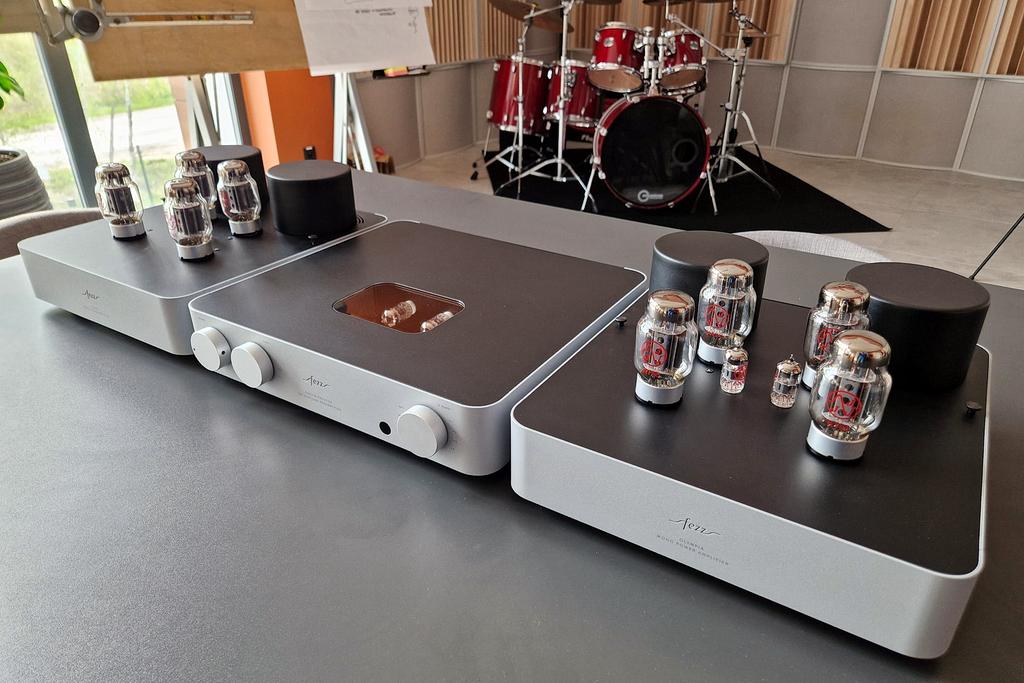
With the move into the new headquarters and the introduction of the Evolution design language, Fezz's catalog began to fill out in ways that made it increasingly clear the company was no longer simply building individual amplifiers, but assembling the foundations of a complete system ecosystem. A natural step toward the high-end segment was the addition of separate amplification components. Power amplifiers were already largely within reach, since any Fezz integrated amplifier could serve as a technical starting point. What the lineup still lacked was a proper control center, and that gap was filled with the arrival of the Sagita Prestige preamplifier.
Strictly speaking, this was not Fezz's first preamp. That distinction belongs to the earlier solid-state version of Sagita, which never achieved particularly strong recognition on the market. The Prestige edition marked a clear shift in direction, returning to vacuum tubes without sacrificing everyday usability. The result is a genuinely practical system control unit. The rear panel provides four RCA inputs and two XLR inputs, along with an additional input that bypasses the volume control entirely, plus two pairs of RCA outputs and two pairs of XLR outputs - enough to drive as many as four monoblocks in a bi-amplified configuration. Inside are two 12AU7 tubes supported by a properly engineered power supply. Reviewers consistently describe Sagita Prestige as a preamplifier that effectively disappears from the signal path, allowing downstream power amplifiers to define the character of the system. It does not impose its own interpretation on recordings or reshape the presentation. Instead, it performs its role with precision and restraint.
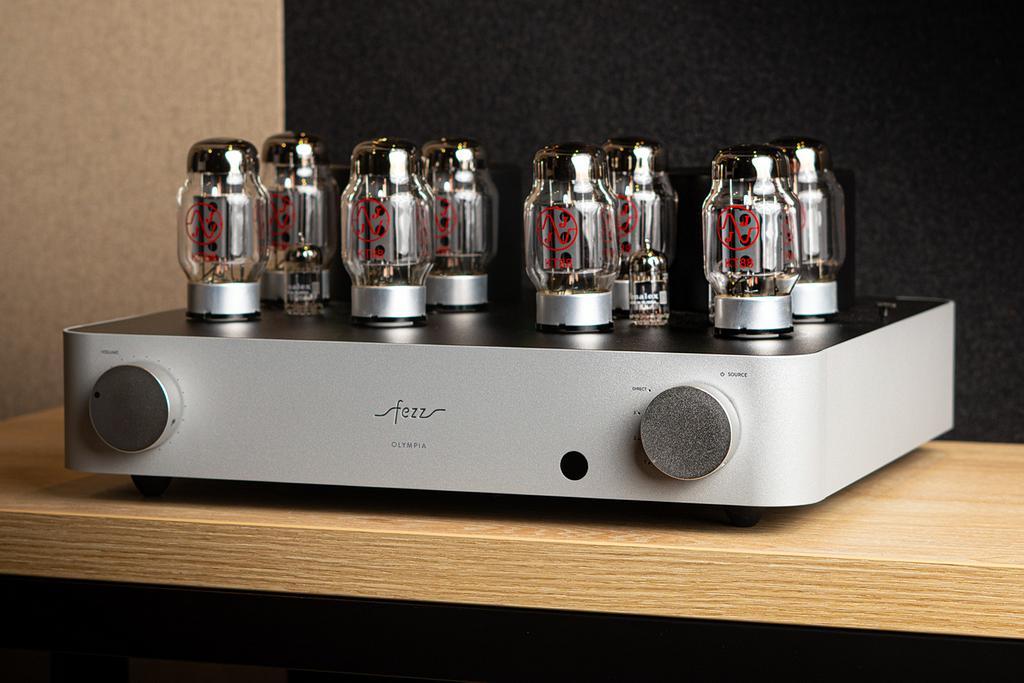
Another milestone release from the Podlasie manufacturer arrived in the form of Olympia, a model whose name accurately reflects both its scale and its ambitions. This is a genuinely large dual-mono integrated amplifier built around eight KT88 output tubes and four small-signal triodes - 12AX7 and 12AU7 types in the driver stage. In this configuration, the amplifier delivers 2 x 100 watts into either 4- or 8-ohm loads, placing it firmly among tube designs capable of partnering confidently with virtually any conventional loudspeaker. The user is provided with three line inputs, a direct input, and a dedicated subwoofer output, while the protective cage, remote control, and expansion-module slot are all included as standard equipment. Olympia is therefore not merely a high-power tube amplifier but a fully realized system centerpiece rather than a stripped-down purist design. Sonically, the goal was straightforward and clearly defined by customer expectations - to retain the density and tonal richness associated with the brand while delivering enough authority to control demanding loudspeakers. Most listening reports confirm that this balance was achieved, describing a presentation of large scale, strong dynamics, and unmistakably tube-based character.
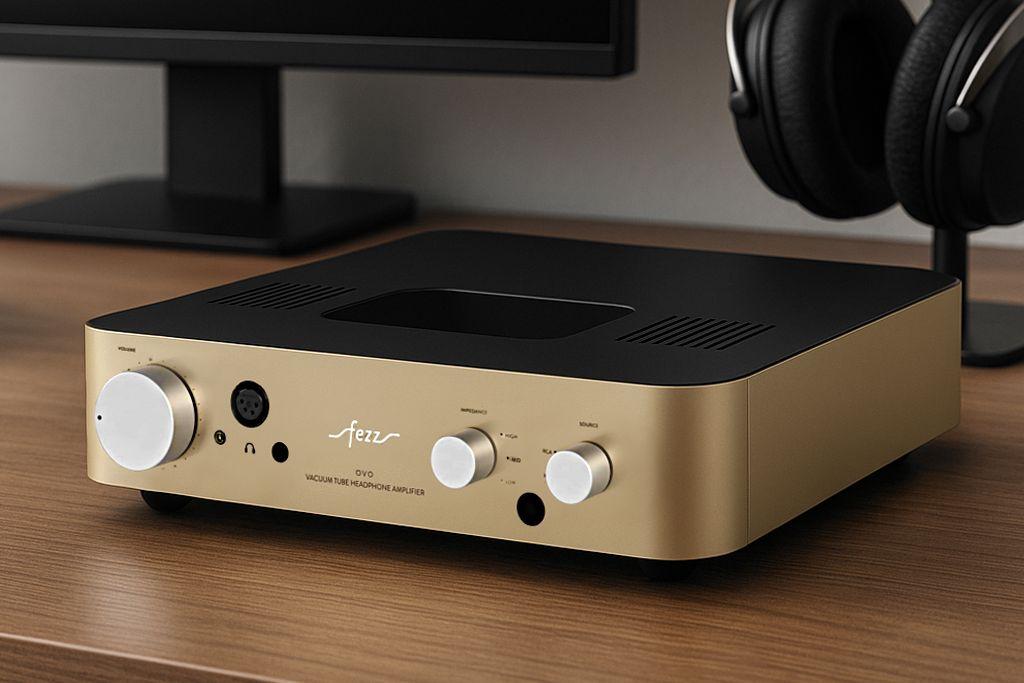
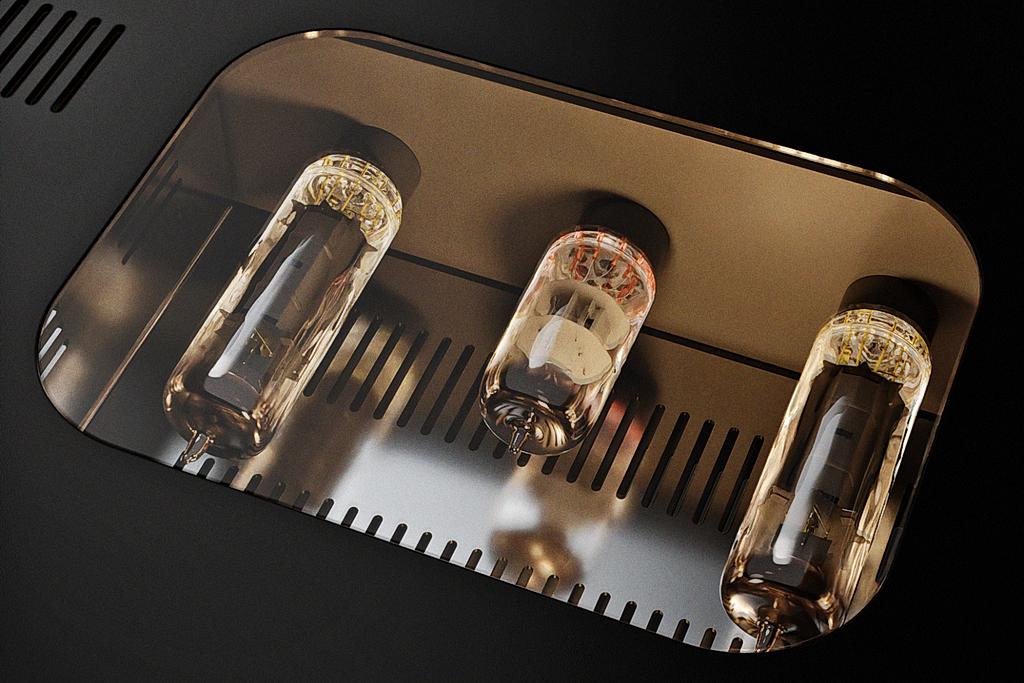
Fezz soon returned to the headphone segment as well, revisiting one of the first categories it explored beyond integrated amplifiers with the introduction of the Ovo headphone amplifier. This model operates in a single-ended topology, in pure class A, using a triode-based circuit built around 12AX7 and EL84 tubes supported by Toroidy output transformers. The result is the warm, saturated, spatially open presentation listeners have come to associate with the company's tube designs. With an output power rating of 1500 milliwatts, Ovo is capable of driving a wide range of headphones, including both dynamic and planar-magnetic designs. At the same time, the amplifier adopts a particularly practical and robust form factor. Its integrated enclosure protects the tubes from accidental damage, while a sliding window in the top panel - an idea introduced across several Fezz components - allows users to enjoy the visual presence of the glowing valves and replace them easily during tube-rolling experiments without dismantling the chassis. In everyday use, Ovo proves to be a remarkably flexible device. It offers three headphone outputs - XLR, 6.3 mm jack, and Pentaconn 4.4 mm - along with an impedance selector that enables precise matching to different headphone loads. RCA and XLR inputs and outputs are also provided, and a remote control is included as standard.
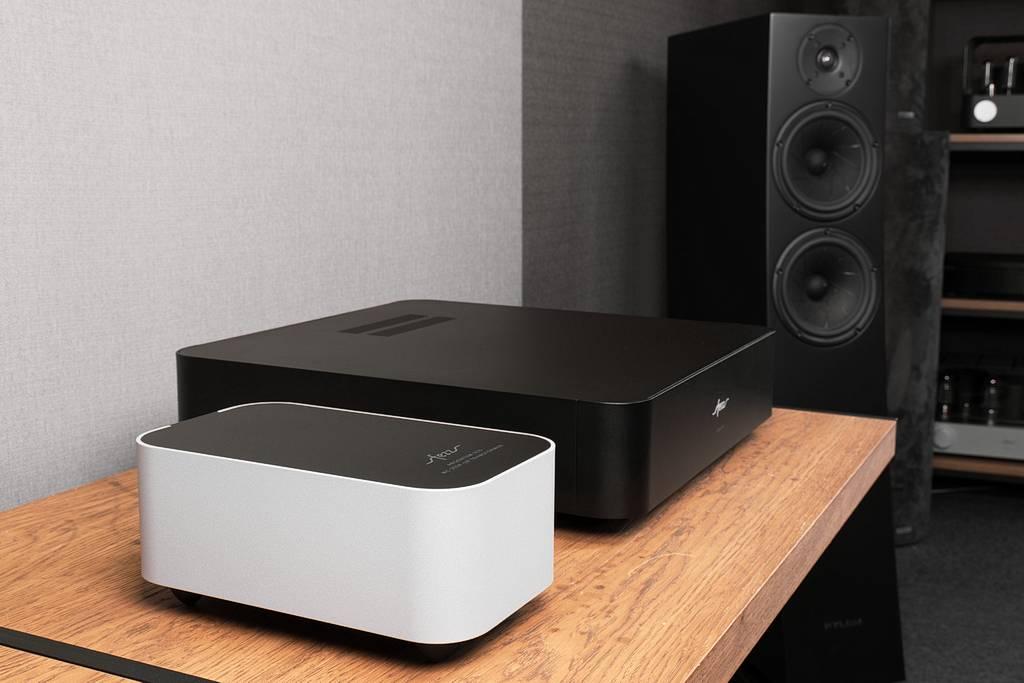
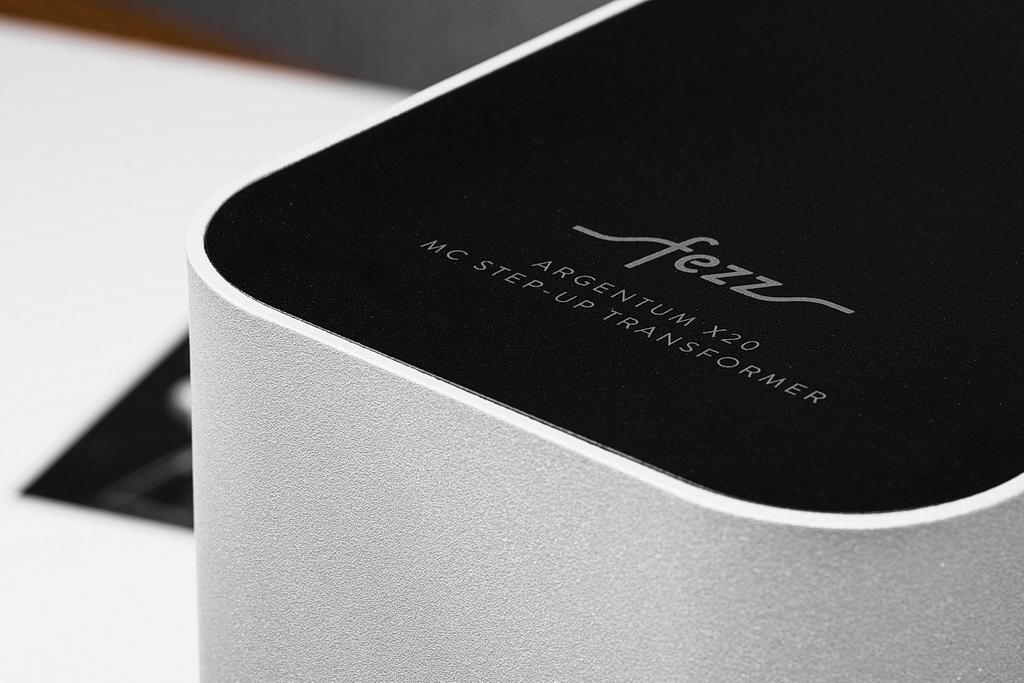
Step-up transformers are most often discussed in the context of moving-coil cartridges, but for Fezz and Toroidy they also represent a natural extension of the company's transformer expertise. As interest in analog playback continued to grow, Fezz responded with the introduction of the Argentum X10 and X20 step-up transformers. These devices are built using exceptionally high-grade materials, including pure silver wire, high-permeability nanocrystalline cores, and shielding formed from both mu-metal and pure OFC copper. Materials alone, however, do not define performance - the production process itself plays an equally critical role. In this respect, the Argentum series stands out for its very low distortion and wide bandwidth, placing it among the more advanced transformer solutions currently available. Both models were designed to remain as sonically transparent as possible. Argentum X10 provides a 10x gain factor, equivalent to 20 dB, making it well suited to cartridges with impedance between 10 and 50 ohms. Argentum X20 targets the lowest-impedance cartridges, from 1.5 to 9 ohms, delivering 20x gain, or 26 dB. A retail price of €2500 makes it clear that these are specialist tools intended for experienced vinyl listeners building systems around turntables and high-end moving-coil cartridges.


Revolution, not EVOlution
Exactly ten years after the debut of its first amplifier, Fezz chose to mark the anniversary by opening an entirely new chapter in its history with the introduction of two completely new models developed from the ground up - Luna and Luna Mini. This moment carried symbolic weight. It was not simply a change of naming, but a clear statement about the direction the company intended to take, demonstrating that tube hi-fi could be modern, practical, and accessible at the same time.
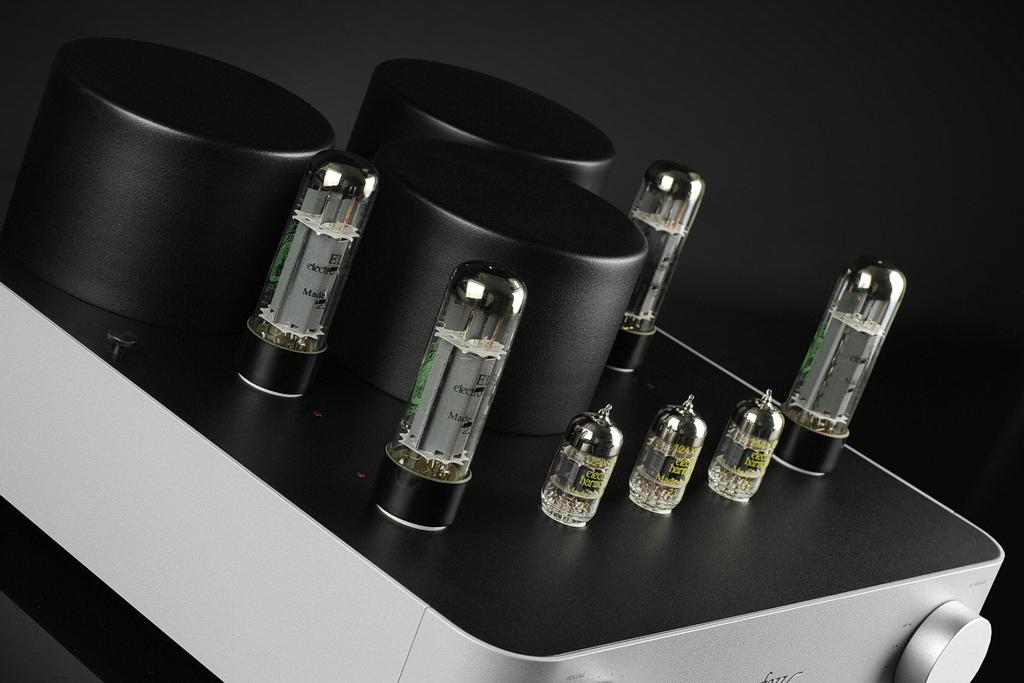
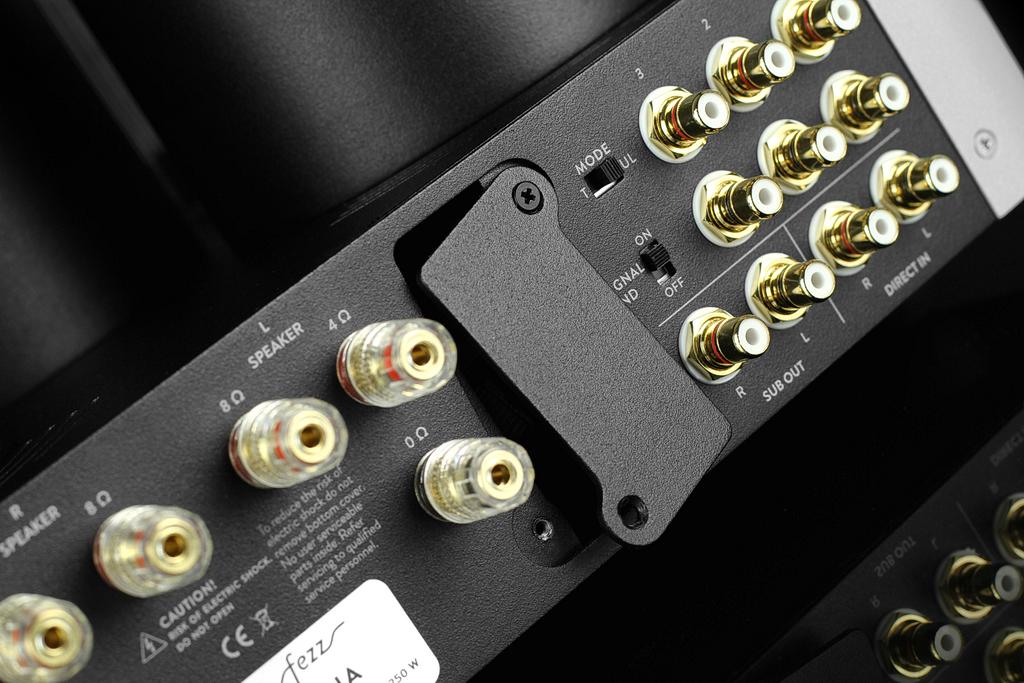
The larger of the two, Luna, is built around a pair of EL34 output tubes per channel - devices long regarded as classics of the type - responsible for the smooth, spacious, and tonally saturated presentation associated with traditional valve amplification. At the same time, the amplifier was designed from the outset as a flexible system hub rather than a purist standalone component. Its expansion-card architecture allows the addition of a digital-to-analog converter, Bluetooth connectivity, or a phono stage, enabling Luna to serve as the central element of a contemporary stereo system. Additional features further reinforce this role, including a selectable Ultralinear/Triode operating mode - allowing the listener to choose between greater dynamic authority or a more intimate tonal perspective - along with remote control, HT input capability, a Sub Out connection, and an elegantly integrated protective tube cage. Output power of 40 watts in ultralinear mode and 20 watts in triode mode ensures compatibility with the majority of real-world loudspeakers without difficulty.
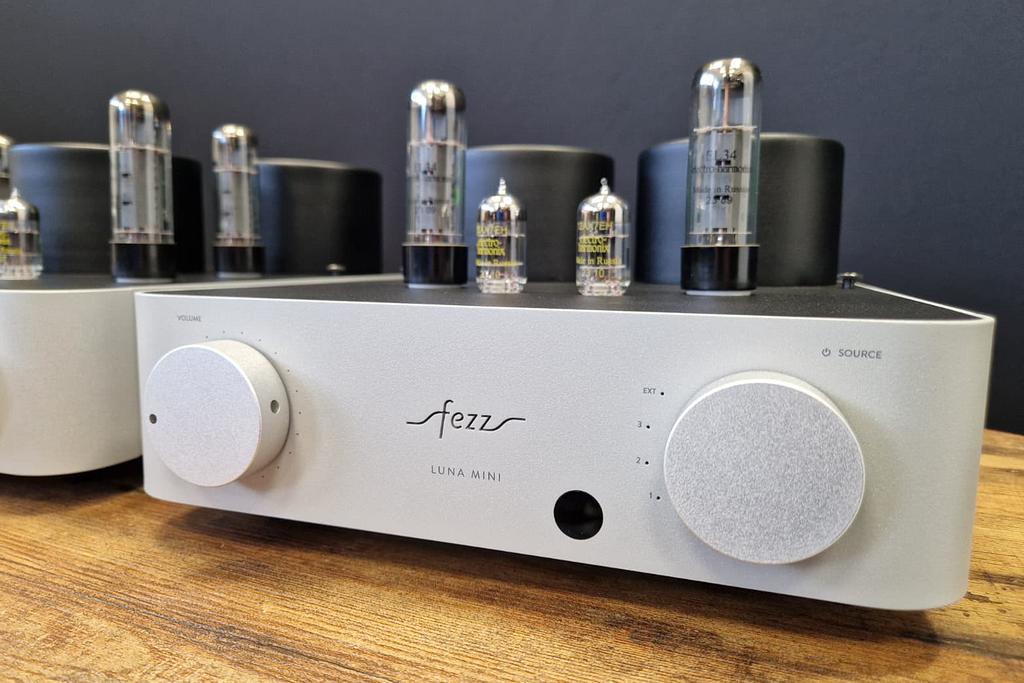
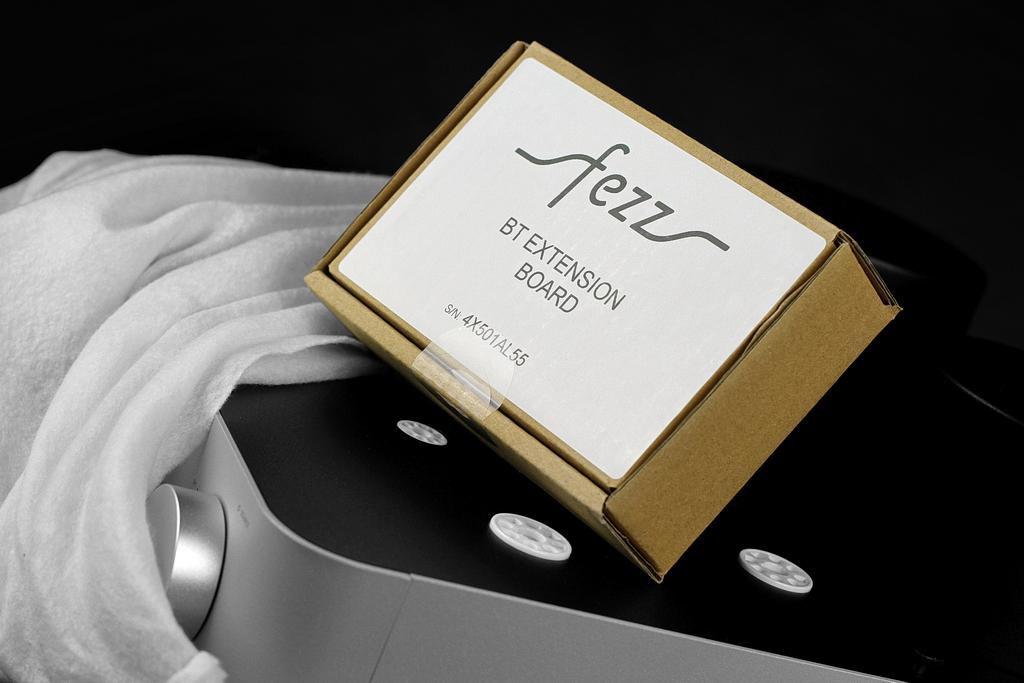
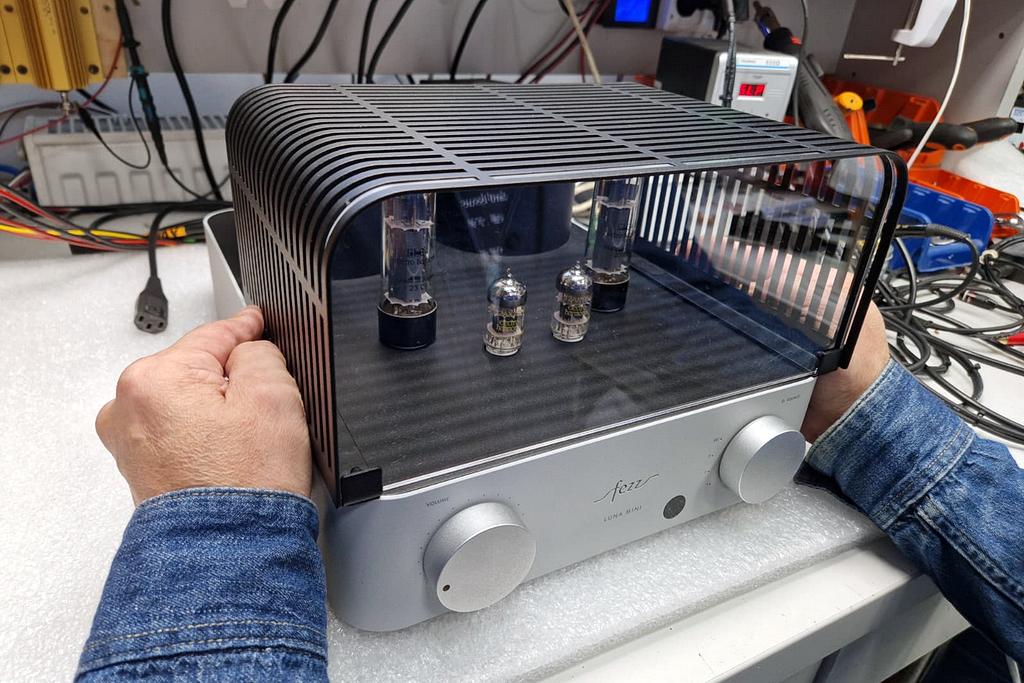
For listeners building more compact or more intimate systems, Fezz introduced Luna Mini, a class A integrated amplifier that follows the same conceptual direction on a smaller scale. It uses pairs of EL34 tubes supported by 12AX7 driver valves and delivers 10 watts per channel. On paper this may appear modest, but the company positions the model as an attempt to capture the essential qualities of class A amplification - a natural sense of tonal continuity, a velvety midrange, strong emotional immediacy, and overall coherence of presentation. As with its larger sibling, Luna Mini can be expanded with optional DAC, Bluetooth, or phono modules, significantly increasing its functional flexibility while preserving its deliberately compact form factor.

Poland Reaches for the High End
The clearest demonstration of the Polish manufacturer's ambitions - and its technical maturity - arrived with the introduction of the high-end Supernova series, built around a dedicated preamplifier and both stereo and monaural versions of the Magnetar power amplifier. The lineup made its debut alongside the first public presentations of the new Luna and Luna Mini during Audio Video Show 2025 in Warsaw, marking a decisive shift in positioning. With Supernova, Fezz entered territory where price constraints were no longer the defining factor. From this point forward, the emphasis was placed squarely on performance, execution, and long-term engineering credibility. Almost immediately, the flagship series began to function as a showcase of what the brand was capable of both technologically and aesthetically.
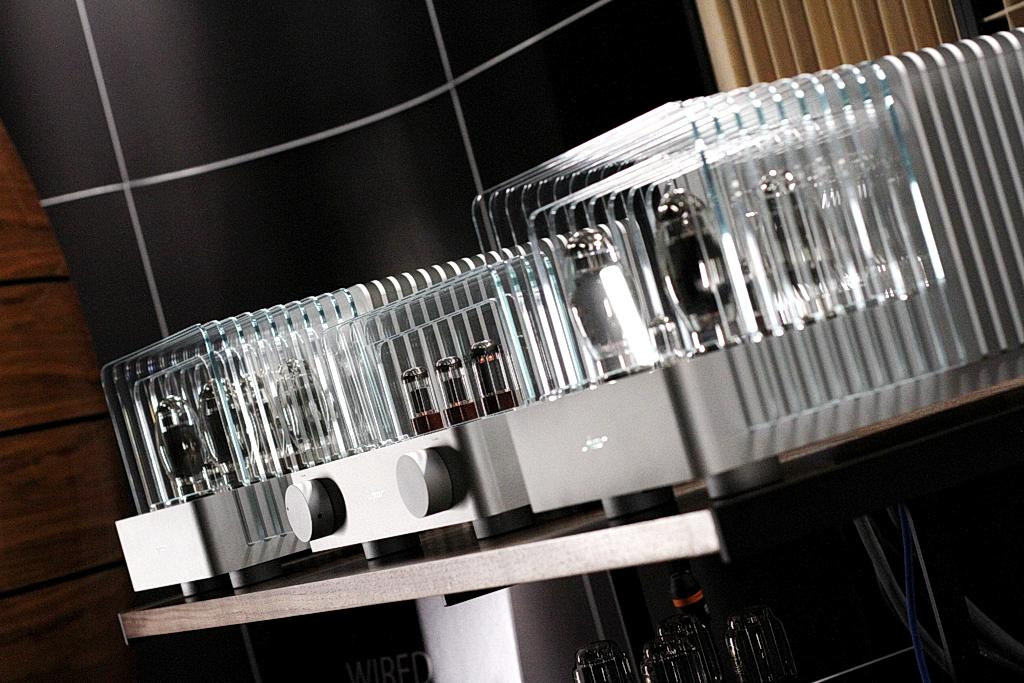
The foundation of the new range is the Magnetar Preamplifier, the first fully balanced line-level preamplifier in the company's history. One particularly distinctive feature is the use of a rectifier tube in the power-supply stage - still an uncommon solution even in high-end designs. In practice, this choice contributes to improved impulse behavior and a stronger sense of dynamic control. According to the manufacturer, the result is a presentation that feels faster, more precise, and more transparent. Internally, the circuit is built around gold-plated signal paths, Mundorf MCap Evo Oil and M-Lytic capacitors, and premium XLR connectors from Neutrik and WBT. The entire structure is housed in a massive chassis machined from aluminum and complemented with glass elements that serve both aesthetic and mechanical purposes, improving vibration damping while reinforcing the visual identity of the series. The Magnetar Preamplifier is clearly intended for listeners seeking maximum neutrality and resolution without compromise.
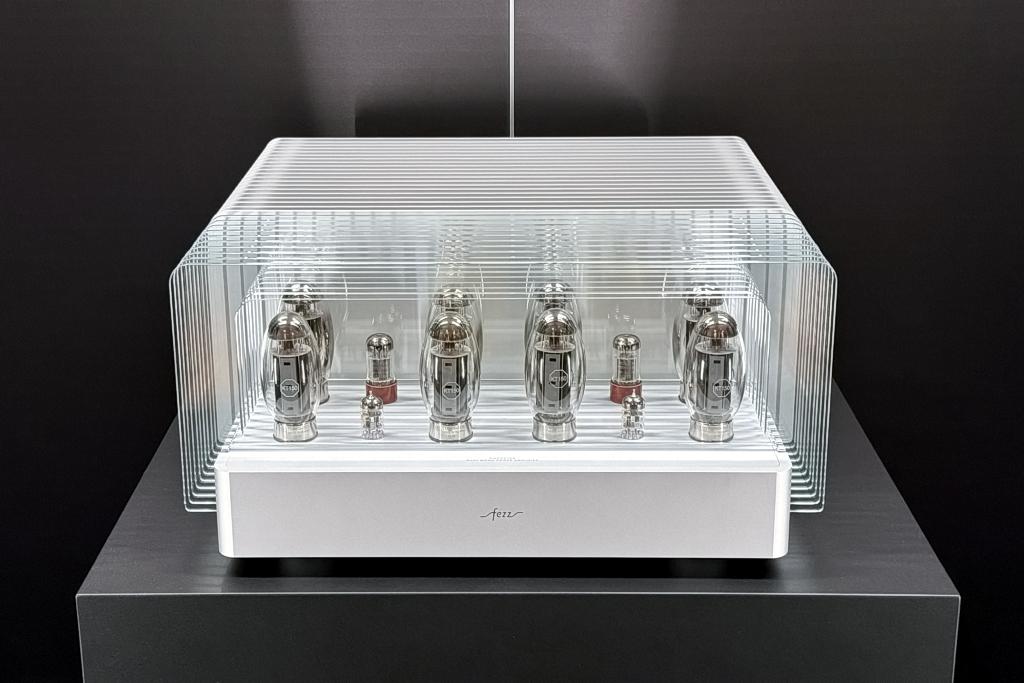
The second component in the Supernova lineup is the Magnetar Dual Mono, a stereo power amplifier designed around a fully independent dual-mono architecture in which each channel operates as a separate amplification path. The circuit employs eight KT150 output tubes - four per channel - together with completely separated power-supply and signal sections. This configuration translates directly into exceptionally stable imaging, excellent channel separation, and a strong sense of dynamic authority. Tube operation is supervised by a microprocessor-controlled auto-bias system that maintains optimal working conditions regardless of load or operating time. Both the output and power transformers are drawn from the company's Signature Line, and component selection throughout the amplifier reflects one guiding objective - to achieve the highest possible level of sonic performance. The elaborate mechanical construction and carefully chosen materials complete what is clearly intended as a statement design.
At the very top of the hierarchy sits the Magnetar Monoblock, a single-channel power amplifier in which every aspect of the design has been optimized around absolute channel independence. Each unit uses four KT150 tubes supported by selected current sources, microprocessor-controlled bias regulation, and complete separation between the power-supply and signal circuits. Together, these elements form a platform designed for maximum control, precision, and stability under demanding operating conditions. Premium components include Teflon tube sockets, Mundorf capacitors, gold-plated circuit boards, Neutrik XLR connectors, and WBT speaker terminals. As in the rest of the Supernova series, the enclosure combines machined aluminum with glass panels, providing both visual impact and measurable mechanical advantages in terms of resonance control. The pricing of the new components surprised some long-time observers of the brand, but it also reflected the scale of its ambitions. The preamplifier was introduced at €19,999, the stereo power amplifier at €54,199 and the monoblock pair at €61,199. As often happens with equipment in this class, reactions were divided. Some questioned the direction, while others noted that within the broader landscape of high-end separates the pricing remained relatively restrained - and that, as usual in Fezz's case, the level of execution remained closely aligned with the expectations such designs inevitably create.



Inside the Factory
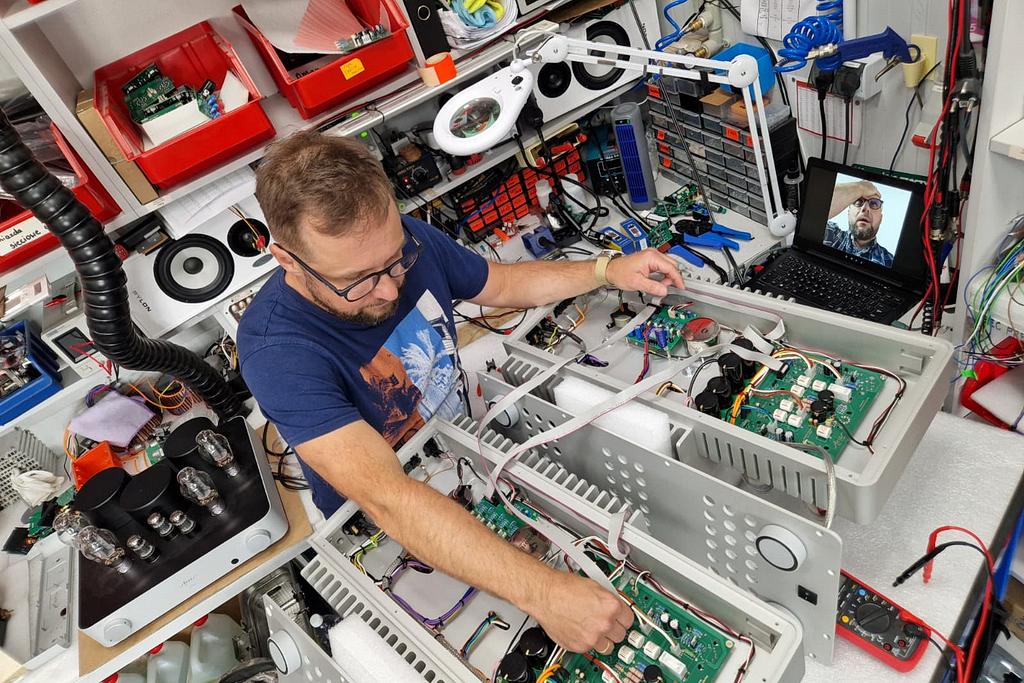
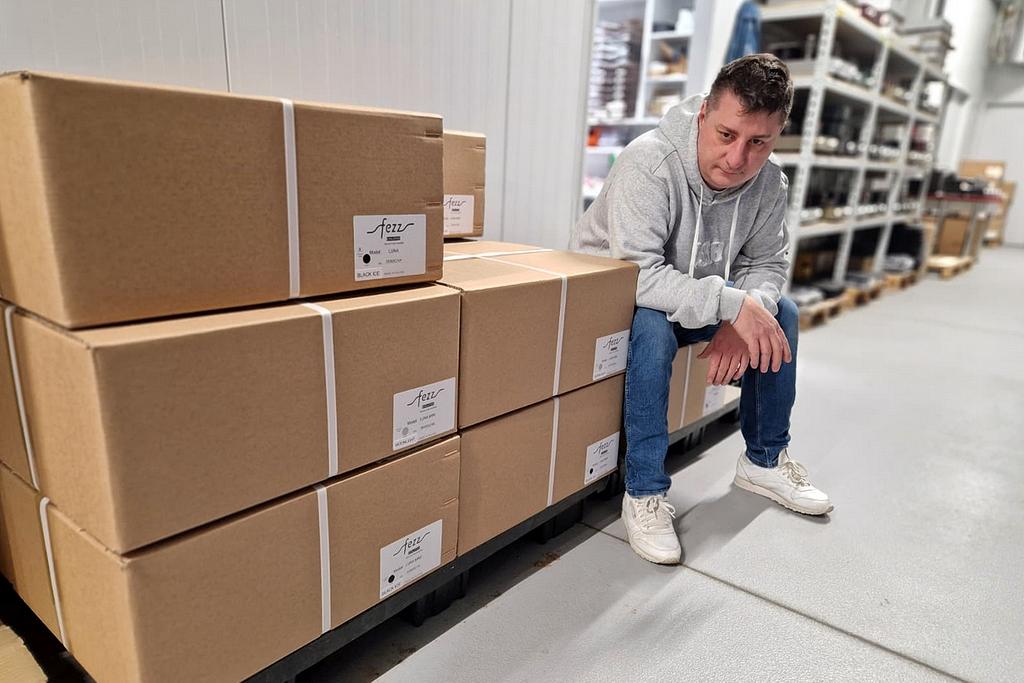
Today, the shared home of Fezz Audio and Toroidy is the company's new headquarters in Kolonia Koplany. It is here that visitors can follow successive stages of transformer production, see the design department and office facilities, observe the Fezz assembly stations, and even step into the listening room where the results of the engineers' and technicians' work are evaluated. Even a brief visit makes it immediately clear that a full account of this place would require a dedicated article of its own. For that reason, readers interested in the behind-the-scenes operations of both brands are already invited to keep an eye on our magazine. In the near future, we will publish an extensive factory report that will serve as a natural continuation of this story.
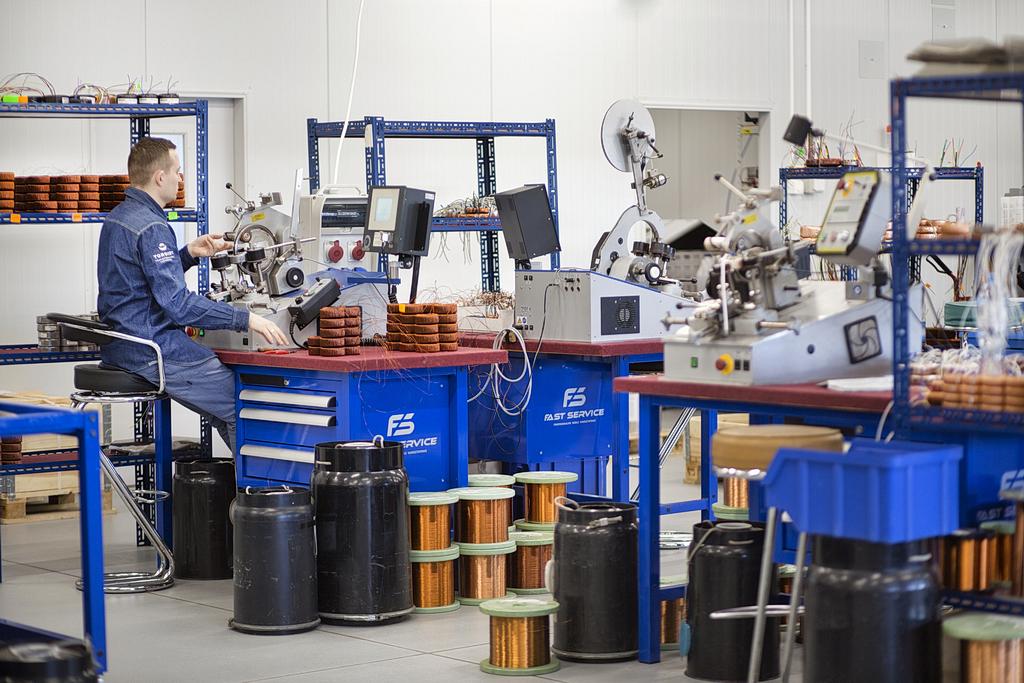
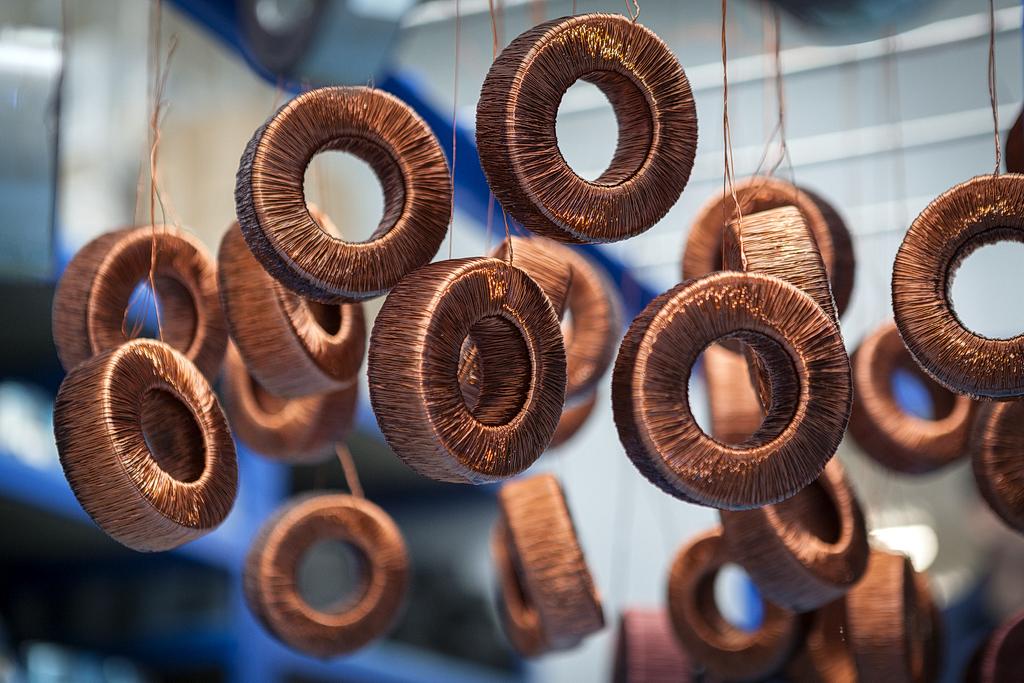
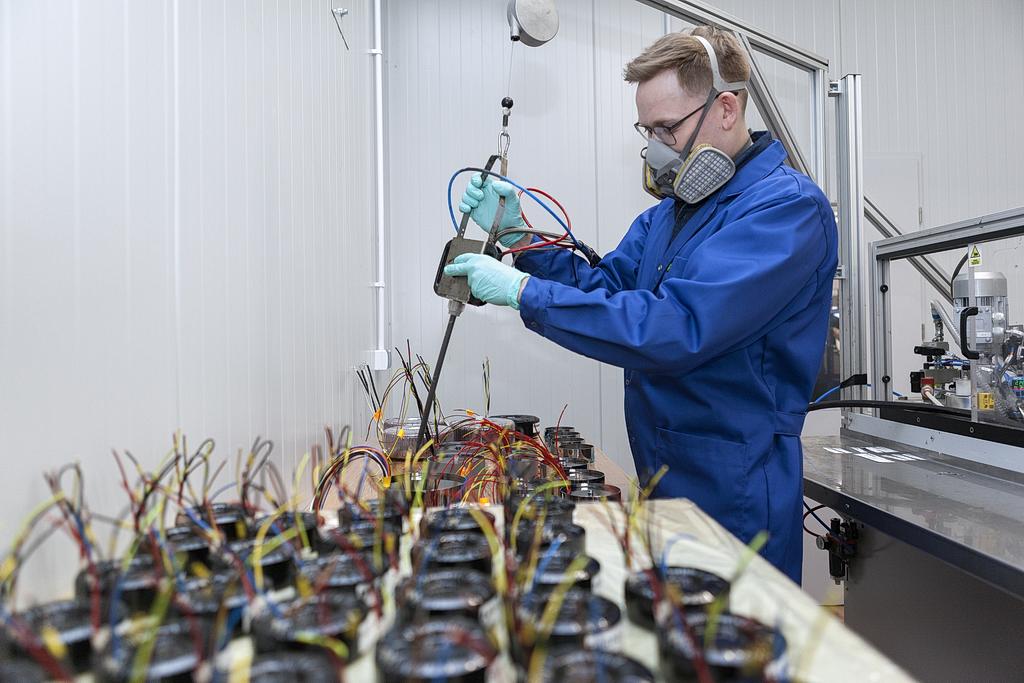
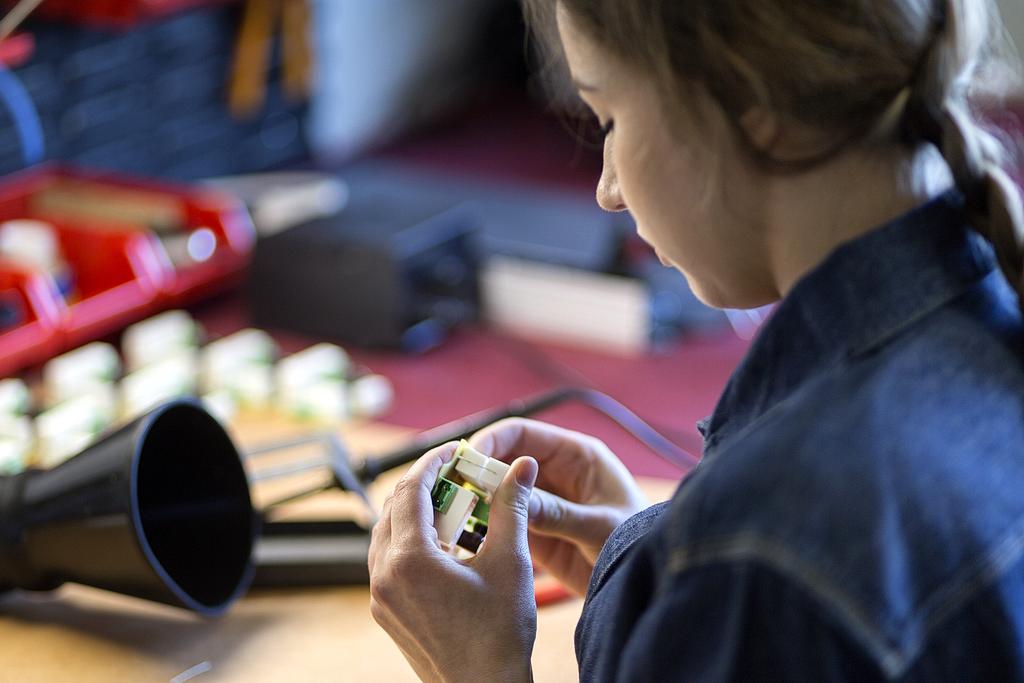
For now, however, a few key observations are worth noting. The company's current headquarters is not only new and architecturally impressive, but still actively evolving, and its layout clearly illustrates how closely the competencies of Toroidy and Fezz Audio intersect in daily practice. On one side stands the large Toroidy production hall, where transformers are manufactured not only for the company's own amplifiers but also for dozens of external applications. On the other is the Fezz assembly area, where finished devices are built, tested, and prepared for shipment. Formally these are separate sections, yet in reality they function as parts of a single integrated system in which transformer expertise, production experience, and the development of proprietary electronics meet at every stage of the process.
Even a general look at the organization of work, the machinery in operation, and the technical standard of the facilities is enough to conclude that this is a manufacturing environment operating at a very high technological level. That impression is reinforced by the list of companies using transformers produced in Kolonia Koplany. Within the hi-fi industry alone, Toroidy components appear in products from Aurender, Rockna Audio, Canor, Innuos, Taiko Audio, EMM Labs, Lampizator, Copland, Nagra, and Pink Faun. In the professional audio sector, they are used by companies such as Wes Audio, Looptrotter, Gyraf Audio, and Knif Audio. Outside the world of sound, the client list extends to demanding organizations including Airbus, Grupa WB, Optopol, Optics11, MPW Medical Instruments, and Alvo. Added to this are projects connected with critical infrastructure and the defense sector - something already suggested by the fact that the company holds NATO certification.
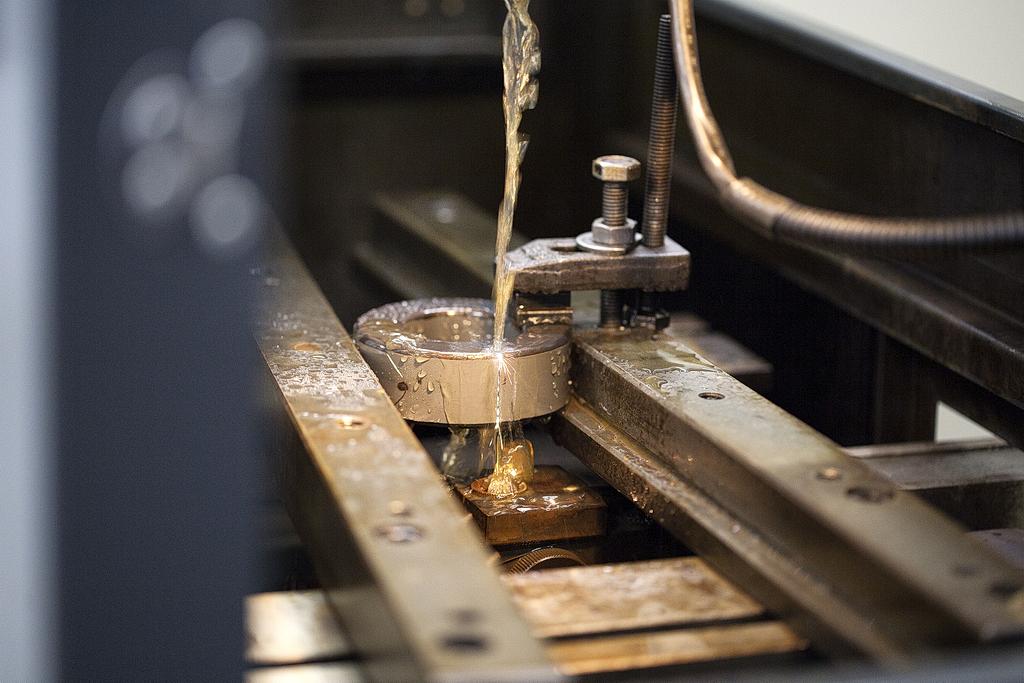
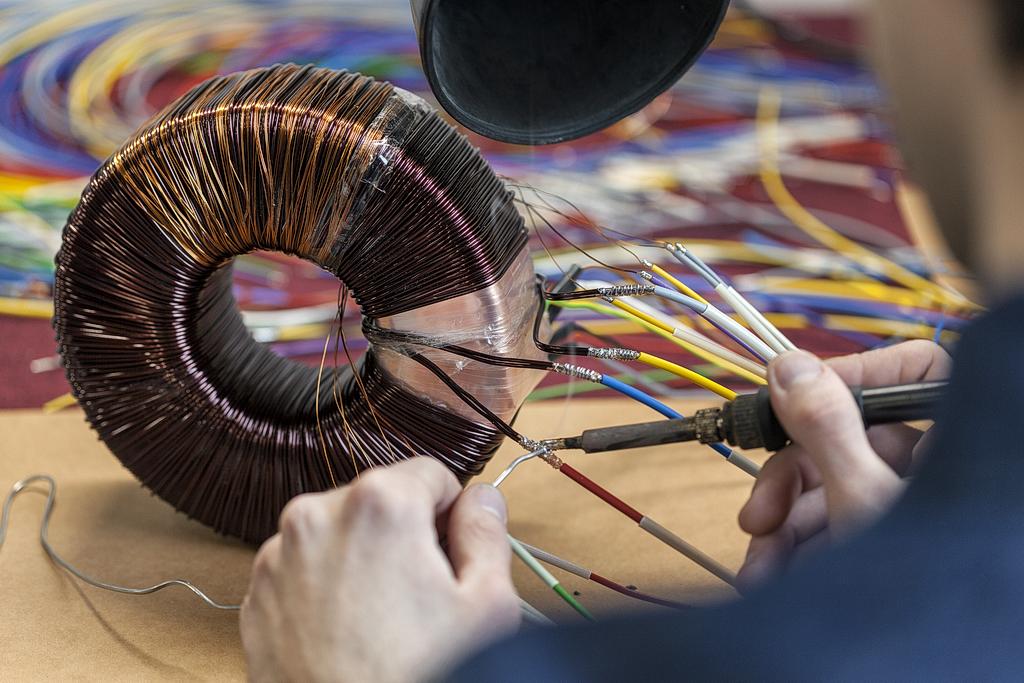
Although the new headquarters of Fezz and Toroidy was completed only a few years ago, it is anything but a finished or static project. The facility continues to grow. New machines continue to arrive, additional organizational and technical improvements are introduced - often designed internally by the company's own staff - and next to the existing complex another production hall is already under construction. At the time this text was being finalized, the concrete floor screed there was literally still drying. Among the materials provided by the distributor I found a large photo archive taken three or perhaps four years ago, and almost all of those images are already outdated. The Fezz section alone now occupies a significantly larger area. The racks used for amplifier burn-in and final testing extend across the entire hall in which transformers are wound - and that hall is anything but small. At nearly every workstation, new machines, specialist instruments, and sometimes uniquely "in-house" solutions have appeared. For the purposes of this article, I have therefore limited the factory description to the essentials. Soon, however, we will return to Kolonia Koplany for a much closer look at what is becoming one of the most interesting audio-equipment production centers in this part of Europe.





What Comes Next?
When you ask people at Fezz and Toroidy about the future, you rarely hear sweeping declarations about "changing the world of audio". Instead, the conversation tends to revolve around concrete and measurable plans - developing transformer series for new applications, expanding the distribution network, introducing additional amplifier models, and refining those already in production. Toroidy, for its part, is also working on projects that extend beyond the hi-fi sector, including the implementation - co-financed with European funding - of a toroidal signal transformer designed for PCB mounting. The goal is to position the company more effectively within a landscape increasingly shaped by compact and highly miniaturized electronics. At the same time, Toroidy continues to do what it has always done best: systematically expanding its transformer portfolio. Higher-performance components developed for audio equipment, industrial systems, military applications, and the energy sector, along with new mounting formats and vacuum-potted resin transformers, are not distant ambitions but part of the company's everyday activity. At Fezz, meanwhile, a parallel transformation is underway inside the products themselves. The company is in the process of redesigning the internal architecture of all models currently in production - a step that effectively completes the revolution that began with the introduction of the brand's new design language.
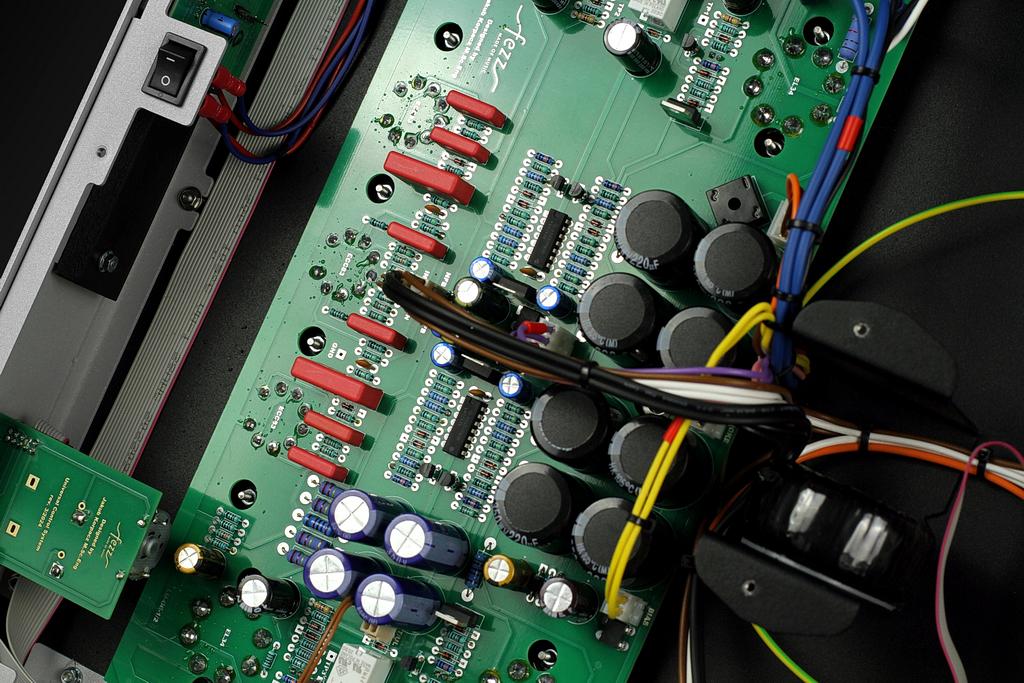
The transition from the original architecture, now referred to as Legacy, to the newer Evolution platform represented a major leap forward visually, but initially the internal construction remained largely unchanged. Inside the redesigned and far more refined enclosures, the same boards, wiring, and components found in the earlier "garage-era" Fezz amplifiers were still being used. That situation is now changing. Today, the electronic circuits are being redesigned almost from scratch using a thoroughly modern engineering approach, with much of the responsibility resting on Jakub Korpacz, a young but exceptionally talented designer. As a result, successive models are undergoing what can best be described as a technical rejuvenation. Instead of simple circuit boards interconnected by bundles of loose wiring, the new designs adopt a modular internal structure in which every section has a clearly defined role and location. The architecture anticipates future expansion - particularly through the use of extension boards - and the entire layout is tied together with precisely fabricated wiring harnesses terminated in connectors that simplify both assembly and servicing. The result is a new generation of tube amplifiers that are as carefully engineered internally as they are visually refined on the outside.
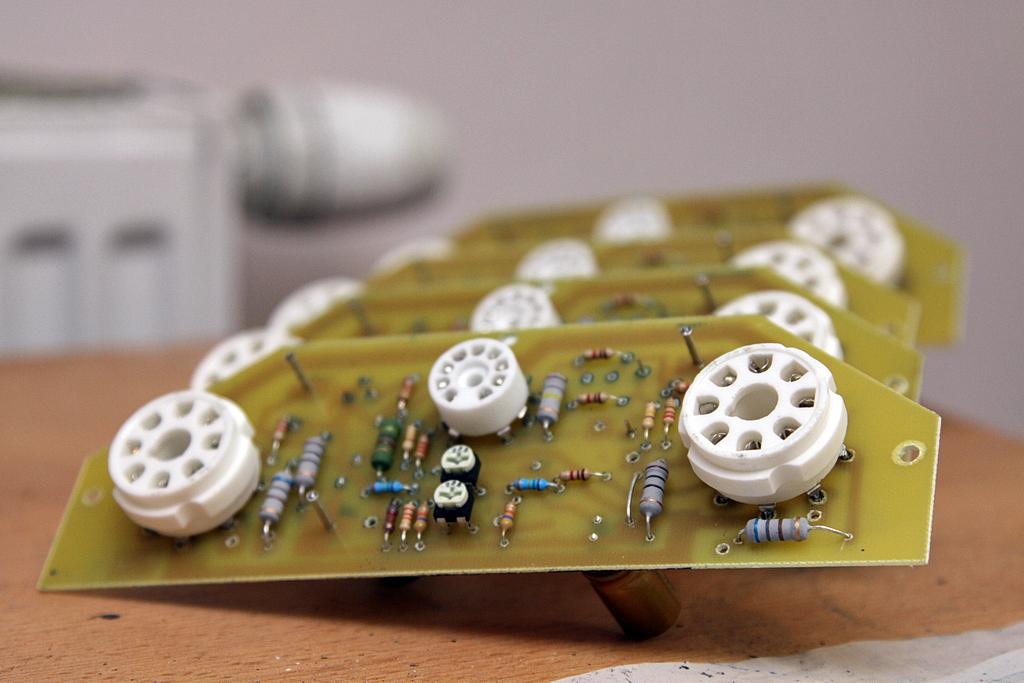
The first models to appear in this fully modernized form are Luna and Luna Mini. A comparison between their internal layouts and archival photographs of the original Silver Luna's circuitry makes it immediately clear that the scale of progress achieved here exceeds even the dramatic shift introduced by the Evolution design language itself. Alongside this engineering transition, the company's management and technical team remain deeply engaged in the ongoing expansion of the factory, including preparations for relocating enclosure production to the new production hall now taking shape next to the existing facility.



A History Worth Reviving - Tubes "Made in Poland"
One idea in particular has already captured the imagination of audiophiles and speaks volumes about the scale of Fezz Audio's ambitions - the plan to begin, or rather revive, the production of Polish vacuum tubes. It would represent a symbolic return to a tradition that reaches back to the earliest years of radio broadcasting and electronic engineering in Poland. At first glance, the concept almost sounds improbable. For decades, vacuum tube manufacturing formed part of the country's industrial foundation, only to disappear almost completely in later years. Yet the history itself is both long and remarkably rich.
The first Polish tubes were being produced as early as the early 1920s by Radjopol, a small Warsaw-based company employing only a handful of people. Toward the end of that decade, vacuum tubes based on American designs were also manufactured by Polon in Bydgoszcz. Large-scale production began soon afterward at the Polish-Dutch Factory of Electric Lamps operated by Philips. In 1930, the company opened a glassworks facility capable - already in its early years - of producing 1,500 glass bulbs per day. Philips quickly secured a dominant position in the Polish market, approaching what was effectively a monopoly. Its most serious competitor was the Warsaw United Tungsram Bulb Factories, which began manufacturing receiving tubes in 1937. What followed belongs to the darker and more familiar history of the period.
Production resumed almost immediately after the war. In 1946, the State Radio Tube Factory in Dzierżoniów began operations using equipment transferred from a former Telefunken laboratory in Kowary. By the early 1950s, annual domestic production had reached approximately half a million units, rising to around nine million units per year by 1961. Glass envelopes were manufactured by several facilities, including the Róża Luksemburg Electric Lamp Manufacturing Works in Warsaw (Telam), the Lamina Experimental Tube Works in Piaseczno, the Industrial Electronics Institute - later incorporated into the Institute of Tele- and Radio Technology - and the Dolam Experimental Electron Tube Works in Wrocław. Interestingly, Polish tubes bearing brand names such as Polam, Telam, Dolam, and Lamina, typically from old warehouse stock, can still be found today through specialist retailers, sometimes commanding surprisingly high prices.
Today, Fezz and Toroidy are attempting not simply to recreate this history, but to continue it under contemporary technical and industrial conditions. The goal is to develop vacuum tube production aligned with modern environmental standards, current research capabilities, and the expectations of a market that now demands not only sonic character, but also consistency, reliability, and repeatability. In 2025, the family company behind the Fezz Audio and Toroidy brands received European funding for a research-and-development program focused on creating modern, environmentally improved vacuum tubes intended specifically for audio applications. In July of the same year, a three-year cooperation agreement was signed with Łukasiewicz-ITR to rebuild domestic expertise and restart vacuum tube manufacturing in Poland.
The scope of this initiative makes it clear that the project is not a nostalgic gesture toward the past, but a serious attempt to establish contemporary production capability from the ground up. Planned work includes replacing traditional lead glass with more advanced soda-lime glass, developing production technologies for amplifying tubes such as the 300B triode, introducing glass-waste management processes within the manufacturing cycle, creating a zinc-oxide-based phosphor for a 6E5S-type tuning indicator tube, and reducing the barium content of cathode paste. The program is expected to result in three tube types - a rectifier, an amplifier tube, and an electronic tuning indicator.
If the effort succeeds, the implications for Toroidy and Fezz would extend far beyond partial independence from external suppliers. It would also represent a remarkable increase in prestige. After all, how many amplifier manufacturers also produce their own vacuum tubes? KR Audio Electronics offers highly respected tubes, although its amplifiers occupy a relatively narrow niche. Western Electric's catalog includes only a single amplifier of this type, the 91E. JJ Electronic's involvement in complete audio components was relatively brief. One of the most interesting Asian examples is Japan's Takatsuki, which produces its own TA-300B, TA-274B, TA-274A, and TA-2A3 tubes alongside the striking TA-S01 power amplifier priced at $32,000. Beyond these examples, manufacturers combining such a wide range of competencies are extremely rare, which only underscores how unusual - and how prestigious - it is to integrate these capabilities within a single organization.
Despite these ambitious announcements, it is important to keep expectations in perspective. At this stage, the project remains a multi-year research-and-development effort rather than a finished product already waiting on warehouse shelves. Even so, there is little doubt that it represents one of the most intriguing initiatives currently underway in European audio manufacturing. As Lech Lachowski noted, even after such a long interruption Poland still retains engineers with the necessary knowledge and experience, access to research facilities, the required technological foundation, and - perhaps most importantly - a real motivation to make such a project happen. What remains now is to bring those elements together and allow the process to unfold. After following the story presented here, it is difficult to doubt that if there is one thing Fezz has consistently demonstrated, it is the ability to turn individual components into something coherent, refined and fully realized.

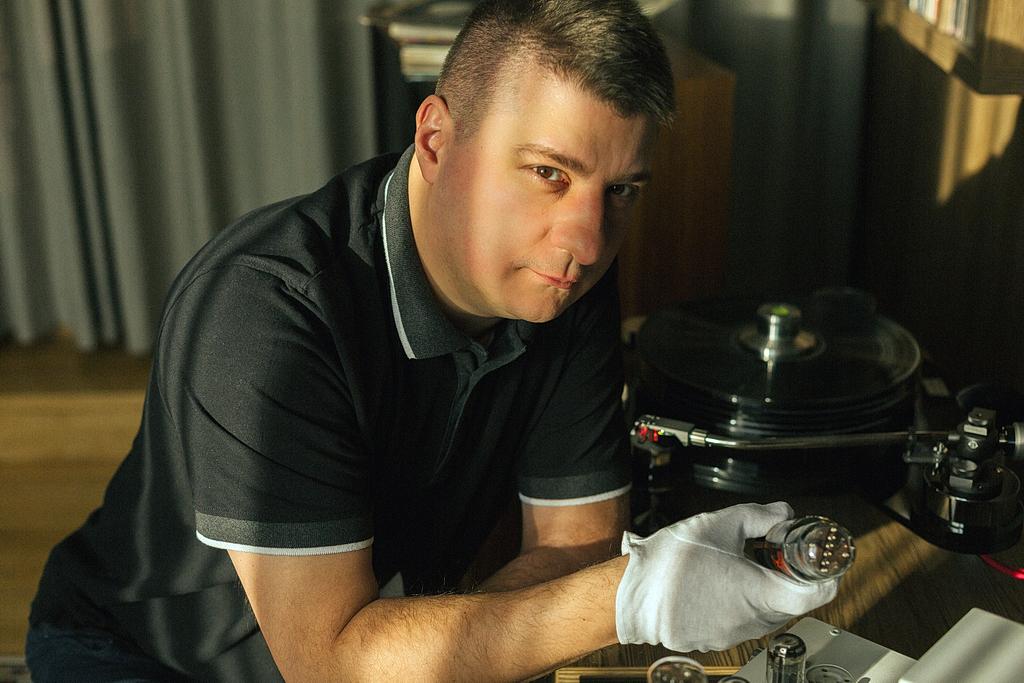


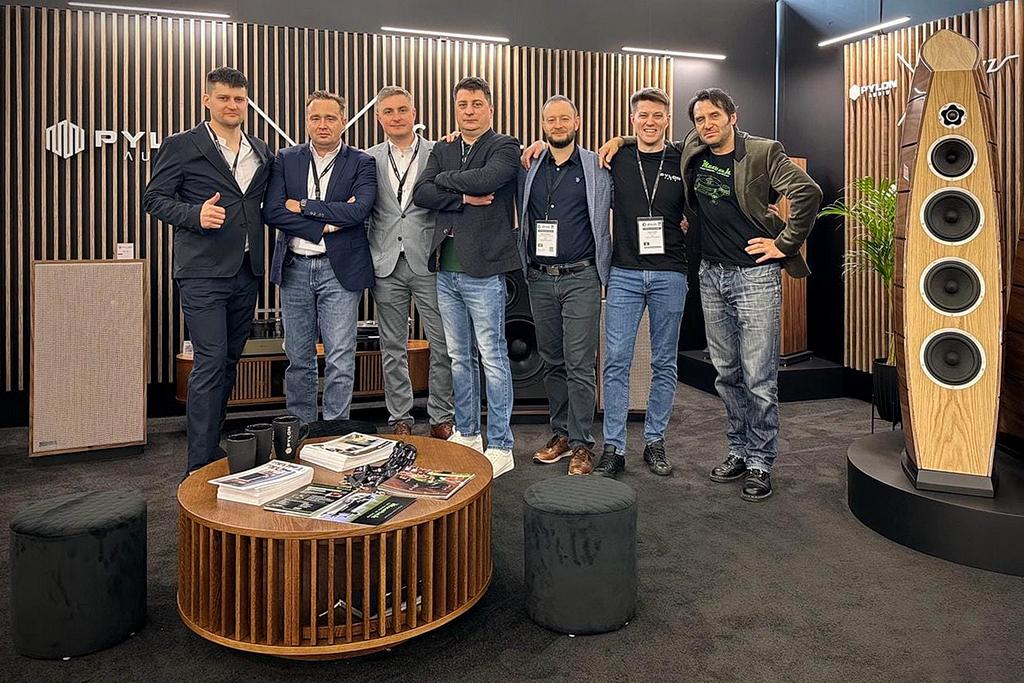
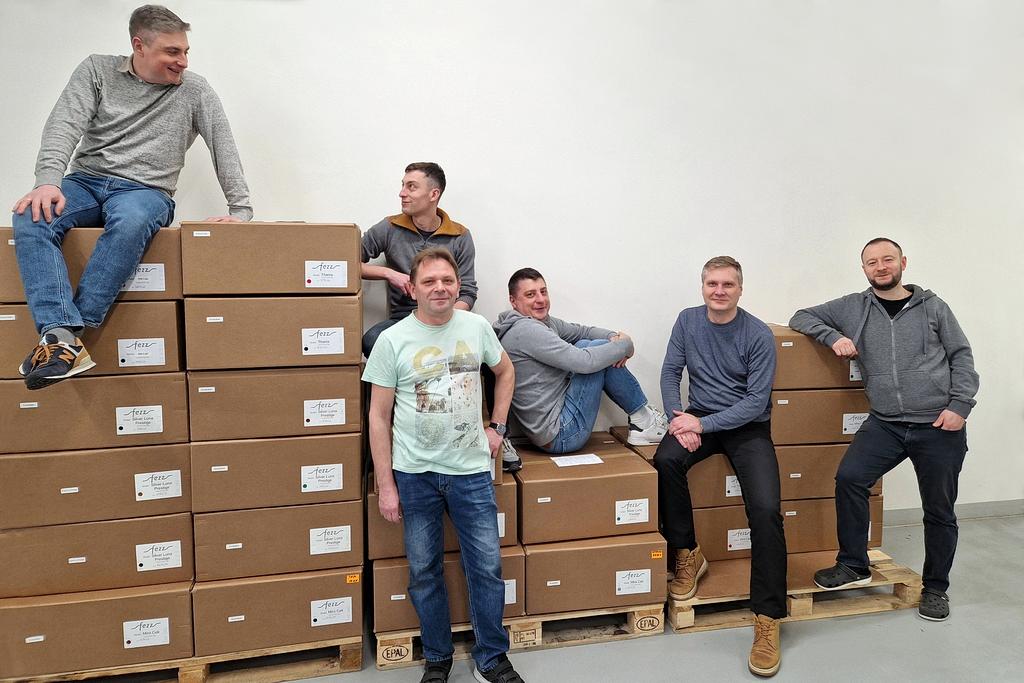
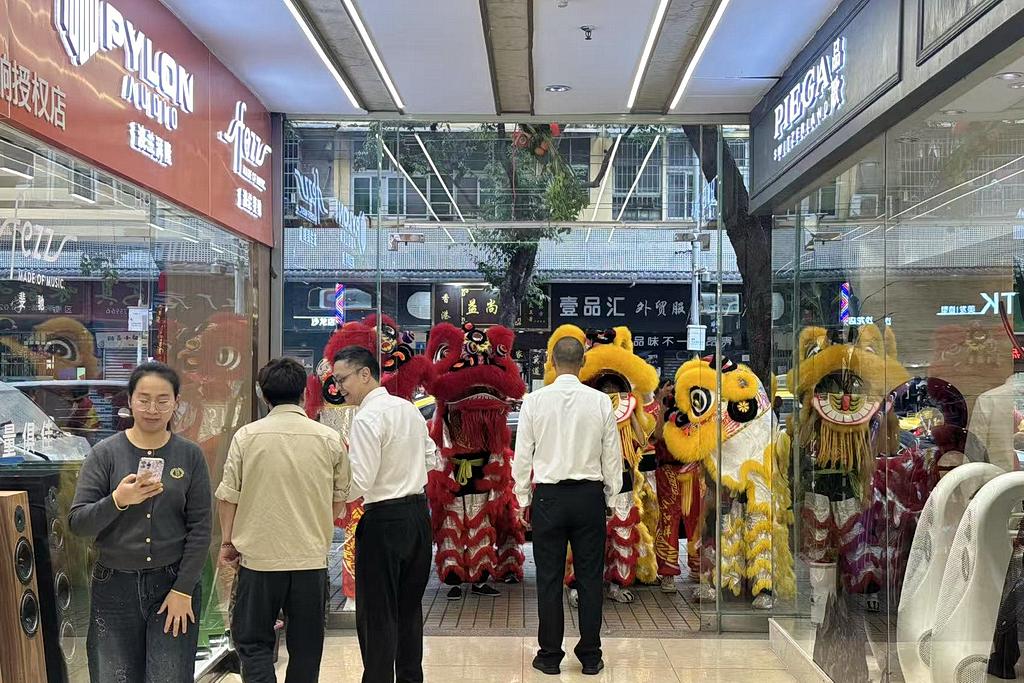


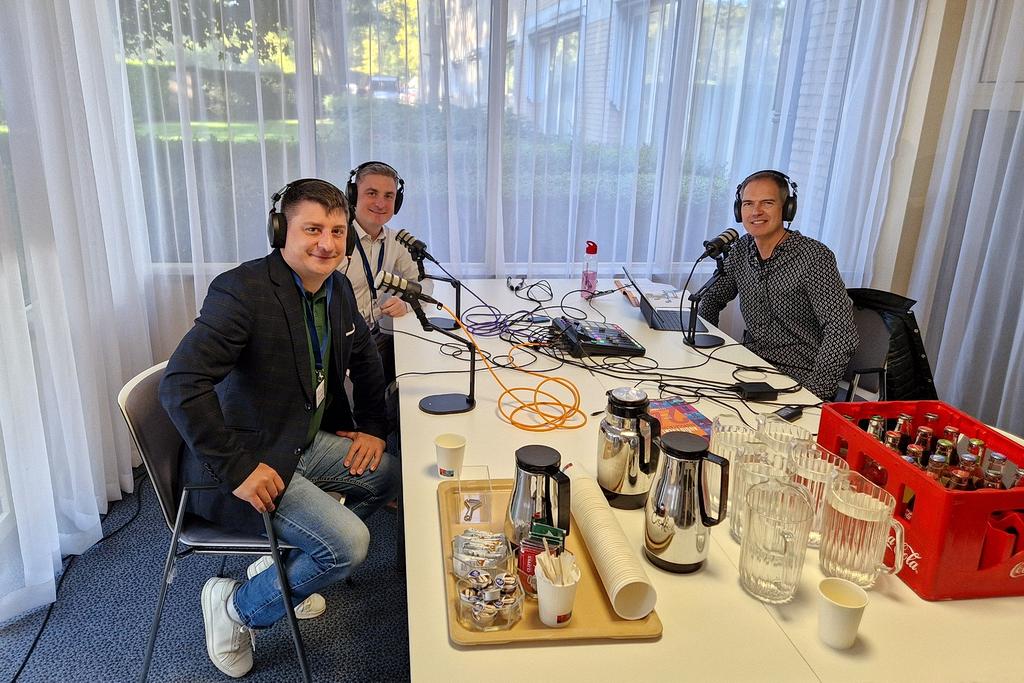
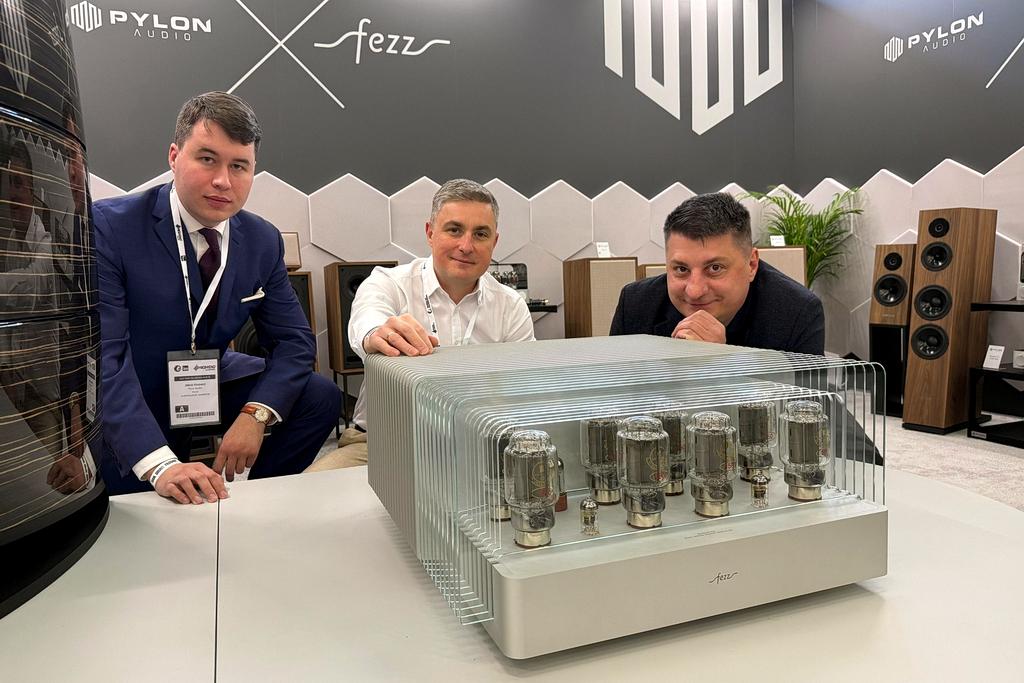

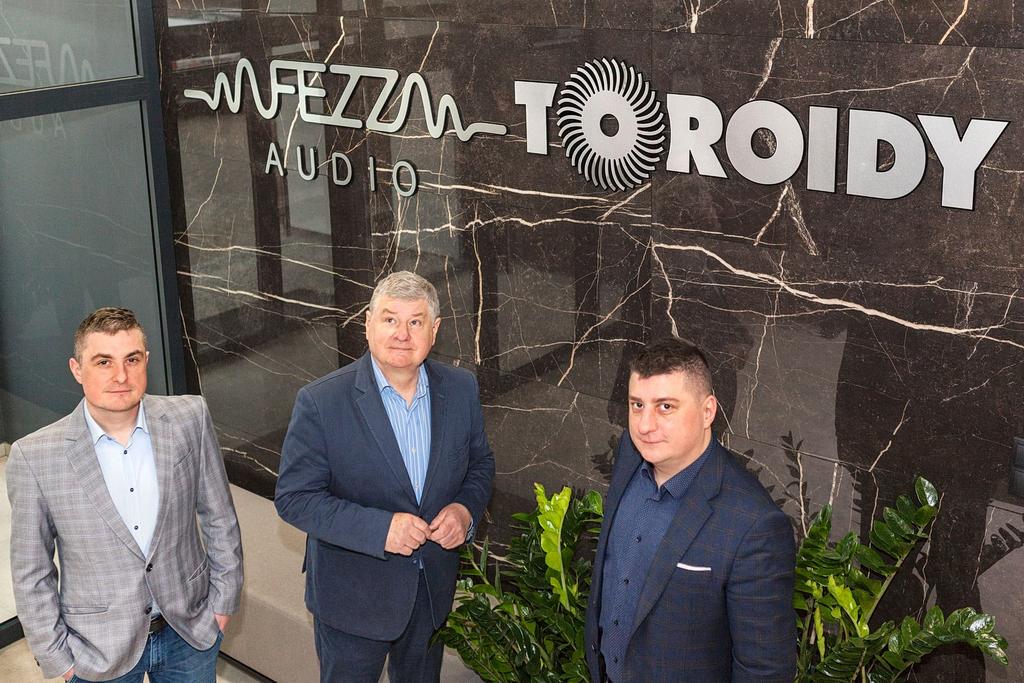
Epilogue
Although the story of Toroidy and Fezz sometimes unfolds in ways that almost resemble a legend about a dream come true, at its core it remains firmly grounded in the realities of a market that tolerates neither naivety nor mistakes and rewards success only after years of steady, disciplined effort. This journey was never free of obstacles, setbacks, or costly miscalculations. There were plenty. Yet the Lachowski family has never wasted time railing against circumstances. Problems, when they appear, are meant to be solved. When resources are missing, they have to be found. And then the work simply continues - quietly, persistently, without the need for applause. For its own sake, first and foremost.
Perhaps that is the real meaning of the story told here. Not that somewhere near Białystok a company appeared that learned how to build excellent tube amplifiers, but that nothing about its development happened by accident. There was no sudden breakthrough moment, no dramatic turning point, no fairy tale about a young engineer discovering treasure at the end of the rainbow. Instead, there were years of accumulated knowledge, patience, technical discipline, the willingness to take risks at the right time, and a rare ability to connect elements that at first glance seem difficult to reconcile - a family-scale way of working combined with international ambitions, raw engineering competence paired with a strong sense of form, local tradition aligned with global market awareness, and finally the unmistakable character of tube sound integrated with a thoroughly modern approach to design and manufacturing.
Fezz did not grow out of a business plan or a temporary fascination with retro aesthetics. It grew from a passion for music, from its own workshop culture, from the desire to create something meaningful, and from the conviction that even in a world filled with ready-made solutions, it still makes sense to build things yourself. And if, after reading this story, someone still believes that important things in audio can only happen in Munich, Tokyo, or Silicon Valley, it may be worth leaving the main road for a moment and heading toward Podlasie to see it firsthand. It is well worth the trip.