
- Reviews
- Posted
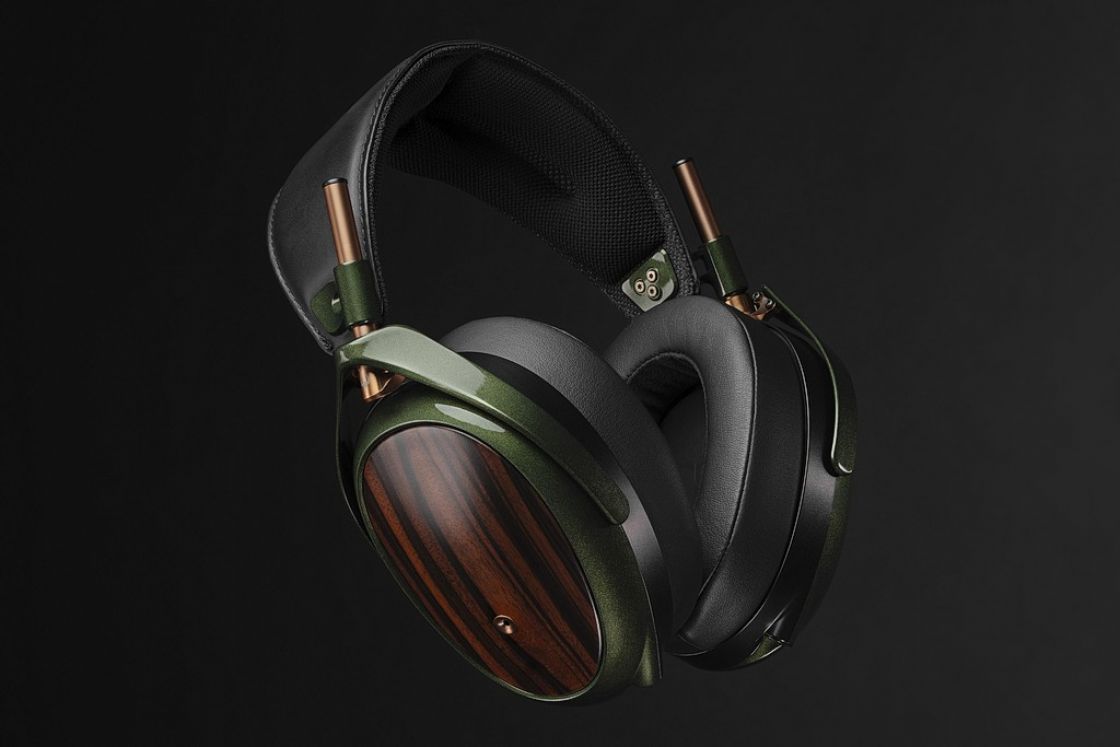
Meze Strada
In a surprisingly short period of time, Meze Audio has managed to move from the margins of the market to the center of the premium headphone conversation. The Romanian brand, founded by industrial designer Antonio Meze, built its reputation on a combination of unmistakable design, carefully considered ergonomics, and a warm, natural, easy-to-like sound. Its first major hit, and the model that really changed everything for what was still a tiny workshop at the time, was, of course, the 99 Classics. Over the years, that headphone evolved into several versions and an entire family of related models. The more affordable 99 Neo followed, along with the 12 Classics and 11 Neo in-ear monitors, but that was still only the beginning. Not long after that, the Romanian company stopped playing cautiously and stepped into the world of high-end planar magnetic headphones with models such as the Empyrean, Elite, and Liric. It was a very good decision. The workshop from Baia Mare, already associated with well-made, distinctive headphones thanks to the 99 Classics, suddenly began to be viewed as one of the true leaders in the field, mentioned alongside giants such as Sennheiser, Audeze, and Focal. After several years of building that image with remarkable consistency, Meze Audio became the kind of brand even less experienced music lovers can recognize from the shape of the ear cups alone.
There was, however, an obvious gap in the company's catalog. On one side sat the relatively affordable closed-back 99 Classics. On the other were higher-positioned open-back dynamic models and very expensive planar magnetic designs. What was missing was a closed-back headphone with clearly audiophile ambitions, but still within reach of an enthusiast who does not want to jump straight into flagship territory. The Strada is meant to fill that space - a closed-back, over-ear dynamic headphone priced at €799.
Fans of the Romanian company immediately noticed that the new model had been placed more or less on the same shelf as the 109 Pro. The price alone makes it clear that this is not a casual side project, a limited drop, or some occasional detour, but a fully fledged pillar of the lineup. The Strada is not another budget addition, but a headphone aimed at the demanding listener. The manufacturer promises a combination of good tonal balance and a sense of being close to the music, neatly summed up by the phrase "musical intimacy".
Technically, the Strada is based on the same 50-mm dynamic driver that debuted in the 109 Pro, although here it has been adapted for use in a closed enclosure. The idea is easy enough to understand. In theory, we get a sound character close to that of the open-back model, supplemented by the isolation we expect from a proper pair of closed cans. It is an ambitious target, because the history of headphones is full of attempts to create a "closed version of a favorite open-back model", and most of them have ended in one of two ways - compromised sound or underwhelming isolation. How does it work out this time?
Design and functionality
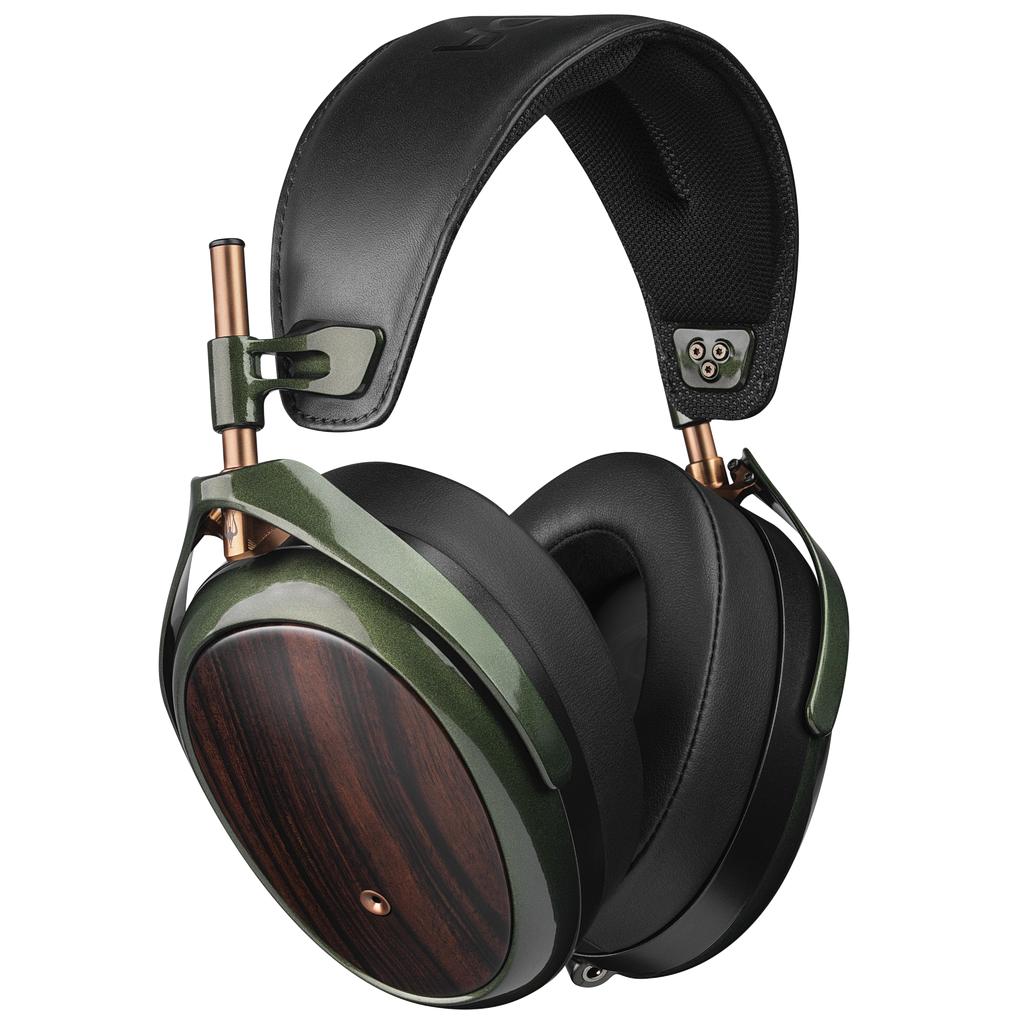
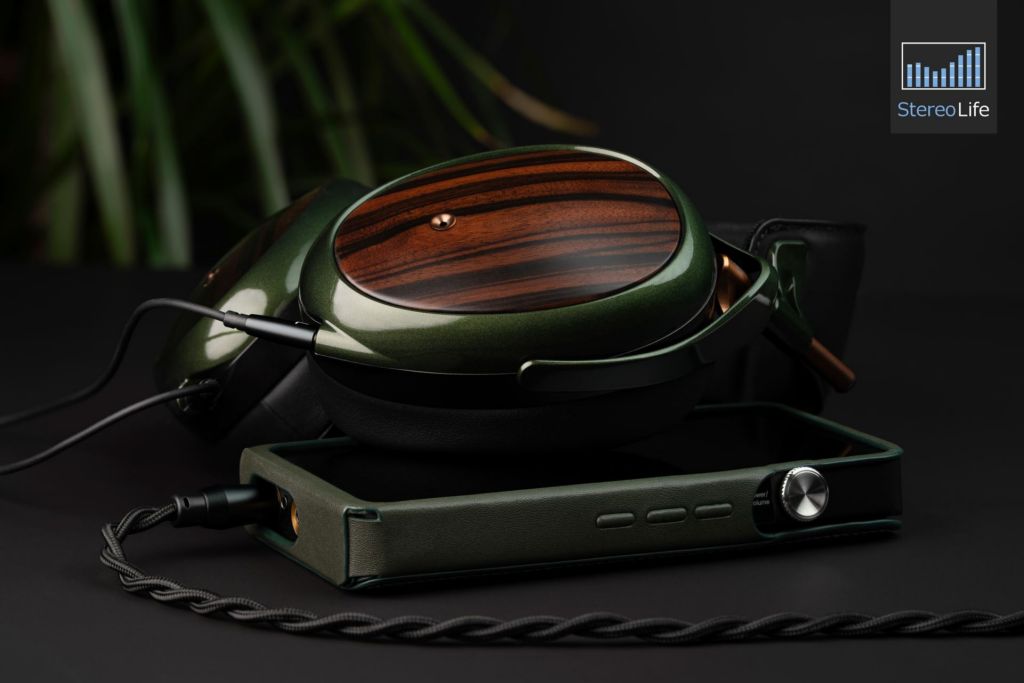
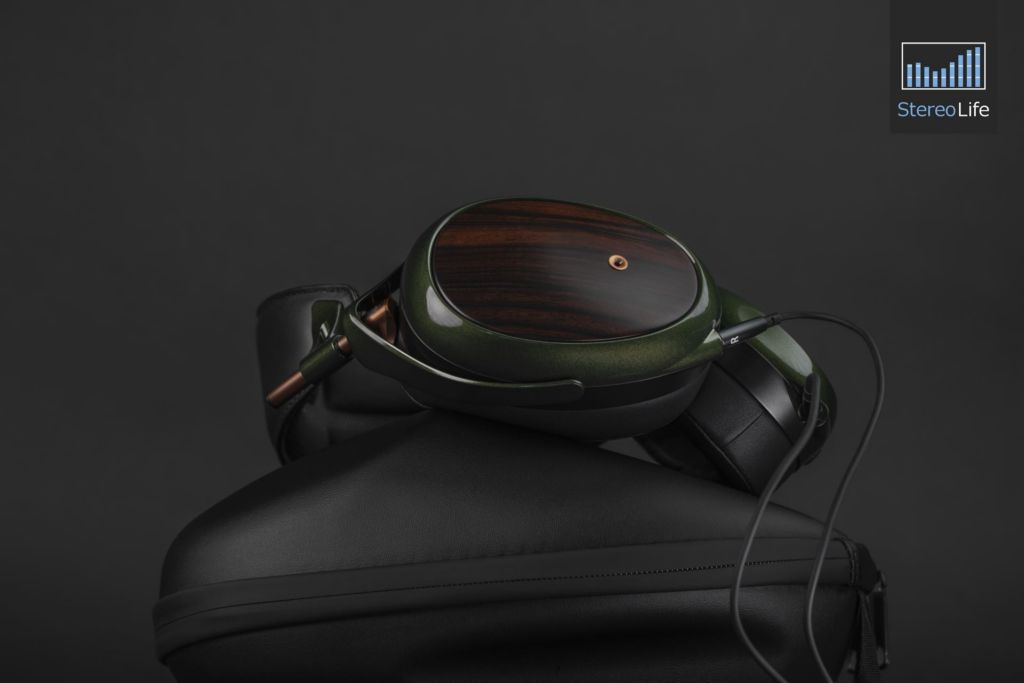
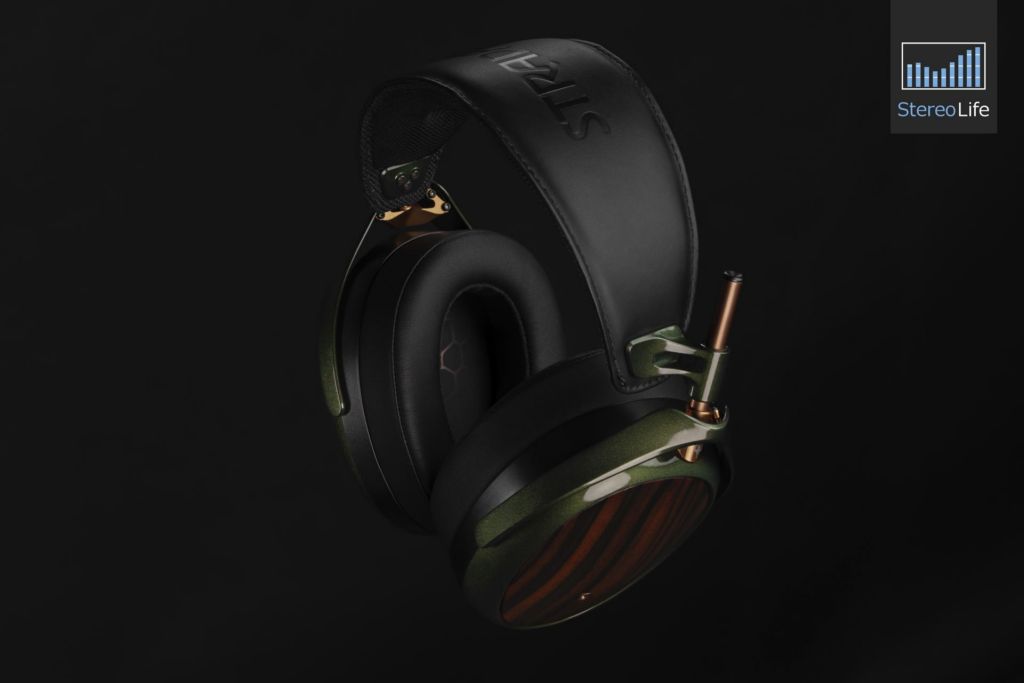
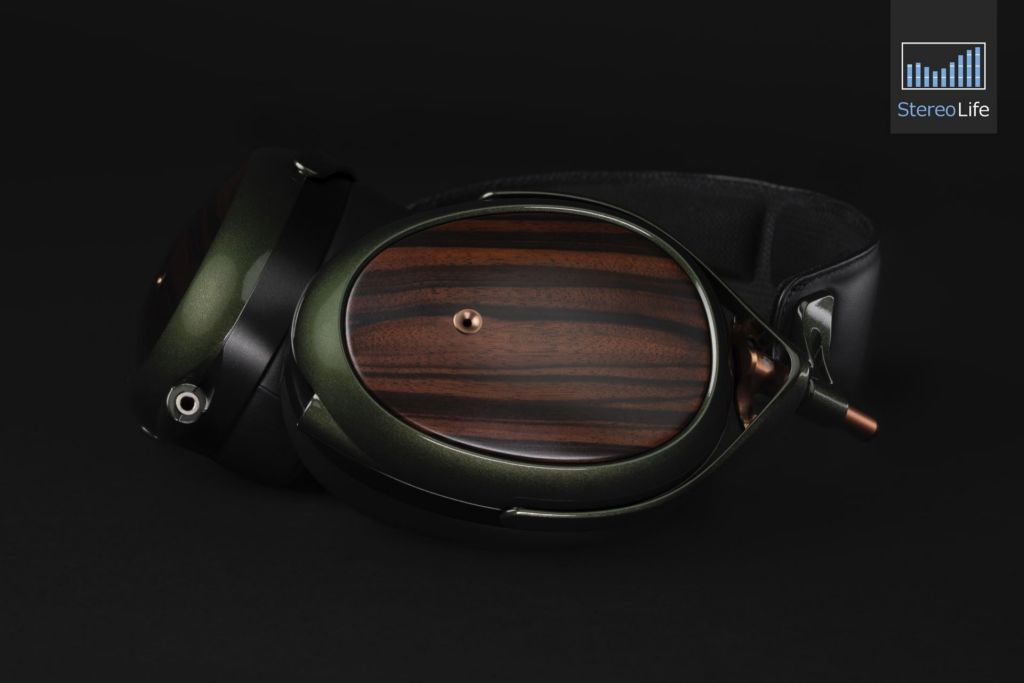
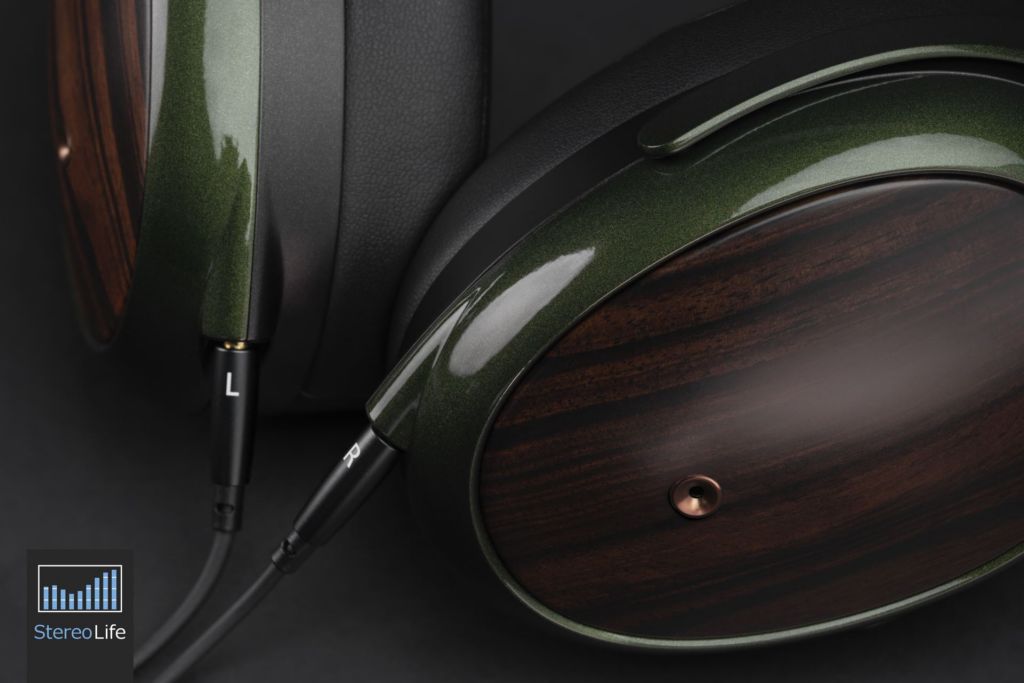
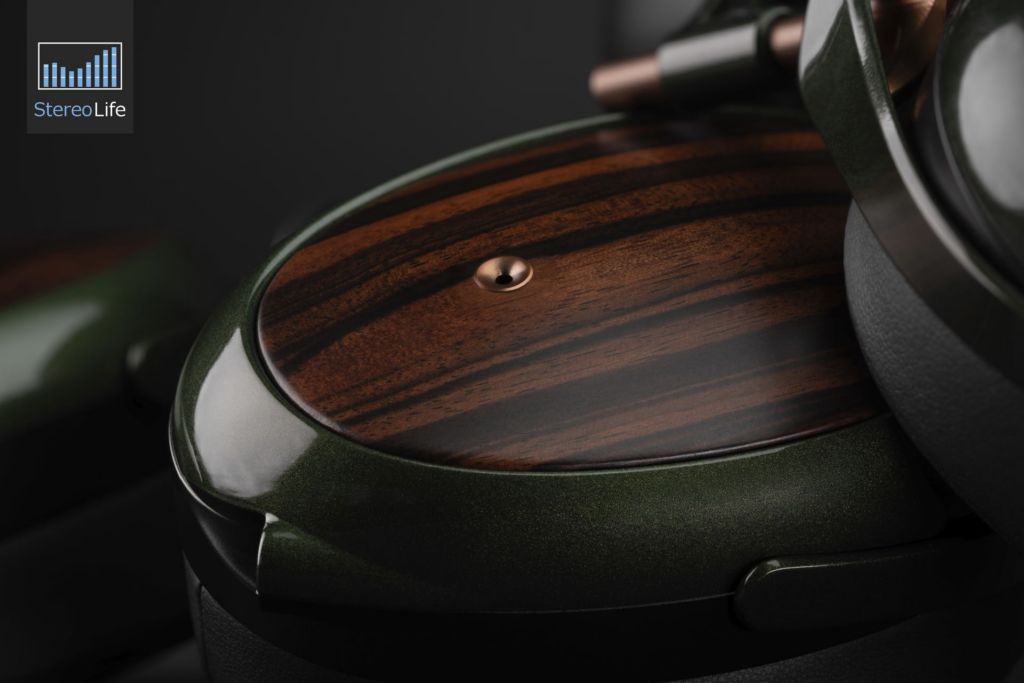
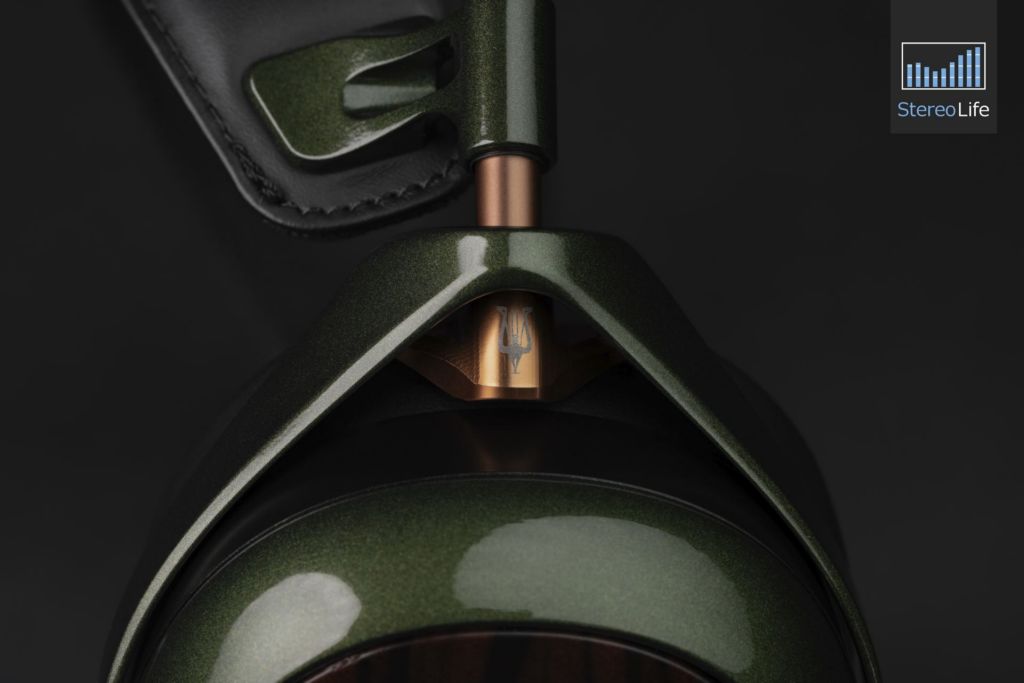
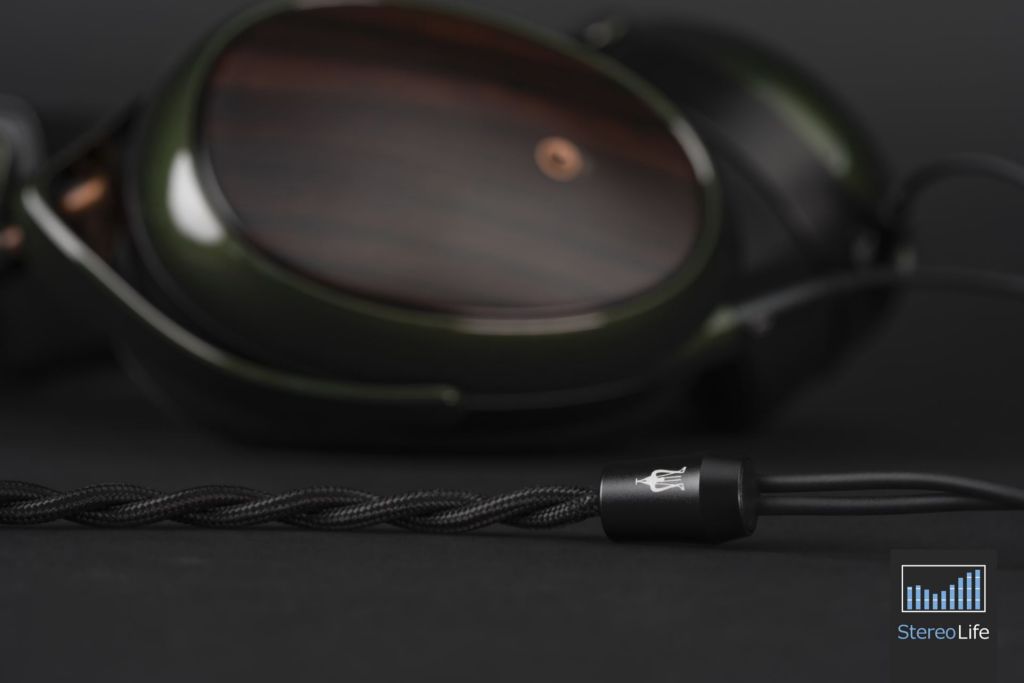
If Meze wanted to create a headphone recognizable from across the room, the Strada more than delivers. This is a design that makes an impression before it even reaches your head. Open the box and it is immediately clear that this is not anonymous hi-fi gear, but an object into which a great deal of design work has been poured. The cups, made from makassar ebony, catch the eye with a dense, irregular grain pattern. Dark, almost black areas of wood are interlaced with lighter, golden streaks, making each pair look slightly different. Meze returns here to the idea that made the 99 Classics famous, but presents it in a newer and more mature form. There is less retro charm and more refined contemporary styling, the kind that would feel equally at home in a Scandinavian living room or a gaming den, although that second association comes mainly from the color.
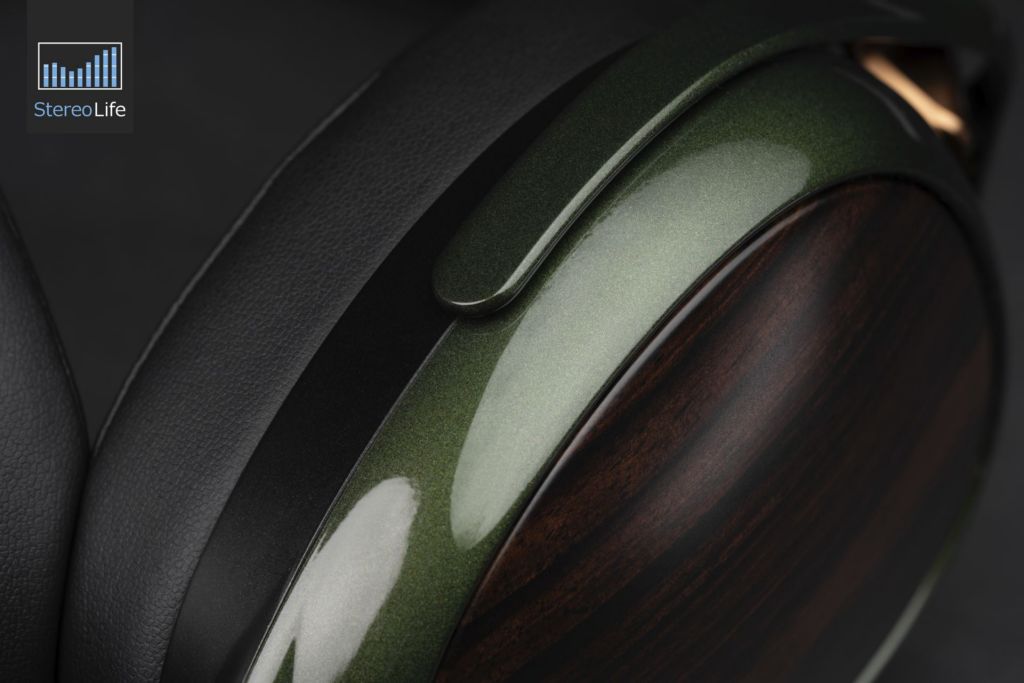
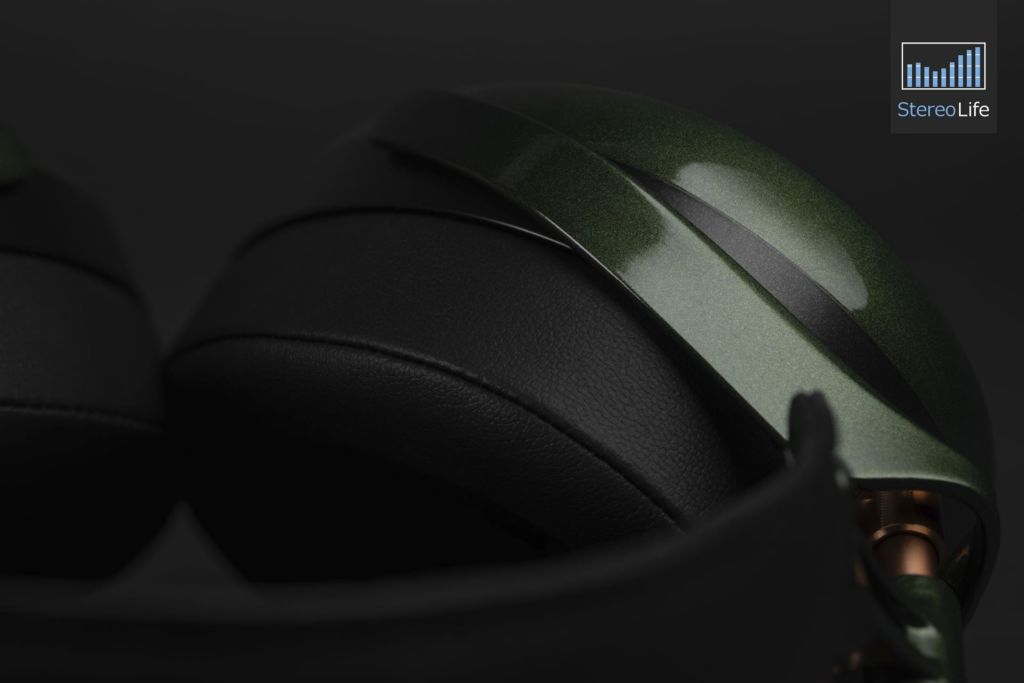
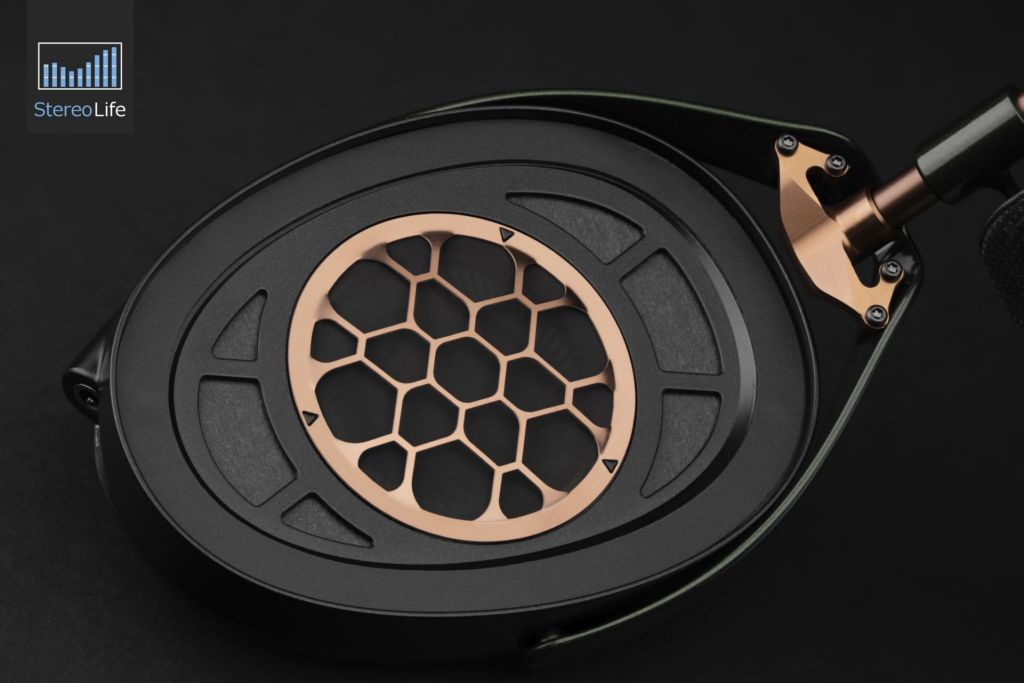
The magnesium frame is finished in an intense metallic green. In photos it can look bold, even a little showy, but in person the color is slightly calmer, while the metallic effect appears mainly under stronger light. It is closest to a good automotive finish, where depth and the way light plays across the surface matter more than the shade itself. Paired with the dark wood, it creates an effect that clearly moves away from safe, office-friendly aesthetics. Meze remains faithful to its own philosophy - equipment from this brand is supposed to be more than a tool that disappears into the background. The Strada deliberately draws attention to itself. Naturally, this color combination will not appeal to everyone, but the Romanian designers once again deserve credit for having the courage of their convictions. Every headphone from this company has personality. And if some people say, "I'd take it, but not in this color", perhaps a more versatile finish will appear in the catalog sooner or later.
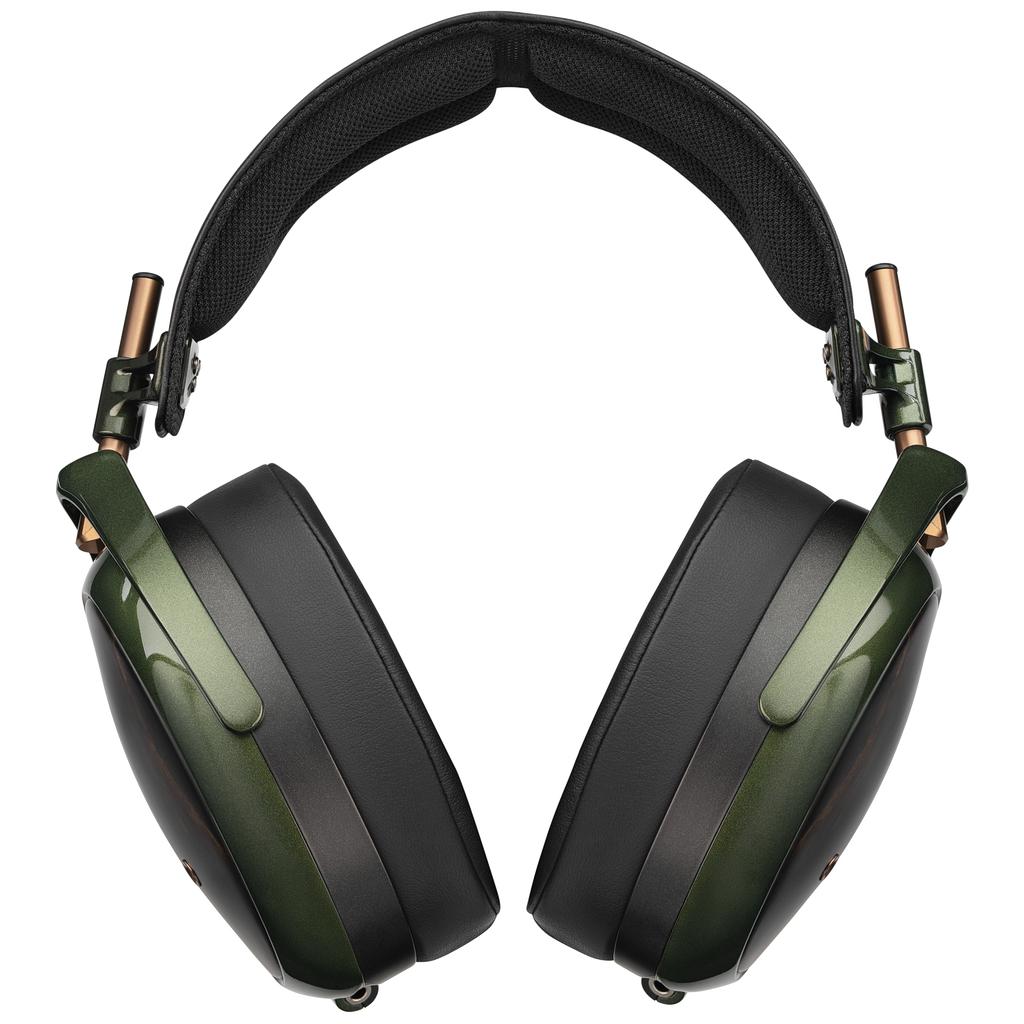
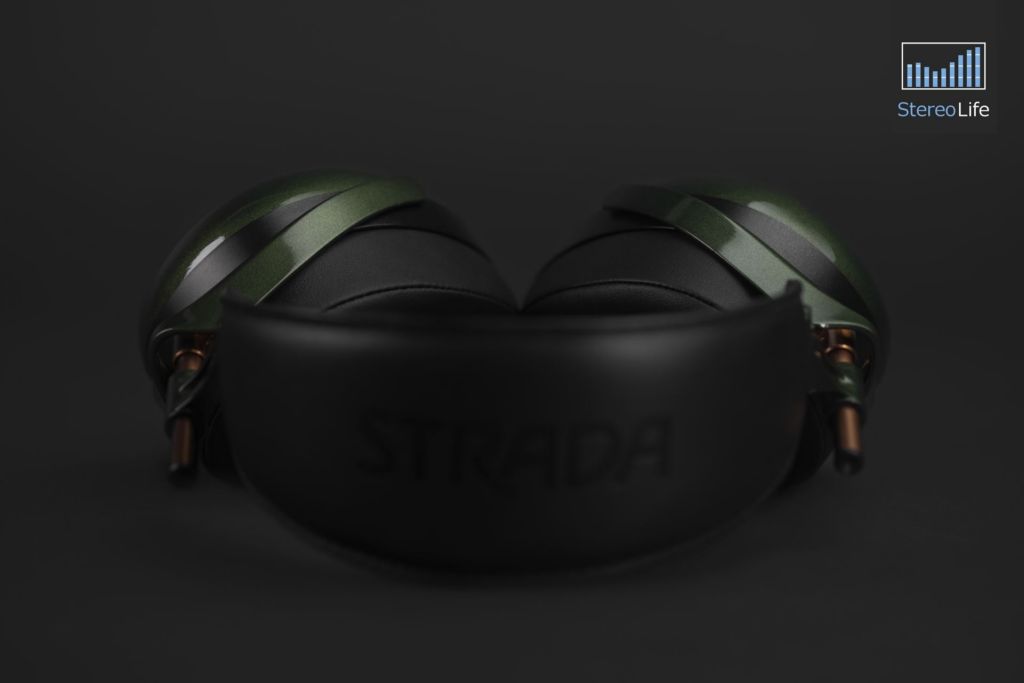
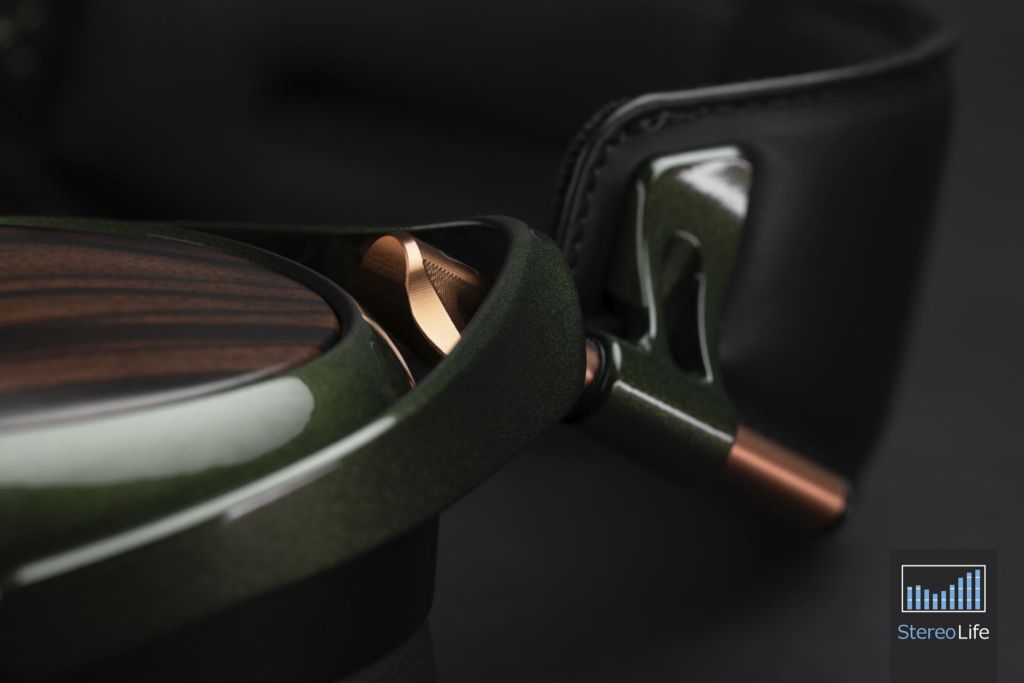
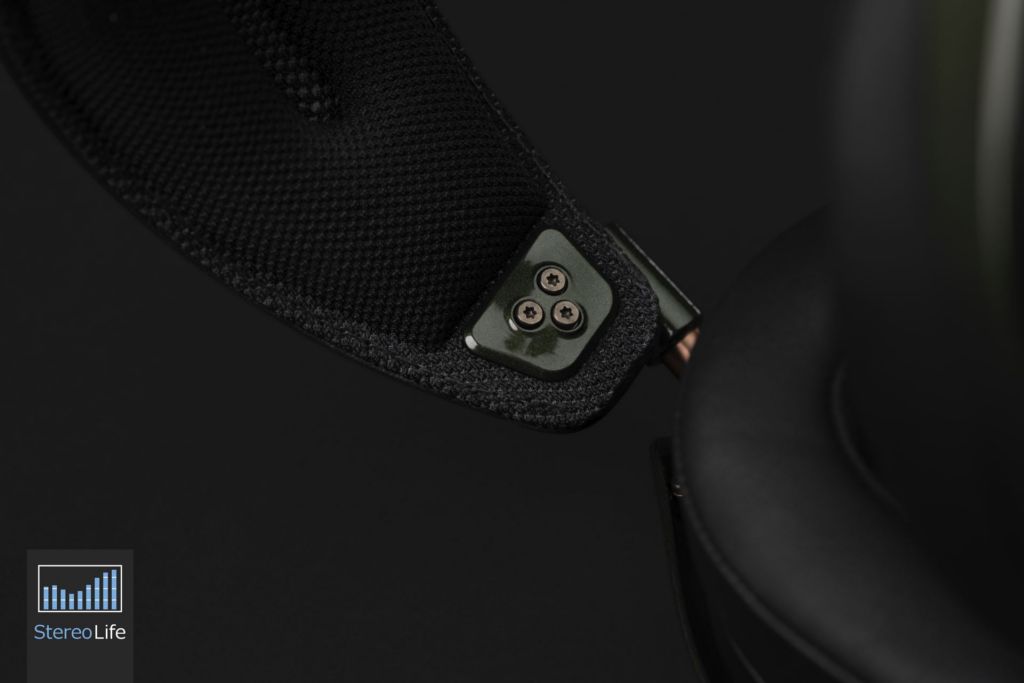
The headband has been designed differently from those of the 99 Classics and 109 Pro. Instead of a classic suspended strap, we get a wide band with a soft cushion divided into segments. This spreads the pressure over a larger area and improves airflow at the top of the head, which is not a trivial detail during longer listening sessions. The lower part of the headband is finished in leather with a discreet logo, while the metal sliders move a little like shock absorbers - smoothly, but with the kind of resistance that makes you feel as if there were an extra cylinder inside filled with oil. It takes only a moment of adjusting the headband to realize that we are dealing with equipment from a very high shelf. The lack of clicks means you need to spend a moment finding the ideal position, but once you do, everything stays exactly where it should, without accidental jumps or shifts.
The cups are large and genuinely over-ear. The pads are filled with memory foam, combining softness with the right amount of spring. They are covered in soft synthetic leather, which means the seal and isolation are preserved, but the pad does not feel like a plastic bag pressed against the skin. The magnetic mounting system is especially important. The pads hold very securely, yet removing them takes literally a fraction of a second. For the user, this means easy replacement when the pads eventually wear out, which fits perfectly with Meze Audio's ecological and user-friendly approach to design.
Comfort has always been one of the pillars of the Romanian company's identity, and the Strada does nothing to undermine that reputation. At 330 g, it sits toward the lighter end of the premium closed-back category. The clamping force has been chosen to provide a proper seal without creating a vise-like sensation. After a short adjustment, the headphones largely disappear on the head. People with wider heads may feel slightly more pressure around the jaw, but this is more of a mild compromise than a serious reason to look elsewhere. In return, we get isolation that would not embarrass many strictly studio-oriented headphones.
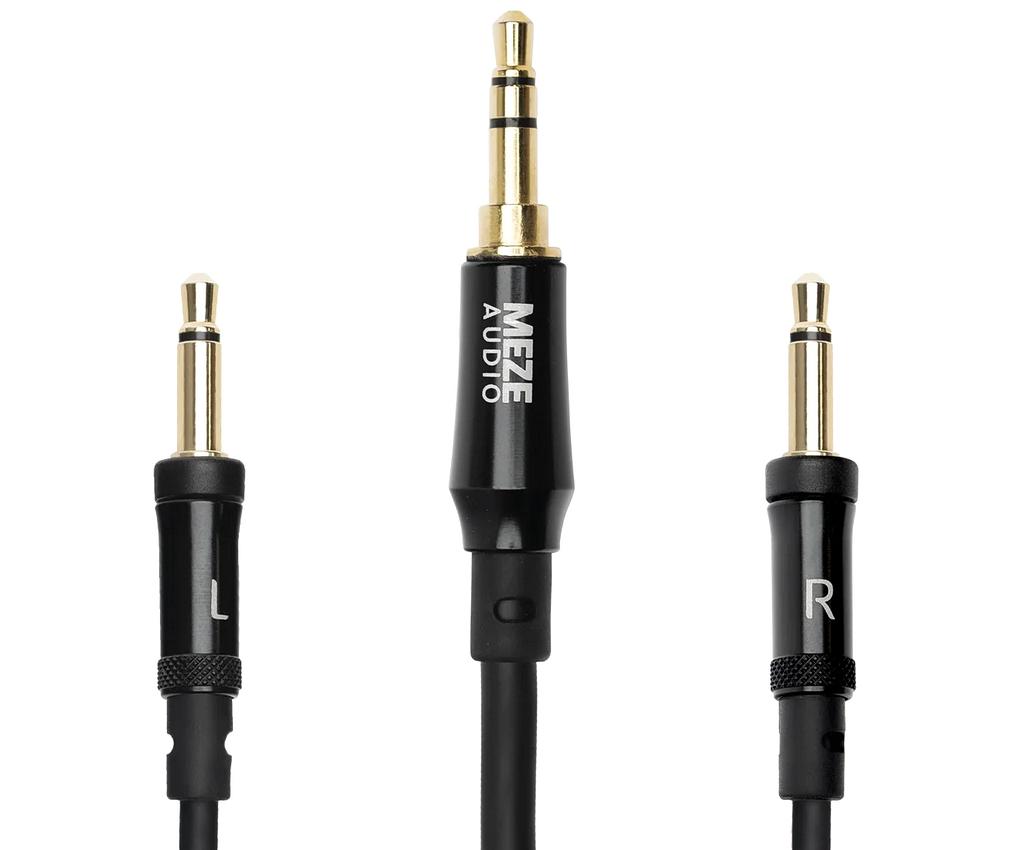
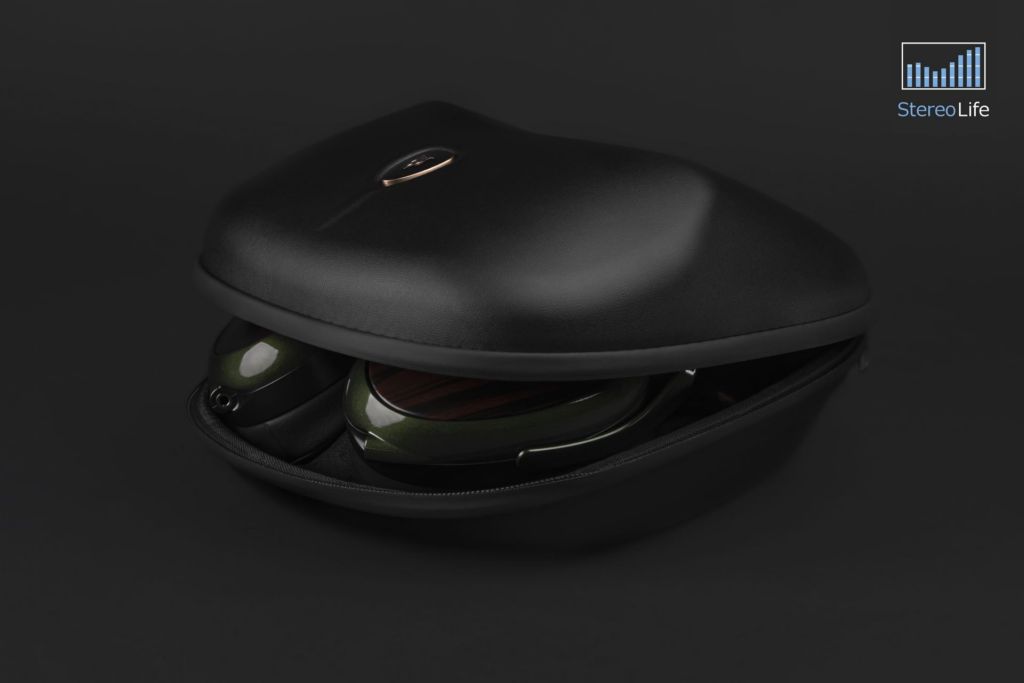
Another advantage is that the Strada is surprisingly versatile. On one hand, these are classic wired headphones, with no electronics, no smart modes, and no active noise cancellation. On the other, with an impedance of 40 ohms and high sensitivity, this model can be driven without much difficulty from a good portable player, a USB dongle, or, as a last resort, even a more powerful laptop headphone output. The package includes a rigid carrying case, a separate pouch for the cables, and two 1.8-m cables with Kevlar braiding. One is terminated with a 3.5-mm mini-jack, the other with a balanced 4.4-mm plug. A standard 6.3-mm adapter is also included. There is no urgent need to start looking for replacements, although the idea of connecting one's own high-end cable will certainly tempt many fans of personalization. Taken as a whole, the package feels ready both for home listening and for use on the move.
It is therefore no surprise that Meze's promotional materials present the Strada - in keeping with its name - as a model made for life on the road. Isolation from the outside world is very good. The closed chamber, deep and well-fitting pads, and sensible clamping force reduce ventilation noise, city rumble, and the usual sounds of domestic life. This is not, however, the complete detachment from the world that some headphones designed strictly for studio work can provide. Meze follows a slightly different idea here. The goal is to create a private acoustic bubble, but not one that disconnects us from reality altogether. In practice, this means that the Strada feels most at home in a house or office, while on a bus, train, tram, or plane, specialized ANC models will still have the advantage over passive headphones.
The thing is, it is genuinely difficult to find wireless headphones with active noise cancellation that can approach the sound quality of classic audiophile wired headphones driven by a high-class DAP. Maybe the Bowers & Wilkins Px8 S2? Maybe the Sennheiser HDB 630? Maybe a handful of other models I have not reviewed? Demanding listeners still hear a gulf between these worlds, and they are not satisfied by assurances that modern codecs and lossless signal transmission solve the problem. What about the drivers? What about the amplifier? What about the cups and the materials used to make and damp them? There is still a sizable group of people for whom every wireless headphone is, by definition, a compromise. For them, the most important thing will be that Meze Audio has finally introduced a closed-back headphone that looks genuinely luxurious on one hand and does not cost a fortune on the other.
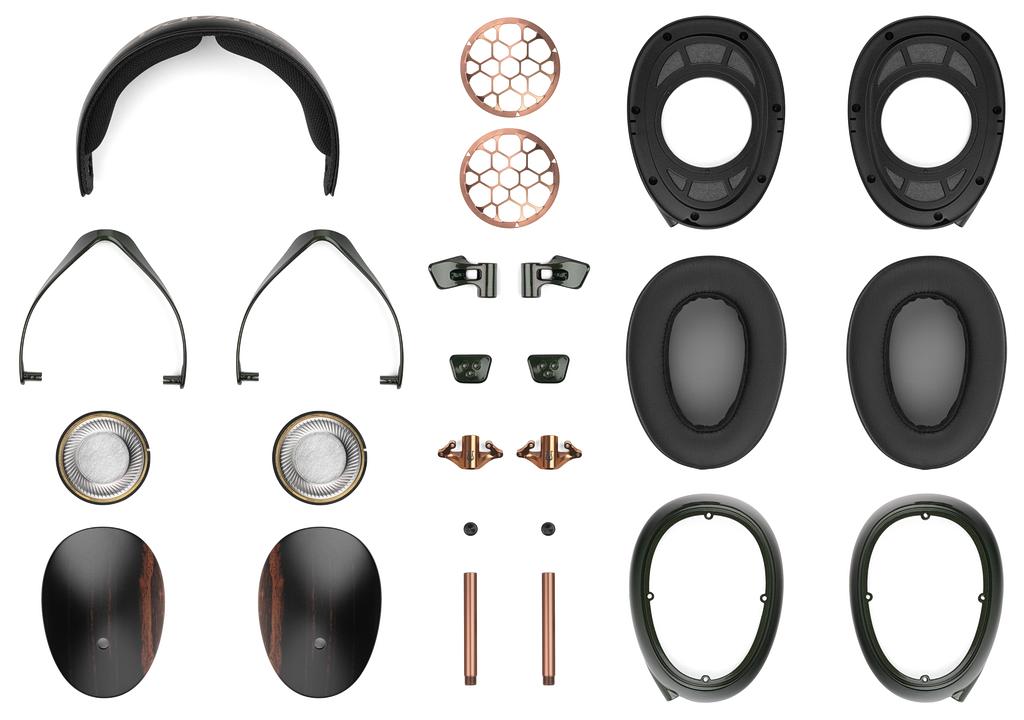
The final issue I want to address in this section, and one I consider extremely important, is the company's approach to serviceability. As with other models from the Baia Mare workshop, this is a modular design that can be disassembled into individual parts at any time. Small screws are visible on the inside, near the headband mounting points. There are no disposable, glued joints here. "Every element of the Meze Audio Strada headphones has been created with many years of satisfying use in mind. High-quality materials ensure impressive durability, while the modular design allows individual parts to be replaced quickly and easily. For example, the earpads, which are attached magnetically. So when you choose Meze Audio Strada, you choose headphones that will stay with you for many years. And perhaps even introduce future generations to the world of music." - states Meze Audio. The message is clear. These headphones are meant to be repaired and refreshed, not thrown away when, after a few years, the headband needs replacing.
Overall, the Strada comes across as a very mature piece of product design. The headphones attract attention with their styling, but behind the bold appearance there are sensible ergonomic and practical decisions. A complete accessory set, attention to detail, consistent build quality, and a service-oriented construction make it difficult to treat the Strada as a seasonal gadget. It is more like a well-tailored suit - something you buy once, then over the years have cleaned, relined, and carefully maintained.
Sound performance
When a manufacturer claims its new headphones "captivate with balance and excellent control", that phrase can mean many things. In the case of the Strada, the reality is more interesting than the slogan. If I had to capture the character of this model in one sentence, I would describe it as a technically refined, energetic sound with a strong bass foundation, a slightly recessed midrange, and clearly present treble. In practice, many listeners will probably call it a gentle V-shape, but without exaggeration and without crossing into the territory of typical fun-first headphones.
Bass definitely plays the leading role here. Compared with the 99 Classics, the low frequencies are more extended and better differentiated, while also being much better controlled. Where the older, more affordable model could sometimes go a little too far in the mid-bass, the Strada emphasizes sub-bass and the lower registers while maintaining greater discipline. In electronic music, contemporary pop, film scores, and modern jazz, this creates a very convincing effect. The bass is not merely a background element. It has physical presence, weight, and pace. It is easy to imagine someone who has spent years with light, neutral headphones putting on the Strada for the first time and feeling as if the bottom end has suddenly shifted into a higher gear.
To avoid any misunderstanding, let me clarify something. The fact that the bass is emphasized does not automatically mean the headphones boom mercilessly even when the recording gives them no reason to. Everything depends on the scale of the effect and on whether the quality of the low frequencies keeps pace with their quantity. In this case, the scale - especially compared with what some wireless headphones produce - remains safe. There is more bass, but not too much. It should be treated as part of the headphone's character, not as evidence of crude interference with recordings or poor judgment on the part of the designers. As for the quality, I have virtually no complaints. The Strada keeps up in the corners, and shifting the emphasis away from mid-bass toward subwoofer-like rumble creates a pleasant feeling of depth and ease.
While a stronger low end is not always desirable at home, the moment we take the headphones outside, the situation changes completely. Even when walking through the city, let alone cycling or riding the subway, bass can disappear, leaving only mid-to-high-frequency "plinking" in our ears. You might say that in such conditions one can always use an equalizer. Sometimes that's true, but the headphones still need to be able to respond properly and actually reproduce that boosted signal. I know models where you can push the first EQ bands all the way up, pull all the rest down, and still achieve nothing, because real low frequencies simply do not come out of them. With the Strada, meanwhile, a gentle touch on the equalizer is enough for the bass to wake up immediately, as if it had only been waiting for permission. By the same logic, nothing prevents us from lowering the bass level during quiet home listening, at which point the sound takes on a more neutral, studio-like character. One way or the other, with headphones like these, there is plenty of room to shape the presentation. Mind you, the full potential of this part of the frequency range only reveals itself with sensible amplification. From a simple dongle or laptop output, the bass can become slightly loose and lose some of its contour. Only an amplifier with good current control really organizes the situation. Then the low frequencies become fast, springy, and well differentiated.
The midrange is clean, transparent, and technically beyond reproach, but it sits slightly behind the bass and treble. Male vocals, acoustic guitars, and the middle register of the piano do not step forward as strongly as they do with the 109 Pro. This is not an obvious hole in the frequency response, but rather a subtle shift in balance. For some listeners, this will actually be an advantage, because it allows higher listening levels without any sense of shoutiness. Others may feel that vocals could use a little more body. On the other hand, female voices benefit from a mild lift in the upper midrange. They gain presence and definition, which may remind some listeners of near-field studio monitors.
The treble is extended, very well supplied with detail, and at the same time fairly smooth. In practice, this translates into excellent clarity and a convincing sense of air in the recording. This kind of presentation can be deeply impressive with well-produced albums, but with weaker masters, sharper guitars, or dense pop productions, it requires a little common sense when setting the volume. For some listeners, this will be an ideally judged balance. Others may feel slightly fatigued after a longer session. Once again, this is a matter of individual sensitivity, but it is worth keeping in mind.
Resolution and microdynamics are at the level one should expect in this class. The Strada does not try to artificially enlarge details or force them into the listener's ears. Instead, it presents a large amount of information in an orderly, coherent way. There is no aggressive, laboratory-style approach, but neither is there a sense of beautifying or smoothing over the edges. When the system is neutral and controls the low end well, the headphones can provide a great deal of information about instrumental textures, studio work, and the dynamic behavior of the recording. When the rest of the system moves toward warmth and softness, the Strada can follow in that direction while retaining its own basic character. In practice, then, this is a design that responds clearly to the choice of accompanying electronics. Yes, it can be used with a simple source. But only a better DAC and a solid headphone amplifier allow us to fully control the bass, balance the midrange, and gently calm the treble.
As I mentioned earlier, if the tonal balance of this model does not entirely suit someone, while the bass depth, dynamics, spaciousness, and several other aspects of the presentation remain tempting, there is always the option of using an equalizer. There is no shame in that. A slight lift in the midrange and a gentle reduction in selected parts of the treble bring the Strada closer to a more reference-like balance without robbing it of energy or space.
One of the Strada's greatest strengths is its soundstage. For a closed-back headphone, the space is surprisingly wide and well organized. Phantom images do not cling to the head, the music spreads into a clear panorama, and the stereo effect recalls what we know from better open-back designs more than from typical closed-back headphones. This does not, of course, mean that the Strada equals the 109 Pro or Meze's top planar magnetic models in this respect. Physics still applies, and a closed chamber always imposes certain limits. Even so, in direct comparisons with other closed-back models at a similar price level, the Meze very often earns praise for its sense of space.
Drawbacks? Well, apart from the slightly elevated low end and treble resolving enough to make bad electronics and poor recordings a bad idea, I do not have much to complain about. Certainly not at this price. Of course, the competition is not asleep, but the Romanian workshop has a genuinely large group of loyal fans, and it has worked hard for that affection. The love demanding music lovers have for Meze Audio did not come from nowhere. Within the brand's own lineup, the Strada positions itself so naturally that it is almost hard to believe it has only appeared now. Compared with the 99 Classics, it is a clear step forward. Better bass control, greater transparency, more detail, and a more organized stage are only the beginning of the list. Compared with the 109 Pro, the closed-back model offers a stronger, more physical low end and much better isolation, but it does not have the same natural midrange or the same wide, open soundstage. The Strada should therefore be treated as a complementary design rather than a replacement for the open-back model. Now, however, one can have a single pair of headphones for evening listening and for situations in which cutting oneself off from the surroundings is necessary, without giving up high sound quality.
Build quality and technical details
The Meze Audio Strada is a wired, closed-back dynamic headphone built around a 50-mm driver. Its lineage reaches back to the 109 Pro, but in the new model the driver has been adapted to the conditions of a closed enclosure. Meze is quite willing to talk about its construction, and it is easy to understand why. This is not another standard driver pulled from a catalog, but a clearly proprietary solution. The diaphragm has a composite structure. The central dome is made of cellulose reinforced with carbon fiber. This material combines low mass with high rigidity. It is responsible for reproducing the highest frequencies and contributes significantly to the driver's overall sense of speed. Around it sits a torus made of semi-crystalline polymer coated with a thin layer of beryllium applied using the PVD method. In addition, the surface of this element is precisely cut at a specific angle, which is intended to help control resonances. The assembly is completed by a stabilizing ring made from a metal alloy, whose job is to damp vibrations and keep the diaphragm's movement under control.
Such a complex structure makes particular sense in closed-back headphones. In an open enclosure, air can move freely around the driver. In a closed chamber, pressure changes are greater, and reflections inside the cup quickly show up in both measurements and listening impressions. Maintaining low distortion and proper frequency response requires a much more deliberate approach to geometry and materials. Meze draws here on experience gained during work on the Liric and transfers some of those solutions into the world of the dynamic driver. The result is declared low THD and a wide frequency response extending, according to the manufacturer's data, from 5 Hz to 30 kHz.
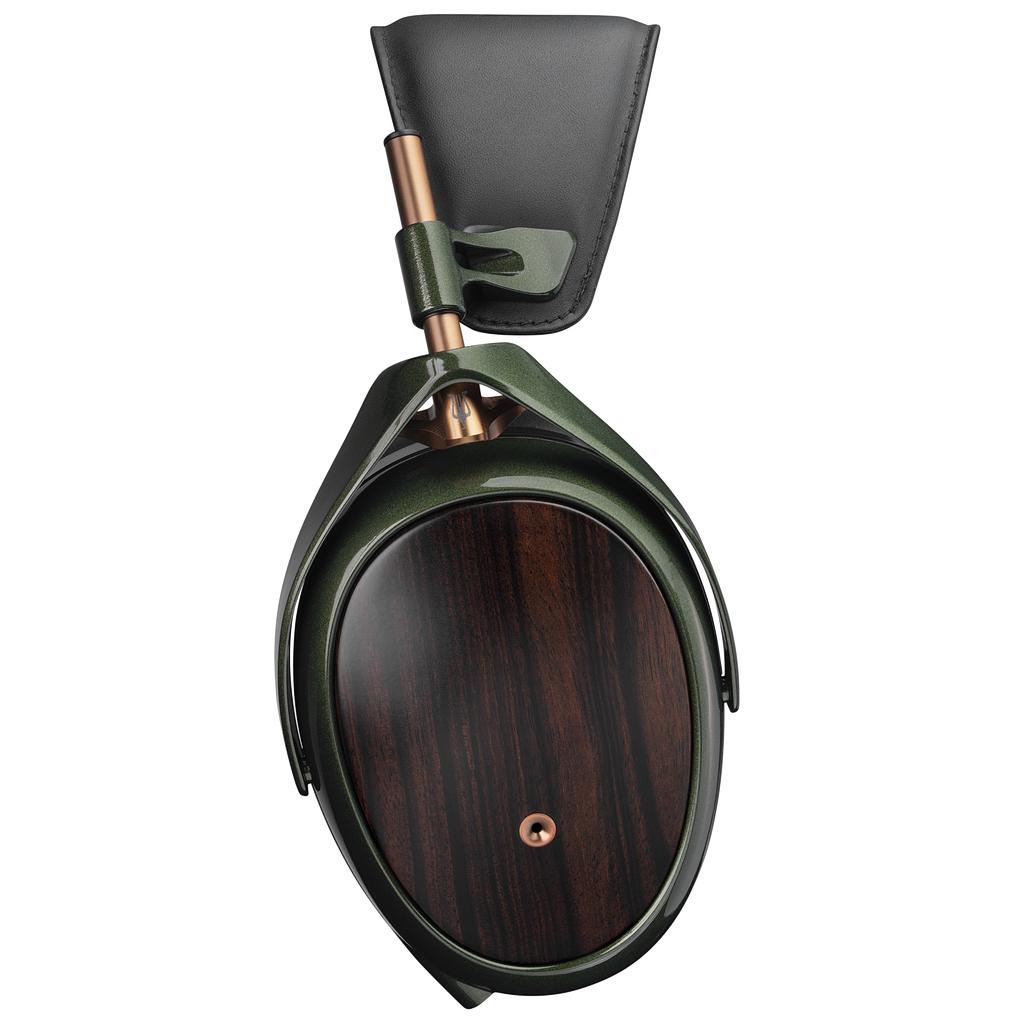
The makassar ebony cups are not merely decorative. This is a dense, hard material that works well as an acoustic enclosure. Properly chosen thickness and milling make it possible to limit the wood's own resonances and use its strengths rather than fight its weaknesses. The rigid magnesium frame gives the whole structure stability while keeping weight low, while steel elements in the headband provide mechanical strength. The earpads and headband are filled with foam of carefully selected density. It keeps its shape, maintains a seal, and at the same time does not turn into a hard ring after an hour of listening.
In terms of electrical parameters, the Strada is a relatively straightforward headphone. Impedance is 40 Ω, and sensitivity is 111 dB. This means it can realistically be driven from many portable sources, although - as already noted - it reveals its full potential only with a better amplifier. The design is fully passive, with no built-in DSP or features meant to ease integration with the smartphone world. For some users this will be a drawback, for others a major advantage. The final shape of the sound remains entirely in the user's hands. Standard 3.5-mm sockets in the cups open the door to a wide range of cable options. The set includes two cables, both double-braided, with oxygen-free copper conductors and Kevlar sleeving. One is terminated with a 3.5-mm plug, the other with a balanced 4.4-mm plug. This means balanced outputs on amplifiers and players can be used straight out of the box. The included rigid EVA foam case protects the headphones well during transport, while the thoughtful compartment layout helps keep the accessories organized.

System configuration
Audiovector QR5, Equilibrium Nano, Unison Research Triode 25, Hegel H20, Auralic Aries G1, Auralic Vega G1, Marantz HD-DAC1, Clearaudio Concept, Cambridge Audio CP2, Cardas Clear Reflection, Tellurium Q Ultra Blue II, Albedo Geo, KBL Sound Red Corona, Enerr One 6S DCB, Enerr Tablette 6S, Enerr Transcenda Ultimate, Fidata HFU2, Melodika Purple Rain, Sennheiser HD 600, Beyerdynamic DT 990 PRO, Beyerdynamic DT 770 PRO, Meze 99 Classics, Bowers & Wilkins PX5, Pro-Ject Wallmount It 1, Custom Design RS 202, Silent Angel N8, Vicoustic VicWallpaper VMT, Vicoustic ViCloud VMT.
Verdict
The Strada is a coherent and logical step in the development of Meze Audio's lineup. It fills the gap between the relatively affordable 99 Classics and the much more expensive planar magnetic Liric. And it does so in the style we have come to know well - original, confident, elegant, and respectful toward the user, but without any strange attempt to reinvent the wheel. From a usability standpoint, it is hard to find anything serious to criticize. Comfort is very high, the weight is surprisingly low for such a solid construction, and the isolation is good enough to allow a proper listening session in conditions that are not always ideal. Add to that a sensibly chosen accessory set, modular construction, the absence of disposable elements, and the general impression of handling a premium object.
Sonically, the Strada does not try to be a new, absolutely neutral reference tool. Nor does it pretend to be a closed-back copy of the 109 Pro. These are consciously tuned headphones, with a slight lift in the bass and treble. Yet they offer a great deal of listening pleasure with modern productions, electronic music, and film scores, and with the right system they can also handle jazz, rock, and more acoustic repertoire very well. This is a headphone that lets us get deep into the structure of a recording, but does not turn listening into a laboratory exercise. For many people, that balance will be more appealing than a perfectly flat line on a graph.
Is it worth it? I will put it plainly - if you are looking for distinctive closed-back headphones, put the Strada near the top of your list. These are beautiful, unusual headphones that, to my eyes and ears, could easily cost more than €799. What does it take to enjoy them? First, do not plug them into just any cheap portable player, DAC, or phone. Second, honestly accept their character. This is not a detached, clinical monitor, but a piece of equipment with its own view of how music should sound. If we recognize that this tuning follows directly from the model's focus on use in motion, we get a headphone that, stylistically and technically, can stand next to more expensive models and repay us with a sound that is genuinely hard to confuse with anything else.
Technical data
Construction: closed-back, over-ear, dynamic
Frequency response: 5 Hz - 30 kHz
Drivers: 50 mm
Impedance: 40 Ω
Sensitivity: 111 dB
Distortion: < 0.1% at 1 kHz
Cable: 1.8 m/3.5 mm + 1.8 m/4.4 mm balanced
Weight: 330 g
Price: €799
Manufacturer: Meze Audio
Sound performance
Editor's rating
8.8Overall8Sound9Functionality9Design9Quality9Price