Displaying items by tag: mobile - StereoLife Magazine

Sennheiser Momentum 5 Wireless

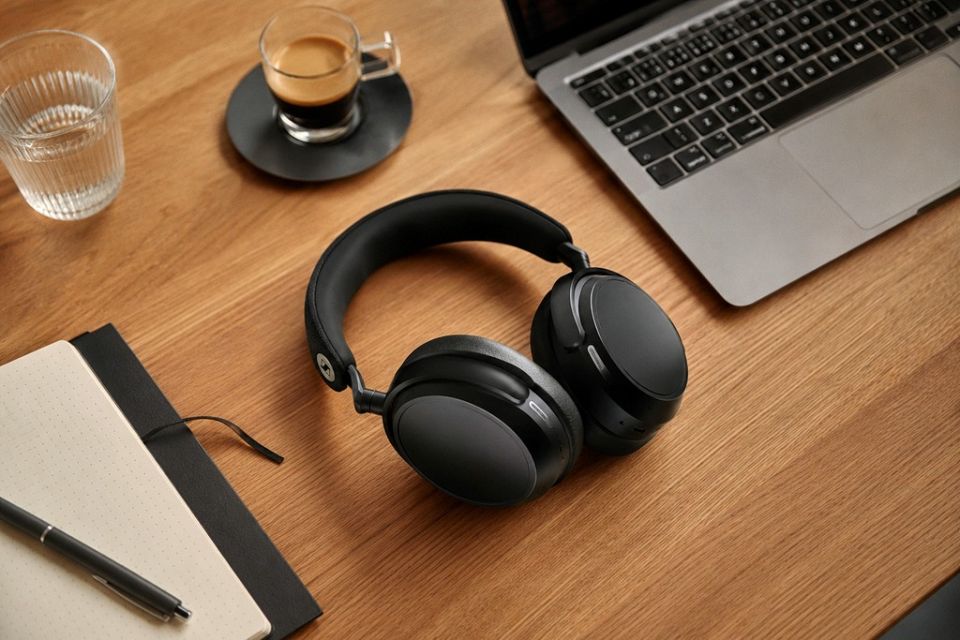
Some audio products come around so predictably that you could almost use them to mark the passing of time. A new smartphone every year. A new DAC every couple of years. An amplifier gets refreshed every three, usually gaining a slightly larger display, an updated streaming board, and a few extra connections along the way. Wireless headphones live on an even shorter clock because the electronics inside them age far faster than the parts that actually make sound. A good driver can remain perfectly competitive for a decade or more, and there is no reason a well-designed enclosure should suddenly become obsolete, but one new codec, a better ANC system, another Bluetooth revision, or a much better app can make a three- or four-year-old model feel surprisingly old. That makes the four-year gap between the Momentum 4 Wireless and their successor unusually long for this market. In 2022, Bluetooth 5.2 with aptX Adaptive was a serious selling point, 60 hours of battery life sounded borderline ridiculous, and manufacturers were still putting the word "adaptive" in front of noise cancellation as though that alone settled the matter. Today, expectations are much higher. Buyers want ANC that can deal with conversation as well as engine rumble, a transparency mode that sounds natural, seamless switching between devices, the best possible wireless audio quality, regular firmware updates, and an app designed for people rather than engineers. Sennheiser has not been standing still either. Since the Momentum 4 appeared, the company has launched the Accentum Wireless, expanded its true-wireless range, and - most importantly from an audiophile point of view - introduced the HDB 630, a model designed to bring some of the philosophy behind the HD 600 family into a modern wireless package. So the Momentum 5 Wireless are entering a very different world. They have tougher competition outside the company and, for the first time, a clearly defined rival within Sennheiser's own lineup.
Sivga Lyrebird

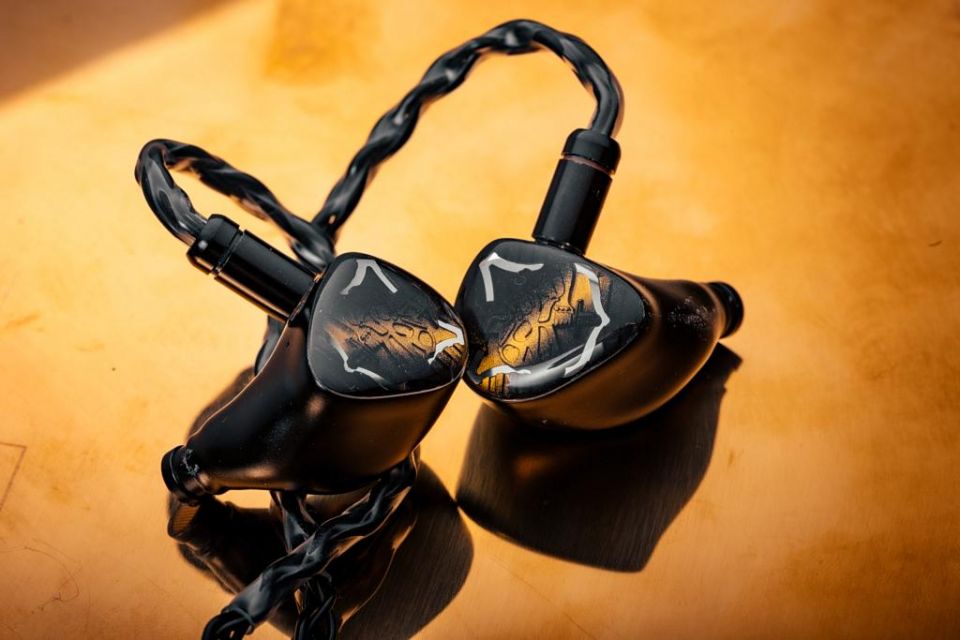
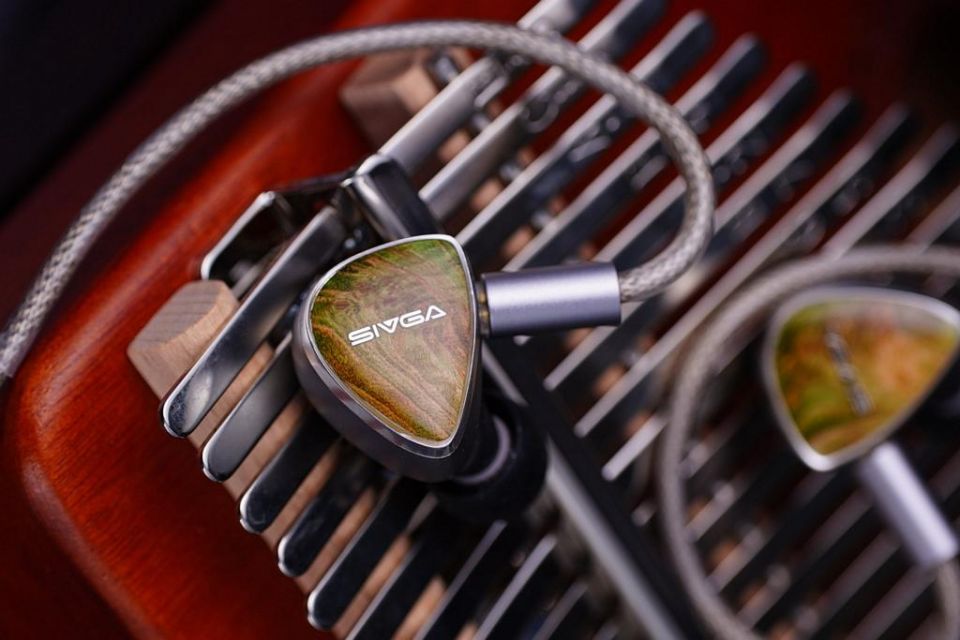
Sivga has built much of its reputation on combining relatively affordable pricing with materials and construction techniques more often associated with considerably more expensive headphones. Wood has played a particularly important role in that formula, appearing across many of the company's over-ear models and increasingly in its earphones as well. The new Lyrebird follows the same philosophy but approaches the acoustic side rather differently - instead of relying on a single transducer, Sivga has squeezed four different driver technologies into each earpiece, creating one of the more technically ambitious IEMs in its price range. The model now joins a growing wired earphone lineup that also includes products such as the Nightingale Pro, Que UTG and SM100.

Noble Audio Iris

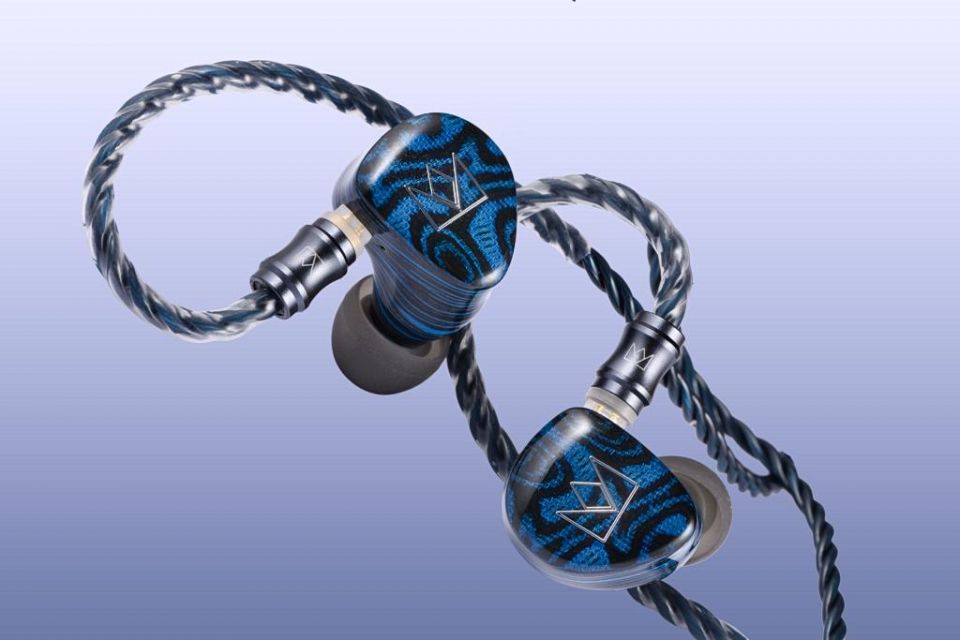
While much of the high-end IEM market seems determined to fit ever more drivers and technologies into increasingly elaborate shells, Noble Audio has decided to move in the opposite direction. Iris is a new universal in-ear monitor built around a single 10.2 mm dynamic driver, with the entire acoustic architecture developed to make that one transducer cover the full frequency range as coherently as possible. It is an interesting change of pace for a company whose catalog contains plenty of ambitious multi-driver designs, and Noble makes the philosophy unusually clear - one driver, one vision. Rather than competing through sheer driver count, Iris focuses on simplicity, consistency and the particular qualities that have kept single dynamic driver earphones relevant despite increasingly complex alternatives.

AudioQuest DragonFly Copper

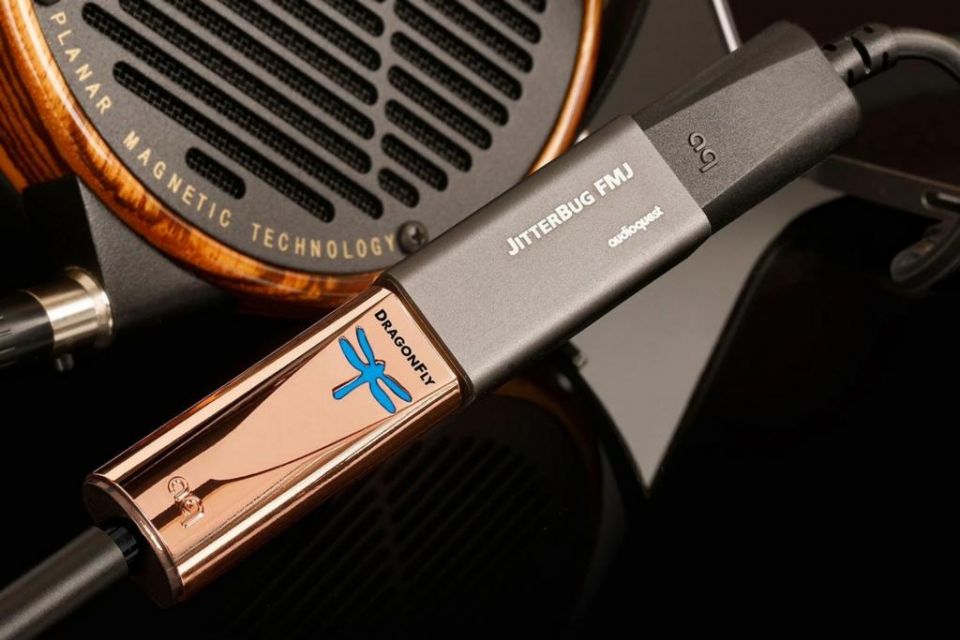
AudioQuest DragonFly is one of those products that hardly needs an introduction. The original model appeared in 2012 and helped turn the USB dongle DAC from a niche computer-audio accessory into a genuinely mainstream hi-fi product, with more than 300,000 DragonFlys sold worldwide since then. Black and Red followed in 2016, Cobalt arrived three years later, and then the series went quiet for almost seven years. Copper finally breaks that silence. Rather than simply updating Cobalt with a different finish, AudioQuest has substantially reworked the internal architecture, giving its latest DAC-preamp-headphone amplifier more output power, lower current consumption and a new copper-plated enclosure intended to improve RF noise dissipation.

Noble Audio Vanguard

At the same time that Noble Audio is stripping the formula back to a single dynamic driver with Iris, the company is taking a very different route at the more accessible end of its wired IEM range. Vanguard builds on the success of Knight, which Noble describes as the highest-selling IEM in its history, but replaces that model's dynamic, balanced-armature and piezoelectric combination with a new three-way hybrid architecture based around one dynamic driver and two custom balanced armatures. The idea is not simply to add another entry-level model to an already crowded category, but to create a more refined starting point for listeners who want the Noble sound without immediately moving into the company's considerably more expensive universal monitors.

Snowsky Echo Nano

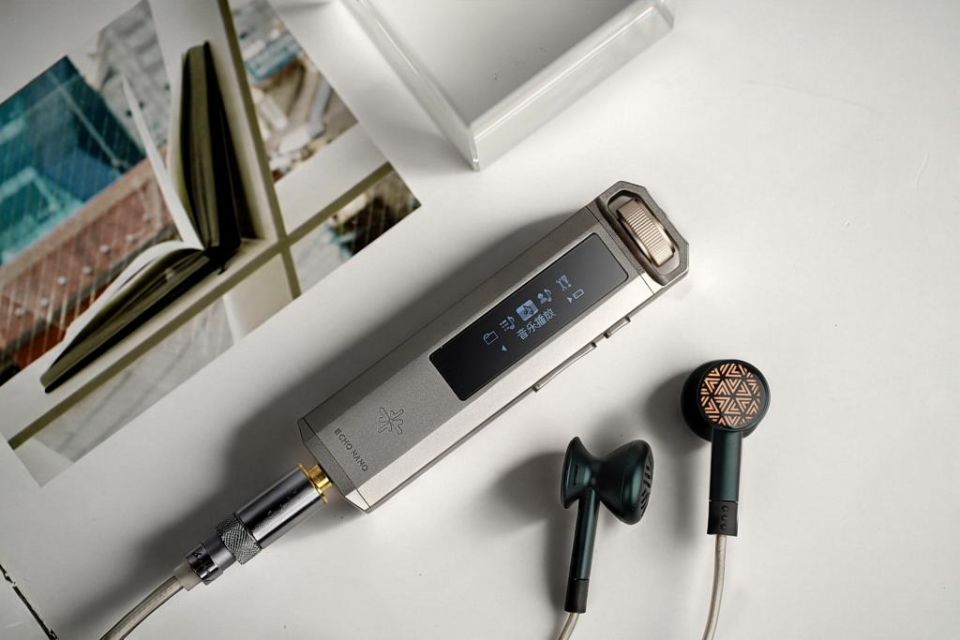
Not that long ago, carrying a separate music player was perfectly normal. Then smartphones took over, streaming largely removed the need to keep a personal library of files in your pocket, and traditional MP3 players all but disappeared from everyday life. Curiously, they are now starting to make a comeback - not by trying to compete with phones on features, but by doing the exact opposite. In an age when one device serves as a music player, camera, messenger, payment terminal, entertainment hub, and a constant source of notifications, there is something increasingly appealing about a gadget designed to do one thing and do it well. FiiO is tapping into that idea with the Snowsky Echo Nano, a tiny portable player that looks as though it has arrived straight from the early 2000s, but hides thoroughly modern hardware inside and has no intention of being just a nostalgic toy.

From Wooden Prototypes to Global Recognition - The Story of Meze Audio

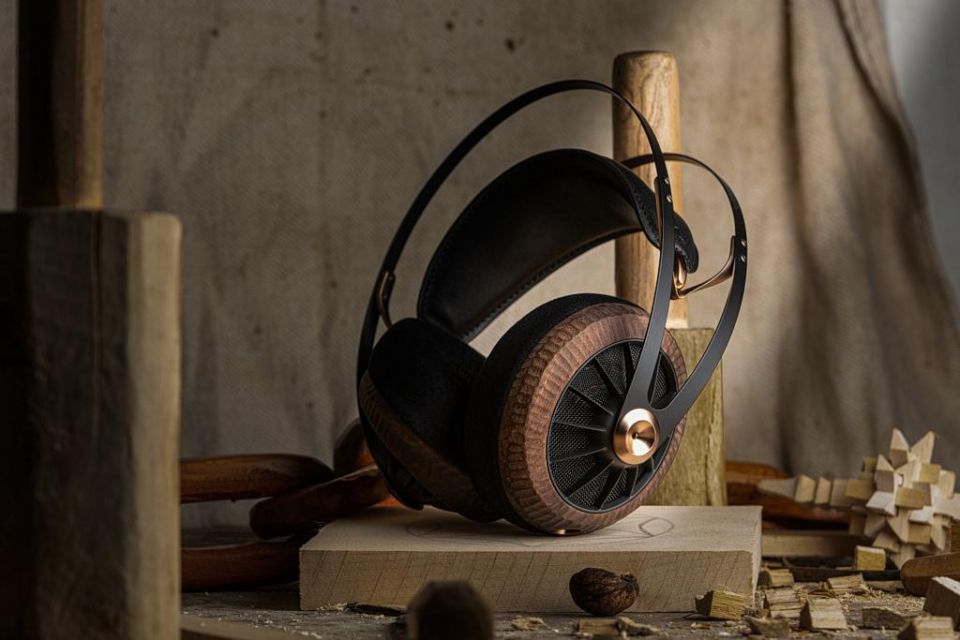
In the world of audio equipment, many legendary brands began with speakers assembled from off-the-shelf drivers, amplifiers soldered together on kitchen tables, or cables twisted by hand during live shows. With headphones, however, that kind of origin story seems far less plausible. This is a much more demanding field, one that has traditionally remained in the hands of major corporations - companies with their own laboratories, specialized machinery capable of manufacturing components to microscopic tolerances, and the financial resources needed to turn a prototype into a mass-produced product. Trying to recreate that process at home would appear doomed from the outset, unless we were talking about a place where technology spilled out of every corner, industrial facilities were within easy reach, the neighbors owned 3D printers, and the latest scientific expertise was available through a nearby technical university. Under those circumstances, perhaps something could be done. But what if you lived in a small city in northern Romania, close to the borders with Hungary and Ukraine, far from any major industrial center, with an education in the arts, no connections in the technology industry, and a very, very limited budget? That sounds like a recipe for failure. And yet it was under precisely those conditions that one of the most fascinating phenomena in the modern audio market was born. This is a story about how passion, determination, and a certain degree of stubbornness can make even the most improbable plan a reality. And about how, sometimes, despite everything and everyone standing in the way, it simply works.

FiiO EH13

FiiO has introduced the EH13, a pair of wireless over-ear headphones that look like an attempt to bring several typically audiophile features into a very affordable part of the market. The specification includes LDAC codec support, Hi-Res Audio and Hi-Res Audio Wireless certification, active noise cancellation, Bluetooth 6.0, app-based sound settings, wired operation and battery life of up to 75 hours. Not long ago, a list like that in headphones this inexpensive would have sounded like a wishful forum post, but FiiO clearly wants to show that even an entry-level model can receive features normally associated with more expensive designs.

MEE Audio Pebbles Air

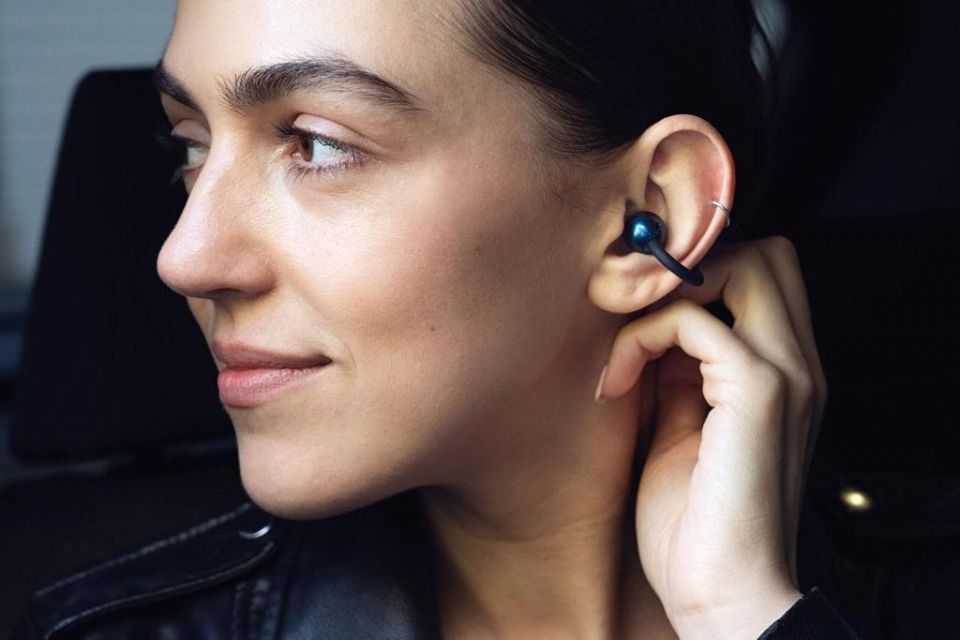
MEE Audio has introduced Pebbles Air, a pair of lightweight true wireless earbuds designed for people who do not want to choose between listening to music and staying aware of their surroundings. These are not classic in-ear monitors whose main purpose is to seal the ear canal, block out the street and put the listener inside a private bubble of sound. Pebbles Air take the opposite approach. They use an open-ear design that sits gently against the ear without blocking the ear canal, allowing the user to listen to music, follow a podcast or take a call while still hearing what is happening around them - a cyclist approaching from behind, an announcement at the station, a colleague speaking nearby or the city that does not disappear just because a playlist has started.

Noble Audio FoKus Artemis & FoKus Apollo Pro

The wireless headphone market is no longer defined only by convenience, battery life and noise cancellation. In its upper tier, it is increasingly becoming a place where brands are trying to translate ideas from serious wired headphones and in-ear monitors into a format that still works on a train, at a desk or during everyday listening. Noble Audio is now pushing that direction further with two new models in its FoKus line - the FoKus Apollo Pro and FoKus Artemis. Both build on the original FoKus Apollo, which Noble describes as the world's first wireless headphone to combine dynamic and planar magnetic driver technologies, but they approach the idea in different ways.

We use cookies to improve our website and your experience when using it. To find out more about the cookies we use and how to delete them, please see our Privacy Policy.