Displaying items by tag: headphone - StereoLife Magazine

Sennheiser Momentum 5 Wireless

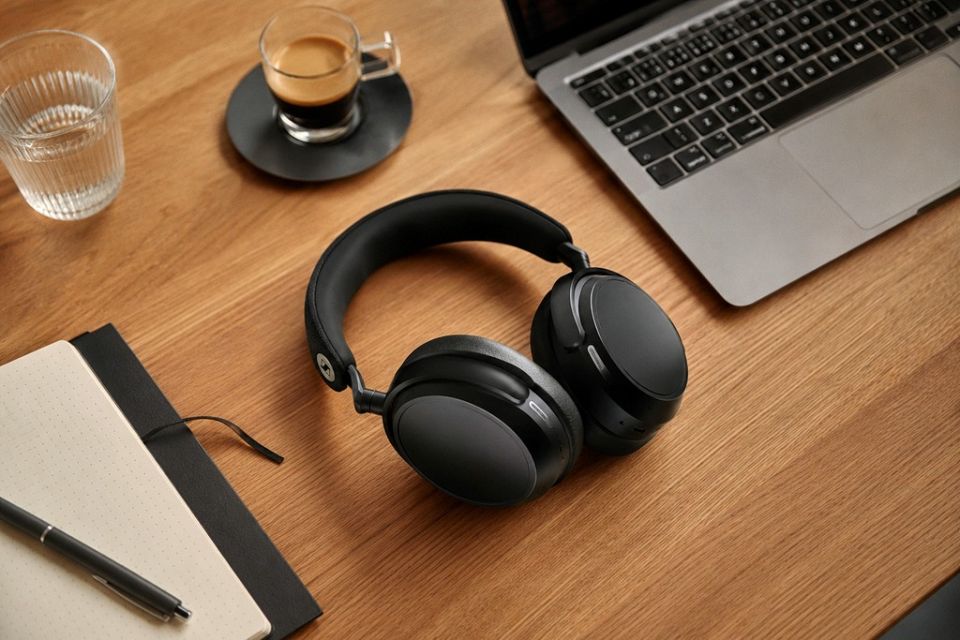
Some audio products come around so predictably that you could almost use them to mark the passing of time. A new smartphone every year. A new DAC every couple of years. An amplifier gets refreshed every three, usually gaining a slightly larger display, an updated streaming board, and a few extra connections along the way. Wireless headphones live on an even shorter clock because the electronics inside them age far faster than the parts that actually make sound. A good driver can remain perfectly competitive for a decade or more, and there is no reason a well-designed enclosure should suddenly become obsolete, but one new codec, a better ANC system, another Bluetooth revision, or a much better app can make a three- or four-year-old model feel surprisingly old. That makes the four-year gap between the Momentum 4 Wireless and their successor unusually long for this market. In 2022, Bluetooth 5.2 with aptX Adaptive was a serious selling point, 60 hours of battery life sounded borderline ridiculous, and manufacturers were still putting the word "adaptive" in front of noise cancellation as though that alone settled the matter. Today, expectations are much higher. Buyers want ANC that can deal with conversation as well as engine rumble, a transparency mode that sounds natural, seamless switching between devices, the best possible wireless audio quality, regular firmware updates, and an app designed for people rather than engineers. Sennheiser has not been standing still either. Since the Momentum 4 appeared, the company has launched the Accentum Wireless, expanded its true-wireless range, and - most importantly from an audiophile point of view - introduced the HDB 630, a model designed to bring some of the philosophy behind the HD 600 family into a modern wireless package. So the Momentum 5 Wireless are entering a very different world. They have tougher competition outside the company and, for the first time, a clearly defined rival within Sennheiser's own lineup.
Beyerdynamic DT 275 PRO

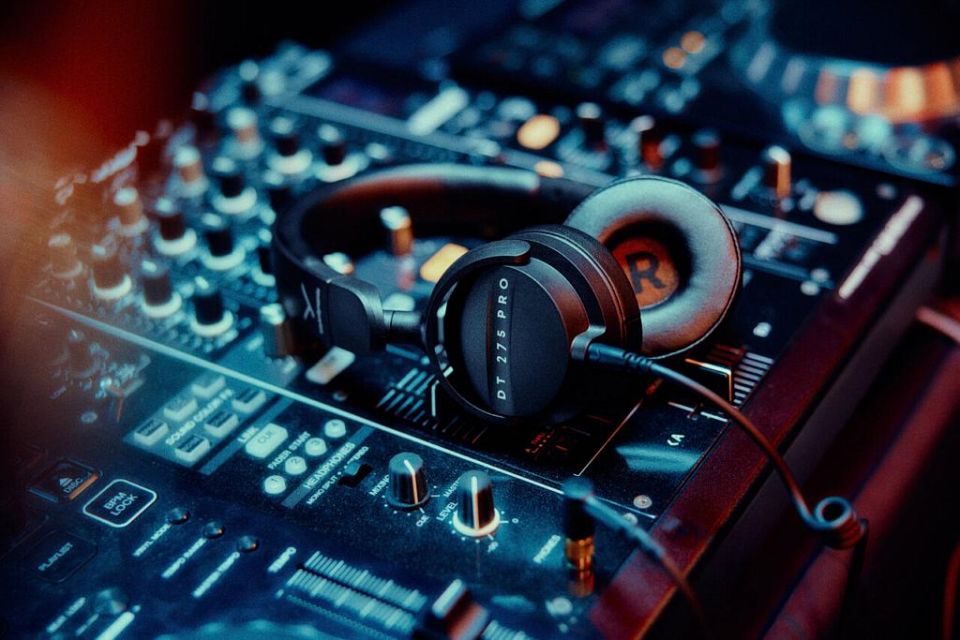
Professional headphone monitoring is not always about creating perfect listening conditions. Sometimes the real challenge is being able to work without them - surrounded by a film crew talking, sound spilling from the stage, a PA system running at full tilt, crowds moving around and all the general chaos that comes with live events. The Beyerdynamic DT 275 PRO was designed precisely for situations like these. These compact, closed-back on-ear headphones are intended for signal monitoring on film sets, at front-of-house positions, side stage, in DJ booths and across other mobile production environments. Rather than presenting the new model as another all-purpose pair of headphones, the company has given it a much more specific job: allowing professionals to assess speech, levels, cues and the most important elements of an audio signal quickly and reliably, even when the world around them is anything but quiet.

Meze Audio Ultra

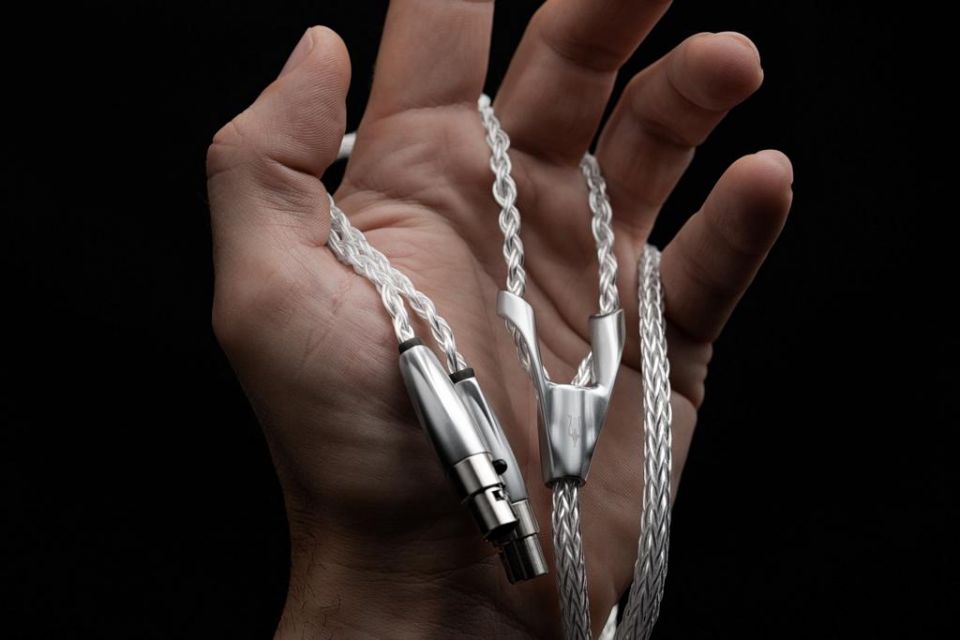
Meze Audio has never treated cables as an afterthought, offering several upgrade options for its headphones alongside the standard cords supplied in the box. The latest addition takes that idea considerably further. Ultra Cable is the company's new flagship headphone cable, built around extremely pure silver conductors, an elaborate hand-braided geometry and metal hardware designed with almost as much attention as the headphones themselves. It is also priced accordingly, positioning itself as an accessory primarily for owners of Meze's most ambitious models rather than a casual replacement for a worn-out cable.

Hegel A200 & H200

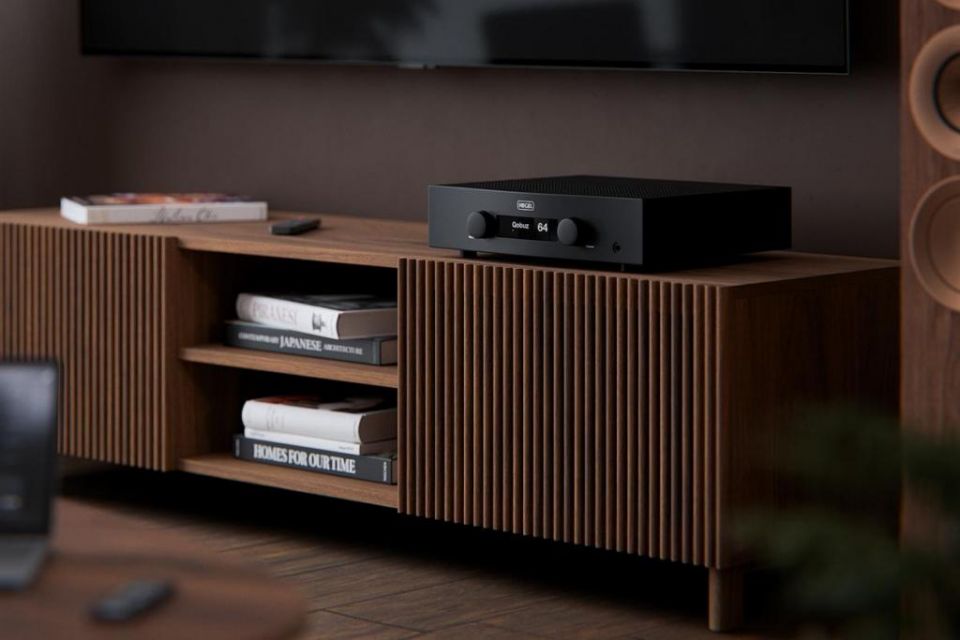
Hegel is introducing two new integrated amplifiers built around the same core platform but aimed at different types of system. The H200, described by the manufacturer as "The Connected", combines a 2 x 150 W amplifier with a digital-to-analogue converter, network player, MM phono stage and headphone output. The A200, or "The Classic", retains the same power output and key circuit solutions, but is an entirely analogue design intended for use with external sources such as streamers and DACs. Both amplifiers employ a Class AB output stage delivering 150 W per channel into 8 ohms. The H200 and A200 are designed to remain stable into loads as low as 2 ohms, while the damping factor of their output stages exceeds 4000. Both models also feature Hegel's SoundEngine2 technology, which is designed to detect and reduce distortion at the point where it occurs, before it travels further through the signal path. The basic amplifier architecture is therefore shared, with the main differences concerning connectivity, features and the role each model is intended to play within a system. Rather than creating one heavily equipped amplifier for everyone, Hegel has developed two versions - a complete network-enabled model and a more traditional integrated amplifier without a digital section.

Dan Clark Audio Aeon Core

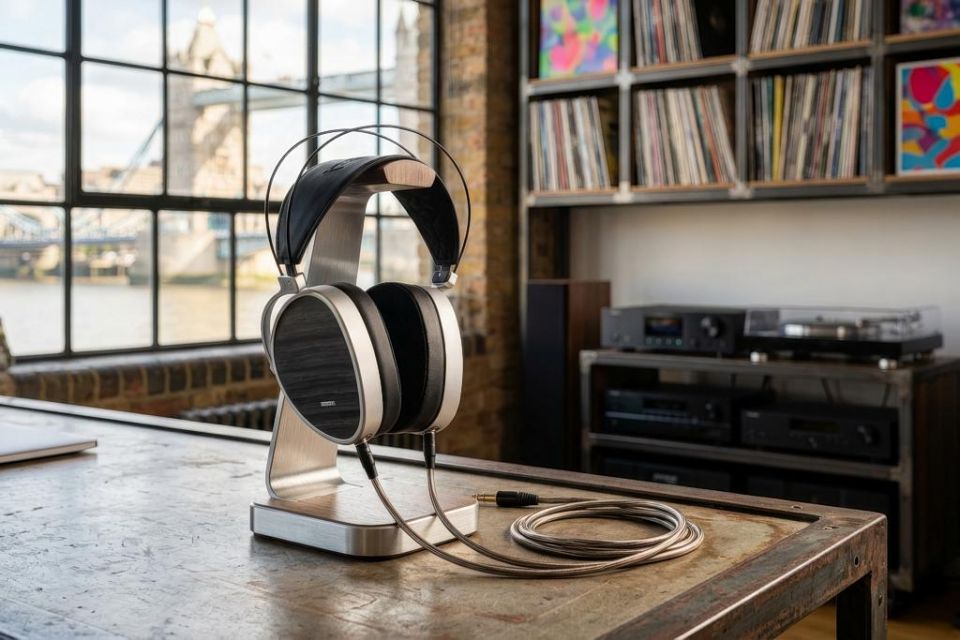
Dan Clark Audio's Aeon family has occupied an important place in the company's lineup since 2017, offering much of the engineering associated with its more ambitious planar magnetic headphones in a smaller and more accessible package. Aeon Core now takes over that role from Aeon 2, but this is more than a cosmetic refresh. The new closed-back model introduces a completely redesigned planar magnetic driver, revised tuning based on updated psychoacoustic research and a new aluminum-and-wood finish, while retaining the distinctive shape and comfort that have become trademarks of the series. Dan Clark Audio also makes an unusually bold claim for the new model - Aeon Core is intended to preserve the isolation and practicality of a closed headphone while avoiding the confined, bass-heavy presentation often associated with the format. Dan Clark Audio officially positions Aeon Core as the direct successor to Aeon 2 and the new entry point to its planar magnetic range.

AudioQuest DragonFly Copper

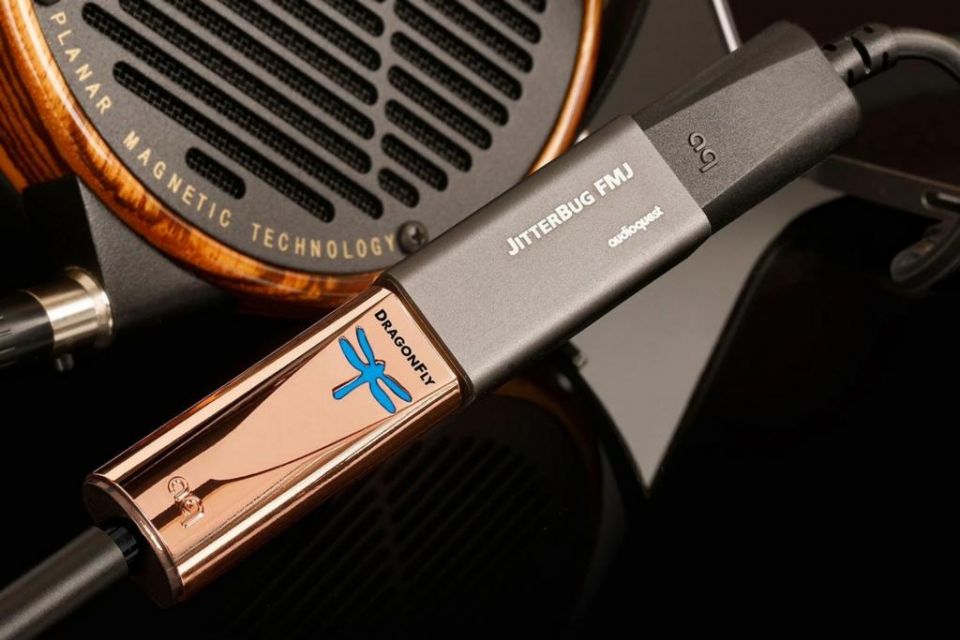
AudioQuest DragonFly is one of those products that hardly needs an introduction. The original model appeared in 2012 and helped turn the USB dongle DAC from a niche computer-audio accessory into a genuinely mainstream hi-fi product, with more than 300,000 DragonFlys sold worldwide since then. Black and Red followed in 2016, Cobalt arrived three years later, and then the series went quiet for almost seven years. Copper finally breaks that silence. Rather than simply updating Cobalt with a different finish, AudioQuest has substantially reworked the internal architecture, giving its latest DAC-preamp-headphone amplifier more output power, lower current consumption and a new copper-plated enclosure intended to improve RF noise dissipation.

From Wooden Prototypes to Global Recognition - The Story of Meze Audio

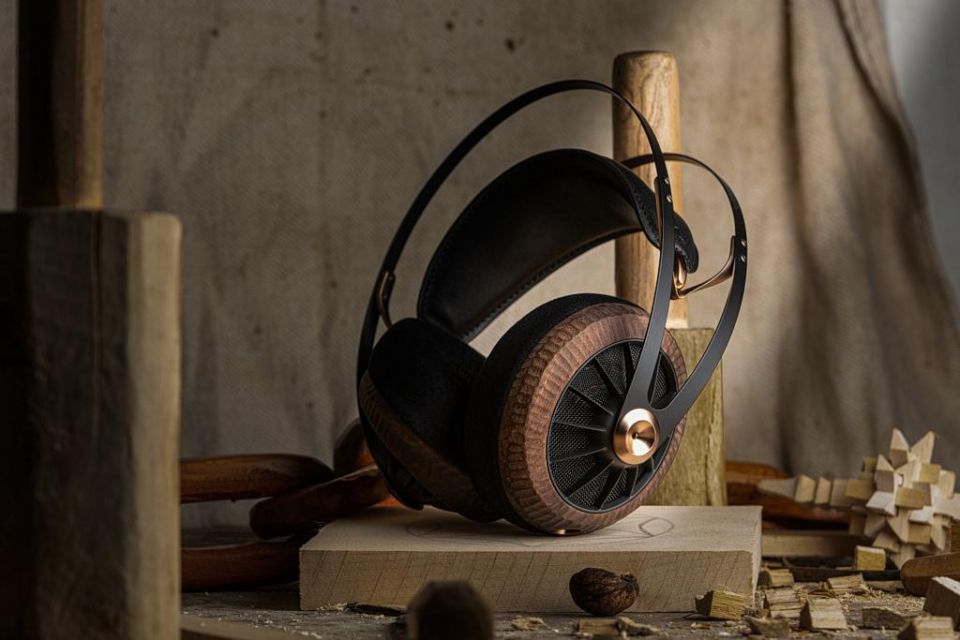
In the world of audio equipment, many legendary brands began with speakers assembled from off-the-shelf drivers, amplifiers soldered together on kitchen tables, or cables twisted by hand during live shows. With headphones, however, that kind of origin story seems far less plausible. This is a much more demanding field, one that has traditionally remained in the hands of major corporations - companies with their own laboratories, specialized machinery capable of manufacturing components to microscopic tolerances, and the financial resources needed to turn a prototype into a mass-produced product. Trying to recreate that process at home would appear doomed from the outset, unless we were talking about a place where technology spilled out of every corner, industrial facilities were within easy reach, the neighbors owned 3D printers, and the latest scientific expertise was available through a nearby technical university. Under those circumstances, perhaps something could be done. But what if you lived in a small city in northern Romania, close to the borders with Hungary and Ukraine, far from any major industrial center, with an education in the arts, no connections in the technology industry, and a very, very limited budget? That sounds like a recipe for failure. And yet it was under precisely those conditions that one of the most fascinating phenomena in the modern audio market was born. This is a story about how passion, determination, and a certain degree of stubbornness can make even the most improbable plan a reality. And about how, sometimes, despite everything and everyone standing in the way, it simply works.

FiiO EH13

FiiO has introduced the EH13, a pair of wireless over-ear headphones that look like an attempt to bring several typically audiophile features into a very affordable part of the market. The specification includes LDAC codec support, Hi-Res Audio and Hi-Res Audio Wireless certification, active noise cancellation, Bluetooth 6.0, app-based sound settings, wired operation and battery life of up to 75 hours. Not long ago, a list like that in headphones this inexpensive would have sounded like a wishful forum post, but FiiO clearly wants to show that even an entry-level model can receive features normally associated with more expensive designs.

YBA Design One

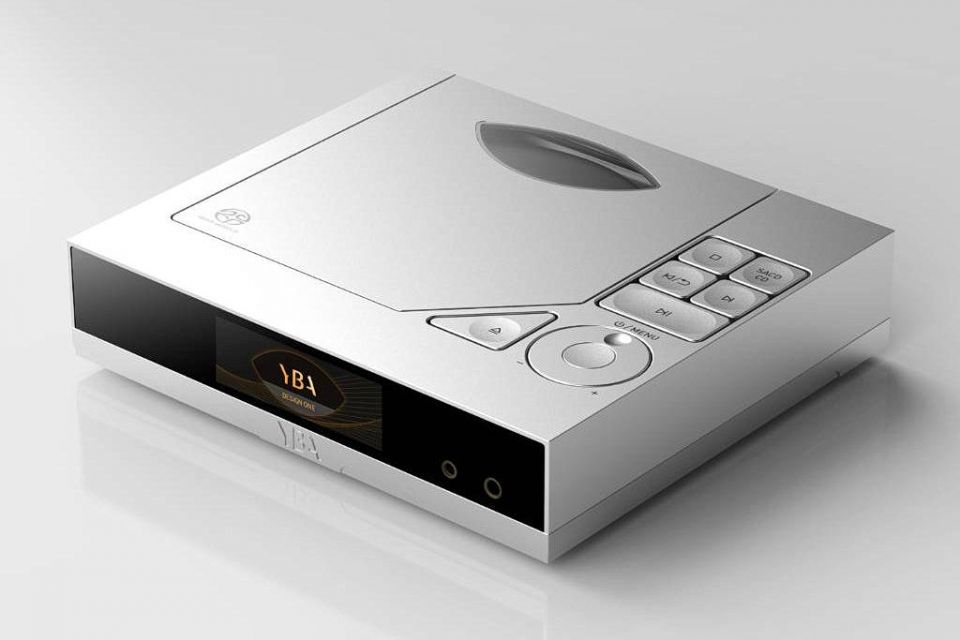
YBA is a French high-end audio manufacturer founded by Yves-Bernard Andre and known for electronics designed around a distinctive approach to musicality, circuit layout and component selection. The company's products have traditionally focused on dedicated hi-fi systems, while the Design One extends the brand into a more portable and desktop-oriented category without abandoning its emphasis on high-quality playback. Now YBA has introduced the Design One, a transportable battery-powered SACD player designed for portable, desktop and conventional hi-fi use. The French manufacturer describes it as the world's first travel-ready SACD player, combining a top-loading disc mechanism, headphone amplifier, DAC functionality and line-level outputs in a compact device measuring 188 x 166 x 40 mm and weighing 1.34 kg. The concept is unusual because it brings together two separate trends - the return of interest in portable CD players and the renewed attention being paid to SACD collections.

Beyerdynamic DT 30 IE

Beyerdynamic has introduced the DT 30 IE, a new in-ear monitor aimed primarily at musicians, stage performers and users who need a compact, durable monitoring solution rather than a lifestyle earphone. The model arrives as a more accessible addition to the German brand's professional in-ear range, but its positioning is interesting because it does not divide users into narrow categories or instrument-specific profiles. Instead, Beyerdynamic presents the DT 30 IE as a broadly tuned monitor built around three practical requirements that matter on stage - balanced sound, strong passive isolation and resistance to demanding working conditions.

We use cookies to improve our website and your experience when using it. To find out more about the cookies we use and how to delete them, please see our Privacy Policy.