Displaying items by tag: portable - StereoLife Magazine

JBL Pulse 6

JBL has introduced a new generation of one of its most distinctive wireless speakers. The Pulse 6 is the latest version of a portable device that does more than just play music - it also doubles as an eye-catching lamp, displaying colorful animations synchronized with the rhythm of your favorite tracks. Compared to its predecessor, the new model features an upgraded acoustic system, AI Sound Boost technology, Bluetooth 6.0 connectivity, and an expanded lighting system that now extends to the integrated carrying handle. There are also several practical improvements, including support for lossless audio playback via USB-C, the ability to connect multiple speakers using Auracast, and an IP68-rated enclosure designed to withstand dust and water. With these upgrades, JBL aims to make the Pulse 6 an even more versatile combination of portable speaker, party accessory, and decorative lighting.

Sony NW-WM1ZM3 i NW-WM1AM3

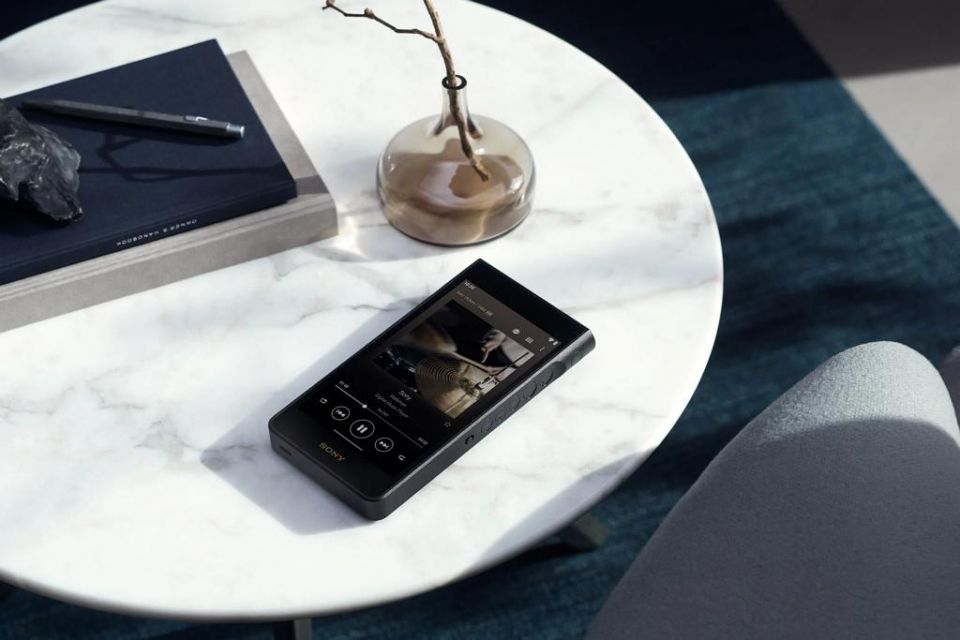
If there's one thing Sony has demonstrated over the years, it's that the Walkman is remarkably difficult to kill. The original portable cassette player changed the way people listened to music, turning what had previously been a largely stationary activity into something they could enjoy almost anywhere. Back then, the priorities were fairly straightforward: reasonable sound quality, compact dimensions, long battery life, and enough room in your bag for a few favorite tapes. Nearly half a century later, the world looks very different. For most people, a smartphone and a pair of wireless earbuds provide everything they could possibly need, with millions of recordings available at the touch of a screen. Yet Sony continues to develop dedicated portable music players, including some that cost more than an entire high-end stereo system. The latest examples are the NW-WM1ZM3 and NW-WM1AM3, two new members of the company's prestigious Signature Series. Both feature upgraded S-Master HX digital amplifiers, extensively redesigned power supplies, sophisticated noise-reduction measures, and larger 5.5-inch touchscreens. They also support high-resolution audio, modern streaming services, and advanced signal processing. But their real purpose is something rather more specific: to convince demanding listeners that a dedicated music player can still offer something a smartphone cannot.

Technics EAH-A1000

Developing a successful pair of wireless headphones is one thing. Taking technology originally designed for tiny in-ear monitors and adapting it to a full-size over-ear model is something else entirely. That's precisely what Technics has done with the EAH-A1000, its new flagship wireless headphones and the long-awaited successor to the EAH-A800. Rather than simply updating the styling, improving noise cancellation, and adding a few features to keep up with the competition, the Japanese manufacturer has gone back to the drawing board. The centerpiece is an entirely new 40 mm Magnetic Fluid Driver, incorporating technology previously used in the company's EAH-TZ700 in-ear monitors and EAH-AZ100 wireless earbuds. The driver combines magnetic fluid stabilization with a carbon fiber diaphragm and a suspension design derived from Technics' high-end loudspeakers. Add adaptive active noise cancellation, advanced spatial audio capabilities, three-device Bluetooth multipoint, and a completely redesigned headband, and the result looks like a considerably more ambitious product than a conventional generational update.

iFi Audio iDSD GR 2 MT

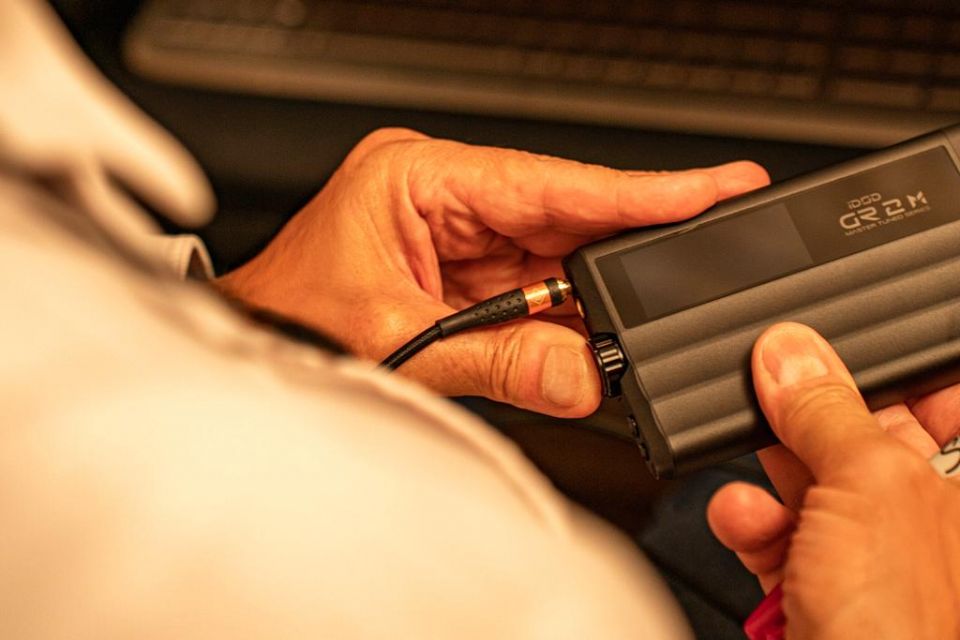
It hasn't been long since the launch of the iDSD GR 2, but iFi Audio has already prepared a special version of its latest portable DAC and headphone amplifier. The iDSD GR 2 MT, with the final letters standing for "Master Tuned," was developed in collaboration with Steve Levine, the British record producer whose credits include Culture Club, The Beach Boys, Gary Moore, and Motörhead. This is not, however, the usual kind of special edition where the differences amount to a new finish, a celebrity signature, and a few additional menu options. For the GR 2 MT, iFi has upgraded several components in the analog signal path, replaced the circuit board material, and introduced two exclusive digital filters developed with Levine. The starting point remains the standard iDSD GR 2, introduced in June 2026 as the successor to the popular xDSD Gryphon. Rather than treating it as a modest update, iFi approached the GR 2 as a substantially new design, introducing a revised DAC architecture, fully balanced amplification, a color OLED touchscreen, and support for the latest wireless audio technologies. At the heart of its digital section is the Burr-Brown PCM1795, a current-output DAC chip that gave the company's engineers considerable freedom in designing the analog circuitry that follows it.

JBL Quantum 120

Not every gaming headset needs a wireless transmitter, a rechargeable battery, or a collection of features that require half an hour of configuration before you can start playing. Sometimes, a good pair of headphones, a decent microphone, and a cable are all you really need. That's the idea behind the JBL Quantum 120, a new entry-level gaming headset that brings some of the technology found in the company's more expensive models to a much more affordable package. Rather than competing with sophisticated wireless designs, JBL has kept things relatively simple, combining a conventional 3.5 mm connection with large 50 mm dynamic drivers, a detachable microphone, and support for its Quantum Spatial Sound processing and QuantumENGINE software. The result is a headset aimed at gamers who want solid performance and useful features without paying extra for wireless connectivity they might not actually need.

iFi Audio UP Play & UP Play Max

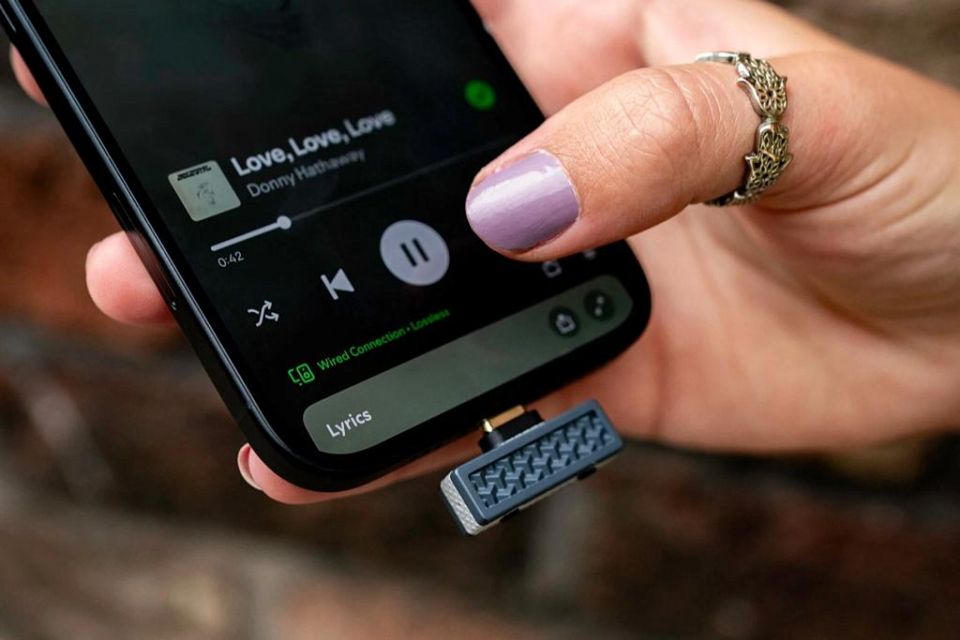
You can spend a small fortune on wireless headphones, carefully compare their drivers, tuning, noise cancellation, and battery life, and eventually settle on a model that supports some of the most advanced Bluetooth codecs available. Then you connect it to your phone and discover that half those capabilities are essentially useless. The headphones may support LDAC, aptX Adaptive, or even aptX Lossless, but that doesn't necessarily mean your smartphone can transmit audio using any of them. iPhone owners know this problem particularly well, since Apple continues to rely on AAC and SBC for Bluetooth audio, regardless of how sophisticated the connected headphones might be. iFi Audio believes the solution doesn't have to involve buying a different phone. Its new UP Play and UP Play Max are miniature USB-C Bluetooth transmitters designed to take over wireless audio duties from the source device, effectively bypassing its built-in codec limitations. Neither is a conventional DAC or headphone amplifier. Instead, these tiny accessories give smartphones, tablets, computers, and compatible gaming devices access to Bluetooth formats they might otherwise be unable to use. The standard UP Play supports LDAC and several members of the aptX family, while the more advanced UP Play Max adds aptX Lossless and promises future support for Auracast.

Sennheiser Momentum 5 Wireless

Some audio products come around so predictably that you could almost use them to mark the passing of time. A new smartphone every year. A new DAC every couple of years. An amplifier gets refreshed every three, usually gaining a slightly larger display, an updated streaming board, and a few extra connections along the way. Wireless headphones live on an even shorter clock because the electronics inside them age far faster than the parts that actually make sound. A good driver can remain perfectly competitive for a decade or more, and there is no reason a well-designed enclosure should suddenly become obsolete, but one new codec, a better ANC system, another Bluetooth revision, or a much better app can make a three- or four-year-old model feel surprisingly old. That makes the four-year gap between the Momentum 4 Wireless and their successor unusually long for this market. In 2022, Bluetooth 5.2 with aptX Adaptive was a serious selling point, 60 hours of battery life sounded borderline ridiculous, and manufacturers were still putting the word "adaptive" in front of noise cancellation as though that alone settled the matter. Today, expectations are much higher. Buyers want ANC that can deal with conversation as well as engine rumble, a transparency mode that sounds natural, seamless switching between devices, the best possible wireless audio quality, regular firmware updates, and an app designed for people rather than engineers. Sennheiser has not been standing still either. Since the Momentum 4 appeared, the company has launched the Accentum Wireless, expanded its true-wireless range, and - most importantly from an audiophile point of view - introduced the HDB 630, a model designed to bring some of the philosophy behind the HD 600 family into a modern wireless package. So the Momentum 5 Wireless are entering a very different world. They have tougher competition outside the company and, for the first time, a clearly defined rival within Sennheiser's own lineup.


Beyerdynamic DT 275 PRO

Professional headphone monitoring is not always about creating perfect listening conditions. Sometimes the real challenge is being able to work without them - surrounded by a film crew talking, sound spilling from the stage, a PA system running at full tilt, crowds moving around and all the general chaos that comes with live events. The Beyerdynamic DT 275 PRO was designed precisely for situations like these. These compact, closed-back on-ear headphones are intended for signal monitoring on film sets, at front-of-house positions, side stage, in DJ booths and across other mobile production environments. Rather than presenting the new model as another all-purpose pair of headphones, the company has given it a much more specific job: allowing professionals to assess speech, levels, cues and the most important elements of an audio signal quickly and reliably, even when the world around them is anything but quiet.

Sivga Lyrebird

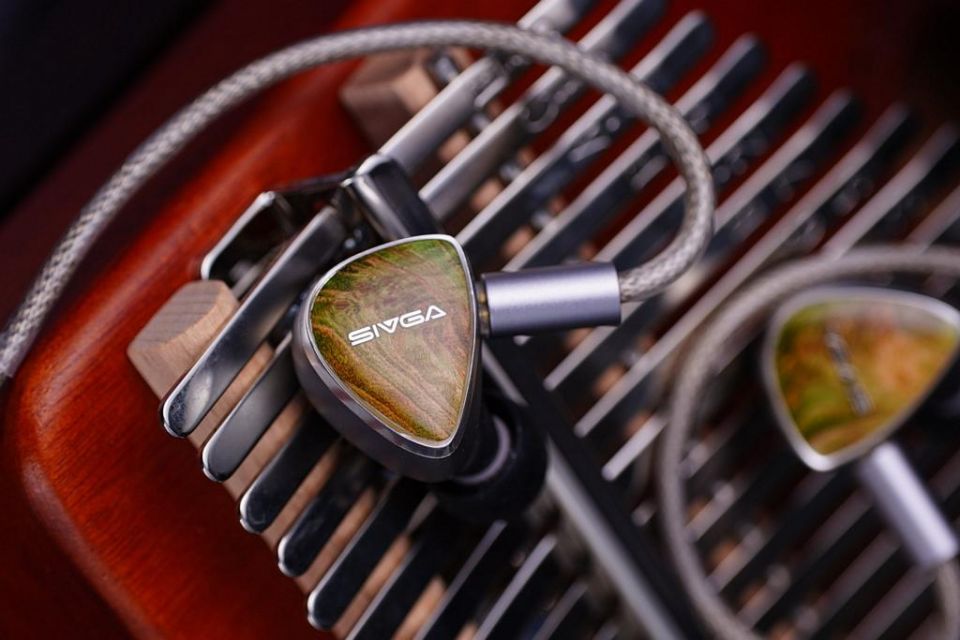
Sivga has built much of its reputation on combining relatively affordable pricing with materials and construction techniques more often associated with considerably more expensive headphones. Wood has played a particularly important role in that formula, appearing across many of the company's over-ear models and increasingly in its earphones as well. The new Lyrebird follows the same philosophy but approaches the acoustic side rather differently - instead of relying on a single transducer, Sivga has squeezed four different driver technologies into each earpiece, creating one of the more technically ambitious IEMs in its price range. The model now joins a growing wired earphone lineup that also includes products such as the Nightingale Pro, Que UTG and SM100.

Noble Audio Iris

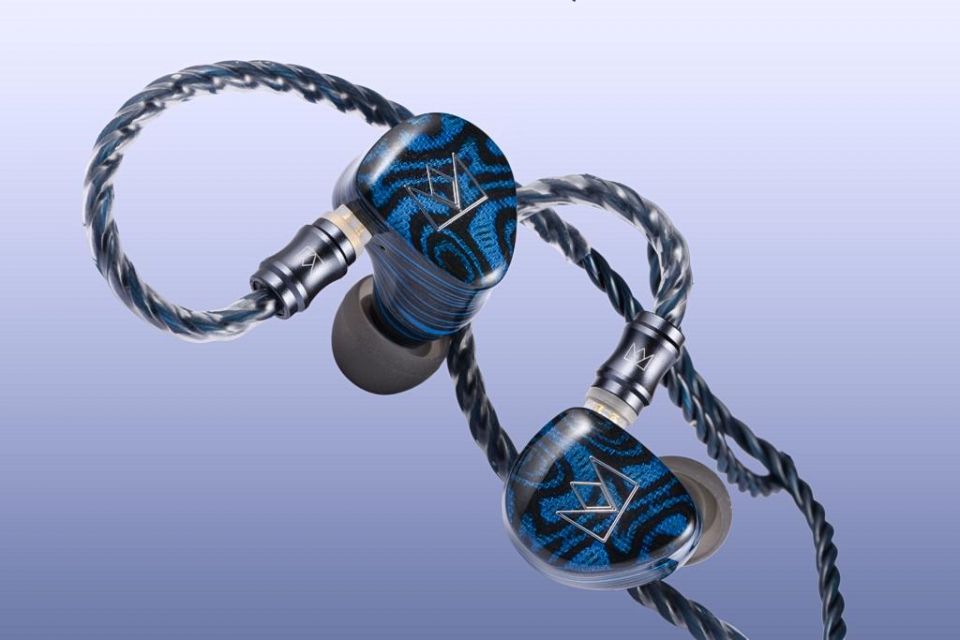
While much of the high-end IEM market seems determined to fit ever more drivers and technologies into increasingly elaborate shells, Noble Audio has decided to move in the opposite direction. Iris is a new universal in-ear monitor built around a single 10.2 mm dynamic driver, with the entire acoustic architecture developed to make that one transducer cover the full frequency range as coherently as possible. It is an interesting change of pace for a company whose catalog contains plenty of ambitious multi-driver designs, and Noble makes the philosophy unusually clear - one driver, one vision. Rather than competing through sheer driver count, Iris focuses on simplicity, consistency and the particular qualities that have kept single dynamic driver earphones relevant despite increasingly complex alternatives.

We use cookies to improve our website and your experience when using it. To find out more about the cookies we use and how to delete them, please see our Privacy Policy.