
- News
- Posted
Nothing Headphone (1) Pro
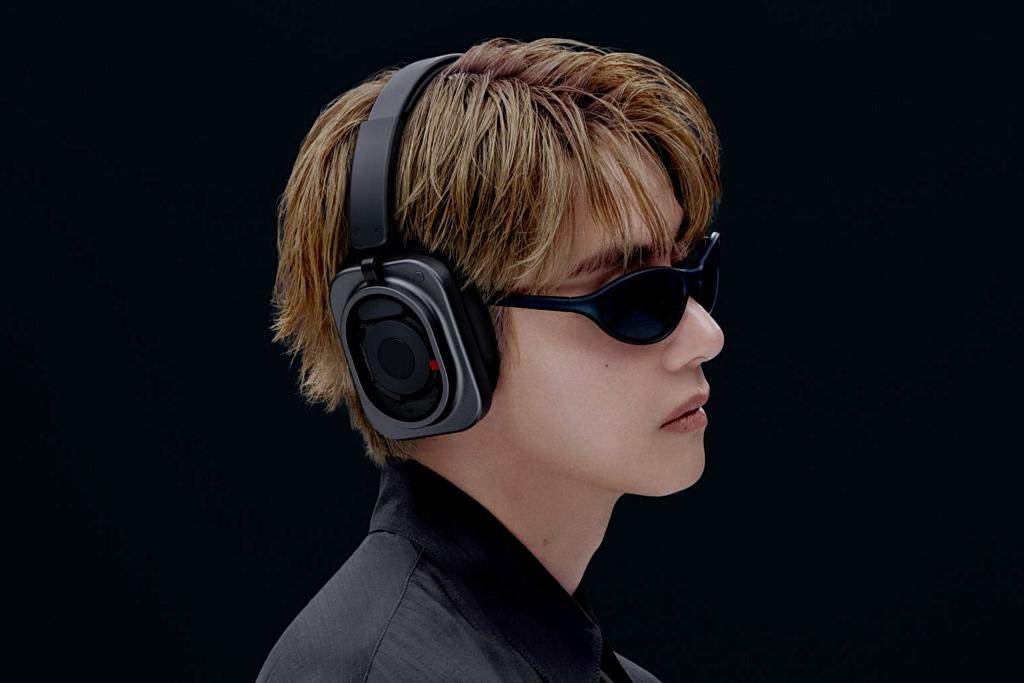
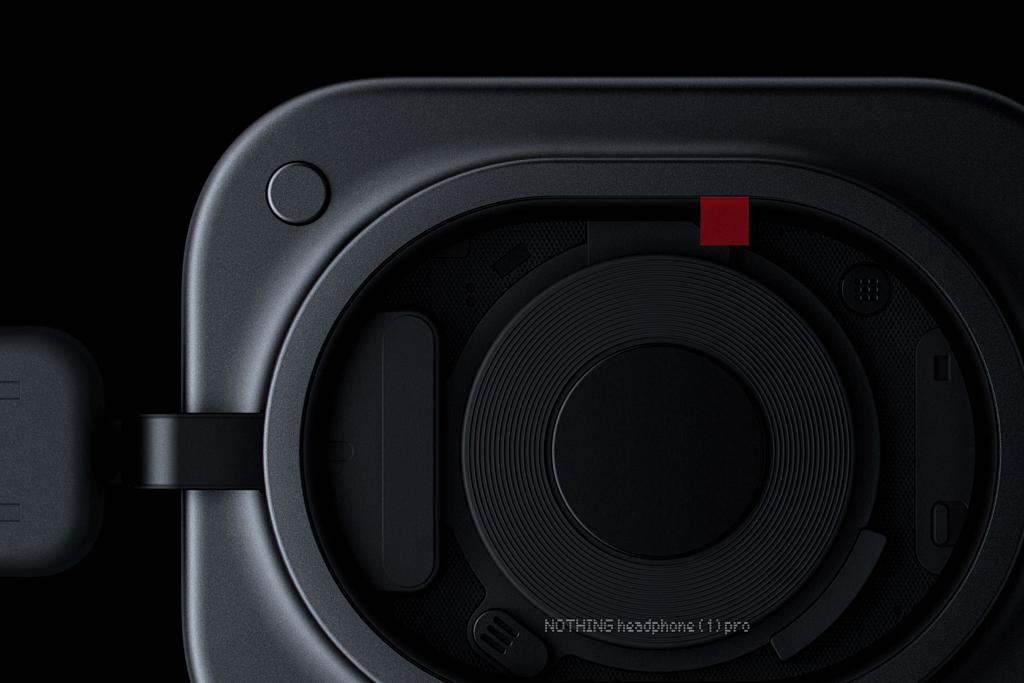
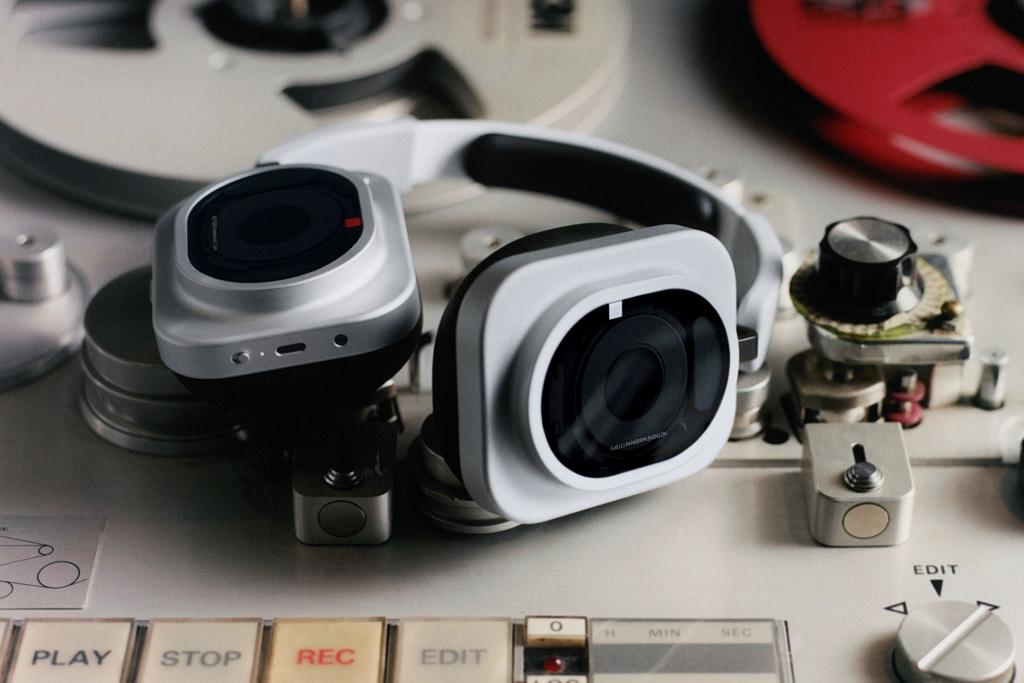
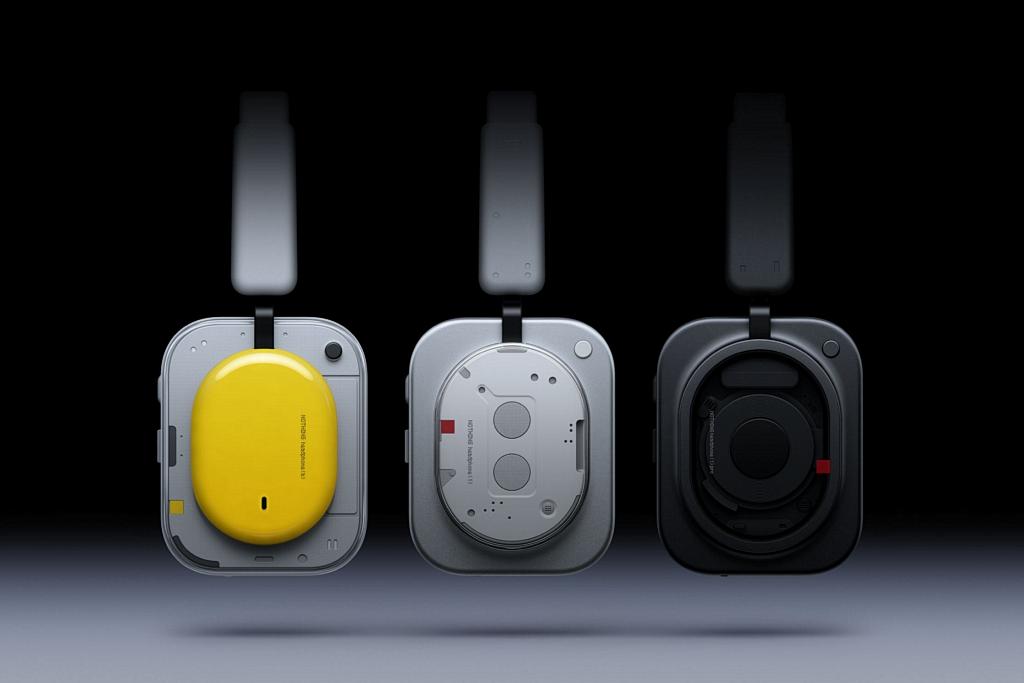
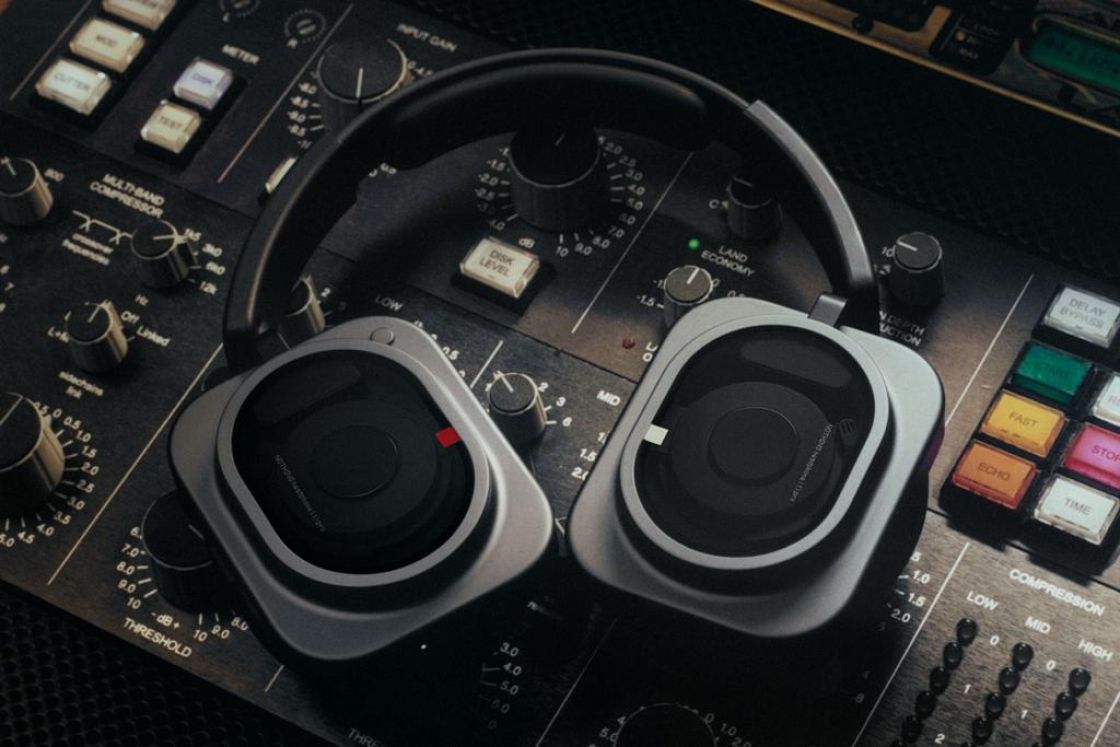
Nothing has never been particularly interested in making products that look like everyone else's. From transparent smartphones to earbuds that resemble tiny pieces of industrial machinery, the London-based company has built much of its identity around doing things differently, sometimes simply for the pleasure of standing out. Its latest flagship headphones, however, suggest that the brand is becoming increasingly ambitious about what happens inside those distinctive enclosures. The new Headphone (1) Pro retains the partly transparent design introduced with the original Headphone (1), but the real changes are hidden beneath the surface. Instead of relying on a single dynamic driver in each earcup, Nothing has developed an unusual three-driver arrangement that includes a miniature solid-state xMEMS tweeter. There are also extensive sound customization options, a dedicated Flat EQ mode, tuning developed in collaboration with London's Metropolis Studios, adaptive active noise cancellation, and spatial audio with head tracking. It's a surprisingly elaborate combination for a company that only entered the full-size headphone market relatively recently, and one that clearly aims to challenge more established players in the premium wireless category.
The most interesting development is undoubtedly the triple-driver architecture. Most wireless over-ear headphones, including some very expensive models, use a single dynamic driver to reproduce the entire audible frequency range. Nothing has decided to divide that responsibility among three different units, each optimized for a particular part of the spectrum. Bass is handled by a 40 mm dynamic driver featuring a dual-magnet motor system and a PET dome with a metal-ceramic coating. According to the manufacturer, the new design delivers 15% more bass impact and a 26% increase in sensitivity compared with its predecessor. A second dynamic driver, measuring 13 x 8 mm and using a PEN diaphragm, concentrates on the midrange, where vocals and much of the character of acoustic instruments reside. The highest frequencies are entrusted to a tiny xMEMS driver measuring just 3.2 x 6.0 x 1.15 mm. Unlike a conventional dynamic tweeter, this solid-state device uses a silicon membrane manufactured using semiconductor fabrication techniques. Nothing says the diaphragm is dramatically stiffer than conventional polymer alternatives, allowing it to respond more quickly to changes in the signal and reproduce fine high-frequency details with greater precision. Together, the three drivers cover a specified frequency range of 20 Hz to 40 kHz.
It's an ambitious arrangement, although using more drivers is not automatically a recipe for better sound. Dividing the frequency spectrum among several transducers introduces its own challenges, particularly when it comes to crossover design, phase behavior, and maintaining a coherent presentation. Nothing clearly believes the advantages outweigh those complications, and it has also given listeners unusually extensive control over the results. Through the Nothing X app, the Advanced EQ allows users to adjust different parts of the driver system independently. The Main section controls the primary bass driver and xMEMS tweeter, while the additional Precision driver has its own adjustment options. Equalization points can be moved across the frequency spectrum, making it possible to experiment with the balance of individual frequency regions rather than simply adding more bass or treble. For those who would rather spend their evenings listening to music than adjusting equalizer curves, there's also a simpler EQ interface and a collection of ready-made presets. Perhaps the cleverest addition, however, is a physical Flat EQ switch that instantly returns the headphones to a neutral tuning profile. It's an unusually practical feature in a product that places so much emphasis on sound customization, allowing listeners to compare their carefully adjusted settings with a more neutral reference at the flick of a switch.
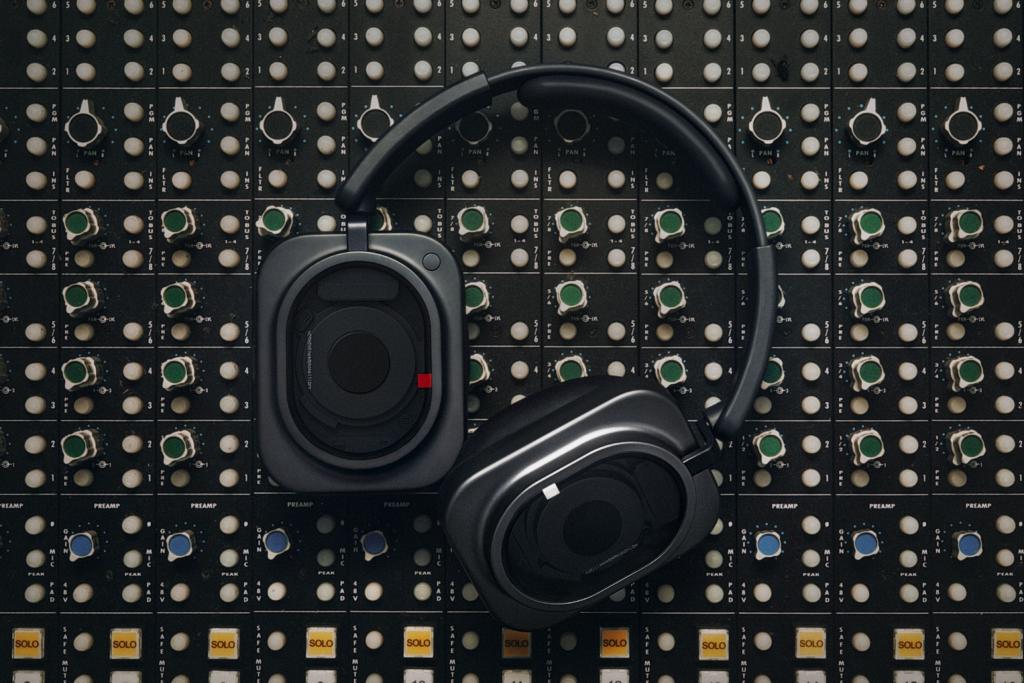
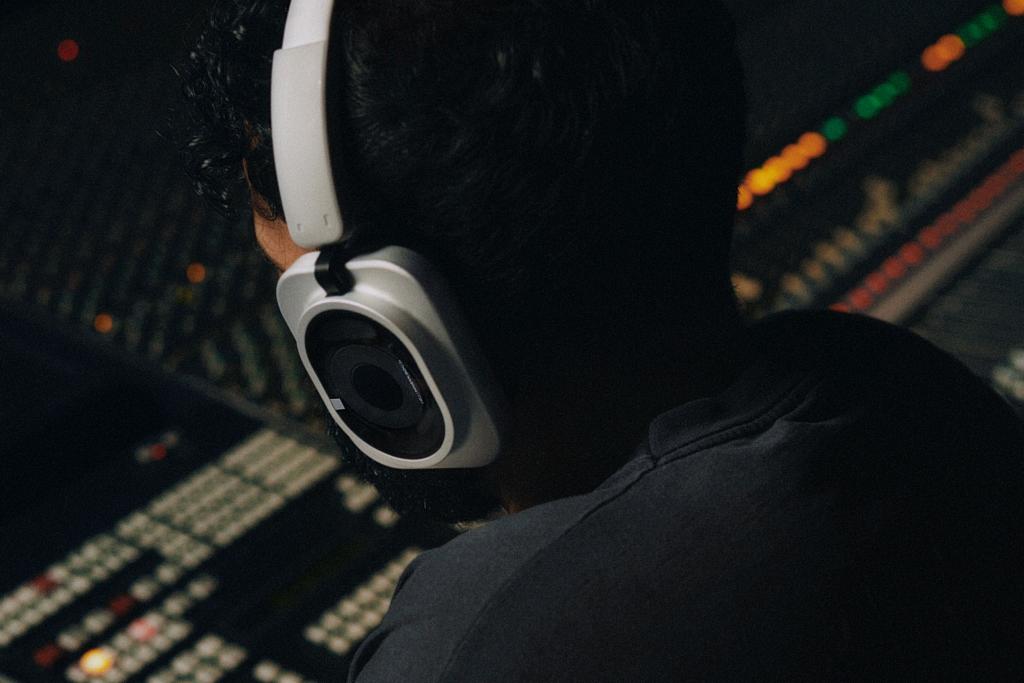
The Flat EQ mode is also part of a broader collaboration with Metropolis Studios, one of London's best-known recording and mastering facilities. Rather than simply attaching a prestigious studio name to the product, Nothing worked with its engineers on several aspects of the Headphone (1) Pro's sound. The partnership has resulted in five additional EQ profiles and a Studio B listening mode, which forms part of the headphones' Dynamic Spatial Audio system. The idea behind Studio B is particularly interesting. Instead of merely making the soundstage wider or adding an exaggerated sense of space, the processing attempts to reproduce some of the acoustic characteristics of a professional mixing room. Nothing offers five spatial audio modes in total, along with head tracking that adjusts the presentation as the listener moves. Naturally, a pair of wireless headphones cannot magically recreate the experience of sitting in front of carefully positioned studio monitors inside a professionally treated control room. But the concept goes considerably further than the usual selection of presets labeled "Bass Boost," "Vocal," or "Pop." Nothing is clearly trying to appeal to listeners who enjoy analyzing recordings, experimenting with tonal balance, and hearing how different forms of processing affect the presentation.
The Headphone (1) Pro is equally ambitious when it comes to connectivity. Hi-Res Audio certification covers both wired and wireless listening, with USB-C supporting lossless PCM playback at resolutions up to 24-bit/192 kHz. For wireless use, Bluetooth 6.1 provides the connection, with LDAC available for higher-bitrate audio transmission from compatible devices. SBC and AAC are also supported, along with LC3 for broadcast audio. Multipoint connectivity allows the headphones to remain paired with two devices simultaneously, making it easy to switch between a laptop and smartphone without repeatedly disconnecting and reconnecting. There's also Auracast support, allowing audio to be broadcast to multiple compatible receivers. This could prove particularly useful for shared listening, although the technology still depends on having suitable equipment at both ends of the connection. Nothing has also retained conventional analog connectivity, so owners aren't restricted to Bluetooth or USB audio. As a result, the Headphone (1) Pro can operate as an everyday wireless headset, a wired companion for a computer, or a pair of more traditional headphones connected to an external audio source.
Noise cancellation has received a substantial upgrade as well. The new adaptive ANC system uses ten microphones, with three feed-forward and two feedback microphones on each side, to monitor both environmental noise and the sound reaching the listener's ears. Nothing claims a maximum noise reduction of 46 dB, although the actual result will naturally depend on the type of noise, its frequency, and how well the earcups fit. The system continuously analyzes the surroundings and adjusts its operation accordingly, taking the acoustic seal into account rather than relying on a fixed level of cancellation. Nothing has also worked on passive isolation, adding an 8 mm silicone baffle inside the earcups and introducing softer, dual-layer ear cushions. These mechanical changes should help reduce the amount of outside noise entering the listening space before the electronics have to do anything about it. A transparency mode allows users to hear their surroundings when necessary, while Clear Voice Technology is intended to improve speech intelligibility during calls. With so many microphones and processing options, the Headphone (1) Pro has clearly been designed to function as an everyday communication device as well as a serious music-listening tool.
Thankfully, Nothing hasn't decided that all these features require replacing physical controls with another collection of invisible touch-sensitive surfaces. The company has retained the distinctive mechanical controls introduced with its first full-size headphones. A cylindrical Roller handles volume adjustment, playback, and switching between noise cancellation modes, while the Paddle provides a tactile way to skip tracks or move through a recording. An additional customizable button can activate functions selected in the Nothing X app. The new Flat EQ switch joins these controls, giving users immediate access to a neutral sound profile without opening the app or navigating several menus. There's something refreshing about this approach. Touch controls can look wonderfully futuristic in promotional photographs, but when you're trying to change the volume while walking down the street, a properly designed physical control often makes considerably more sense. Nothing's solution is both visually distinctive and potentially more practical than the increasingly common arrangement of taps, swipes, and gestures that somehow never work quite as reliably as their manufacturers promise.
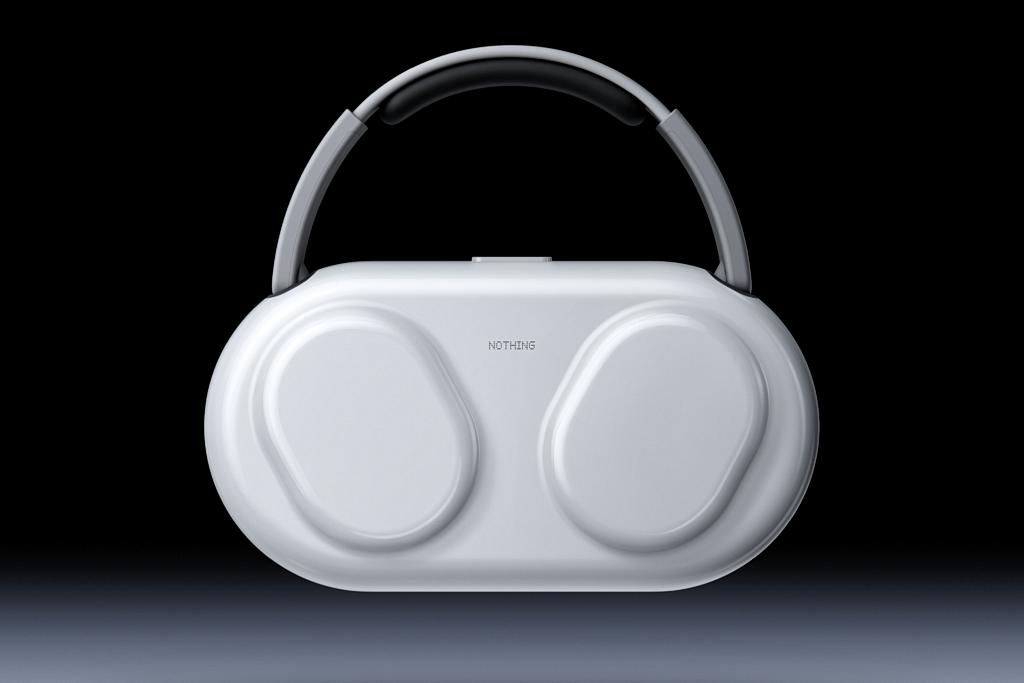
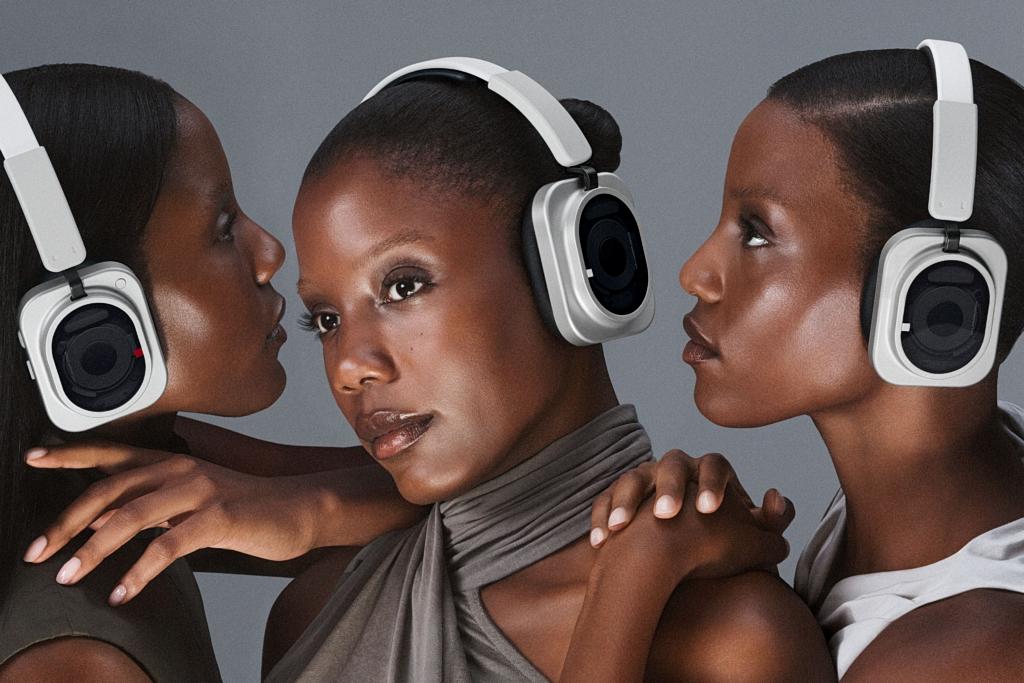
The design itself remains unmistakably Nothing, although the company has introduced several changes intended to make the new model feel more premium. The outer surfaces of the earcups feature scratch-resistant Panda Glass with a 9H hardness rating, allowing selected parts of the internal construction to remain visible. Aluminum components are combined with arms made from a titanium alloy, which Nothing says are 45% lighter than those used in the original Headphone (1). The headband is wider, its padding is thicker, and the dual-layer ear cushions have been redesigned to provide a softer, more adaptable fit. These are particularly welcome improvements in full-size wireless headphones, where comfort can become just as important as sound quality during long listening sessions. Despite the additional drivers, revised construction, and extensive electronics, the Headphone (1) Pro weighs 327 g (11.5 oz). It is therefore not an exceptionally lightweight design, but neither is its weight unreasonable for a premium wireless model with this much hardware inside. The enclosure carries an IP52 rating for resistance to dust and water, and the package includes a protective hard-shell case, a USB-C cable, and a conventional 3.5 mm audio cable.
Battery life is another area where Nothing has tried to make the new model competitive with established premium headphones. The built-in 1,060 mAh battery is rated for up to 68 hours of playback with ANC disabled when using AAC. Switching noise cancellation on reduces that figure to 30 hours. With LDAC, the company quotes up to 53 hours without ANC and 28 hours with it enabled. These are manufacturer laboratory figures, so real-world results will depend on listening volume, wireless conditions, and the features being used, but they suggest that most owners should be able to go several days between charges. A complete recharge through USB-C takes approximately two hours, while a five-minute quick charge provides up to four hours of playback with ANC disabled or two hours with noise cancellation running. That's the kind of convenience that can prove more useful than an impressive technical specification, particularly when you discover that the battery is nearly empty just as you're about to leave home.
The Headphone (1) Pro represents an interesting change in direction for Nothing. The company's early products attracted attention largely through their unusual appearance and clever integration of modern features, but this model places considerably more emphasis on audio engineering and the ability to tailor the listening experience. The triple-driver architecture, especially the addition of a solid-state xMEMS tweeter, is unusual in full-size wireless headphones. The extensive equalization controls and collaboration with Metropolis Studios also suggest that Nothing wants to appeal to a more demanding audience without abandoning the playful design and accessible operation that have become central to its identity. Whether the additional drivers and studio-inspired processing translate into a meaningful advantage over more conventional competitors is something that will have to be established through listening and independent measurements. On paper, however, this is clearly more than the original Headphone (1) with a few cosmetic improvements and a higher price tag.
Nothing has also avoided making the Headphone (1) Pro look unnecessarily serious. The partly transparent enclosure, unusual controls, and visible internal details remain, and the company seems perfectly comfortable with the idea that a premium audio product can be technically ambitious without resembling a piece of professional laboratory equipment. That combination may be precisely what makes the new model attractive to listeners who want more control over their music but have little interest in the traditional aesthetics of high-end headphones. The Nothing Headphone (1) Pro is available now in Black and White, with retail prices of $399 in the United States, €349 in Europe, and £349 in the United Kingdom. Info and photos by Nothing.