Displaying items by tag: wireless - StereoLife Magazine

JBL Pulse 6

JBL has introduced a new generation of one of its most distinctive wireless speakers. The Pulse 6 is the latest version of a portable device that does more than just play music - it also doubles as an eye-catching lamp, displaying colorful animations synchronized with the rhythm of your favorite tracks. Compared to its predecessor, the new model features an upgraded acoustic system, AI Sound Boost technology, Bluetooth 6.0 connectivity, and an expanded lighting system that now extends to the integrated carrying handle. There are also several practical improvements, including support for lossless audio playback via USB-C, the ability to connect multiple speakers using Auracast, and an IP68-rated enclosure designed to withstand dust and water. With these upgrades, JBL aims to make the Pulse 6 an even more versatile combination of portable speaker, party accessory, and decorative lighting.

Technics EAH-A1000

Developing a successful pair of wireless headphones is one thing. Taking technology originally designed for tiny in-ear monitors and adapting it to a full-size over-ear model is something else entirely. That's precisely what Technics has done with the EAH-A1000, its new flagship wireless headphones and the long-awaited successor to the EAH-A800. Rather than simply updating the styling, improving noise cancellation, and adding a few features to keep up with the competition, the Japanese manufacturer has gone back to the drawing board. The centerpiece is an entirely new 40 mm Magnetic Fluid Driver, incorporating technology previously used in the company's EAH-TZ700 in-ear monitors and EAH-AZ100 wireless earbuds. The driver combines magnetic fluid stabilization with a carbon fiber diaphragm and a suspension design derived from Technics' high-end loudspeakers. Add adaptive active noise cancellation, advanced spatial audio capabilities, three-device Bluetooth multipoint, and a completely redesigned headband, and the result looks like a considerably more ambitious product than a conventional generational update.

Denon DP-500BT

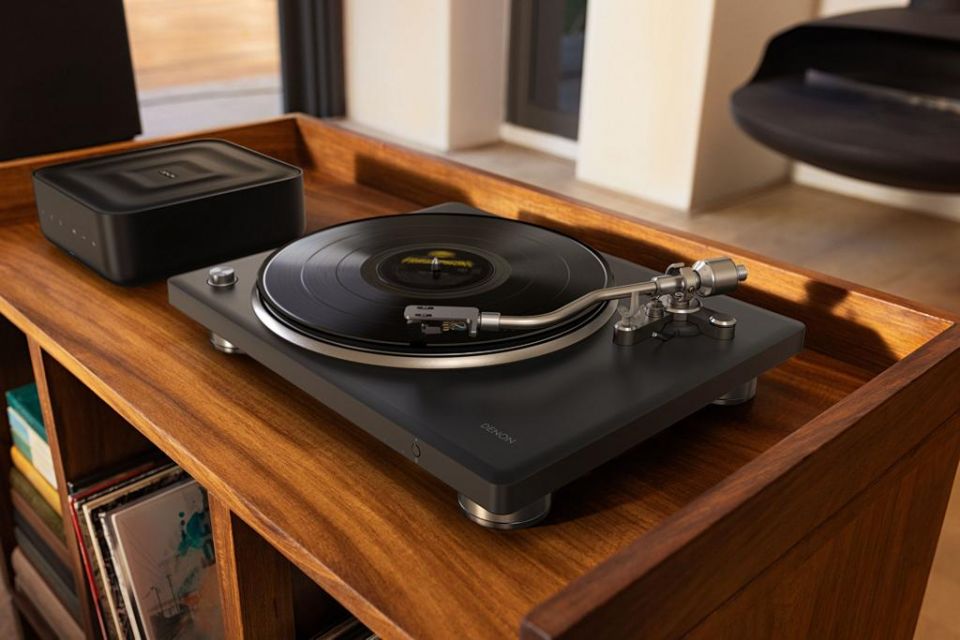
The vinyl revival shows no signs of slowing down, and audio manufacturers are increasingly looking for ways to combine traditional record playback with the conveniences we have come to expect from modern music systems. One of the simplest approaches is to equip a turntable with a Bluetooth transmitter, allowing listeners to enjoy their records without being tied to a conventional stereo setup. This is precisely the idea behind Denon's new DP-500BT. The latest addition to the Japanese company's turntable lineup is a semi-automatic, belt-driven design featuring an S-shaped tonearm, a factory-installed moving-magnet cartridge, and a built-in phono preamplifier. Its most distinctive additional feature, however, is the ability to transmit music wirelessly to compatible headphones, speakers, and other Bluetooth-enabled devices.

Nothing Headphone (1) Pro

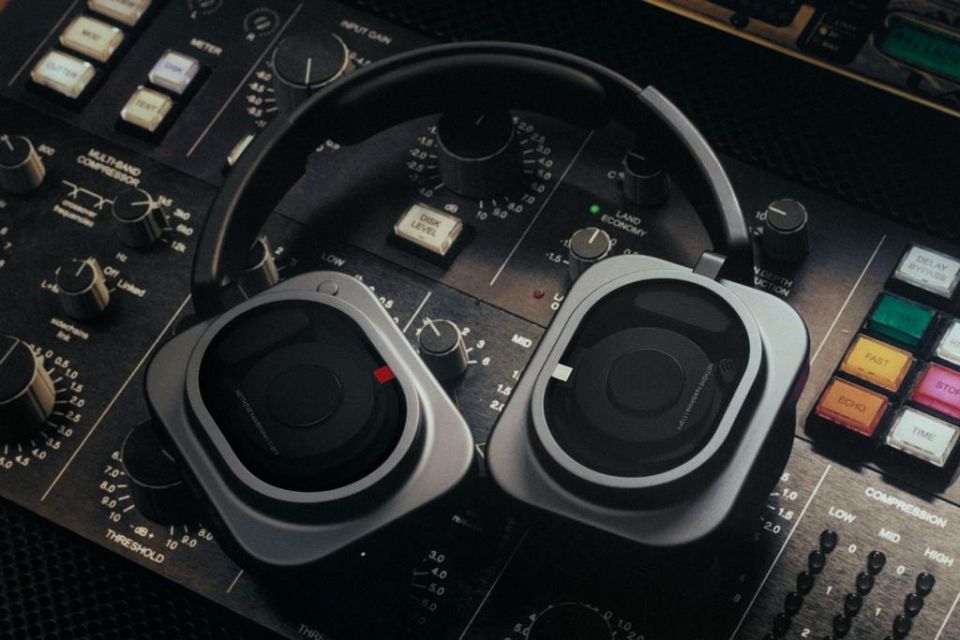
Nothing has never been particularly interested in making products that look like everyone else's. From transparent smartphones to earbuds that resemble tiny pieces of industrial machinery, the London-based company has built much of its identity around doing things differently, sometimes simply for the pleasure of standing out. Its latest flagship headphones, however, suggest that the brand is becoming increasingly ambitious about what happens inside those distinctive enclosures. The new Headphone (1) Pro retains the partly transparent design introduced with the original Headphone (1), but the real changes are hidden beneath the surface. Instead of relying on a single dynamic driver in each earcup, Nothing has developed an unusual three-driver arrangement that includes a miniature solid-state xMEMS tweeter. There are also extensive sound customization options, a dedicated Flat EQ mode, tuning developed in collaboration with London's Metropolis Studios, adaptive active noise cancellation, and spatial audio with head tracking. It's a surprisingly elaborate combination for a company that only entered the full-size headphone market relatively recently, and one that clearly aims to challenge more established players in the premium wireless category.

Panasonic SC-PMX112 & SC-PM302

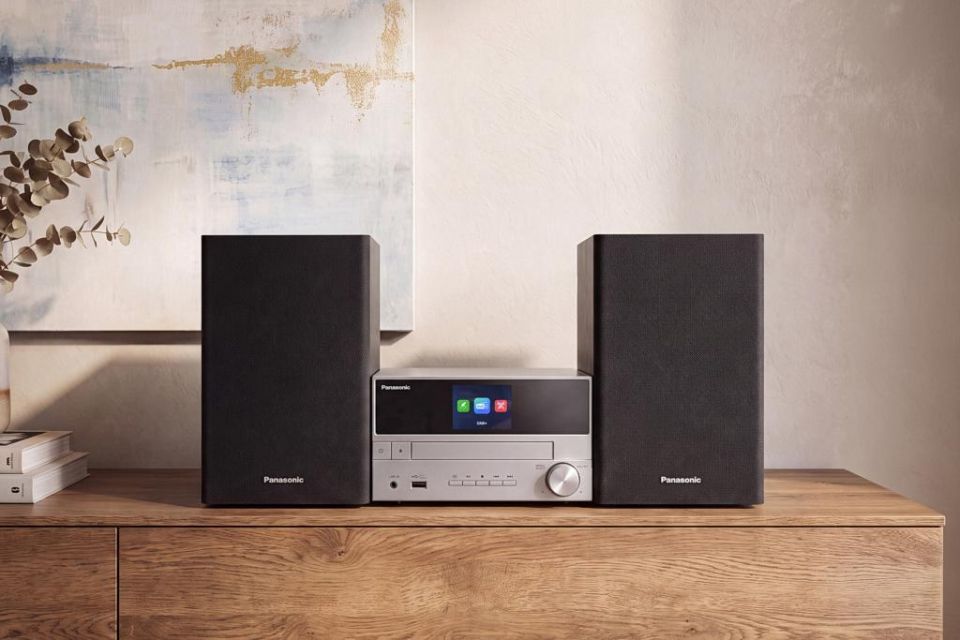
For years, we've been told that the future of home audio belongs to wireless speakers, streaming services, and devices controlled entirely through smartphone apps. And yet, somehow, the traditional micro hi-fi system refuses to disappear. It's not particularly difficult to understand why. For plenty of music lovers, a compact stereo with a built-in CD player, radio tuner, and two separate speakers remains one of the simplest and most practical ways to enjoy music at home. No complicated setup, no need to assemble a collection of separate components, and no requirement to reach for a phone every time you want to hear something. Panasonic clearly believes there's still a market for this kind of equipment, as the Japanese manufacturer has just introduced two new micro systems, the SC-PMX112 and SC-PM302. The former is a more sophisticated, 180-watt model with internet radio, Spotify Connect, and two-way speakers, while the latter offers a simpler, more affordable 60-watt alternative for listeners who are perfectly happy with CDs, radio, and Bluetooth streaming. Both retain the familiar micro hi-fi format while introducing a few welcome modern touches, including color displays and USB playback.

iFi Audio UP Play & UP Play Max

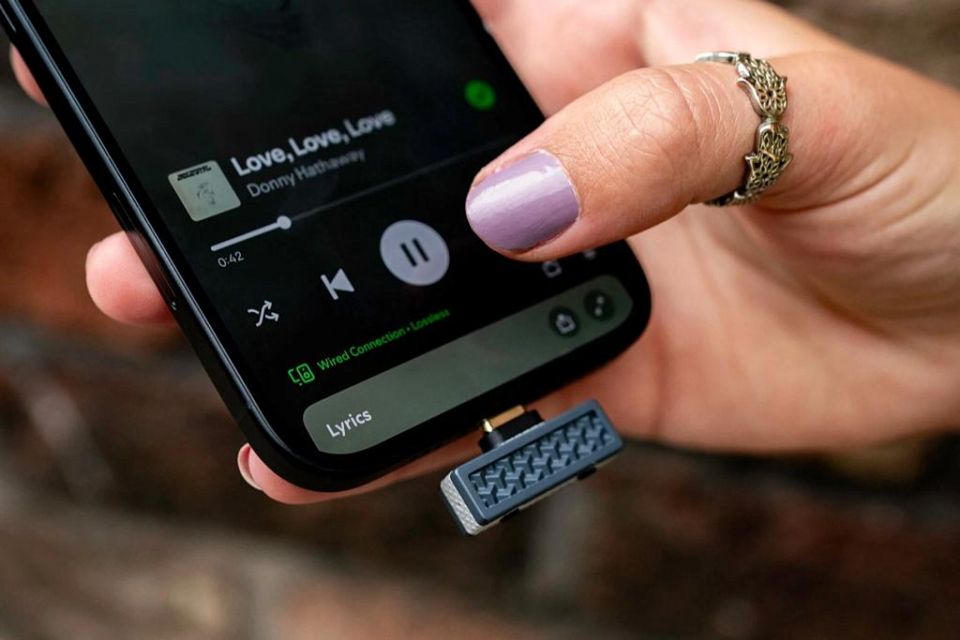
You can spend a small fortune on wireless headphones, carefully compare their drivers, tuning, noise cancellation, and battery life, and eventually settle on a model that supports some of the most advanced Bluetooth codecs available. Then you connect it to your phone and discover that half those capabilities are essentially useless. The headphones may support LDAC, aptX Adaptive, or even aptX Lossless, but that doesn't necessarily mean your smartphone can transmit audio using any of them. iPhone owners know this problem particularly well, since Apple continues to rely on AAC and SBC for Bluetooth audio, regardless of how sophisticated the connected headphones might be. iFi Audio believes the solution doesn't have to involve buying a different phone. Its new UP Play and UP Play Max are miniature USB-C Bluetooth transmitters designed to take over wireless audio duties from the source device, effectively bypassing its built-in codec limitations. Neither is a conventional DAC or headphone amplifier. Instead, these tiny accessories give smartphones, tablets, computers, and compatible gaming devices access to Bluetooth formats they might otherwise be unable to use. The standard UP Play supports LDAC and several members of the aptX family, while the more advanced UP Play Max adds aptX Lossless and promises future support for Auracast.

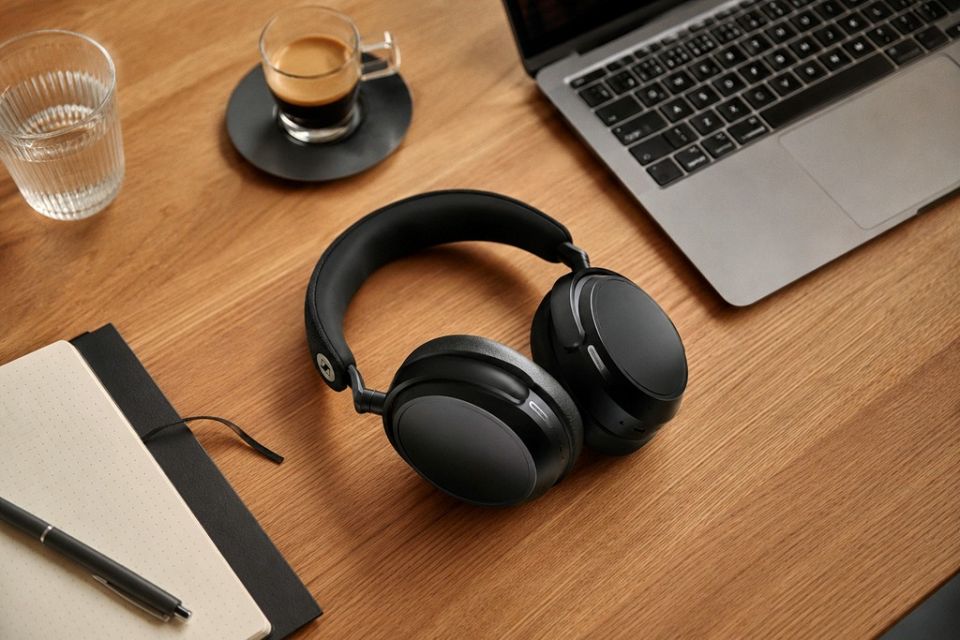
Sennheiser Momentum 5 Wireless

Some audio products come around so predictably that you could almost use them to mark the passing of time. A new smartphone every year. A new DAC every couple of years. An amplifier gets refreshed every three, usually gaining a slightly larger display, an updated streaming board, and a few extra connections along the way. Wireless headphones live on an even shorter clock because the electronics inside them age far faster than the parts that actually make sound. A good driver can remain perfectly competitive for a decade or more, and there is no reason a well-designed enclosure should suddenly become obsolete, but one new codec, a better ANC system, another Bluetooth revision, or a much better app can make a three- or four-year-old model feel surprisingly old. That makes the four-year gap between the Momentum 4 Wireless and their successor unusually long for this market. In 2022, Bluetooth 5.2 with aptX Adaptive was a serious selling point, 60 hours of battery life sounded borderline ridiculous, and manufacturers were still putting the word "adaptive" in front of noise cancellation as though that alone settled the matter. Today, expectations are much higher. Buyers want ANC that can deal with conversation as well as engine rumble, a transparency mode that sounds natural, seamless switching between devices, the best possible wireless audio quality, regular firmware updates, and an app designed for people rather than engineers. Sennheiser has not been standing still either. Since the Momentum 4 appeared, the company has launched the Accentum Wireless, expanded its true-wireless range, and - most importantly from an audiophile point of view - introduced the HDB 630, a model designed to bring some of the philosophy behind the HD 600 family into a modern wireless package. So the Momentum 5 Wireless are entering a very different world. They have tougher competition outside the company and, for the first time, a clearly defined rival within Sennheiser's own lineup.


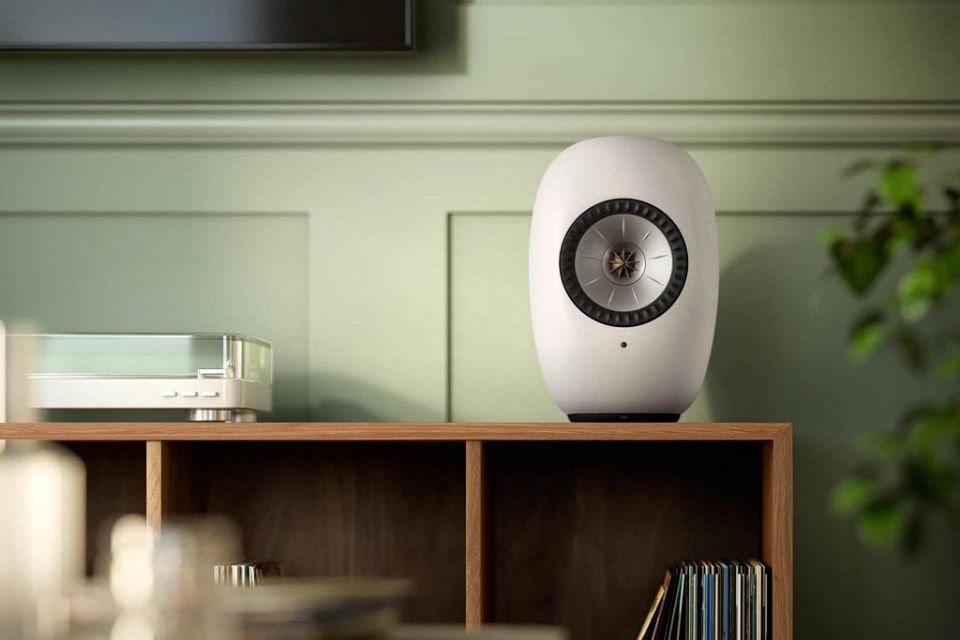
KEF LS Luxe

For years, KEF has been steadily developing the concept of a complete stereo system contained within a pair of active speakers. The history of this part of the company's lineup goes back much further than the rise of music streaming. Its symbolic starting point is the LS3/5a monitor, developed by the BBC in the 1970s using KEF drivers. The company returned to that tradition for its 50th anniversary with the passive LS50, followed several years later by the active LS50 Wireless. Subsequent generations of the LS50 Wireless, the smaller LSX systems and the slim LS60 Wireless floorstanders established an entire family of products in which the amplification, digital-to-analog conversion, streamer and digital crossover are designed from the outset as a single system. The latest and most luxurious expression of this idea is the LS Luxe, an active stand-mounted system positioned above the LS50 Wireless II while remaining considerably more compact than the floorstanding LS60 Wireless.

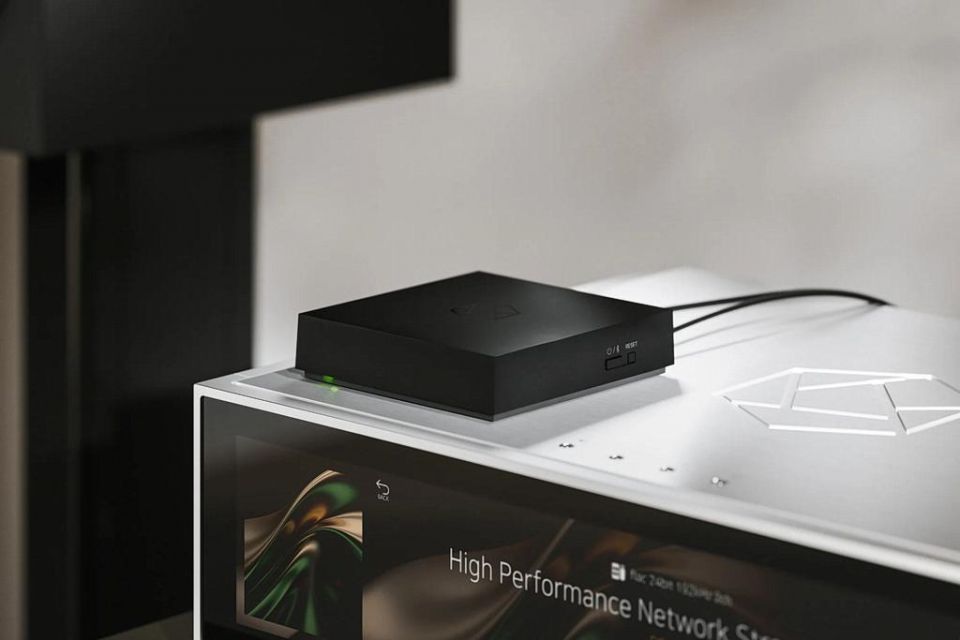
Rose RW800

One of the awkward realities of network audio is that streaming platforms can age much faster than the hardware built around them. A DAC, analog output stage or power supply may remain perfectly capable for years, while changes in licensing, operating systems and service APIs can leave an otherwise expensive streamer without the latest Connect protocols. HiFi Rose has decided to address that problem with a piece of hardware rather than another firmware update. RW800, also known as Rose Air Lite, is a tiny streaming module designed primarily to add current network functions to existing HiFi Rose components, but it can just as easily leave the Rose ecosystem altogether and operate as an inexpensive standalone streamer in almost any audio system.

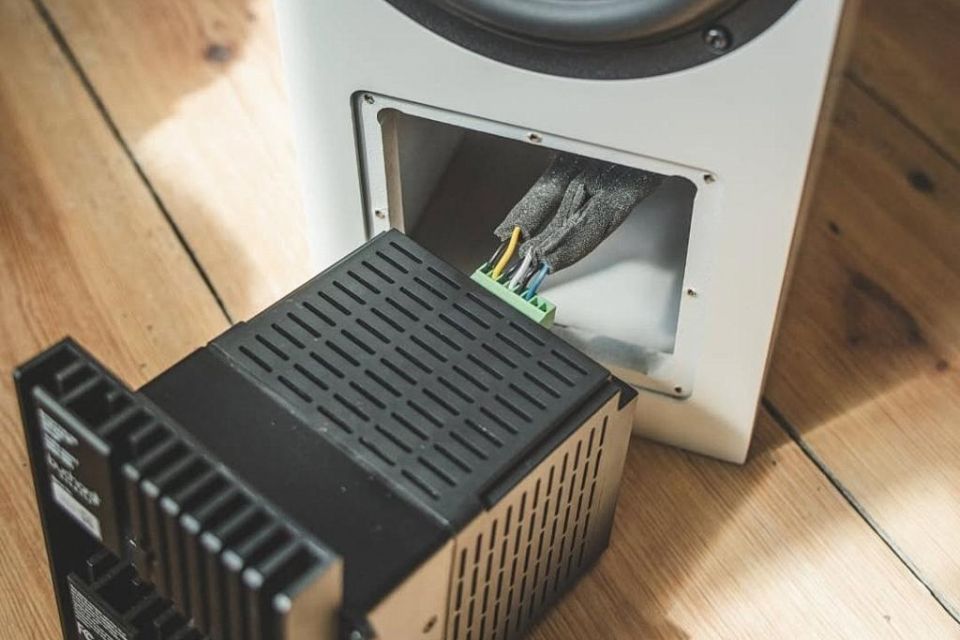
Buchardt Audio Mk2 Upgrade Kit

One of the traditional arguments against active loudspeakers is that their electronics age faster than their cabinets and drivers. An amplifier module can become outdated, streaming standards change and DSP platforms improve, while the acoustic part of a well-designed speaker may remain perfectly capable for decades. Buchardt Audio has been thinking about this problem since developing its first active models, and its latest product tackles it unusually directly. Rather than asking owners of A500, A500SE, A700, A700 Limited Edition or Anniversary 10 speakers to replace them with an entirely new generation, the Danish manufacturer has created the Mk2 Upgrade Kit - a user-installable package that replaces the complete amplifier, DSP and power-supply platform inside the existing cabinets. Selected models receive a new tweeter as well.

We use cookies to improve our website and your experience when using it. To find out more about the cookies we use and how to delete them, please see our Privacy Policy.