
- News
- Posted
Harman Kardon Fit & Flow
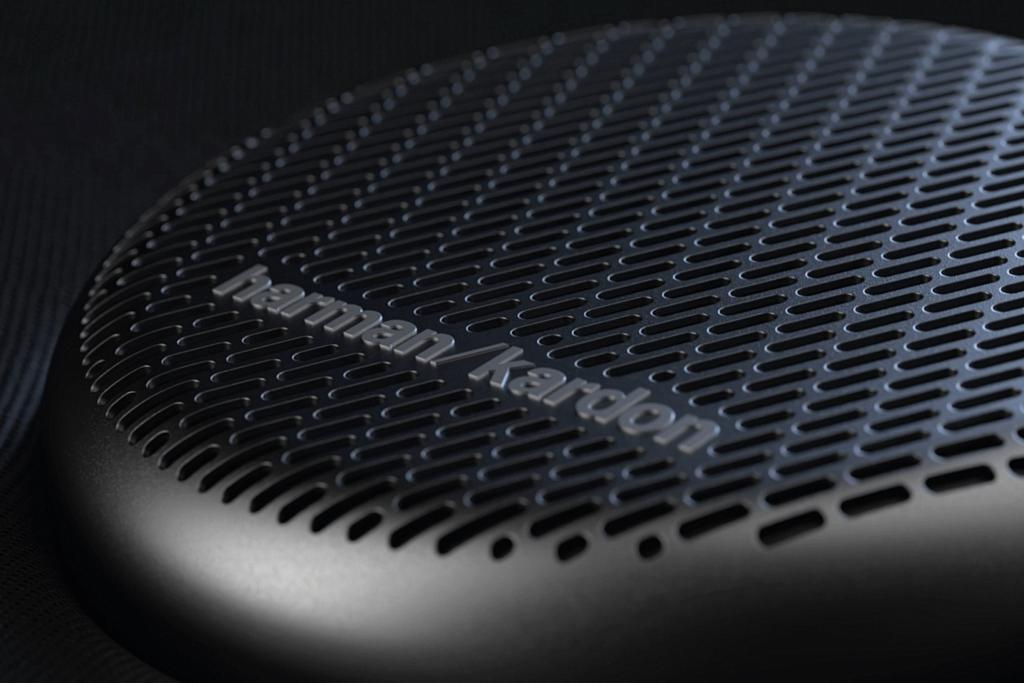
You don't have to be a hi-fi enthusiast to know Harman Kardon. In fact, there's a good chance you've encountered the brand without ever setting foot in an audio store. Its logo has adorned the speaker grilles of countless cars over the years, with BMW being perhaps the most recognizable example of a partnership that has lasted more than three decades. Harman Kardon systems can also be found in vehicles from Mini, Volvo, Subaru, Kia, Hyundai, and several brands belonging to the Stellantis group. For most drivers, however, getting that distinctive badge on their speaker grilles has traditionally involved one important decision: ordering the appropriate audio package when buying the car. Miss that opportunity, and upgrading the sound system usually meant turning to a completely different manufacturer. Harman Kardon is now making that choice a little less permanent. Its expanding aftermarket car audio lineup includes two speaker families, Fit and Flow, along with the compact Flow 80 and Feel 700 subwoofers. Together, they offer everything from relatively straightforward replacements for factory speakers to the components needed for a more ambitious custom installation.
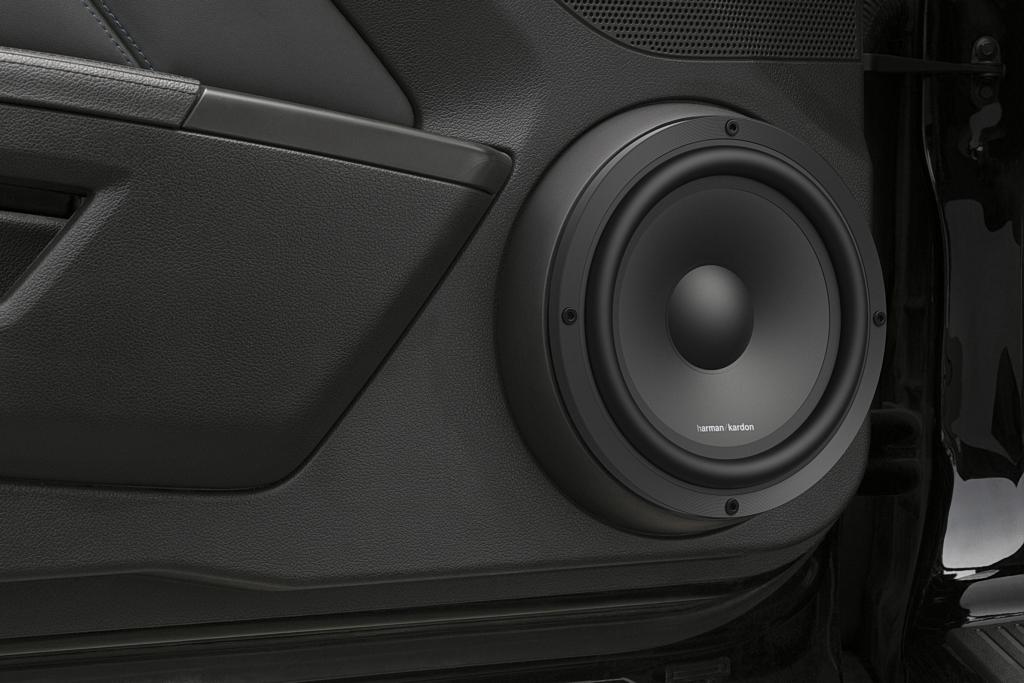
The distinction between the two speaker families is fairly simple. Fit is intended primarily for drivers who want better sound without completely rebuilding their car's audio system, while Flow caters to those willing to invest more time, effort, and money in getting the best possible results. The Fit lineup is particularly extensive, covering coaxial speakers, component systems, separate midrange drivers and tweeters, and shallow-mount designs for locations where installation depth is severely restricted. This variety matters because upgrading a modern car is rarely as simple as removing a door panel and installing the largest speakers that will fit. Manufacturers often leave precious little room behind the original drivers, while the shapes of door panels, dashboards, and trim pieces can make even relatively modest modifications surprisingly complicated. With Fit, Harman Kardon aims to offer suitable replacements for a broad range of factory mounting locations, allowing owners to improve the sound without unnecessarily disturbing the vehicle's interior. The lineup includes more than a dozen models, ranging from compact drivers intended for unusual locations to familiar 6.5-inch speakers and larger 6 x 9-inch designs.
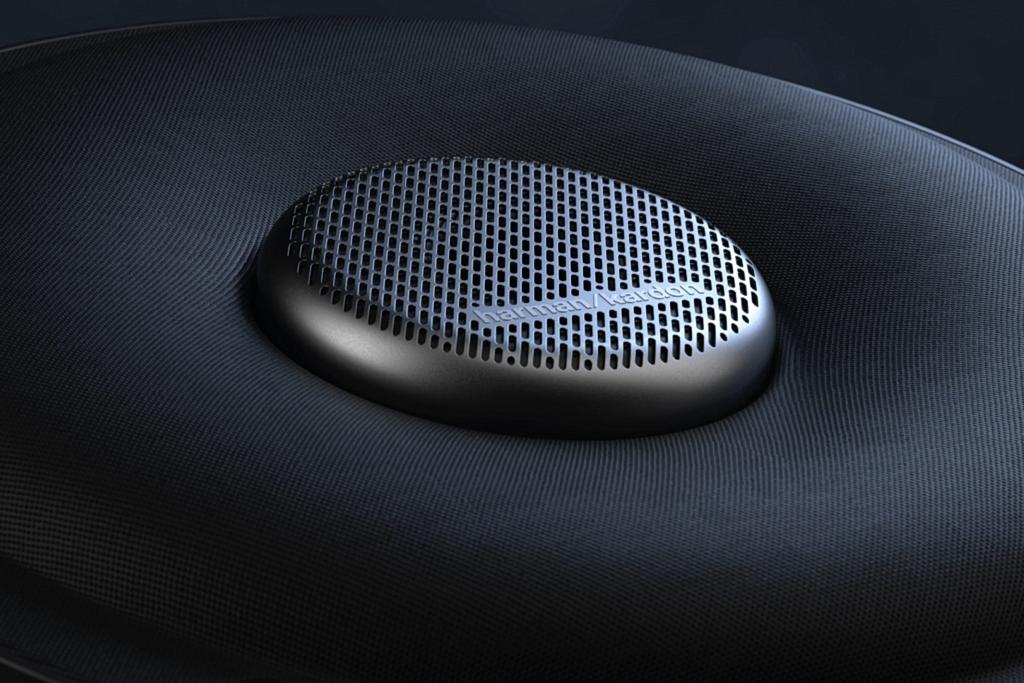
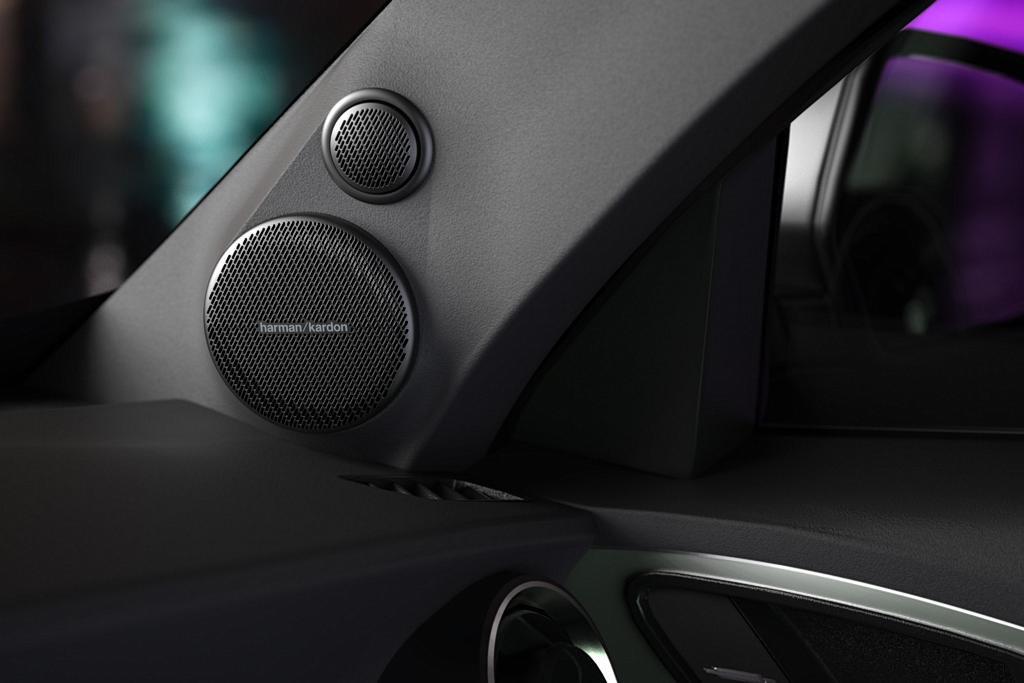
One of the key technologies behind the Fit series is Harman's patented Plus One cone architecture, used here with fiberglass diaphragms. Despite what the name might suggest, this has nothing to do with adding an extra driver. Instead, Plus One employs a particular cone and surround geometry to maximize the effective radiating area within a given basket diameter. A larger cone can move more air, helping improve efficiency and low-frequency performance without requiring a physically larger speaker. This is especially useful in automotive applications, where the dimensions of the mounting opening are usually dictated by the vehicle manufacturer rather than by the audio installer. Harman Kardon has also equipped selected models with edge-driven textile-dome tweeters, specified to reproduce frequencies up to 40 kHz. Some versions feature Uni-Pivot technology, which allows the tweeter to be angled toward the listening position. That's a useful feature when the main driver has to remain low in the door, firing somewhere toward the driver's knees rather than directly at their ears.
The Flow series takes things a step further. Instead of fiberglass, these speakers use what Harman Kardon calls Deep Ceramic Composite, or DCC. The diaphragms are based on aluminum with a ceramic coating, a combination intended to increase rigidity while controlling unwanted resonances. The underlying challenge is familiar to loudspeaker designers: a cone should ideally move as a single, rigid piston rather than flexing and developing its own vibration modes as frequency increases. By combining DCC construction with Plus One geometry, Harman Kardon aims to preserve the advantages of a larger effective cone area while improving precision and dynamic performance. The Flow models are also designed with more demanding installations and higher-powered amplification in mind. At the top of the range sits the Flow 600CF, a 6.5-inch, two-way component speaker system rated at 120 W RMS and capable of reproducing frequencies extending to 40 kHz. It is marketed with Hi-Res Audio certification, reflecting the manufacturer's emphasis on high-frequency extension and detailed reproduction.
Another appealing aspect of the Flow lineup is that owners don't necessarily have to commit to a complete three-way system from the beginning. The Flow 600CF and its shallower counterpart, the Flow 601CFS, can initially be installed as conventional two-way component systems. Later, a dedicated Flow 300S three-inch midrange driver can be added, allowing the installation to evolve into a full three-way configuration without discarding the speakers already purchased. That makes considerable sense in modern cars, many of which already have mounting locations for a door-mounted woofer, a separate midrange driver, and a tweeter positioned higher up, perhaps in the A-pillar or near the side mirror. An upgraded system can therefore retain much of the original installation architecture while replacing the factory drivers with considerably more sophisticated components. The standalone Flow 75T tweeter completes the range, giving installers additional flexibility when planning custom configurations or upgrading existing systems.
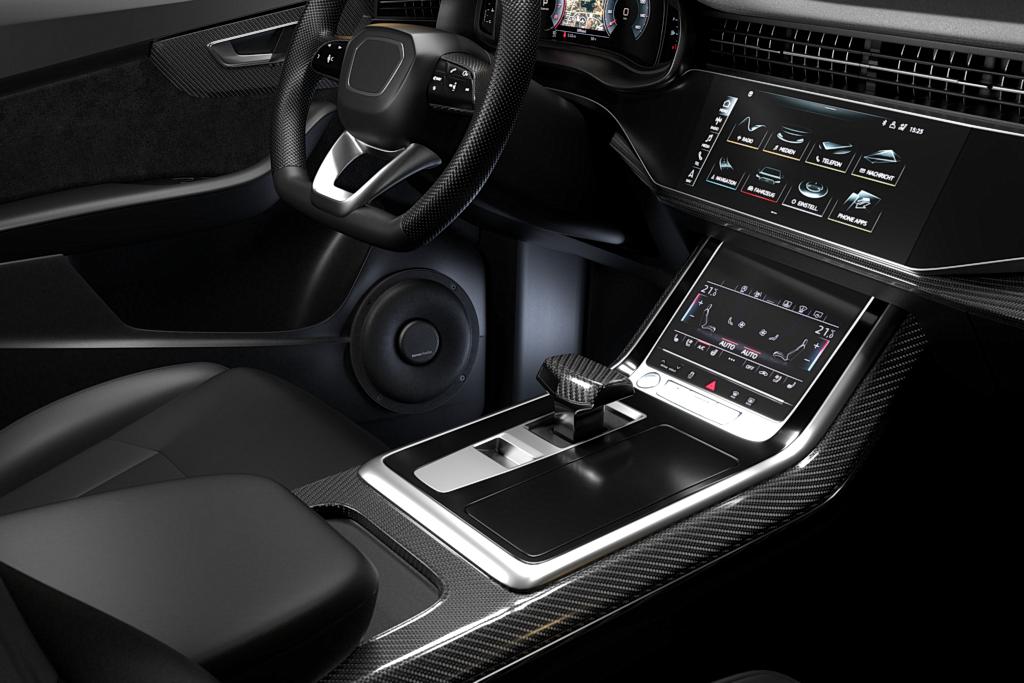
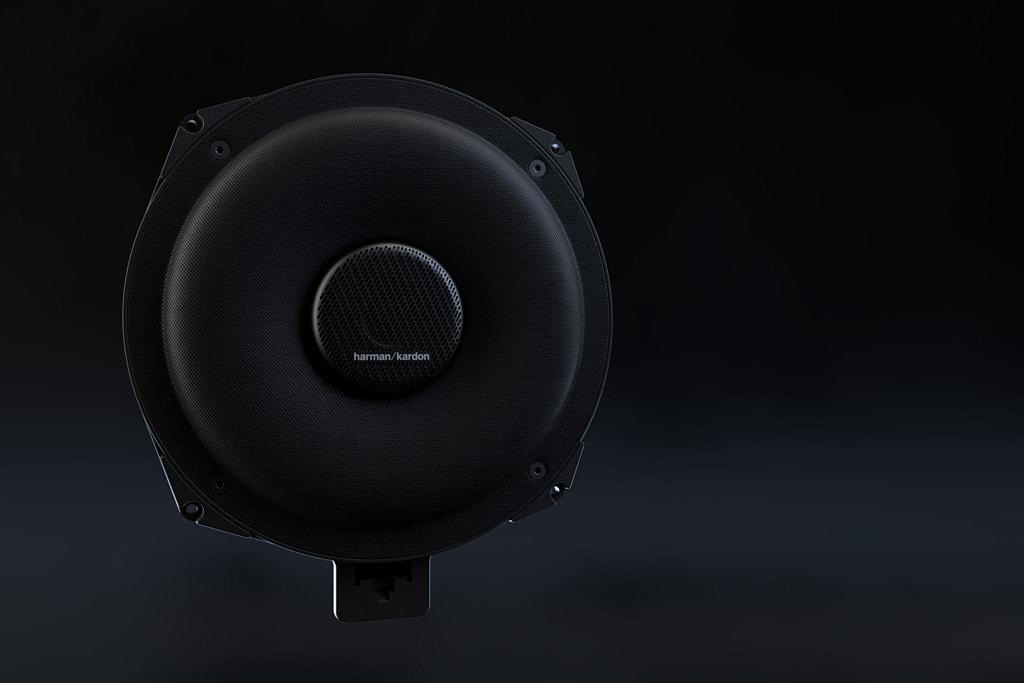
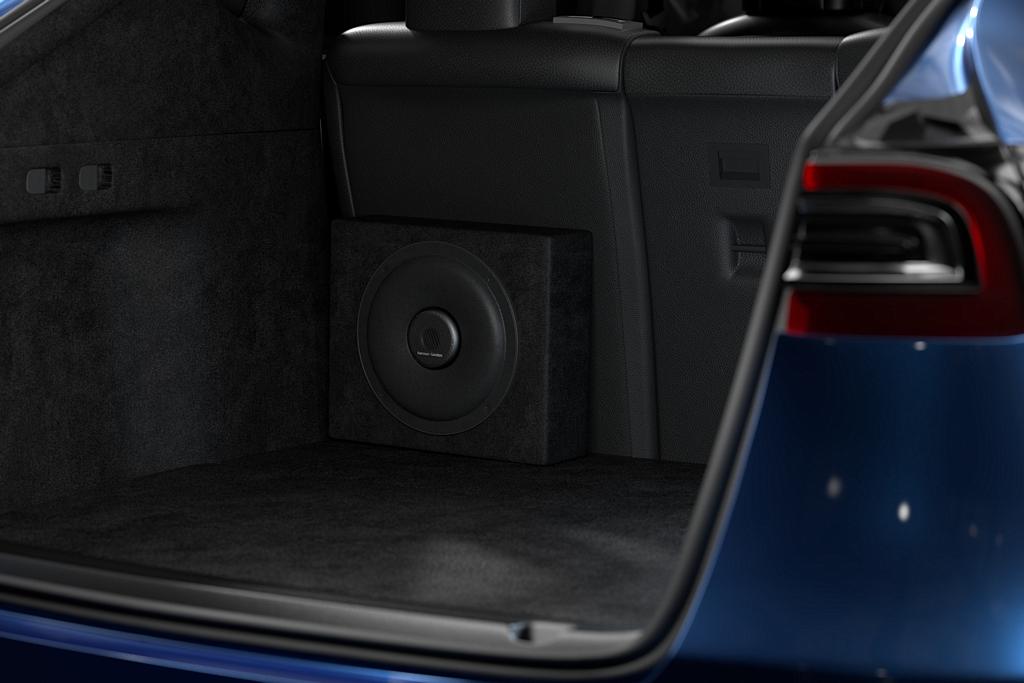
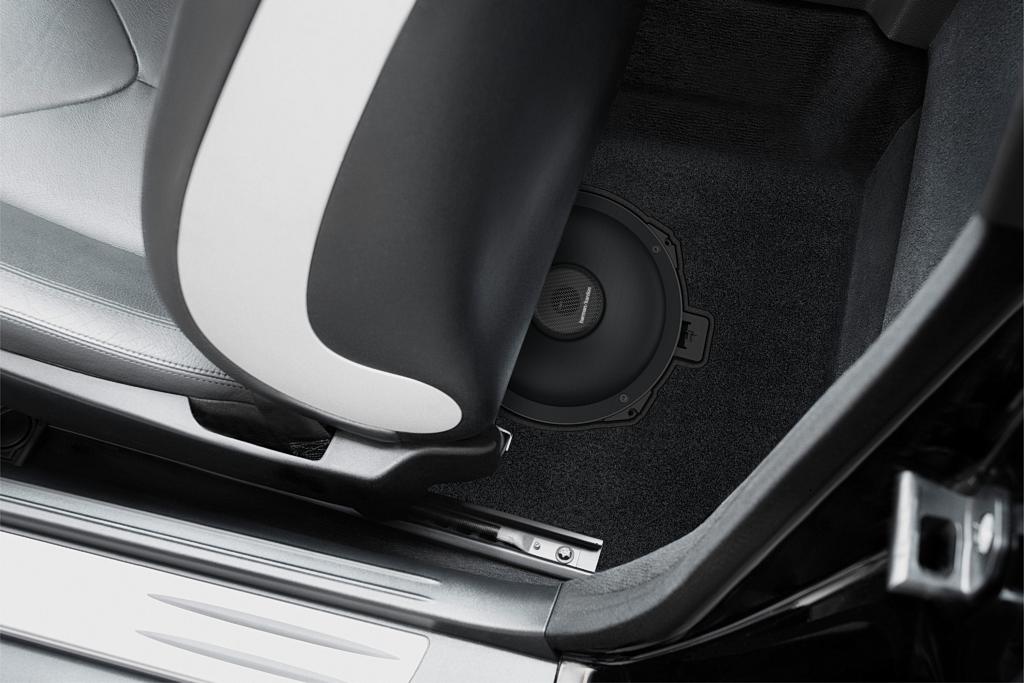
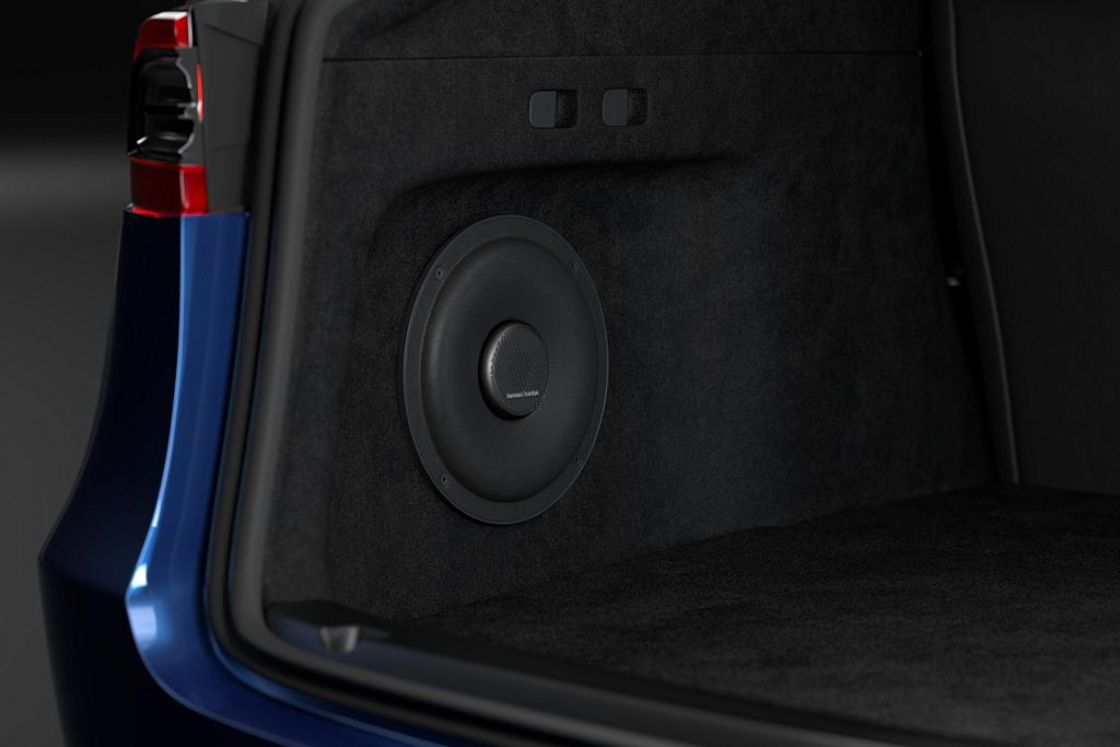
Of course, replacing the main speakers is only part of the story. Anyone who has tried to get genuinely powerful bass from a conventional car audio system knows that the real problem is often finding somewhere to put the subwoofer. A large enclosure in the trunk may produce excellent results, but it also consumes space that could otherwise be used for luggage, shopping, or all the miscellaneous items that tend to accumulate in a family car. Harman Kardon's new subwoofers tackle this problem from two different directions. The Flow 80 is a slim, eight-inch driver featuring a neodymium magnet and an inverted motor arrangement, designed to achieve useful bass performance within a shallow mounting profile. More interestingly, it has been developed as a direct-fit upgrade for selected BMW models. A dedicated mounting frame and factory-style plug-and-play connector allow it to occupy the original underseat speaker location without cutting the vehicle's wiring or undertaking extensive modifications. Considering Harman Kardon's long history of developing original-equipment audio systems for BMW, creating an aftermarket upgrade that works with the manufacturer's existing installation layout seems like a natural next step.
The Feel 700 approaches the same space problem from a more universal perspective. Unlike the Flow 80, which is essentially a dedicated driver intended to work within an existing installation, the Feel 700 is a complete active subwoofer with its own amplifier and enclosure. It uses a seven-inch woofer powered by a Class D amplifier delivering 125 W RMS, all housed in an aluminum cabinet just 58 mm (2.3 inches) tall. The design is intended primarily for installation beneath a seat, allowing owners to add some much-needed low-frequency weight without sacrificing trunk space. Adjustable crossover frequency, output level, and bass boost make it possible to tailor the response to the existing system, while installations requiring more low-frequency output can employ two units. This is not the kind of subwoofer intended to compete with enormous trunk-mounted enclosures capable of generating nightclub-level sound pressure. Its purpose is considerably more practical: adding a convincing bass foundation to a factory or upgraded audio system while leaving the passenger compartment and luggage area essentially unchanged.
And that practical approach is what makes the entire range interesting. Harman Kardon hasn't simply introduced a collection of unrelated car speakers and subwoofers. Instead, the lineup gives owners several possible upgrade paths. Someone dissatisfied with the original speakers can begin with a set of Fit replacements, keeping the factory amplifier and wiring wherever appropriate. A more ambitious listener can install a proper two-way component system, perhaps moving to the Flow range and adding dedicated midrange drivers later. A compact underseat subwoofer can provide the finishing touch without turning the trunk into an equipment cabinet. Naturally, successful results still depend on correct installation, suitable amplification, and careful system tuning. More expensive speakers cannot compensate for every limitation of a factory audio system, particularly when complex equalization or active crossovers are involved. Nevertheless, the range provides a useful starting point for drivers who want a meaningful improvement without having to redesign their vehicle's entire interior.
This is also an interesting development for Harman Kardon as a brand. For decades, its reputation in the automotive world has been closely tied to systems engineered in cooperation with vehicle manufacturers. That business requires a different approach from traditional aftermarket car audio, where installers and enthusiasts are free to choose individual components, experiment with amplification, and optimize the installation for their own priorities. The Fit and Flow ranges bring some of Harman Kardon's established acoustic technologies into that more flexible environment, while the BMW-specific Flow 80 demonstrates how knowledge gained from original-equipment projects can be put to use in aftermarket applications. The result is a lineup that should appeal both to drivers looking for a relatively painless factory speaker replacement and to enthusiasts planning more elaborate installations.
The extended range includes fourteen Fit speaker designs, four Flow models, and two compact subwoofer options. Availability and pricing vary by market, but several products are already offered by specialist car audio retailers. In continental Europe, the Fit 6C component system is listed at around €300, while the more advanced Flow 600CF costs approximately €599 and the BMW-compatible Flow 80 subwoofer around €279. In the United Kingdom, typical listed prices include £269 for the Fit 6C, £499 for the Flow 600CF, £249 for the Flow 80, and £299 for the active Feel 700, although discounted offers can be found. Official current US pricing across the complete range has not been consistently confirmed. Info and photos by Harman Kardon.