Displaying items by tag: headphone - StereoLife Magazine

Sony NW-WM1ZM3 i NW-WM1AM3

If there's one thing Sony has demonstrated over the years, it's that the Walkman is remarkably difficult to kill. The original portable cassette player changed the way people listened to music, turning what had previously been a largely stationary activity into something they could enjoy almost anywhere. Back then, the priorities were fairly straightforward: reasonable sound quality, compact dimensions, long battery life, and enough room in your bag for a few favorite tapes. Nearly half a century later, the world looks very different. For most people, a smartphone and a pair of wireless earbuds provide everything they could possibly need, with millions of recordings available at the touch of a screen. Yet Sony continues to develop dedicated portable music players, including some that cost more than an entire high-end stereo system. The latest examples are the NW-WM1ZM3 and NW-WM1AM3, two new members of the company's prestigious Signature Series. Both feature upgraded S-Master HX digital amplifiers, extensively redesigned power supplies, sophisticated noise-reduction measures, and larger 5.5-inch touchscreens. They also support high-resolution audio, modern streaming services, and advanced signal processing. But their real purpose is something rather more specific: to convince demanding listeners that a dedicated music player can still offer something a smartphone cannot.

iFi Audio iCAN Phantom 1.5

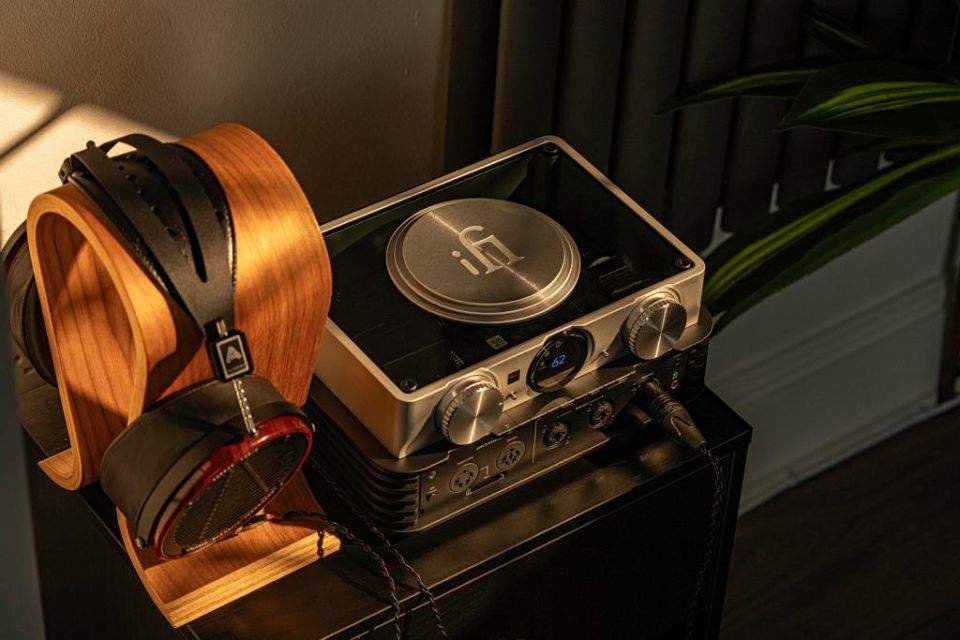
Building a serious headphone collection can get complicated remarkably quickly. A pair of sensitive in-ear monitors might work beautifully with a small portable DAC, but plug them into a powerful desktop amplifier and suddenly there's audible hiss in the background. Planar magnetic headphones present a different challenge, often demanding considerably more current than their size would suggest. And if you decide to explore electrostatic headphones, you're entering another world altogether, complete with specialized amplification and high-voltage requirements. Before long, what started as a relatively simple listening setup can turn into a collection of amplifiers, power supplies, and cables, each serving a slightly different purpose. iFi Audio believes there's a better way. Its new iCAN Phantom 1.5 is an updated version of the company's flagship analog headphone amplifier and preamplifier, designed to accommodate practically every type of headphone from a single chassis. The original iCAN Phantom arrived in 2023 as the successor to the Pro iCAN Signature, bringing together several technologies that would normally require separate components. The 1.5 edition doesn't reinvent that concept, but introduces a series of refinements aimed at making this exceptionally versatile amplifier easier to configure, operate, and live with.

JBL Quantum 520

Gaming headsets have come a long way from the days when their main selling points were oversized earcups, an enormous microphone, and enough colored LEDs to illuminate an entire room. These days, manufacturers are paying considerably more attention to sound quality, spatial accuracy, wireless performance, and the ability to use the same headphones for activities other than gaming. JBL has been particularly active in this area, gradually expanding its Quantum series with models aimed at different types of players and budgets. The latest addition is the Quantum 520, a full-size wireless gaming headset that combines 50 mm dynamic drivers, JBL Quantum Spatial Sound, a detachable directional microphone, and three connection options. Users can choose between low-latency 2.4 GHz wireless transmission, Bluetooth 5.4, and wired USB-C audio, making the Quantum 520 suitable for everything from competitive gaming to listening to music on a smartphone. Hi-Res Audio support, extensive customization through JBL QuantumENGINE, and up to 37 hours of battery life complete a surprisingly versatile package.

Technics EAH-A1000

Developing a successful pair of wireless headphones is one thing. Taking technology originally designed for tiny in-ear monitors and adapting it to a full-size over-ear model is something else entirely. That's precisely what Technics has done with the EAH-A1000, its new flagship wireless headphones and the long-awaited successor to the EAH-A800. Rather than simply updating the styling, improving noise cancellation, and adding a few features to keep up with the competition, the Japanese manufacturer has gone back to the drawing board. The centerpiece is an entirely new 40 mm Magnetic Fluid Driver, incorporating technology previously used in the company's EAH-TZ700 in-ear monitors and EAH-AZ100 wireless earbuds. The driver combines magnetic fluid stabilization with a carbon fiber diaphragm and a suspension design derived from Technics' high-end loudspeakers. Add adaptive active noise cancellation, advanced spatial audio capabilities, three-device Bluetooth multipoint, and a completely redesigned headband, and the result looks like a considerably more ambitious product than a conventional generational update.

FiiO FG3

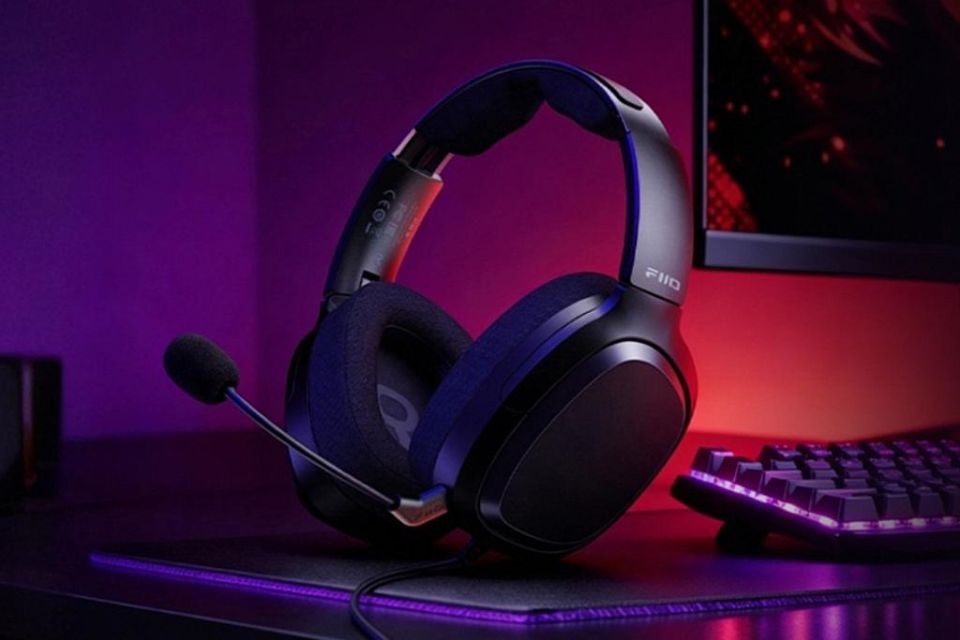
For years, FiiO has remained firmly focused on portable and personal audio, more recently expanding into full-size desktop and home hi-fi components. The Chinese company started with compact headphone amplifiers and DACs before building an extensive portfolio of digital audio players, in-ear and over-ear headphones, desktop equipment, streamers, and even devices designed for playing cassette tapes and CDs. Now, FiiO is opening another chapter in its history, this time turning its attention to gamers. The FG3 is the brand's first full-size gaming headset. According to the manufacturer, however, the objective was not simply to develop another conventional gaming accessory. Instead, FiiO decided to apply the engineering knowledge accumulated through years of designing hi-fi equipment and then add the features required for gaming, including a microphone, spatial audio processing, dedicated sound profiles, and convenient access to essential controls.

Canor Crius H5S

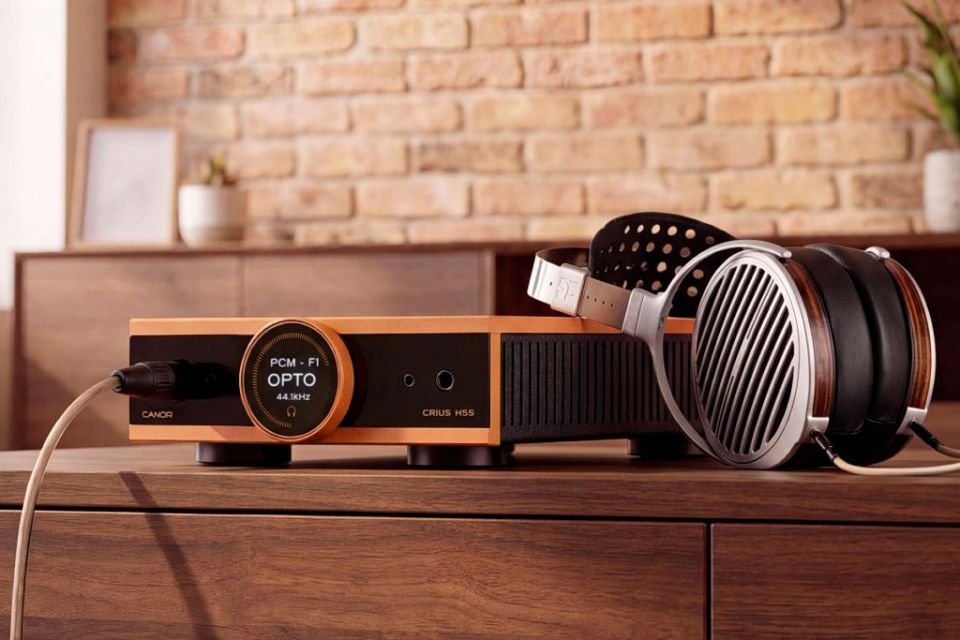
For many years, Canor built its reputation primarily on tube-based audio equipment, but the Slovak manufacturer has recently been expanding its solid-state offerings with increasing confidence. The latest example of this strategy is the Crius H5S, a compact headphone amplifier, digital-to-analog converter, and preamplifier combined in a single chassis. The new model marks the debut of the Essential Line, a series intended to bring engineering solutions developed for Canor's more expensive components into smaller, more versatile, and more affordable products. Although the Crius H5S has been designed primarily for owners of high-quality headphones, it can also serve as the control center of a compact stereo system, feeding a separate power amplifier or active speakers.

iFi Audio iDSD GR 2 MT

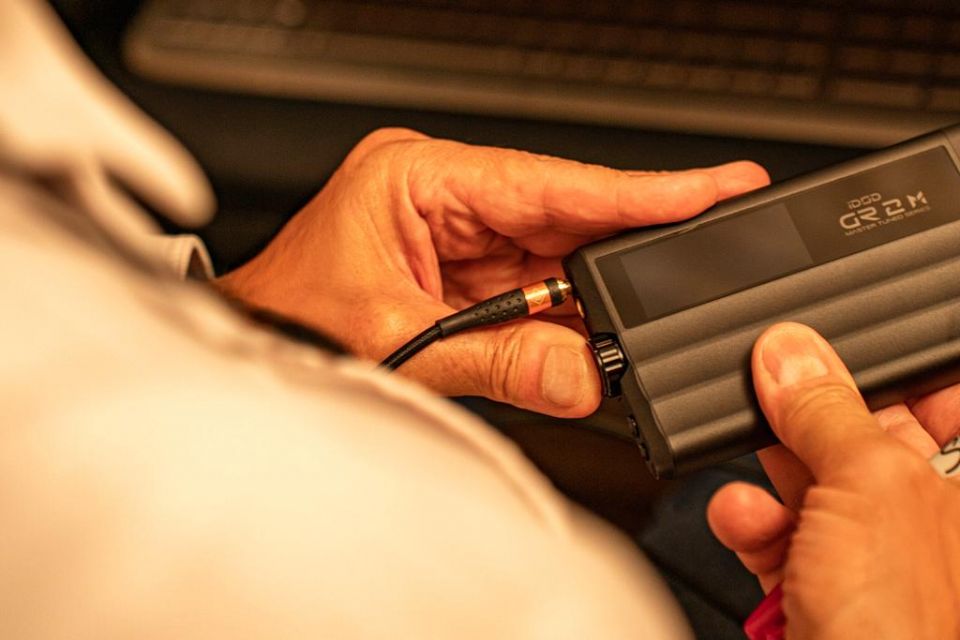
It hasn't been long since the launch of the iDSD GR 2, but iFi Audio has already prepared a special version of its latest portable DAC and headphone amplifier. The iDSD GR 2 MT, with the final letters standing for "Master Tuned," was developed in collaboration with Steve Levine, the British record producer whose credits include Culture Club, The Beach Boys, Gary Moore, and Motörhead. This is not, however, the usual kind of special edition where the differences amount to a new finish, a celebrity signature, and a few additional menu options. For the GR 2 MT, iFi has upgraded several components in the analog signal path, replaced the circuit board material, and introduced two exclusive digital filters developed with Levine. The starting point remains the standard iDSD GR 2, introduced in June 2026 as the successor to the popular xDSD Gryphon. Rather than treating it as a modest update, iFi approached the GR 2 as a substantially new design, introducing a revised DAC architecture, fully balanced amplification, a color OLED touchscreen, and support for the latest wireless audio technologies. At the heart of its digital section is the Burr-Brown PCM1795, a current-output DAC chip that gave the company's engineers considerable freedom in designing the analog circuitry that follows it.

Fosi Audio S3, ZD3, ZH3 & PSU20

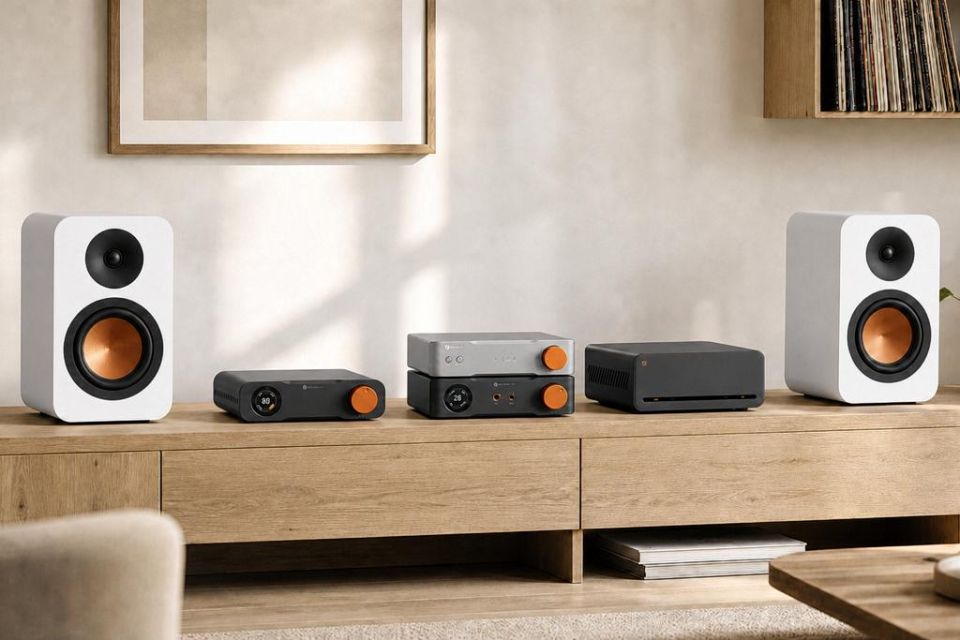
Fosi Audio started out making small, affordable amplifiers designed to deliver as much performance as possible for relatively little money, while occupying considerably less space on a desk or shelf than conventional hi-fi equipment. Over time, however, the Chinese company's portfolio has expanded well beyond that original concept. DACs, preamplifiers, monoblocks, headphone amplifiers, and, more recently, loudspeakers and a dedicated music streamer have all joined the lineup. Now, Fosi Audio is attempting to bring these developments together into something that can reasonably be described as a complete audio ecosystem. At its core are four components with similar dimensions and a consistent visual identity: the S3 network streamer, ZD3 digital-to-analog converter, ZH3 headphone amplifier, and PSU20 linear power supply. Each can operate independently, but all four have been designed with the idea that users can gradually assemble a more sophisticated system as their requirements evolve.

Nothing Headphone (1) Pro

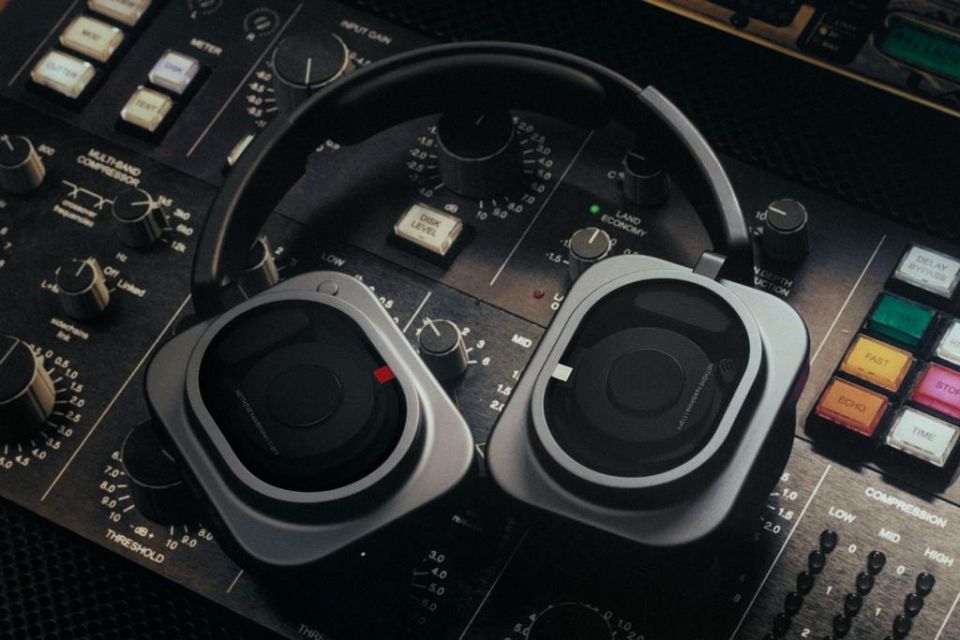
Nothing has never been particularly interested in making products that look like everyone else's. From transparent smartphones to earbuds that resemble tiny pieces of industrial machinery, the London-based company has built much of its identity around doing things differently, sometimes simply for the pleasure of standing out. Its latest flagship headphones, however, suggest that the brand is becoming increasingly ambitious about what happens inside those distinctive enclosures. The new Headphone (1) Pro retains the partly transparent design introduced with the original Headphone (1), but the real changes are hidden beneath the surface. Instead of relying on a single dynamic driver in each earcup, Nothing has developed an unusual three-driver arrangement that includes a miniature solid-state xMEMS tweeter. There are also extensive sound customization options, a dedicated Flat EQ mode, tuning developed in collaboration with London's Metropolis Studios, adaptive active noise cancellation, and spatial audio with head tracking. It's a surprisingly elaborate combination for a company that only entered the full-size headphone market relatively recently, and one that clearly aims to challenge more established players in the premium wireless category.

JBL Quantum 120

Not every gaming headset needs a wireless transmitter, a rechargeable battery, or a collection of features that require half an hour of configuration before you can start playing. Sometimes, a good pair of headphones, a decent microphone, and a cable are all you really need. That's the idea behind the JBL Quantum 120, a new entry-level gaming headset that brings some of the technology found in the company's more expensive models to a much more affordable package. Rather than competing with sophisticated wireless designs, JBL has kept things relatively simple, combining a conventional 3.5 mm connection with large 50 mm dynamic drivers, a detachable microphone, and support for its Quantum Spatial Sound processing and QuantumENGINE software. The result is a headset aimed at gamers who want solid performance and useful features without paying extra for wireless connectivity they might not actually need.

We use cookies to improve our website and your experience when using it. To find out more about the cookies we use and how to delete them, please see our Privacy Policy.