Displaying items by tag: amplifier - StereoLife Magazine

Marantz Model 70 & CD 70

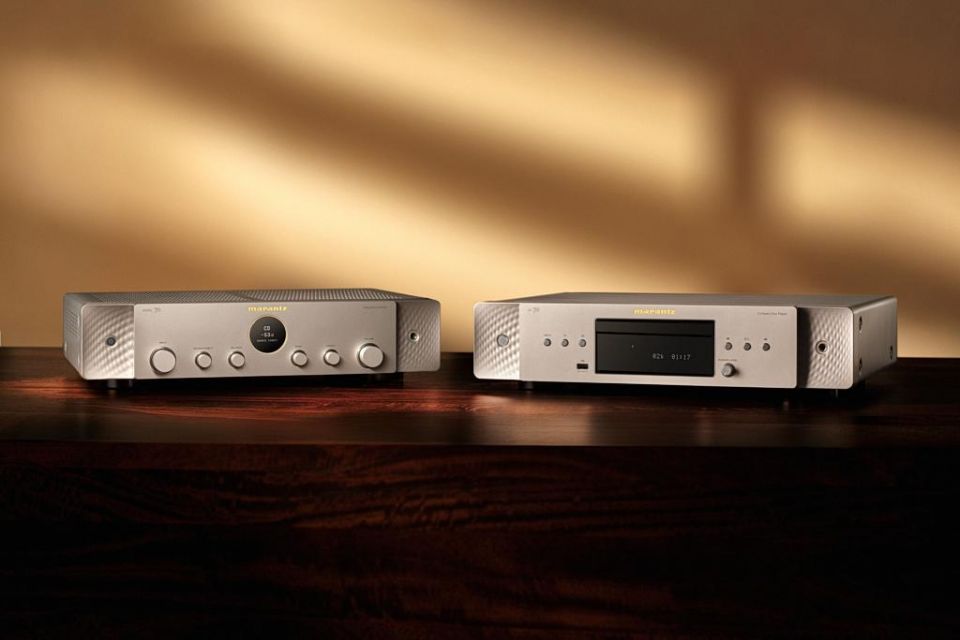
Marantz is refreshing the entry point to its traditional hi-fi range with two full-size components - the Model 70 integrated amplifier and the matching CD 70 player. The new duo follows in the footsteps of the popular PM6007 and CD6007, but the transition involves considerably more than a change of model numbers. Both products adopt the visual language previously associated with more expensive Marantz components, while the amplifier gains HDMI ARC, two-way Bluetooth connectivity and a revised amplification section. The CD player, meanwhile, combines conventional disc playback with high-resolution files from USB storage.
JadeAudio Level 1

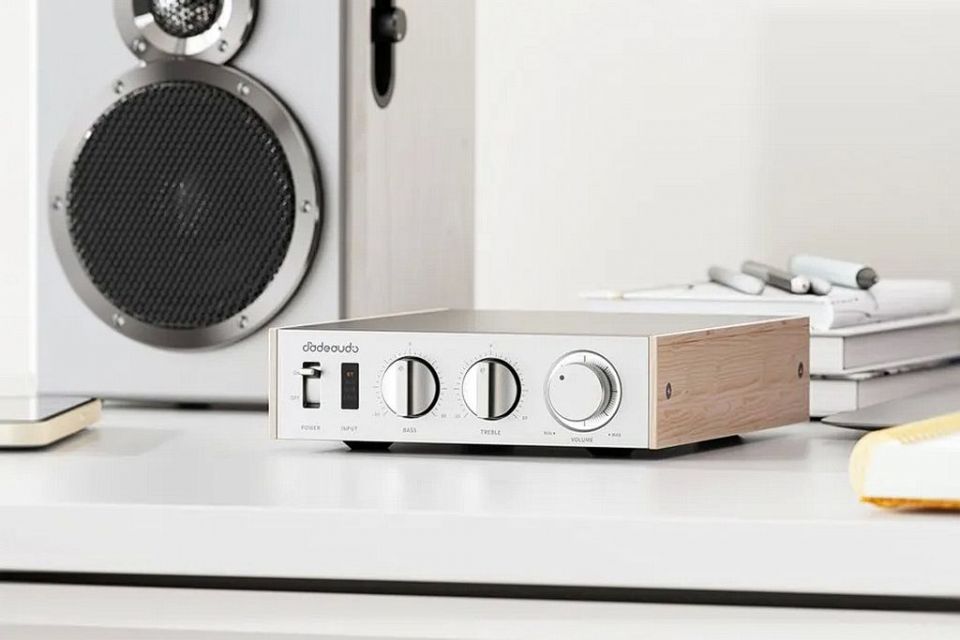
FiiO is expanding its range of desktop audio equipment with the Level 1, a compact integrated amplifier designed to drive passive loudspeakers. The new model combines a Class D power amplifier, a built-in digital-to-analogue converter, Bluetooth connectivity, traditional tone controls and outputs allowing the system to be expanded with an active subwoofer or an external power amplifier. All of this is housed in an aluminium enclosure with wooden side panels. The Level 1 is slightly different from the products with which the Chinese company has traditionally been most closely associated. Rather than another portable player or DAC with a headphone amplifier, it is intended to serve as the heart of a proper stereo system built around conventional passive loudspeakers. This may explain why the front panel carries the JadeAudio logo. Owned by FiiO, the brand is positioned as a younger, more modern alternative with a particularly strong focus on value for money. JadeAudio benefits from FiiO's technical resources, engineering experience and proprietary solutions, but products developed under this project carry their own JadeAudio branding.

Schiit Vestri

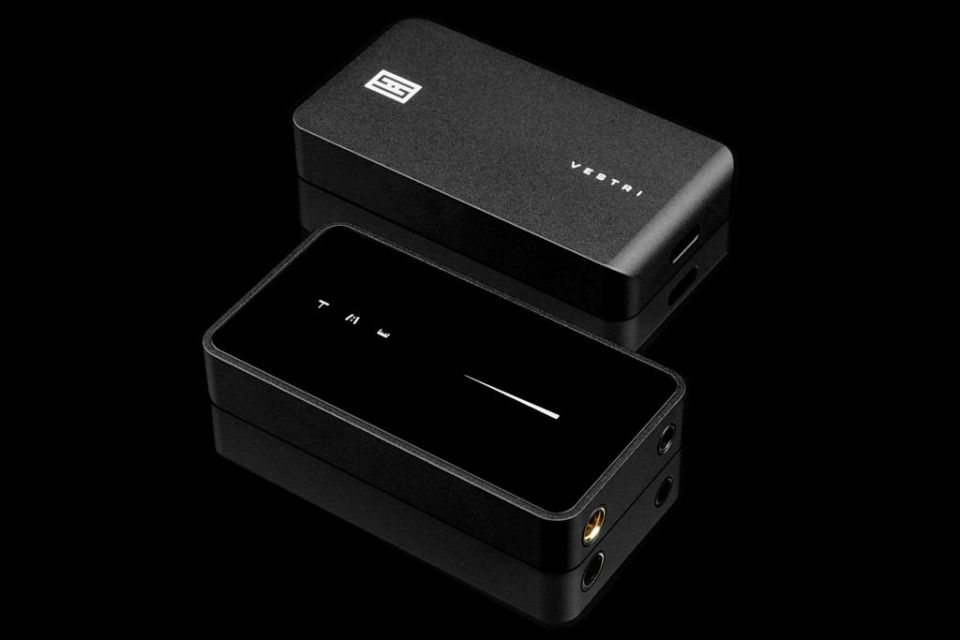
Schiit Audio has built a large part of its reputation around one deceptively difficult idea - making serious audio products at prices that still feel almost stubbornly reasonable. The Vestri takes that philosophy into the headphone DAC/amp dongle category, a segment crowded with small devices that often look similar, use similar chipsets and compete mostly on specification lists. Schiit is entering that space with its usual mixture of simplicity, engineering stubbornness and a few features that separate Vestri from the portable DAC/amp formula.

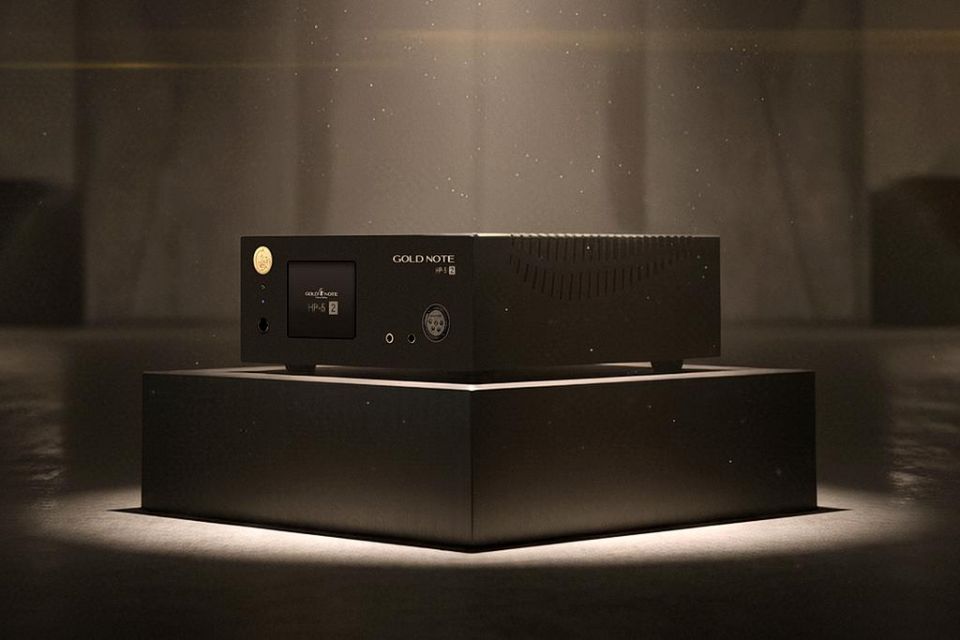
Gold Note HP-5.2

Gold Note has introduced the HP-5.2, a new high-end headphone amplifier that joins the Italian manufacturer's Series 5.2 lineup. The model is aimed at listeners who want a serious desktop or system-based headphone amplifier, but also expect a level of flexibility that goes beyond a conventional analog amp. In typical Gold Note fashion, the HP-5.2 combines a technically ambitious circuit with a relatively compact chassis, a touchscreen interface and a set of sound-shaping tools designed to work in the analog domain rather than through digital signal processing.

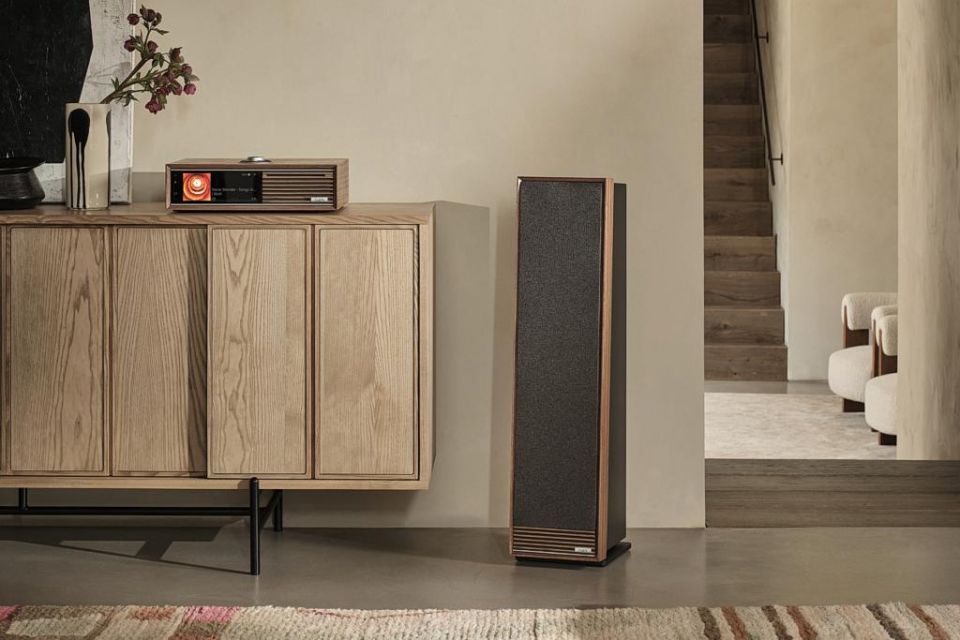
Ruark Audio R710 & Talisman-R

Ruark Audio has introduced two new products that fit neatly into the current move toward hi-fi systems combining several once-separate worlds - physical media, streaming, furniture-like design and a more integrated approach to home audio. The British company, which celebrates its 40th anniversary in 2026, has presented the R710 Music Console and the Talisman-R floorstanding speakers. Together, they form a complete stereo system in which the listener gets amplification, streaming, CD playback, turntable support and a pair of passive speakers designed to match the electronics both technically and visually.

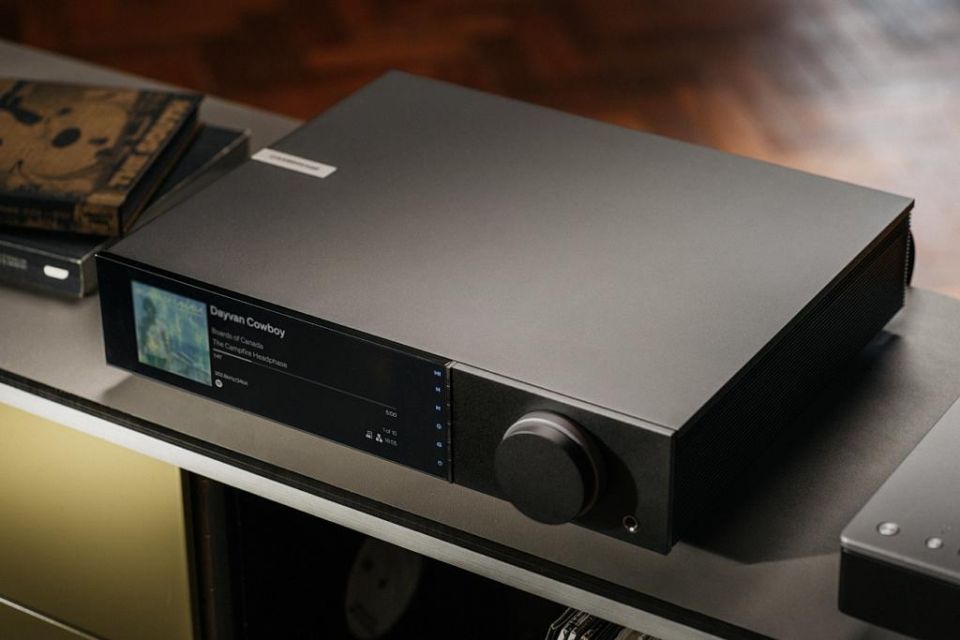
Cambridge Audio Evo 300

Cambridge Audio is expanding its Evo series, a range of all-in-one systems designed for listeners who want a real hi-fi setup without building a traditional stack of separate components. This approach has become one of the most interesting directions in modern home audio. More people now listen through streaming services, connect their systems to a TV, sometimes return to vinyl, and still want to keep passive loudspeakers and full-scale stereo sound. From the beginning, Evo was created for exactly that kind of user - connect speakers, configure the network, and use a single device that combines an amplifier, streamer, DAC, and a broad range of inputs. Now the British manufacturer is taking the concept further with the Evo 300, the most powerful and most advanced streaming amplifier in the history of the series.

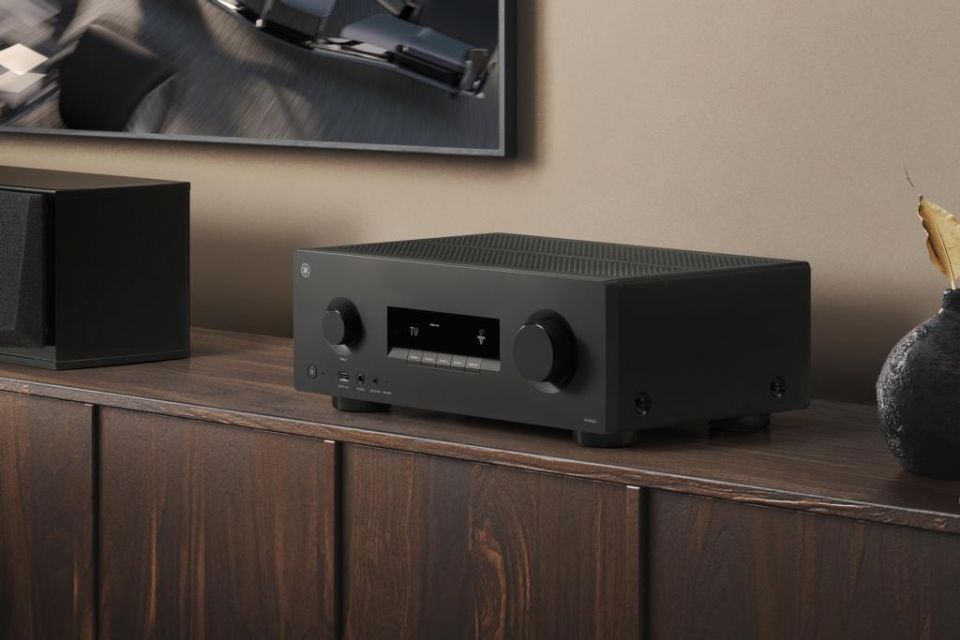
Yamaha RX300A & RX500A

Yamaha has introduced two new AV receivers, the RX500A and RX300A, designed to serve as modern hubs for home entertainment - from cinema and music to gaming. The manufacturer is clearly targeting users who want to build a system around conventional loudspeakers and an AV receiver, but also expect the convenience associated with modern TVs, consoles and streaming devices. The RX500A is a 7.2-channel design, while the RX300A is a 5.2-channel model, but both support Dolby Atmos, four HDMI inputs compatible with current video and gaming standards, Bluetooth Multipoint and automatic room correction. These are not AV receivers designed only for home cinema in the traditional sense, but rather versatile control units intended to bring films, series, sport, games and everyday music listening together in one relatively easy-to-use system.

iFi Audio GO link 2 Max

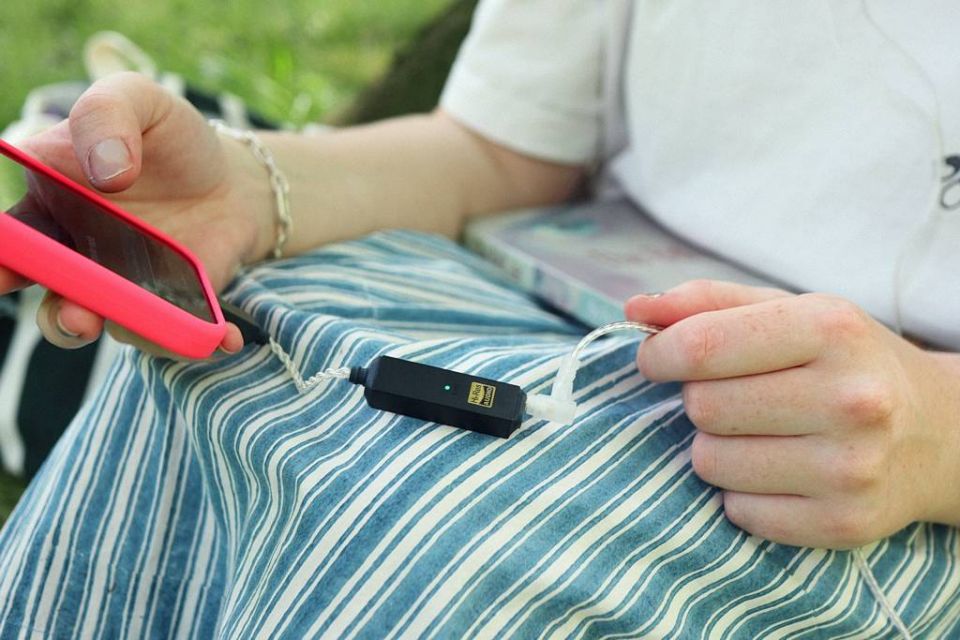
Not so long ago, a headphone socket on a smartphone was taken for granted. Today, many users have to choose between wireless headphones, a basic USB-C adapter, or a more serious dongle DAC with its own converter and headphone output stage. Not everyone wants to move entirely to Bluetooth. Good wired headphones still make sense. They do not need charging, they introduce no wireless latency, they do not depend on codec support, and they can often deliver better sound quality than wireless models at the same price. The problem is that more and more devices no longer give users a proper place to plug them in. The iFi Audio GO link 2 Max is designed as an answer to exactly that problem - a small USB-C adapter intended not only to replace the missing headphone socket, but also to improve on the average audio circuitry built into a phone, laptop, or tablet.

Moon 491 & 461

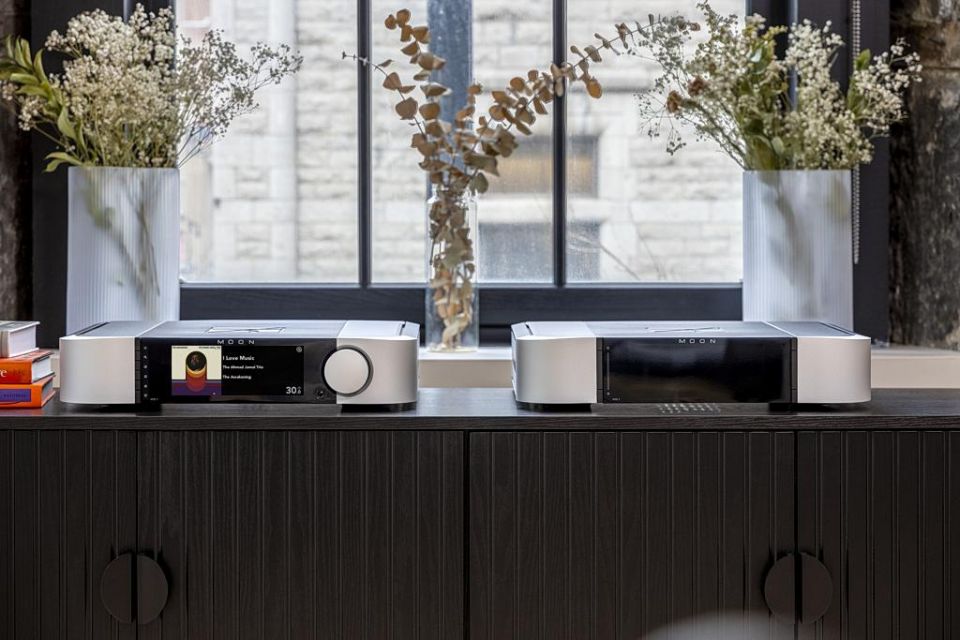
Moon is expanding its Compass Collection with two new components that clearly move the series closer to technologies previously associated with the brand's higher-end reference designs. After the 371, a complete streaming amplifier, the company is now introducing a classic two-box system made up of the 491 network player and preamplifier, and the 461 power amplifier. It is an interesting move, because the Compass Collection was originally positioned as a more accessible, compact and practical answer to the flagship North Collection, but it is now becoming clear that the idea is not simply to simplify the range. The new components are designed to bring some of Moon's more advanced technologies into a more traditional two-unit system, where one device handles sources, digital-to-analog conversion, volume control, vinyl playback and headphones, while the other takes care of driving the loudspeakers.

iFi Audio iDSD GR 2

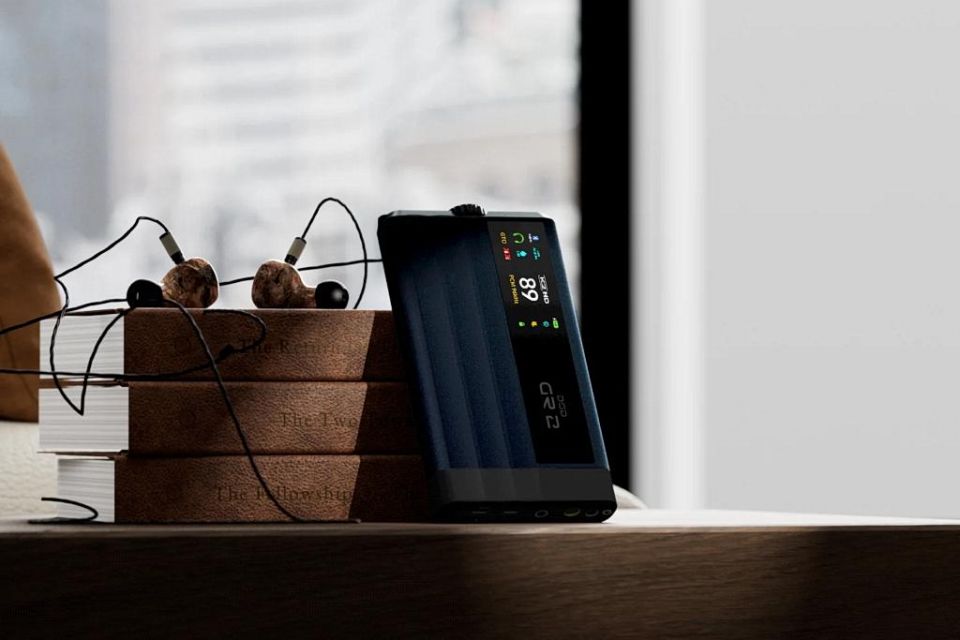
Portable listening is no longer just a matter of convenience. For a long time, taking better headphones and high-resolution files outside the home meant accepting a stack of compromises - weak headphone outputs, awkward adapters, short battery life, and small devices that often felt more like emergency solutions than serious audio components. That has changed. Portable DACs and headphone amplifiers have become a mature category of their own, designed not simply to make a phone or laptop usable with wired headphones, but to create a compact listening system that can travel from a desk to a hotel room, from a train seat to a vacation apartment, and still retain a meaningful degree of audio quality. iFi Audio has been one of the companies most closely associated with this shift, and the iDSD GR 2 is one of the most important new products in its portable lineup.

We use cookies to improve our website and your experience when using it. To find out more about the cookies we use and how to delete them, please see our Privacy Policy.