Displaying items by tag: amplifier - StereoLife Magazine

Arcam A50 Signature & CD25

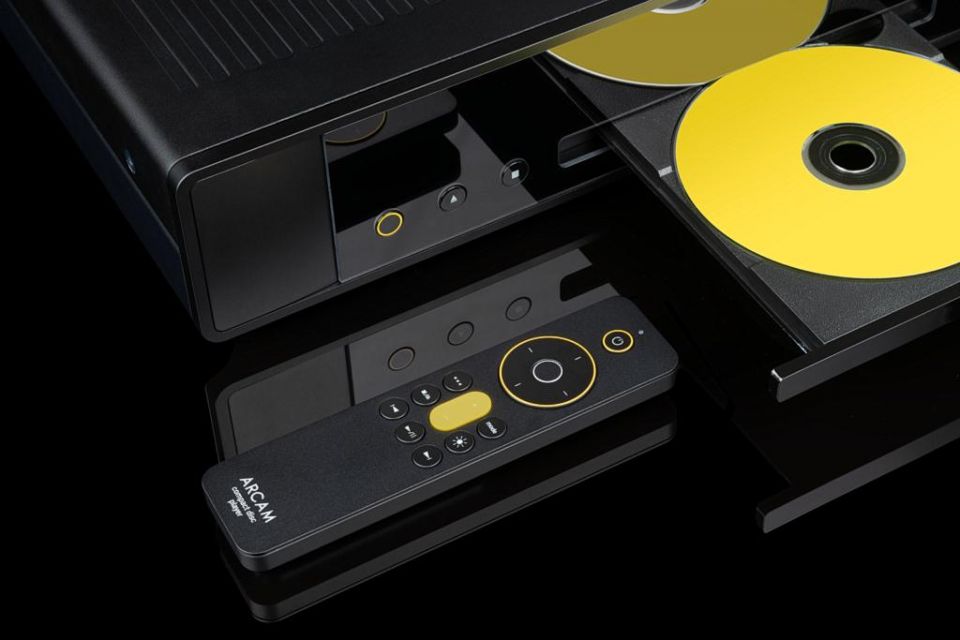
In 2026, Arcam celebrates its 50th anniversary. The British company's story began in Cambridge, where two engineering students and friends, John Dawson and Chris Evans, combined their interest in music with their technical expertise to establish Amplification and Recording Cambridge, later known as A&R Cambridge. Its first major product was the A60 integrated amplifier, introduced in September 1976. It not only gave the fledgling company a successful start, but also established the direction it would follow for decades to come. Although Arcam's catalogue eventually expanded to include disc players, digital-to-analogue converters, streamers and sophisticated home cinema electronics, amplifiers remained at the heart of the company's identity. To mark its golden anniversary, Arcam has introduced two new components positioned at the top of the Radia range - the A50 Signature integrated amplifier and the CD25 compact disc player.
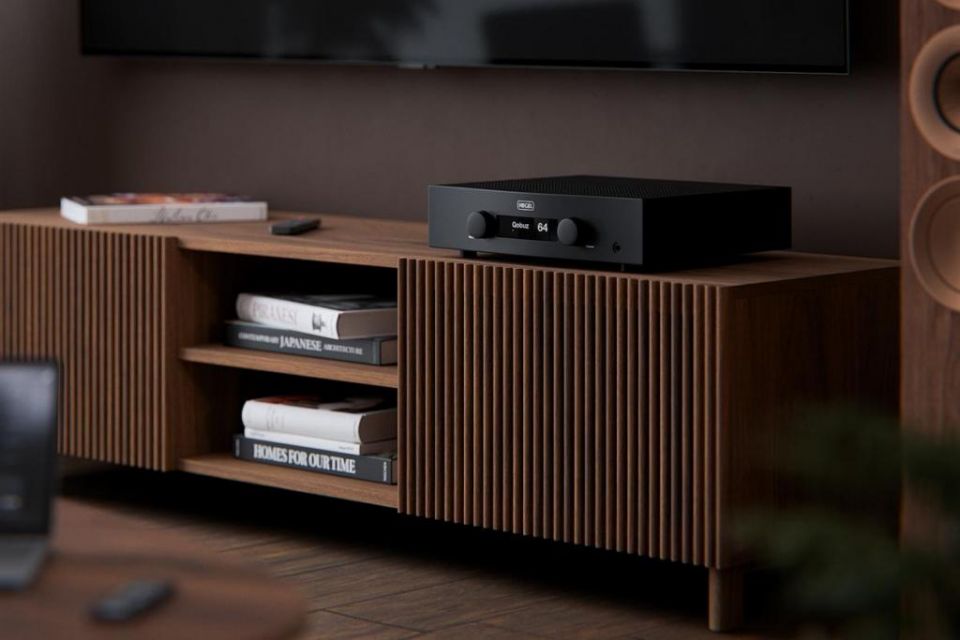
Hegel A200 & H200

Hegel is introducing two new integrated amplifiers built around the same core platform but aimed at different types of system. The H200, described by the manufacturer as "The Connected", combines a 2 x 150 W amplifier with a digital-to-analogue converter, network player, MM phono stage and headphone output. The A200, or "The Classic", retains the same power output and key circuit solutions, but is an entirely analogue design intended for use with external sources such as streamers and DACs. Both amplifiers employ a Class AB output stage delivering 150 W per channel into 8 ohms. The H200 and A200 are designed to remain stable into loads as low as 2 ohms, while the damping factor of their output stages exceeds 4000. Both models also feature Hegel's SoundEngine2 technology, which is designed to detect and reduce distortion at the point where it occurs, before it travels further through the signal path. The basic amplifier architecture is therefore shared, with the main differences concerning connectivity, features and the role each model is intended to play within a system. Rather than creating one heavily equipped amplifier for everyone, Hegel has developed two versions - a complete network-enabled model and a more traditional integrated amplifier without a digital section.

Buchardt Audio Mk2 Upgrade Kit

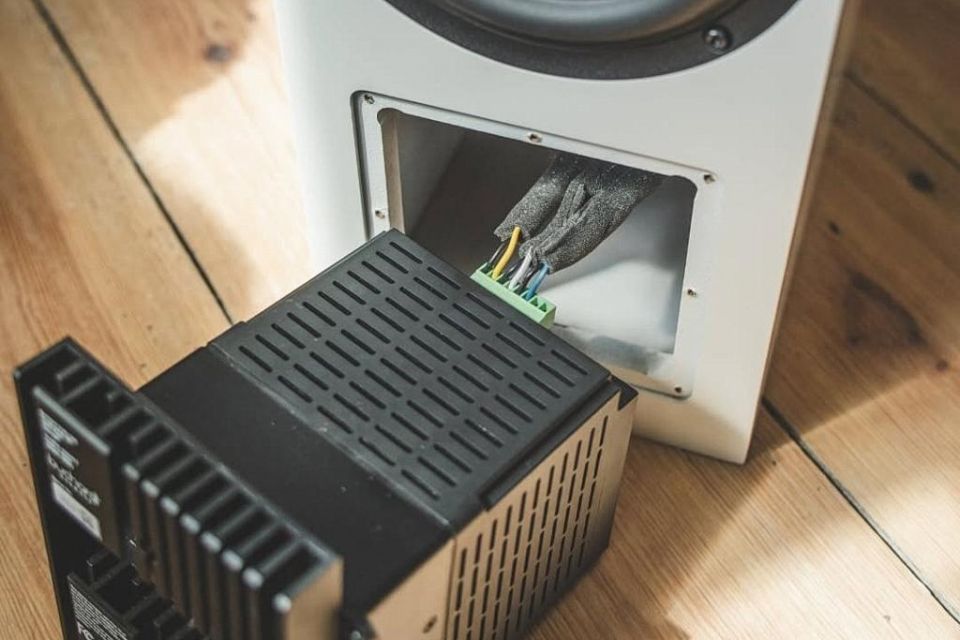
One of the traditional arguments against active loudspeakers is that their electronics age faster than their cabinets and drivers. An amplifier module can become outdated, streaming standards change and DSP platforms improve, while the acoustic part of a well-designed speaker may remain perfectly capable for decades. Buchardt Audio has been thinking about this problem since developing its first active models, and its latest product tackles it unusually directly. Rather than asking owners of A500, A500SE, A700, A700 Limited Edition or Anniversary 10 speakers to replace them with an entirely new generation, the Danish manufacturer has created the Mk2 Upgrade Kit - a user-installable package that replaces the complete amplifier, DSP and power-supply platform inside the existing cabinets. Selected models receive a new tweeter as well.

AudioQuest DragonFly Copper

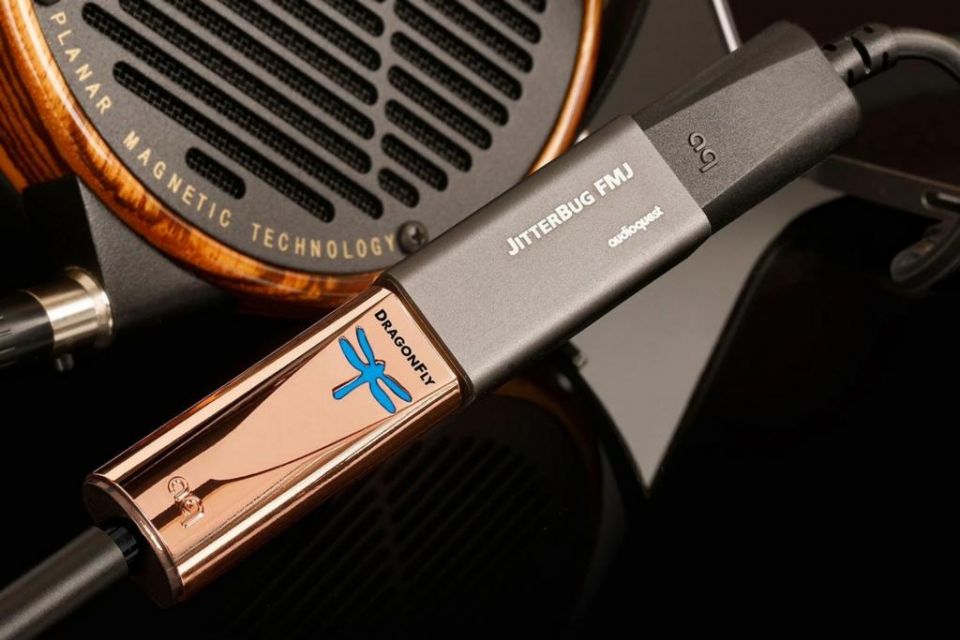
AudioQuest DragonFly is one of those products that hardly needs an introduction. The original model appeared in 2012 and helped turn the USB dongle DAC from a niche computer-audio accessory into a genuinely mainstream hi-fi product, with more than 300,000 DragonFlys sold worldwide since then. Black and Red followed in 2016, Cobalt arrived three years later, and then the series went quiet for almost seven years. Copper finally breaks that silence. Rather than simply updating Cobalt with a different finish, AudioQuest has substantially reworked the internal architecture, giving its latest DAC-preamp-headphone amplifier more output power, lower current consumption and a new copper-plated enclosure intended to improve RF noise dissipation.

Fyne Audio Cubitt 5

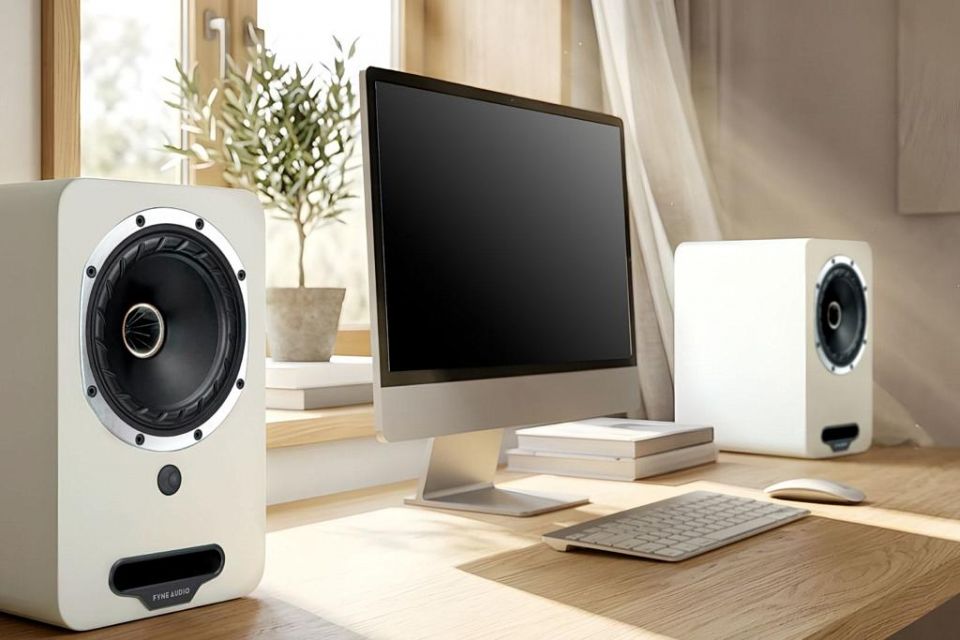
Fyne Audio has spent almost a decade building its reputation around conventional passive loudspeakers, from relatively affordable bookshelf models to imposing high-end designs made in Scotland. Cubitt 5 marks a rather important change of direction. It is the company's first fully active loudspeaker system, combining amplification, digital processing, wireless connectivity and a phono stage with one of Fyne's most recognizable technologies - the IsoFlare point-source driver. First shown publicly at the Shanghai AV Show in May and subsequently presented in Europe at High End Vienna, Cubitt 5 has now made its North American debut.

Marantz Cinema 50 Series 2, Cinema 60 DAB Series 2 & Cinema 70s Series 2

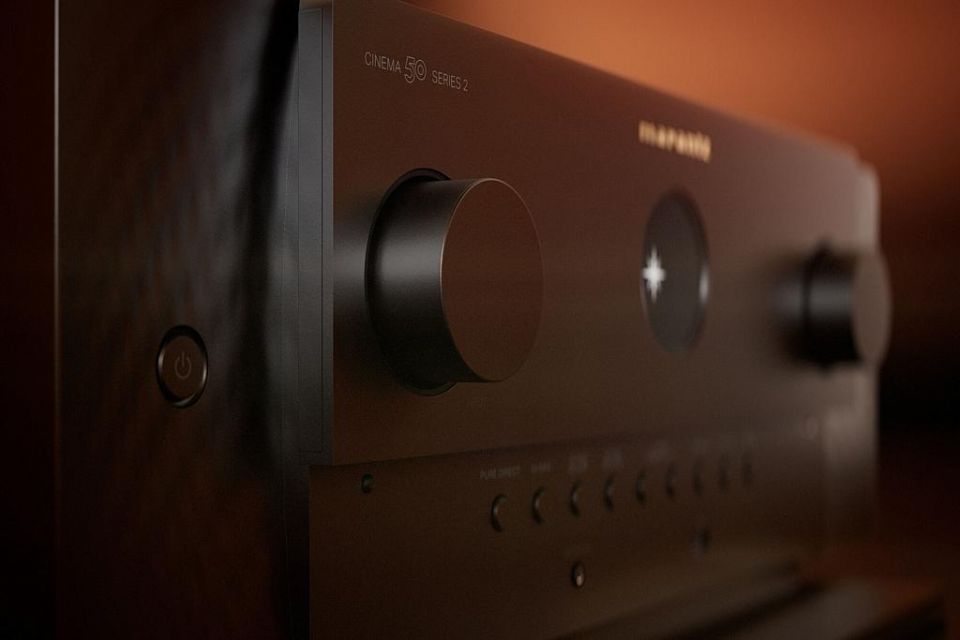
Marantz has introduced the second generation of its Cinema Series AV receivers. The new family consists of the Cinema 50 Series 2, Cinema 60 DAB Series 2 and slimline Cinema 70s Series 2. The company has not opted for a major visual overhaul, as the distinctive styling of the current range has proved to be one of its strongest features. Instead, the most important changes have been made inside the receivers and within their software. Marantz promises improved sound quality, wider access to Dirac Live room correction, new installation tools, expanded streaming capabilities and additional features designed for modern gaming PCs and consoles.

Klipsch The Fives II, The Sevens II & The Nines II

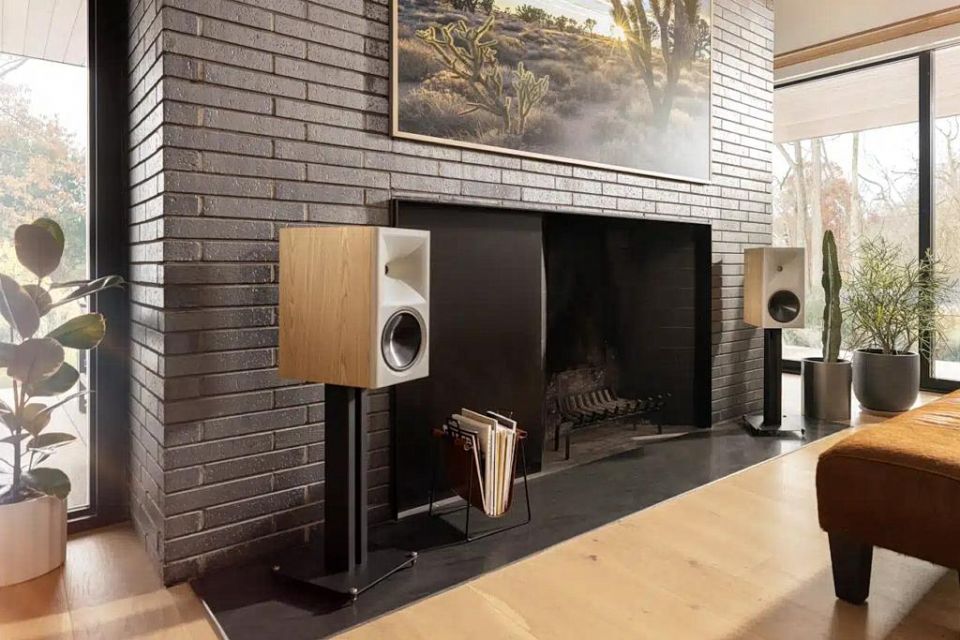
Klipsch is celebrating its 80th anniversary with a major overhaul of one of the most recognizable parts of its powered-speaker lineup. The Fives II, The Sevens II and The Nines II retain the familiar three-step hierarchy of the previous generation, but little else has simply been carried over. All three models combine Klipsch's horn-loaded acoustic design with a completely new electronics platform developed by Onkyo engineers in Osaka, while adding built-in network streaming, HDMI 2.1, Dolby Atmos and a much broader range of system functions. The new generation was first shown at CES 2026 and has since reached stores in the US, UK and Europe.

Marantz Model 70 & CD 70

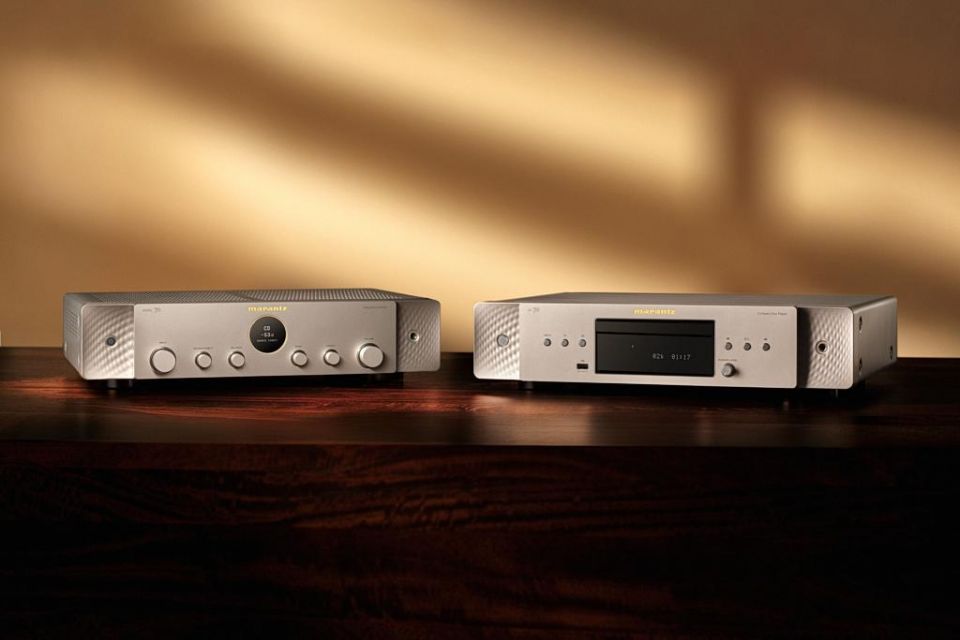
Marantz is refreshing the entry point to its traditional hi-fi range with two full-size components - the Model 70 integrated amplifier and the matching CD 70 player. The new duo follows in the footsteps of the popular PM6007 and CD6007, but the transition involves considerably more than a change of model numbers. Both products adopt the visual language previously associated with more expensive Marantz components, while the amplifier gains HDMI ARC, two-way Bluetooth connectivity and a revised amplification section. The CD player, meanwhile, combines conventional disc playback with high-resolution files from USB storage.

JadeAudio Level 1

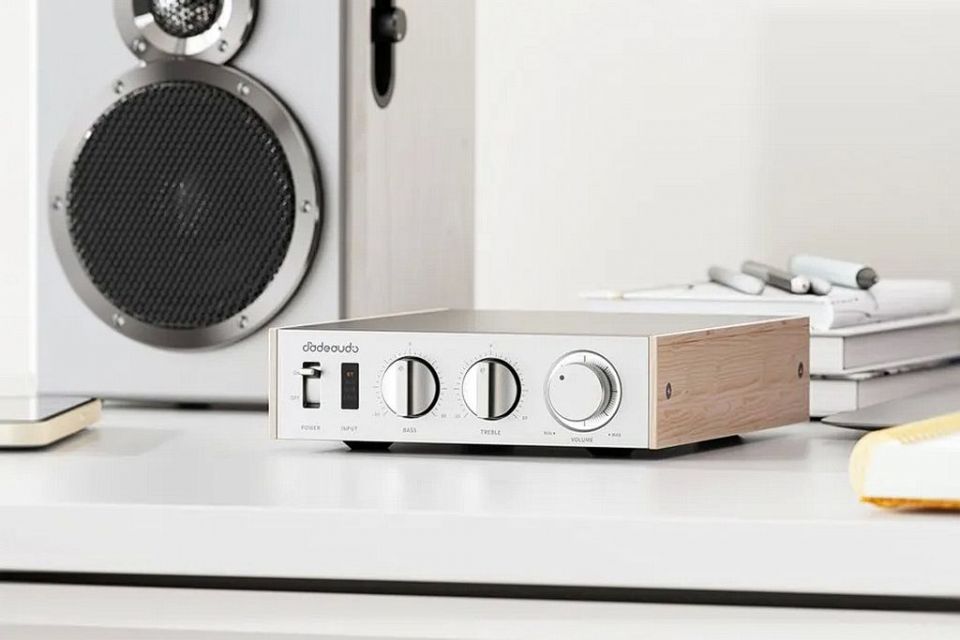
FiiO is expanding its range of desktop audio equipment with the Level 1, a compact integrated amplifier designed to drive passive loudspeakers. The new model combines a Class D power amplifier, a built-in digital-to-analogue converter, Bluetooth connectivity, traditional tone controls and outputs allowing the system to be expanded with an active subwoofer or an external power amplifier. All of this is housed in an aluminium enclosure with wooden side panels. The Level 1 is slightly different from the products with which the Chinese company has traditionally been most closely associated. Rather than another portable player or DAC with a headphone amplifier, it is intended to serve as the heart of a proper stereo system built around conventional passive loudspeakers. This may explain why the front panel carries the JadeAudio logo. Owned by FiiO, the brand is positioned as a younger, more modern alternative with a particularly strong focus on value for money. JadeAudio benefits from FiiO's technical resources, engineering experience and proprietary solutions, but products developed under this project carry their own JadeAudio branding.

Schiit Vestri

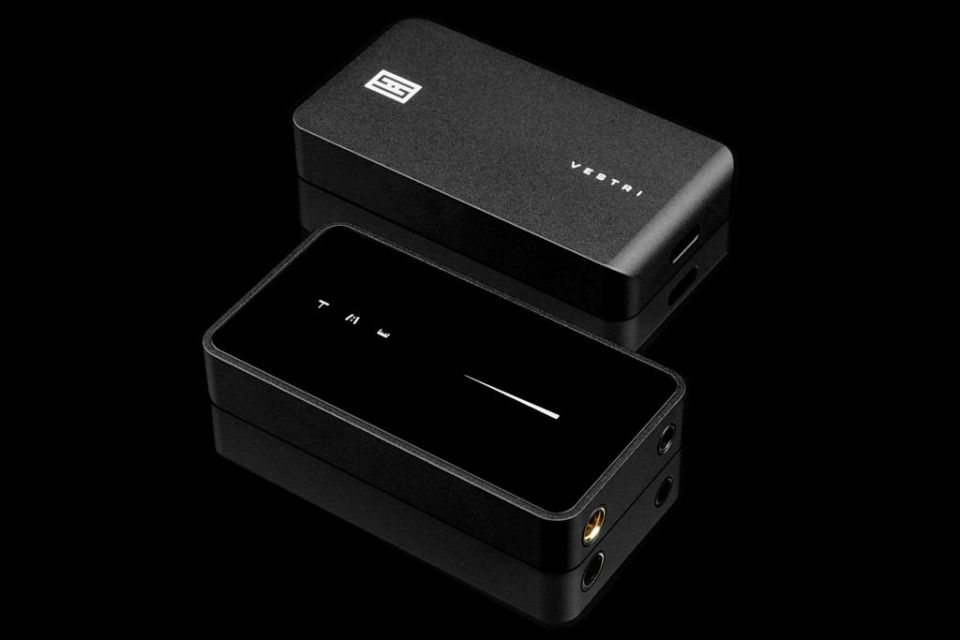
Schiit Audio has built a large part of its reputation around one deceptively difficult idea - making serious audio products at prices that still feel almost stubbornly reasonable. The Vestri takes that philosophy into the headphone DAC/amp dongle category, a segment crowded with small devices that often look similar, use similar chipsets and compete mostly on specification lists. Schiit is entering that space with its usual mixture of simplicity, engineering stubbornness and a few features that separate Vestri from the portable DAC/amp formula.

We use cookies to improve our website and your experience when using it. To find out more about the cookies we use and how to delete them, please see our Privacy Policy.