
- News
- Posted
Bowers & Wilkins 800 Series Diamond D5
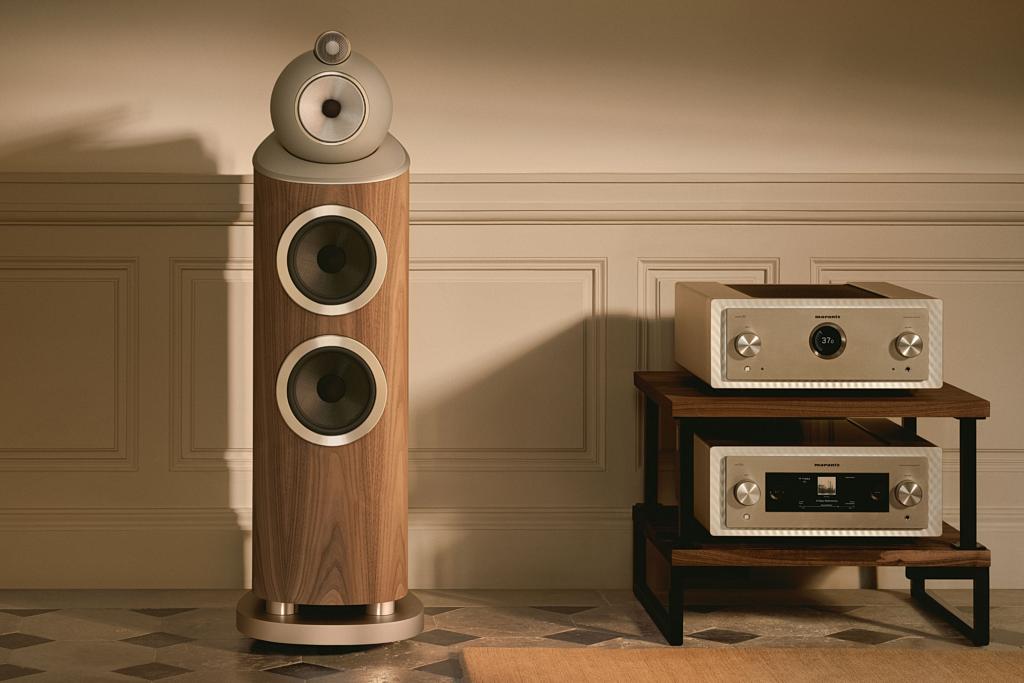
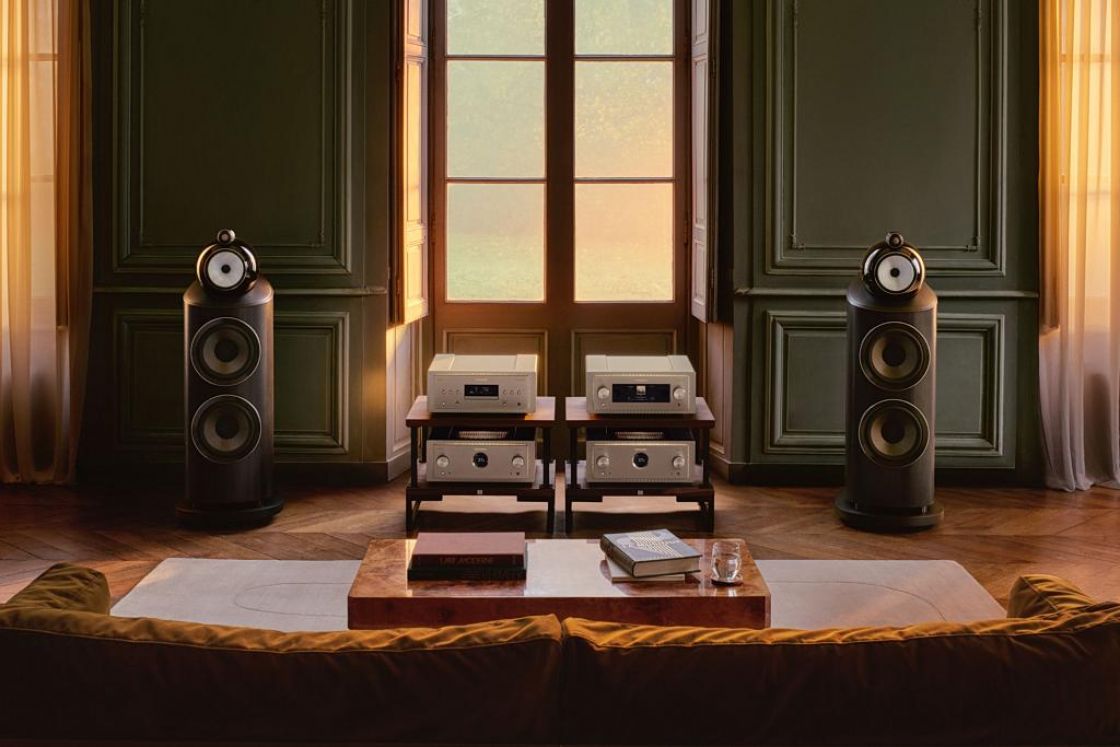
Bowers & Wilkins is introducing a new generation of its flagship loudspeaker line - the 800 Series Diamond D5. This is one of those launches whose significance in the high-end world hardly needs explaining, because the 800 Series has long represented far more than just the top tier of the brand's catalog. It is Bowers & Wilkins' technical statement, a benchmark for its engineering teams and a family of loudspeakers used not only in domestic stereo systems, but also in multichannel installations and professional studios. The new generation arrives as the company celebrates its 60th anniversary, which is why Bowers & Wilkins presents it as the result of six decades of research, measurement, experimentation and steady refinement of a single goal - to reproduce recorded music as faithfully as possible.
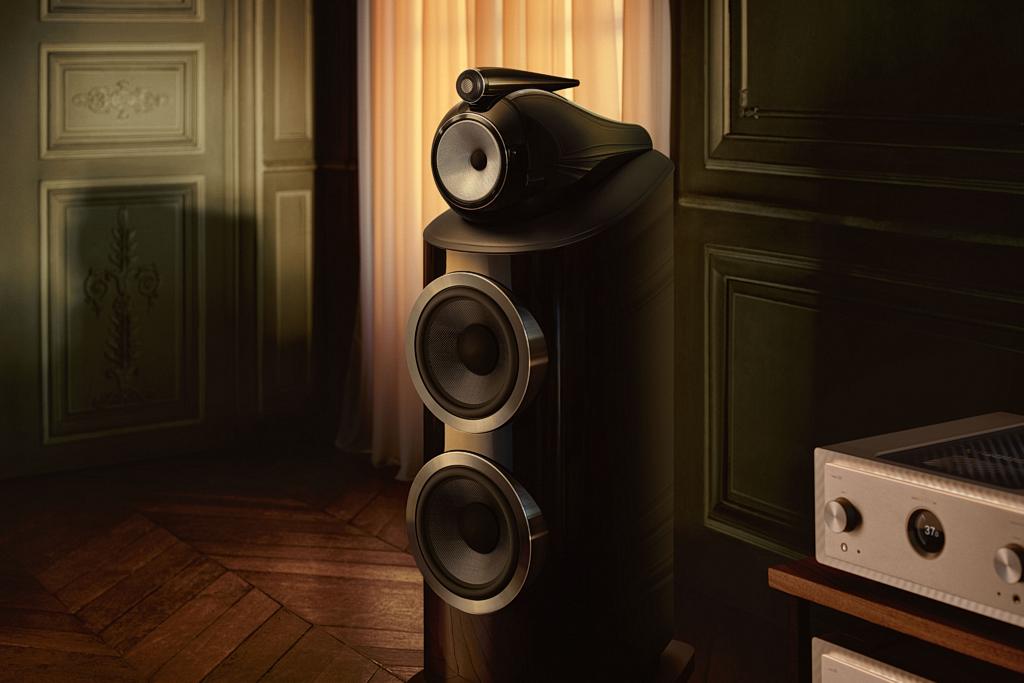
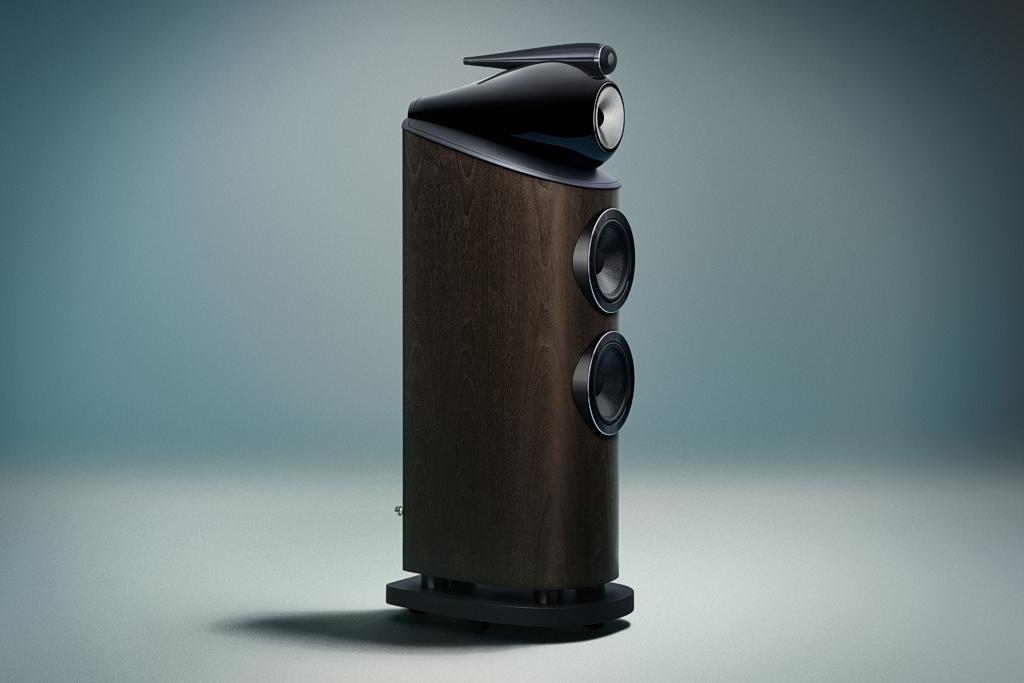
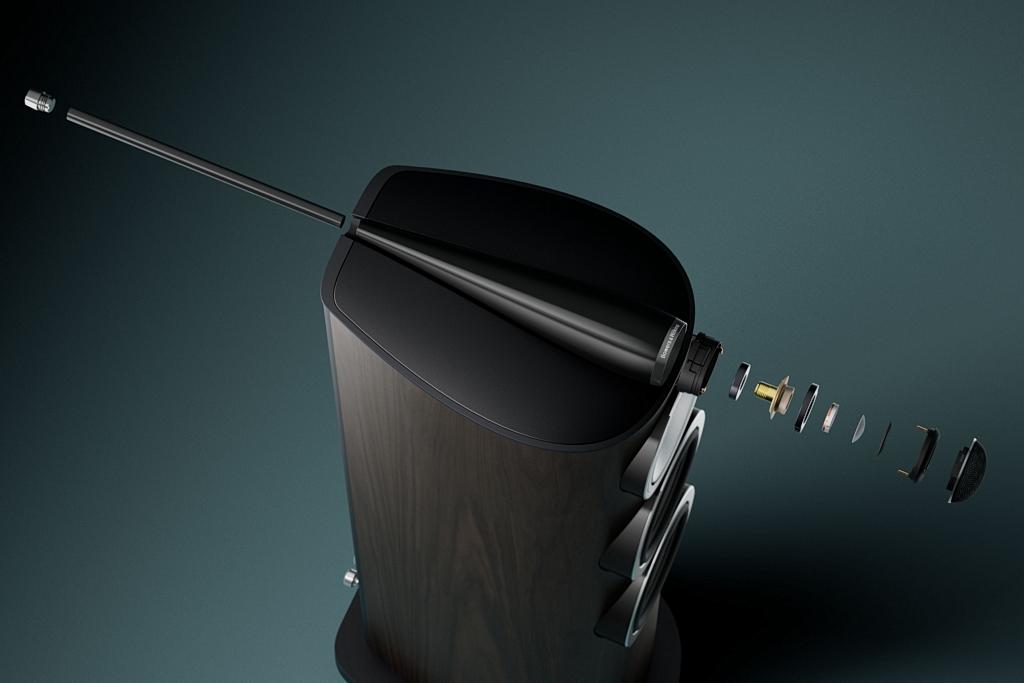
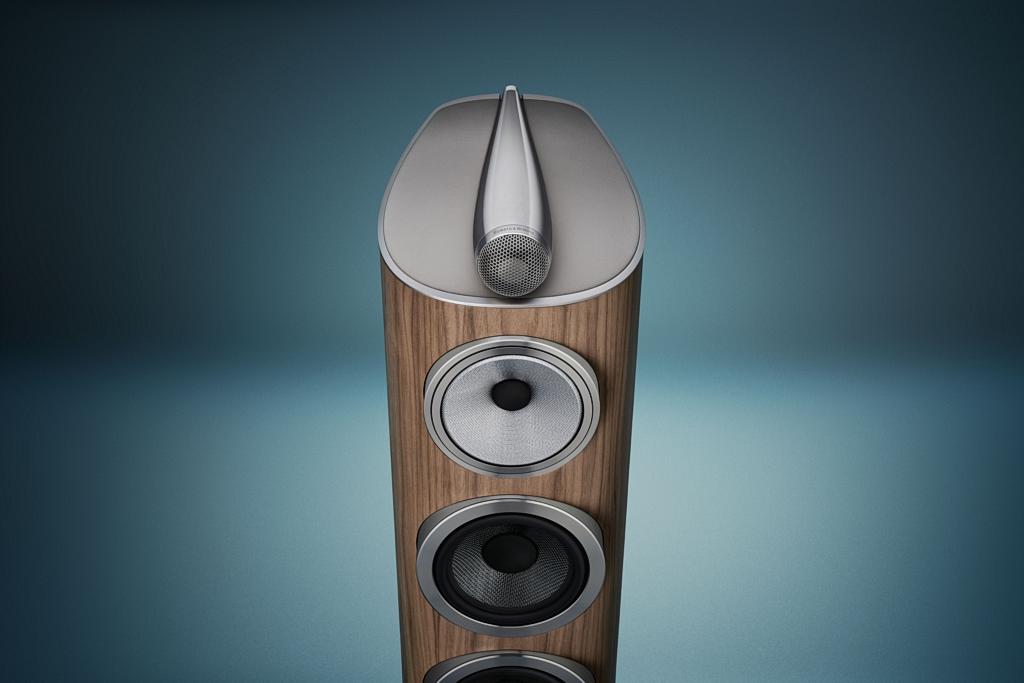
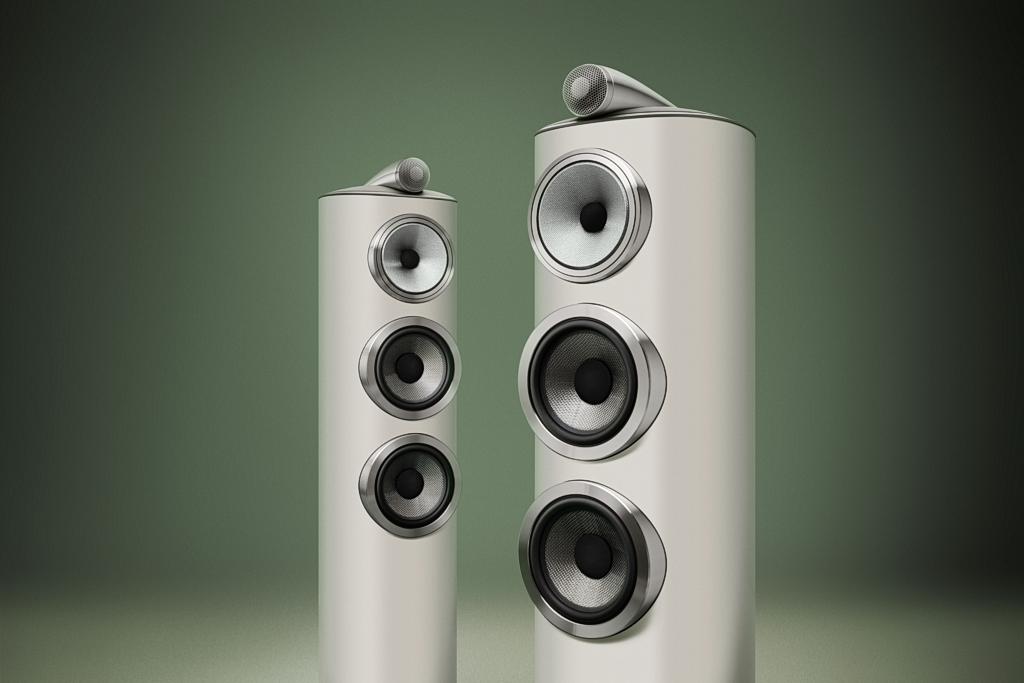
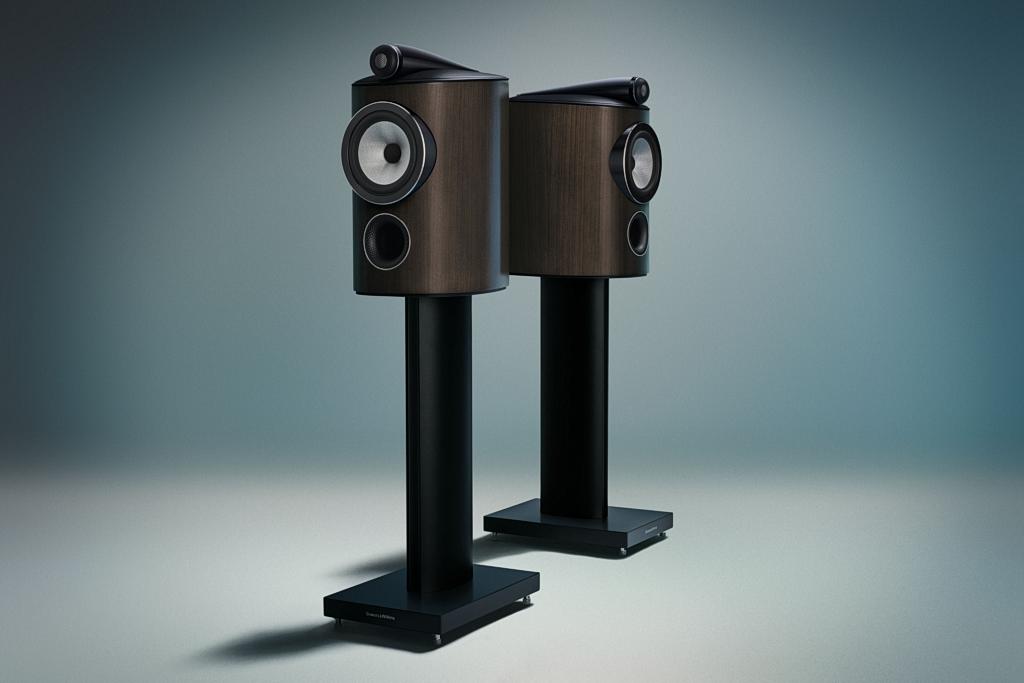
The new 800 Series Diamond D5 is the fifth generation of the range to feature Bowers & Wilkins' diamond dome tweeter. The company has not abandoned the foundations that have defined this line for years. The speakers still use the separate Solid Body Tweeter-on-Top assembly, Continuum Cone FST midrange drivers, Aerofoil bass cones, Biomimetic Suspension, Matrix bracing, Flowport ports and, in the larger floorstanding models, the distinctive Turbine Head enclosure. The D5 generation is therefore not a radical departure from its predecessors, but a careful evolution and refinement of the technologies that have become inseparable from the 800 Series identity. The most important changes have been made in the areas where loudspeakers of this class fight the hardest battle for sound quality - the cabinets, the way the drivers are mounted, vibration control, crossover design, internal wiring and the finer details of construction. The new range consists of seven models. It begins with the two-way 805 D5 standmount speaker, designed to be used with the dedicated FS-805 D5 stands. Above it sit four floorstanding models - the 804 D5, 803 D5, 802 D5 and flagship 801 D5. The lineup is completed by two center-channel speakers, the HTM81 D5 and HTM82 D5, developed for home theater systems and multichannel installations built around the same technology platform. The HTM81 D5 is intended as the natural partner for the 801 D5 and 802 D5, while the HTM82 D5 is designed primarily for systems based on the 803 D5 and 804 D5.
One of the key themes of the new generation is the transfer of solutions first developed for the 800 Series Signature models. Bowers & Wilkins says that, wherever possible, it has drawn on components and engineering experience from the Signature versions to improve openness, reduce distortion, increase resolution and enhance dynamic expression. At the same time, the company's engineers carried out extensive measurement and simulation work at the Southwater Research Establishment, with particular attention paid to further reducing the cabinet's influence on the sound. That matters because in a loudspeaker of this caliber, the cabinet cannot simply be an elegant enclosure for the drivers. It has to be a rigid, predictable and carefully controlled structure, one that does not add resonances of its own or blur the information contained in the recording.
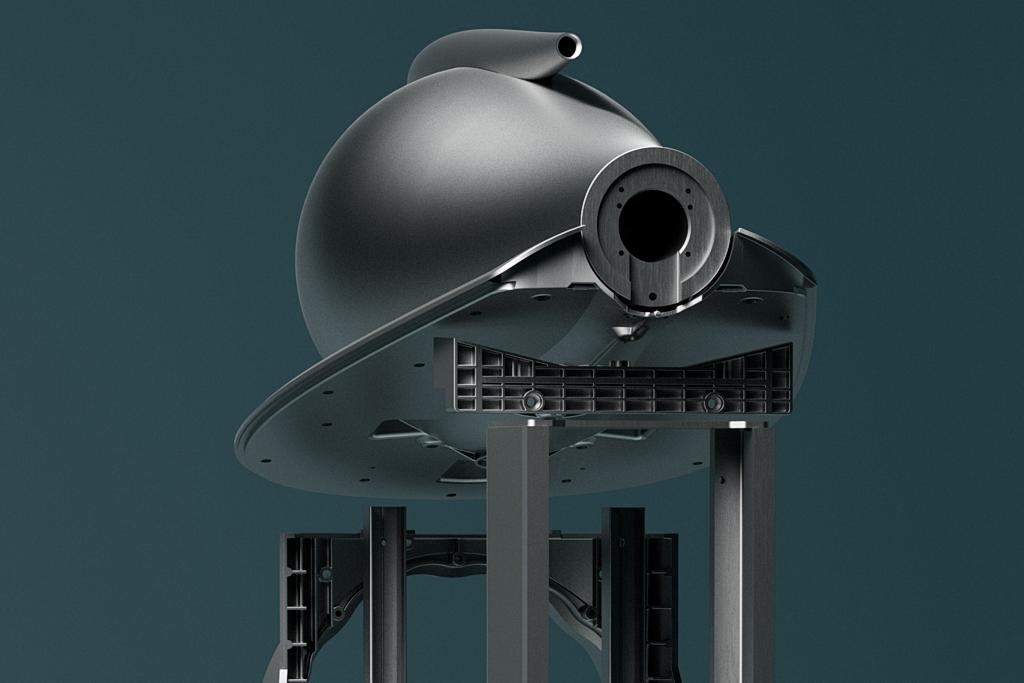
The clearest technical expression of this approach is Space Frame Bracing. This new system uses aluminum reinforcing rails mounted in the rear section of the cabinet and connected directly to the Matrix structure. The rails are additionally braced both lengthwise and crosswise, so the rear of the enclosure does not behave like a surface prone to vibration, but becomes part of a larger, rigid mechanical system. The principle is similar to the aluminum reinforcement already used at the front of the speaker - it stiffens the cabinet from within and limits the influence of vibrations and resonances carried through the panels. According to Bowers & Wilkins, thanks to the extensive use of aluminum, including the new Space Frame Bracing system, the cabinets of the D5 models are the most mechanically quiet the company has ever created for the 800 Series. This works together with Enhanced Matrix, an evolution of the classic internal bracing system long associated with Bowers & Wilkins loudspeakers. In the D5 generation, special attention has been paid to the front section of the cabinet, specifically the areas around the driver cutouts. Thick, shaped aluminum sections now surround the driver mounting points and are reinforced from behind with additional ribs. The purpose is to reduce local flexing and coloration exactly where the drivers transfer the most mechanical energy into the loudspeaker structure. Enhanced Matrix, Space Frame Bracing and the new aluminum top plate therefore form one integrated system of mechanical control - at the front, at the rear and across the upper part of the cabinet.
The floorstanding models also receive redesigned aluminum plinths. Each plinth has been matched to the shape of its specific loudspeaker rather than treated as a common component shared across the range. The new design uses constrained-layer damping and tuned-mass damping, with masses tuned to the mechanical behavior of each model. Their job is to reduce unwanted mechanical energy and improve the stability of the entire speaker. Bowers & Wilkins has also refined several practical details. The feet now have a metal finish, the lower edge of the plinth extends downward to partly conceal the castors and spikes, and the stabilizing supports have been designed to sit inside the plinth itself. It may sound like a small change, but in practice it brings together mechanical engineering, easier installation and a cleaner visual design.
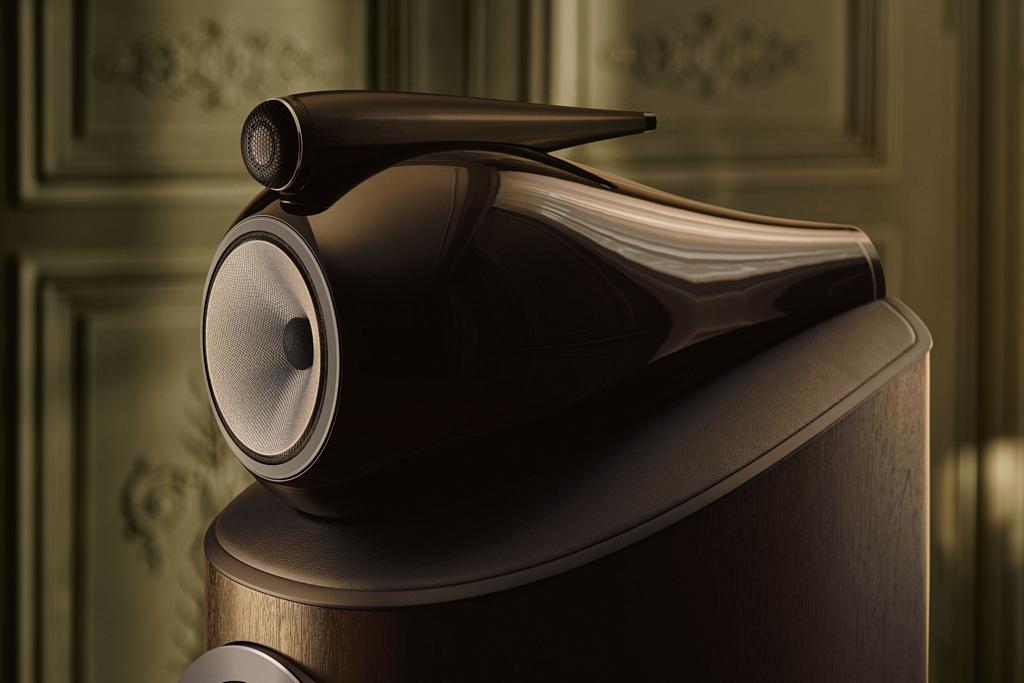
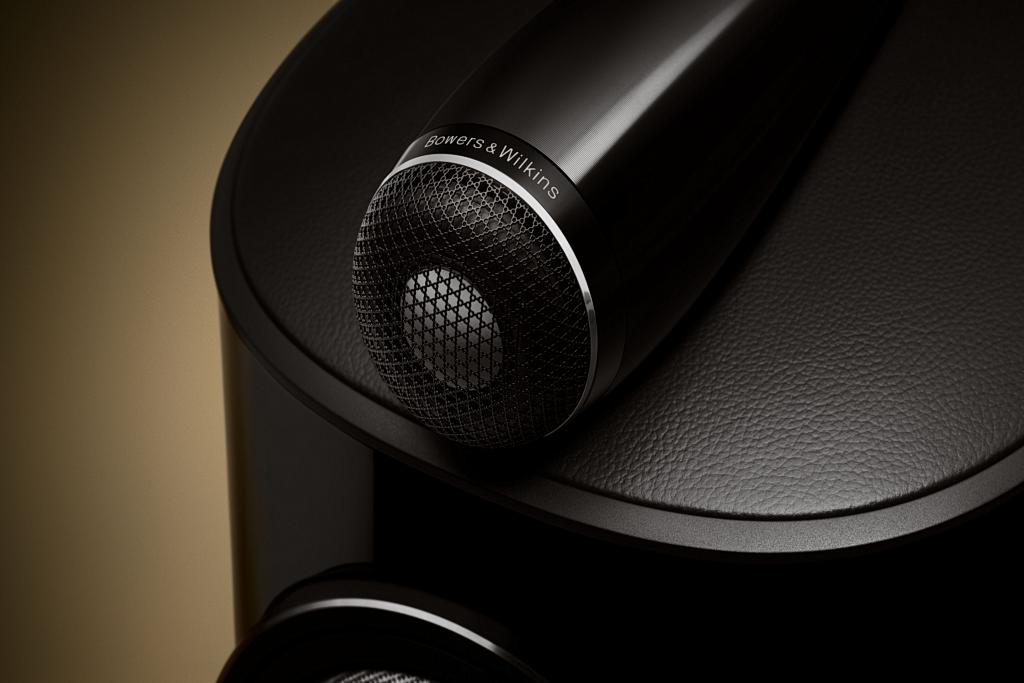
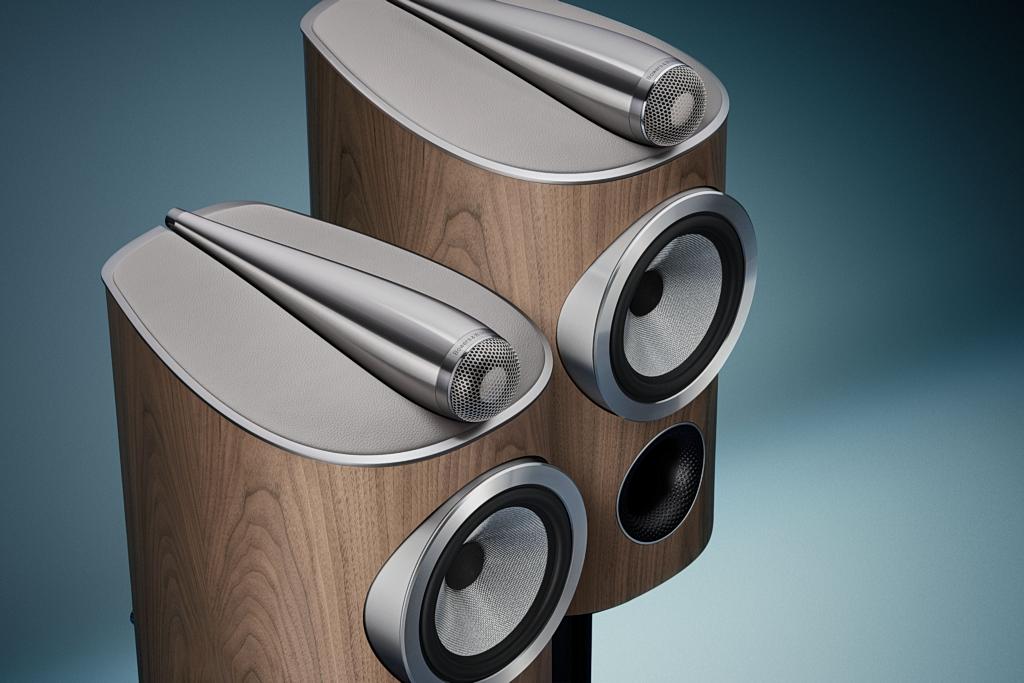
Another important change concerns the top section of the cabinet. For the D5 generation, Bowers & Wilkins has developed a redesigned aluminum top plate, drawing on experience gained from the 801 D4 Signature. The plate has thicker ribbing, more mechanical connection points to the cabinet and revised decoupling elements supporting either the Turbine Head or the Solid Body Tweeter-on-Top module. In practical terms, this means better mechanical control over one of the most critical parts of the speaker - the area where the midrange and treble elements operate. Each aluminum top plate is finished with a Connolly leather-trimmed collar and damped with material derived from the 800 Series D4 Signature models. The aim is to reduce unwanted vibration in the plate itself, to which further elements of the speaker structure are physically attached.
One of the most significant new technologies in the entire range appears in the 804 D5. This is the most visually discreet floorstander in the series, because it is the only larger model that retains a more traditional silhouette and does not use an external Turbine Head. In the new generation, however, the 804 D5 receives an internal aluminum enclosure for its Continuum Cone FST midrange driver. Conceptually, this solution draws on the rigid Turbine Head structure used in the larger floorstanding models. The aluminum enclosure isolates the midrange section from the rest of the cabinet and gives the driver a more stable working environment. According to Bowers & Wilkins, this should help deliver a freer, more open midrange and a sense of spatial freedom closer to the models with a separate head, while preserving the more conventional appearance of the 804 D5.
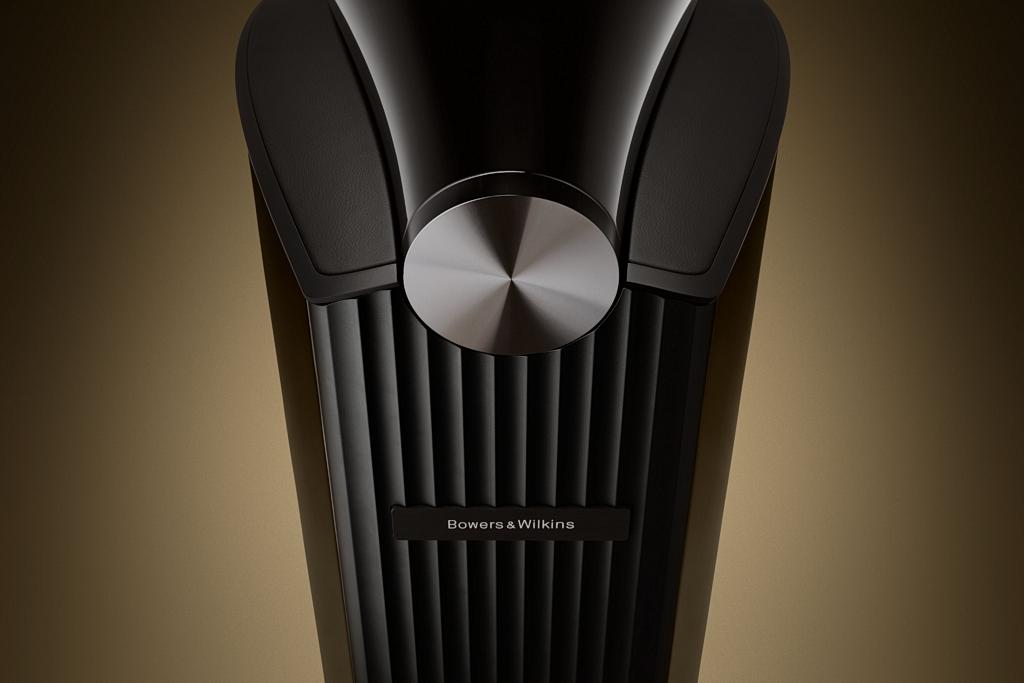
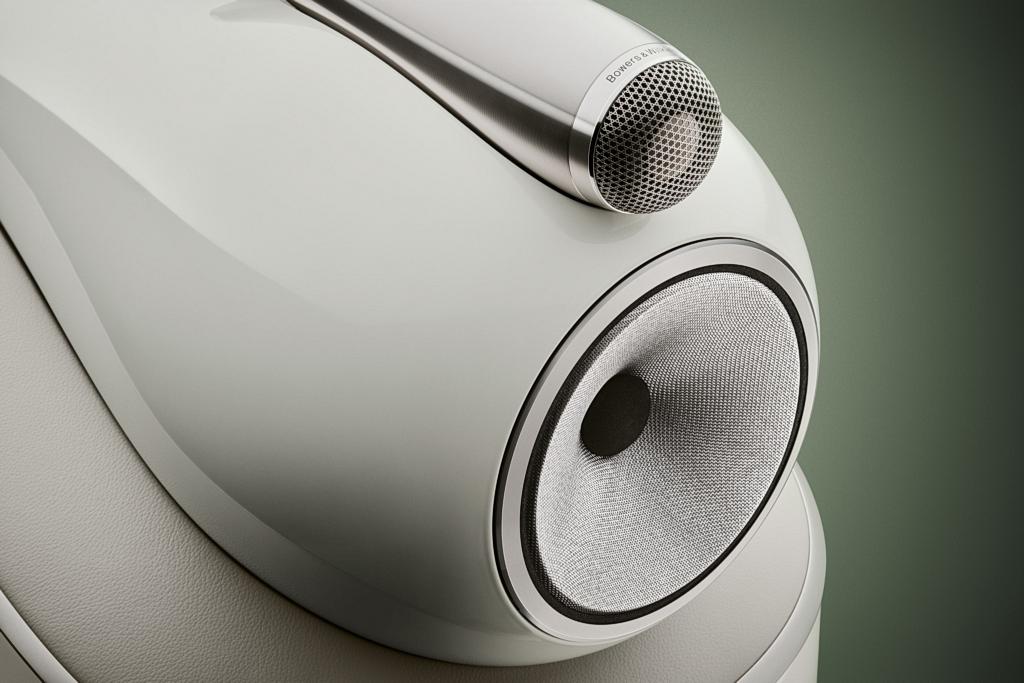
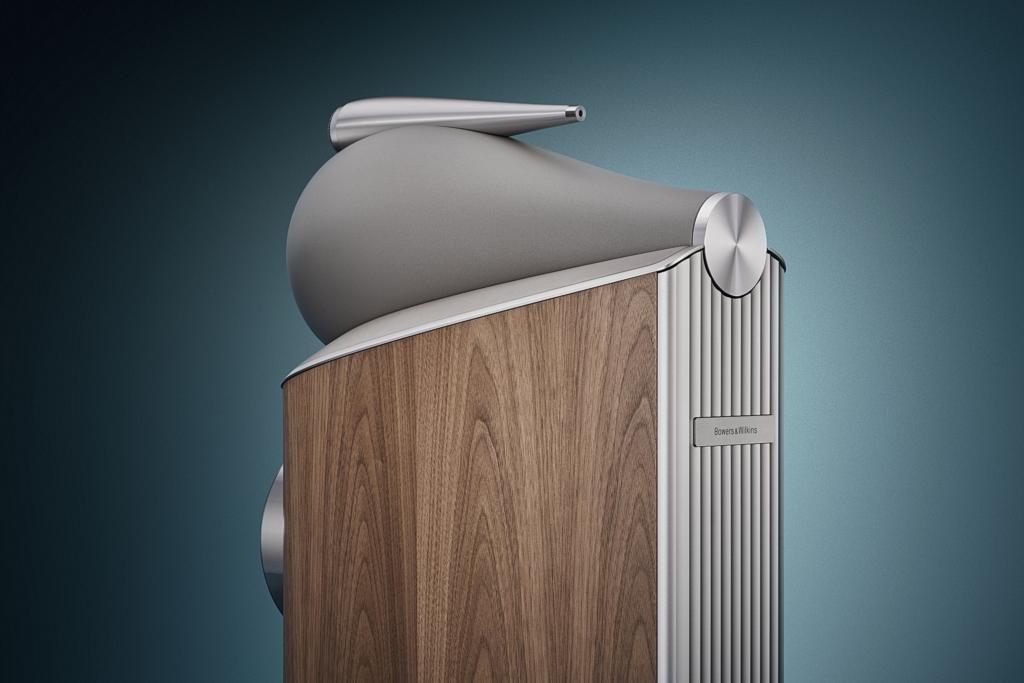
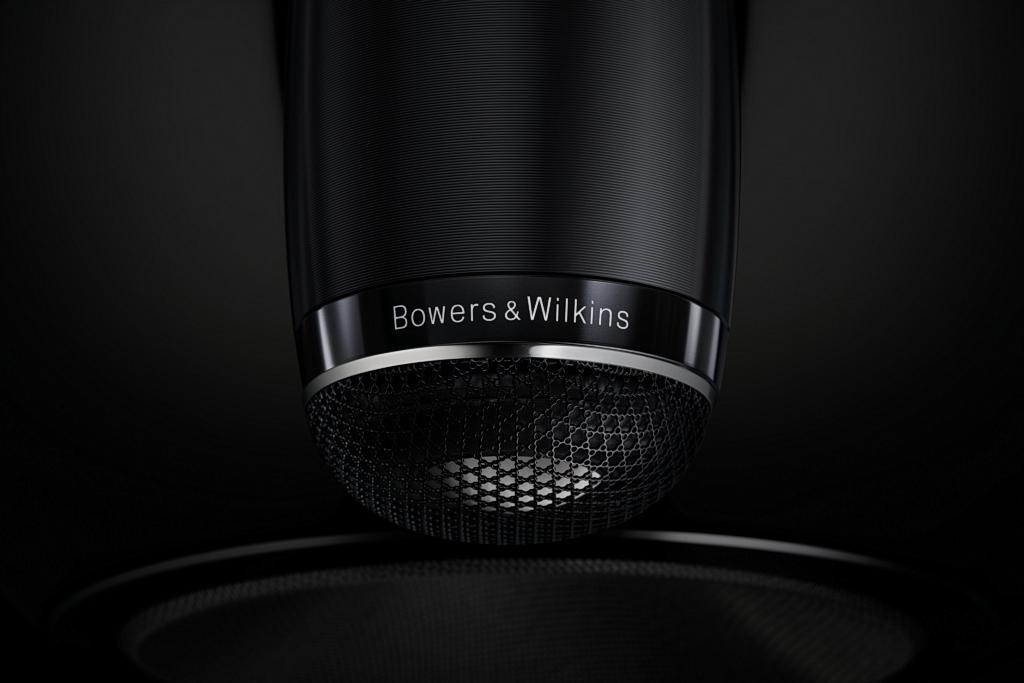
The treble section has also been updated. All 800 Series Diamond D5 models use the latest version of the protective grille for the diamond dome tweeter, first developed for the 801 D4 Signature. The new grille retains the rigidity needed to protect the delicate driver, but is more acoustically transparent. This is intended to increase resolution and improve off-axis performance. The latter is particularly important in real listening rooms, because high frequencies do not reach the listener only as direct sound from the tweeter. They also arrive through reflections from walls, the floor, the ceiling and furniture. Smooth off-axis behavior therefore affects the perception of space, air and naturalness, not just the amount of detail heard in the ideal listening position. Considerable work has also gone into the crossovers and internal wiring. Each D5 model receives upgraded crossover components derived from Signature solutions, new wiring looms, improved cabling and higher-quality terminal links. In the stereo models, the crossover is mounted on an aluminum plate that is rigidly connected both to the cabinet and to the Space Frame Bracing system at the rear of the speaker. M8 and M4 fixings are used for assembly. The goal is not simply to improve the electrical circuit, but also to control the way the crossover is mechanically mounted. Bowers & Wilkins treats the crossover plate as another structural element, while the fixings are hidden behind model and brand badges so the engineering does not disturb the appearance of the rear panel.
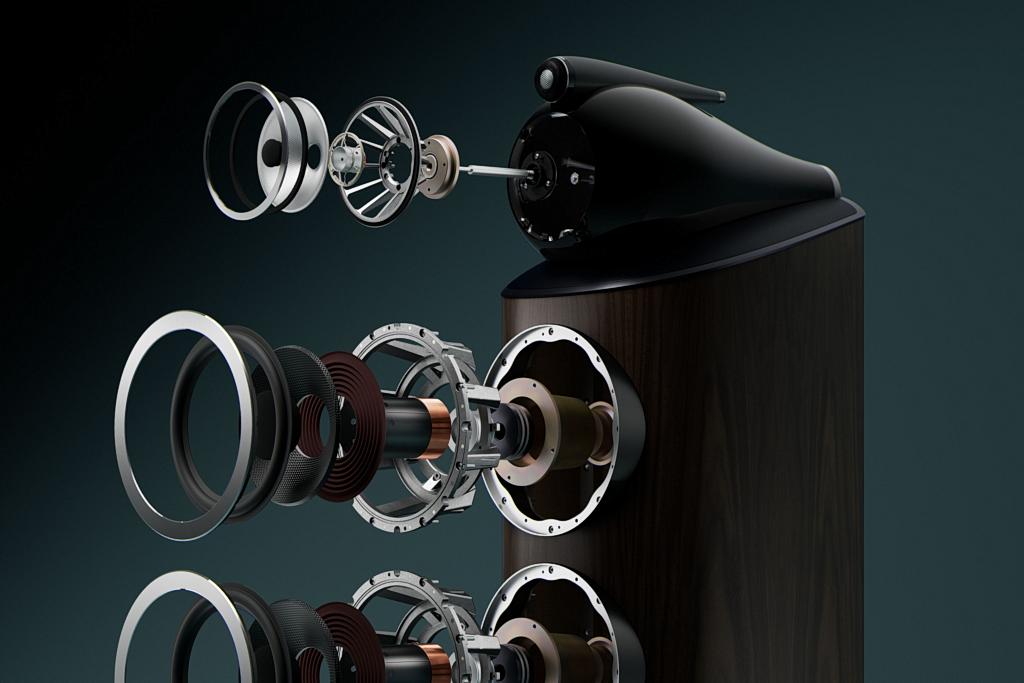
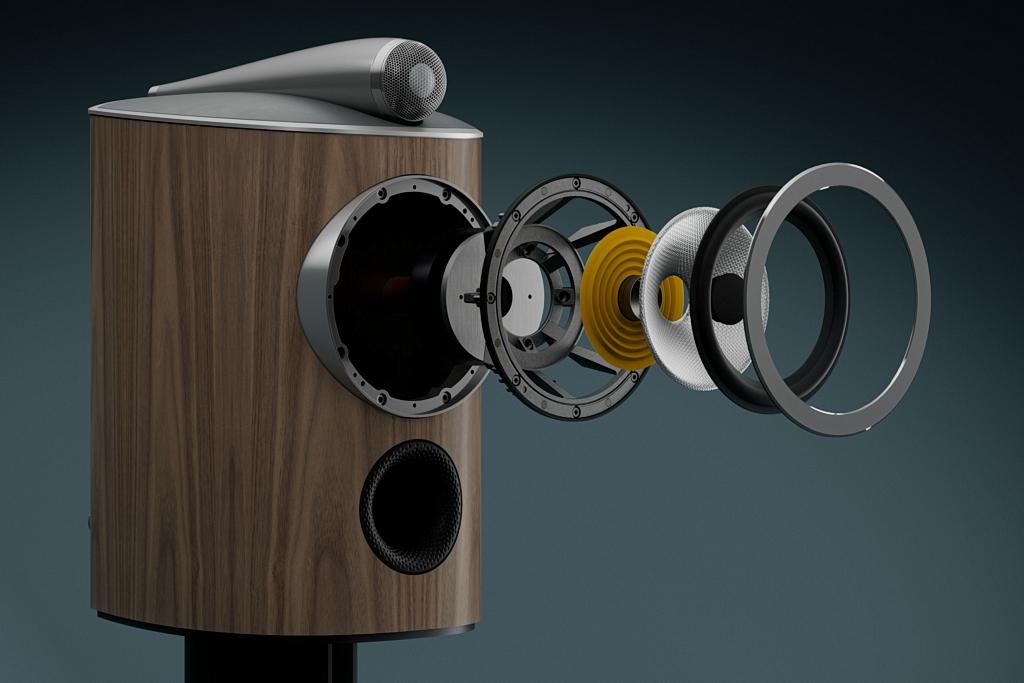
Bowers & Wilkins has also revised the motor systems used in the midrange, mid-bass and bass drivers. Across the series, the new speakers use lower-distortion motor assemblies based on Signature-grade components. Combined with Continuum and Aerofoil cones, Biomimetic Suspension and Anti-Resonance Plugs, these changes are intended to produce cleaner sound, better impulse response, higher resolution and more effortless dynamics. The core technologies are shared across the range, but the scale of the driver systems changes from model to model. The 801 D5 uses a 150-mm Continuum Cone FST midrange driver and two 250-mm Aerofoil woofers. The 802 D5 uses the same 150-mm midrange driver but pairs it with two 200-mm bass units. The 803 D5 combines a 130-mm midrange driver with two 180-mm woofers, while the 804 D5 uses a 130-mm midrange driver and two 165-mm bass units. The 805 D5 is a two-way design, with a 165-mm Continuum Cone driver operating as a mid-bass unit.
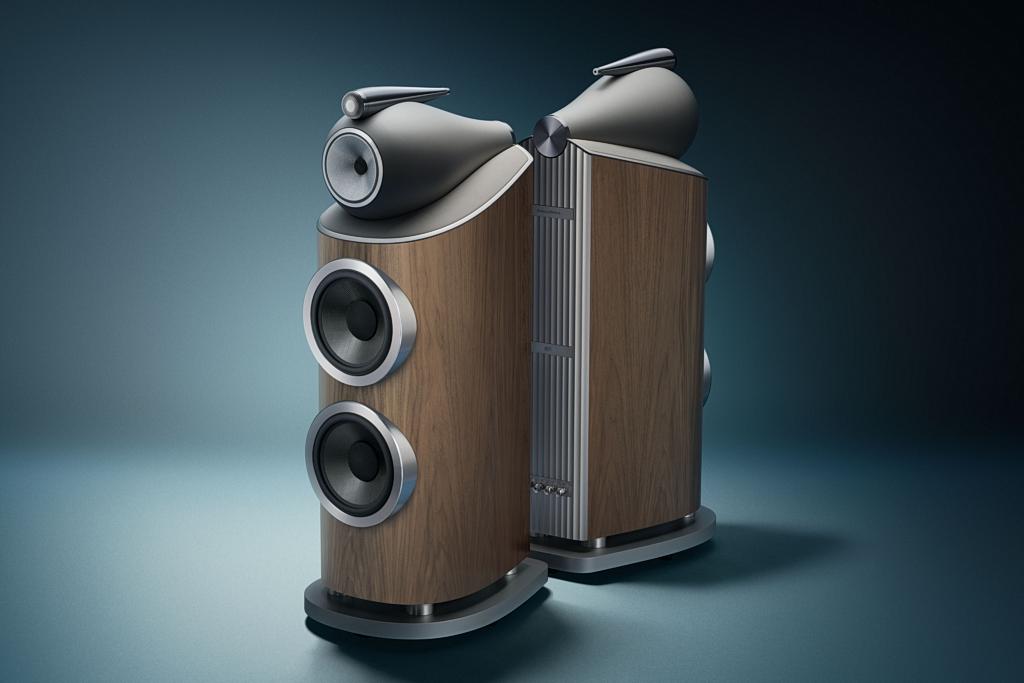
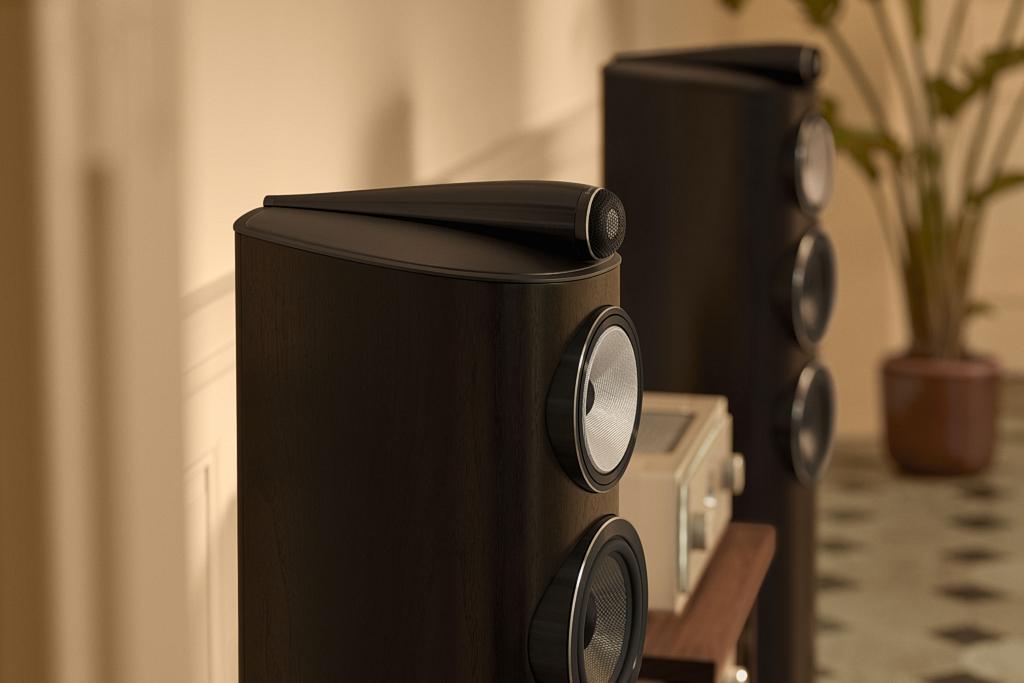
The D5 update also extends to aesthetics and build quality. Bowers & Wilkins points to changes in the top plates, rear spines, plinths, driver housings, tweeter bodies, decorative rings and grilles. All finishes have been revised compared with the D4 series. Four versions are available - Stealth Black, Warm White, Light Walnut and Dark Walnut. The new Dark Walnut finish was inspired by the limited-edition 801 Abbey Road Limited Edition and replaces the previous Satin Rosenut. It combines a dark wood veneer with dark metal details and black Connolly leather. Stealth Black also receives dark details, giving the speaker a more unified, monochromatic appearance. Warm White is a warmer, more contemporary interpretation of white, with champagne-colored accents. Light Walnut uses similar champagne details and color-matched Turbine Head elements. Even the black and white DB Series subwoofers now receive Stealth Black and Warm White finishes, making it easier to match them visually with the new speakers. Production tolerances have also been tightened. Bowers & Wilkins refers to smaller gaps between panels, less visible transitions between surfaces, hidden fixings and an improved paint process. In the Stealth Black finish in particular, the lacquer is said to be deeper and richer. All 800 Series Diamond D5 loudspeakers are manufactured in Worthing, England, which in the case of this series is meaningful not only from a brand perspective, but also from a practical one. With cabinets this complex, numerous aluminum parts, leather-trimmed elements and highly precise assembly, production control becomes part of the design itself.
The flagship remains the 801 D5, which Bowers & Wilkins positions as a reference point for other high-end loudspeakers. It is a three-way vented design with a 25-mm diamond dome tweeter, a 150-mm Continuum Cone FST midrange driver and two 250-mm Aerofoil woofers. According to the technical data, frequency response is 15 Hz - 28 kHz, sensitivity is 90 dB, nominal impedance is 8 Ω and recommended amplifier power is 50 - 1000 W. The 802 D5 follows a similar architecture to the flagship and uses the same 150-mm FST midrange driver, but replaces the two 250-mm woofers with two 200-mm bass drivers. Bowers & Wilkins positions it as a speaker offering much of the 801 D5's character in a slightly more accessible form. Frequency response is 17 Hz - 28 kHz, sensitivity is 90 dB, nominal impedance is 8 Ω and recommended amplifier power is 50 - 500 W. The 803 D5 is a slimmer floorstanding speaker with a separate midrange head. Bowers & Wilkins describes it as a model that allows listeners to benefit from this construction while taking up less space in the room. It uses a diamond tweeter, a 130-mm Continuum Cone FST midrange driver and two 180-mm Aerofoil woofers. Frequency response is 19 Hz - 28 kHz, sensitivity is 90 dB and recommended amplifier power is 50 - 500 W. The 804 D5 retains a more classical look than the models with a separate midrange head, but in this generation it has been substantially refined technically. It is a three-way design with a diamond dome tweeter, a 130-mm Continuum Cone FST midrange driver, two 165-mm Aerofoil woofers, Matrix bracing, Biomimetic Suspension and Flowport. Its most important new feature is the internal aluminum midrange enclosure mentioned earlier, designed to bring its spatial performance and midrange openness closer to the Turbine Head models. Frequency response is 19 Hz - 24 kHz, sensitivity is 89 dB and recommended amplifier power is 50 - 200 W.
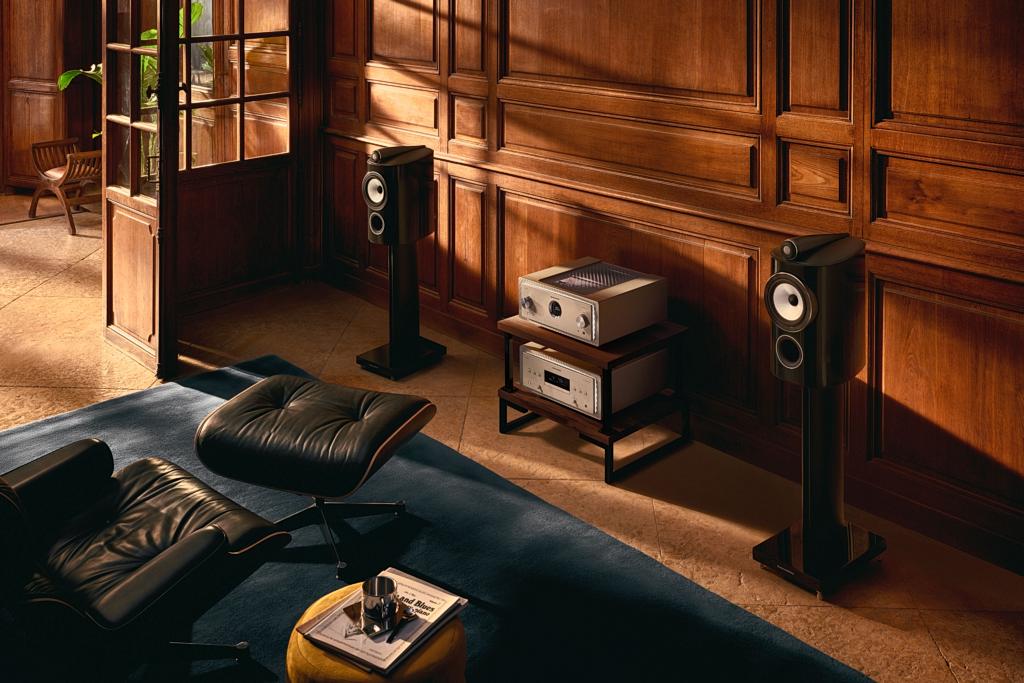
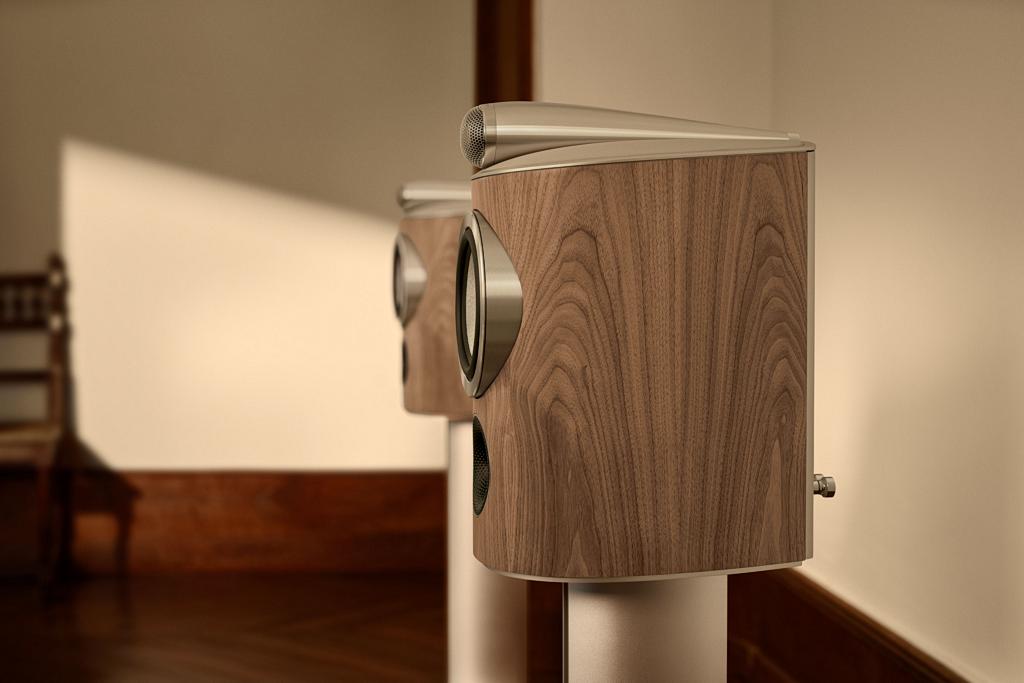
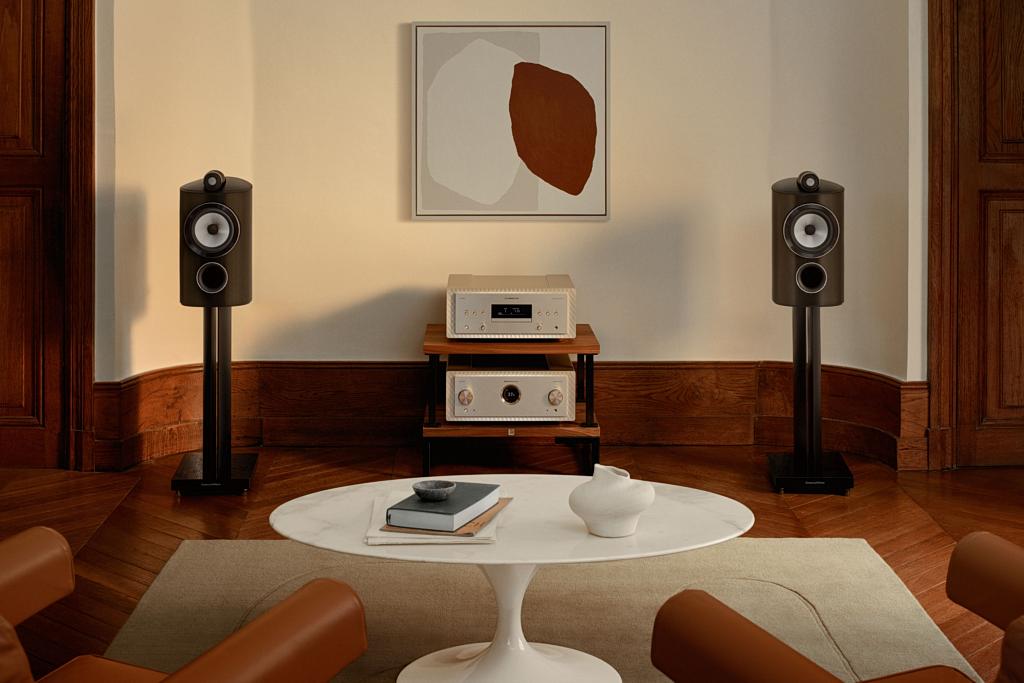
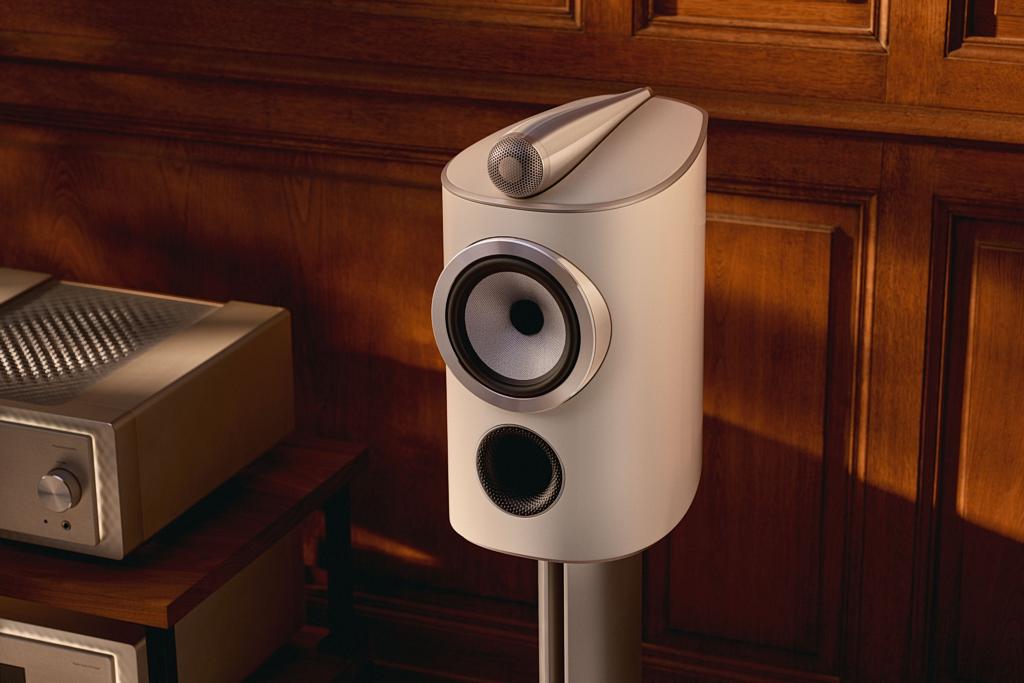
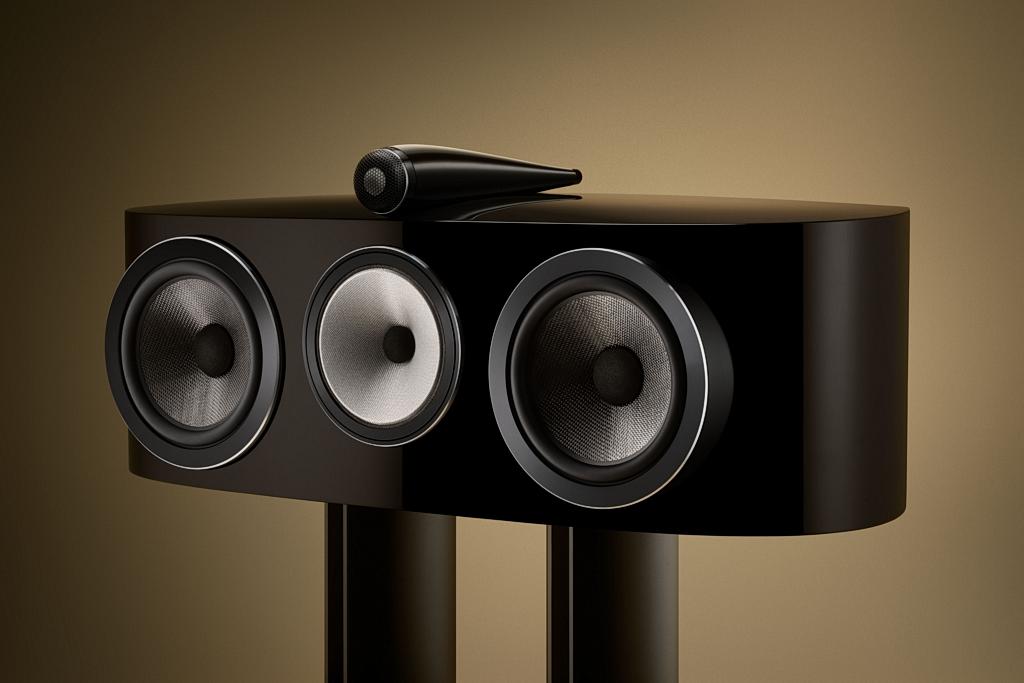
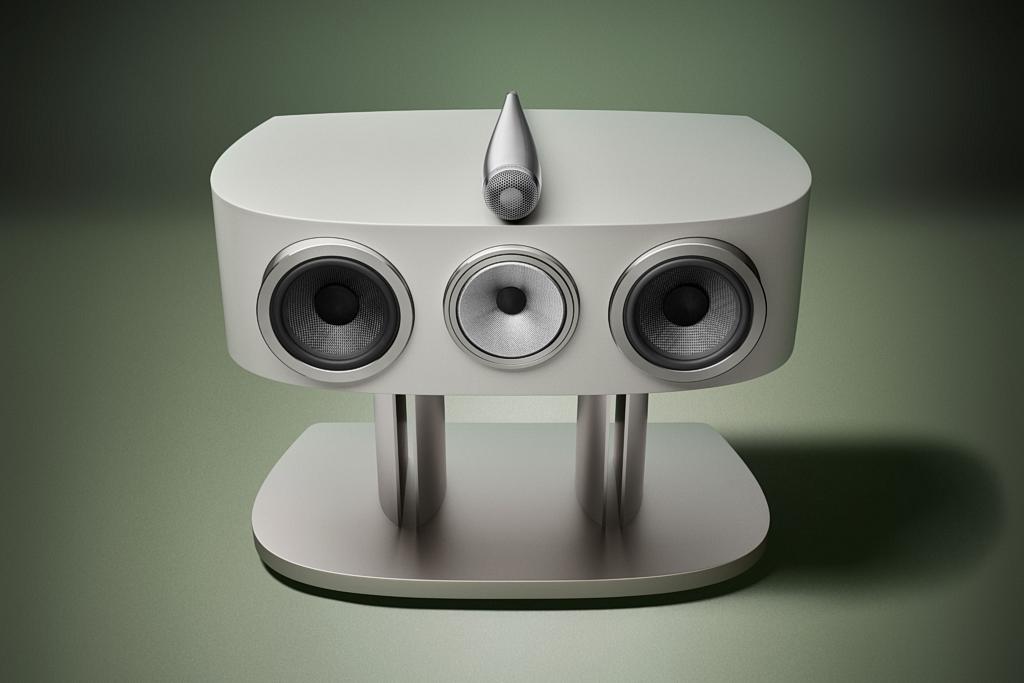
The 805 D5 is the only standmount model in the range and the simplest design in terms of driver layout, but it still retains the core technologies of the series. The two-way 805 D5 uses a diamond tweeter in a Solid Body Tweeter-on-Top module, a 165-mm Continuum Cone driver working as a mid-bass unit, Matrix bracing, an Anti-Resonance Plug and Flowport. Frequency response is 42 Hz - 28 kHz, sensitivity is 88 dB, nominal impedance is 8 Ω and recommended amplifier power is 50 - 120 W. The center-channel models allow multichannel systems to be built without stepping outside the 800 Series Diamond D5 family. The HTM81 D5 is the larger center speaker, intended for systems based on the 801 D5 and 802 D5. It is a three-way speaker with a diamond tweeter, a 150-mm Continuum Cone FST midrange driver and two 200-mm Aerofoil woofers. The HTM82 D5 is smaller and intended primarily for use with the 803 D5 and 804 D5. It uses a 130-mm Continuum Cone FST midrange driver and two 165-mm Aerofoil woofers. Both models feature Matrix bracing, Biomimetic Suspension, a Solid Body Tweeter-on-Top module and Flowport, and both can be used with the dedicated FS-HTM D5 stand.
Pricing for the new 800 Series Diamond D5 starts at £10,000/$15,000/€12,000 per pair for the 805 D5 standmount speakers. The 804 D5 is priced at £15,000/$25,000/€18,000 per pair, the 803 D5 at £25,000/$35,000/€30,000, the 802 D5 at £32,000/$45,000/€37,000 and the flagship 801 D5 at £43,000/$65,000/€50,000 per pair. The HTM82 D5 center speaker costs £8,500/$12,000/€10,000 each, while the larger HTM81 D5 is priced at £10,000/$15,000/€12,000 each. The FS-805 D5 stands for the 805 D5 cost £1,500/$2,000/€1,800 per pair, and the FS-HTM D5 stand for the center-channel models costs £1,100/$1,500/€1,300 each. Info and photos by Bowers & Wilkins.