Displaying items by tag: hiend - StereoLife Magazine

Marcin Ostapowicz - JPLAY

Digital audio has come a long way in recent years. There was a time when all you needed was a computer, a modest collection of files on a hard drive and a DAC connected over USB. Today, we have music servers, network transports, dedicated operating systems, control apps, streaming services and an entire infrastructure that some audiophiles take just as seriously as their amplifiers or speakers. For a long time, I found myself somewhere between those two worlds. I was eager to try anything that promised a better way to listen to files, seeing it not just as a matter of convenience but as a chance to get around some of the limitations of CD. I extensively modified my PC to make it quiet and efficient, and just about every DAC from a familiar hi-fi brand found its way onto my desk: the Meridian Explorer, Primare DAC30, Hegel HD25, Atoll HD100, iFi Audio iDSD Micro and Marantz HD-DAC1. Back then, this was seen as a harmless eccentricity. For most audiophiles, the only serious source of music was a CD player, but that began to change quickly. Today, streaming is a galaxy of its own, with streamers, servers, dedicated operating systems, control apps, streaming services, specialist power supplies and even LAN cables with prices that can make your head spin. For some people, streaming is simply a more convenient way to listen to music. For others, it is another area where they can spend hours searching for small improvements. But even the most ambitious system needs one more key component: software for playing music. You can use one of the free apps, download the one supplied by your streamer’s manufacturer or switch between them depending on where you want to access your music. Or you can bring all of that together with a specialist app such as JPLAY.
Meze Audio Ultra

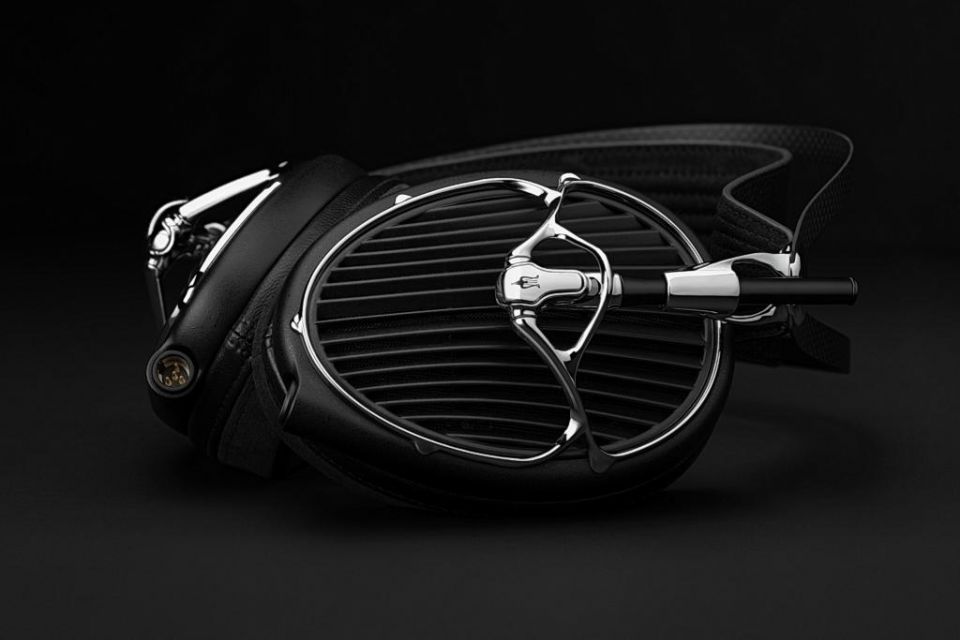
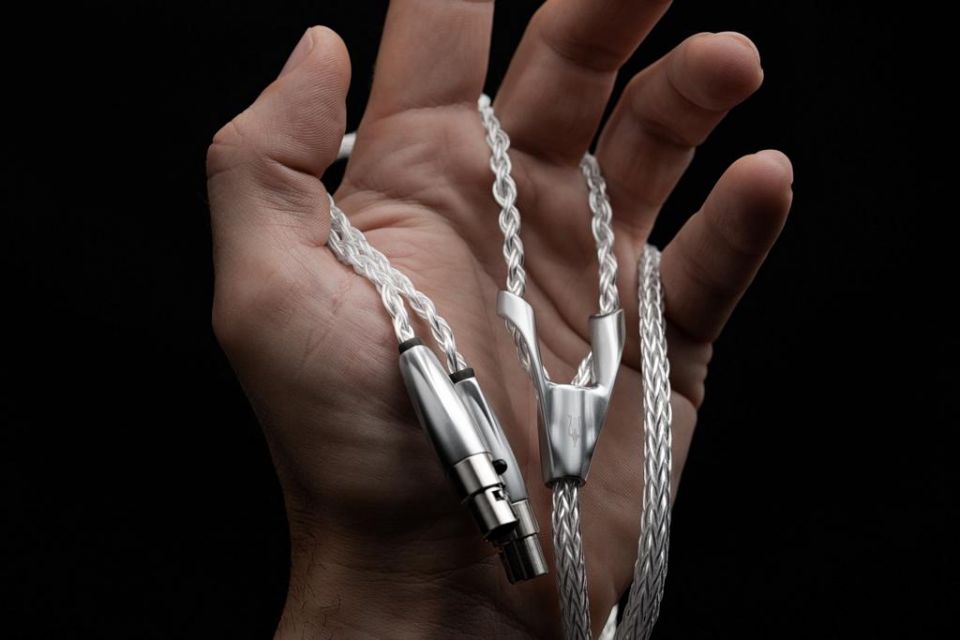
Meze Audio has never treated cables as an afterthought, offering several upgrade options for its headphones alongside the standard cords supplied in the box. The latest addition takes that idea considerably further. Ultra Cable is the company's new flagship headphone cable, built around extremely pure silver conductors, an elaborate hand-braided geometry and metal hardware designed with almost as much attention as the headphones themselves. It is also priced accordingly, positioning itself as an accessory primarily for owners of Meze's most ambitious models rather than a casual replacement for a worn-out cable.

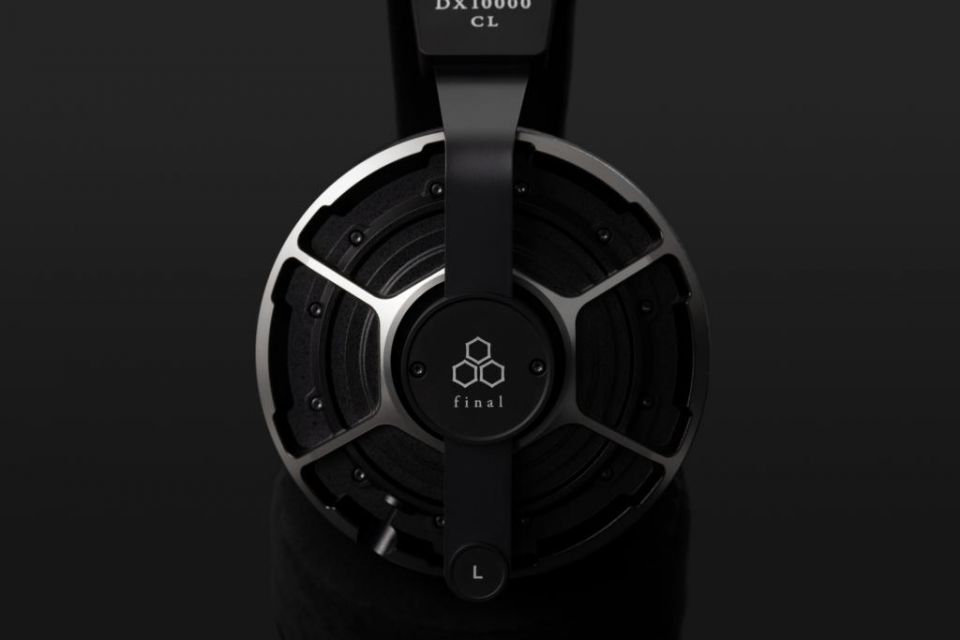
Final Audio Design DX10000 CL

Final has introduced one of its most ambitious headphones to date, and this time the Japanese manufacturer has chosen to tackle a problem that becomes particularly difficult at the very top of the market - how to build a closed-back design that preserves the intimacy, physical impact and isolation of this format without accepting the resonances and tonal coloration that often come with it. The answer is the DX10000 CL, a new reference model built around a 40 mm dynamic driver with a genuine diamond diaphragm, a heavily engineered aluminum-magnesium enclosure and an unusual screw-fastened structure designed to maintain rigidity and airtightness. Alongside the regular version, Final is also releasing the first 150 units worldwide as a special Collector's Edition. The company has opened pre-orders, while the standard model is expected to begin shipping later in 2026.

Meze Audio Arta

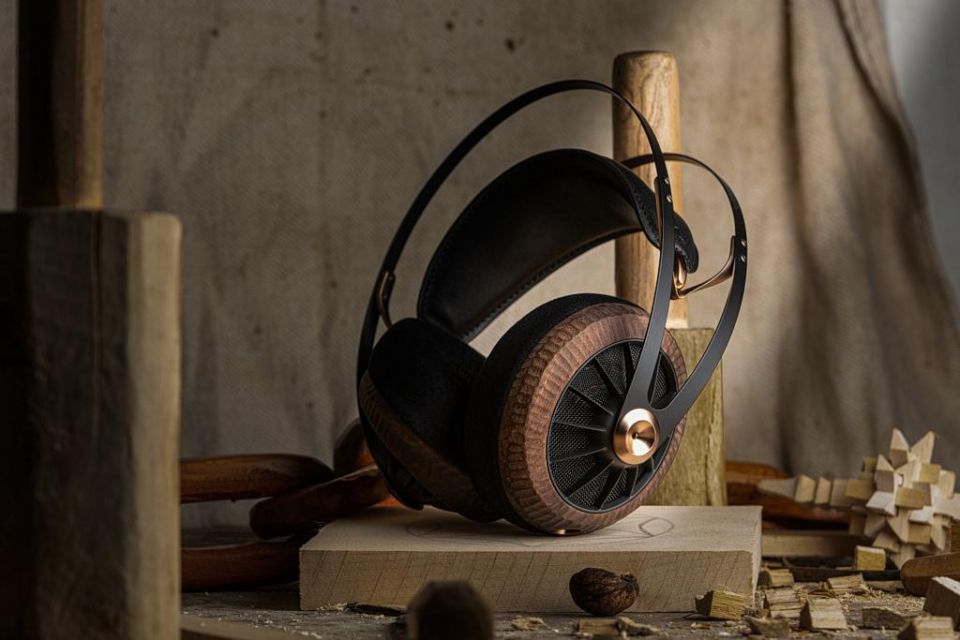
Meze Audio has been climbing steadily toward the very top of the headphone market for years, but until now the hierarchy was relatively easy to understand. Empyrean established the company's planar magnetic credentials, Elite pushed the concept further, and Empyrean II refined one of Meze's most recognizable designs. Arta changes that structure completely. Unveiled at High End Vienna 2026 after several years of development with Rinaro Isodynamics, it becomes the company's new reference headphone and moves well above the rest of the range - not only in price, but also in terms of driver architecture, amplification requirements and sheer engineering ambition. Meze describes it as a project created without the usual compromises, while Rinaro developed an entirely new planar magnetic transducer specifically for this model. The original announcement positioned Arta at $6,000 and €6,000, making it substantially more expensive than Elite and Empyrean II.

From Wooden Prototypes to Global Recognition - The Story of Meze Audio

In the world of audio equipment, many legendary brands began with speakers assembled from off-the-shelf drivers, amplifiers soldered together on kitchen tables, or cables twisted by hand during live shows. With headphones, however, that kind of origin story seems far less plausible. This is a much more demanding field, one that has traditionally remained in the hands of major corporations - companies with their own laboratories, specialized machinery capable of manufacturing components to microscopic tolerances, and the financial resources needed to turn a prototype into a mass-produced product. Trying to recreate that process at home would appear doomed from the outset, unless we were talking about a place where technology spilled out of every corner, industrial facilities were within easy reach, the neighbors owned 3D printers, and the latest scientific expertise was available through a nearby technical university. Under those circumstances, perhaps something could be done. But what if you lived in a small city in northern Romania, close to the borders with Hungary and Ukraine, far from any major industrial center, with an education in the arts, no connections in the technology industry, and a very, very limited budget? That sounds like a recipe for failure. And yet it was under precisely those conditions that one of the most fascinating phenomena in the modern audio market was born. This is a story about how passion, determination, and a certain degree of stubbornness can make even the most improbable plan a reality. And about how, sometimes, despite everything and everyone standing in the way, it simply works.

Focal Scala Utopia Evo M

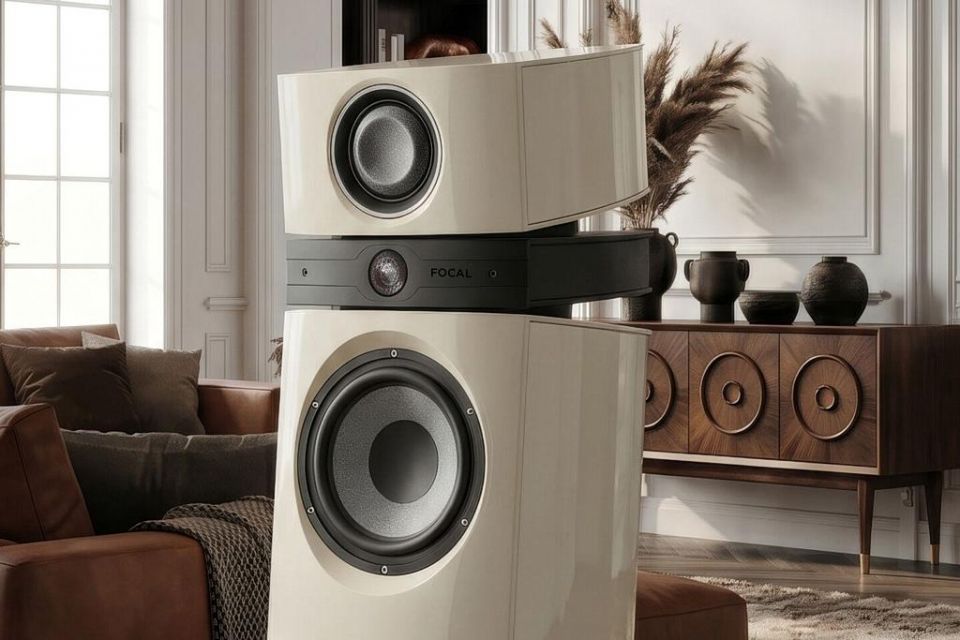
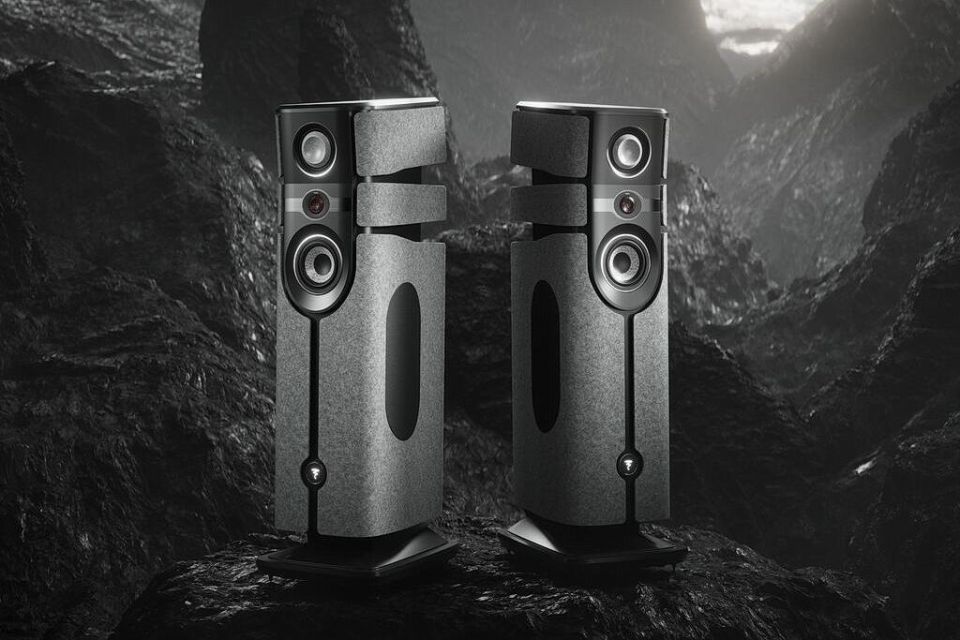
Focal has unveiled the Scala Utopia Evo M, a new version of one of the most recognisable loudspeakers in its flagship range. The French manufacturer has retained the three-way configuration, distinctive curved silhouette and general proportions of the previous Scala, but replaced all of its principal drivers and developed a new crossover network to integrate them. The most significant change is the introduction of the PRISM tweeter, which takes the place of the pure-beryllium inverted dome used in the earlier model. It is joined by a 13 cm midrange driver with a W-cone and M-shaped profile, as well as a completely redesigned 27 cm woofer equipped with a dual-ferrite magnet system.

Sonus Faber Olympica G3

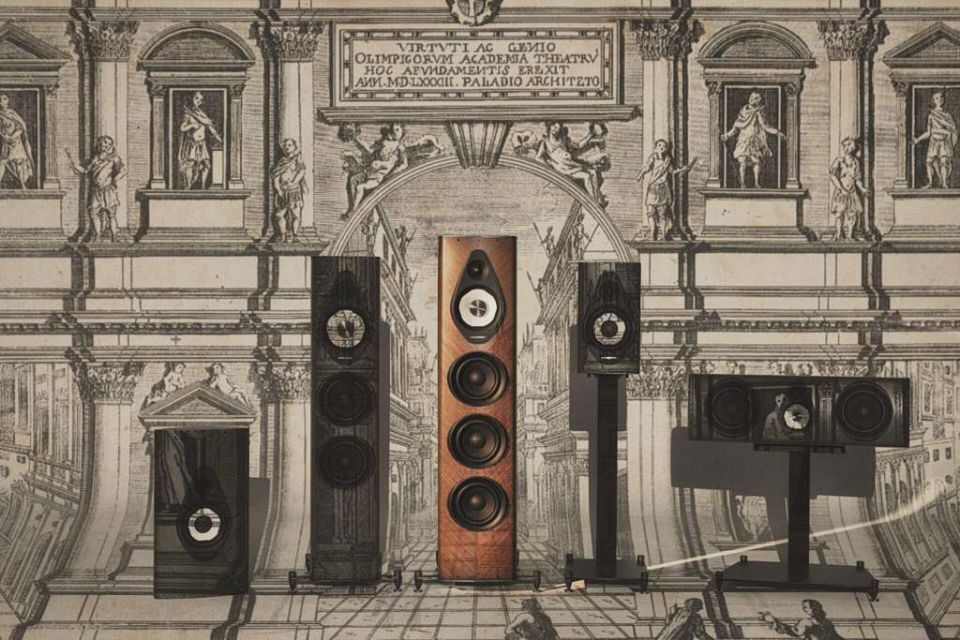
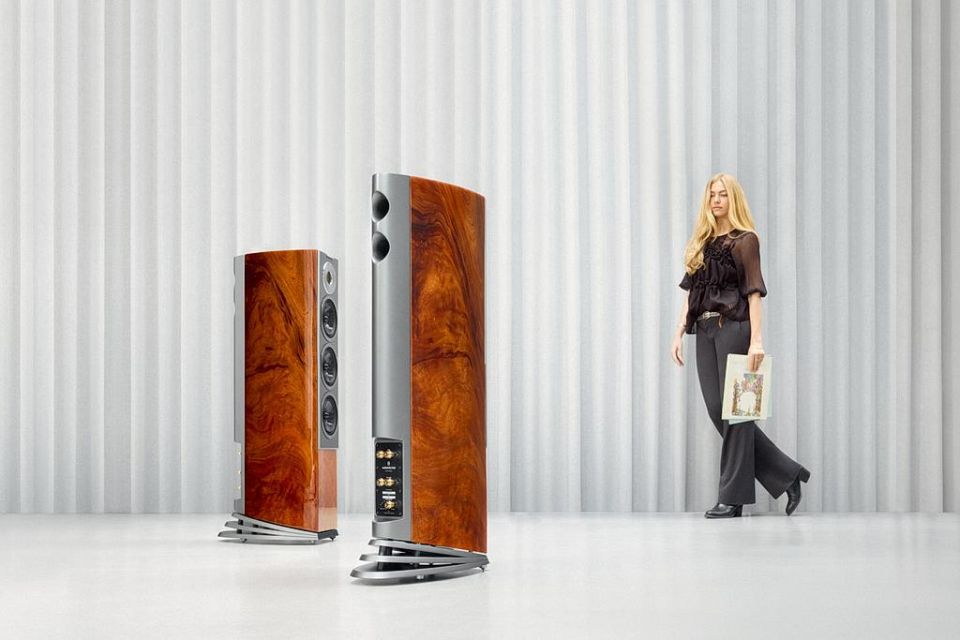
Sonus Faber has introduced the Olympica G3 collection, the third generation of one of the most recognisable loudspeaker families in its catalogue. The Italian brand is returning here to an idea that, from the beginning, was always more than just another line of speakers. Since its debut in 2013, Olympica has combined traditional craftsmanship, a characteristic asymmetrical cabinet and clear references to the culture of Vicenza, the city Sonus Faber calls home. The new generation is intended to preserve that spirit while introducing acoustic solutions inspired by the company's flagship designs, including Suprema. The result is a collection that still looks unmistakably like Sonus Faber, but also shows that the Italians are not interested in living only on memories of beautiful loudspeakers from a decade ago.

Audiovector R5 Arreté

Audiovector has introduced the R5 Arreté, a new floorstanding loudspeaker in the R Series, designed to sit between the slimmer R 3 Arreté and the larger R6 Arreté. The Danish brand describes it as a sweet spot between size, performance and musicality, but behind that familiar high-end phrase there is a fairly concrete idea. The R5 Arreté is the first model in the R Series to use technologies developed directly for the reference R10 Arreté. In other words, this is not simply another addition to the catalogue, but an attempt to bring flagship engineering into a loudspeaker that has a much better chance of fitting into a real listening room. It is still a very serious, hand-built Danish loudspeaker, but not a monument that demands half the living room.

Focal Diva Alta Utopia

Focal has introduced the Diva Alta Utopia, the most advanced model in its family of active wireless loudspeakers developed in partnership with Naim. The French brand is clearly positioning this system very high - not as a luxury network speaker for an elegant living room, but as a fully fledged high-end system intended to replace a traditional stereo set-up made up of loudspeakers, amplifiers, streamer, DAC, cables and the rest of the usual audiophile infrastructure. The difference is that here, everything has been built into large active loudspeakers.

Siltech Classic Legend MKII

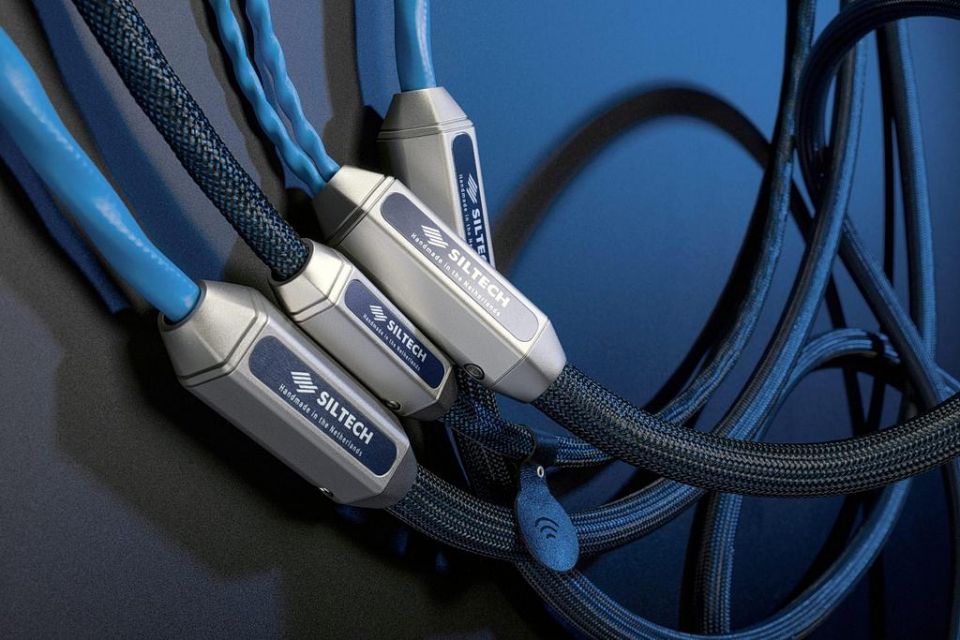
Cable ranges are rarely about sudden revolutions. In high-end audio, they usually evolve through materials, geometry, shielding, insulation and connector design - the kinds of changes that are not always visible from the outside, but can matter when the whole purpose of the product is to carry a signal with as little interference as possible. Siltech's new Classic Legend MKII series follows exactly that logic. It continues one of the Dutch company's most important cable families, but introduces a deeper internal redesign intended to make the range quieter, more stable and more complete.

We use cookies to improve our website and your experience when using it. To find out more about the cookies we use and how to delete them, please see our Privacy Policy.