Displaying items by tag: hires - StereoLife Magazine

Marcin Ostapowicz - JPLAY

Digital audio has come a long way in recent years. There was a time when all you needed was a computer, a modest collection of files on a hard drive and a DAC connected over USB. Today, we have music servers, network transports, dedicated operating systems, control apps, streaming services and an entire infrastructure that some audiophiles take just as seriously as their amplifiers or speakers. For a long time, I found myself somewhere between those two worlds. I was eager to try anything that promised a better way to listen to files, seeing it not just as a matter of convenience but as a chance to get around some of the limitations of CD. I extensively modified my PC to make it quiet and efficient, and just about every DAC from a familiar hi-fi brand found its way onto my desk: the Meridian Explorer, Primare DAC30, Hegel HD25, Atoll HD100, iFi Audio iDSD Micro and Marantz HD-DAC1. Back then, this was seen as a harmless eccentricity. For most audiophiles, the only serious source of music was a CD player, but that began to change quickly. Today, streaming is a galaxy of its own, with streamers, servers, dedicated operating systems, control apps, streaming services, specialist power supplies and even LAN cables with prices that can make your head spin. For some people, streaming is simply a more convenient way to listen to music. For others, it is another area where they can spend hours searching for small improvements. But even the most ambitious system needs one more key component: software for playing music. You can use one of the free apps, download the one supplied by your streamer’s manufacturer or switch between them depending on where you want to access your music. Or you can bring all of that together with a specialist app such as JPLAY.
Sennheiser Momentum 5 Wireless

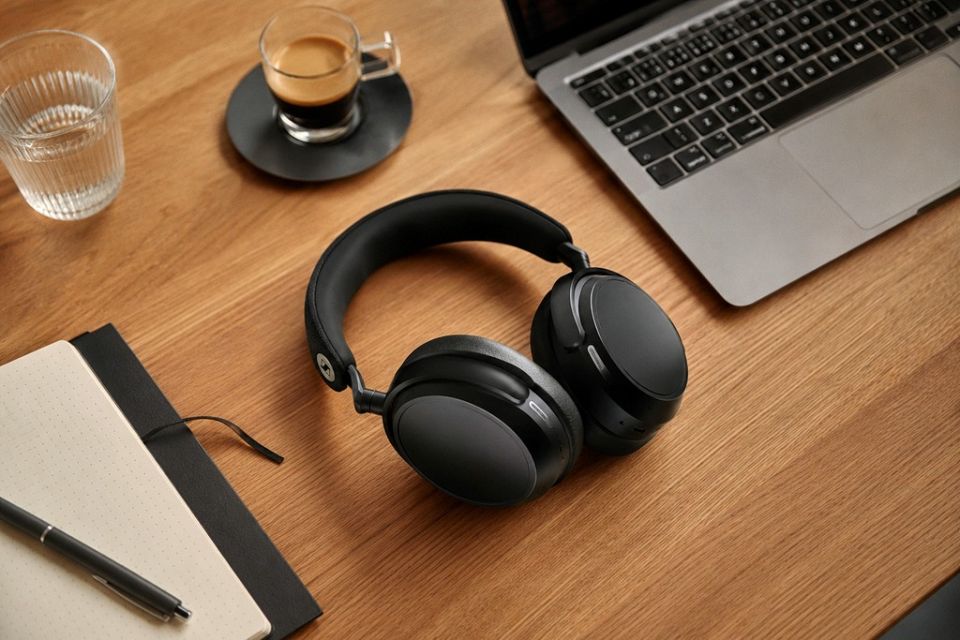
Some audio products come around so predictably that you could almost use them to mark the passing of time. A new smartphone every year. A new DAC every couple of years. An amplifier gets refreshed every three, usually gaining a slightly larger display, an updated streaming board, and a few extra connections along the way. Wireless headphones live on an even shorter clock because the electronics inside them age far faster than the parts that actually make sound. A good driver can remain perfectly competitive for a decade or more, and there is no reason a well-designed enclosure should suddenly become obsolete, but one new codec, a better ANC system, another Bluetooth revision, or a much better app can make a three- or four-year-old model feel surprisingly old. That makes the four-year gap between the Momentum 4 Wireless and their successor unusually long for this market. In 2022, Bluetooth 5.2 with aptX Adaptive was a serious selling point, 60 hours of battery life sounded borderline ridiculous, and manufacturers were still putting the word "adaptive" in front of noise cancellation as though that alone settled the matter. Today, expectations are much higher. Buyers want ANC that can deal with conversation as well as engine rumble, a transparency mode that sounds natural, seamless switching between devices, the best possible wireless audio quality, regular firmware updates, and an app designed for people rather than engineers. Sennheiser has not been standing still either. Since the Momentum 4 appeared, the company has launched the Accentum Wireless, expanded its true-wireless range, and - most importantly from an audiophile point of view - introduced the HDB 630, a model designed to bring some of the philosophy behind the HD 600 family into a modern wireless package. So the Momentum 5 Wireless are entering a very different world. They have tougher competition outside the company and, for the first time, a clearly defined rival within Sennheiser's own lineup.

Arcam A50 Signature & CD25

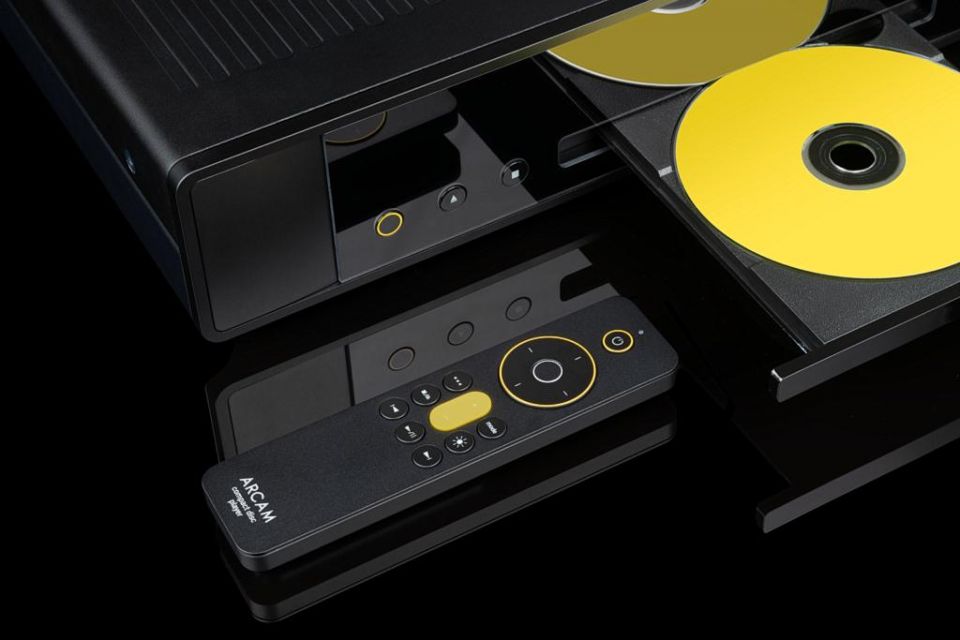
In 2026, Arcam celebrates its 50th anniversary. The British company's story began in Cambridge, where two engineering students and friends, John Dawson and Chris Evans, combined their interest in music with their technical expertise to establish Amplification and Recording Cambridge, later known as A&R Cambridge. Its first major product was the A60 integrated amplifier, introduced in September 1976. It not only gave the fledgling company a successful start, but also established the direction it would follow for decades to come. Although Arcam's catalogue eventually expanded to include disc players, digital-to-analogue converters, streamers and sophisticated home cinema electronics, amplifiers remained at the heart of the company's identity. To mark its golden anniversary, Arcam has introduced two new components positioned at the top of the Radia range - the A50 Signature integrated amplifier and the CD25 compact disc player.

Meze Audio Arta

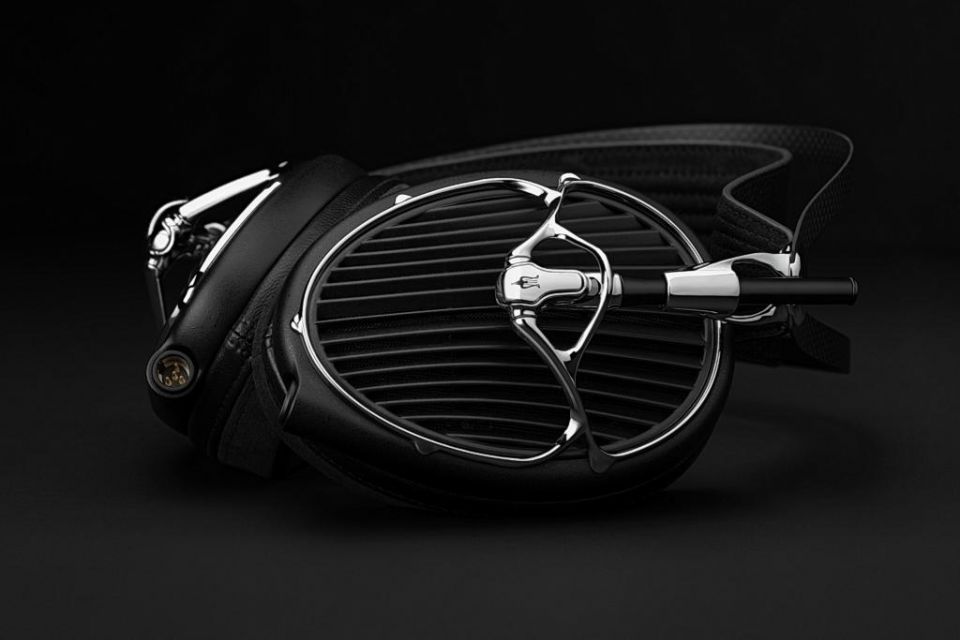
Meze Audio has been climbing steadily toward the very top of the headphone market for years, but until now the hierarchy was relatively easy to understand. Empyrean established the company's planar magnetic credentials, Elite pushed the concept further, and Empyrean II refined one of Meze's most recognizable designs. Arta changes that structure completely. Unveiled at High End Vienna 2026 after several years of development with Rinaro Isodynamics, it becomes the company's new reference headphone and moves well above the rest of the range - not only in price, but also in terms of driver architecture, amplification requirements and sheer engineering ambition. Meze describes it as a project created without the usual compromises, while Rinaro developed an entirely new planar magnetic transducer specifically for this model. The original announcement positioned Arta at $6,000 and €6,000, making it substantially more expensive than Elite and Empyrean II.

Topping DX1 II

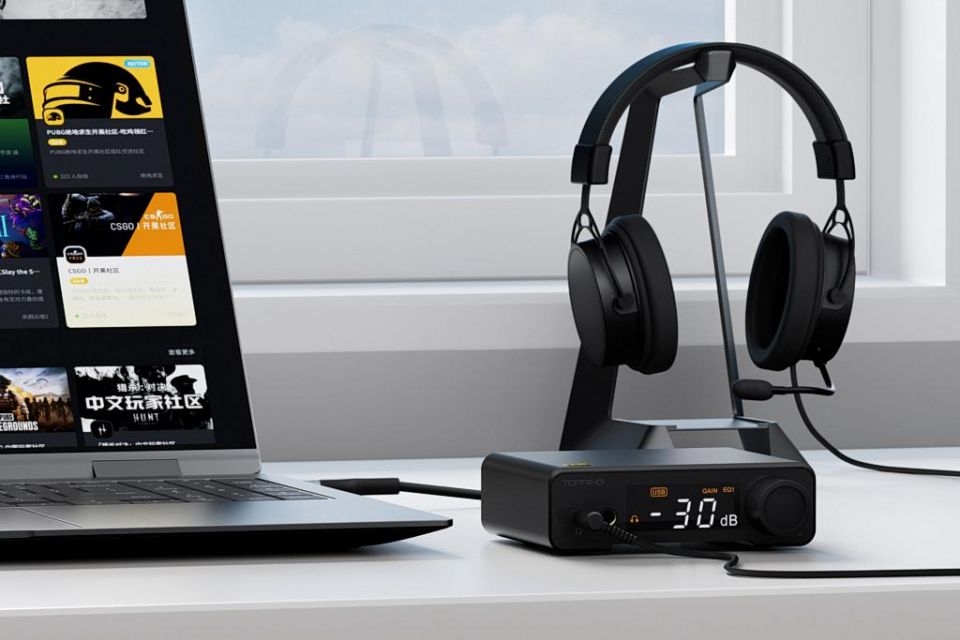
Topping has never been particularly shy about squeezing ambitious specifications into inexpensive little boxes, but DX1 II is a much more substantial update than its familiar name might suggest. The original DX1 was deliberately simple - a USB-powered DAC and headphone amplifier built around AKM's AK4493S, with a single USB input, RCA output and 3.5 mm and 6.35 mm headphone sockets. DX1 II keeps the compact desktop format and USB-powered operation, but almost everything around it has changed. There is a new ESS converter, fully balanced analog architecture, considerably more headphone power, optical input and output, 4.4 mm connections, parametric EQ, a display and remote control, plus features aimed specifically at PlayStation 5 and Nintendo Switch users. In other words, what started as an inexpensive way to improve computer audio has evolved into a surprisingly complete little DAC, preamplifier, headphone amplifier and digital signal processor.

Snowsky Echo Nano

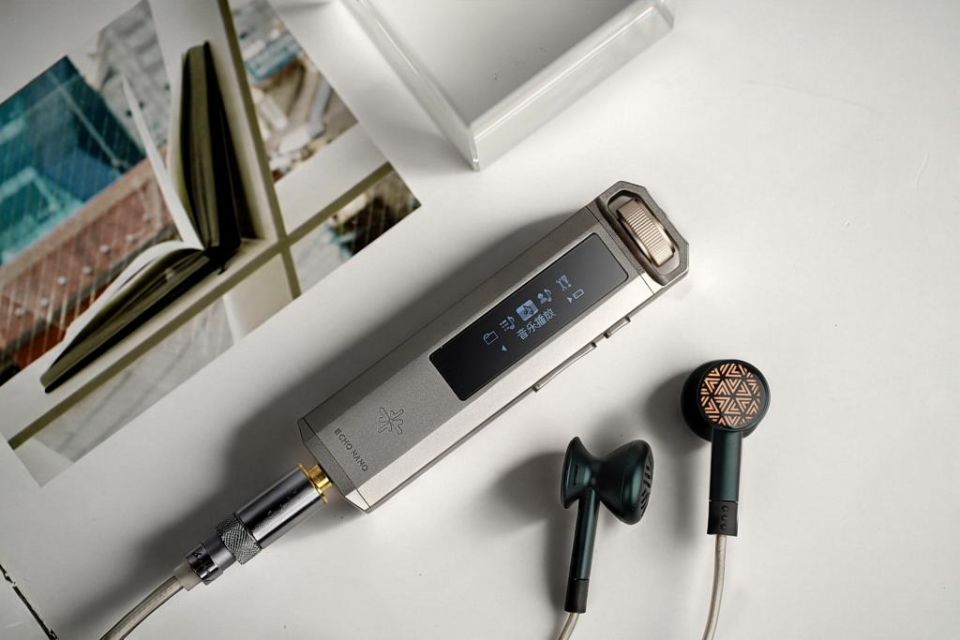
Not that long ago, carrying a separate music player was perfectly normal. Then smartphones took over, streaming largely removed the need to keep a personal library of files in your pocket, and traditional MP3 players all but disappeared from everyday life. Curiously, they are now starting to make a comeback - not by trying to compete with phones on features, but by doing the exact opposite. In an age when one device serves as a music player, camera, messenger, payment terminal, entertainment hub, and a constant source of notifications, there is something increasingly appealing about a gadget designed to do one thing and do it well. FiiO is tapping into that idea with the Snowsky Echo Nano, a tiny portable player that looks as though it has arrived straight from the early 2000s, but hides thoroughly modern hardware inside and has no intention of being just a nostalgic toy.

Marantz Model 70 & CD 70

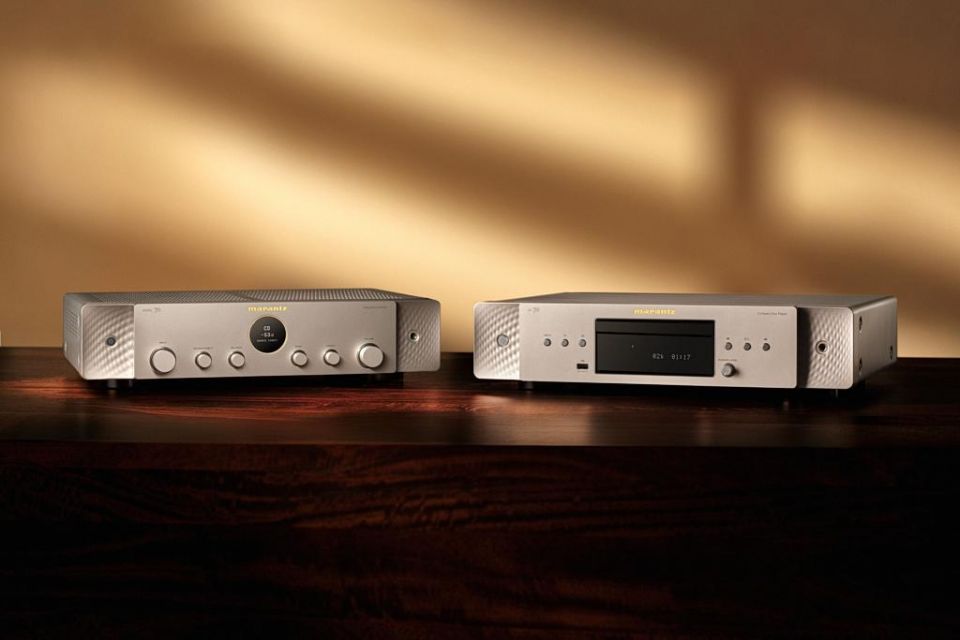
Marantz is refreshing the entry point to its traditional hi-fi range with two full-size components - the Model 70 integrated amplifier and the matching CD 70 player. The new duo follows in the footsteps of the popular PM6007 and CD6007, but the transition involves considerably more than a change of model numbers. Both products adopt the visual language previously associated with more expensive Marantz components, while the amplifier gains HDMI ARC, two-way Bluetooth connectivity and a revised amplification section. The CD player, meanwhile, combines conventional disc playback with high-resolution files from USB storage.

FiiO EH13

FiiO has introduced the EH13, a pair of wireless over-ear headphones that look like an attempt to bring several typically audiophile features into a very affordable part of the market. The specification includes LDAC codec support, Hi-Res Audio and Hi-Res Audio Wireless certification, active noise cancellation, Bluetooth 6.0, app-based sound settings, wired operation and battery life of up to 75 hours. Not long ago, a list like that in headphones this inexpensive would have sounded like a wishful forum post, but FiiO clearly wants to show that even an entry-level model can receive features normally associated with more expensive designs.

Focal Diva Alta Utopia

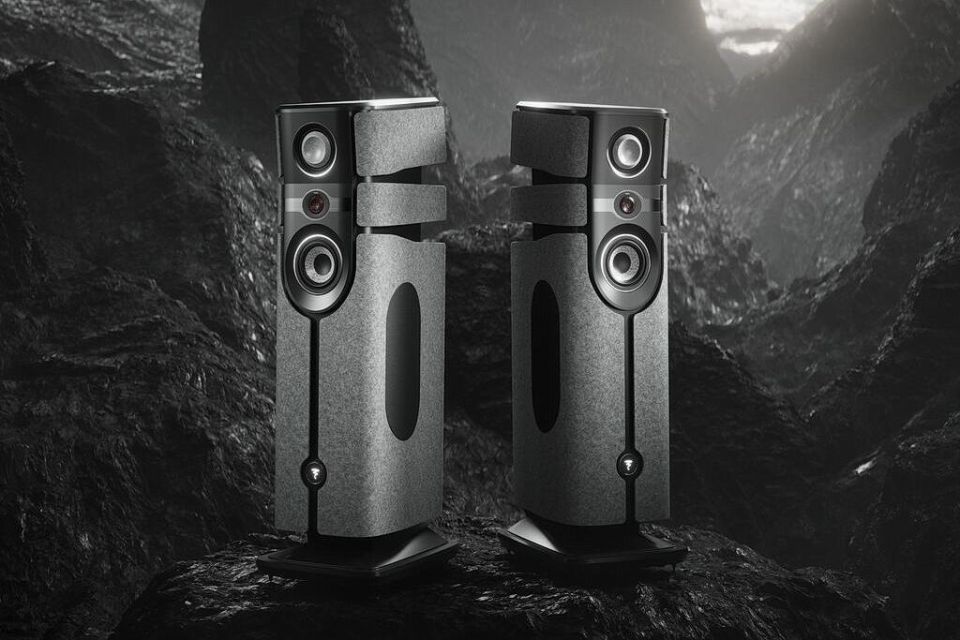
Focal has introduced the Diva Alta Utopia, the most advanced model in its family of active wireless loudspeakers developed in partnership with Naim. The French brand is clearly positioning this system very high - not as a luxury network speaker for an elegant living room, but as a fully fledged high-end system intended to replace a traditional stereo set-up made up of loudspeakers, amplifiers, streamer, DAC, cables and the rest of the usual audiophile infrastructure. The difference is that here, everything has been built into large active loudspeakers.

JadeAudio Level 1

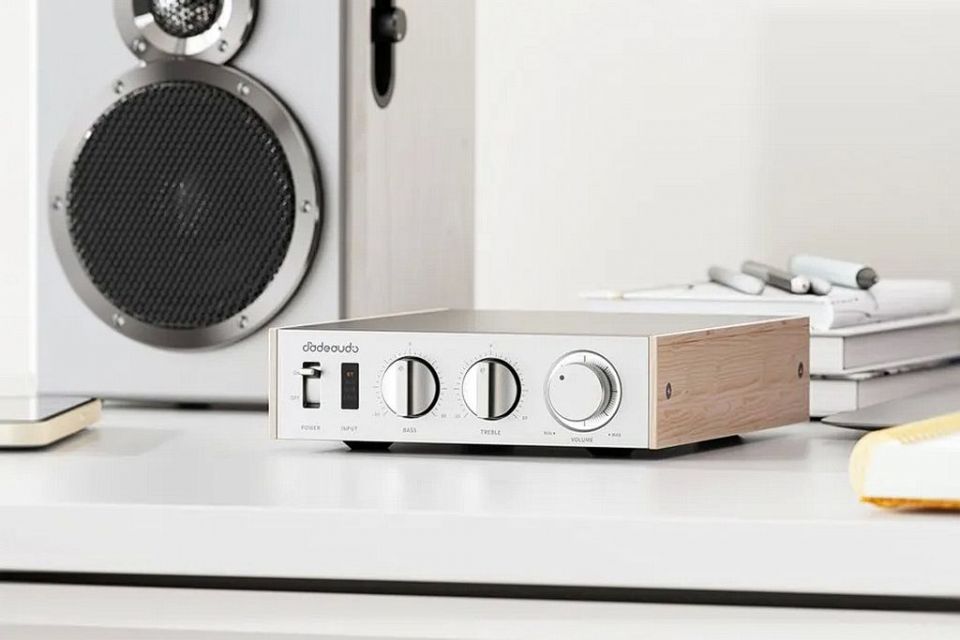
FiiO is expanding its range of desktop audio equipment with the Level 1, a compact integrated amplifier designed to drive passive loudspeakers. The new model combines a Class D power amplifier, a built-in digital-to-analogue converter, Bluetooth connectivity, traditional tone controls and outputs allowing the system to be expanded with an active subwoofer or an external power amplifier. All of this is housed in an aluminium enclosure with wooden side panels. The Level 1 is slightly different from the products with which the Chinese company has traditionally been most closely associated. Rather than another portable player or DAC with a headphone amplifier, it is intended to serve as the heart of a proper stereo system built around conventional passive loudspeakers. This may explain why the front panel carries the JadeAudio logo. Owned by FiiO, the brand is positioned as a younger, more modern alternative with a particularly strong focus on value for money. JadeAudio benefits from FiiO's technical resources, engineering experience and proprietary solutions, but products developed under this project carry their own JadeAudio branding.

We use cookies to improve our website and your experience when using it. To find out more about the cookies we use and how to delete them, please see our Privacy Policy.