Displaying items by tag: analog - StereoLife Magazine

Michi Prestige P430 & S430

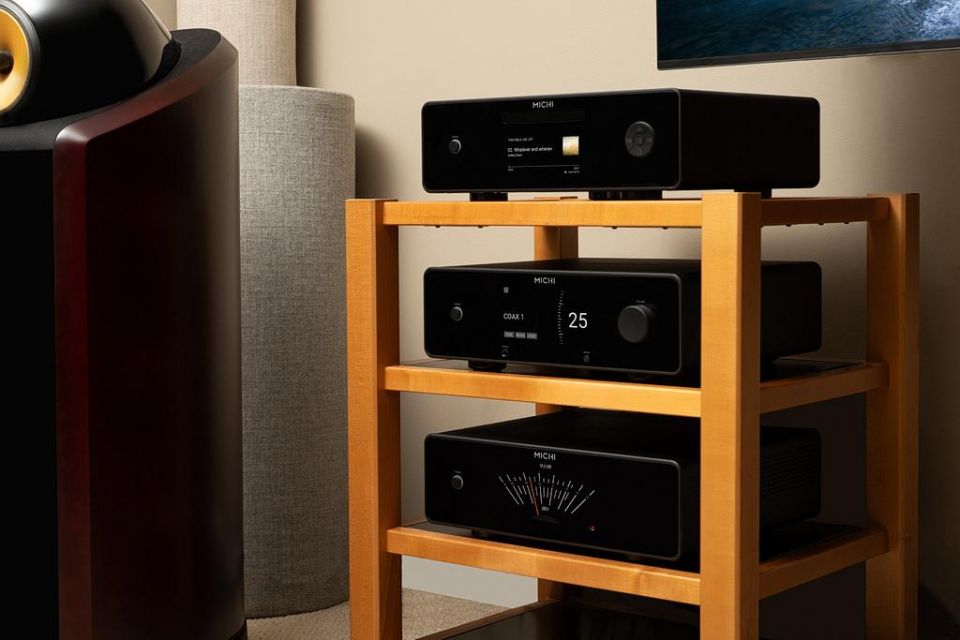
Michi continues to expand its relatively young Prestige Series, which is quickly evolving from a small offshoot of the main lineup into a proper family of components. The previously introduced X430 integrated amplifier and Q430 CD player are now joined by two more models - the P430 preamplifier and S430 stereo power amplifier. While the first pair made it possible to build a straightforward system around an integrated amplifier, the new components open the door to a more ambitious separates-based setup. This is therefore more than the launch of two unrelated products. With four components now available, Prestige gives users a genuine choice between an integrated solution and a traditional pre/power configuration.
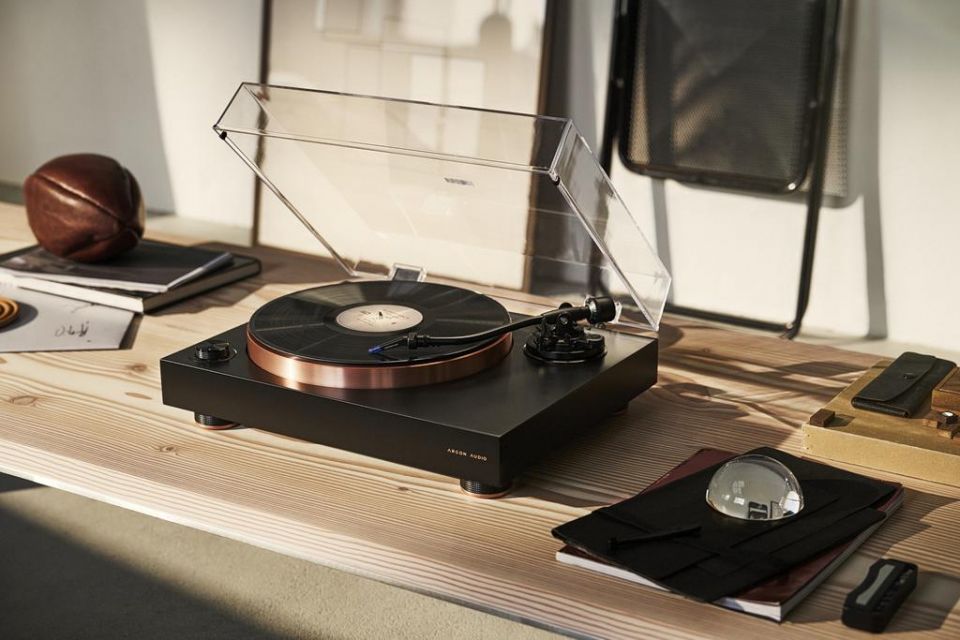
Argon Audio Aurora

Argon Audio has built its reputation on products that bridge the gap between traditional hi-fi and the expectations of modern listeners. The Danish company's catalog includes active speakers, streaming components, headphones, radios, and an increasingly extensive range of turntables. Rather than trying to convince customers that great sound requires complicated setups and countless hours spent matching individual components, Argon Audio takes the opposite approach. Its products are designed to be elegant, easy to use, and ready to perform almost straight out of the box. With turntables, that philosophy can sometimes involve a few compromises, but the company's latest model suggests that convenience and more ambitious engineering don't necessarily have to be mutually exclusive. The Aurora is Argon Audio's new flagship turntable and, more importantly, the first direct-drive model in the brand's history.

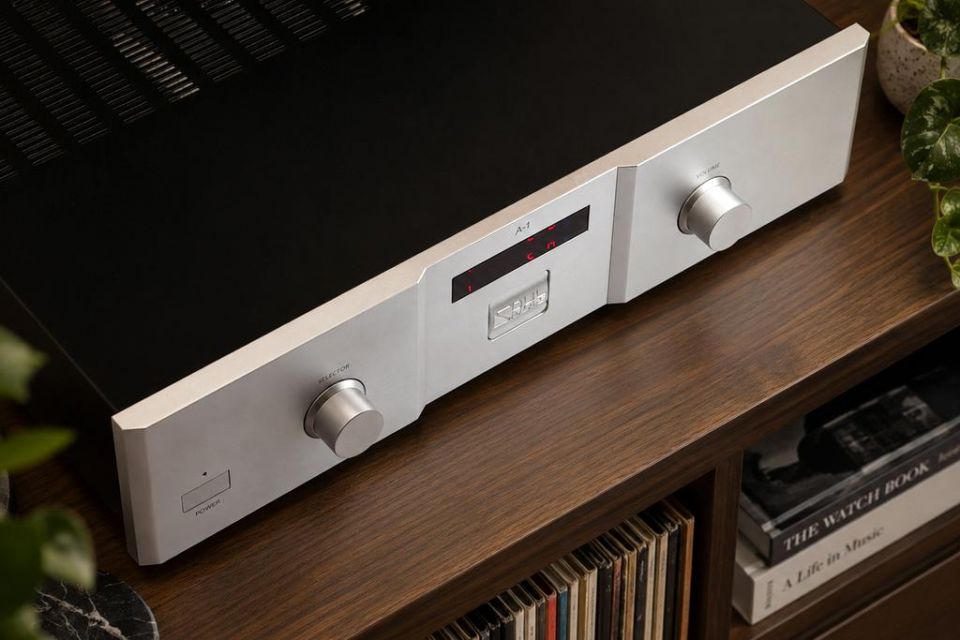
Soul Note A-0, A-1 & A-2 ver.2

In the hi-fi industry, a new generation of amplifiers is generally expected to deliver more of everything. More power, more features, better specifications, and, inevitably, a higher price. Manufacturers love being able to announce that their latest model produces another twenty or thirty watts per channel, even if the actual benefits are considerably less obvious than the numbers might suggest. Soulnote has never been particularly interested in playing that game. The Japanese company has now introduced substantially revised versions of three of its most important integrated amplifiers, the A-0, A-1, and A-2, each carrying the ver.2 designation. Their familiar names and understated appearance might suggest relatively modest updates, but the changes go considerably deeper than a few upgraded components. All three have received revised output stages, bias circuits, and power supplies, while the more expensive models incorporate technologies developed for the flagship A-3. Most surprisingly, the new A-2 ver.2 actually produces less power than its predecessor. This isn't a cost-cutting measure or a technical setback. Soulnote has deliberately traded some maximum output voltage for greater instantaneous current delivery, believing that the result will be a more capable amplifier when connected to demanding loudspeakers. It's a decision that tells us quite a lot about the company's approach to audio engineering.

Hegel A200 & H200

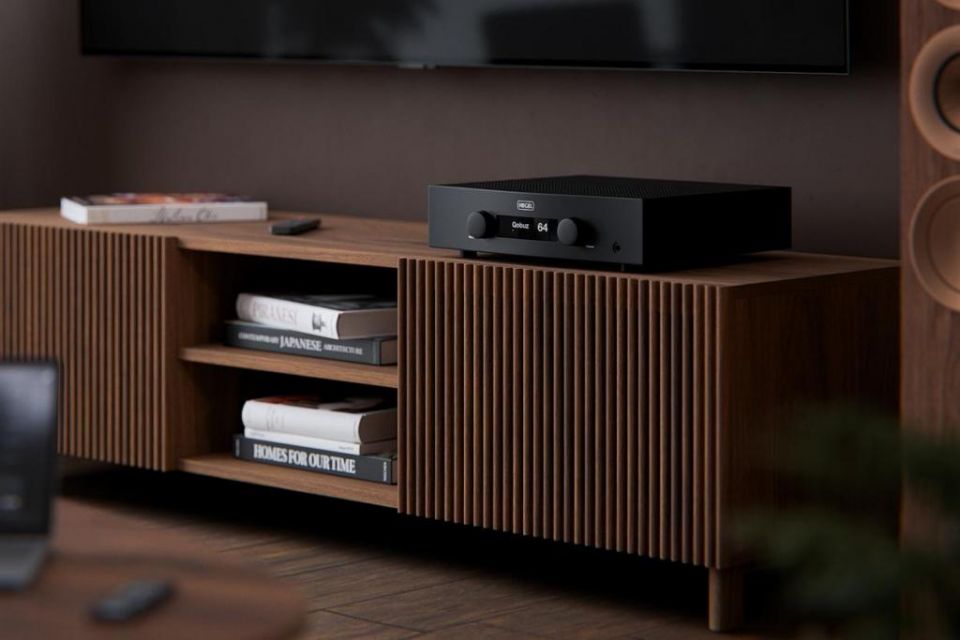
Hegel is introducing two new integrated amplifiers built around the same core platform but aimed at different types of system. The H200, described by the manufacturer as "The Connected", combines a 2 x 150 W amplifier with a digital-to-analogue converter, network player, MM phono stage and headphone output. The A200, or "The Classic", retains the same power output and key circuit solutions, but is an entirely analogue design intended for use with external sources such as streamers and DACs. Both amplifiers employ a Class AB output stage delivering 150 W per channel into 8 ohms. The H200 and A200 are designed to remain stable into loads as low as 2 ohms, while the damping factor of their output stages exceeds 4000. Both models also feature Hegel's SoundEngine2 technology, which is designed to detect and reduce distortion at the point where it occurs, before it travels further through the signal path. The basic amplifier architecture is therefore shared, with the main differences concerning connectivity, features and the role each model is intended to play within a system. Rather than creating one heavily equipped amplifier for everyone, Hegel has developed two versions - a complete network-enabled model and a more traditional integrated amplifier without a digital section.

Dual CS 718Q

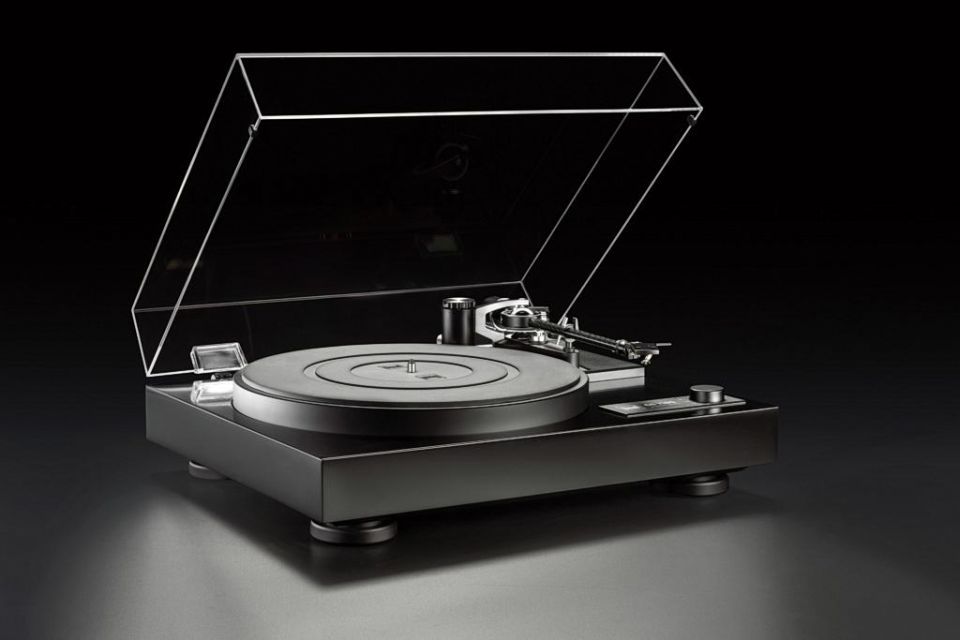
Dual is introducing the CS 718Q, a turntable developed at the company's engineering center in Germany and designed to continue the legacy of the celebrated Series 7. The new model combines direct drive with a carbon-aluminum sandwich tonearm, adjustable tonearm height, a dynamic tracking-force mechanism and a removable headshell. One important detail for prospective owners is that the CS 718Q is sold without a cartridge. Users are free to choose one according to their sonic preferences, the rest of the system and the tonearm's operating parameters.

Topping DX1 II

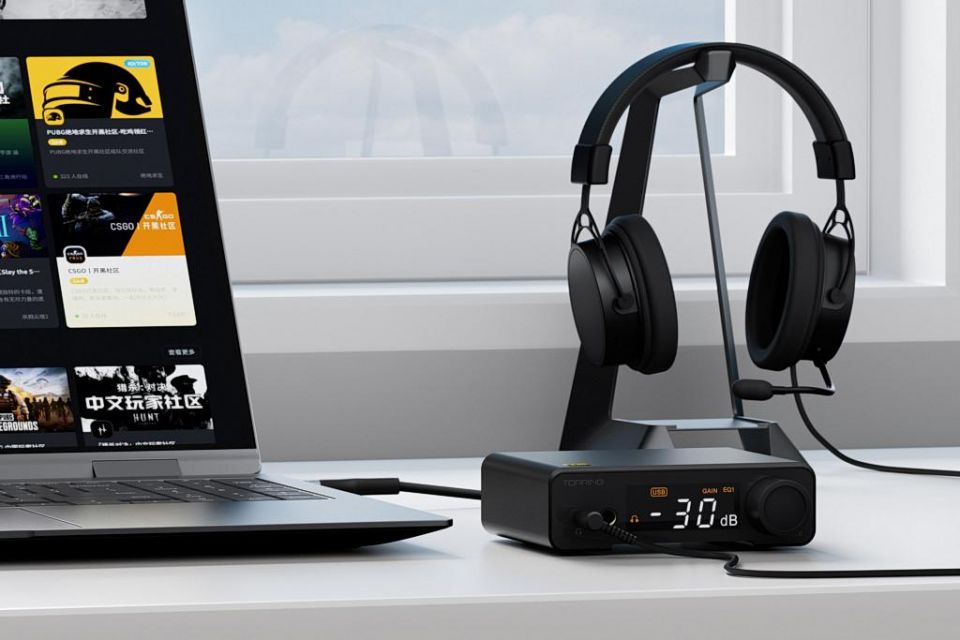
Topping has never been particularly shy about squeezing ambitious specifications into inexpensive little boxes, but DX1 II is a much more substantial update than its familiar name might suggest. The original DX1 was deliberately simple - a USB-powered DAC and headphone amplifier built around AKM's AK4493S, with a single USB input, RCA output and 3.5 mm and 6.35 mm headphone sockets. DX1 II keeps the compact desktop format and USB-powered operation, but almost everything around it has changed. There is a new ESS converter, fully balanced analog architecture, considerably more headphone power, optical input and output, 4.4 mm connections, parametric EQ, a display and remote control, plus features aimed specifically at PlayStation 5 and Nintendo Switch users. In other words, what started as an inexpensive way to improve computer audio has evolved into a surprisingly complete little DAC, preamplifier, headphone amplifier and digital signal processor.

AudioQuest DragonFly Copper

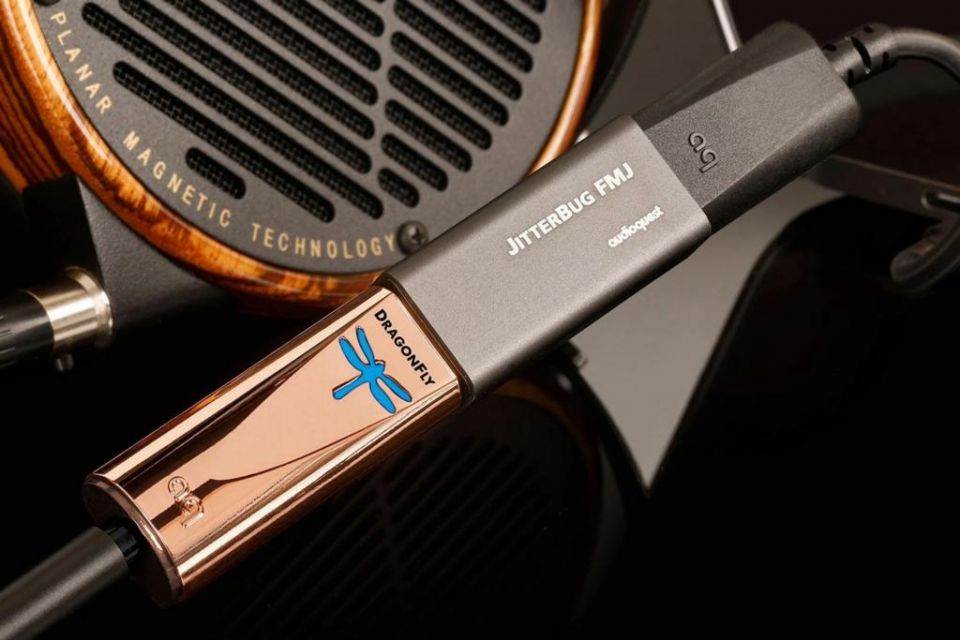
AudioQuest DragonFly is one of those products that hardly needs an introduction. The original model appeared in 2012 and helped turn the USB dongle DAC from a niche computer-audio accessory into a genuinely mainstream hi-fi product, with more than 300,000 DragonFlys sold worldwide since then. Black and Red followed in 2016, Cobalt arrived three years later, and then the series went quiet for almost seven years. Copper finally breaks that silence. Rather than simply updating Cobalt with a different finish, AudioQuest has substantially reworked the internal architecture, giving its latest DAC-preamp-headphone amplifier more output power, lower current consumption and a new copper-plated enclosure intended to improve RF noise dissipation.

Topping E50 II

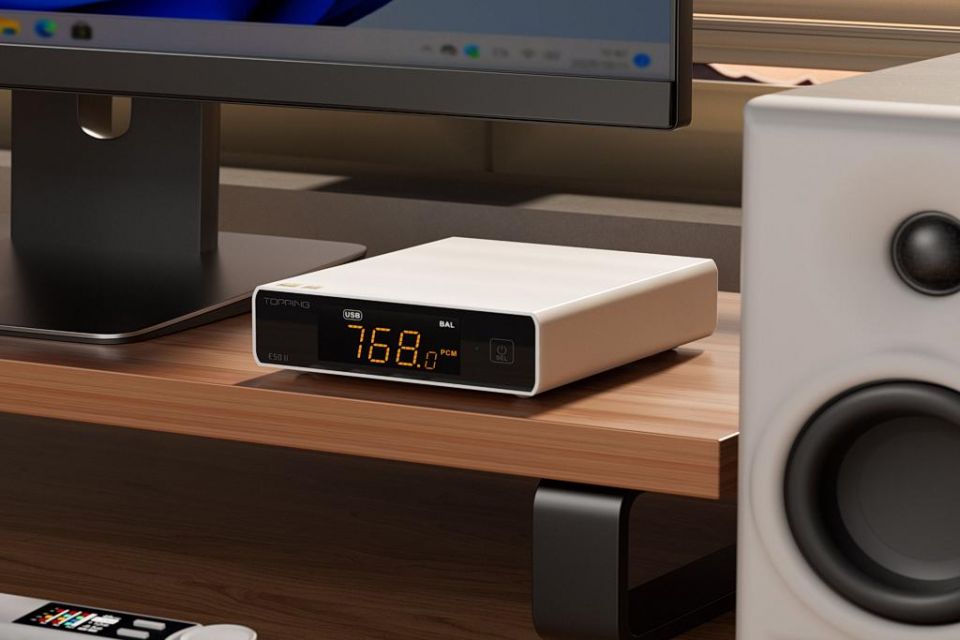
Topping has introduced the E50 II, a compact pure DAC with preamp functionality and no onboard headphone amplifier. The new model joins the company's popular E Series of budget-friendly converters and is designed for desktop systems, hi-fi setups, active speakers, separate headphone amplifiers and even more demanding studio-oriented use. It is a small device, but the feature set is unusually broad, combining a modern AKM DAC chip, balanced and single-ended outputs, high-resolution USB input, Bluetooth, app control and a sophisticated parametric EQ system.

Exposure 5510 Pre-Amplifier

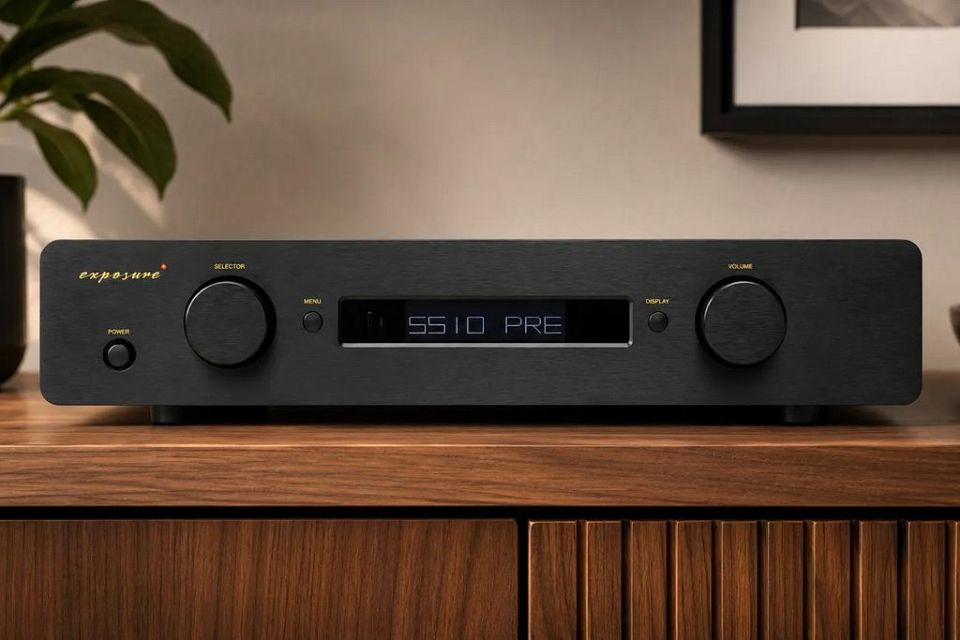
Exposure Electronics has introduced the 5510 Pre-Amplifier, a new flagship model designed as the control center of a high-end separates system. In a market increasingly dominated by integrated amplifiers, streaming amplifiers and compact all-in-one components, the dedicated preamplifier remains a very specific proposition. It is aimed at listeners who want to separate signal management from power delivery and build a system in which each part has a clearly defined role. With the 5510, Exposure is returning to that classic hi-fi logic, presenting a component whose task is not to amplify loudspeakers or attract attention with extra functions, but to handle the incoming signal with accuracy, low noise and long-term flexibility before it reaches the power amplifier.

Topping DX9 Discrete

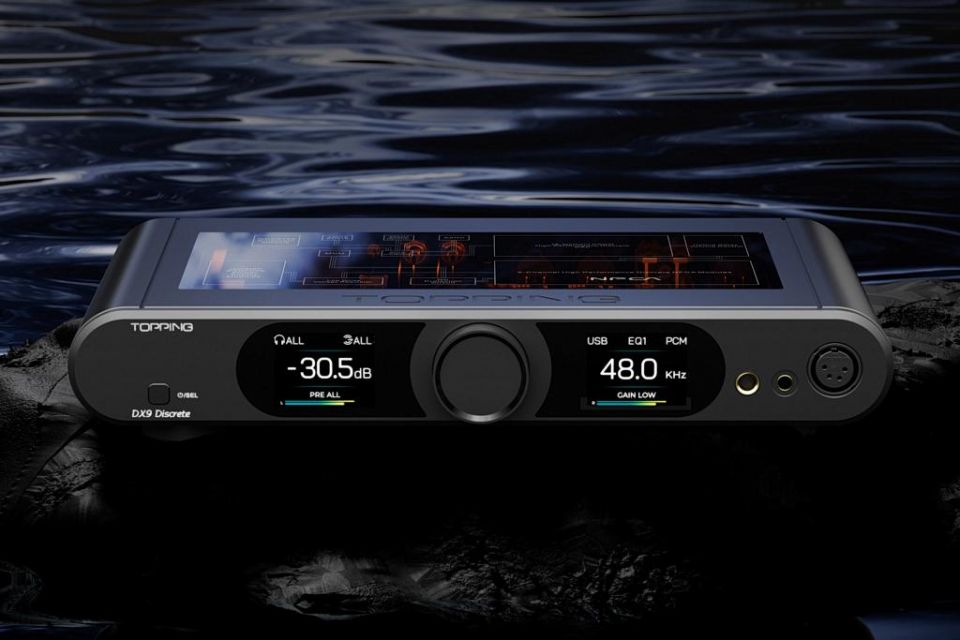
Topping has built much of its reputation on DACs and headphone amplifiers that combine ambitious engineering with unusually strong measured performance. The DX9 Discrete takes that formula into a more premium and more distinctive direction. It is a fully balanced DAC, preamplifier and headphone amplifier in one compact chassis, but its main point of interest is not the number of functions it combines. The real story is the conversion architecture. Instead of relying on an off-the-shelf DAC chip, Topping has used its own discrete 1-bit PSRM technology, bringing one of the company's most advanced digital designs into an all-in-one component for headphones, active speakers and conventional hi-fi systems.

We use cookies to improve our website and your experience when using it. To find out more about the cookies we use and how to delete them, please see our Privacy Policy.