Displaying items by tag: hometheater - StereoLife Magazine

Audio Video Show Warsaw 2026

Had we told international hi-fi enthusiasts fifteen or twenty years ago that one of the world's largest and most important audio shows would one day take place in Warsaw, many would probably have found it hard to believe. Back then, Poland was hardly known as a major market for luxury audio equipment, and the country's own hi-fi manufacturers were only beginning to establish themselves internationally. Yet Audio Video Show, whose history dates back to the 1990s, kept growing almost without interruption, attracting an ever-increasing number of manufacturers, distributors, journalists, and music lovers. What began as a relatively small exhibition in the rooms of a Warsaw hotel has evolved into an event that can hold its own against the biggest audio shows anywhere in the world. The 28th edition occupied no fewer than 196 demonstration rooms across three venues - the PGE Narodowy stadium and the Radisson Blu Sobieski and Golden Tulip hotels. Nearly 700 brands were represented, and more than fifteen thousand people attended. Perhaps even more impressive is the fact that all of this happened over just three days, October 23-25, 2026.
DALI Basik Sub

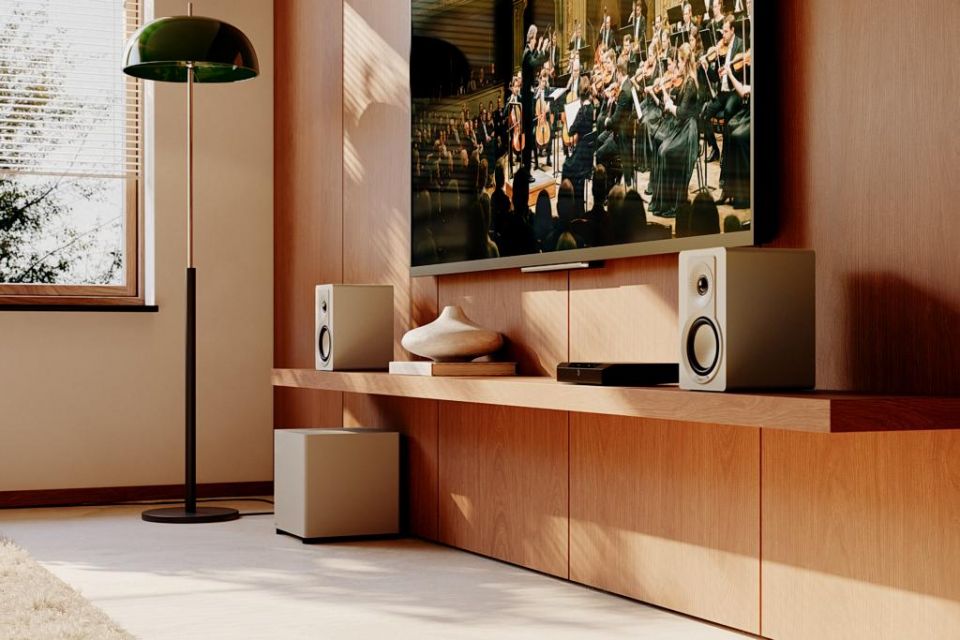
Compact bookshelf speakers and small streaming amplifiers have become enormously popular in recent years, but there are some laws of physics that even the cleverest engineers cannot completely overcome. A stereo system that fits comfortably on a sideboard, shelf, or small media cabinet can deliver surprisingly mature and sophisticated sound, but when it comes to the lowest frequencies, it will usually have to concede some ground to larger designs. One way to address this limitation is to add an active subwoofer, extending the system's bass response without immediately replacing everything with a pair of large floorstanding speakers. This is precisely the idea behind DALI's new Basik Sub, a compact model designed primarily to complement smaller stereo systems while remaining equally suitable for home theater applications.

Wharfedale Aura

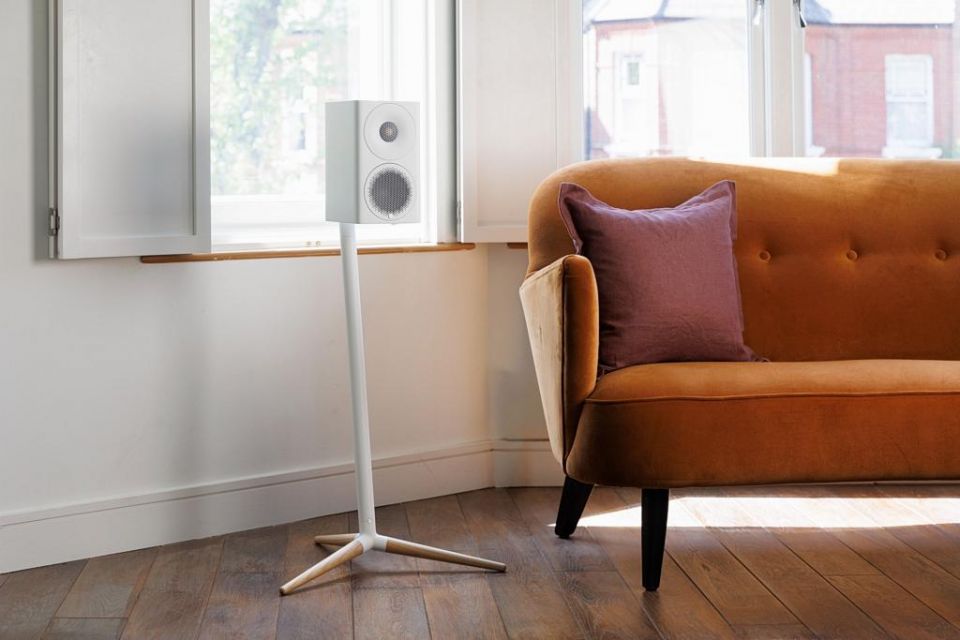
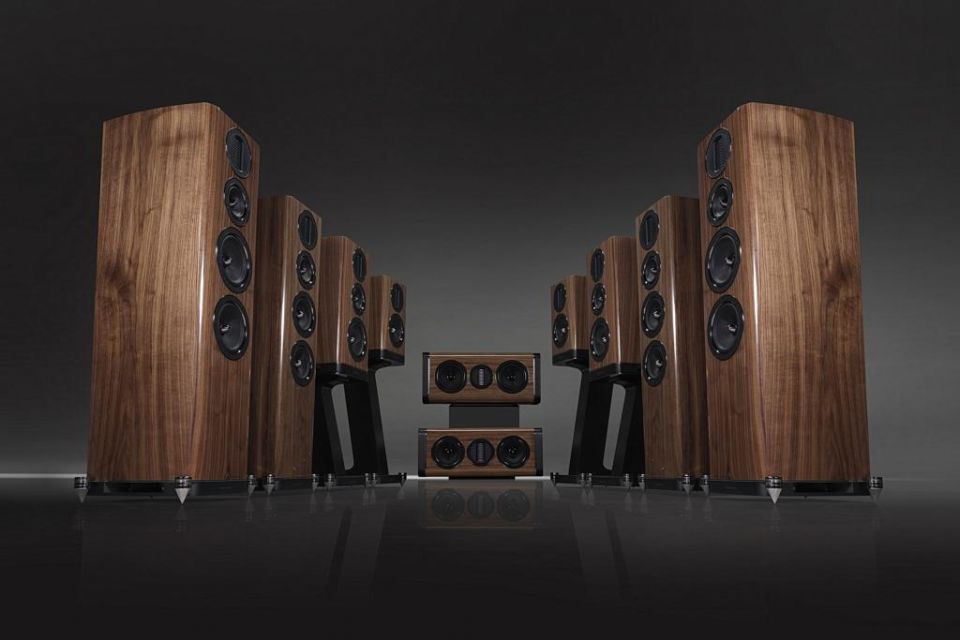
Wharfedale is one of those manufacturers that knows how to spread its ideas across several price levels without turning the more affordable ranges into stripped-down, characterless versions of its flagship designs. The Aura series is a particularly good example. It borrows heavily from technologies developed for the top-of-the-line Elysian range, but packages them in speakers aimed at a much broader audience. In terms of overall size, the Aura models remain relatively close to the popular Evo family, yet their drivers, cabinets, crossovers and bass-reflex systems have all been developed with Wharfedale's more ambitious designs in mind. This is not just a single pair of speakers, either, but a complete lineup capable of forming the basis of anything from a traditional stereo system to a full multichannel home theater. The range consists of two stand-mount models, the Aura 1 and Aura 2, two floorstanders, the Aura 3 and Aura 4, and two center-channel speakers, the Aura CS and Aura C. In other words, buyers can start with a relatively compact setup for a living room or office, move all the way up to a substantial three-way floorstander, or build a tonally consistent system for both music and movies.

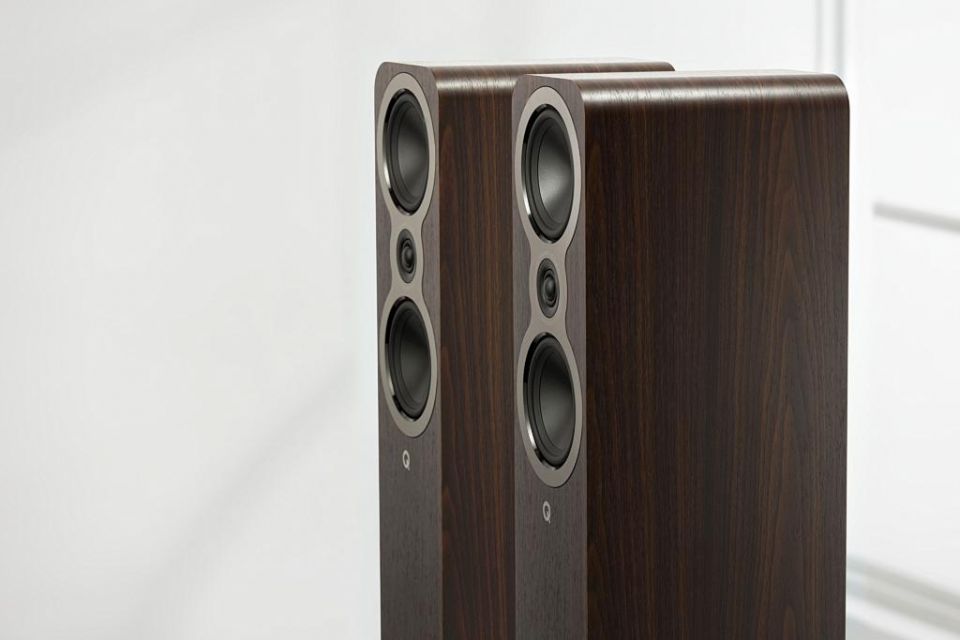
Q Acoustics 3040c

Q Acoustics has spent the last two years filling out the latest generation of its most affordable loudspeaker family, but one obvious model was missing. When 3000c debuted at High End Munich 2024, the range included three standmounts, the large 3050c floorstander and a center-channel speaker, leaving a substantial gap between 3030c and 3050c. That space is now occupied by 3040c - a slim floorstanding speaker created for listeners who want the scale and bass extension of a tower without giving up as much floor space as a conventional design demands. Q Acoustics says the idea came partly from feedback from its own community, and 3040c now completes the 3000c family as a smaller alternative to 3050c rather than a replacement for it.

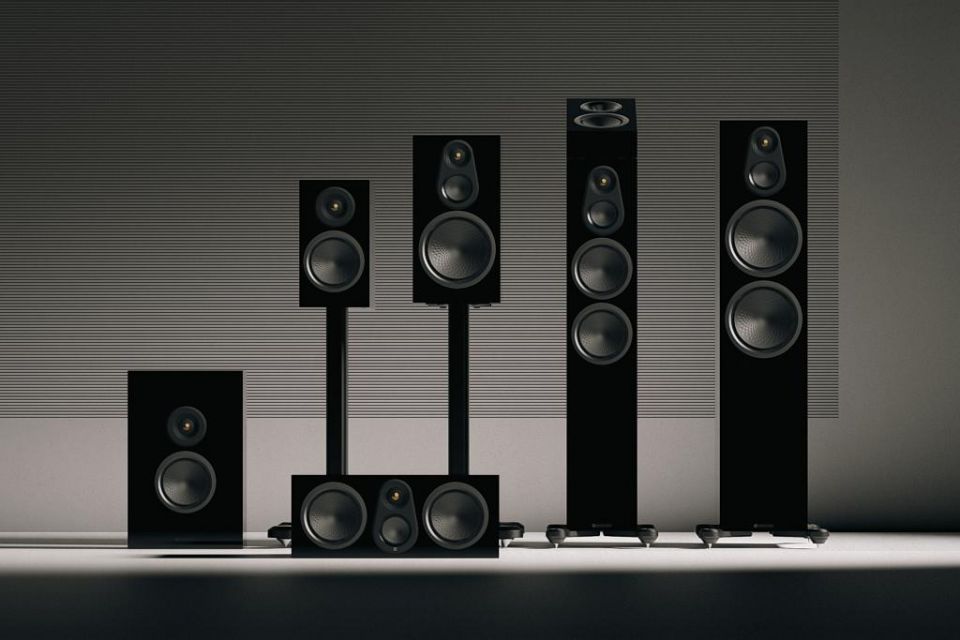
Monitor Audio Silver Series 8G

Monitor Audio has introduced Silver Series 8G, the latest generation of one of the most important and best-selling loudspeaker families in its catalog. The company is not presenting this as a cosmetic refresh, but as a comprehensive reinvention of the platform, with changes extending to the drivers, bass-reflex systems, crossovers, cabinets, feet, and finishes. The project is still rooted in Monitor Audio's Transparent Design Philosophy, but the goal this time was to achieve greater clarity, better control, and more coherent performance across the entire loudspeaker system. Just as importantly, Silver Series 8G is not a small launch built around two or three models. Seven new designs arrive at once, covering both traditional two-channel setups and far more elaborate home theater systems.

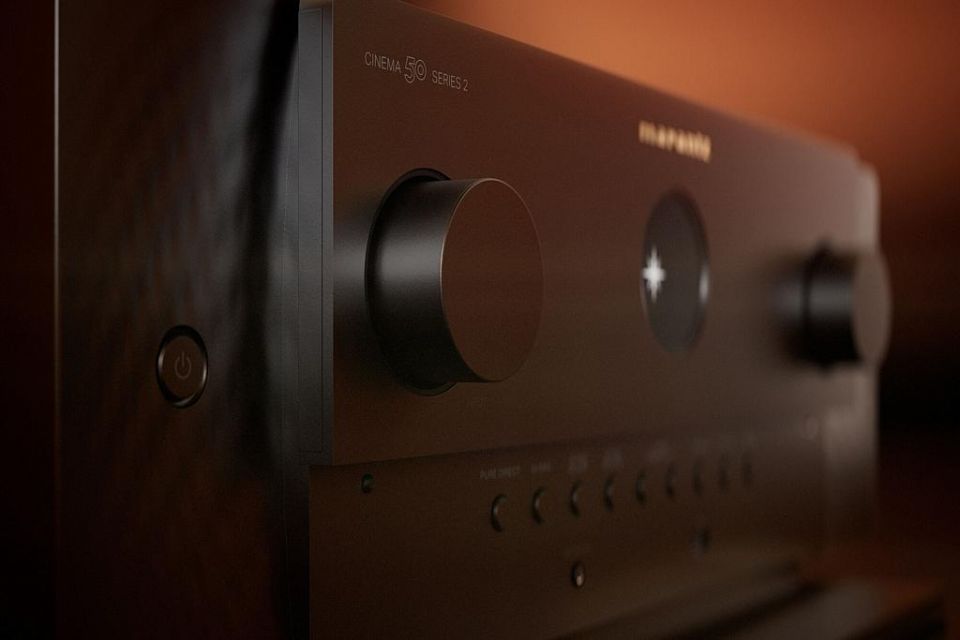
Marantz Cinema 50 Series 2, Cinema 60 DAB Series 2 & Cinema 70s Series 2

Marantz has introduced the second generation of its Cinema Series AV receivers. The new family consists of the Cinema 50 Series 2, Cinema 60 DAB Series 2 and slimline Cinema 70s Series 2. The company has not opted for a major visual overhaul, as the distinctive styling of the current range has proved to be one of its strongest features. Instead, the most important changes have been made inside the receivers and within their software. Marantz promises improved sound quality, wider access to Dirac Live room correction, new installation tools, expanded streaming capabilities and additional features designed for modern gaming PCs and consoles.

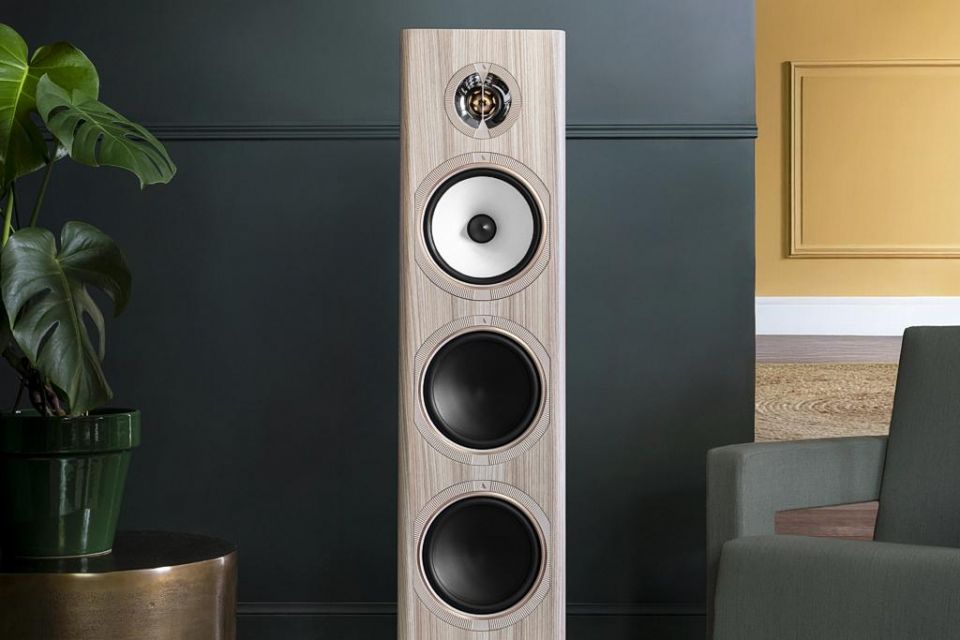
Triangle Solstice

Triangle has introduced Solstice, a new loudspeaker range that takes the spirit of the long-running Esprit series and moves it into a more contemporary, more visually ambitious and more technically developed form. The name is not accidental. A solstice is a moment of transition, the end of one cycle and the beginning of another, and the French manufacturer clearly wants to suggest that this is not just another variation on a familiar design. It is the start of a new chapter in this part of the catalogue. That may sound a little grand, but here it is not difficult to see the point. Esprit was for years associated with a strong balance between sound quality and price, while Solstice aims to preserve that accessibility and add fresher styling, new drivers and several mechanical solutions that are not always expected at this level.

Wharfedale Elysian R

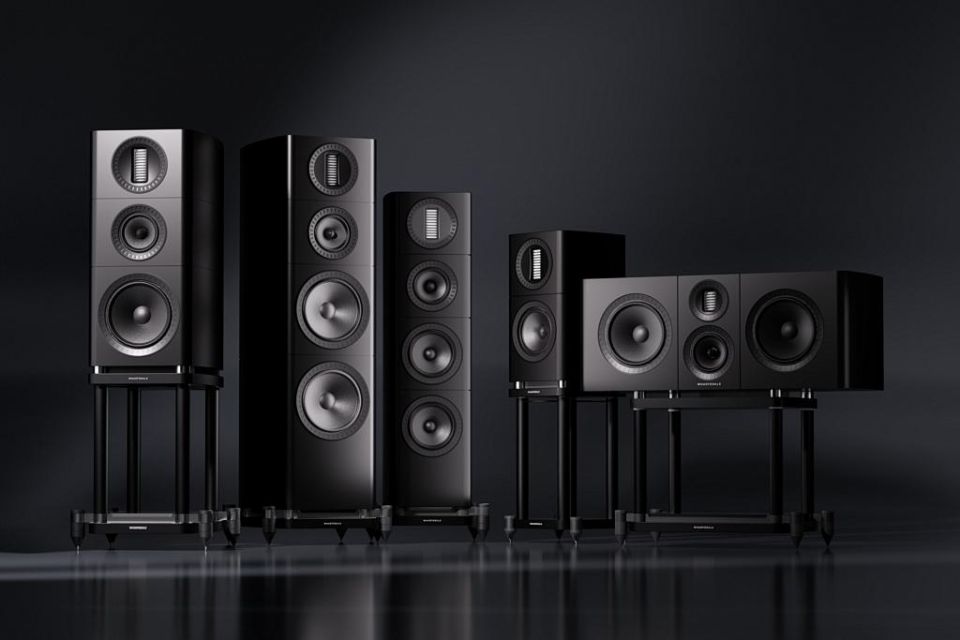
Wharfedale has introduced the Elysian R series, a refreshed version of its flagship loudspeaker range. This is not an entirely new project, but rather a carefully considered evolution of speakers that already occupied a special place in the British brand's catalogue. The original Elysians showed that Wharfedale could move well beyond the world of very successful, sensibly priced loudspeakers for normal people and offer something on the edge of high-end audio - large, beautifully finished, technically ambitious designs that still did not pretend to be products with prices detached from reality. Now, under the direction of Peter Comeau, the engineering team has returned to the concept and refined almost every important area, including the drivers, crossovers, cabinets, finishes and construction details.

Monitor Audio Radius 4G

Monitor Audio has introduced the Radius Series 4G, a new generation of one of its best-known compact loudspeaker ranges. The idea behind the series is straightforward but still highly relevant - to offer proper hi-fi performance from speakers small enough to work in modern interiors, desktop systems, multi-room installations and discreet home cinema setups. The new line has been redesigned around Monitor Audio's Transparent Design Philosophy, combining the company's familiar driver technologies with slimmer cabinets, matching accessories and a more flexible approach to placement. In other words, Radius 4G is aimed not only at listeners looking for compact stereo speakers, but also at those who want a complete, scalable system that can move from near-field listening to wall-mounted surround sound without looking like conventional hi-fi has simply been squeezed into the room.

Yamaha RX300A & RX500A

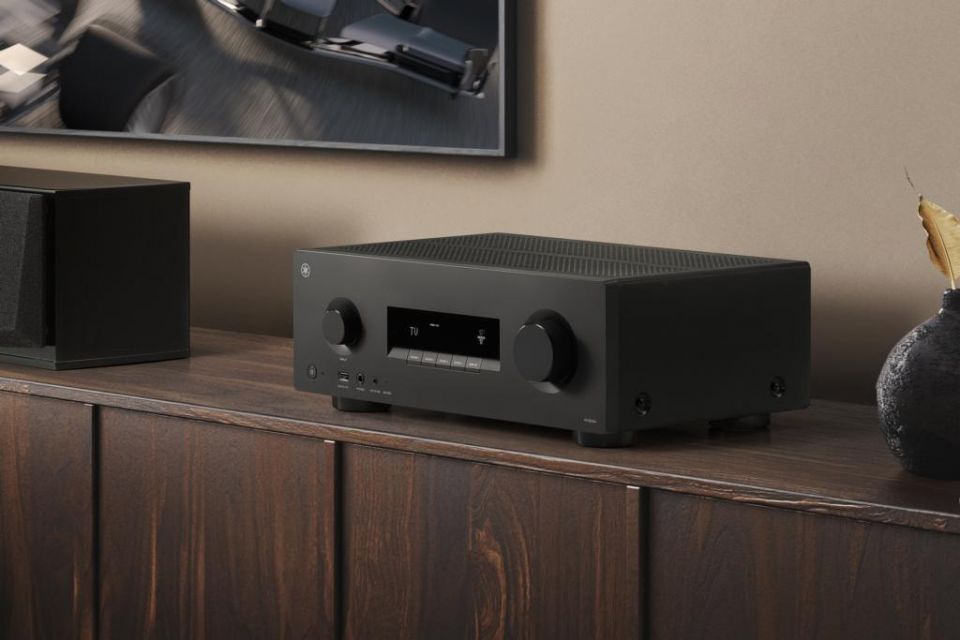
Yamaha has introduced two new AV receivers, the RX500A and RX300A, designed to serve as modern hubs for home entertainment - from cinema and music to gaming. The manufacturer is clearly targeting users who want to build a system around conventional loudspeakers and an AV receiver, but also expect the convenience associated with modern TVs, consoles and streaming devices. The RX500A is a 7.2-channel design, while the RX300A is a 5.2-channel model, but both support Dolby Atmos, four HDMI inputs compatible with current video and gaming standards, Bluetooth Multipoint and automatic room correction. These are not AV receivers designed only for home cinema in the traditional sense, but rather versatile control units intended to bring films, series, sport, games and everyday music listening together in one relatively easy-to-use system.

We use cookies to improve our website and your experience when using it. To find out more about the cookies we use and how to delete them, please see our Privacy Policy.