
- Articles
- Posted
The Art of Choosing Your First Turntable
The decision has been made - we are buying a turntable. Everyone around us seems to be talking about the beauty of analog sound, so sooner or later we decide to begin our own vinyl adventure. Common sense may object a little, because what exactly is the point? Records are delicate, they have to be handled with care, and every twenty minutes or so you need to get up and turn the disc over if you want to hear the rest of the album. How does that make any sense in an age when a phone can give us access to millions of tracks, let us skip from one to another with a single tap, or simply keep playing for hours without any effort on our part? Users of streaming services could probably listen until retirement age and still not discover even a small fraction of the music available to them. So who actually needs a turntable?
Looked at from that angle, a turntable may indeed seem almost unnecessary. And yet more and more music lovers, after the initial fascination with the convenience of files and streaming, begin to look for something different - a different character of sound, a different relationship with the equipment, and a different way of experiencing music as something more than content flowing from a server. Vinyl is inconvenient, yes. It demands attention, patience, and care. But perhaps that is precisely why it continues to attract listeners who feel that something has been lost in the move toward total convenience. In recent years, vinyl has also stopped being merely a nostalgic curiosity. For many listeners it has become a parallel way of collecting, discovering, and listening to music - less practical than streaming, but more deliberate and more physical.
There is no point denying that listening to music from this medium has its advantages and disadvantages. We have already mentioned some of the drawbacks, but what about the positives? There must be some, since more and more people are using turntables, and this is clearly not just a passing fashion for audiophile retro. That is why we decided to look at the subject a little more seriously. We will start with a brief historical overview, then slowly move toward practical matters. How should you begin? What should you pay attention to? What do you actually need in order to enjoy music from a black disc? How do you choose and set up a turntable, how do you develop an analog system, and how should you collect and maintain vinyl records? We will examine all of this with help from specialists working in this field. So if analog sound interests you, or if you simply want to enter its particular world, read on. The vinyl revival did not come from nowhere. Files, DACs, CDs, and streamers are all fascinating in their own right, but turntables have already survived more than one revolution. They are certainly worth a closer look.

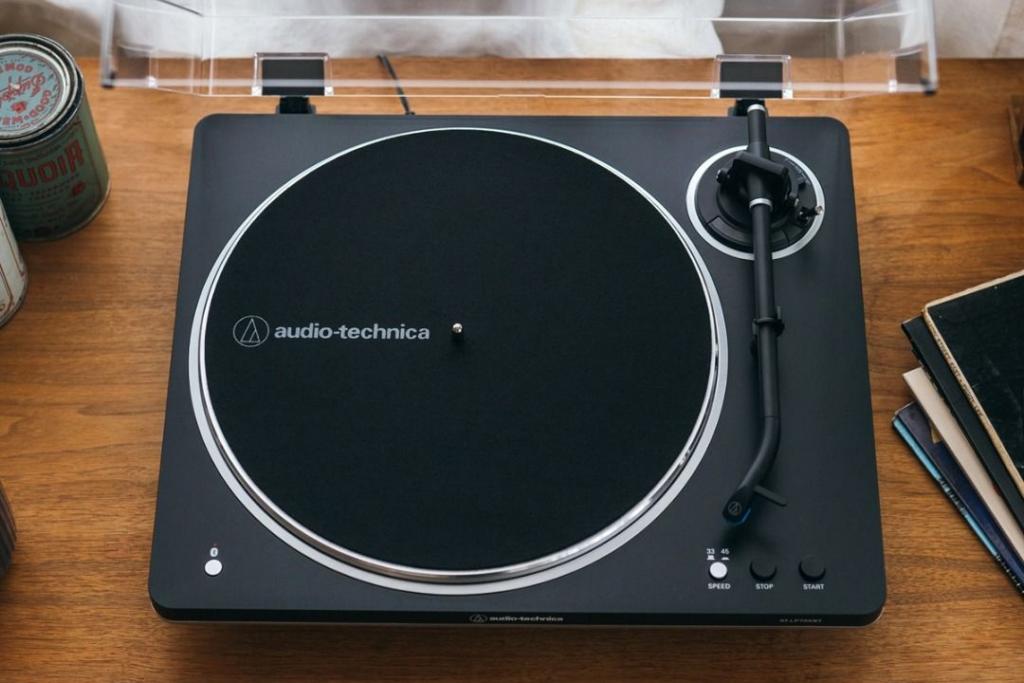
A brief look at the origins and evolution of the turntable
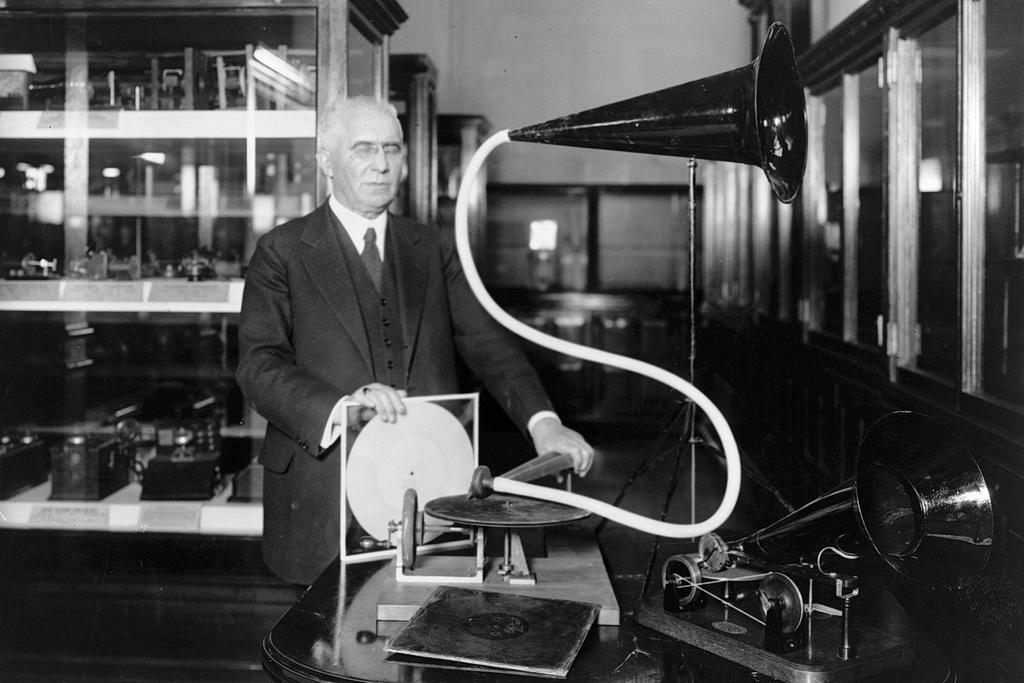
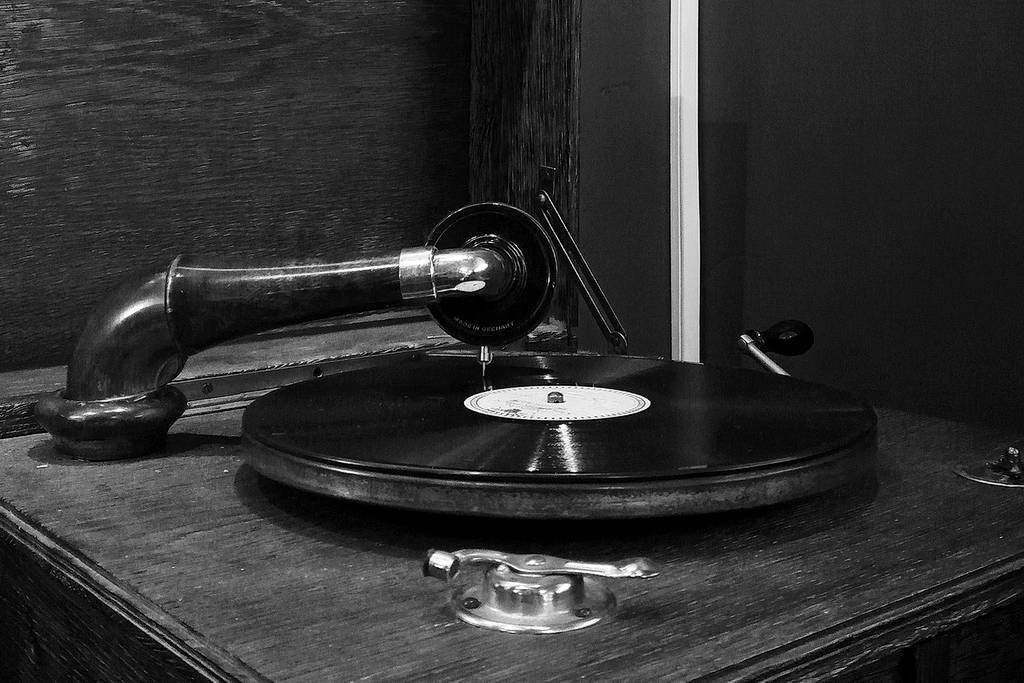
Historically speaking, it was the gramophone record, pressed from shellac - a type of natural resin - from 1897 onward, that became the first medium to launch the development of the phonographic industry. The shellac record, also known as a coarse-groove record, was played at 78 rpm and could hold up to five minutes of sound on one side of a 12-inch disc. The quality, unfortunately, was not especially impressive. A single record could hold barely ten minutes of music in total, since the discs were double-sided, and the recording itself was monophonic. For a listener accustomed to today's standards, this sounds almost absurdly limited, but at the time it was a major breakthrough.
The first of these limitations was solved by changing the material in which the grooves were pressed. The use of polyvinyl chloride, commonly known as vinyl, made it possible to increase the density of the groove pattern and reduce the rotational speed to 33 1/3 rpm. This allowed as much as 25 minutes of sound to fit on one side of a disc. The microgroove record was born - the long-playing record, or LP. A year later, in 1949, RCA also introduced a 7-inch disc with a large center hole, designed to be played at 45 rpm. Both formats remain in use today. The first became the long-playing album, while the second is most commonly associated with the single, usually carrying one song on each side.
The problem of monophonic recording was solved in 1957 in the United States, where the first stereophonic records began to be produced using the 45/45 system. What does that mean? One channel was recorded on each wall of the groove, each wall being angled at 45 degrees. Two groove walls - two channels. Simple enough, at least in principle. Once again, the vinyl record was ready to conquer the world. And perhaps it would still dominate the recorded-music market today - tape recorders never truly threatened its position - had the compact disc not appeared in the early 1980s. Music lovers all over the world became fascinated by digital sound, and analog records quickly fell out of favor. Sales dropped dramatically, and shelves filled with large album sleeves began disappearing from stores, replaced by small plastic cases containing silver discs. For a moment, it really did seem as if vinyl was approaching the end. Nothing could have been further from the truth.
Analog records survived that difficult period largely thanks to DJs, who continued to play them at all kinds of events, and thanks to scratching, a technique that became an important part of popular music culture. They also survived thanks to devoted audiophiles for whom digital sound was simply unacceptable. At the beginning of the 21st century, vinyl records began returning to favor. Today their sales continue to grow, which is almost exceptional at a time when overall sales of physical music carriers have been steadily declining. More and more new releases appear in both digital and analog versions, and in many music stores, shelves filled with large record sleeves have returned. Why? Vinyl lovers would certainly have plenty to say about that. One answer would surely be that people are rediscovering the magic of black records. It may sound like a short explanation, but it may also be the most accurate one.
Where does the magic of analog sound come from?
Many music lovers, after their initial fascination with the CD, eventually came to the conclusion that analog sound, although technically less perfect, is simply more pleasant to the human ear. This does not mean that vinyl is objectively superior to every digital format, nor that digital sound is somehow inherently wrong. Modern digital playback can be remarkably good, and many recordings today are made, edited, mixed, and mastered in the digital domain with outstanding results. But vinyl works differently. It stores music as a continuous physical trace cut into a rotating disc, and that fact alone gives the whole medium a different character - technically, mechanically, and emotionally.
In the case of a compact disc, the material recorded in the studio has to meet the requirements of the format. The CD standard is limited to 16 bits and 44.1 kHz, and while that can deliver excellent results when used properly, it is still a defined digital container. Inside the player, the signal is converted back into analog form before it reaches the amplifier. With vinyl records, the chain is different. The groove cut into the record is a physical representation of the signal, read mechanically by the stylus and then turned into an electrical impulse by the cartridge. This does not make vinyl technically flawless. Far from it. Records have noise, distortion, mechanical limitations, and all sorts of practical vulnerabilities. But their limitations are of a different kind, and for many listeners they are part of the medium's charm rather than an obstacle.
What does this mean in listening terms? Music played from a record is often described as warmer, calmer, and easier to relax into. The bass can be powerful but soft, the treble clear but not nervous, and the soundstage broadly spread out in front of the listener. The whole presentation can make you feel almost immersed in the music, as if lowering yourself into a hot bath. In short - relaxation and escape. Another important element of an analog release, one that has almost completely disappeared in the world of file-based music, is the artwork. A large record sleeve gave graphic designers, illustrators, and photographers a real canvas to work with, and many albums have gone down in history not only because of the music, but also because of their visual identity or the additional items included with them. Even compared with CDs, vinyl has a clear advantage here. A picture the size of a small coaster simply does not have the same impact as a full-size record cover.
A few words about records
All right, but where do you actually get the records? A few years ago that might have been a more serious question, but today vinyl is back, and buying records is no longer especially difficult. More and more titles are released in both digital and analog versions, although vinyl editions are usually more expensive than their CD counterparts. Sometimes buyers of the analog version receive access to a legal file download as a bonus. Sometimes a CD version is included with the vinyl. Another option is the used-record market. Here, however, caution is essential, because badly handled records can simply be damaged beyond practical use.
Ideally, you should buy used records only when you can inspect them first. A vinyl record is a delicate object, and the way it has been stored and played can have a major effect on its condition. Of course, many people now buy through auction sites, where there are huge numbers of listings. Curiously, almost every listing seems to describe the record as being in very good, and sometimes even perfect, condition. Interesting, isn't it? Anyone who has spent time buying second-hand records knows that reality can be far less optimistic than the descriptions suggest.
So how do you tell whether a record is fit to play? Naturally, you need to inspect it carefully, and the best place to start is the cover. Is it torn? Are the edges worn? Has the record been stored without an inner sleeve, shamelessly peeking out through the opening? Is the paper wavy, as if it had once been damp? In such cases, there is often no point even looking inside. If someone kept a record collection in an attic or basement for years, that does not bode well. Some records can be saved, but since there are so many others available, it is probably better to pass. As a general rule, the better the condition of the cover, the greater the chance that the record itself will also be in good shape. So let us look inside.
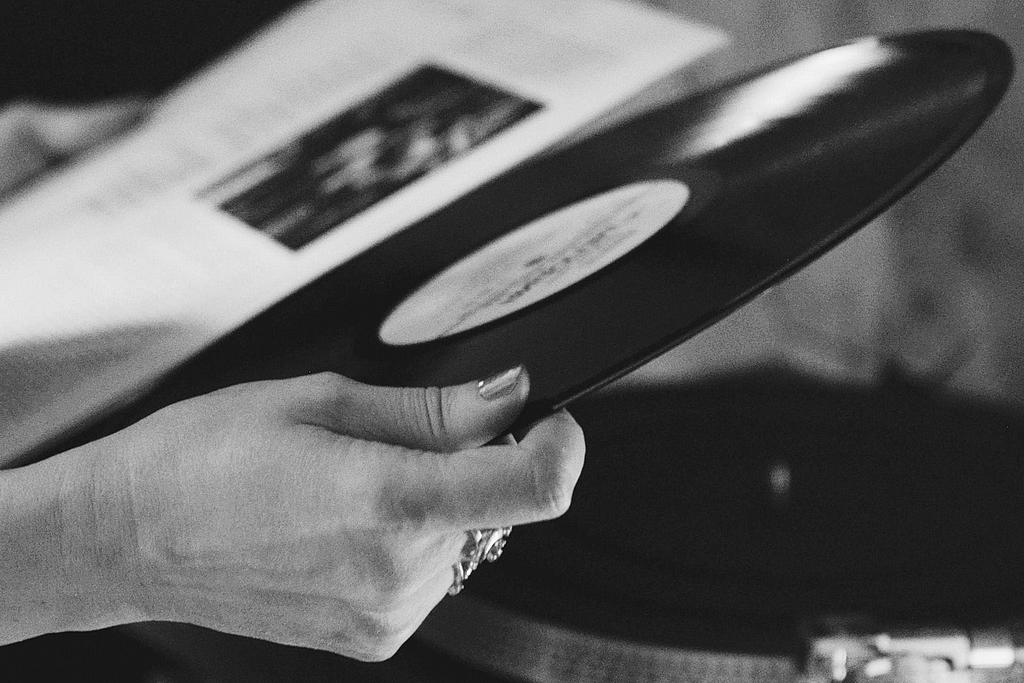
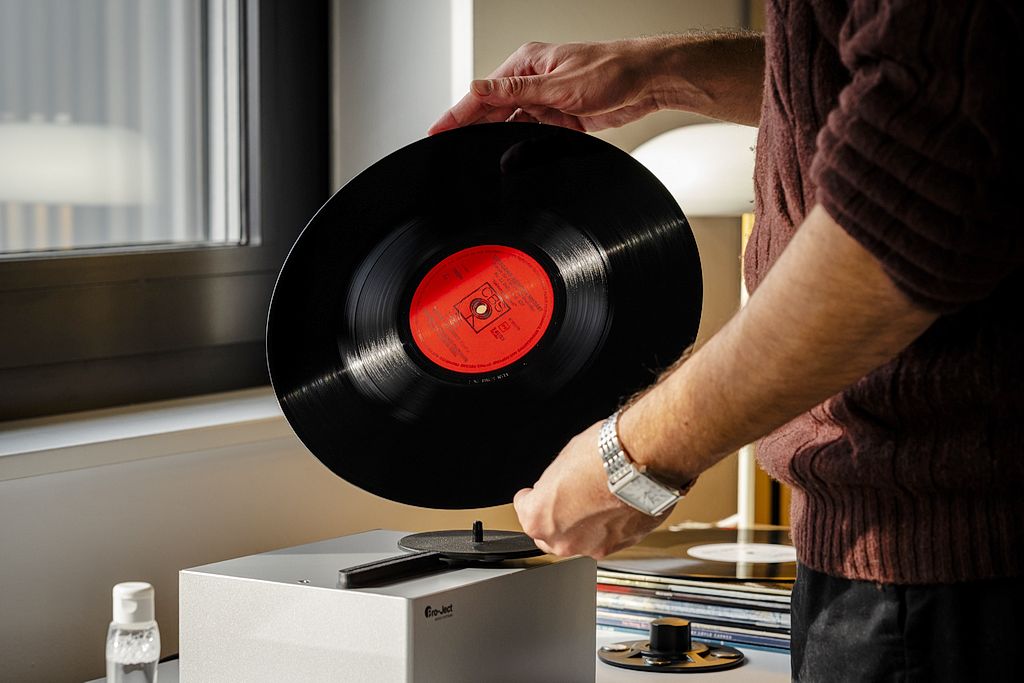
The record should at least be placed in a paper inner sleeve. If it is rattling around freely inside the outer jacket, that is another warning sign. If there is an inner sleeve, slide it out and set the outer cover aside. Then carefully remove the disc, making sure not to touch the grooved playing surface. Hold the record by its edges and examine it closely. It should be black as night and glossy. If it looks dull or matte, that may mean one of two things - either it is dirty, or it has been played so often that it is significantly worn. Fine surface marks, often called sleeve scuffs, caused by repeatedly sliding the record in and out of the sleeve, are not necessarily disastrous. But clearly visible, deep scratches are another matter. They may cause not only clicks and crackles, but even make the stylus skip. In that case, the safest decision is to walk away.
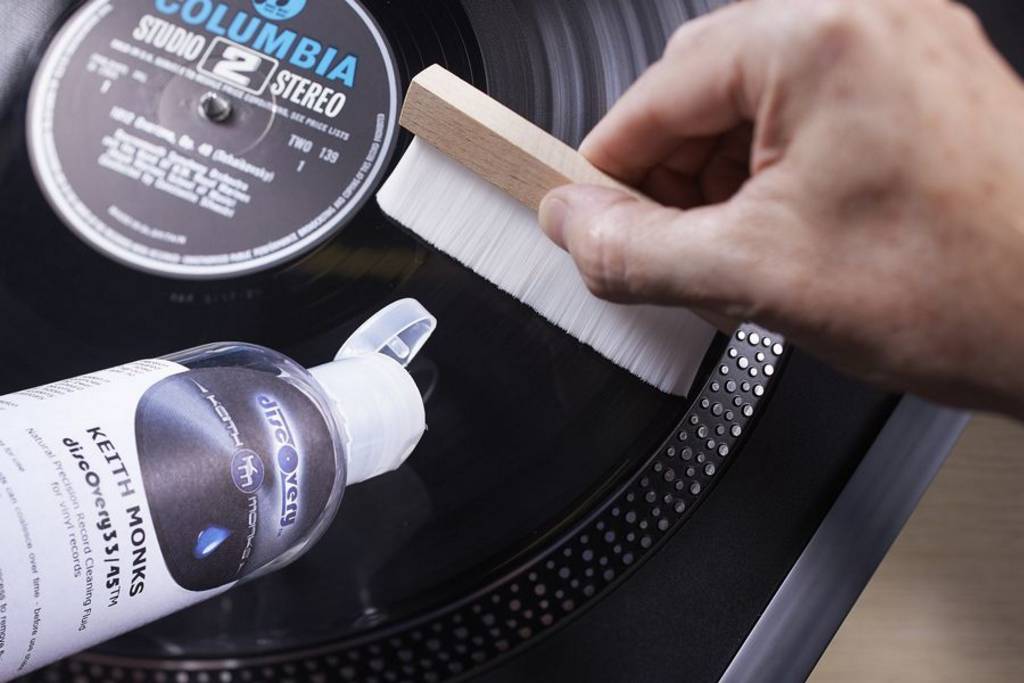
It is worth remembering, however, that a properly stored and properly used record can last for decades. Many of the copies sold today at record fairs and on auction sites were made 20 or 30 years ago, and they can still sound wonderful. That is part of the charm of the format. A well-kept record is not a disposable object. It can outlive several generations of playback equipment and still offer the same sense of ritual when the stylus touches the groove. It is also worth developing a few good habits from the very beginning. Records should be stored vertically, kept away from heat and moisture, and protected with decent inner sleeves. A carbon-fiber brush, a simple stylus cleaner, and, sooner or later, a proper record-cleaning method can do more for the sound and longevity of a collection than many glamorous accessories.

Why you need a phono input or a phono stage?
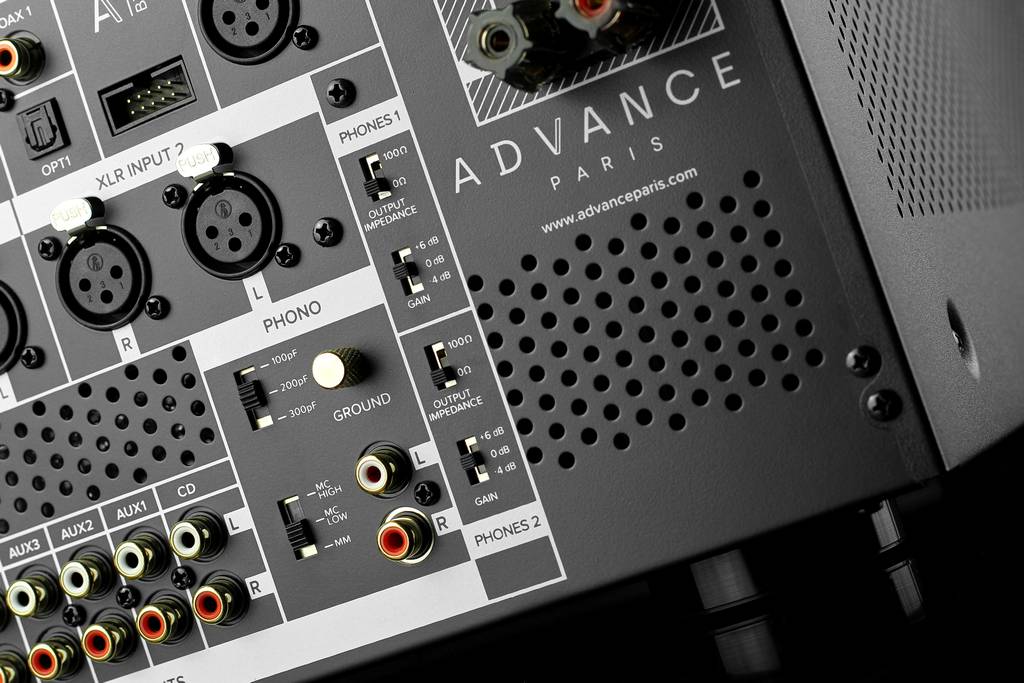
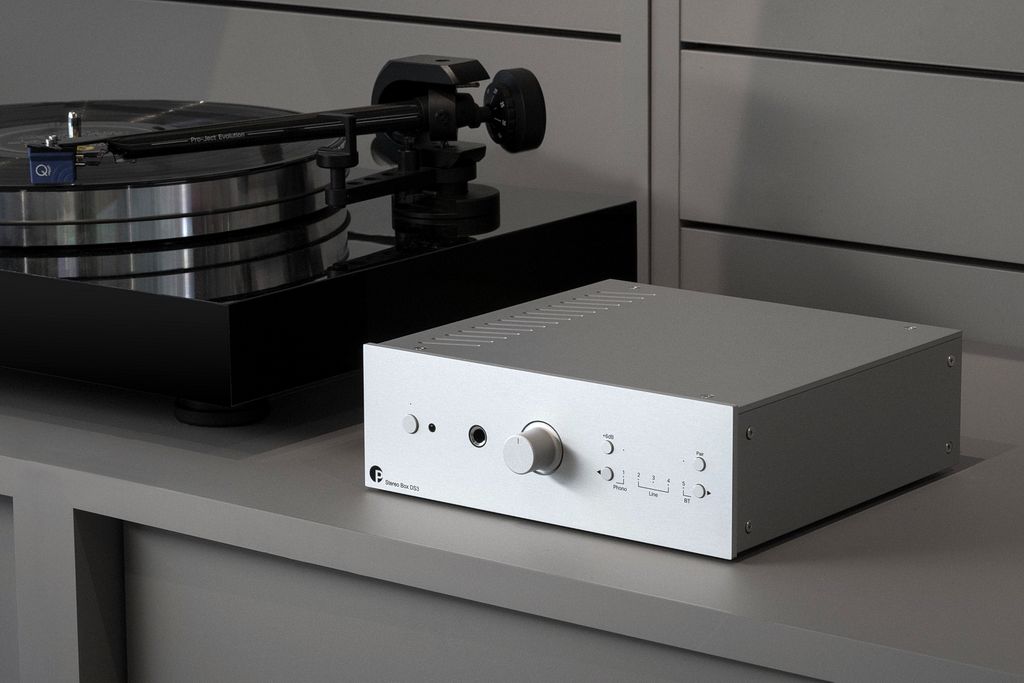
Before we go any further, we need to explain one of the most important practical issues in any vinyl system. A turntable cannot always be connected to an amplifier in the same way as a CD player, streamer, DAC, or tape deck. The signal coming from a phono cartridge is not a standard line-level signal. It is very weak, and, just as importantly, it has been deliberately shaped before it was cut into the record. This is why we need either a phono input in the amplifier or receiver, an external phono preamplifier, or a turntable with such a circuit built in.
The signal recorded on a vinyl record is cut after frequency correction known as the RIAA curve. Other equalization characteristics have existed, but this is the one most commonly used. In simple terms, this correction increases the level of high frequencies and reduces the level of low frequencies before the music is cut into the groove. Why is this done? Recording high frequencies at a higher level gives the music a safer distance from the inherent noise of the record itself. The tiny amplitudes of high-frequency information would otherwise come dangerously close to the level of surface noise and other unwanted disturbances. Lowering the level of bass frequencies serves a different purpose. Low frequencies require much larger groove excursions. If they were cut at their natural level, the groove would have to be much deeper and wider, which would drastically reduce the amount of music that could fit on one side of the disc.
In other words, the signal stored on the record is intentionally "bent" in a very specific way. This is not a flaw or an accident, but a necessary part of the vinyl format. It allows the record to carry a usable amount of music, keeps noise under better control, and prevents the groove from becoming physically impractical. The precise relationship between these frequency changes is described by a fairly long and complicated mathematical formula, but for everyday listening we do not need to know it. What matters is the principle: the tonal balance cut into the record is not the tonal balance we ultimately want to hear from the speakers.
To restore that balance, the signal has to be corrected in the opposite direction. The bass must be brought back up, the treble must be returned to the proper level, and the whole signal must be amplified enough to behave like a normal source component. That is exactly what a phono stage does. It applies the necessary RIAA equalization and raises the cartridge's tiny output to a level that an amplifier can work with. Without this stage, the sound would not simply be "a bit quieter". It would be extremely low in level, thin, bright, lacking proper bass, and generally unusable.
This is why, when looking at your amplifier or receiver, you should check whether it has an input labeled Phono. If it does, the necessary correction and initial amplification are already built in. The manual should also tell you what type of cartridge the input supports - MM, MC, or both. This is important because MM and MC cartridges generate different output levels and require different gain and loading. The simplest phono inputs often support only MM cartridges, while more advanced amplifiers and external phono stages may offer settings or separate inputs for MC cartridges as well.
If your amplifier does not have a phono input, you need an external phono stage. This small device is connected between the turntable and the amplifier. The turntable feeds the phono stage, and the phono stage sends a properly equalized and amplified signal to any regular line input on the amplifier, such as Aux, Line, CD, or Tape. In many systems, this is actually the better solution. A good external phono preamplifier will usually outperform the basic phono circuit built into an integrated amplifier, and it also gives you more freedom if you decide to upgrade the cartridge or refine the system later.
There is one more possibility - a turntable with a built-in phono preamplifier. Such a device can be connected directly to a regular line input, which makes the first setup much simpler. For beginners, this can be very convenient, especially if the rest of the system has no phono input. Still, it is worth remembering that convenience and long-term flexibility are not always the same thing. A built-in phono stage is useful, but a separate one usually gives you more room for improvement. If you already suspect that vinyl may become more than a short experiment, buying the turntable and phono preamp separately is often the more future-proof path.
Direct drive or belt drive? Automatic or manual?
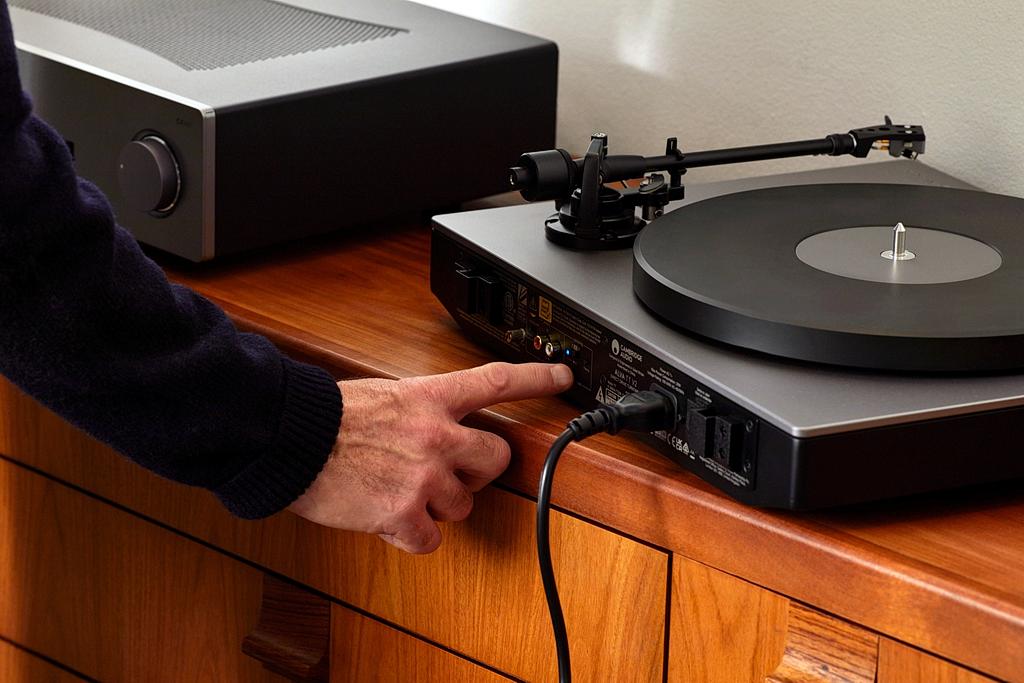
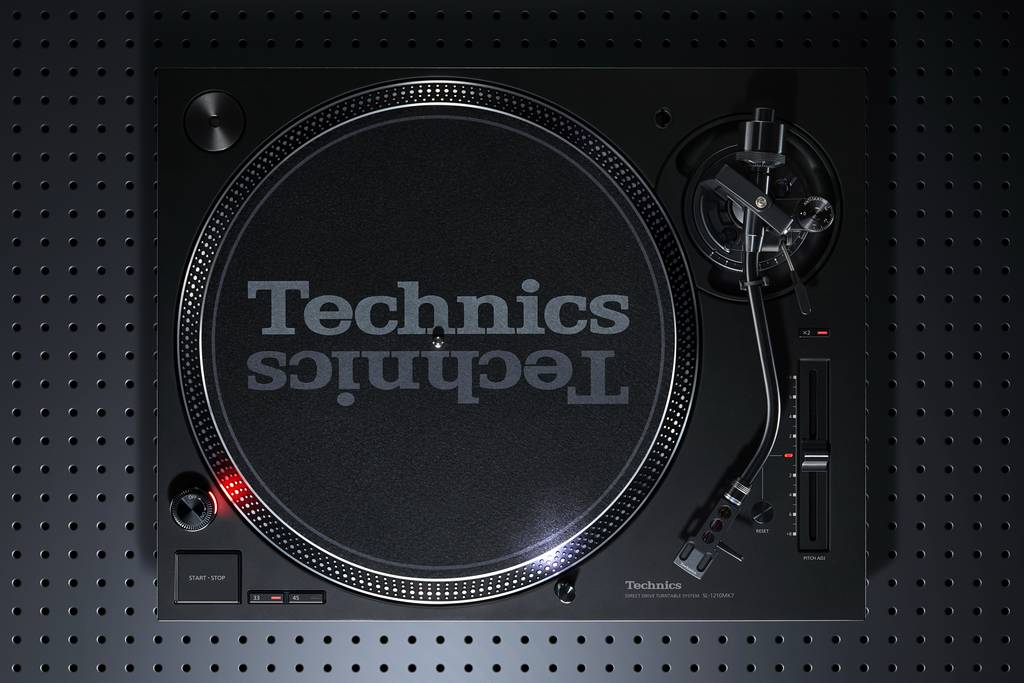
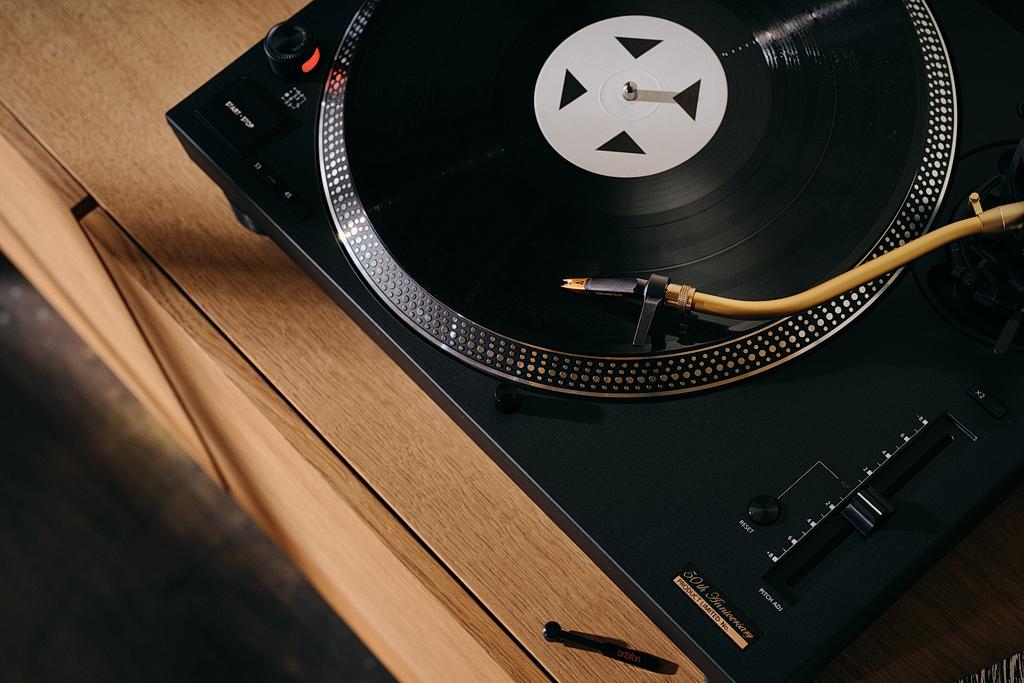
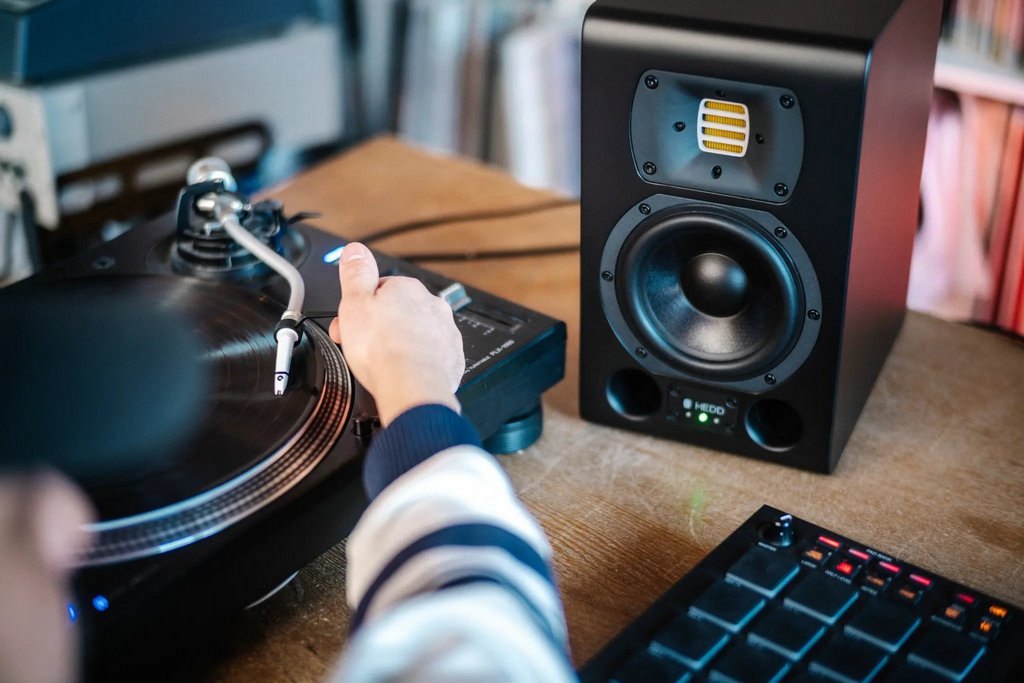
Let us move on to turntables themselves. What types are there, and how do we distinguish between them? The most basic division concerns the way the platter is driven. The two most common systems are direct drive and belt drive. Direct drive is used primarily in DJ-oriented equipment, where the platter must reach the correct speed quickly and allow for dynamic speed changes. In other words, direct-drive turntables offer higher torque and lower platter inertia. The downside is that vibrations from the motor can be transmitted more directly to the record, which is why belt drive is more commonly used in home hi-fi turntables.
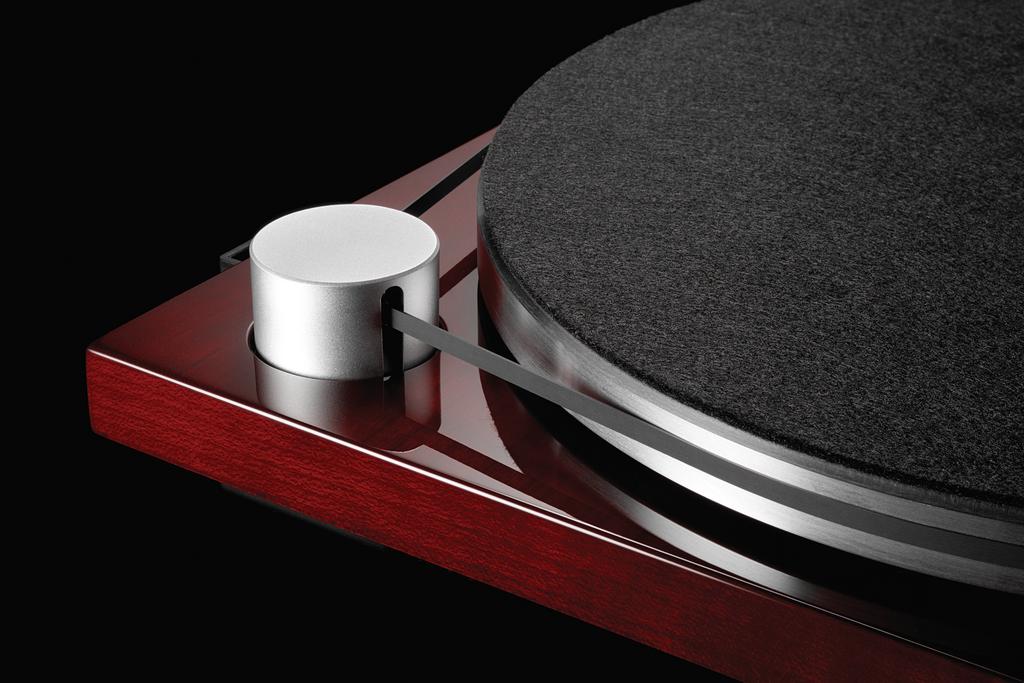
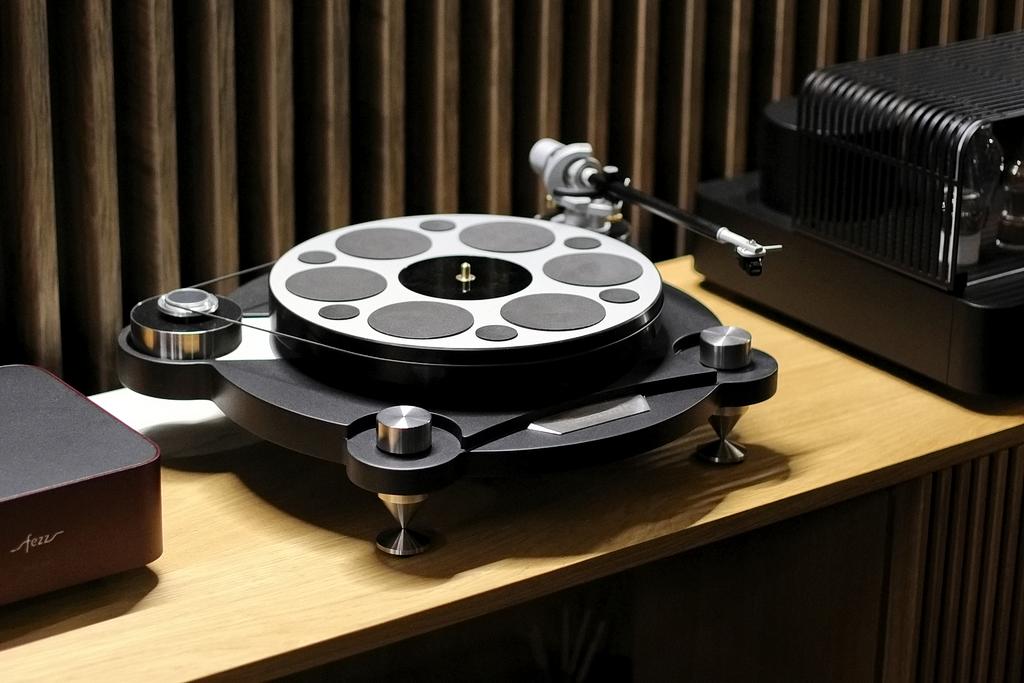
In a belt-drive design, the platter is driven by a belt, which helps isolate the motor from the record-cartridge system. Of course, there is still a shared structural element - the plinth to which the motor, platter, tonearm, and cartridge are attached. In some designs, the motor is placed in a completely separate housing, fully isolated from the plinth carrying the platter and tonearm, to further reduce drive-related vibration. Another interesting solution, used for years by Thorens, is the sub-chassis. In this design, the part responsible for the audio path itself - the platter, cartridge, and tonearm - is mounted on a platform suspended on springs. The motor is fixed to the main chassis, which significantly reduces the transmission of vibration. There are also magnetic drives and other more exotic solutions, but for now we do not need to dive quite that deeply into the transfer of rotational force.
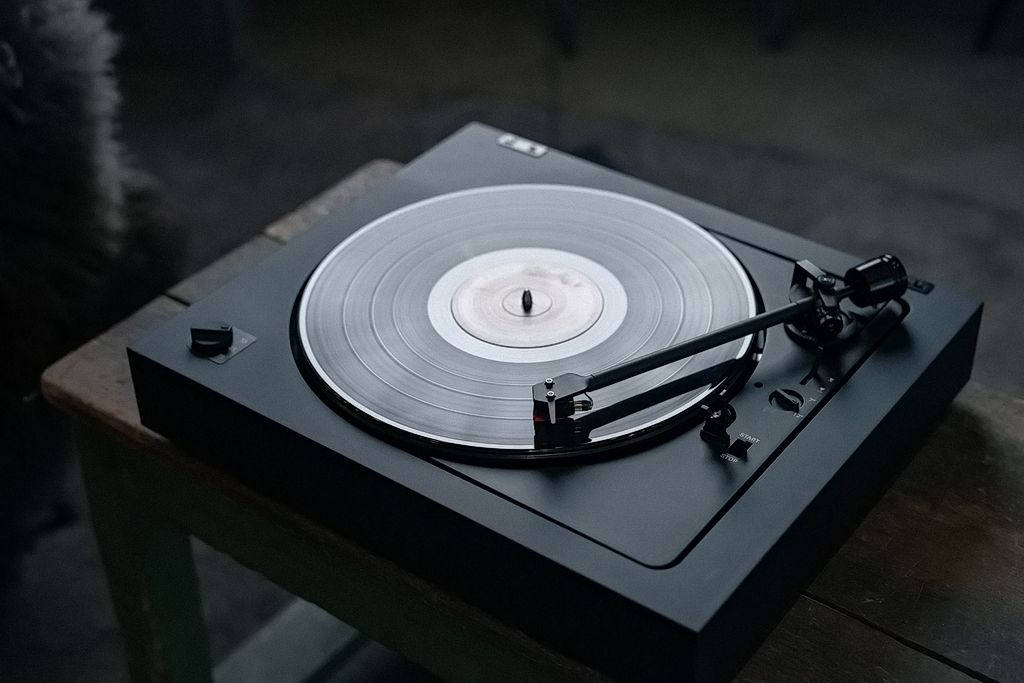
Turntables can also be divided according to how automated they are. The simplest, and still in many ways the best, is the manual turntable. As the name suggests, it offers no automatic assistance. You have to place the tonearm over the record and lower it yourself. When the stylus reaches the end of the side, it will continue circling in the run-out groove until someone lifts the arm. Higher-end turntables are usually manual. These days, few manufacturers bother installing the complicated and potentially unreliable mechanics used in semi-automatic models, which can lift the arm at the end of the record, return it to its rest, and switch off the motor. In such a turntable, the user still has to position the arm over the record and lower it using the cueing lever.
If even that sounds like too much effort, there is always the fully automatic turntable. In that case, you place the record on the platter and control everything with buttons. Some automatic turntables can even be set to repeat one side continuously. When the stylus reaches the end of the groove, the mechanism lifts the arm, moves it back to the beginning, and starts playback again. Linear-tracking, or tangential, tonearms are often associated with automatic designs as well. This type of arm keeps itself tangent to the groove throughout playback. Traditional pivoted arms do not maintain that perfect geometry, which is why cartridge alignment must be performed with a special protractor - but that is a subject for another time. In most turntables equipped with a linear-tracking arm, operation is handled entirely by automatic controls.
Tonearms and cartridges in a nutshell
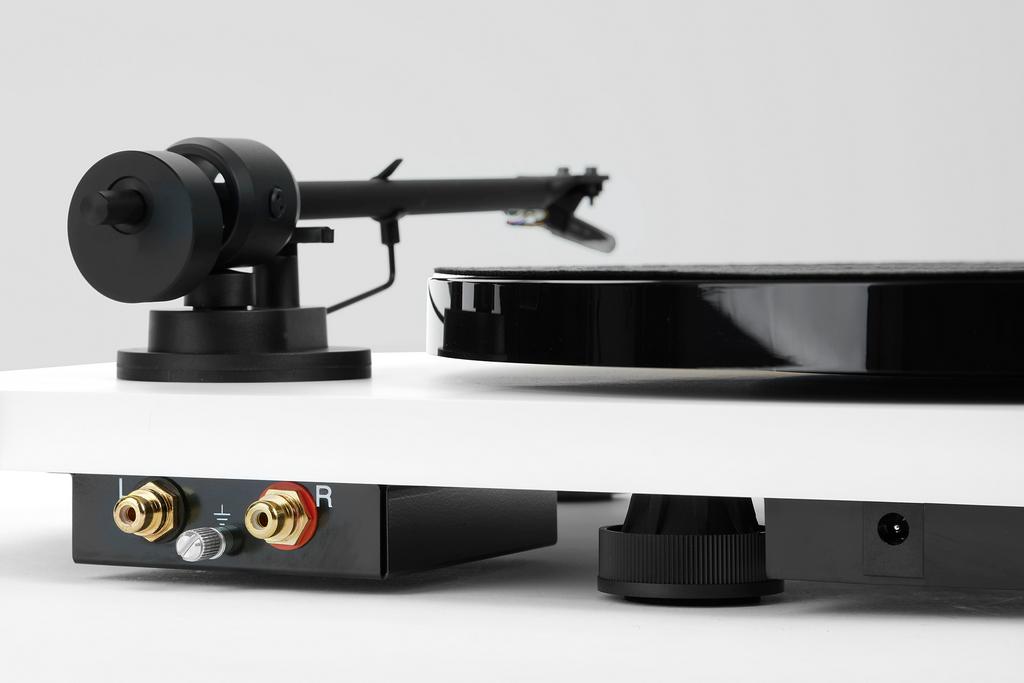
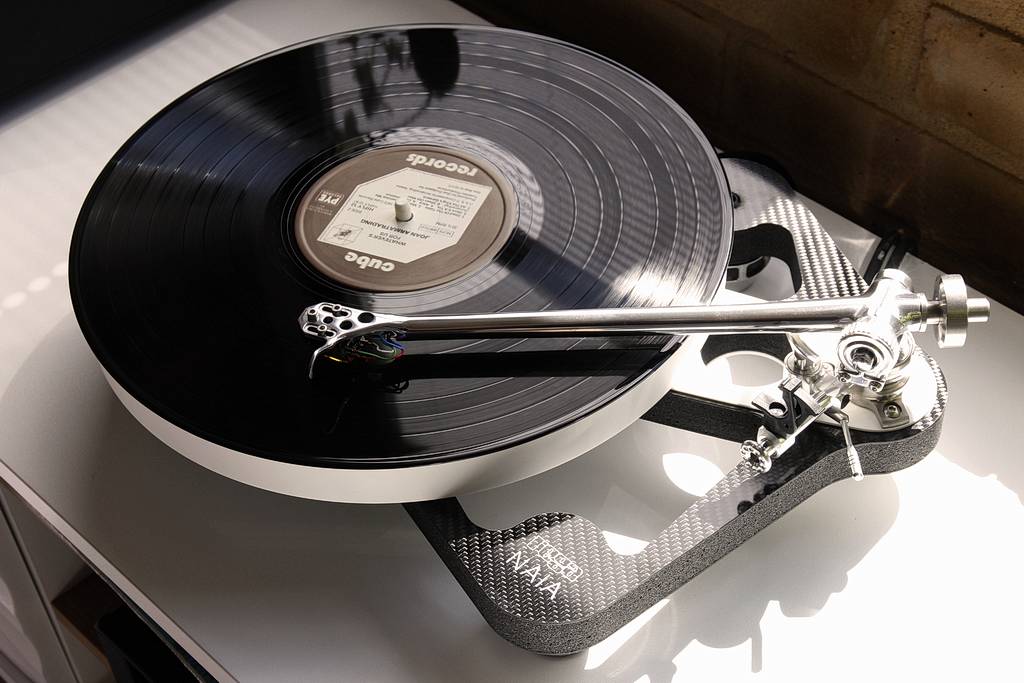
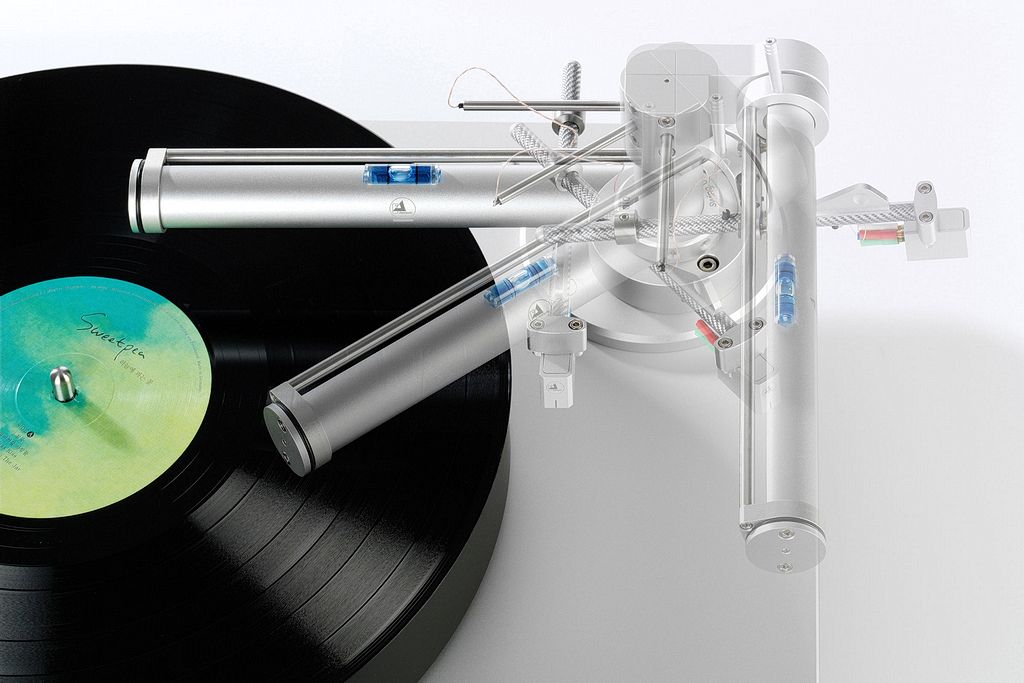
We now know a little about drive systems and about the way different turntables operate. There are still two crucial elements to discuss. In fact, they may be the most important parts of the entire machine, because they are directly responsible for reading the music from the record. We are talking, of course, about the tonearm and the cartridge. Tonearms can be classified in several ways. One criterion is shape - S-shaped arms, often found on DJ turntables, or straight arms. Another is length. The most common arms are 9 inches long, but 12-inch arms and even longer designs also exist. A further distinction concerns the bearing system.
The arm is attached to the turntable, but the arm tube carrying the cartridge must be mounted in such a way that it can move both vertically and horizontally. The bearings should have no play, in order to minimize vibration in the arm tube, while allowing movement in both planes with as little resistance as possible. This balancing act - reducing friction while maintaining rigidity - is what leads manufacturers to use different bearing systems. The most common solution is probably a bearing system using two pivots in each plane, meaning two support points for vertical movement and two for horizontal movement. Another solution is the unipivot bearing, in which the arm rests on a single point. The support is purely gravitational, while vibration damping may be assisted by damping fluid in the chamber containing the pivot and suspension assembly. There are, of course, many more tonearm mounting systems, but these are two of the most common.
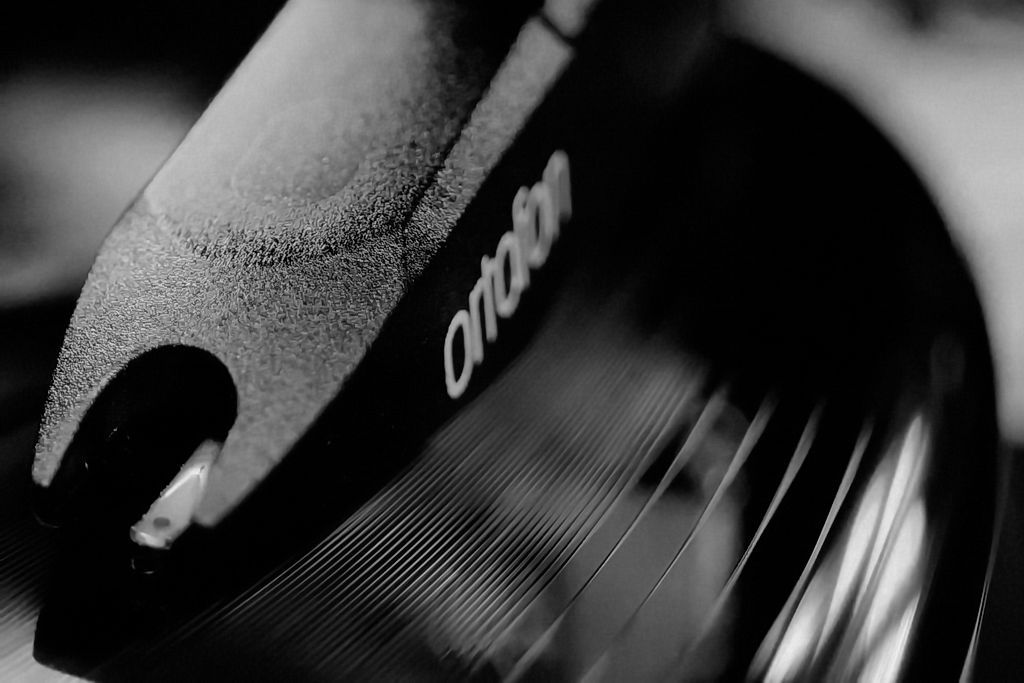
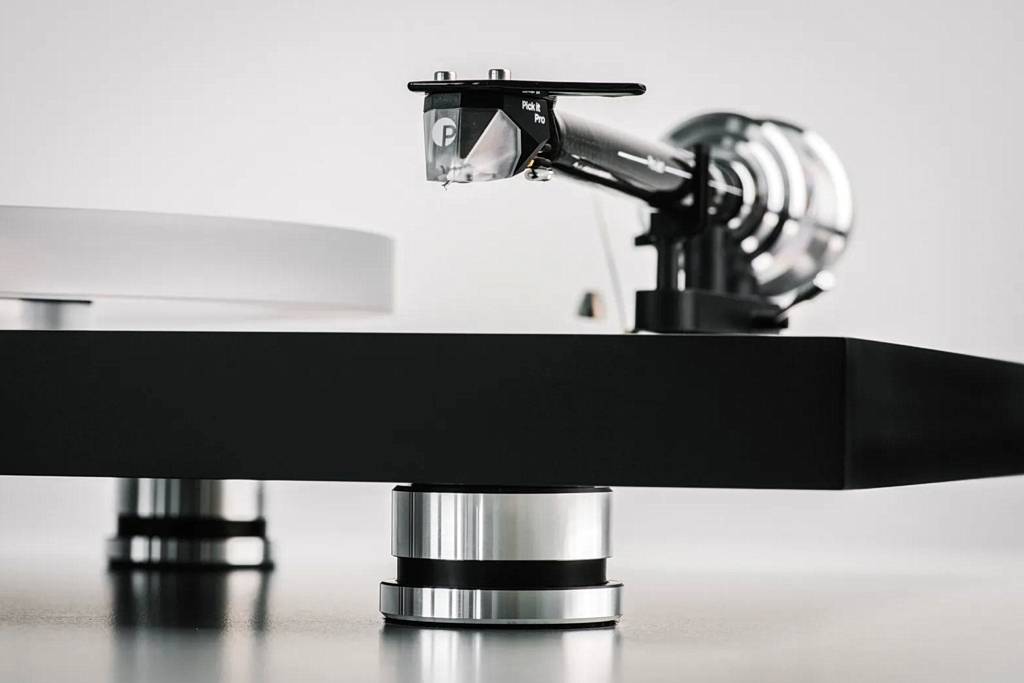
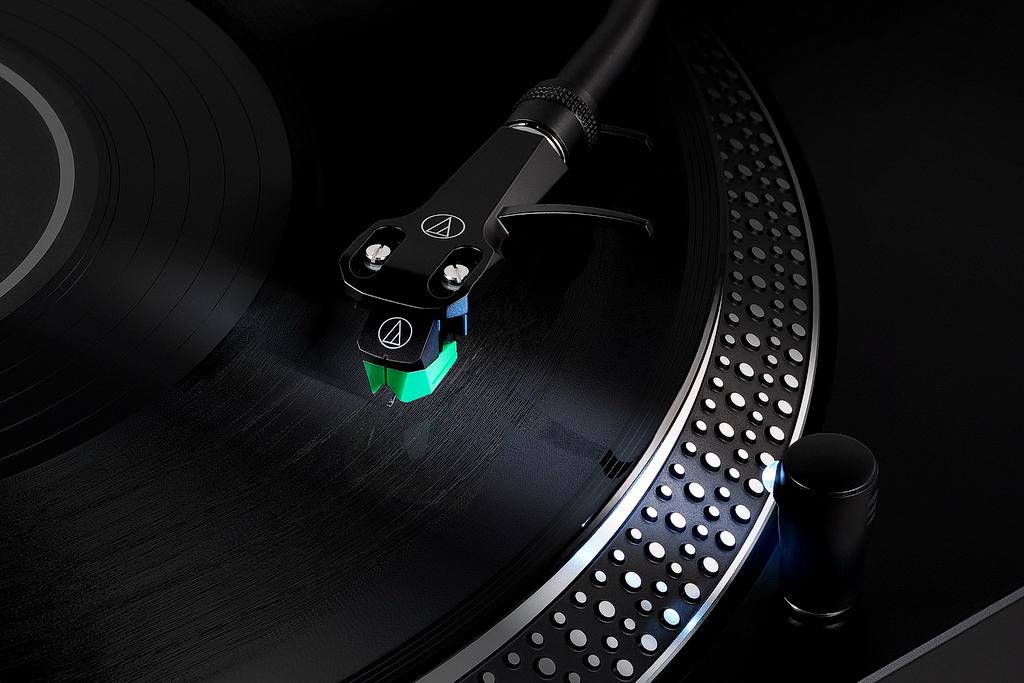
The next key component is the cartridge with its stylus. There is a widely held view that the stylus is the most important element in the entire turntable system, because it is the only part that actually touches the record and reads the music stored in the groove. Today, the two main types of cartridges are MM and MC. What is the difference? In the simplest terms, MM cartridges are less expensive, while MC cartridges are more costly. To understand why, we first need to look at the basic operating principle of a phono cartridge.
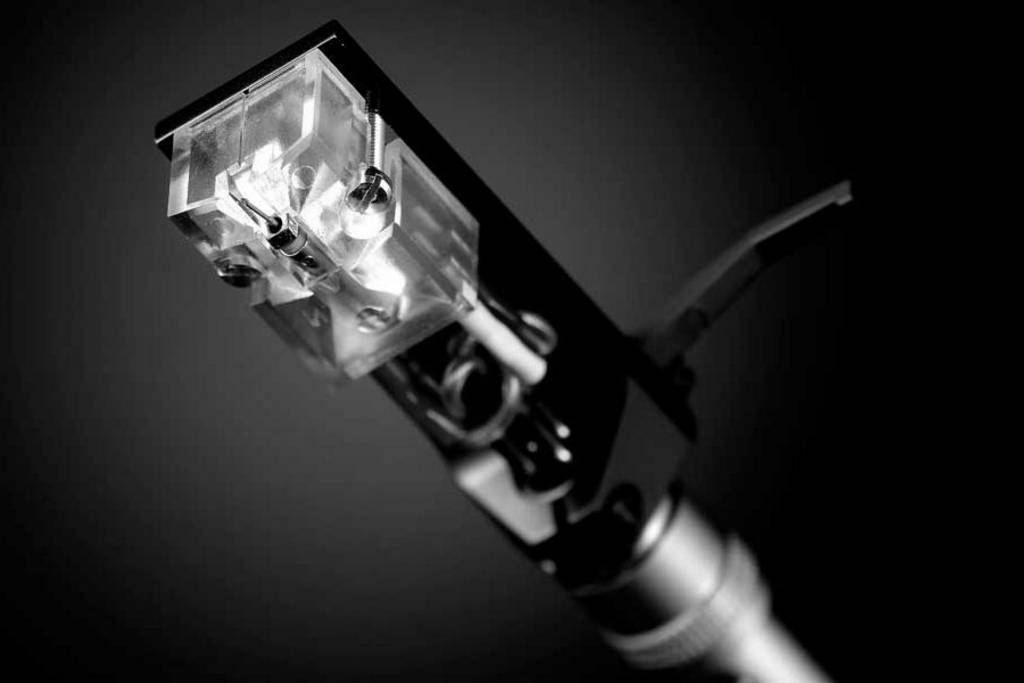
Inside the cartridge body is a coil-and-magnet system. When one element of that system vibrates, it generates an electrical signal in the coil. This signal then travels through the tonearm wiring and interconnect to the phono preamplifier. One part of the system vibrates because it is attached to the cantilever, at the other end of which sits the stylus. But which part moves - the magnet or the coil? That is the fundamental difference between MM and MC cartridges.
An MM cartridge has a fixed coil inside the body and a moving magnet attached to the cantilever. Hence the name Moving Magnet. In an MC cartridge, the arrangement is reversed. The coil is mounted on the cantilever and therefore moves, while the magnets remain fixed in the body. The abbreviation then becomes obvious - MC stands for Moving Coil. These two cartridge types differ not only in construction, but also in output level. MM cartridges usually generate a signal of several millivolts, while MC cartridges may produce only a few hundred microvolts. There are also high-output MC cartridges that deliver a signal level closer to that of MM models, but as a rule, MC cartridges have lower output voltage.
Knowing what type of cartridge you have is important because it affects the choice of phono preamplifier. The simplest phono stages may support only MM cartridges, while more advanced models include a switch allowing you to select the appropriate operating mode, or even separate inputs for MM and MC cartridges. This is not the only important cartridge parameter, of course, but for now it is enough. At the beginning, the most important thing is to understand that the cartridge, the tonearm, and the phono stage must work together as a system. If one of these elements is poorly matched, the result may be disappointing even if every individual component looks good on paper.
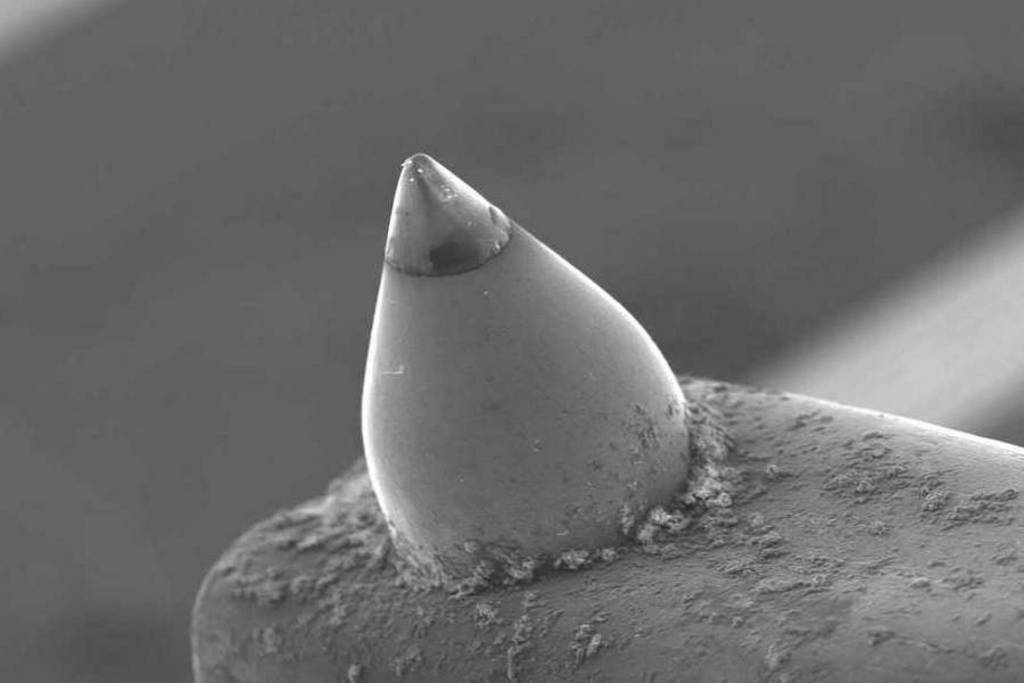
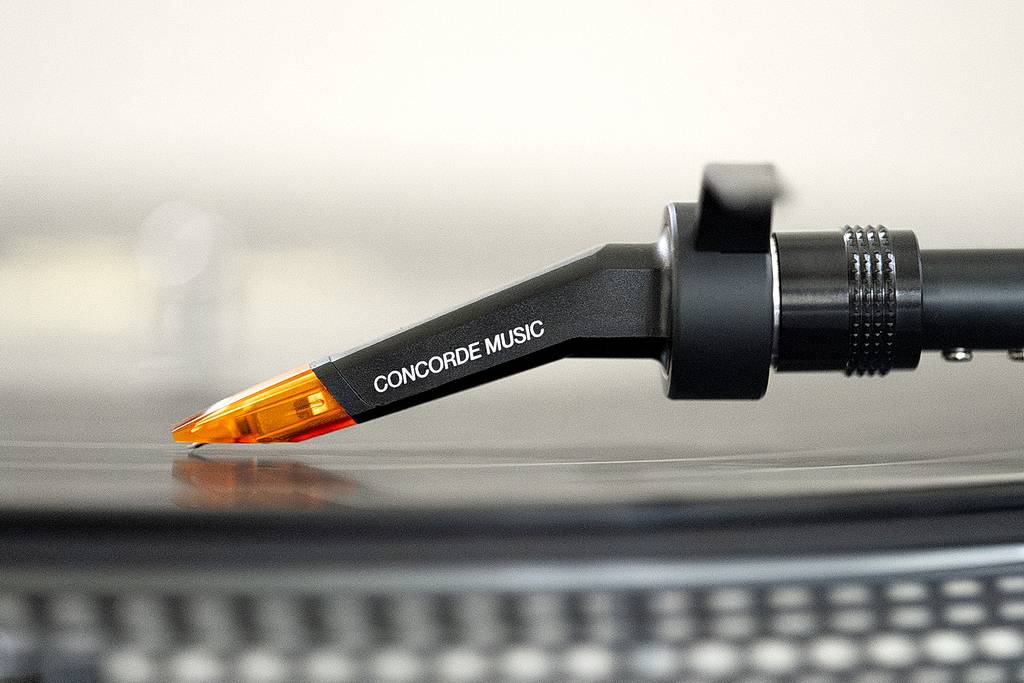
The last thing we should know before entering analog paradise is the variety of stylus profiles - the tiny diamond tip that directly touches the record and vibrates according to the shape of the groove. There are three basic stylus profiles. Each step up allows the stylus to read information from the groove more accurately, reaching deeper and tracing its shape more precisely. The simplest profile is spherical, also known as conical. Its shape resembles the tip of a ballpoint pen, and it is used in the least expensive cartridges. More advanced is the elliptical stylus, which can sit deeper in the groove and read the information from its walls more accurately thanks to a larger contact area. Such styli usually last longer than conical ones. Styli with an even larger contact area are known as line-contact profiles. Here the stylus is narrower and longer, allowing it to reach deeper into the groove and reproduce high-frequency information more faithfully.
What should my first turntable be like?
That is enough theory for now. We know how a turntable works and how different types of machines differ from one another. The next question is simple - which turntable should you choose as your first? First, set a budget that will not force you to live on scraps until the next paycheck. Then decide whether you want a new turntable or a used one. Auction sites are bursting with second-hand gear, but when hunting for bargains, it is worth remembering that a turntable is a delicate machine. A cartridge can be replaced easily. A belt can be replaced too. But if the arm or motor is worn out, your new purchase may turn out to be useless. Before buying used, it is best to make sure you can inspect the turntable carefully, and ideally play a record on it to see how it behaves.
Those concerns disappear when buying new. You know no one has mishandled it, the turntable smells fresh from the factory, and, more importantly, it comes with the box that carried it safely from the store to your home, as well as a warranty. Even budget turntables are packaged so that the smallest parts are well protected in transit. And if something does go wrong, you have the warranty to fall back on. Even if you make a mistake yourself - knock the tonearm, break the stylus, or snap the belt - repairing a current-production turntable should not be a problem. We are not suggesting that you will immediately damage your first turntable, and future guides will also explain how to avoid such accidents, but it is better to be safe and choose a model that is still in production, with a distributor and service department that can provide parts and keep the machine running for years.
There is another practical benefit to buying new. Beginner-friendly turntables are usually designed with setup in mind. They arrive with clear instructions, well-protected parts, and a logical assembly process. You do not have to guess whether the previous owner adjusted the arm properly, whether the bearing has been abused, or whether the cartridge has already played far more hours than the seller admits. With a new turntable, you are starting from a known point, and for a beginner, that peace of mind is worth a lot.
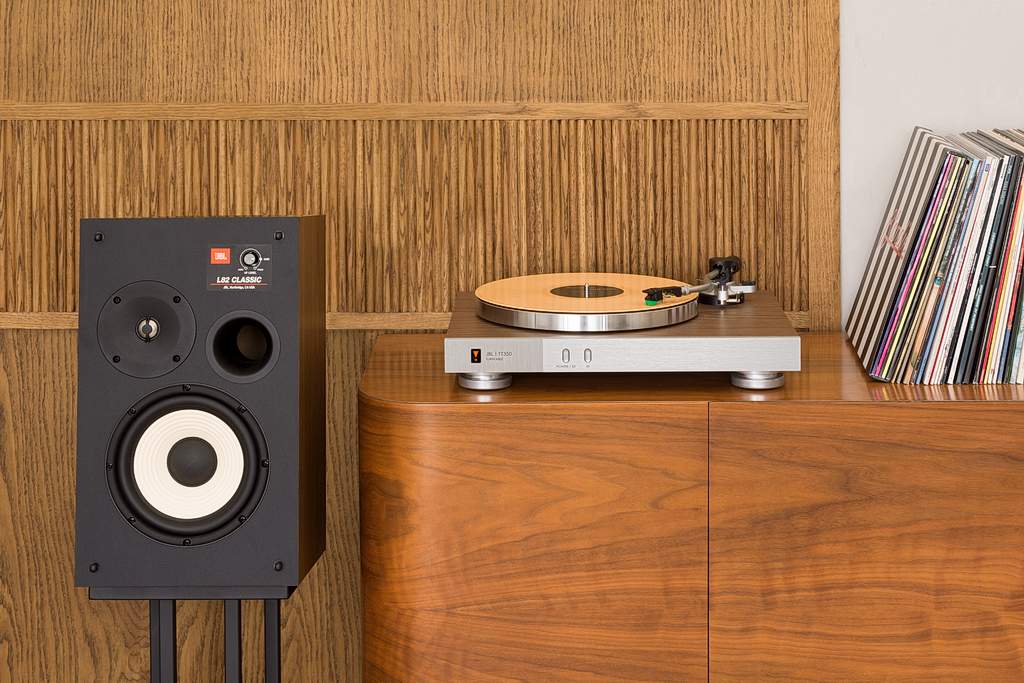
The turntable's location is also more important than many beginners assume. Unlike a streamer or a CD player, a turntable reads music mechanically, so it is sensitive to vibration. A stable shelf, proper leveling, and some distance from loudspeakers can make a real difference. Placing a turntable on a light, wobbly piece of furniture between two speakers may look convenient, but it is rarely ideal. The better the deck is isolated from footfall, cabinet resonance, and airborne vibration, the easier it will be for the stylus to do its job. This is not a matter of audiophile superstition, but of basic mechanics.

Straight out of the box
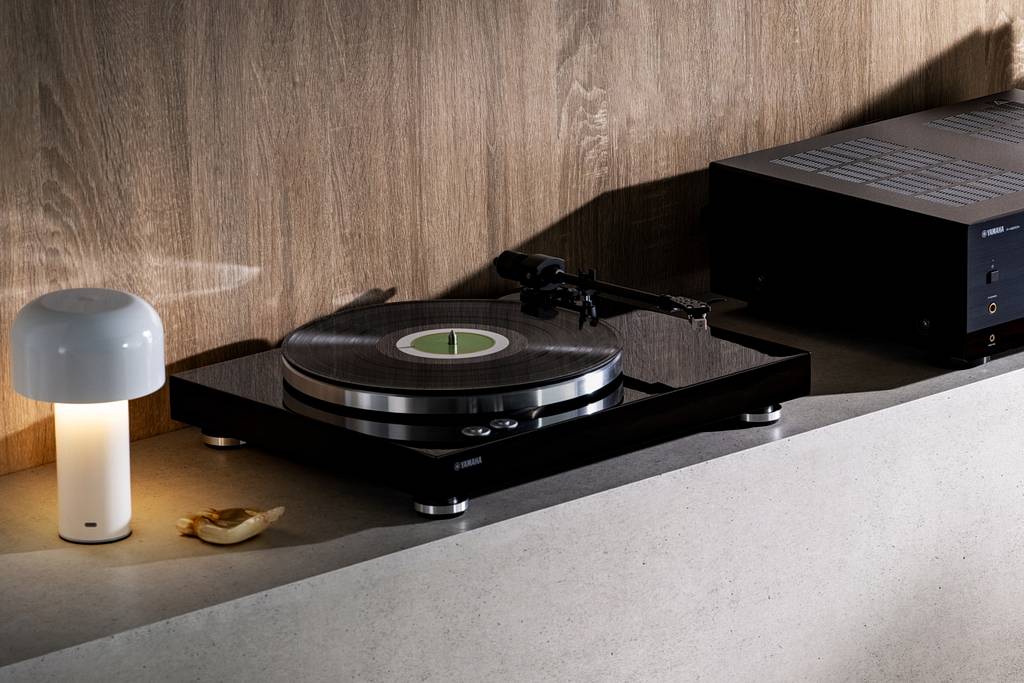
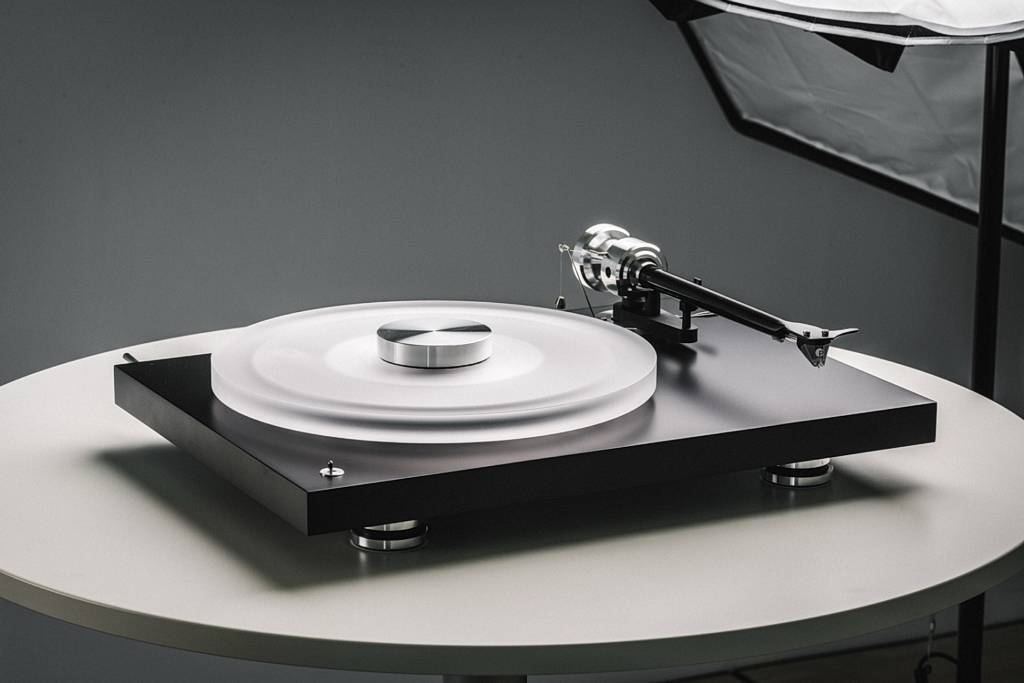
If you are just entering the world of analog sound, it is worth considering whether you want to buy the turntable and cartridge separately, or begin with a machine that comes with a cartridge already installed. Manufacturers of entry-level turntables often do this work for you. They choose a cartridge suited to the arm and, better still, mount it at the factory. That means you do not have to attach the cartridge with tiny screws, worry about alignment geometry, or connect four miniature wires. For beginners, this can save a great deal of time and possibly some money as well.
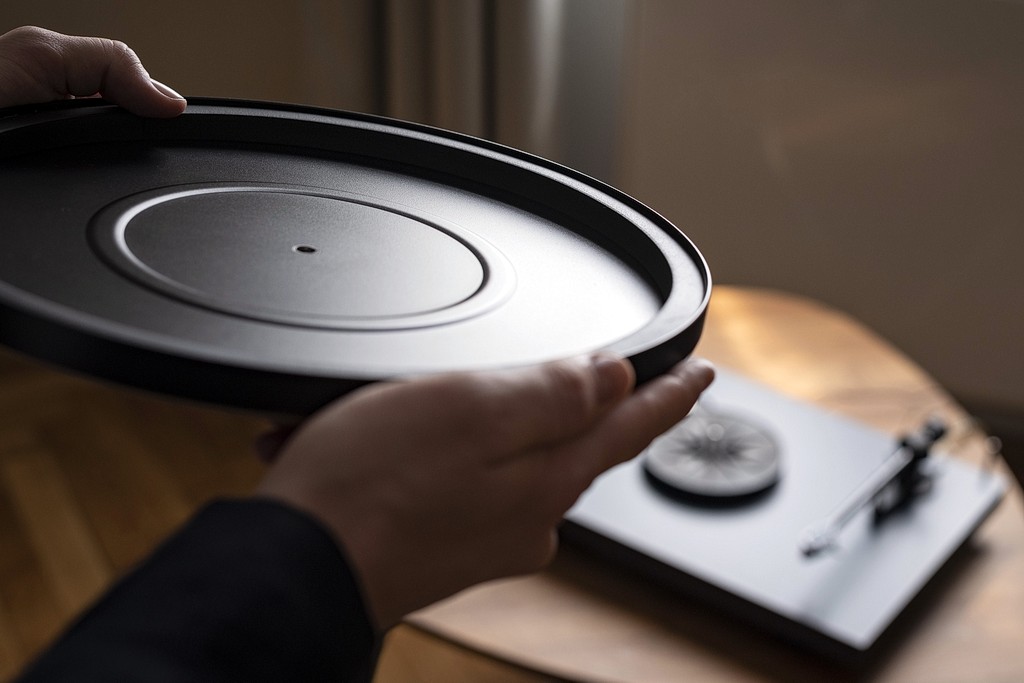
A complete turntable of this type is usually a fairly simple device without complicated mechanisms. After taking it out of the box, you will typically need to remove the transport locks or protective wires securing the arm and motor, level the turntable on its shelf, install the belt, place the platter on the bearing spindle, and perhaps hang the anti-skating weight and set the cartridge tracking force. Everything should be described in the manual clearly enough that even a complete beginner can understand what to do and in what order. This is not some mysterious workshop operation reserved for seasoned analog enthusiasts. A properly prepared entry-level turntable is meant to guide the user through the process without unnecessary stress.
Many modern entry-level turntables are sold as nearly complete packages, sometimes even with a built-in phono stage. This can be very helpful, especially if the rest of the system has no phono input and the user wants to keep the first setup simple. Still, convenience should not be confused with the best long-term solution. A built-in phono stage is useful, but a separate one usually gives you more room for improvement later. The same applies to the cartridge. A pre-installed model is a good start, but one of the pleasures of analog is that the system can be refined step by step - with a better stylus, a better cartridge, a better phono preamp, or simply more careful setup.
Once the turntable is ready, you connect it to the amplifier or to your phono stage, and you can begin. Place a large black disc on the platter, lower the stylus, and settle comfortably into your chair. There will be a moment of silence, perhaps a faint surface noise, and then the music will begin. This is usually the point at which many people finally understand why anyone would bother with vinyl in the first place. It is not just about sound quality in the narrow technical sense. It is about involvement, focus, and the feeling that you have chosen to listen to an album rather than merely start background music.
Epilogue
Choosing a turntable may seem complicated at first. The limiting factor may be not only your budget, but also the system you already own. With a little determination, however, even a complete beginner can make the right choice. The key is to start with the essentials - choosing the cartridge, matching it to the phono preamplifier, and checking whether the parameters of the individual components in the signal chain work together properly. If you want to make things easier, you can always choose a complete turntable with a factory-installed cartridge. For someone just beginning their analog journey, this is not a bad solution at all. And if you want to extract as much as possible from black records right away, you can always ask specialists for help - people who not only have solid theoretical knowledge, but have also tested many different equipment combinations in practice.
A turntable, like any source component, has its strengths and weaknesses. Many music lovers nevertheless choose to deal with its inconveniences in order to draw the best from this timeless medium. For a large group of audiophiles, analog sound remains a reference point that no digital format has entirely replaced, even if the two worlds now coexist more peacefully than ever. Vinyl has a certain charm that reveals itself not only in the sound, but in everything surrounding it. Listening to music from black discs is always a kind of ritual. The very act of taking a record out of its sleeve and turning it in your hands already announces a special moment. You choose an album while looking at its large cover. You gently clean the surface of the disc and place it on the turntable platter. You start the motor, lower the stylus, and feel the whole world slow down and begin to spin at 33 1/3 rpm.
The images featured in this article have been sourced from manufacturers' press materials, StereoLife Magazine's archive, the wonderful community of Pexels, and publicly available online sources.