
- Articles
- Posted
Audio Video Show Warsaw 2026
Had we told international hi-fi enthusiasts fifteen or twenty years ago that one of the world's largest and most important audio shows would one day take place in Warsaw, many would probably have found it hard to believe. Back then, Poland was hardly known as a major market for luxury audio equipment, and the country's own hi-fi manufacturers were only beginning to establish themselves internationally. Yet Audio Video Show, whose history dates back to the 1990s, kept growing almost without interruption, attracting an ever-increasing number of manufacturers, distributors, journalists, and music lovers. What began as a relatively small exhibition in the rooms of a Warsaw hotel has evolved into an event that can hold its own against the biggest audio shows anywhere in the world. The 28th edition occupied no fewer than 196 demonstration rooms across three venues - the PGE Narodowy stadium and the Radisson Blu Sobieski and Golden Tulip hotels. Nearly 700 brands were represented, and more than fifteen thousand people attended. Perhaps even more impressive is the fact that all of this happened over just three days, October 23-25, 2026.
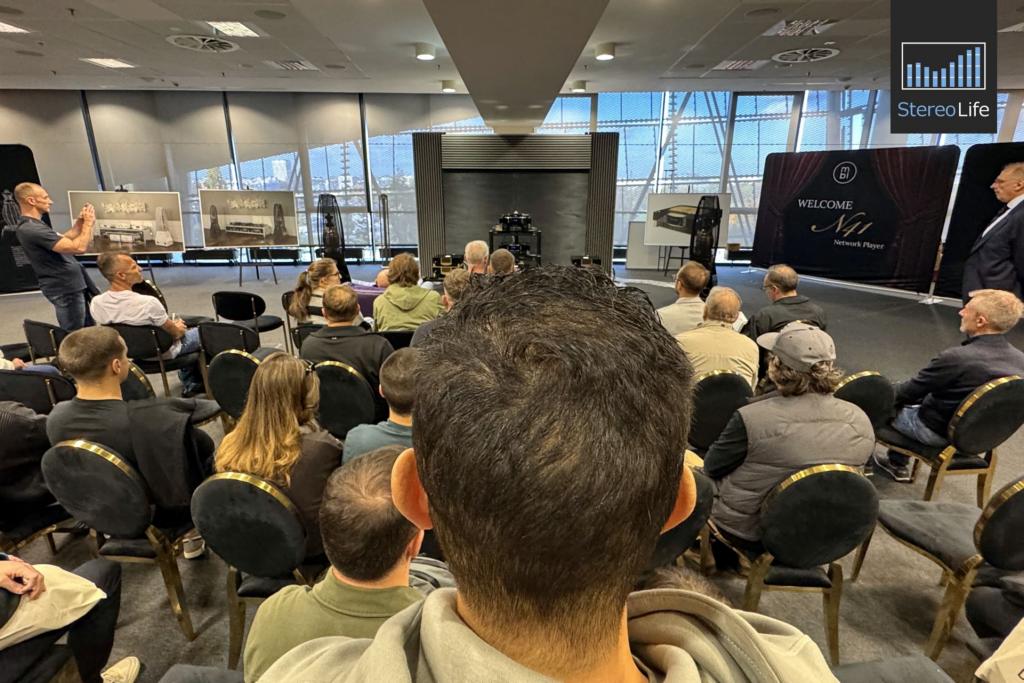
It's worth explaining that Audio Video Show is not your typical trade exhibition. Naturally, there are product launches, business meetings, press conferences, and technical presentations, but from the very beginning, the main attraction has been the opportunity for visitors to experience the equipment firsthand. Warsaw is not primarily about admiring amplifiers and loudspeakers arranged on display stands. It's about listening to music. Each room becomes its own listening environment, where visitors can sit down, hear a particular system, talk to its designer, and sometimes even ask to play their own recordings. You don't need an invitation, an industry badge, or a small fortune to spend on audio equipment. All you need is a ticket and a willingness to devote a weekend to seeing and hearing more fascinating products than you might encounter in several years of visiting hi-fi dealerships. It's precisely this open, almost festival-like atmosphere that makes the Warsaw show so special.
When the organizers began announcing this year's attractions a few weeks before the event, we got the impression that another record-breaking extravaganza was on the way. More exhibitors and demonstration rooms than ever before, the most expensive systems, the largest number of premieres and special presentations. Of course, we've heard such promises many times, and anyone who regularly attends audio shows knows that bigger numbers don't necessarily make for a better experience. You can put a pair of million-euro loudspeakers in a room, connect them to amplifiers costing just as much, and end up with sound that makes people feel physically uncomfortable. You can invite a world-famous artist and then organize the meeting so badly that half the audience never gets a chance to see them. You can keep expanding the exhibition space without addressing basic logistical problems such as transportation, parking, long lines, coat checks, or simply finding somewhere to eat during a full day of exploring. Fortunately, the organizers of Audio Video Show have focused not only on making the event bigger, but also on making it better for the people it was originally created for - music lovers and audio enthusiasts. And perhaps that's why, after spending three days in Warsaw, I came to the conclusion that something far more important had happened than yet another record being broken. Audio Video Show has reached a point where it no longer needs to prove anything to anyone. Rather than chasing the world's leading audio exhibitions, it has started setting standards of its own.
Before getting into the details, a few words about the format of this report. I came home from this year's show with several thousand photographs, more than four hundred of which survived the initial selection. I eventually set a few more aside, but the resulting collection is still pretty substantial. Rather than following the usual approach of breaking up the text with photographs every few paragraphs, I decided to keep the two separate. First, I invite you to read my impressions, observations, and thoughts on Audio Video Show 2026, and then explore the extensive photo gallery below the article. I should also make it clear from the outset that I have no intention of describing every room, listing every component on display, or analyzing individual systems in great detail. I know that some journalists meticulously document such information, recording which loudspeakers were paired with which amplifiers, cables, and accessories, but at an exhibition of this size, I don't think that makes much sense. Component choices often reflect commercial relationships between manufacturers and distributors rather than a determined search for perfect synergy. What's more, exhibitors frequently modify their systems during the event, and even a slight change in loudspeaker positioning can dramatically affect the sound. I'm therefore not going to pass definitive judgment based on five-minute listening sessions under conditions that nobody can fully control. That's what proper reviews are for. In my own listening environment, I can evaluate equipment under familiar conditions, compare different configurations, and draw meaningful conclusions. I see Audio Video Show primarily as an opportunity to discover interesting products, meet people, and observe how the industry is evolving. And that's what I intend to focus on.
A few days after the exhibition ended, the organizers released the official statistics, confirming what had been apparent throughout the three days spent at the stadium and hotels. Audio Video Show 2026 occupied 196 demonstration rooms, compared with 185 the previous year, and featured products from nearly 700 brands. A total of 228 journalists received accreditation, including 87 representatives of international media, an increase of 22.5% over the previous edition. The most important figure, however, is attendance, which reached 15,504 visitors, up from 14,881 in 2025. A 4.2% increase may not sound particularly spectacular, but we should remember that we're talking about an event that has long ranked among the world's largest audio exhibitions and is approaching the practical limits of further expansion. More importantly, the organizers emphasized that this figure represents unique visitors - the actual number of individuals who attended, regardless of whether they spent one day at the show or the entire weekend. This distinction matters because other major audio exhibitions use different methods of calculating attendance. Some report the total number of visits, meaning that someone attending on all three days is counted three times. Others also include entries by exhibitors and other badge holders. Applying those methods to Warsaw would produce figures of 20,865 visits or as many as 24,193 entries, respectively. Sounds more impressive than 15,504, doesn't it? Yet we're talking about exactly the same event.
This inevitably brings us to the ongoing debate about which audio show is the largest, most important, or most prestigious. In Europe, the natural benchmark for Warsaw remains High End, an exhibition with a long history and an outstanding international reputation that, after many years in Munich, has moved to Vienna. I have no intention of questioning its position. It's where manufacturers from around the world unveil new products, negotiate agreements, find business partners, and plan future projects. High End remains one of the audio industry's most important business events, and that is reflected in the makeup of its audience. A substantial proportion of attendees are manufacturers, distributors, dealers, designers, and journalists. Warsaw, too, has become an international meeting place for the industry, but the balance is quite different. The focus remains firmly on the ordinary visitor who buys a ticket, travels from another city or country, and simply wants to see, hear, and learn something new. Viewed from this perspective, Audio Video Show is one of Europe's largest, and perhaps even its largest, audio exhibitions aimed primarily at consumers rather than industry professionals. Ultimately, though, establishing a definitive ranking isn't particularly important. Both events are outstanding in their own ways, and each deserves its place on the international audio calendar.
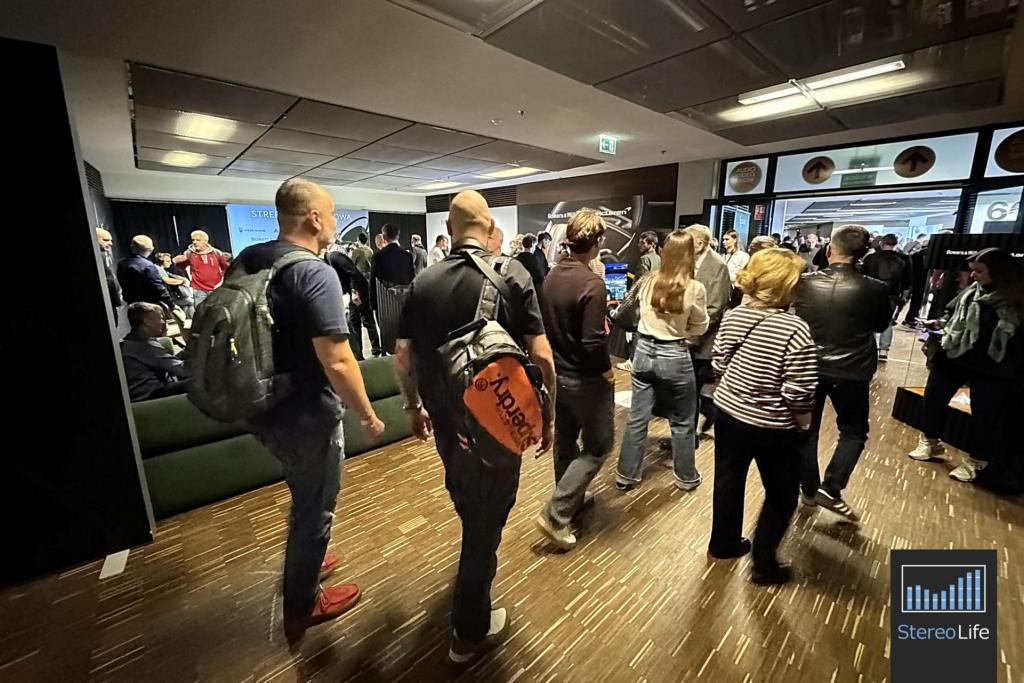
For me, however, the statistics aren't what matters most about the Warsaw show. Nor is it the number of exhibitors or the prices of the equipment on display, although I understand why headlines about a "two-million-euro system" attract attention. What matters is the atmosphere, and something I first noticed last year that has now become even more apparent - a difficult-to-define sense of ease and confidence. That may sound strange amid all the madness. The exhibition is enormous, there are countless attractions, the corridors are packed, and everyone is constantly racing against the clock, trying to see and hear as much as possible. Yet somehow, you feel that everything is exactly as it should be. We're no longer surprised that we can listen to equipment costing a fortune, try dozens of excellent headphones in a single day, or meet hundreds of international guests, journalists from around the world, and representatives of brands we know and admire. We're not even surprised to see people gathering outside the entrances long before the doors open, fully prepared and armed with their own carefully planned itineraries. After all, this is Audio Video Show. It's perfectly normal.
The exhibition was open for a total of twenty-five hours. If we wanted to spend just ten minutes in each room, we'd need almost thirty-three hours, and that doesn't include walking between rooms, traveling between venues, eating, drinking, talking to friends, or any of the other activities human beings normally perform to stay alive. We'd also need to allow time for trying on headphones, examining equipment displayed at stands, and attending special events. Such an ambitious schedule would only be possible if we could slow down time, or preferably create several copies of ourselves. Unfortunately, I possess neither ability, so, as in previous years, I had to make some choices. Still, I think I managed to make use of almost every available minute this time. Naturally, when I got home, my legs felt as though I'd just run a half marathon, but somehow I couldn't bring myself to complain.
Although this year's edition broke attendance and exhibition records, what impressed me even more was the organization. Audio Video Show grew incredibly quickly over the years, and at one point it seemed to be struggling to keep up with its own success. More rooms, exhibitors, and visitors were undoubtedly good news, but they also brought problems. I remember traffic jams around the stadium, crowded corridors, long coat-check lines, and the difficulty of finding somewhere quiet to sit down, have a coffee, and take a break. Things improved year after year, however, and this time I found myself thinking there was hardly anything left to ask for. There's underground parking at the stadium, free shuttle buses connecting all three venues, coat checks, staff helping visitors find their way, clear signs, and plenty of places to eat and relax. The elevators work, the air conditioning works, and there are technical support and cleaning teams on hand. There's even a press room in a quiet section of the stadium, almost completely separated from the main exhibition. Of course, a few inconveniences remain, but most result from the limitations of the buildings themselves. What's more, every available demonstration room has now been rented, meaning that the organizers have reached the limits of what can be achieved within the current format. They can add more small stands in the corridors or try to make use of additional spaces, but any substantial expansion would probably require a fourth venue or an extra day. For now, Audio Video Show makes use of virtually every available square foot, and does so remarkably well.
The exhibitors themselves were also exceptionally well prepared. Naturally, those presenting their equipment for the first time are still learning the ropes, but the more experienced participants seem to know exactly what they're doing. Shortly before the doors opened, some rooms were still scenes of frantic activity, with loudspeakers being positioned, electronics unpacked, cables arranged, pictures hung, and furniture moved around. I wouldn't expect anything else. If you have to assemble a system weighing several tons, with cables alone costing more than a decent car, you're unlikely to finish the job in fifteen minutes while sipping coffee and whistling cheerfully. Yet by the time visitors were admitted, the vast majority of demonstrations were ready. Everything ran so smoothly that I occasionally stopped just to take it all in. Audio Video Show has become a well-oiled machine, capable of dealing with minor problems almost automatically. Adam Mokrzycki, the show's founder and organizer, his entire team, and everyone involved in putting this remarkable event together deserve enormous credit for that.
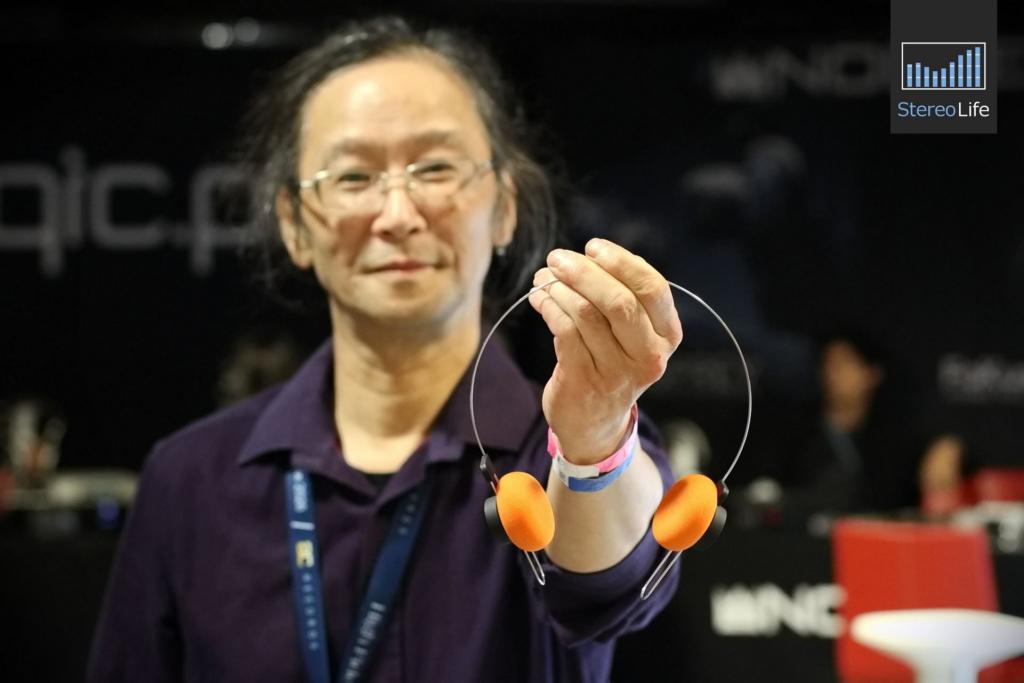
It's hardly surprising that, as the exhibition has grown, its international standing has changed as well. There was a time when the presence of just a few foreign journalists was a major event. Exhibitors would look out for them in the corridors, and when word spread that a representative of a famous magazine from the United Kingdom, Germany, or the United States was heading toward a particular room, a frantic effort would begin to tidy up brochures, select the best demonstration tracks, and perfect every last detail. Today, there are so many international visitors that nobody raises an eyebrow at the sight of a Japanese designer talking to a Polish distributor, the owner of a Dutch audio company explaining his amplifier to a group of visitors, or a journalist from the other side of Europe photographing equipment in a hotel room. International dealers, importers, and ordinary music lovers who travel to Warsaw specifically for the weekend are becoming increasingly common as well. Some combine the exhibition with sightseeing in the Polish capital, while others come exclusively to discover what the international audio industry has prepared. Audio Video Show is no longer an event of interest primarily to a local audience. It has become one of those dates on the calendar worth planning a trip around.
What I like most, however, is that despite its growing importance within the industry, the Warsaw show has not lost its original character. The designers of loudspeakers, amplifiers, turntables, and vibration-control accessories who come from all over the world don't spend their time talking exclusively to distributors and journalists. Above all, they meet audiophiles who are genuinely delighted to see them, approach them to say hello, show them photographs of their systems, and share their own experiences. Some visitors are seeing this kind of equipment for the first time, but they're curious, open-minded, and eager to discover more. I hear praise for the audience, its enthusiasm, extensive knowledge, and the general atmosphere of Audio Video Show from international guests so often that I've almost started taking it for granted. Yet for many first-time visitors to Warsaw, it remains something extraordinary. Of course, I'm not suggesting that similarly wonderful audiences can't be found elsewhere in the world, but the atmosphere of this particular event is unmistakable. Without all these people, Audio Video Show would be little more than a gathering of manufacturers, journalists, and distributors wandering through empty corridors and admiring expensive equipment.
Interestingly, international visitors often notice something that those of us who attend the exhibition every year may no longer pay much attention to. It isn't just the number of visitors, but their age. I've heard plenty of stories about audio shows abroad where practically the same people turn up year after year. Gentlemen of increasingly advanced age, who have owned expensive systems for decades, know every significant brand inside out, and are mainly interested in finding out whether this year's version of a hundred-thousand-euro amplifier sounds slightly better than the previous one. There's absolutely nothing wrong with that, of course. I myself am already part of the group that has seen so much equipment that it takes something truly special to make an impression. Nevertheless, an industry that fails to attract new customers will sooner or later find itself in serious trouble. In Warsaw, however, the long-time regulars are increasingly joined by younger music lovers. Teenagers, students, couples, and even entire families. Some come out of curiosity, hoping to browse vinyl records or meet a favorite artist. Others are looking for their first serious audio system, while still others simply want to hear music reproduced by something better than a Bluetooth speaker. And there's something here for all of them.
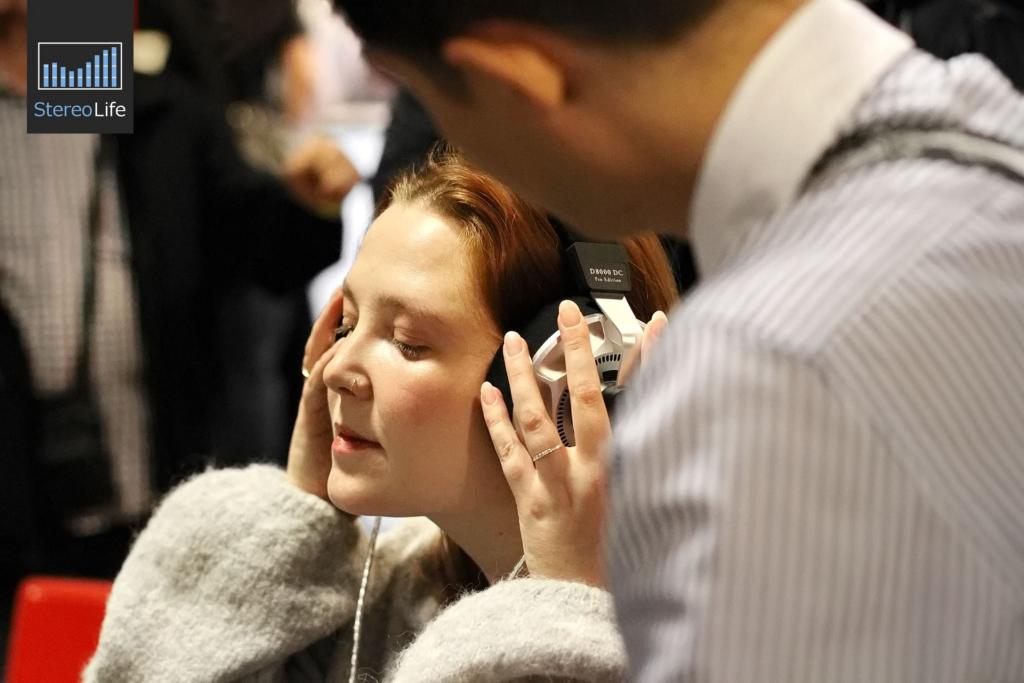
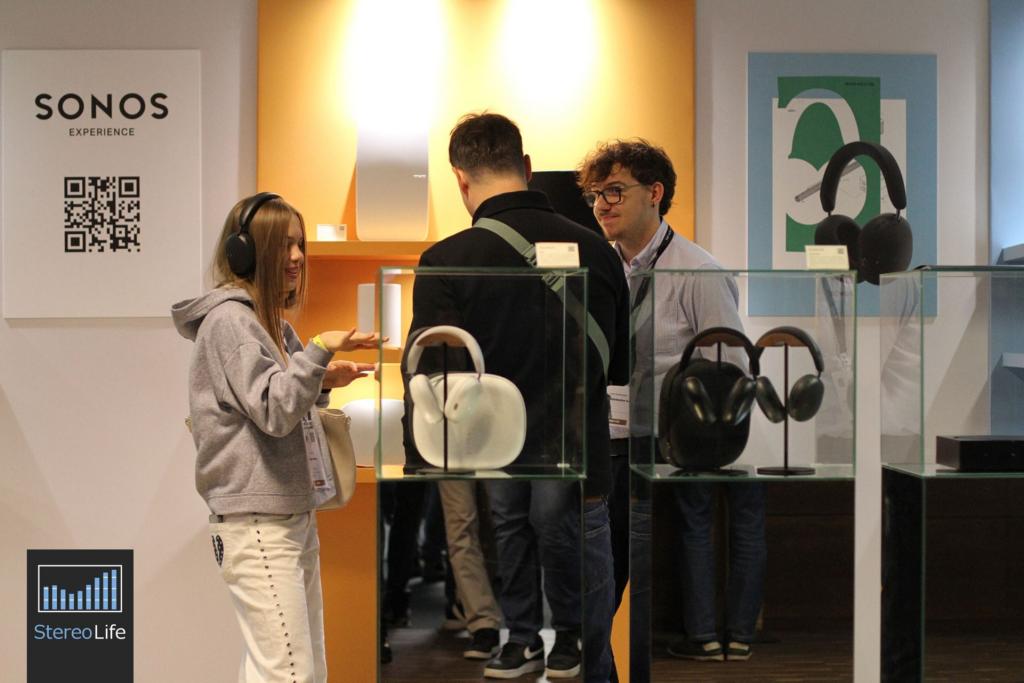
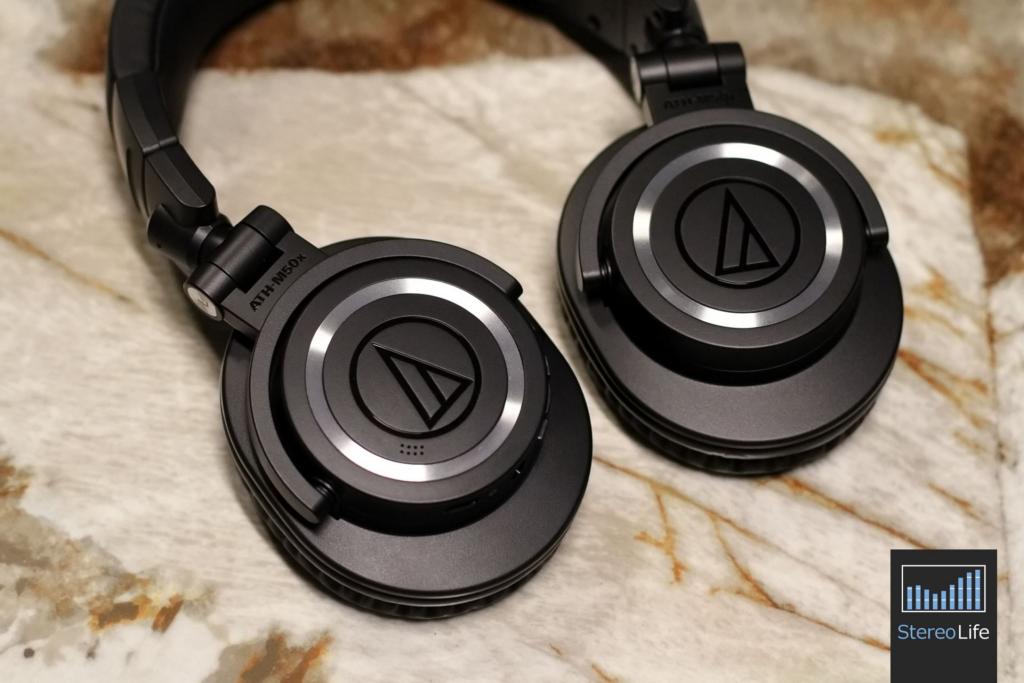
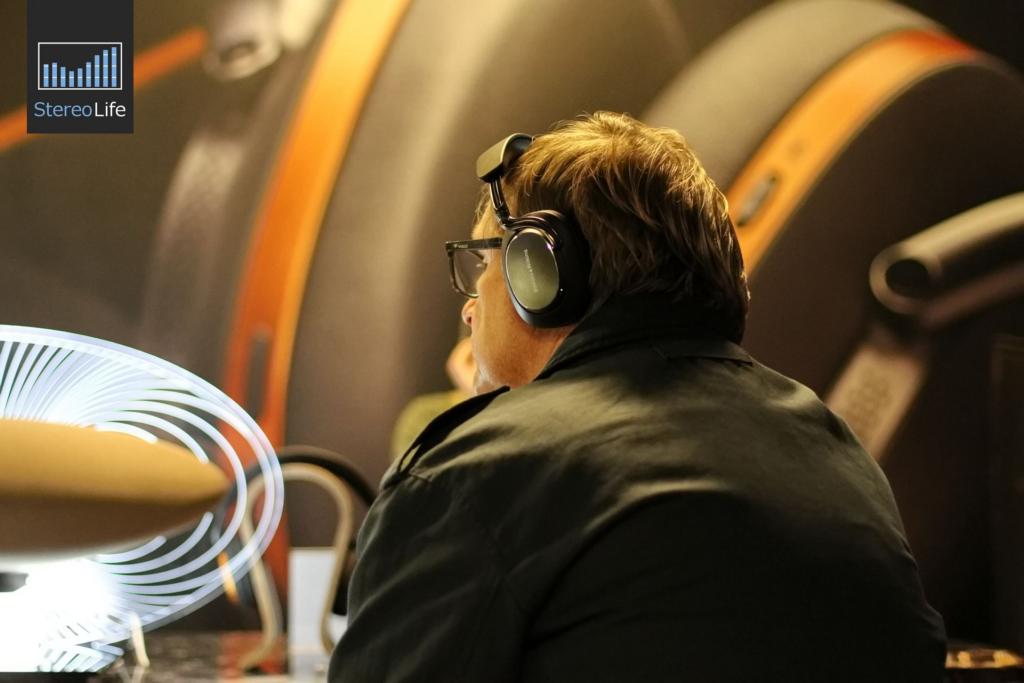
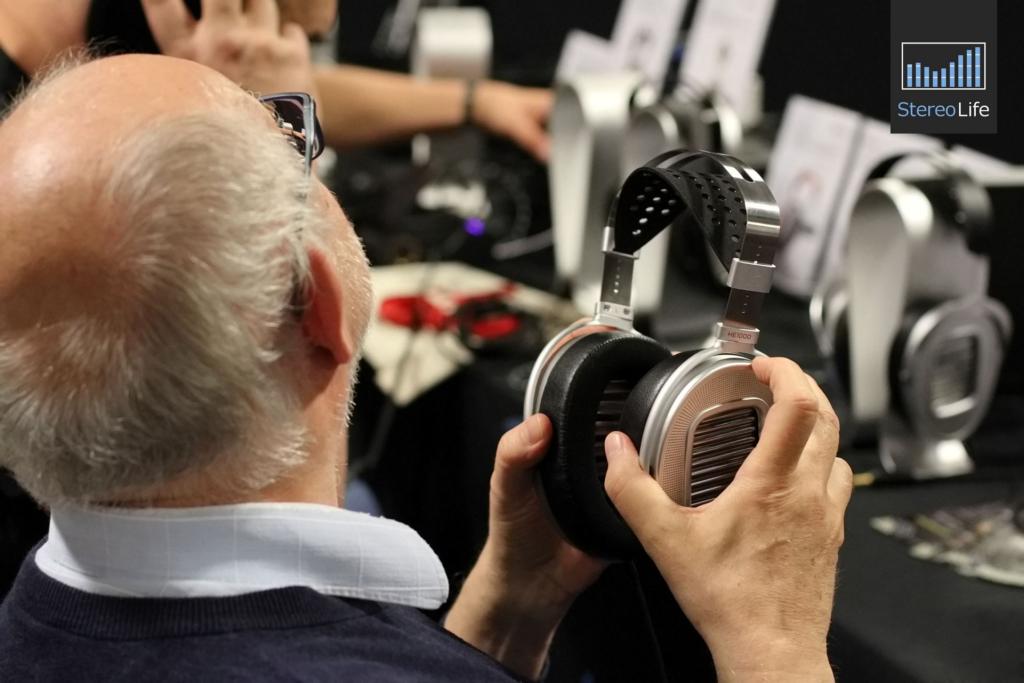
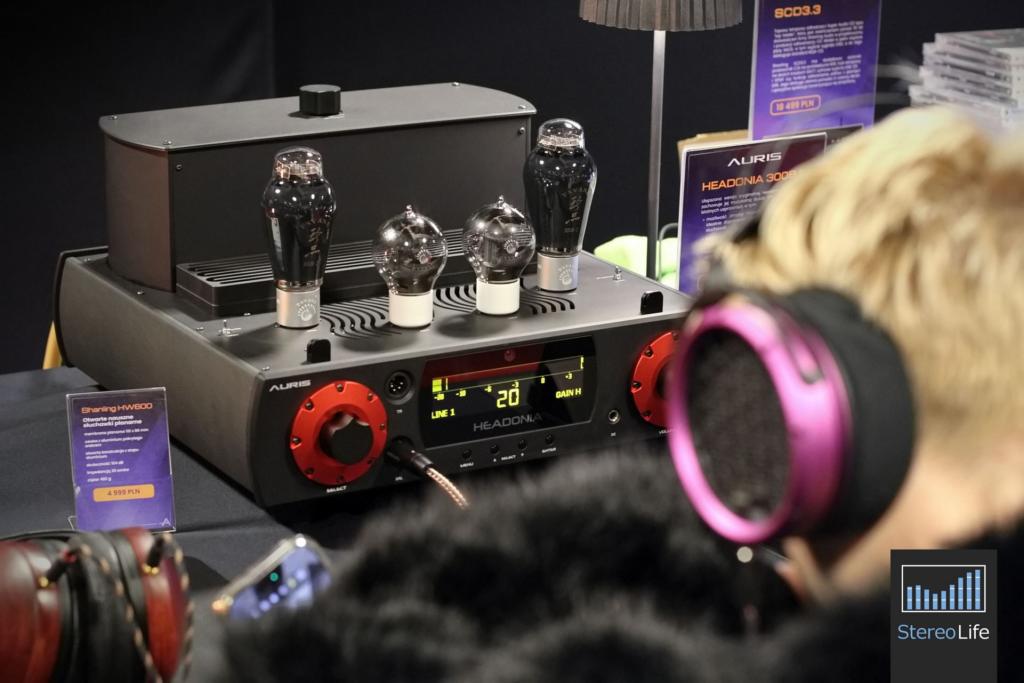
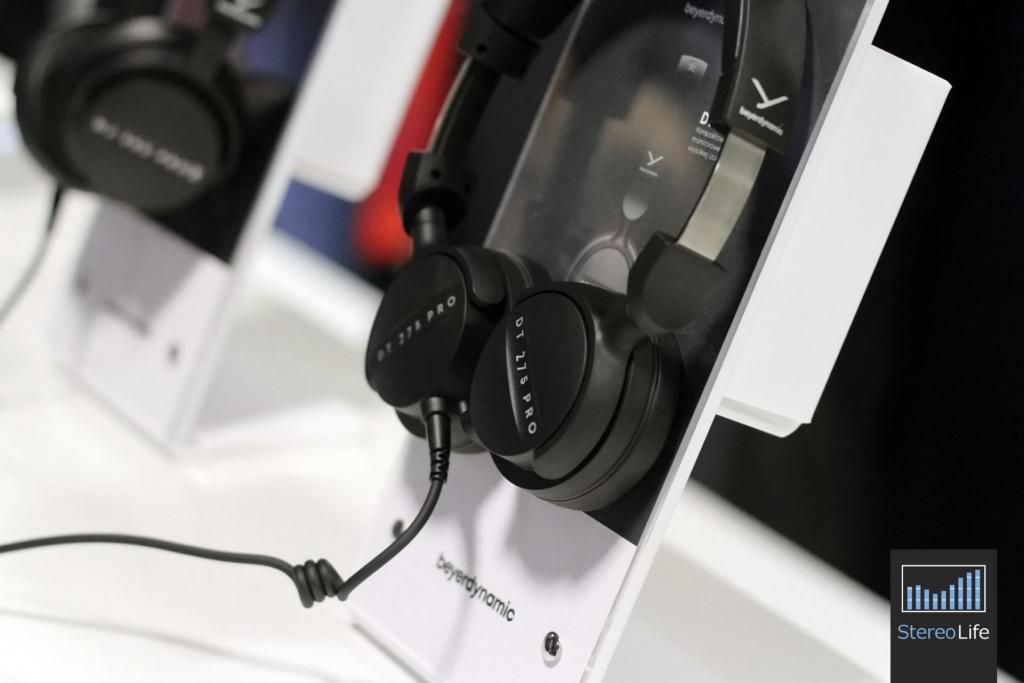
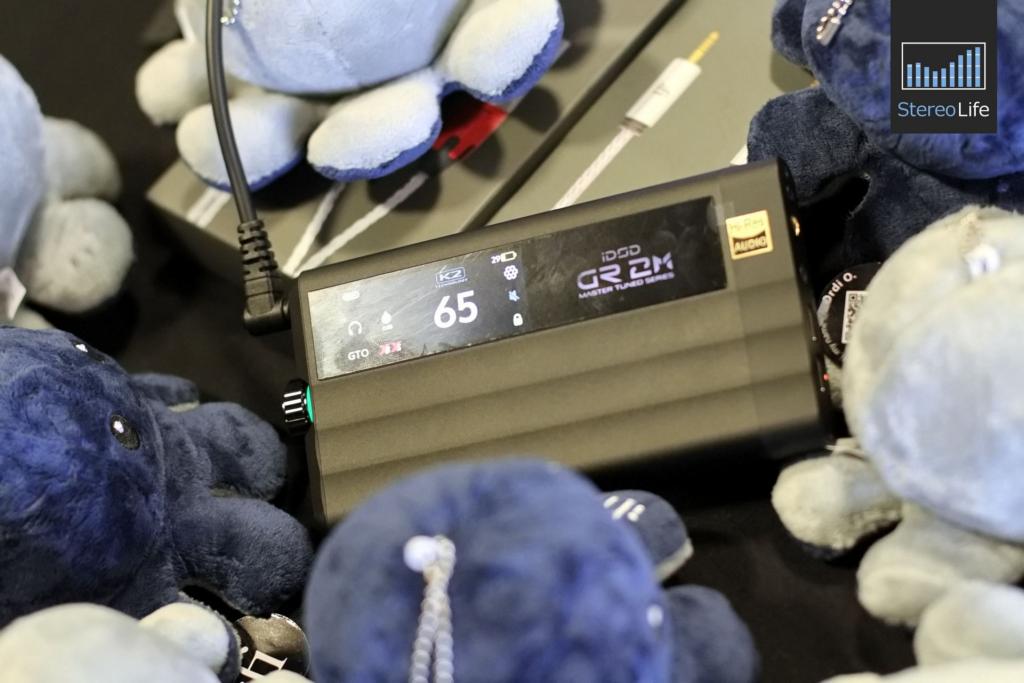
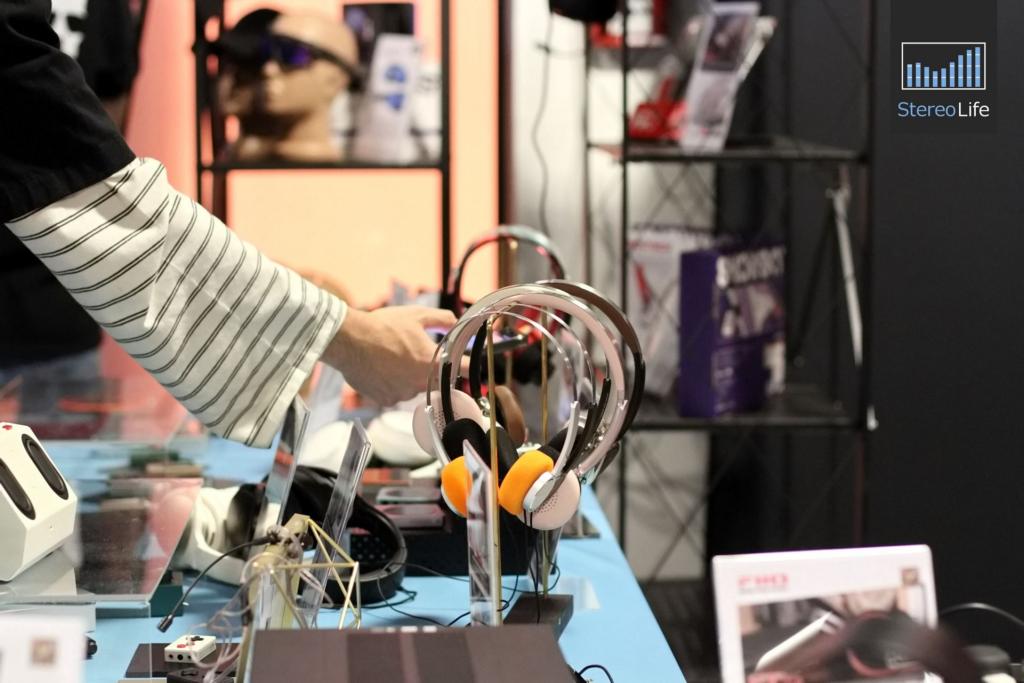
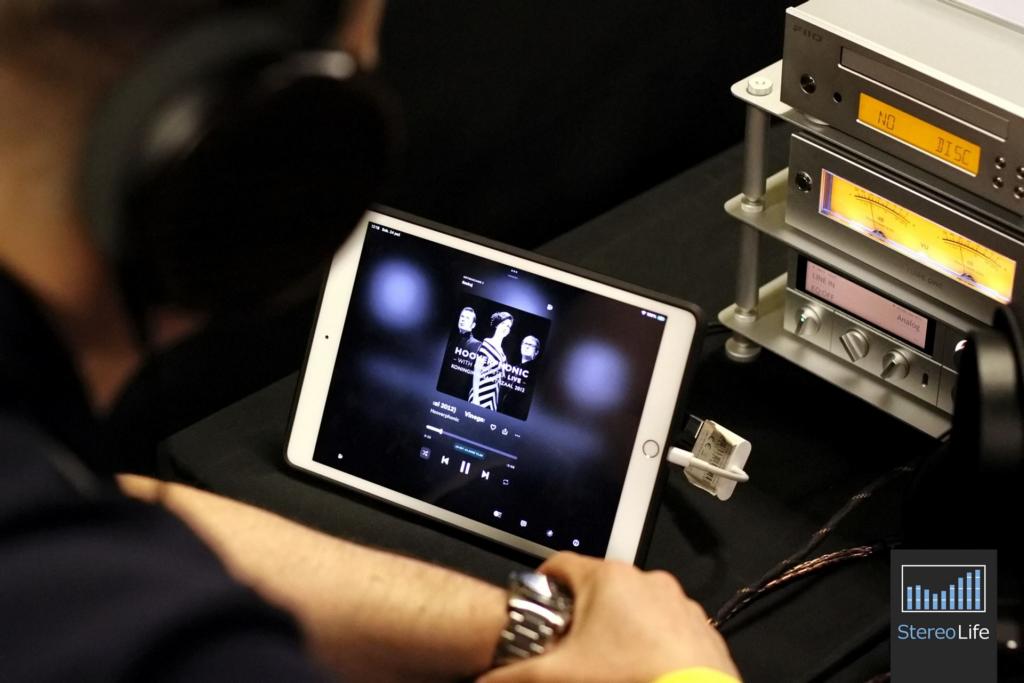
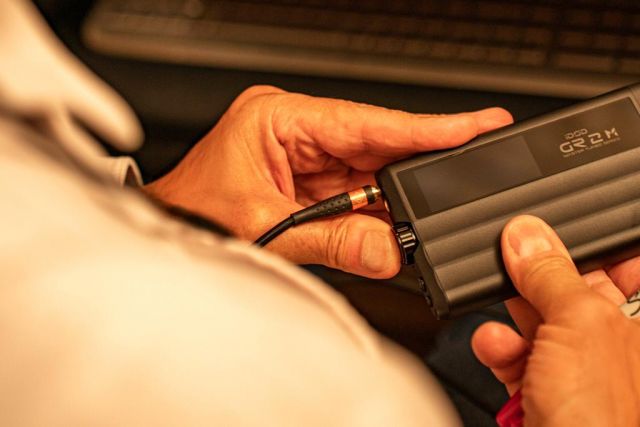
Nowhere is this more apparent than in the headphone area, which once again felt like a separate exhibition, complete with its own audience, stars, and slightly different rules. While the large demonstration rooms were dominated by imposing loudspeakers, amplifiers weighing dozens of kilograms, and systems costing a fortune, here you could simply put on a pair of headphones, connect your own music player or smartphone, and start listening. For younger music lovers, this is a much more natural introduction to high-quality audio equipment. You don't need a dedicated listening room, favorable acoustics, or neighbors who don't mind loud music. You can buy a good pair of headphones, a small DAC, or a desktop amplifier and enjoy sound quality that, in many respects, can compete with considerably more expensive full-size systems. Headphones can't entirely reproduce the experience of listening to loudspeakers, but they don't need to. They simply offer a different way of enjoying music. And I think it's wonderful that so many people begin their journey into hi-fi this way.
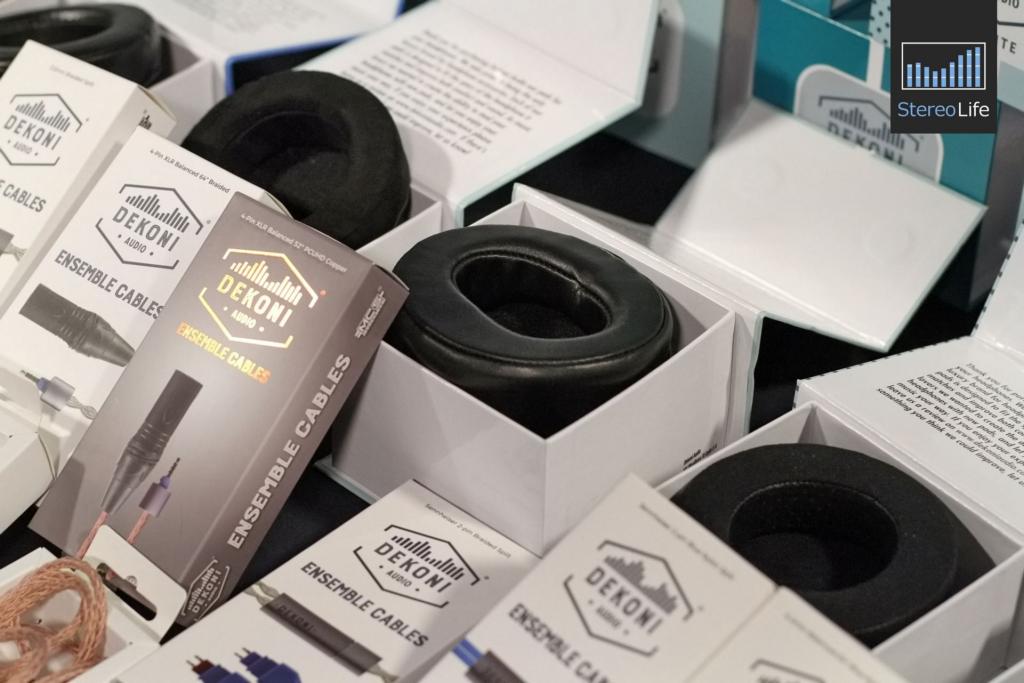
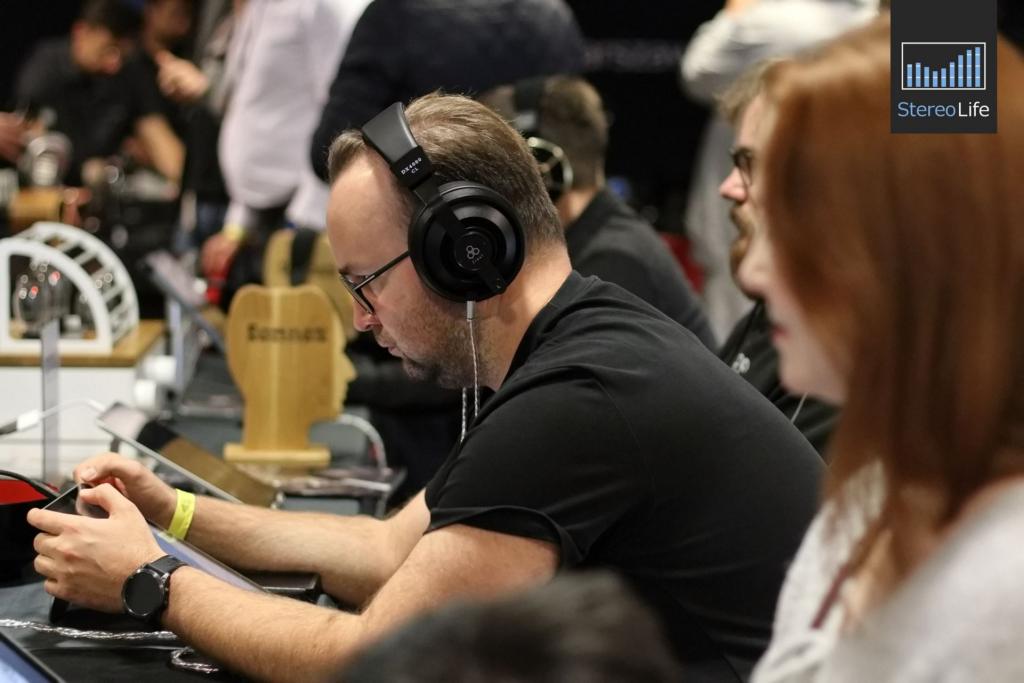
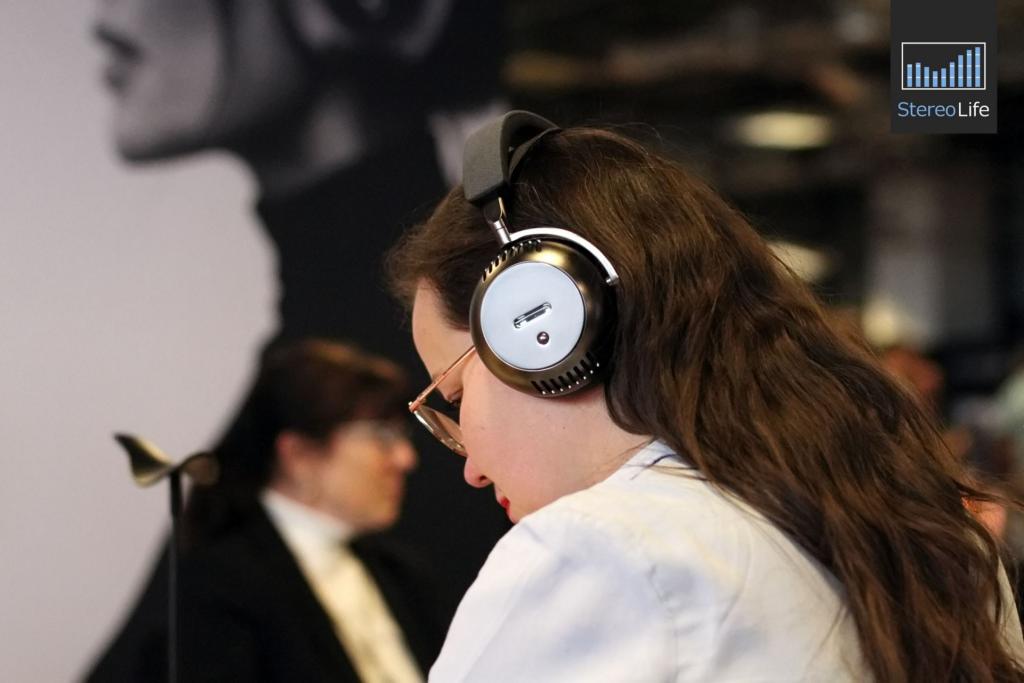
The headphone area offered virtually everything imaginable, from affordable in-ear monitors and wireless models to sophisticated planar magnetic, electrostatic, and dynamic designs with price tags capable of making your head spin. Enthusiasts of such exotic creations could explore models like the Final DX10000 CL, Meze Audio Arta, Spirit Torino Valkyria Titanium, or electrostatic headphones from Stax. There was no shortage of more accessible products either, along with portable players, amplifiers, and accessories. Yet once again, it wasn't the equipment itself that impressed me most, but the people who spent hours moving from chair to chair, comparing one model after another. Some were so absorbed in their listening sessions that they seemed completely oblivious to the commotion around them. And that's wonderful! After all, that was exactly why they'd come. I'm convinced that in a few years, some of them will start looking for their first integrated amplifier, then buy better loudspeakers, and perhaps eventually decide that their speaker cables need upgrading too. I'm not suggesting that every headphone enthusiast must ultimately end up with a huge stereo system. But if someone is already willing to spend several hours comparing drivers, amplifiers, and sources, it's difficult to imagine their interest in high-quality sound simply disappearing overnight. Once the audiophile bug bites, it tends to stay with you for life.
Perhaps the best evidence that Audio Video Show continues to attract newcomers came from conversations I overheard outside the demonstration rooms. While photographing the stadium and both hotels from the outside, I inevitably caught fragments of conversations between people arriving at the exhibition and those just leaving. What stayed with me most were the comments of first-time visitors. They seemed a little overwhelmed, a little surprised, and sometimes almost unable to find the words to describe what they'd experienced. Some talked about gigantic loudspeakers, others about the opportunity to try extraordinarily expensive headphones, and still others about music they'd heard in a particular room that had left a lasting impression. What I didn't hear was the familiar grumbling that follows a disappointing event - complaints that the trip had been pointless or that the whole thing was a waste of time. Quite the opposite. These conversations were full of enthusiasm. And that was when I realized that, regardless of how much the most expensive system at this year's show might cost, its greatest achievement could be convincing another group of people that listening to music on good equipment is simply a fantastic way to spend one's time. In fact, I increasingly feel that the faster the world moves, the louder it gets, and the more it bombards us with fifteen-second videos, advertisements, and all manner of nonsense competing for our attention, the more appealing it becomes to sit down in a comfortable chair, switch your phone to airplane mode, put on your favorite music, close your eyes, and just listen. It doesn't matter whether your system costs one thousand, ten thousand, or a hundred thousand euros. What matters is the pleasure it brings.
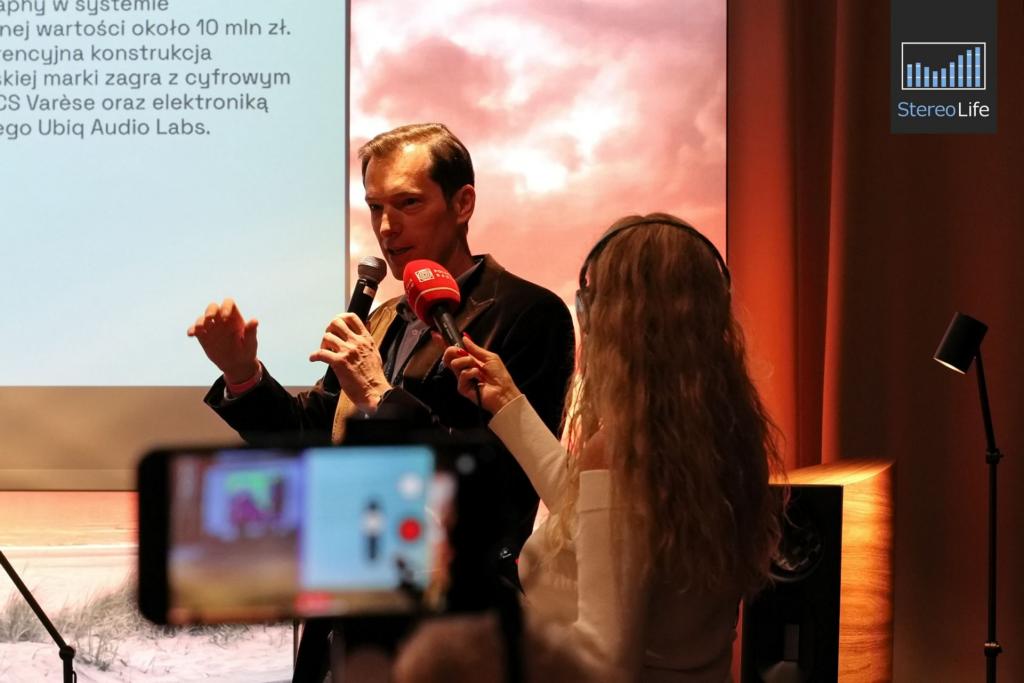
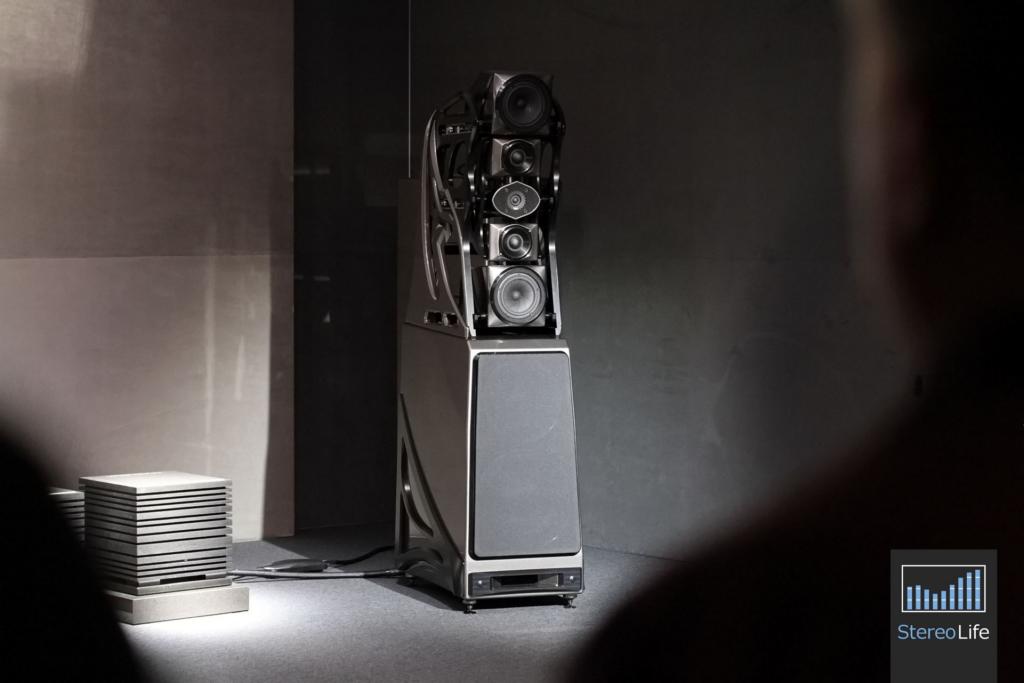
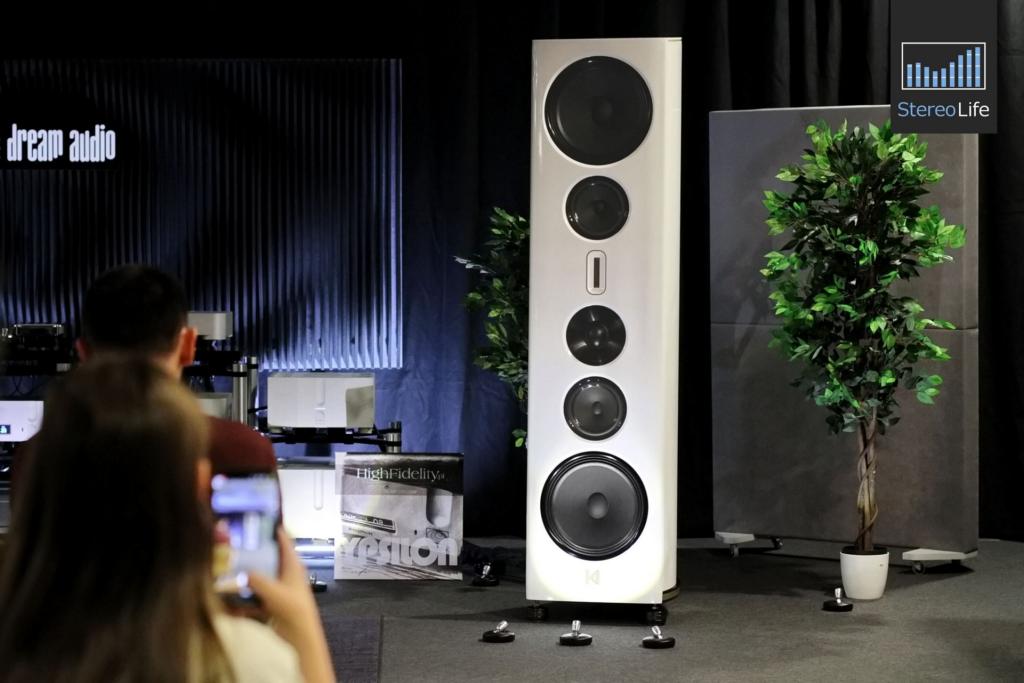
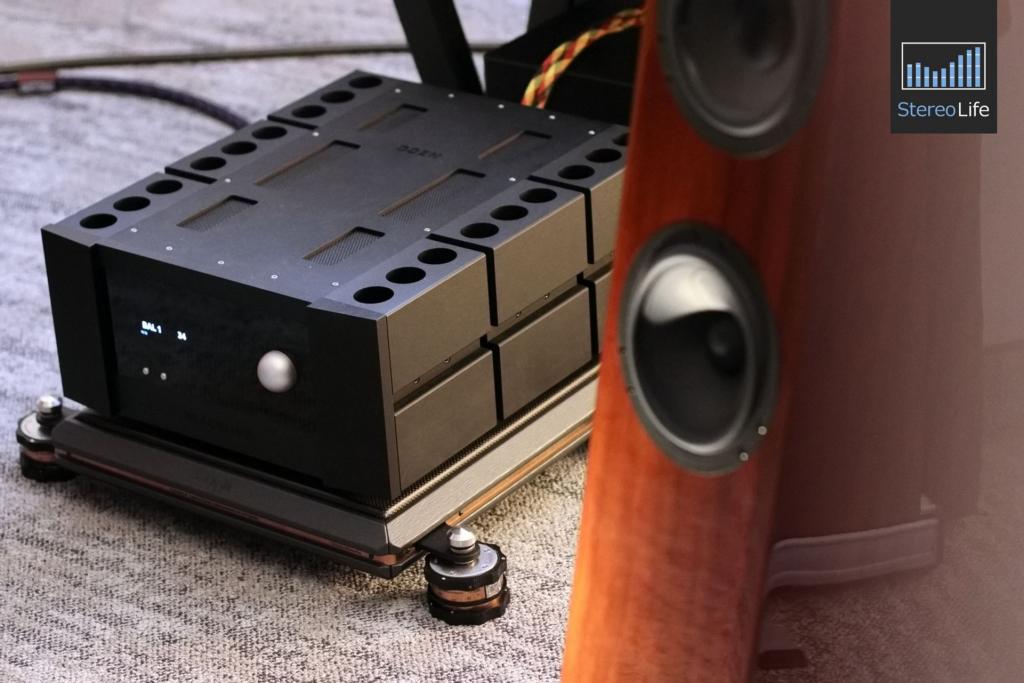
None of this means that spectacular high-end systems have lost their appeal. Quite the contrary. Once again, the organizers and exhibitors brought out the heavy artillery, with promotional materials advertising setups costing figures running into several million euros. The system attracting the most attention was built around Wilson Audio Autobiography loudspeakers, partnered with a dCS Varèse digital source, Ubiq Audio Labs electronics, and two Wilson Audio Subsonic subwoofers. The complete setup was valued at approximately €2,5 million. It's difficult even to comprehend such an amount of money in relation to equipment designed to reproduce music. For that price, you could buy several luxury cars or a property large enough to accommodate a dozen full-size listening rooms. Yet here, everything had been dedicated to a single purpose - reproducing a recording as faithfully as possible. Or, more precisely, reproducing it in the way that the system's designers and owners believe is best, because in the world of extreme high-end audio, the very concept of fidelity to the original can be interpreted rather liberally.
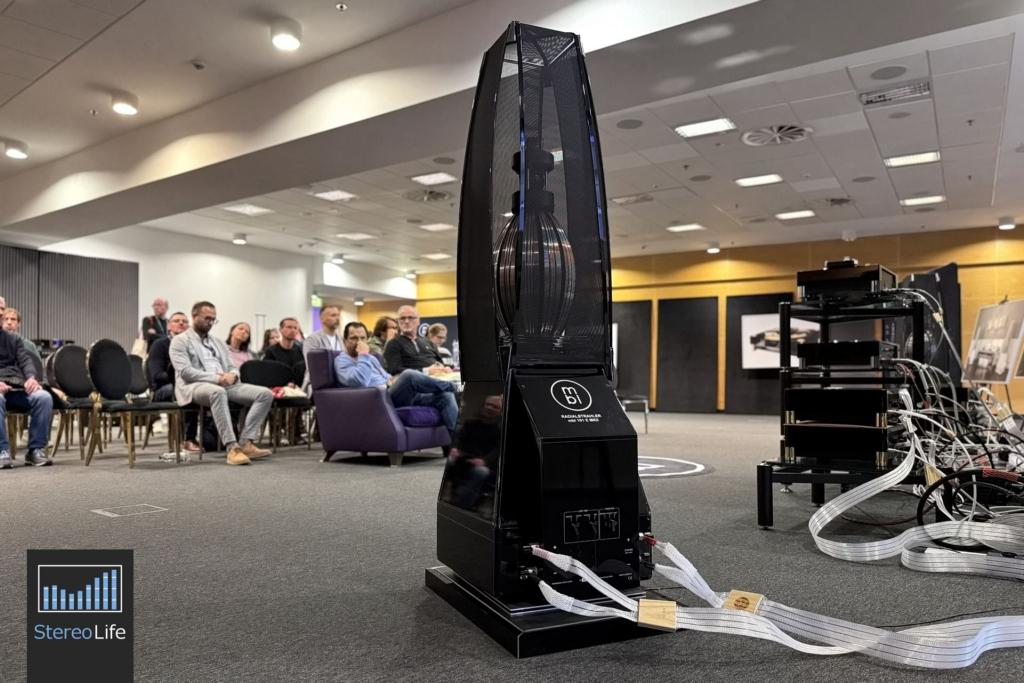
The competition in the category of most impressive engineering achievements wasn't exactly sitting idle, either. American manufacturer YG Acoustics unveiled the Ultimate Titan, a five-way loudspeaker standing more than two meters tall and weighing 455 kilograms apiece. Its enclosures are made from aluminum, while the external crossovers are individually matched to each pair. The system was driven by electronics from Vitus Audio's reference Masterpiece series. There were also Kharma Enigma Veyron 4D-C loudspeakers featuring diamond drivers, exotic electronics from Aries Cerat, enormous Göbel Divin Monarque speakers, Marten Coltrane Quintets, and designs from Rockport Technologies, Magico, Estelon, and many others. Naturally, not all of them were equally attractive. Some were beautiful, others looked like something from a mad scientist's laboratory, and still others gave the impression that their designers had made it their life's mission to create loudspeakers that couldn't possibly be carried into an apartment without a crane. But then, we don't attend an exhibition like this exclusively to admire things that are small, affordable, and practical. Every now and then, it's good to see something that completely defies common sense.
Something happened this year, however, that genuinely surprised me. The most expensive systems actually sounded good. I know, it sounds like a joke. Surely, if someone spends several million dollars on audio equipment, they should expect jaw-dropping sound, or at least something they won't be embarrassed by. That's the theory. In practice, the history of Audio Video Show is full of occasions when the most spectacular and expensive demonstrations turned out to be the biggest disappointments. I still remember the system featuring Living Voice Vox Olympian loudspeakers, presented in 2015, which cost €1,5 million and sounded so dreadful that I could hardly believe my ears. Other failures followed in subsequent years. Sometimes you could hear systems costing more than a luxury property that sounded unnatural, aggressive, tonally unbalanced, or completely dominated by bass. Of course, some of the blame could be placed on difficult room acoustics, but that didn't change the fact that the headline attractions promoted by the organizers frequently became the butt of jokes. This year was different. I'm not claiming that every ultra-expensive system sounded perfect, but there were no major disasters. There were good demonstrations, very good demonstrations, and some genuinely spectacular ones. Some impressed with their sheer power, others with precision, and still others with their ability to create realistic soundstages and reproduce even the most demanding musical passages effortlessly. At last, it was possible to listen to the world's most expensive audio equipment and understand why someone might actually want to spend a fortune on it.
I've been wondering what caused this change. Have exhibitors learned how to prepare their systems more effectively after years of trial and error? Have manufacturers started paying more attention to matching loudspeakers to the rooms in which they're demonstrated? Or did we simply encounter an unusually successful collection of component combinations? Most likely, it was a bit of everything. The experience accumulated over successive editions certainly plays an important role. Exhibitors now know which rooms are troublesome, where resonances occur, which loudspeaker positions tend to work best, and which mistakes to avoid. They're also making more frequent use of professional acoustic treatment, measurement systems, and the expertise of room-acoustics specialists. Of course, a hotel bedroom or a stadium conference room will never be an ideal environment for demonstrating enormous loudspeakers, but careful preparation can do enough to let a system show what it's capable of. This year, many exhibitors clearly succeeded. That doesn't mean systems costing several million euros are worth their prices in any objective sense. Such discussions lead nowhere in the world of extreme high-end audio. Someone who can afford to spend a fortune on a stereo system is unlikely to lose sleep over whether paying extra for a more expensive amplifier makes financial sense. They want something extraordinary, and the price is only one part of the equation. Nevertheless, even when the amounts involved become completely abstract, sound quality should remain the ultimate priority. And this year, it finally did.
It's also worth remembering that the price of a component is no guarantee of good sound. At Audio Video Show, this is particularly easy to forget. You enter a room and see imposing loudspeakers, amplifiers the size of washing machines, cables thicker than garden hoses, and a digital source consisting of several separate components. The sheer sight is impressive, and when you discover that the entire system costs more than a luxury apartment, you instinctively expect something extraordinary. Yet the laws of physics remain stubbornly unchanged. Even the finest loudspeakers can sound dreadful when positioned incorrectly, and an amplifier costing several hundred thousand euros can't fix the acoustic problems of a room. Conversely, a carefully matched system costing a few thousand euros can provide considerably more enjoyment than one costing ten times as much. That's why I always encourage visitors to look beyond the headline attractions advertised by the organizers and seek out the smaller rooms demonstrating equipment that is at least reasonably attainable. There were plenty of such places this year, too, although finding them among the forest of luxury products required a little patience.
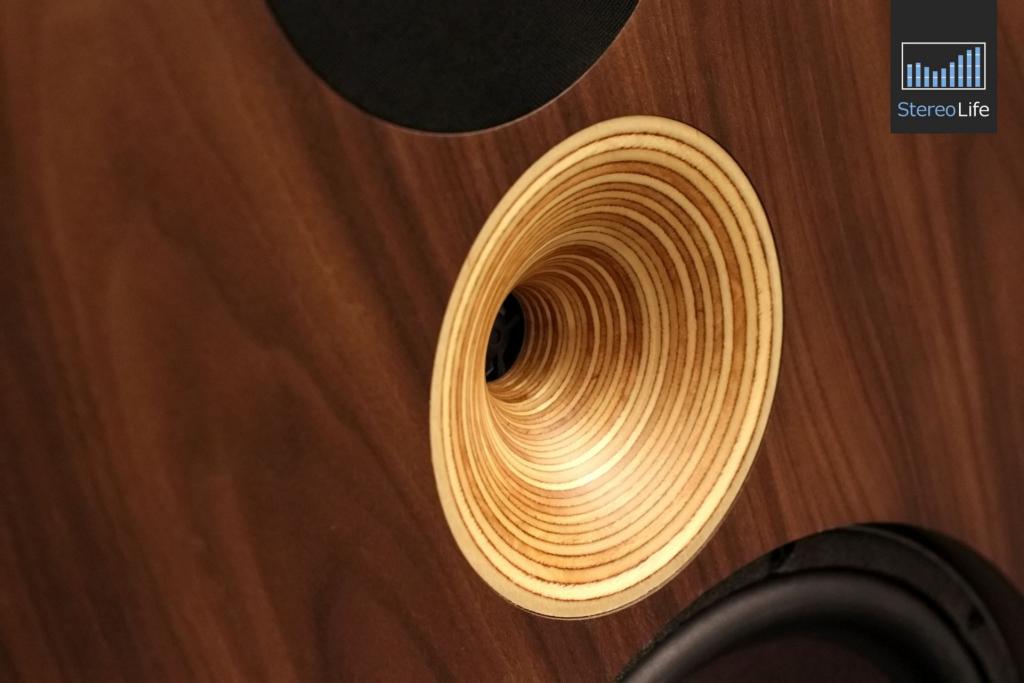
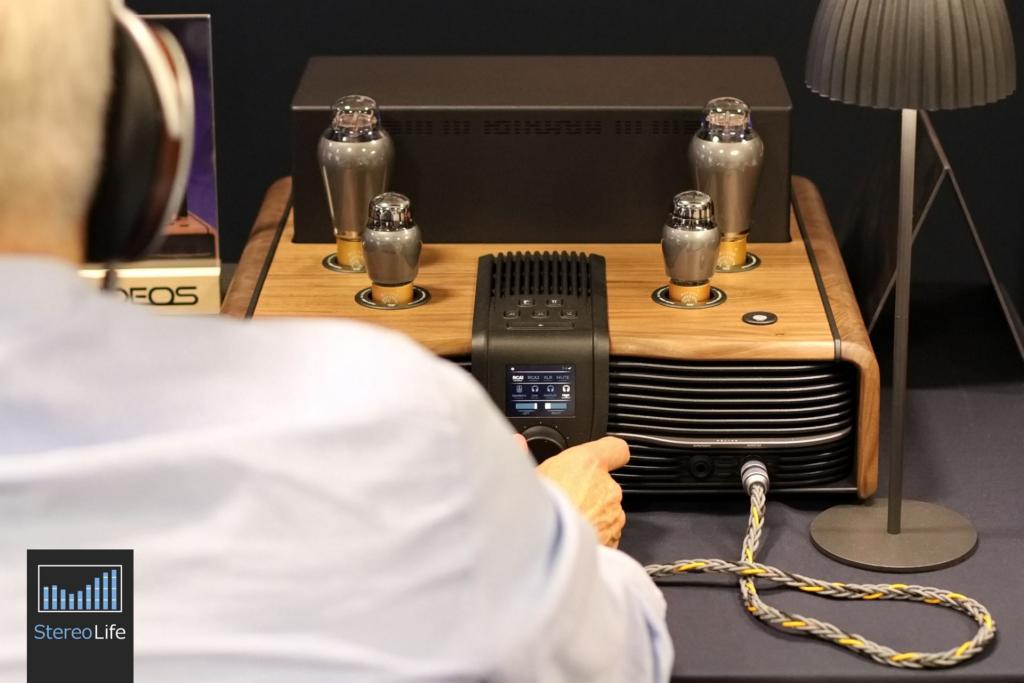
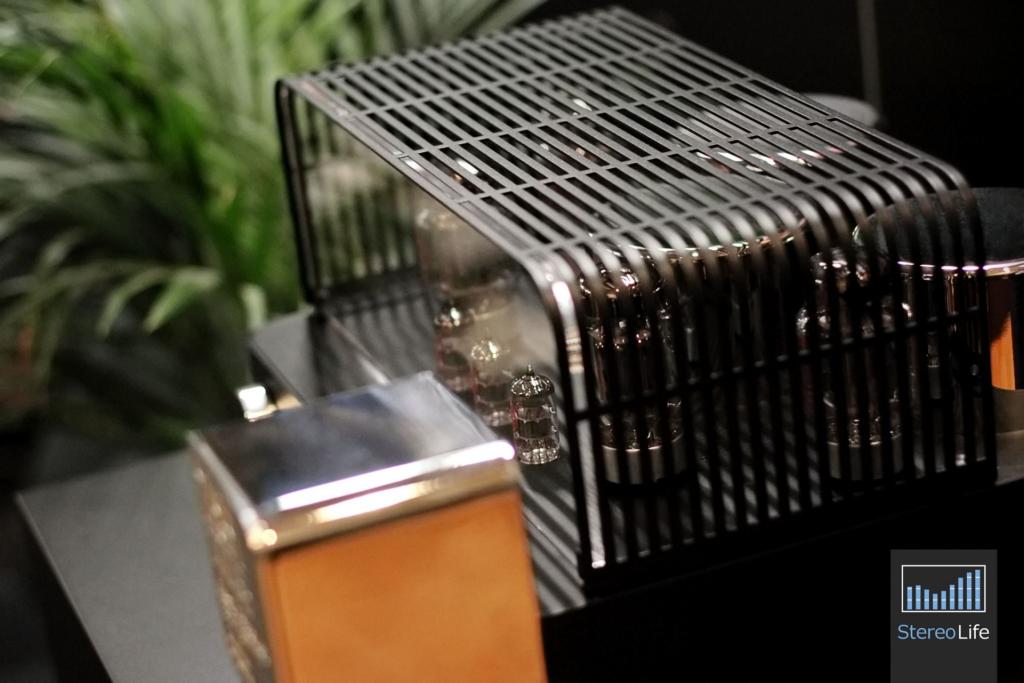
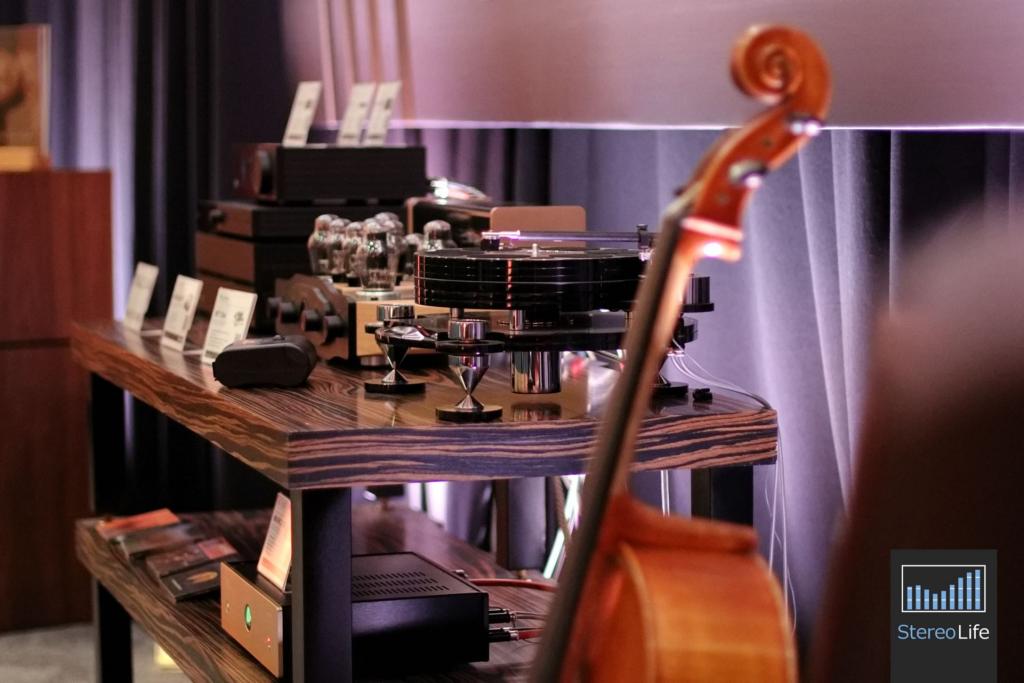
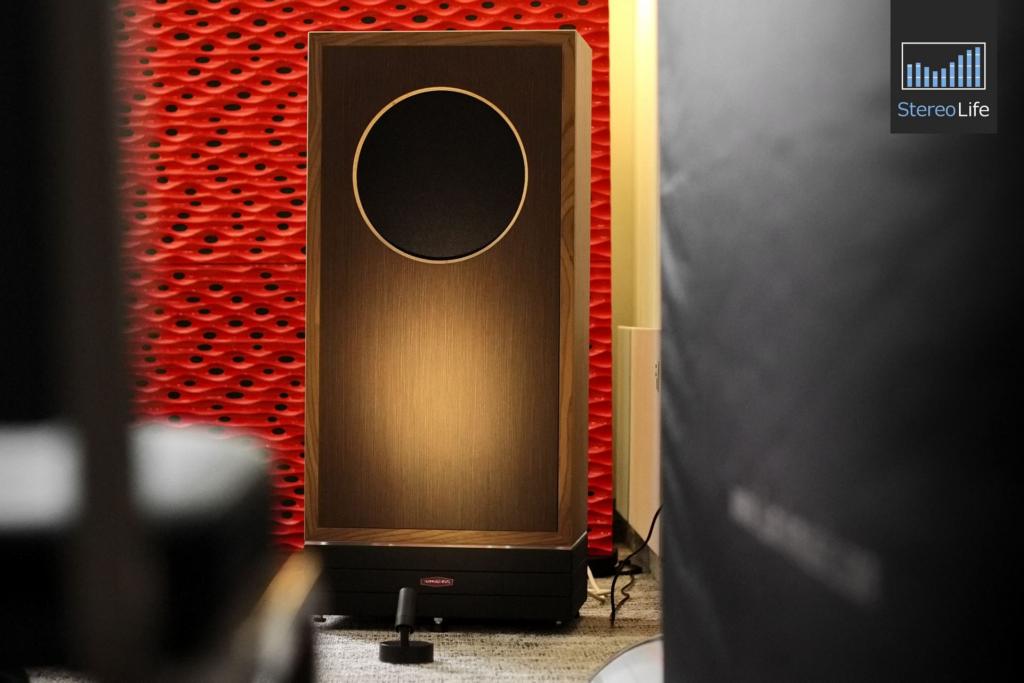
Audio Video Show also remains a place where you can encounter technologies that date back to the very beginnings of electrical sound reproduction. Tube amplifiers, turntables, reel-to-reel tape recorders, horn loudspeakers, and full-range drivers haven't disappeared. On the contrary, they continue to attract enormous interest. This is one of the great paradoxes of the hi-fi industry. On the one hand, we marvel at modern drivers, digital signal processing, advanced materials, and technologies that until recently were found only in professional laboratories. On the other, we keep returning to solutions developed several decades, or sometimes more than a century, ago. And we do so for reasons that go beyond simple nostalgia. A well-designed tube amplifier, turntable, or horn loudspeaker can offer a particular sonic character that many listeners find deeply appealing. We can debate whether this represents greater fidelity to the recording or simply a pleasant coloration of the sound. But then, such debates are part of what makes our hobby so fascinating.
And since we're talking about music, I must address something that occasionally drove me to the brink of despair during this year's exhibition. I've complained about exhibitors' musical selections many times before. I remember years when Pink Floyd, Yello, or Daft Punk seemed to be playing in every other room. I remember the obsession with audiophile compilation albums featuring a dozen or so tracks apparently selected to demonstrate deep bass, enormous soundstages, and the ability to reproduce the sound of a solitary triangle suspended somewhere near the ceiling of a recording studio. Naturally, I have nothing against well-recorded music. I enjoy recordings that reveal a system's capabilities, and when reviewing equipment, I frequently use familiar material myself. The problem begins when a music demonstration turns into a special-effects extravaganza, and the music itself disappears from the equation. All that remains is impressively recorded sound. This year, exhibitors apparently decided to take things one step further and discovered a new favorite track, which could be heard in so many rooms that at one point I started wondering whether it had somehow become part of the official Audio Video Show program.
The track in question is "Sunshine of Your Wub" by the electronic duo YOOKiE. For the uninitiated, this is one minute and thirty-three seconds of electronic pounding, clicking, and bass farting, apparently designed to establish whether the woofers will launch themselves out of their cabinets and whether the person sitting in front of them will begin sliding across the floor, armchair and all. I have nothing against electronic music. Quite the opposite, in fact. I love many of its forms, from ambient and downtempo to techno and house. But what we were subjected to in room after room was hardly the most rewarding musical experience, especially in such quantities. Had I heard the track two or three times during the entire exhibition, I probably would have smiled and moved on. After the twentieth encounter, however, I was beginning to feel mildly irritated, and after a few more, I was seriously considering submitting an official request to the organizers to have it added to a list of prohibited recordings. Dear exhibitors, you've exhausted your allowance. Seriously. Next year, please play something else.
On the one hand, I understand why such tracks become popular. At an audio show, many visitors spend only fifteen or thirty seconds in a room. They have no intention of sitting down, aren't interested in an extended listening session, and simply want to find out whether the equipment can impress them. So exhibitors try to give them something that delivers an immediate effect. Thunderous bass, explosive transients, a spectacular transition from silence to maximum volume. The trouble is that Audio Video Show is not a competition to find the loudest system or a demonstration of devices designed to simulate earthquakes. There are also people here who genuinely love music. They want to sit down, listen to a few tracks, discuss the equipment, and perhaps even discover something new. There are so many fantastic records, beautifully produced albums, and interesting artists whose music doesn't appear on every audiophile compilation. Do we really need to hear the same ninety seconds of electronic noise over and over again? I refuse to believe that people who make their living designing and selling equipment for reproducing music are incapable of finding something more interesting. And if that really is the case, perhaps next year's organizers should arrange a special seminar titled "Music - What Exactly Is It, and Where Can We Find Some?" I'd certainly attend.
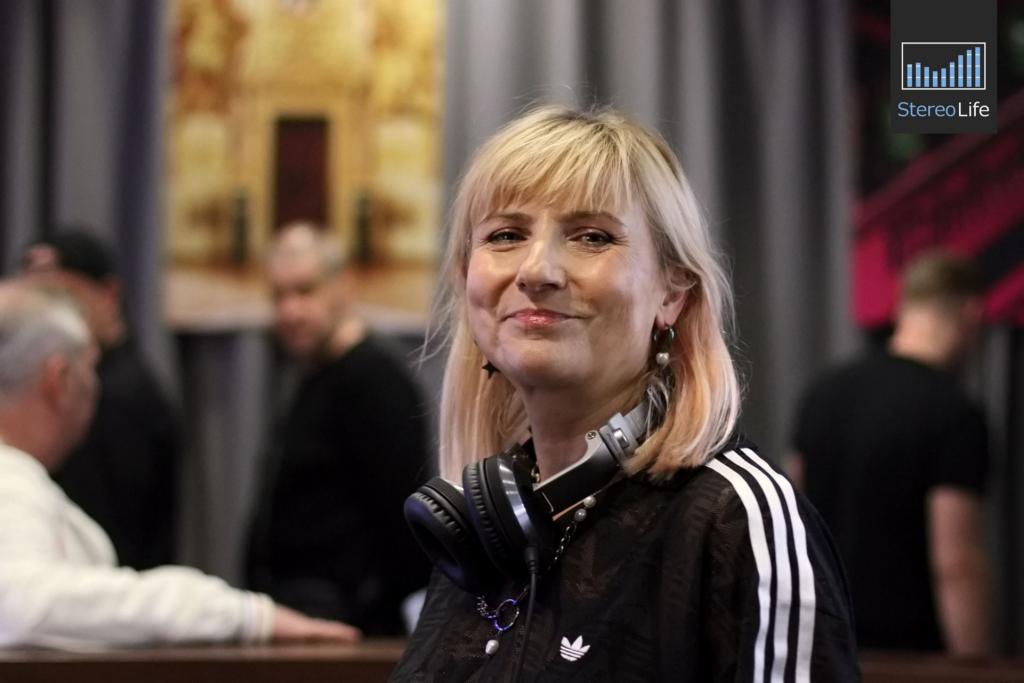
Fortunately, there was no shortage of demonstrations showing just how wonderful the results can be when audio equipment is treated as a means of enjoying music rather than a machine designed to impress random passersby. Perhaps the greatest compliment an exhibitor can receive isn't the number of brochures taken from the room, but the number of visitors who ask what's playing or reach for an app such as Shazam to identify the music. I witnessed plenty of such moments, and I came home with quite a collection of recordings to explore myself. I won't list them all, but when I heard Alison Krauss's "Jacob's Dream" in one of the smaller rooms at the Sobieski hotel, I fell in love with it immediately. I wholeheartedly recommend exploring her music to anyone who, like me, has somehow managed to overlook it until now. My biggest musical surprise of the exhibition, however, was something entirely different - a performance by Polish singer and DJ Novika in the McIntosh room.
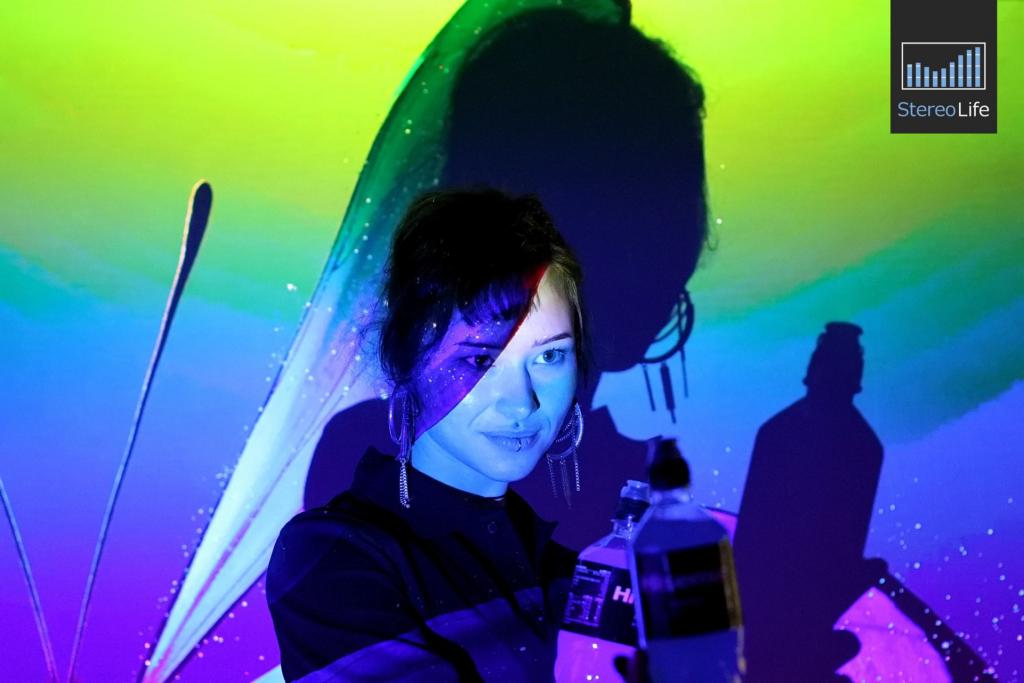
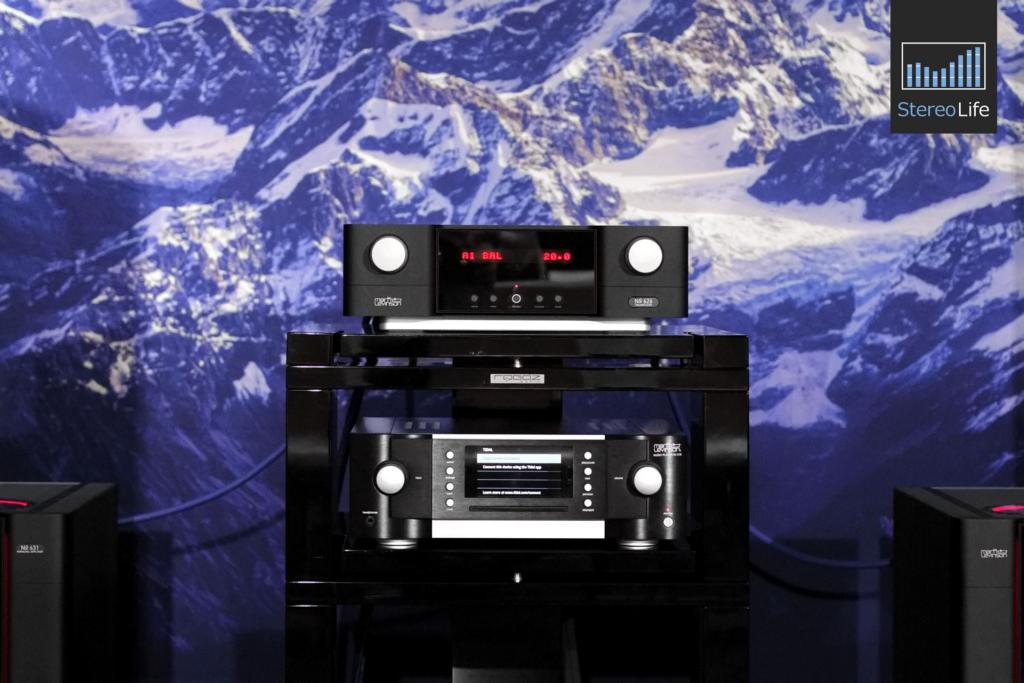
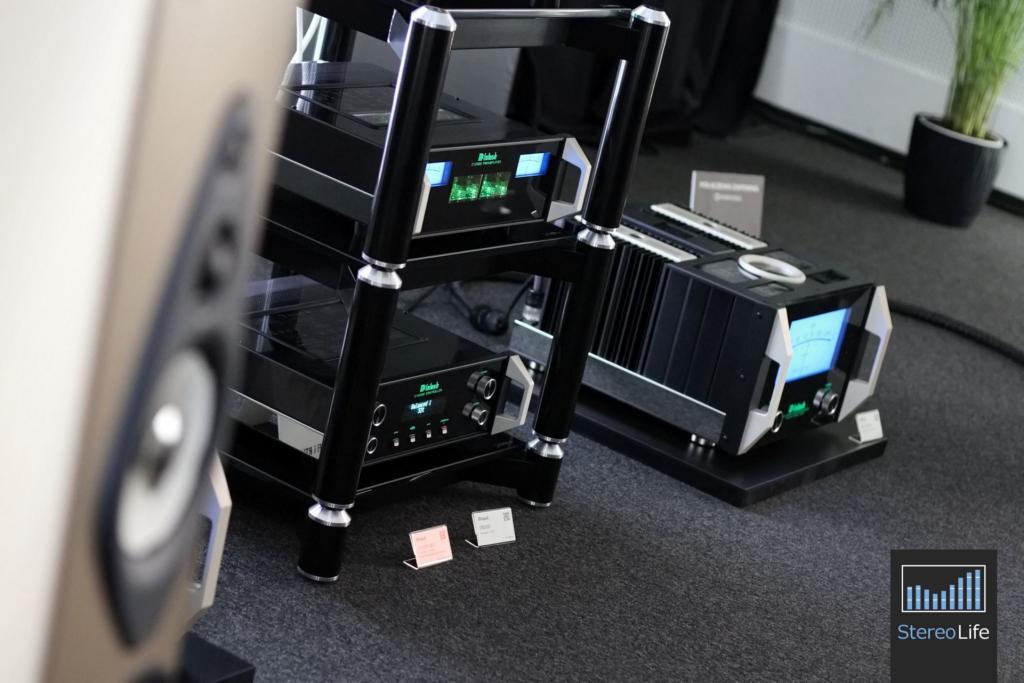
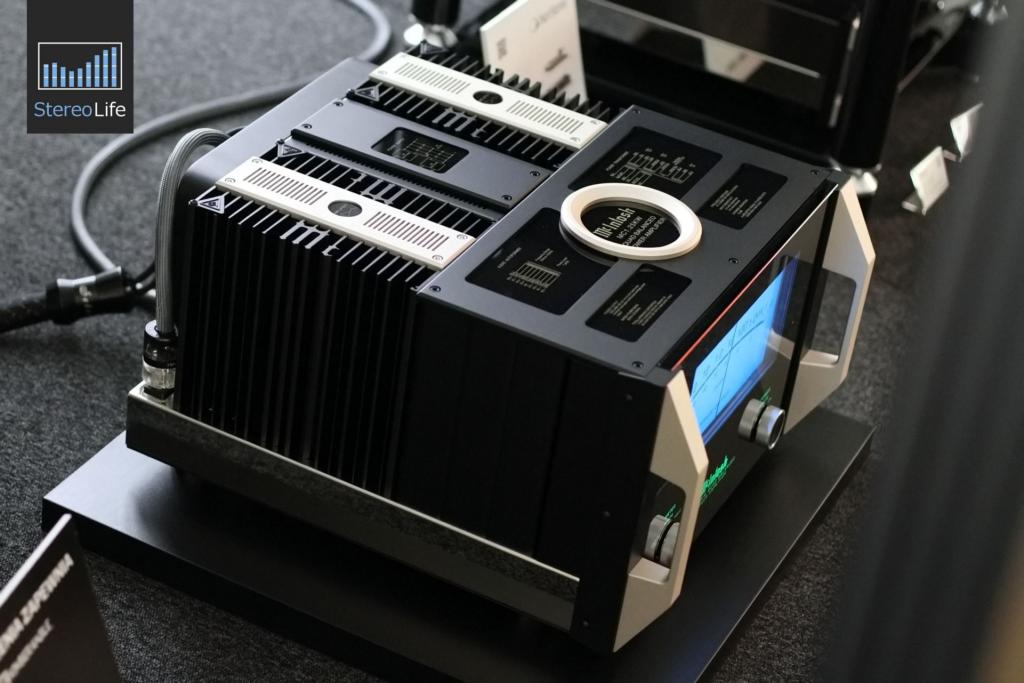
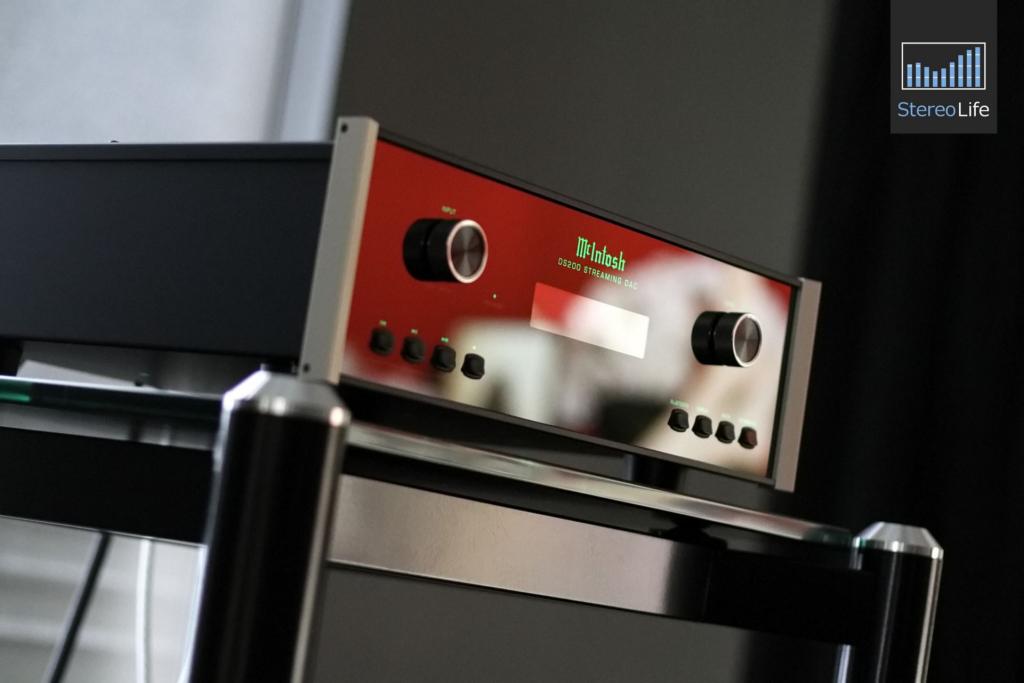
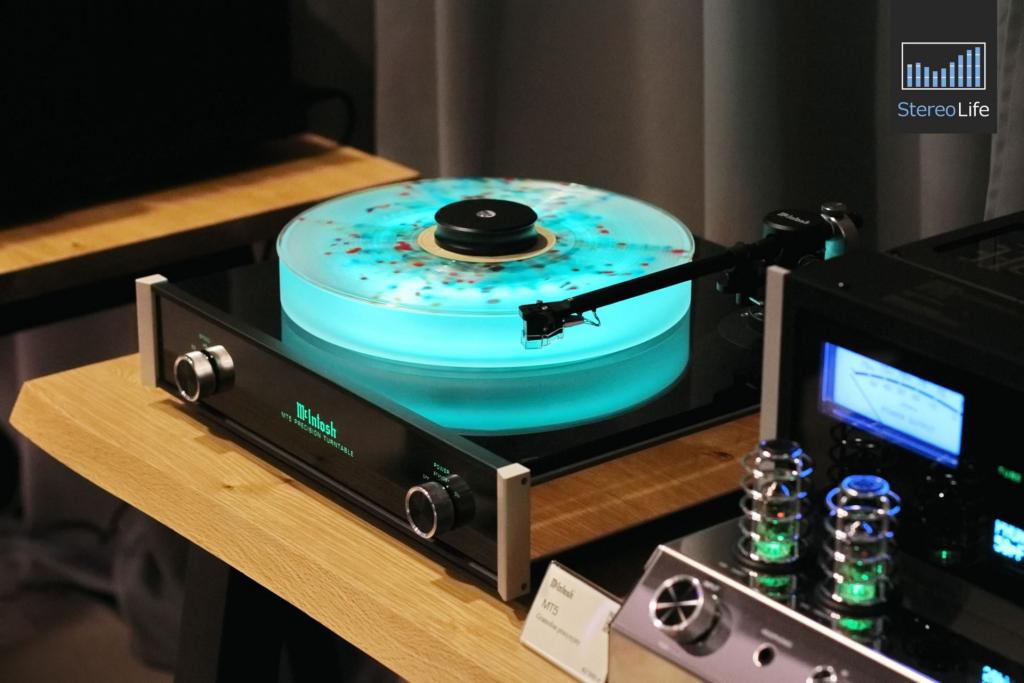
I must admit that I wasn't particularly fond of this space in previous years. Naturally, you could admire the beautiful electronics from the American manufacturer, marvel at its iconic blue meters, and photograph components that many audiophiles regard as symbols of luxury and tradition. But the room itself was strange. Dark, not particularly welcoming, and dominated by an empty circular bar in the middle. The equipment was there, people wandered around, and occasionally the place was completely silent. Every time I visited, I wondered why nobody was making better use of its potential. This year, someone apparently reached the same conclusion. The room had been transformed into the McIntosh Vinyl Bar, inspired by the atmosphere of New York clubs. There were appropriate decorations, much more pleasant lighting, and, most importantly, music. Behind the decks were representatives of Warsaw's club scene, including Harper, Seb Skalski, and Novika. The latter is an artist whose work I've known and enjoyed for years. Her music moves between electronica, house, downtempo, and more subtle, melodic forms of club music. It isn't just about rhythm, although that's obviously important, but also about atmosphere, tone, space, and the skillful creation of tension. These are exactly the kinds of sounds I enjoy listening to both at home and in more sociable, party-like surroundings.
So when I happened to catch her set, I had absolutely no desire to leave. It sounded genuinely good, and, more importantly, the room finally felt alive. The atmosphere of a museum dedicated to luxury amplifiers was gone. Instead, there was music, there were people, there was energy, and there was something that made you want to stay a little longer. Interestingly, the layout of the room created a rather amusing situation. On one side, Novika was playing to a group of perhaps twenty or thirty people who had deliberately stopped to listen to her set. On the other, a continuous stream of visitors was passing through, some probably completely unaware that anything special was happening just beyond the partition. They might have assumed that someone had simply put on another playlist. In a way, that was a shame, because the performance deserved a bigger audience. On the other hand, arranging the space differently would probably have blocked the passage immediately. As it was, anyone sufficiently interested could venture further inside and discover something they wouldn't find in any other room. For me, it was one of the most enjoyable experiences of this year's exhibition. Particularly because Novika reminded me of albums I hadn't listened to in ages. I now have some catching up to do. And I'm grateful for that, too, because there can hardly be a better reward after spending an entire day at an audio equipment exhibition than returning home eager to listen to music.
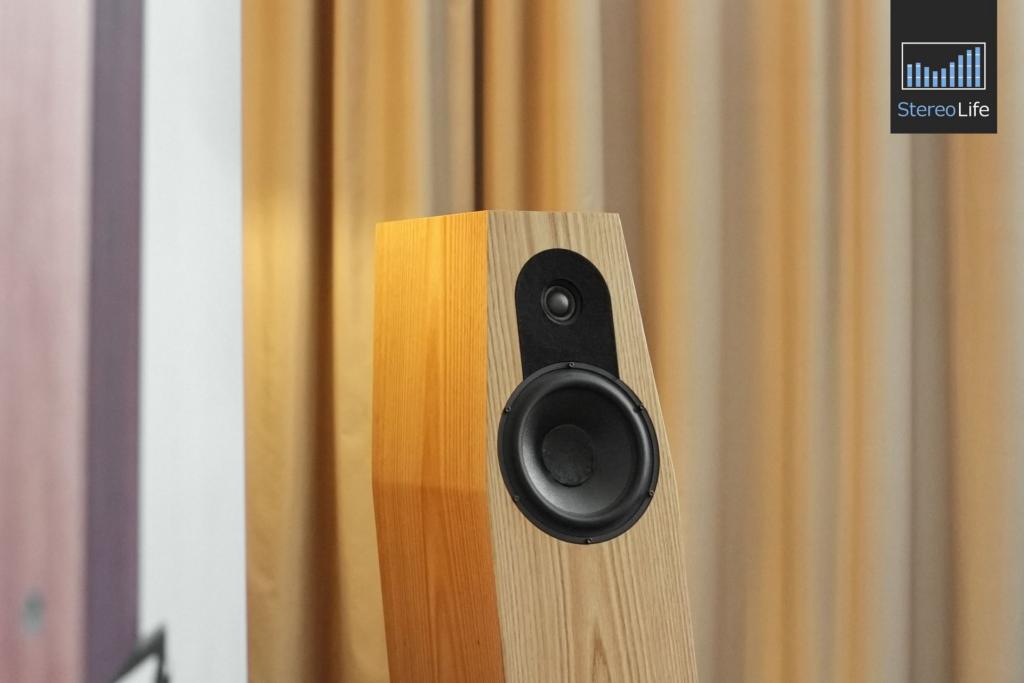
As always, Polish audio manufacturers were an important part of Audio Video Show. International readers will probably be familiar with some of these brands, while others may be completely new to them. Yet Poland now has a surprisingly strong and diverse hi-fi industry, encompassing manufacturers of loudspeakers, amplifiers, turntables, digital-to-analog converters, cables, power conditioners, and accessories. Just fifteen or twenty years ago, a Polish audio brand was something of an exotic curiosity for many customers. Those with serious money to spend would usually look toward British, German, American, or Japanese equipment. Polish products were often regarded primarily as more affordable alternatives. Today, the situation is very different. Many local companies export their products to distant markets, win international awards, and appear in prestigious audio magazines. And at Audio Video Show, visitors can see all these products in one place, talk directly to their designers, and listen to their latest creations.
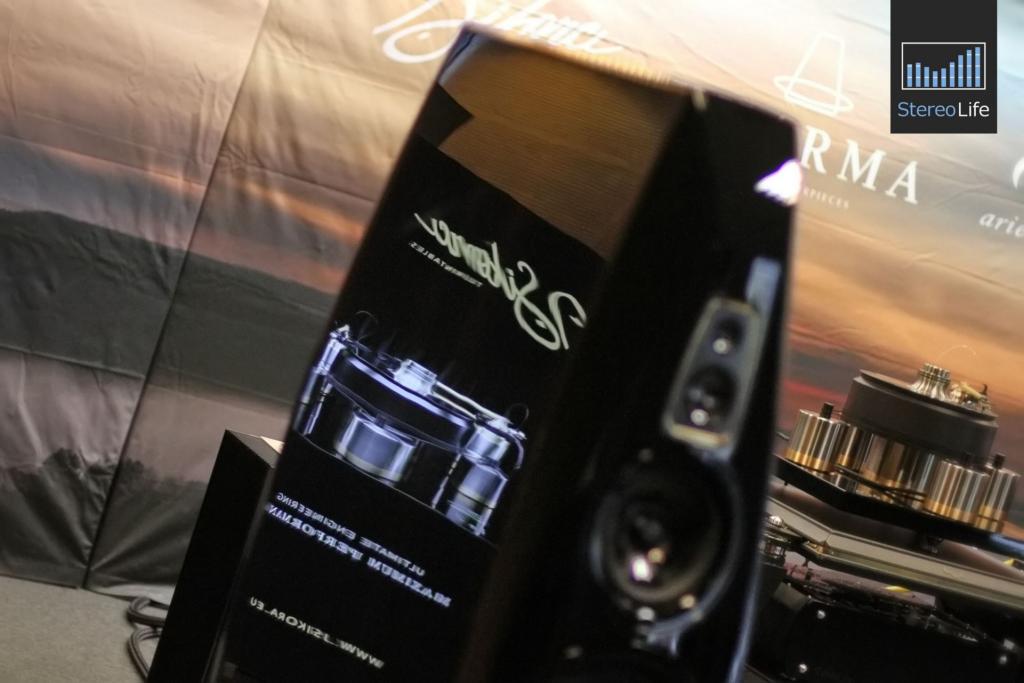
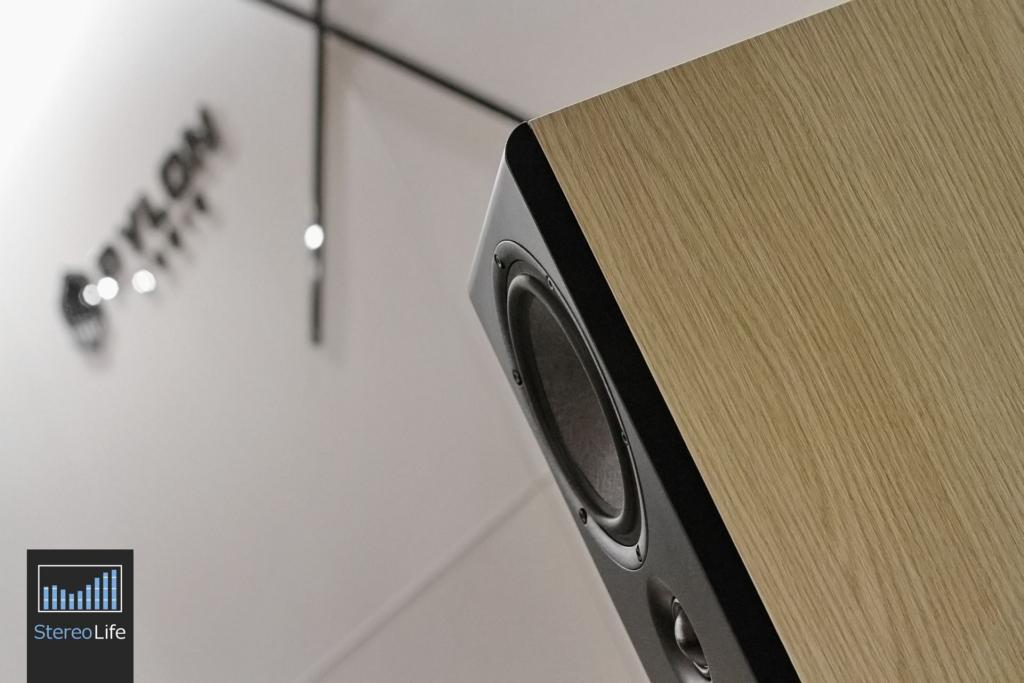
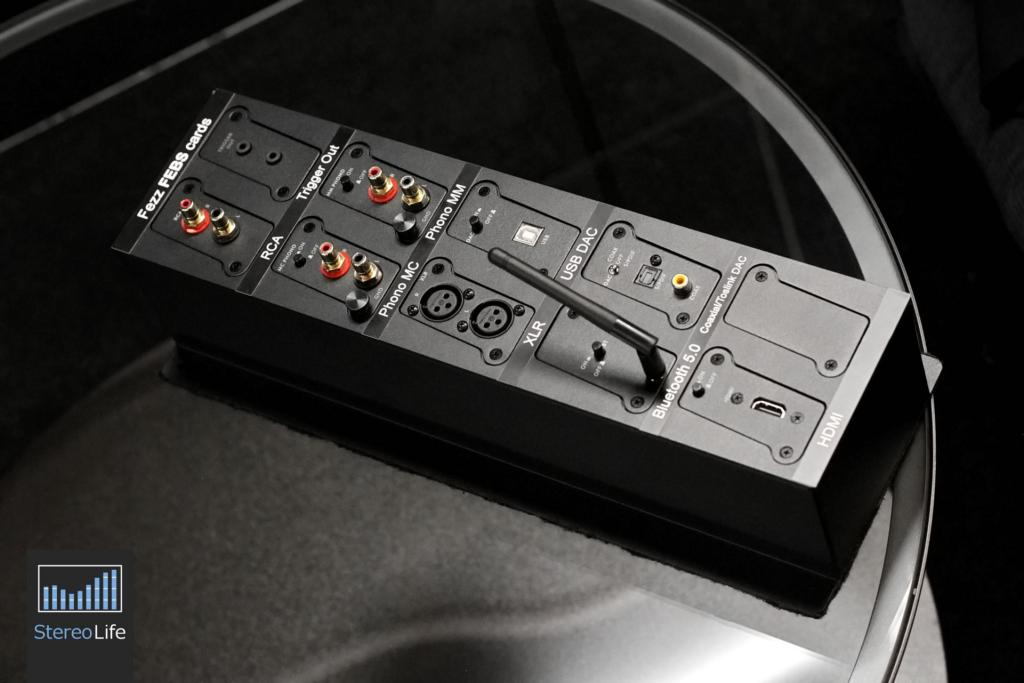
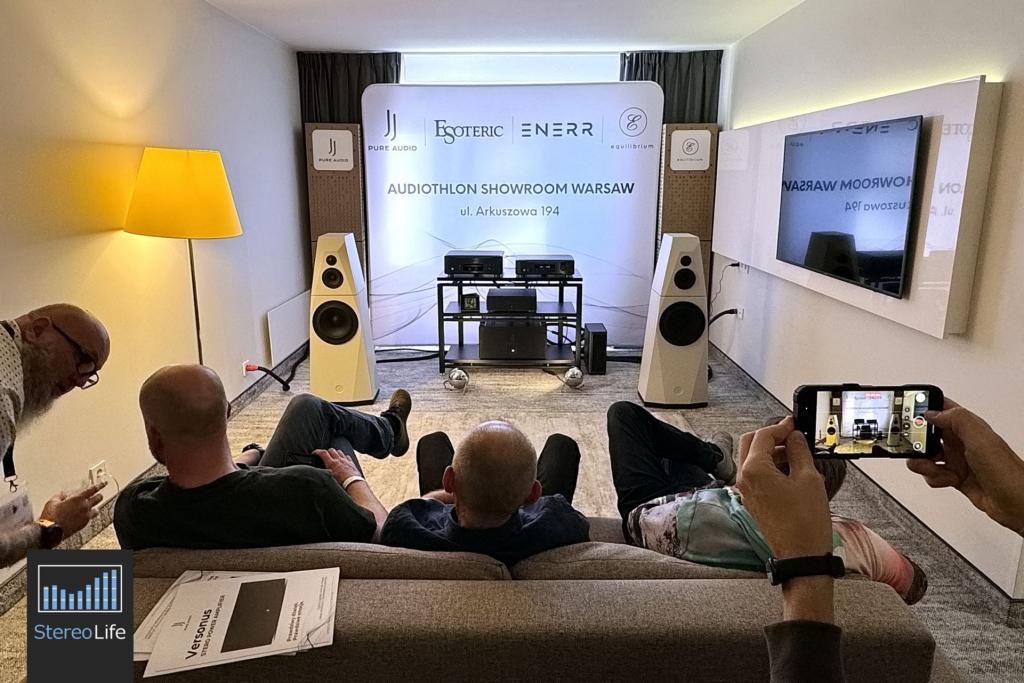
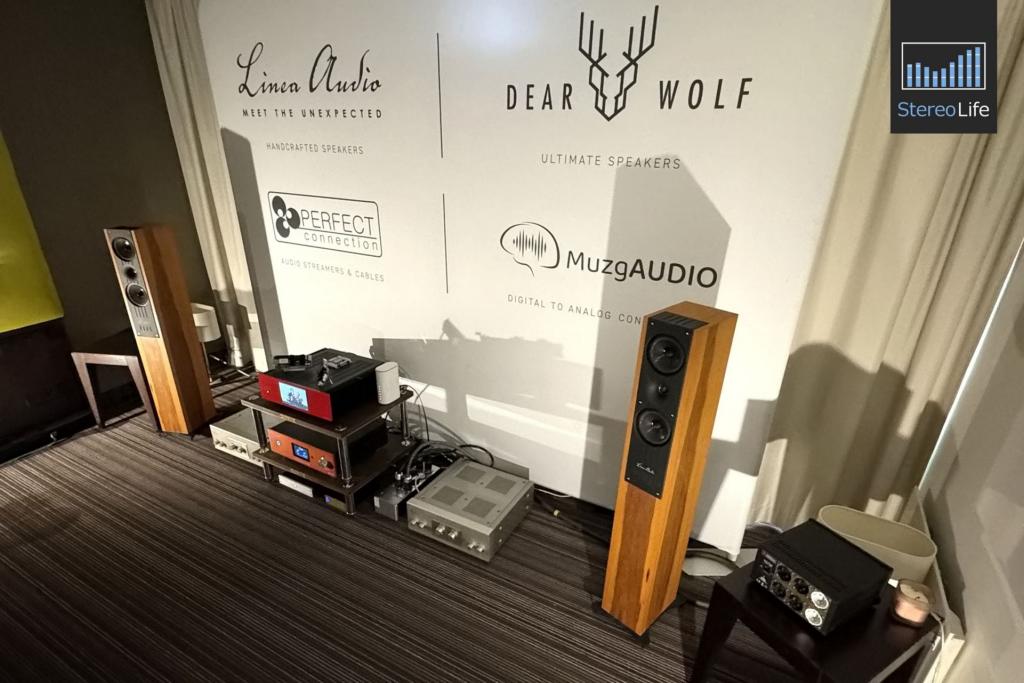
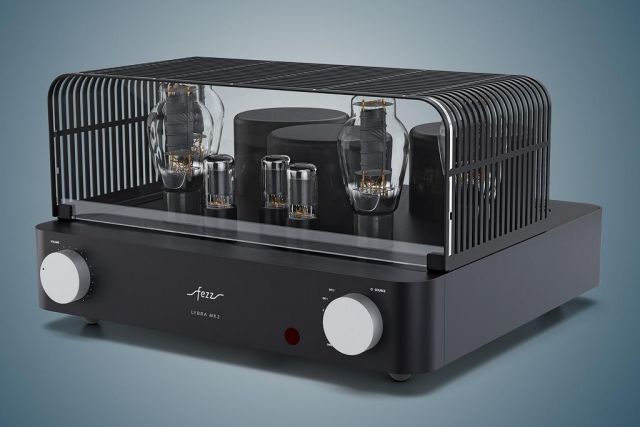
Examples aren't difficult to find. Pylon Audio has been demonstrating for years that a Polish company can build excellent loudspeakers, offering both affordable models and designs aimed at highly demanding listeners. Fezz Audio has become one of Poland's most recognizable tube amplifier manufacturers, with its products finding their way into music lovers' systems around the world. This year's exhibition was also an opportunity to celebrate the success of the Titania MK2 amplifier, which received an EISA Award. Last year, both companies demonstrated their flagship designs, but this time a welcome dose of common sense returned to the demonstration room on the ground floor of the Sobieski hotel. Fezz electronics and the newly unveiled Opal 40 mkII loudspeakers made an excellent partnership. Thanks to their generous proportions, the new Pylons delivered a large-scale, dynamic, powerful sound, but without artificiality or unnecessary theatrics. Lampizator, which was still something of a curiosity to many people just fifteen years ago, is now among the world's leading manufacturers of luxury digital-to-analog converters. In Warsaw, the company presented the new Horizon-2, which builds on its predecessor with a redesigned analog stage, an improved USB input, and a new volume-control system. J.Sikora, meanwhile, is an example of a company that has established a strong position in the luxury turntable market in a relatively short time, with its products now appearing in systems demonstrated by manufacturers from various countries. As usual, I also spent far longer than planned in the Audiothlon room, where the demonstration featured Equilibrium loudspeakers and cables, Enerra power products, and the imposing JJ Pure Audio Versonus power amplifier. Then there are Lirogon, Albedo, Circle Labs, Cube Audio, Qualio, AudioPhase, Haiku Audio, Muarah, MuzgAUDIO, Linea Audio, and many others. Each has its own history, its own philosophy of audio design, and its own audience. Together, however, they represent something that can no longer be ignored - a strong, diverse, and increasingly recognizable Polish hi-fi industry.
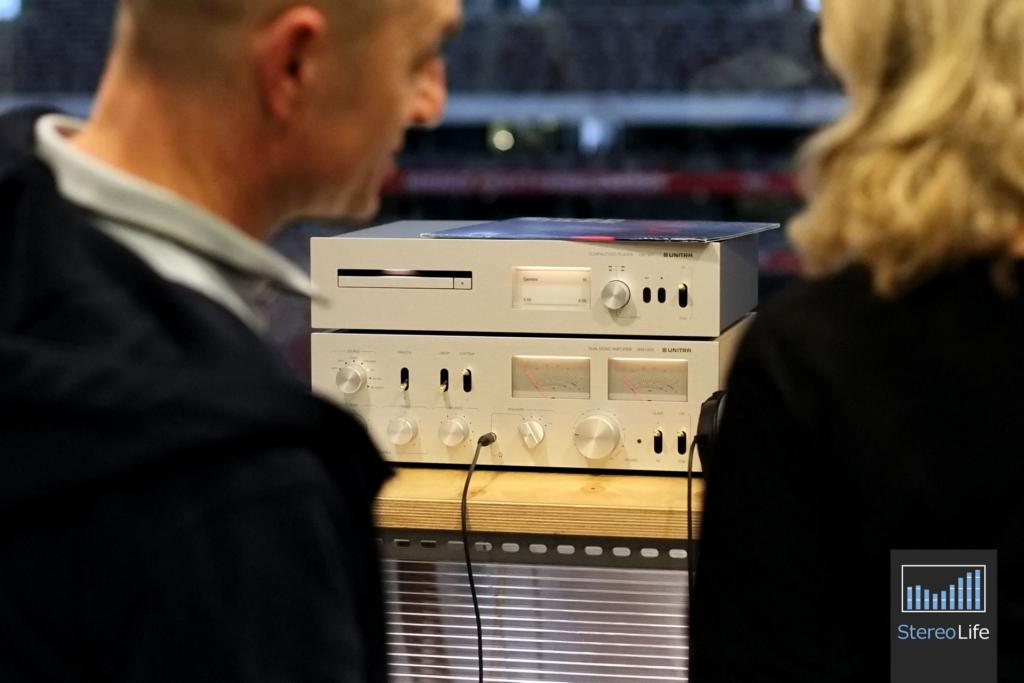
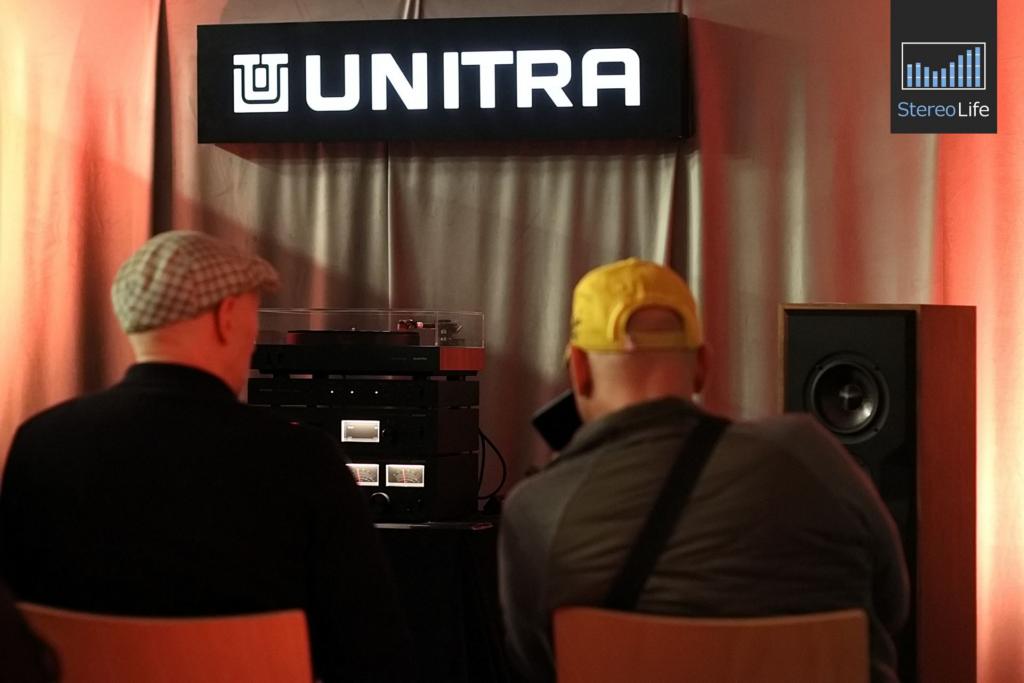
One particularly interesting name in this group is Unitra, a brand whose history stretches back to the early 1960s. During Poland's communist era, it formed part of a vast electronics industry comprising numerous factories producing radios, tape recorders, turntables, amplifiers, and loudspeakers. Equipment bearing its distinctive logo could be found in millions of Polish homes, and was also exported to other countries, including markets elsewhere in Europe. Following the economic transformation that began in 1989, the old industrial structure collapsed, and the brand gradually disappeared from the market. Various attempts were made to revive it, but it was only a few years ago that the project began to take truly substantial shape. Rather than simply exploiting a historic logo, the new Unitra focused on original engineering, local manufacturing, and a design language combining vintage aesthetics with modern technology. Its presentation at this year's exhibition was impressive. An elegant stand, carefully finished components, beautiful catalogs, consistent styling, and a clearly defined vision for the brand's future all made a positive impression. Nevertheless, I can't help feeling that despite the enormous investments, ambitious plans, and steadily expanding product range, the project has yet to build the momentum one might expect. It's difficult to say whether it simply needs more time, a stronger presence in international markets, or perhaps a somewhat different marketing strategy. Either way, Unitra's future is certainly worth following, because there are few examples of such an ambitious attempt to rebuild a historic audio brand almost from scratch.
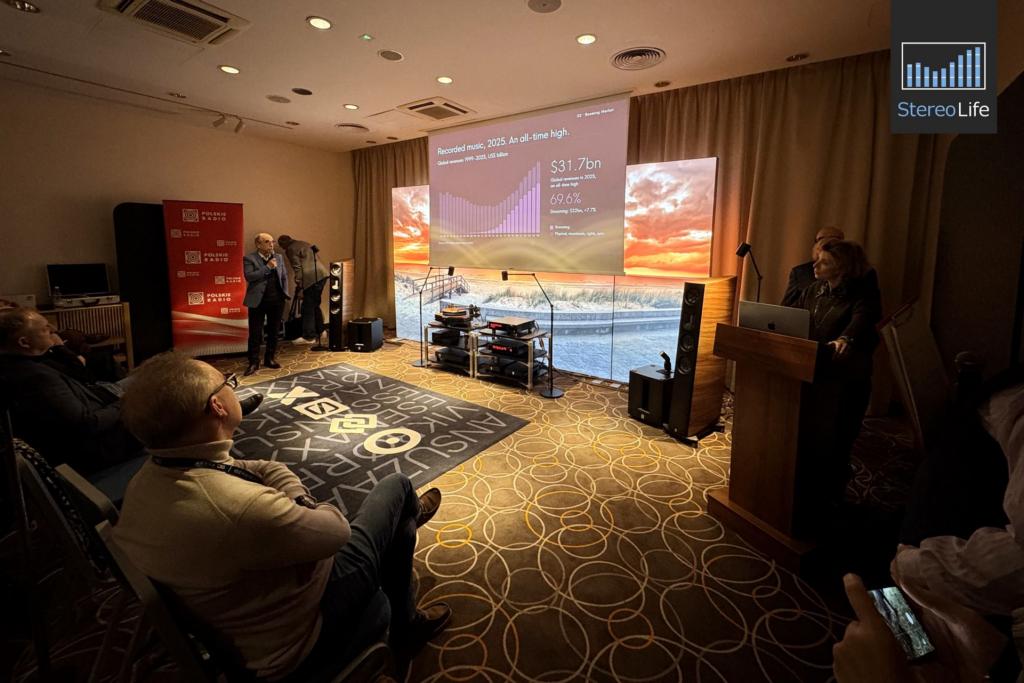
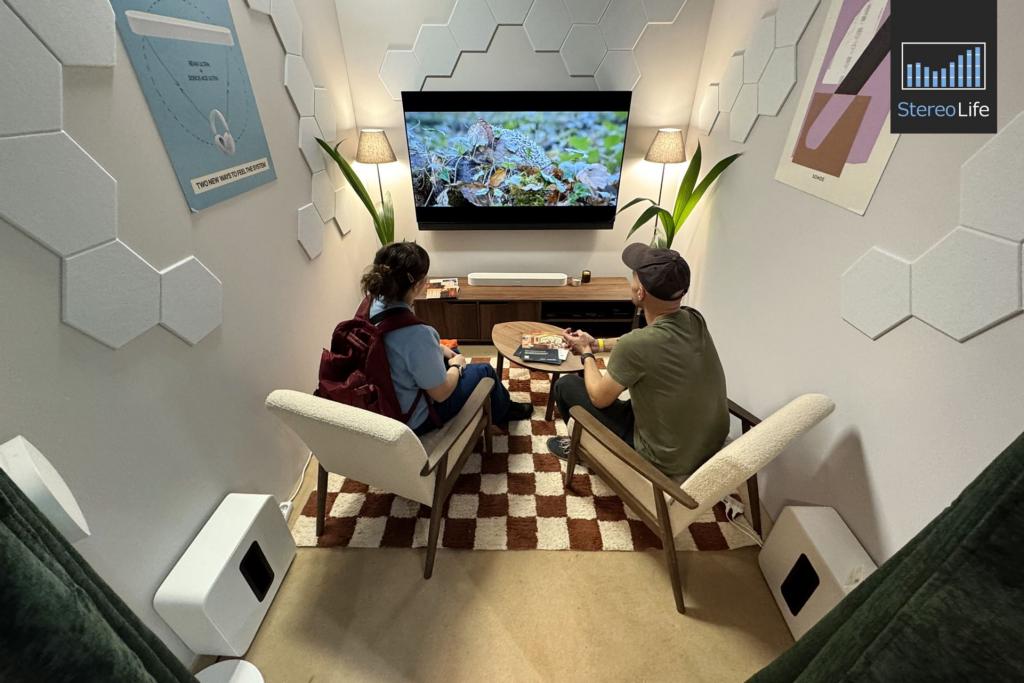
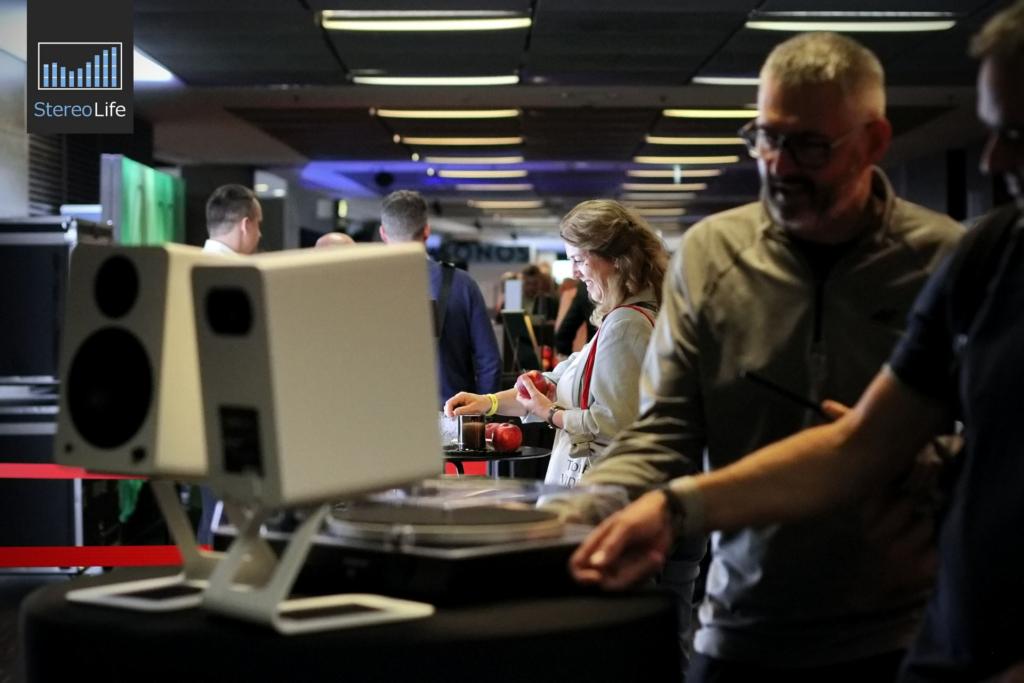
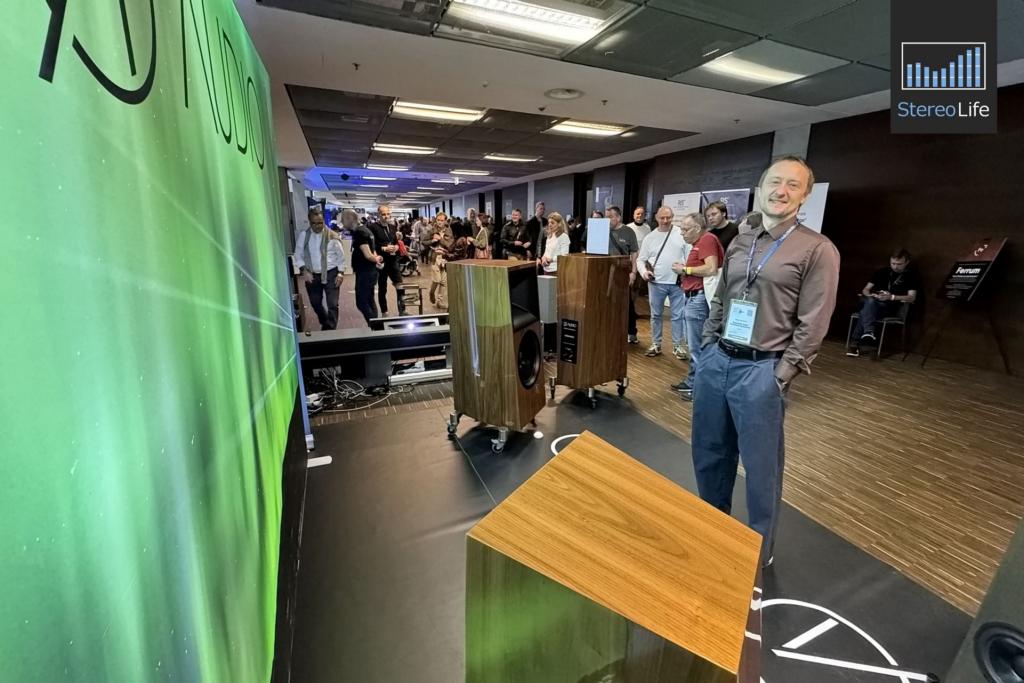
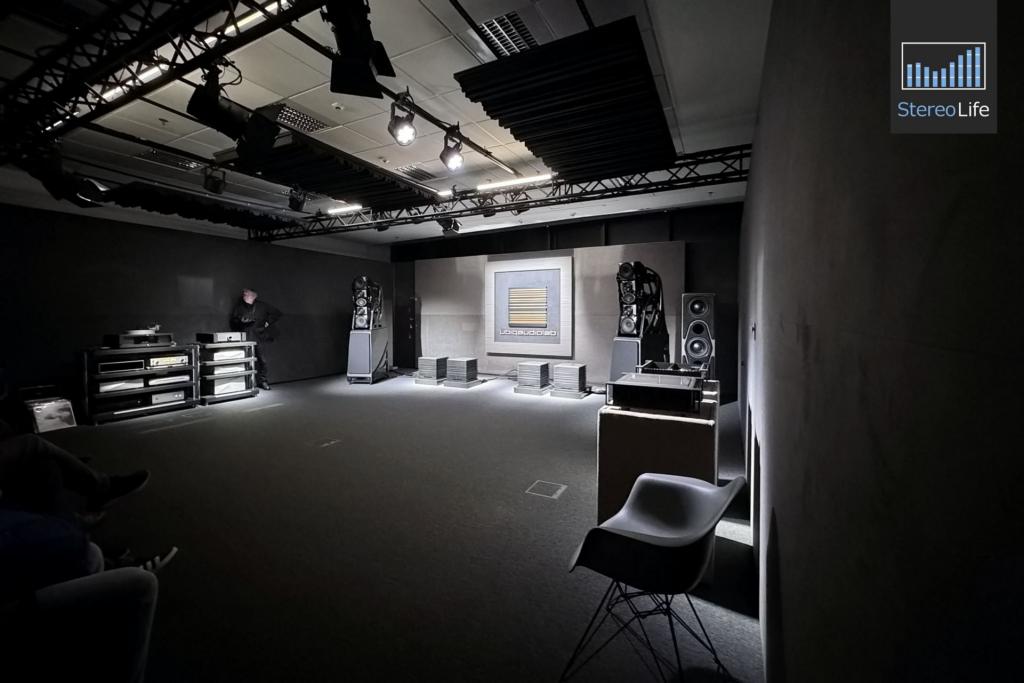
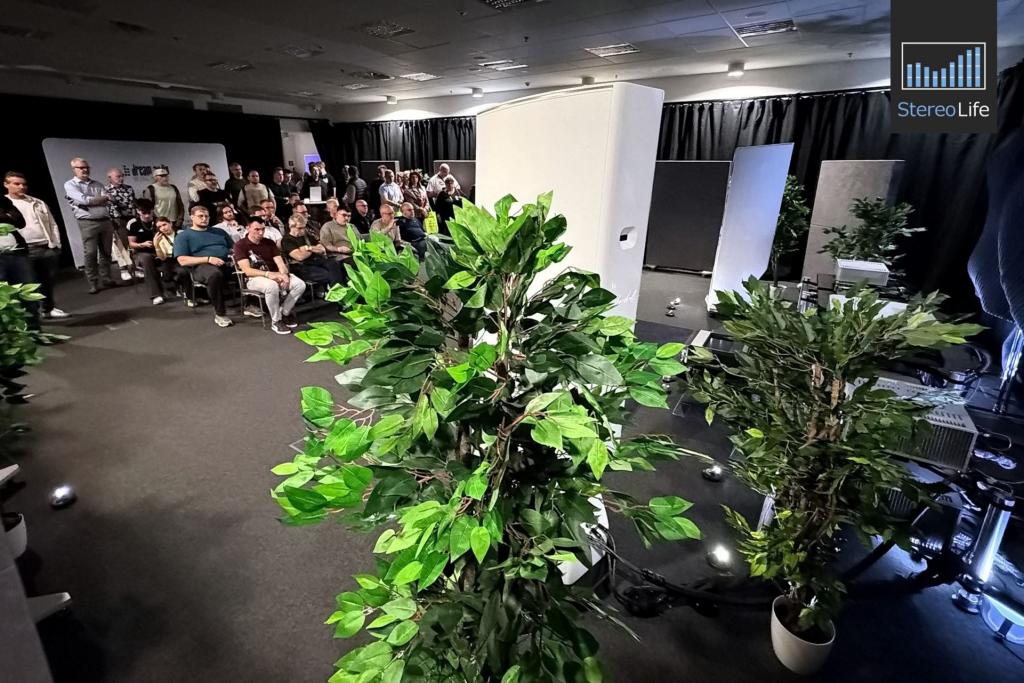
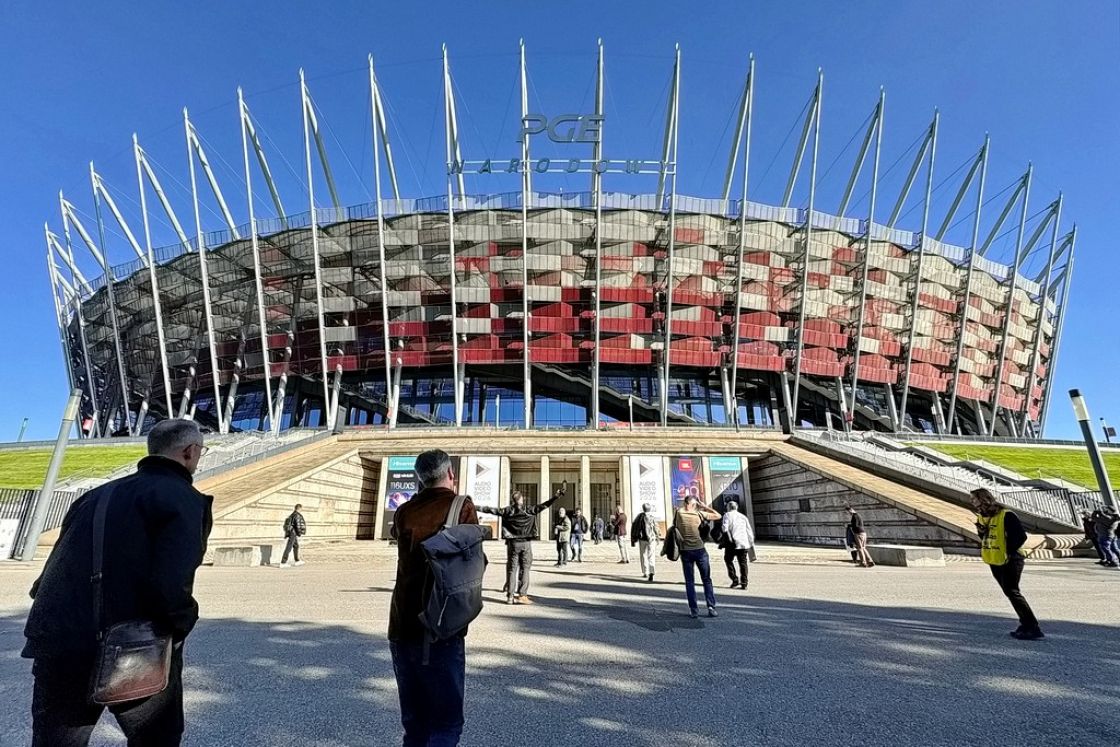
But let's return to the exhibition itself, because its distinctive character comes not only from the sheer number of products on display, but also from the fact that it's spread across three very different venues. PGE Narodowy is all about scale. It's an enormous soccer stadium built for the 2012 European Championship, which today also serves as a major venue for cultural events, entertainment, and business gatherings. During Audio Video Show, its conference rooms, VIP suites, and spacious corridors are transformed into a gigantic audio-video exhibition. This is where visitors can encounter the most expensive systems, the largest loudspeakers, the most spectacular home theater demonstrations, and a substantial proportion of the special events. The stadium is also where the popularity of the exhibition becomes most apparent. Crowds moving between rooms, lines forming outside particularly attractive demonstrations, people photographing equipment, comparing impressions, and trying to locate the next attraction - all of this feels more like a huge festival than a traditional hi-fi show. It must also be said that some of the stadium's rooms are remarkably well suited to demonstrating powerful audio systems, although their acoustics can be challenging and require considerable experience on the part of the exhibitors.
The Radisson Blu Sobieski is an entirely different world. This hotel is the historic heart of Audio Video Show, because it was here that the Warsaw exhibition began, long before it expanded to its present size. The ground floor accommodates several large demonstration rooms, but the real fun begins on the upper floors, where ordinary hotel bedrooms are transformed into intimate listening spaces. You enter one room and discover a system prepared by a well-known manufacturer. A few doors down, you come across a small specialist company you've never heard of before. Further along the corridor, someone is demonstrating a tube amplifier, with its designer personally explaining how it works. Sometimes everything is elegant and luxurious, sometimes it has a distinctly garage-workshop feel, and occasionally the whole arrangement borders on chaos. Yet it's precisely this diversity that gives the Sobieski its unique character. Not everything has to be immaculately polished and perfectly aligned. What matters is the idea, the passion, and the desire to show visitors something interesting. Naturally, there are also creations that make you wonder whether their designers have confused electronic engineering with some particularly obscure form of contemporary art. But without such inventions, the exhibition would be boring. I love this atmosphere, and despite the stadium's increasing importance, the Sobieski remains the place I most enjoy returning to.
The Golden Tulip, meanwhile, provides a considerably calmer part of the experience. It doesn't have as many demonstration rooms as the other venues, and the atmosphere is more intimate. Traditionally, it's home to luxurious systems, sophisticated electronics, advanced turntables, and loudspeakers designed for the most demanding listeners. I must admit that after visiting PGE Narodowy and squeezing through the corridors of the Sobieski, exploring the spacious rooms of the Golden Tulip feels rather like being teleported from a crowded shopping mall into a library. At last, you can sit down for a longer listening session, enjoy the music in relative peace, talk to the exhibitor, and briefly forget that just a few kilometers away, thousands of people are having exactly the same kind of adventure. For international visitors attending Audio Video Show for the first time, this arrangement may initially seem a little unusual. You have to move between venues, plan your route, and keep an eye on the time. On the other hand, each location offers a slightly different experience. And perhaps that's precisely why Audio Video Show feels so different from yet another exhibition held in an anonymous convention center.
What pleases me most, however, is that despite the exhibition's ever-increasing scale, it hasn't lost its social, almost club-like atmosphere. For three days, you can meet people you've known for years but rarely encounter anywhere outside Audio Video Show. Manufacturers, distributors, designers, journalists, dealers, and ordinary audiophiles who travel to Warsaw every year to spend a weekend in the company of people who share the same passion. Sometimes all you have to do is enter a single room to run into three acquaintances, each eager to tell you something interesting. Someone has just discovered an amplifier they'd love to own, someone else is showing off a record signed by a famous musician, and another person is preparing to launch a component they've spent the past two years developing. There's never enough time to talk to everyone, but these brief encounters create an atmosphere that simply can't be replicated by looking at photographs on the Internet. This is why, for people working in the audio industry, Audio Video Show is much more than another event on the calendar. It's a place where, over the course of three days, you can meet almost everyone you normally communicate with by phone, email, or social media.
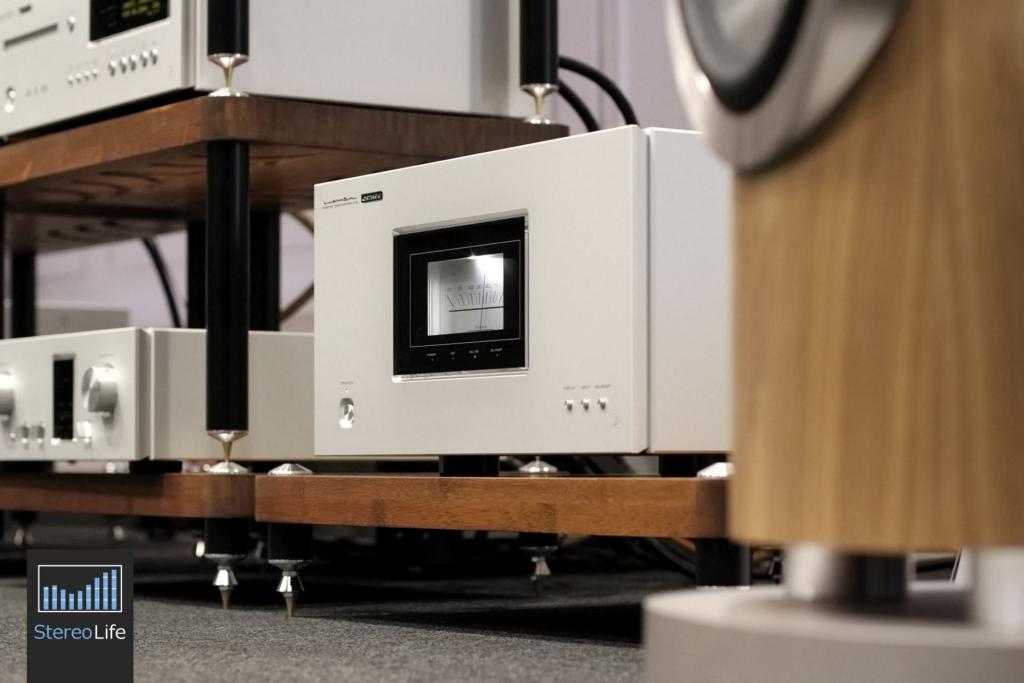
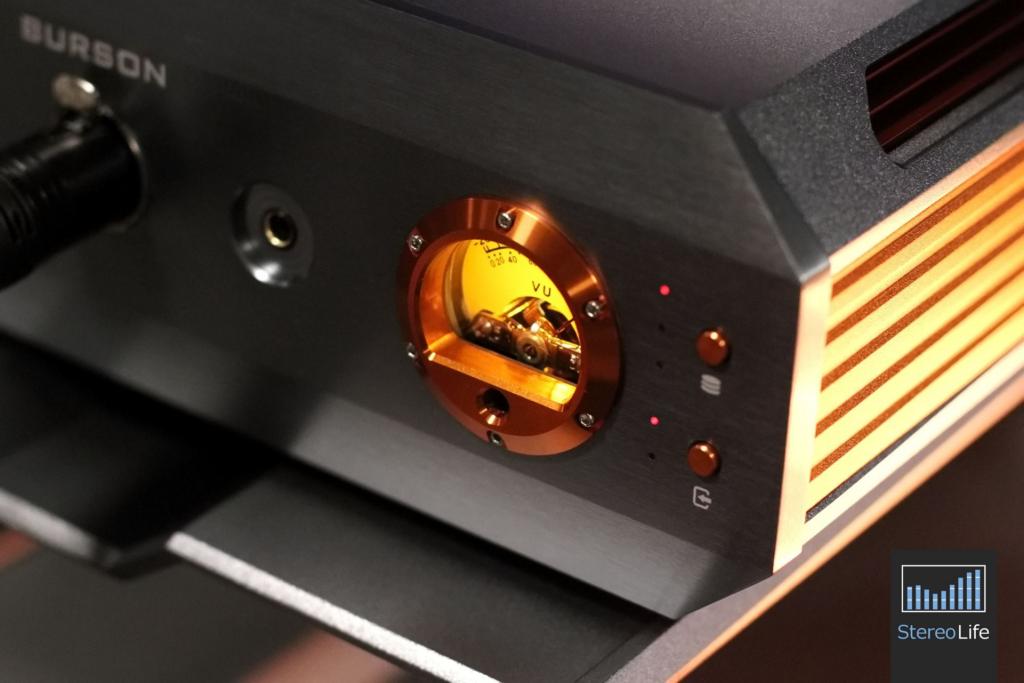
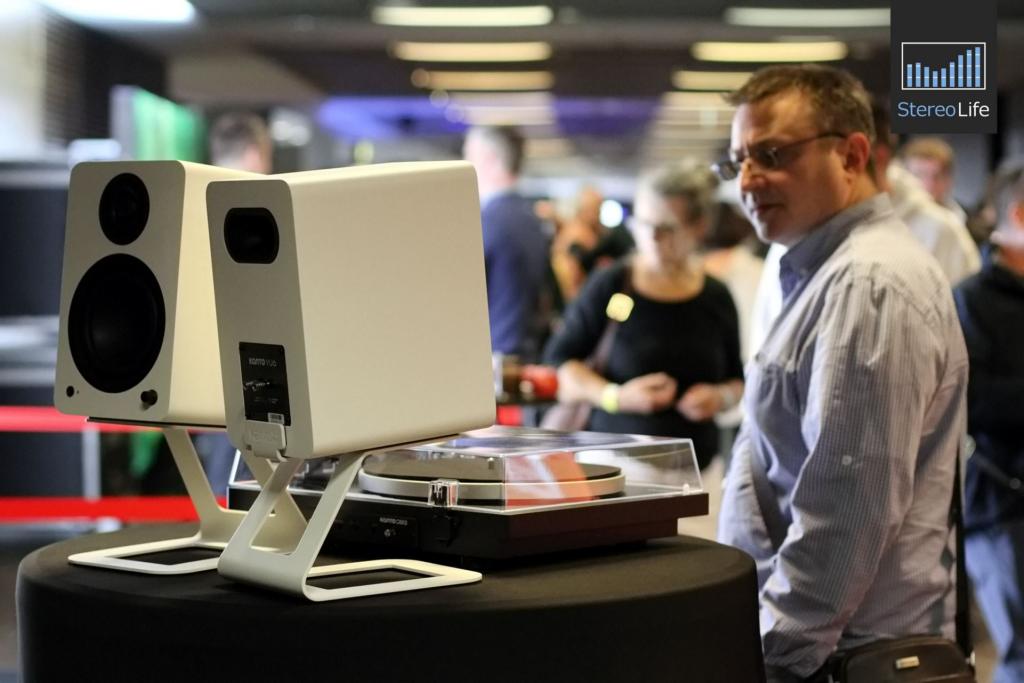
Interestingly, this atmosphere is increasingly shared by ordinary visitors as well. I saw groups of friends arriving together, planning their routes, comparing impressions, and exchanging recommendations about rooms worth visiting. In a sense, Audio Video Show now resembles a huge gathering of enthusiasts of cars, photography, or video games. The difference is that our passion is a little less spectacular on the surface. We don't have races, drifting demonstrations, or game console launches that send people lining up outside stores early in the morning. Instead, we have devices that, at first glance, don't appear to do anything particularly exciting. They sit on shelves, their indicator lights glow, sometimes they have beautiful analog meters, and sometimes they look like ordinary metal boxes. Only when they begin to play music does it become apparent that they can evoke emotions every bit as powerful as a great live concert. And that's what this is really about. Someone attending an audio show for the first time may struggle to understand why a grown adult would spend half an hour sitting in front of two loudspeakers, listening to a recording they know by heart. But put that person in front of the right system, playing the right music, and they'll understand very quickly.
Finally, I'd like to thank everyone who contributed to making this year's exhibition possible. The organizers, exhibitors, manufacturers, distributors, designers, hotel and stadium staff, and all those people whose work usually goes unnoticed. I know how much effort it takes to prepare even a single demonstration room, and here there were nearly two hundred of them. I'd also like to thank all the friends I managed to catch up with, even if only for a few minutes, and the visitors who kindly stepped aside while I photographed equipment and patiently endured the relentless clicking of my DSLR. My special thanks, however, go to those who attended Audio Video Show for the very first time. They're the ones who demonstrate that our passion continues to attract new people and has a future ahead of it. I hope they return next year, bring their friends, and gradually begin discovering more of the wonderful world of high-quality sound. I'll certainly be back. Although my legs are still a little sore and my head is still filled with dozens of melodies, product names, and images from the exhibition, I already know that next year I'll once again be wandering through the stadium corridors, hotel floors, and countless listening rooms. I probably won't manage to see everything, and after three days I'll most likely need a break from music. But that's part of the charm of Audio Video Show. If the organizers and exhibitors can maintain the standard set by this year's edition, all I can do is wish them every success in preparing the next one. I have just one very specific request. Could someone please hide that damn YOOKiE track from them? Everything else can stay exactly as it was.