Displaying items by tag: bluetooth - StereoLife Magazine

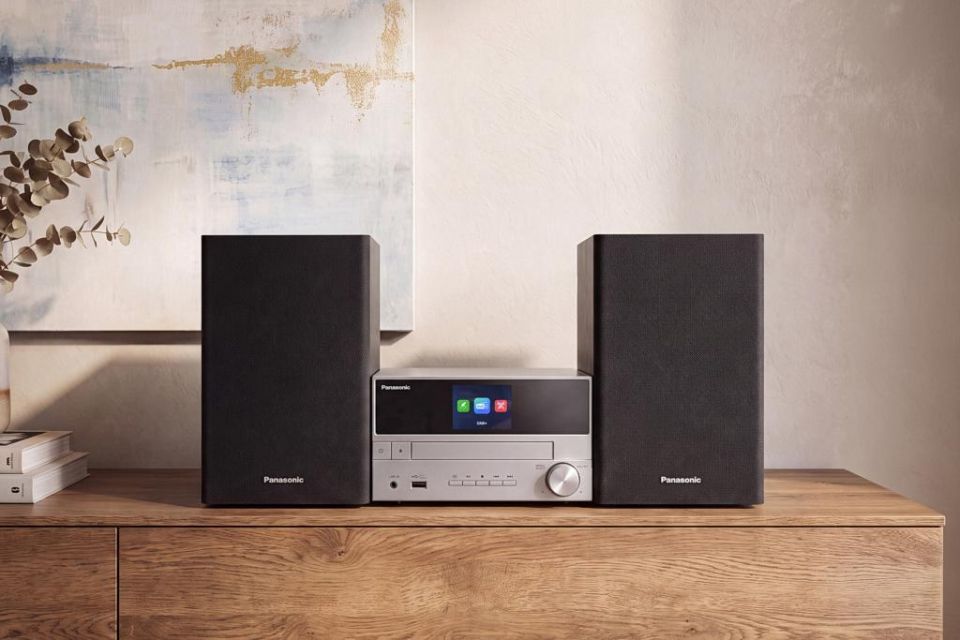
Panasonic SC-PMX112 & SC-PM302

For years, we've been told that the future of home audio belongs to wireless speakers, streaming services, and devices controlled entirely through smartphone apps. And yet, somehow, the traditional micro hi-fi system refuses to disappear. It's not particularly difficult to understand why. For plenty of music lovers, a compact stereo with a built-in CD player, radio tuner, and two separate speakers remains one of the simplest and most practical ways to enjoy music at home. No complicated setup, no need to assemble a collection of separate components, and no requirement to reach for a phone every time you want to hear something. Panasonic clearly believes there's still a market for this kind of equipment, as the Japanese manufacturer has just introduced two new micro systems, the SC-PMX112 and SC-PM302. The former is a more sophisticated, 180-watt model with internet radio, Spotify Connect, and two-way speakers, while the latter offers a simpler, more affordable 60-watt alternative for listeners who are perfectly happy with CDs, radio, and Bluetooth streaming. Both retain the familiar micro hi-fi format while introducing a few welcome modern touches, including color displays and USB playback.
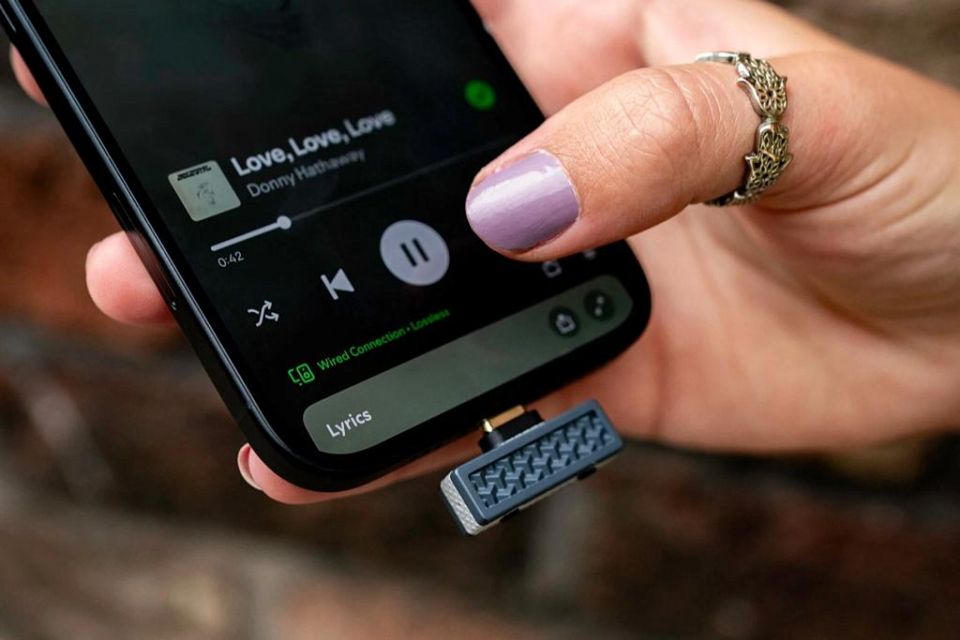
iFi Audio UP Play & UP Play Max

You can spend a small fortune on wireless headphones, carefully compare their drivers, tuning, noise cancellation, and battery life, and eventually settle on a model that supports some of the most advanced Bluetooth codecs available. Then you connect it to your phone and discover that half those capabilities are essentially useless. The headphones may support LDAC, aptX Adaptive, or even aptX Lossless, but that doesn't necessarily mean your smartphone can transmit audio using any of them. iPhone owners know this problem particularly well, since Apple continues to rely on AAC and SBC for Bluetooth audio, regardless of how sophisticated the connected headphones might be. iFi Audio believes the solution doesn't have to involve buying a different phone. Its new UP Play and UP Play Max are miniature USB-C Bluetooth transmitters designed to take over wireless audio duties from the source device, effectively bypassing its built-in codec limitations. Neither is a conventional DAC or headphone amplifier. Instead, these tiny accessories give smartphones, tablets, computers, and compatible gaming devices access to Bluetooth formats they might otherwise be unable to use. The standard UP Play supports LDAC and several members of the aptX family, while the more advanced UP Play Max adds aptX Lossless and promises future support for Auracast.

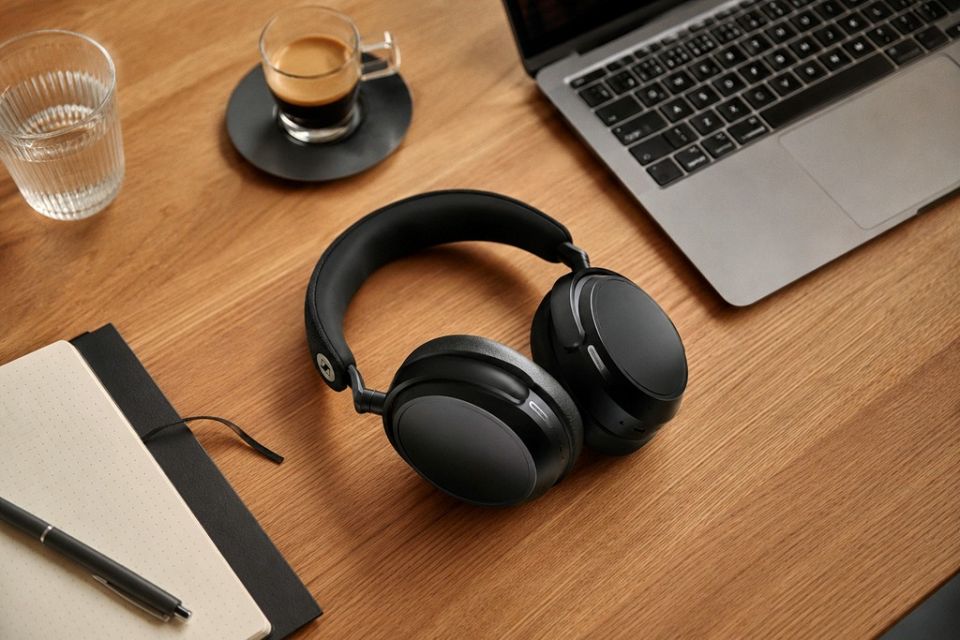
Sennheiser Momentum 5 Wireless

Some audio products come around so predictably that you could almost use them to mark the passing of time. A new smartphone every year. A new DAC every couple of years. An amplifier gets refreshed every three, usually gaining a slightly larger display, an updated streaming board, and a few extra connections along the way. Wireless headphones live on an even shorter clock because the electronics inside them age far faster than the parts that actually make sound. A good driver can remain perfectly competitive for a decade or more, and there is no reason a well-designed enclosure should suddenly become obsolete, but one new codec, a better ANC system, another Bluetooth revision, or a much better app can make a three- or four-year-old model feel surprisingly old. That makes the four-year gap between the Momentum 4 Wireless and their successor unusually long for this market. In 2022, Bluetooth 5.2 with aptX Adaptive was a serious selling point, 60 hours of battery life sounded borderline ridiculous, and manufacturers were still putting the word "adaptive" in front of noise cancellation as though that alone settled the matter. Today, expectations are much higher. Buyers want ANC that can deal with conversation as well as engine rumble, a transparency mode that sounds natural, seamless switching between devices, the best possible wireless audio quality, regular firmware updates, and an app designed for people rather than engineers. Sennheiser has not been standing still either. Since the Momentum 4 appeared, the company has launched the Accentum Wireless, expanded its true-wireless range, and - most importantly from an audiophile point of view - introduced the HDB 630, a model designed to bring some of the philosophy behind the HD 600 family into a modern wireless package. So the Momentum 5 Wireless are entering a very different world. They have tougher competition outside the company and, for the first time, a clearly defined rival within Sennheiser's own lineup.

Fyne Audio Cubitt 5

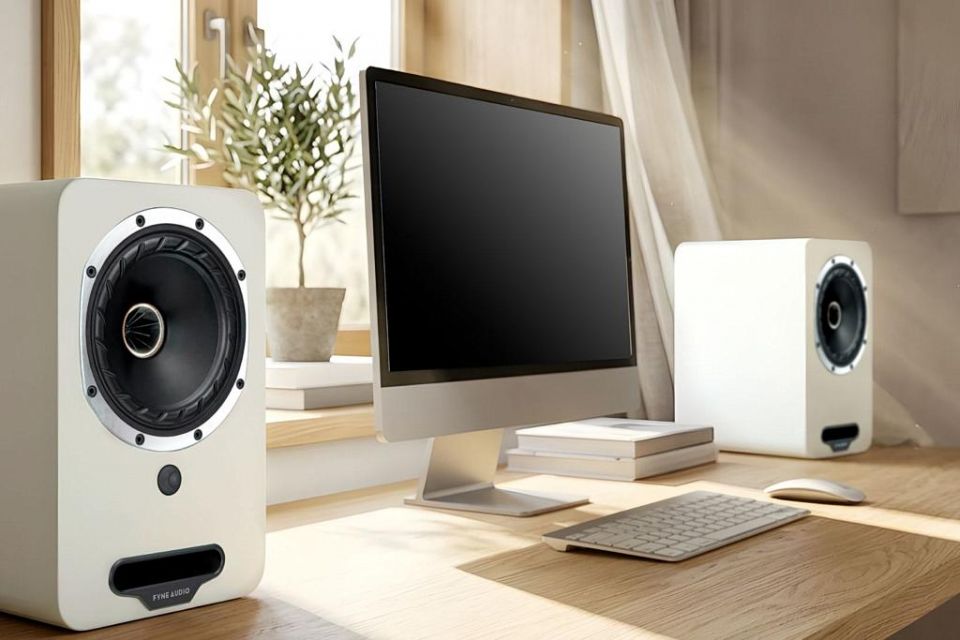
Fyne Audio has spent almost a decade building its reputation around conventional passive loudspeakers, from relatively affordable bookshelf models to imposing high-end designs made in Scotland. Cubitt 5 marks a rather important change of direction. It is the company's first fully active loudspeaker system, combining amplification, digital processing, wireless connectivity and a phono stage with one of Fyne's most recognizable technologies - the IsoFlare point-source driver. First shown publicly at the Shanghai AV Show in May and subsequently presented in Europe at High End Vienna, Cubitt 5 has now made its North American debut.

FiiO EH13

FiiO has introduced the EH13, a pair of wireless over-ear headphones that look like an attempt to bring several typically audiophile features into a very affordable part of the market. The specification includes LDAC codec support, Hi-Res Audio and Hi-Res Audio Wireless certification, active noise cancellation, Bluetooth 6.0, app-based sound settings, wired operation and battery life of up to 75 hours. Not long ago, a list like that in headphones this inexpensive would have sounded like a wishful forum post, but FiiO clearly wants to show that even an entry-level model can receive features normally associated with more expensive designs.

MEE Audio Pebbles Air

MEE Audio has introduced Pebbles Air, a pair of lightweight true wireless earbuds designed for people who do not want to choose between listening to music and staying aware of their surroundings. These are not classic in-ear monitors whose main purpose is to seal the ear canal, block out the street and put the listener inside a private bubble of sound. Pebbles Air take the opposite approach. They use an open-ear design that sits gently against the ear without blocking the ear canal, allowing the user to listen to music, follow a podcast or take a call while still hearing what is happening around them - a cyclist approaching from behind, an announcement at the station, a colleague speaking nearby or the city that does not disappear just because a playlist has started.

JadeAudio Level 1

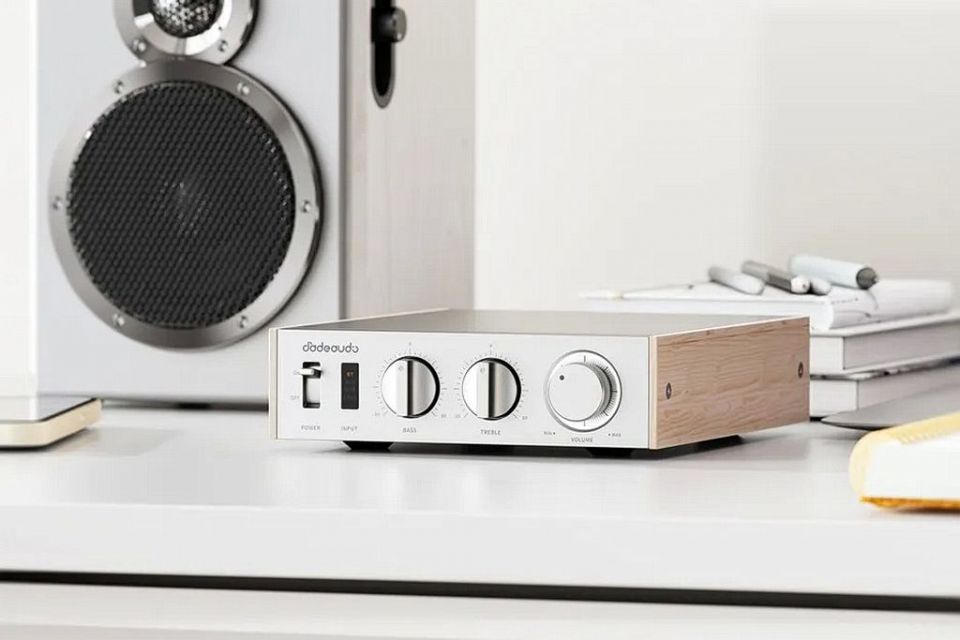
FiiO is expanding its range of desktop audio equipment with the Level 1, a compact integrated amplifier designed to drive passive loudspeakers. The new model combines a Class D power amplifier, a built-in digital-to-analogue converter, Bluetooth connectivity, traditional tone controls and outputs allowing the system to be expanded with an active subwoofer or an external power amplifier. All of this is housed in an aluminium enclosure with wooden side panels. The Level 1 is slightly different from the products with which the Chinese company has traditionally been most closely associated. Rather than another portable player or DAC with a headphone amplifier, it is intended to serve as the heart of a proper stereo system built around conventional passive loudspeakers. This may explain why the front panel carries the JadeAudio logo. Owned by FiiO, the brand is positioned as a younger, more modern alternative with a particularly strong focus on value for money. JadeAudio benefits from FiiO's technical resources, engineering experience and proprietary solutions, but products developed under this project carry their own JadeAudio branding.

Pro-Ject Wireless Box E

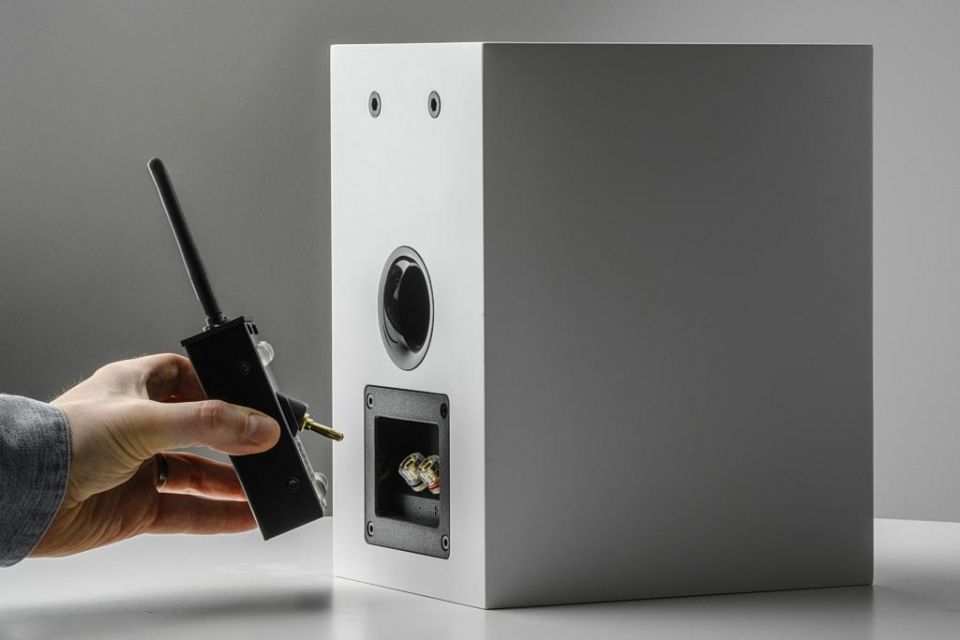
The Wireless Box E is one of those small Pro-Ject components whose purpose becomes clear the moment you see where it is meant to sit - not on a hi-fi rack, but directly on the back of a loudspeaker. Instead of adding streaming to an existing amplifier, as the Stream Box E does, the Wireless Box E takes the idea further by turning a passive speaker into a wireless active audio system. It is a compact mono streaming amplifier that connects directly to speaker terminals, removing the need for a separate amplifier and allowing users to build a flexible, app-controlled stereo or multi-room setup with traditional passive loudspeakers.

Jamo Hyg

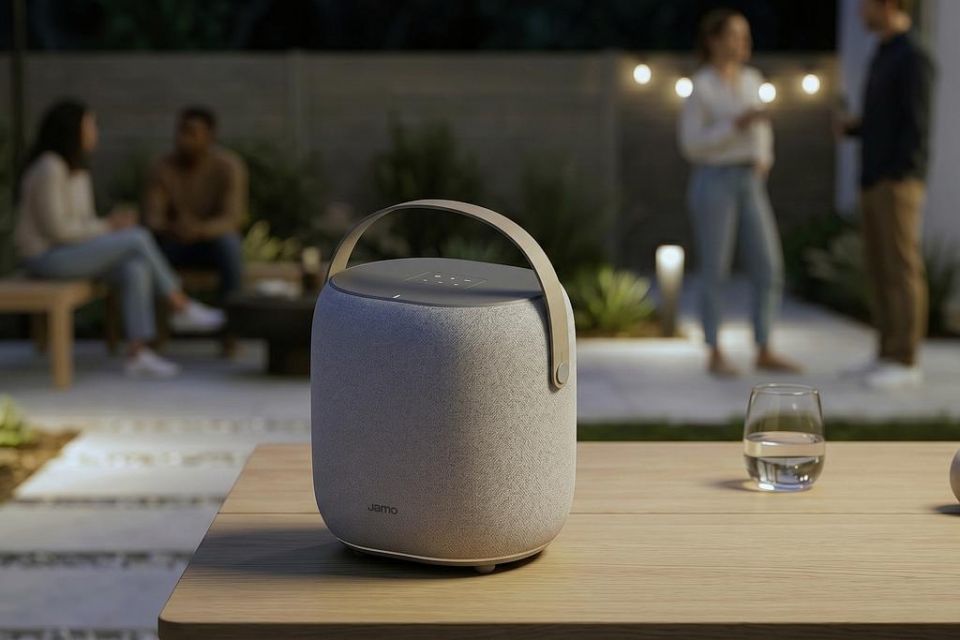
Jamo has unveiled Hyg, a new series of wireless speakers inspired by the Scandinavian idea of "hygge" - warmth, comfort, ease and a sense of connection. After announcing its new Concert Legacy and Concert Element loudspeakers, the brand is also entering a more lifestyle-oriented part of the market, but without abandoning the design values that have long been associated with Scandinavian audio. The Hyg series launches with three models - Hyg Flex, Hyg Flow and Hyg Reflect - each built around a different listening situation, from room-filling sound at home to portable outdoor use and quieter bedside listening.

Noble Audio FoKus Artemis & FoKus Apollo Pro

The wireless headphone market is no longer defined only by convenience, battery life and noise cancellation. In its upper tier, it is increasingly becoming a place where brands are trying to translate ideas from serious wired headphones and in-ear monitors into a format that still works on a train, at a desk or during everyday listening. Noble Audio is now pushing that direction further with two new models in its FoKus line - the FoKus Apollo Pro and FoKus Artemis. Both build on the original FoKus Apollo, which Noble describes as the world's first wireless headphone to combine dynamic and planar magnetic driver technologies, but they approach the idea in different ways.

We use cookies to improve our website and your experience when using it. To find out more about the cookies we use and how to delete them, please see our Privacy Policy.