Displaying items by tag: analog - StereoLife Magazine

Hegel A200 & H200

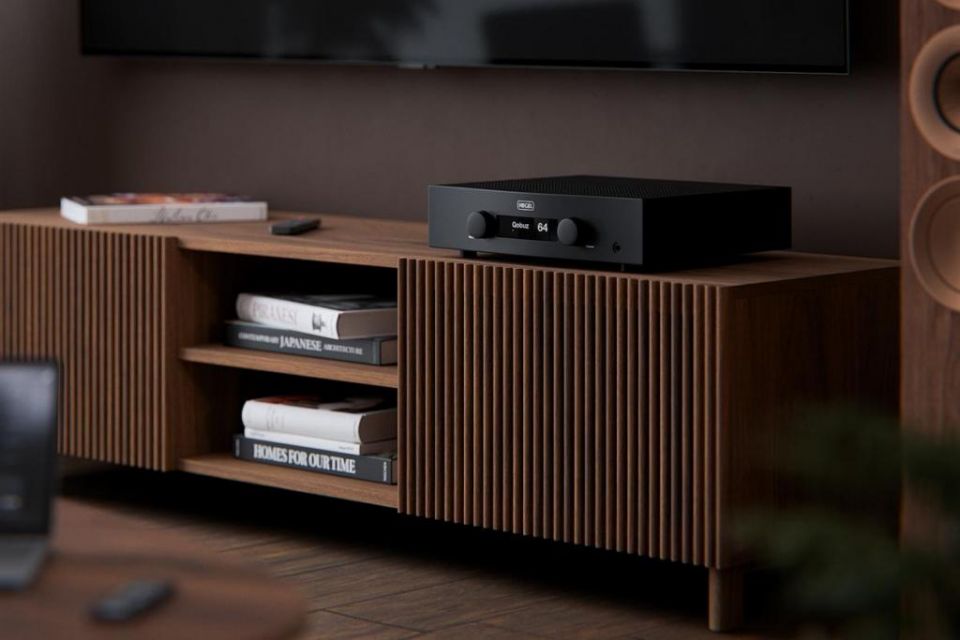
Hegel is introducing two new integrated amplifiers built around the same core platform but aimed at different types of system. The H200, described by the manufacturer as "The Connected", combines a 2 x 150 W amplifier with a digital-to-analogue converter, network player, MM phono stage and headphone output. The A200, or "The Classic", retains the same power output and key circuit solutions, but is an entirely analogue design intended for use with external sources such as streamers and DACs. Both amplifiers employ a Class AB output stage delivering 150 W per channel into 8 ohms. The H200 and A200 are designed to remain stable into loads as low as 2 ohms, while the damping factor of their output stages exceeds 4000. Both models also feature Hegel's SoundEngine2 technology, which is designed to detect and reduce distortion at the point where it occurs, before it travels further through the signal path. The basic amplifier architecture is therefore shared, with the main differences concerning connectivity, features and the role each model is intended to play within a system. Rather than creating one heavily equipped amplifier for everyone, Hegel has developed two versions - a complete network-enabled model and a more traditional integrated amplifier without a digital section.
Dual CS 718Q

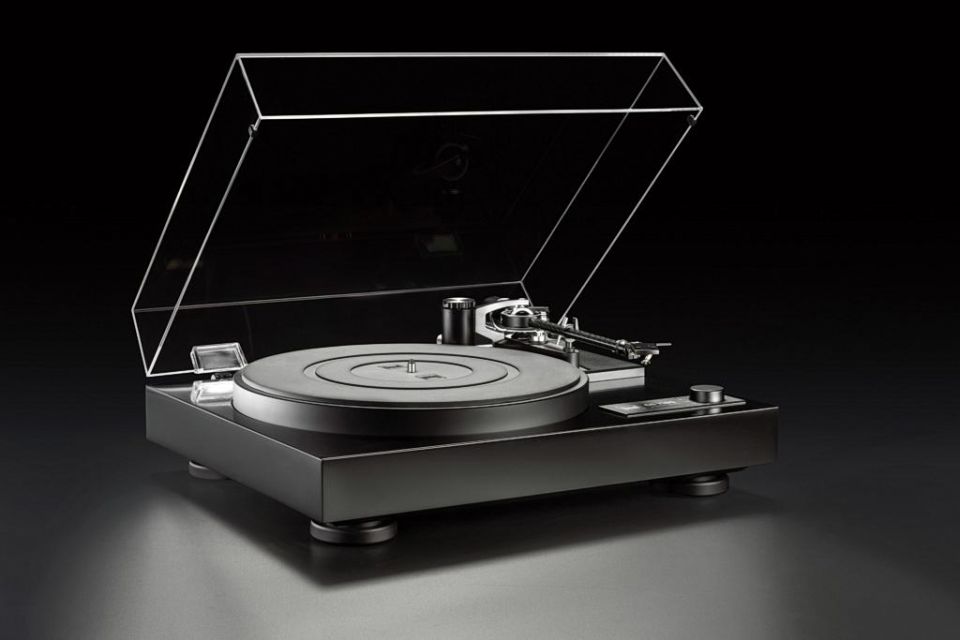
Dual is introducing the CS 718Q, a turntable developed at the company's engineering center in Germany and designed to continue the legacy of the celebrated Series 7. The new model combines direct drive with a carbon-aluminum sandwich tonearm, adjustable tonearm height, a dynamic tracking-force mechanism and a removable headshell. One important detail for prospective owners is that the CS 718Q is sold without a cartridge. Users are free to choose one according to their sonic preferences, the rest of the system and the tonearm's operating parameters.

Topping DX1 II

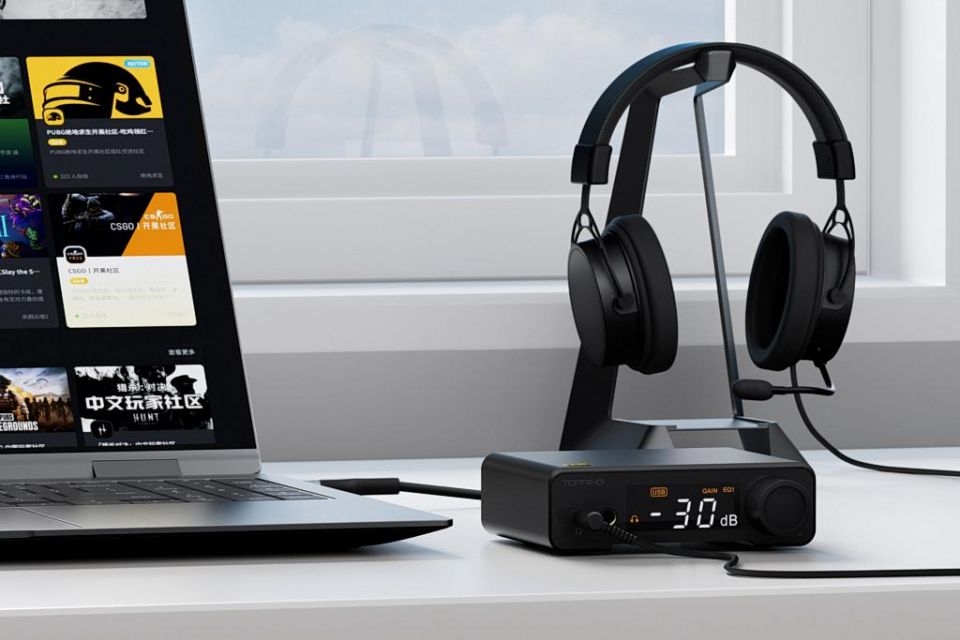
Topping has never been particularly shy about squeezing ambitious specifications into inexpensive little boxes, but DX1 II is a much more substantial update than its familiar name might suggest. The original DX1 was deliberately simple - a USB-powered DAC and headphone amplifier built around AKM's AK4493S, with a single USB input, RCA output and 3.5 mm and 6.35 mm headphone sockets. DX1 II keeps the compact desktop format and USB-powered operation, but almost everything around it has changed. There is a new ESS converter, fully balanced analog architecture, considerably more headphone power, optical input and output, 4.4 mm connections, parametric EQ, a display and remote control, plus features aimed specifically at PlayStation 5 and Nintendo Switch users. In other words, what started as an inexpensive way to improve computer audio has evolved into a surprisingly complete little DAC, preamplifier, headphone amplifier and digital signal processor.

AudioQuest DragonFly Copper

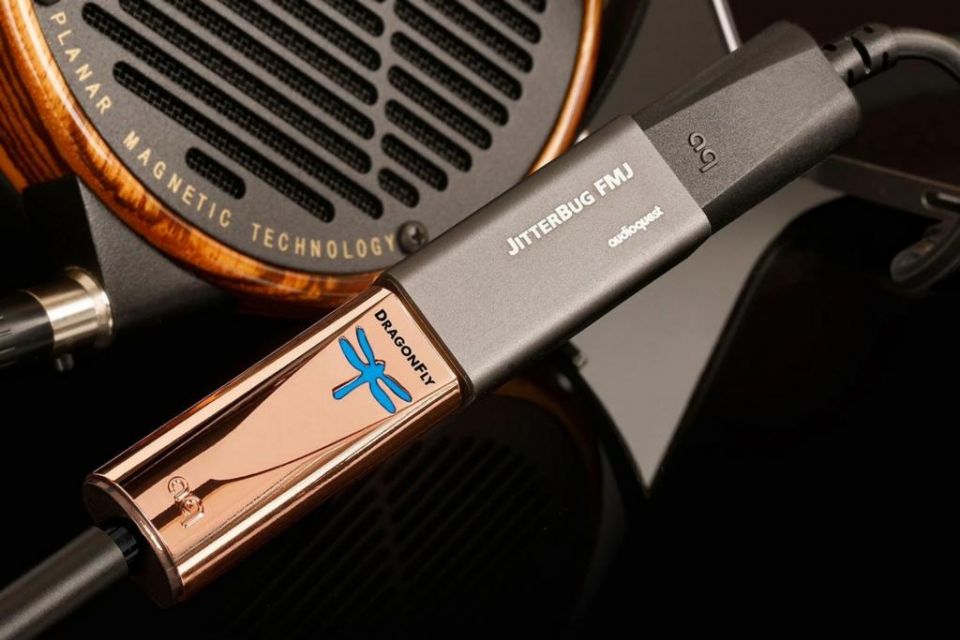
AudioQuest DragonFly is one of those products that hardly needs an introduction. The original model appeared in 2012 and helped turn the USB dongle DAC from a niche computer-audio accessory into a genuinely mainstream hi-fi product, with more than 300,000 DragonFlys sold worldwide since then. Black and Red followed in 2016, Cobalt arrived three years later, and then the series went quiet for almost seven years. Copper finally breaks that silence. Rather than simply updating Cobalt with a different finish, AudioQuest has substantially reworked the internal architecture, giving its latest DAC-preamp-headphone amplifier more output power, lower current consumption and a new copper-plated enclosure intended to improve RF noise dissipation.

Topping E50 II

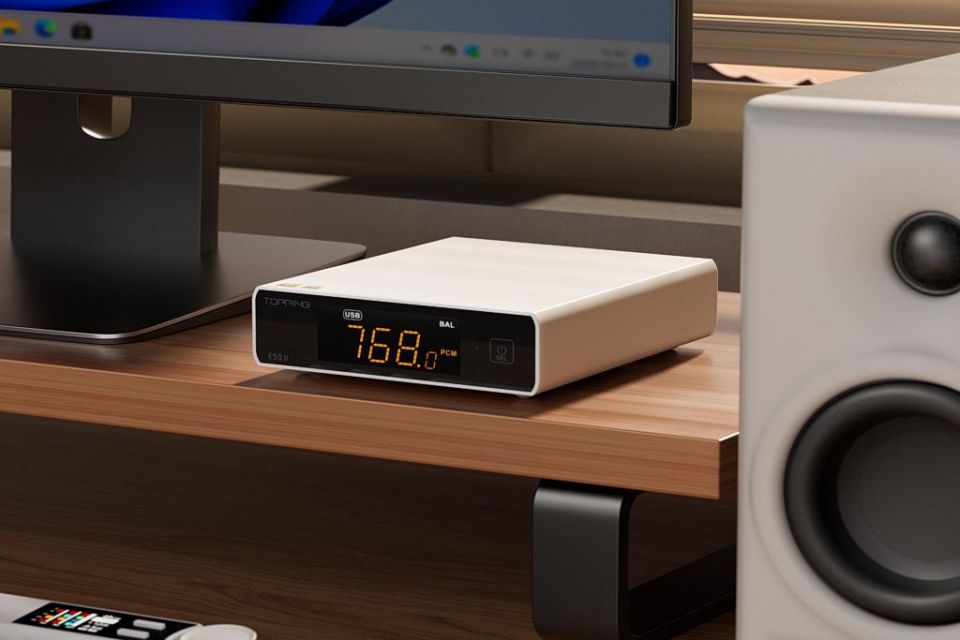
Topping has introduced the E50 II, a compact pure DAC with preamp functionality and no onboard headphone amplifier. The new model joins the company's popular E Series of budget-friendly converters and is designed for desktop systems, hi-fi setups, active speakers, separate headphone amplifiers and even more demanding studio-oriented use. It is a small device, but the feature set is unusually broad, combining a modern AKM DAC chip, balanced and single-ended outputs, high-resolution USB input, Bluetooth, app control and a sophisticated parametric EQ system.

Exposure 5510 Pre-Amplifier

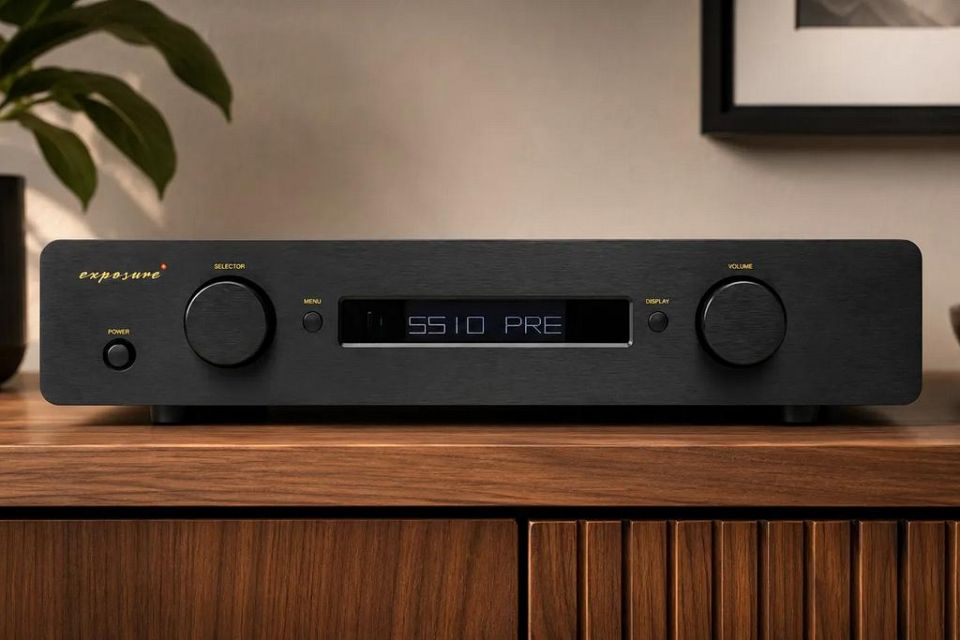
Exposure Electronics has introduced the 5510 Pre-Amplifier, a new flagship model designed as the control center of a high-end separates system. In a market increasingly dominated by integrated amplifiers, streaming amplifiers and compact all-in-one components, the dedicated preamplifier remains a very specific proposition. It is aimed at listeners who want to separate signal management from power delivery and build a system in which each part has a clearly defined role. With the 5510, Exposure is returning to that classic hi-fi logic, presenting a component whose task is not to amplify loudspeakers or attract attention with extra functions, but to handle the incoming signal with accuracy, low noise and long-term flexibility before it reaches the power amplifier.

Topping DX9 Discrete

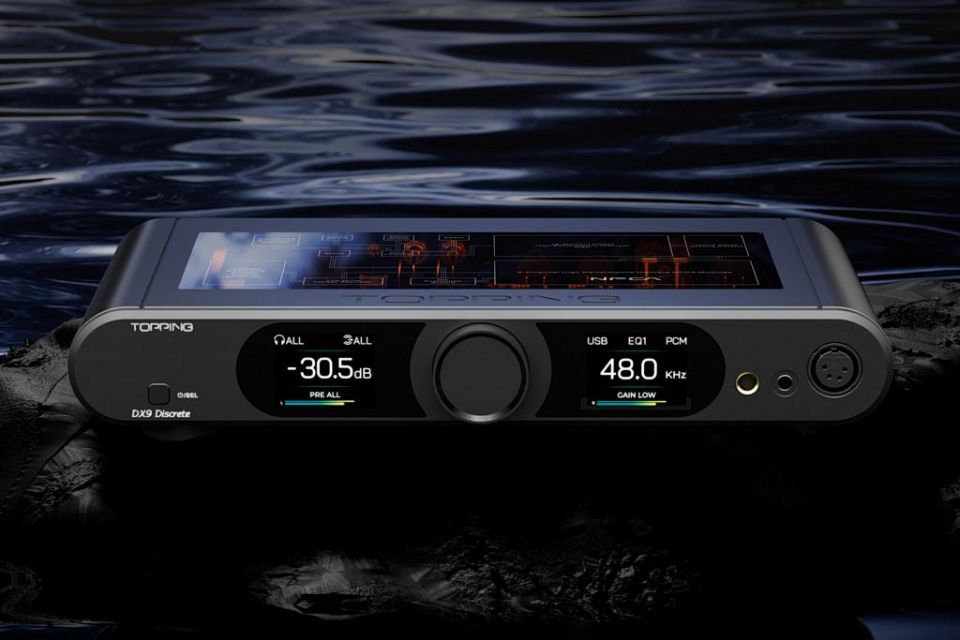
Topping has built much of its reputation on DACs and headphone amplifiers that combine ambitious engineering with unusually strong measured performance. The DX9 Discrete takes that formula into a more premium and more distinctive direction. It is a fully balanced DAC, preamplifier and headphone amplifier in one compact chassis, but its main point of interest is not the number of functions it combines. The real story is the conversion architecture. Instead of relying on an off-the-shelf DAC chip, Topping has used its own discrete 1-bit PSRM technology, bringing one of the company's most advanced digital designs into an all-in-one component for headphones, active speakers and conventional hi-fi systems.

Avid Ingenium SE

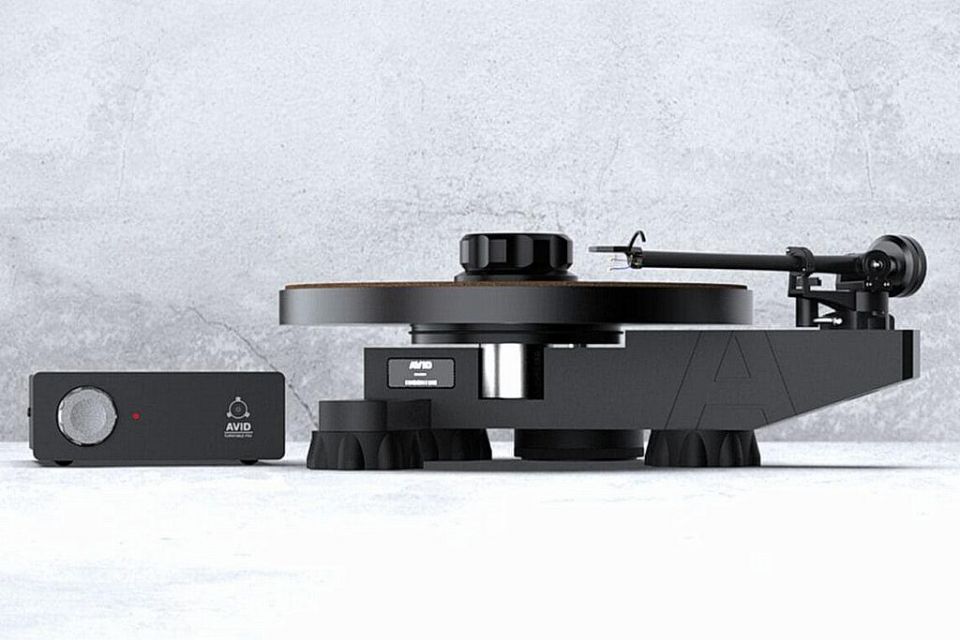
Avid has introduced the Ingenium SE, a new turntable that succeeds the Ingenium Plug&Play and brings the company's entry-level analog platform closer to its more advanced designs. The original Ingenium Plug&Play was conceived as a relatively accessible way into Avid's world of vinyl playback, combining straightforward setup with engineering drawn from the company's higher-end turntables. The new Ingenium SE follows the same general idea, but the changes are more than cosmetic. Avid says the model has been refined in response to feedback gathered from customers and retailers throughout the life of its predecessor, with the aim of improving transparency, speed stability, mechanical precision and long-term upgrade potential while keeping the turntable approachable for users who do not want the complexity or cost of the company's flagship models.

Vincent SA-32 AE

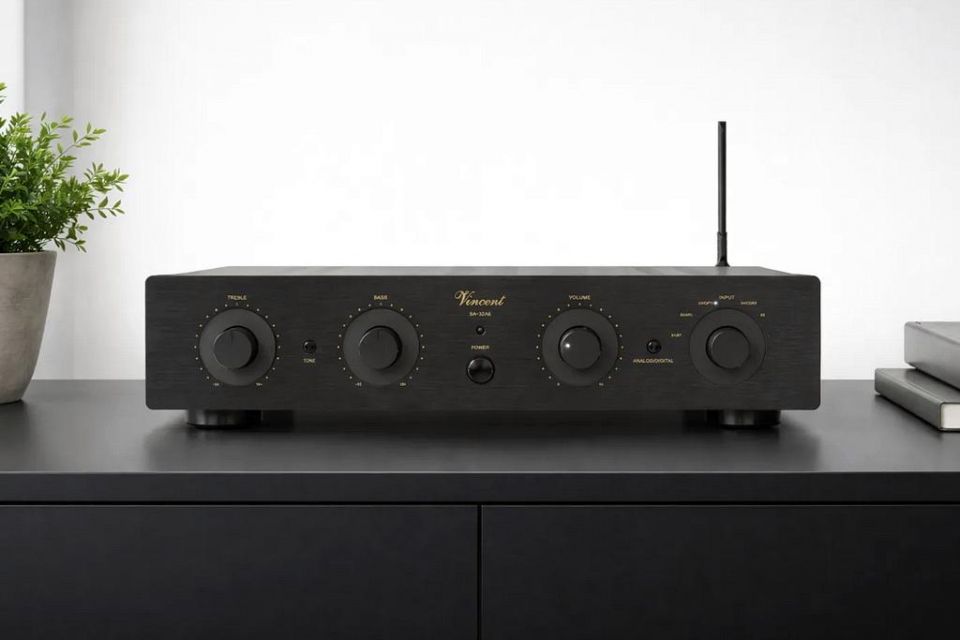
Vincent has introduced the SA-32 AE, a limited-production anniversary version of its hybrid stereo preamplifier created to mark 30 years of the company's Powerline series. Restricted to just 200 units worldwide, the new model builds on the long-running architecture that began with the SA-31 in 1996 and continued through later revisions culminating in the SA-32 released in 2017. The anniversary edition preserves the familiar hybrid tube-and-solid-state concept while expanding connectivity and revising key sections of the internal circuitry.

Audiomica Laboratory Consequence

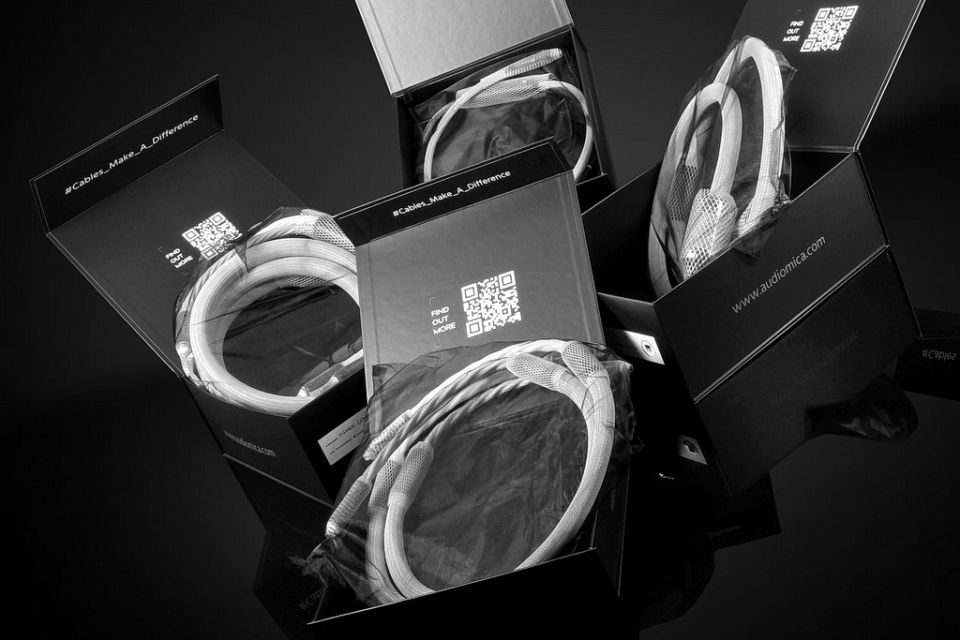
The moment comes in every audiophile's life. After enough experimenting with speakers, amplifiers, and source components, once the system finally starts sounding genuinely good, a question begins to nag at us - should we be paying more attention to cables? Some people agree completely, arguing that cables are just as much a part of the signal path as an amplifier or speakers. Others laugh the whole idea off and insist that anyone who believes in cable differences simply should have paid more attention in physics class. In truth, there is only one way to find out - try it and decide for yourself. If we hear no difference, there are really only three logical explanations. The first is that our system still is not revealing enough to expose those nuances, or that the cables we borrowed for comparison, despite their prettier plugs and more upscale appearance, are not actually much different from what we already use. The second is that our hearing is not quite as sensitive as we would like to think, and what others describe as a night-and-day transformation is, for us, barely there at all. The third is that cables have no effect on sound whatsoever and serve only to improve the owner's mood and the manufacturer's cash flow.

We use cookies to improve our website and your experience when using it. To find out more about the cookies we use and how to delete them, please see our Privacy Policy.