Mariusz Szczepaniak

Mariusz Szczepaniak

A great fan of long bicycle trips, computer games and music, covering everything from classic rock, hip-hop or jazz to soundtracks and electronics. He plays the electric guitar, but the multitude of other passions and the lack of time made him abandon a dream of founding his own band and becoming a rockstar. However, he loves listening to artists who have managed to do so.

Sivga M260

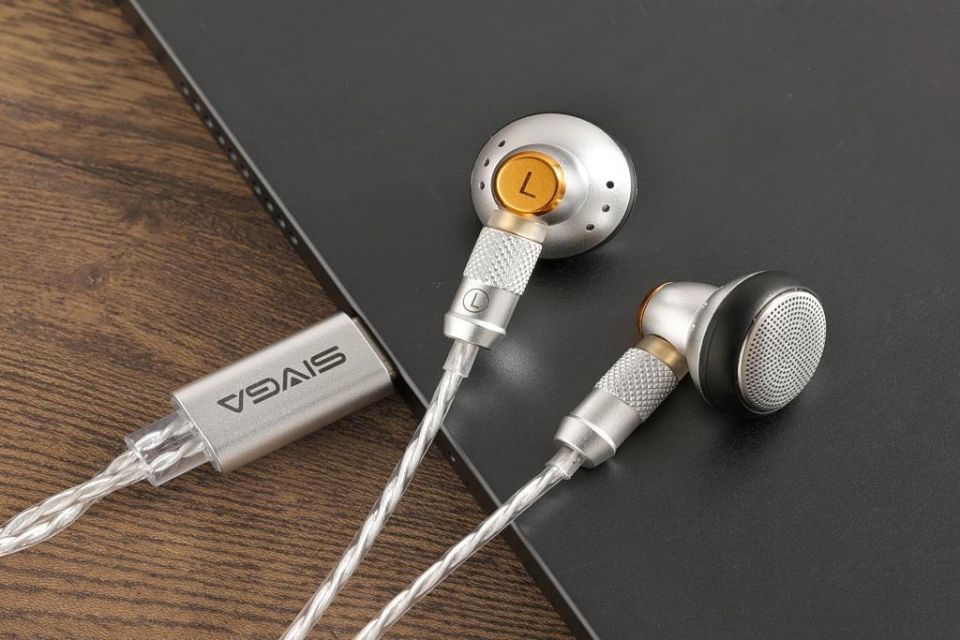
Wired earbuds have become a small counter-trend in a market dominated by true wireless models. For some users, the appeal is simple - no battery, no pairing, no latency, no codec confusion and no fear that the product will become useless once the cells wear out. Sivga's M260 fits neatly into that space. It is a retro-inspired hi-fi earbud designed for music, commuting, gaming and everyday use, combining a classic open earbud shape with a modern detachable cable system and an optional USB-C version with its own DAC and microphone.
Shanling EC Play

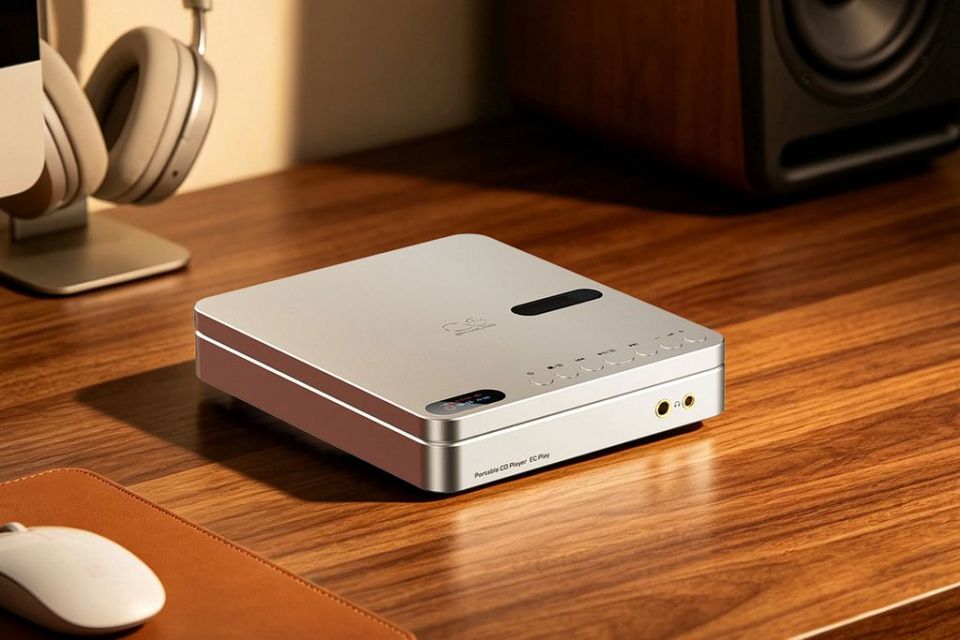
The return of physical media is no longer limited to vinyl. CDs are also finding a new audience, especially among younger listeners who want ownership, artwork, a tangible collection and a break from the endless scroll of streaming apps. Shanling's EC Play fits directly into that moment. It is a compact portable CD player designed not as a retro curiosity, but as a modern disc player with wired and wireless headphone support, USB DAC functionality and enough battery life to make portable CD listening feel practical again.

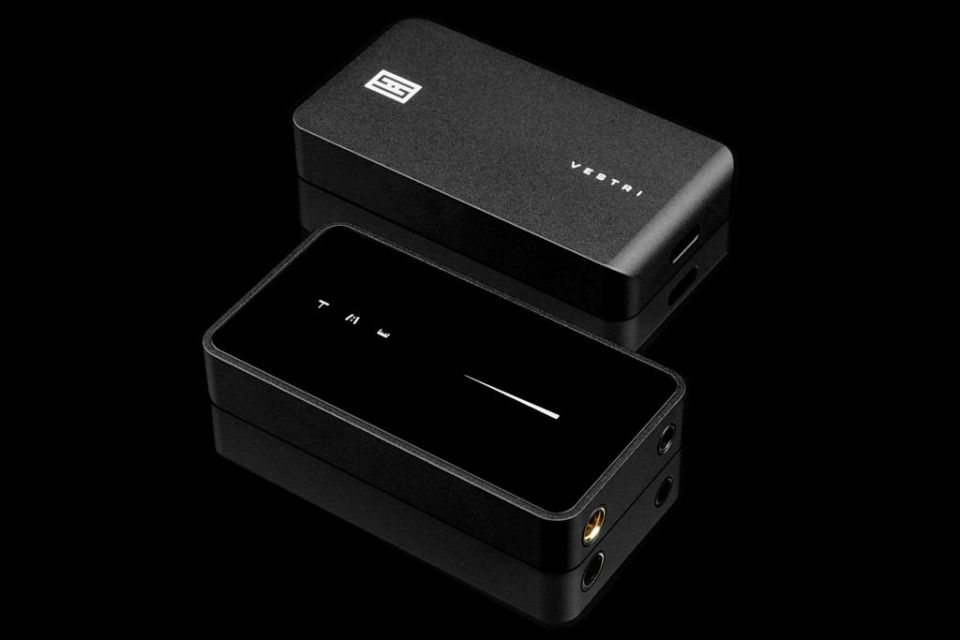
Schiit Vestri

Schiit Audio has built a large part of its reputation around one deceptively difficult idea - making serious audio products at prices that still feel almost stubbornly reasonable. The Vestri takes that philosophy into the headphone DAC/amp dongle category, a segment crowded with small devices that often look similar, use similar chipsets and compete mostly on specification lists. Schiit is entering that space with its usual mixture of simplicity, engineering stubbornness and a few features that separate Vestri from the portable DAC/amp formula.

We Are Rewind Freddie

We Are Rewind is a French audio brand focused on reviving cassette culture through modernized portable players and accessories. Its products combine analog nostalgia with contemporary usability, giving listeners a way to enjoy physical media while keeping practical features such as Bluetooth connectivity, rechargeable batteries and modern design refinements. Now We Are Rewind has launched Freddie, a new pair of wireless headphones inspired by the portable audio culture of the 1980s. Also known as EQ-002, the model has been designed to complement the company's WE-001 cassette players, but it can also be used with smartphones, tablets, computers and other Bluetooth sources. The idea is simple - a lightweight retro-style headphone that visually belongs next to a cassette player, but behaves like a modern everyday wireless model.

Topping DX9 Discrete

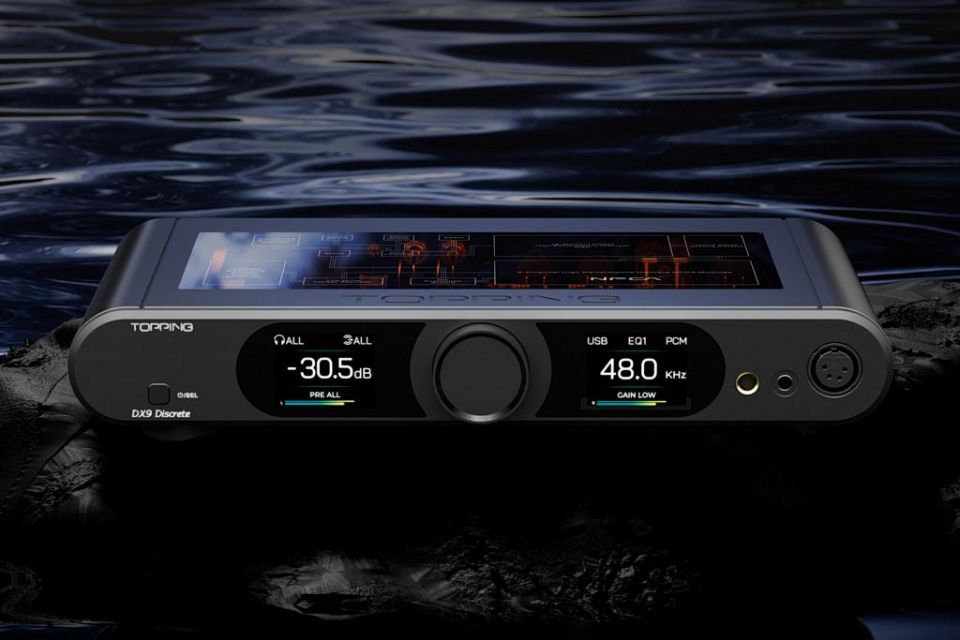
Topping has built much of its reputation on DACs and headphone amplifiers that combine ambitious engineering with unusually strong measured performance. The DX9 Discrete takes that formula into a more premium and more distinctive direction. It is a fully balanced DAC, preamplifier and headphone amplifier in one compact chassis, but its main point of interest is not the number of functions it combines. The real story is the conversion architecture. Instead of relying on an off-the-shelf DAC chip, Topping has used its own discrete 1-bit PSRM technology, bringing one of the company's most advanced digital designs into an all-in-one component for headphones, active speakers and conventional hi-fi systems.

Pro-Ject Stream Box E

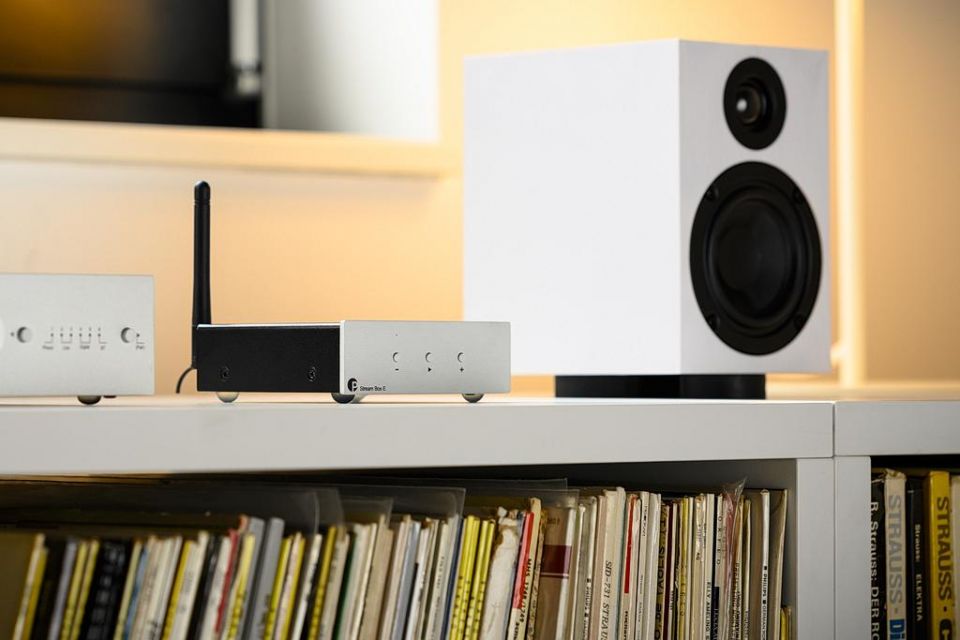
Pro-Ject's smallest components have always had a practical mission - to add a specific hi-fi function without forcing the user to rebuild the whole system around it. The Stream Box E follows that logic in the streaming era. It is an entry-level multi-room streamer and preamplifier designed to bring network playback, app control, wireless multi-room functions and analog integration to existing amplifiers, power amps or active speakers, all in a compact metal enclosure. The Stream Box E continues Pro-Ject's long-running Micro Hi-Fi tradition, which began in the 1990s with compact components intended to deliver proper hi-fi performance without the size, complexity or cost of full-width equipment. In this case, the idea is not to create another large streamer for an already elaborate system, but to offer a small and affordable device that can modernize an older amplifier, form the control center of a minimalist setup or add streaming functionality to active loudspeakers.

Monitor Audio Radius 4G

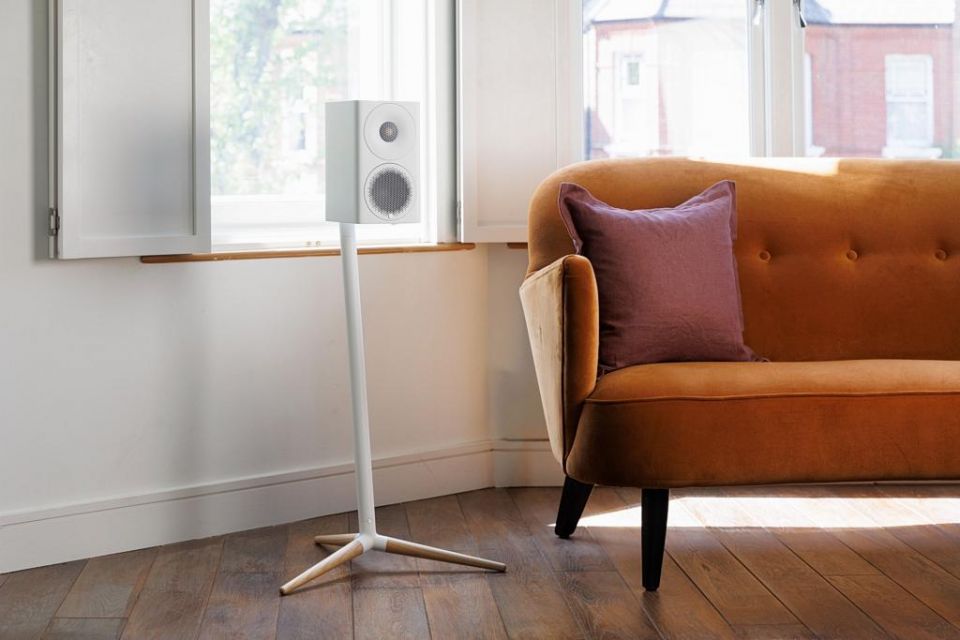
Monitor Audio has introduced the Radius Series 4G, a new generation of one of its best-known compact loudspeaker ranges. The idea behind the series is straightforward but still highly relevant - to offer proper hi-fi performance from speakers small enough to work in modern interiors, desktop systems, multi-room installations and discreet home cinema setups. The new line has been redesigned around Monitor Audio's Transparent Design Philosophy, combining the company's familiar driver technologies with slimmer cabinets, matching accessories and a more flexible approach to placement. In other words, Radius 4G is aimed not only at listeners looking for compact stereo speakers, but also at those who want a complete, scalable system that can move from near-field listening to wall-mounted surround sound without looking like conventional hi-fi has simply been squeezed into the room.

JBL Live Beam 4, Live Buds 4 & Live Flex 4

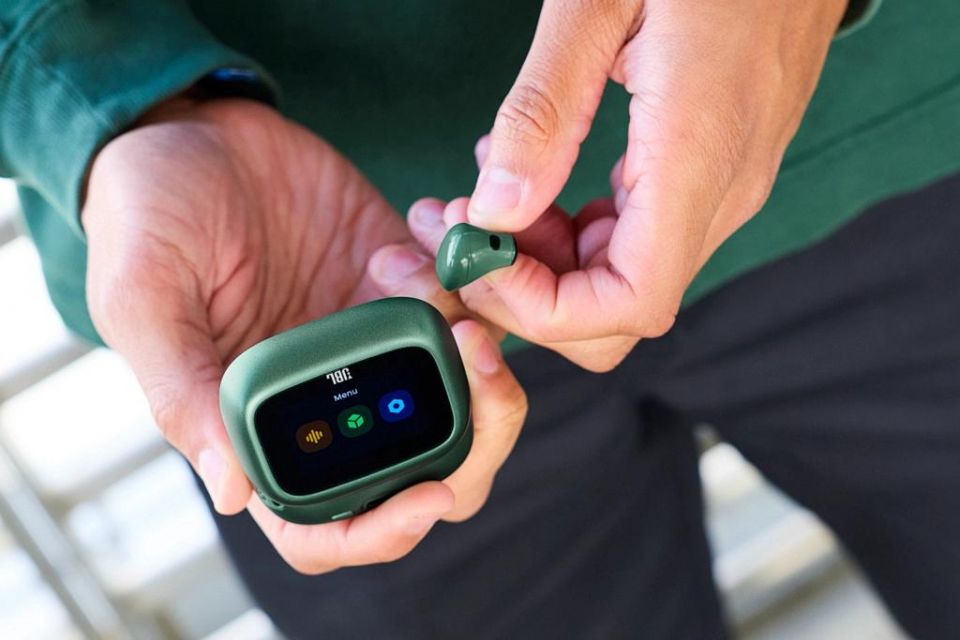
JBL is refreshing its Live series with three new true wireless models designed to reflect the different ways people use in-ear and open-fit earbuds in everyday life. The Live Beam 4, Live Buds 4 and Live Flex 4 all follow the same general direction - Hi-Res Audio Wireless, True Adaptive Noise Cancelling 2.0, JBL Spatial Sound, Bluetooth 6.0 and a new Smart Charging Case with a larger display. The differences between the three models are still significant, however, covering not only the shape of the earbuds, but also the type of fit, driver size, water and dust resistance, and battery life. As a result, the Live 4 series is not a set of three nearly identical products, but a small family of models aimed at users with different expectations - from those looking for maximum isolation, through fans of compact in-ear designs, to listeners who prefer a more open earbud construction.

DALI Vega

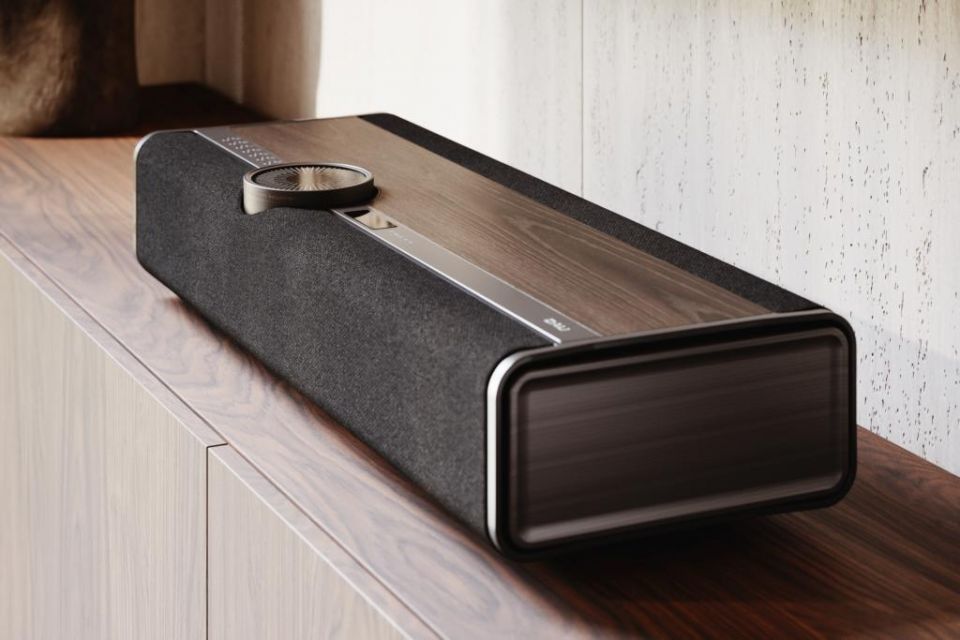
DALI introduced Vega, a wireless all-in-one audio system designed to combine the everyday convenience of a modern network speaker with the sonic ambitions of traditional hi-fi. The Danish manufacturer, best known for its loudspeakers, is clearly moving deeper into the category of products built for people who want serious sound without a complicated stack of components, separate speakers and visible cables running across the room. Vega follows that logic quite directly. It is a single, elegantly finished enclosure that can be placed on furniture or mounted on a wall, and then used as a complete music, TV and multiroom system. At the same time, DALI stresses that this is not simply a lifestyle speaker in the most basic sense of the term, but a project based on 43 years of loudspeaker engineering, in-house drive units, active crossover technology, Class D amplification and advanced DSP control.

Harman Kardon SoundSticks 5 Wi-Fi

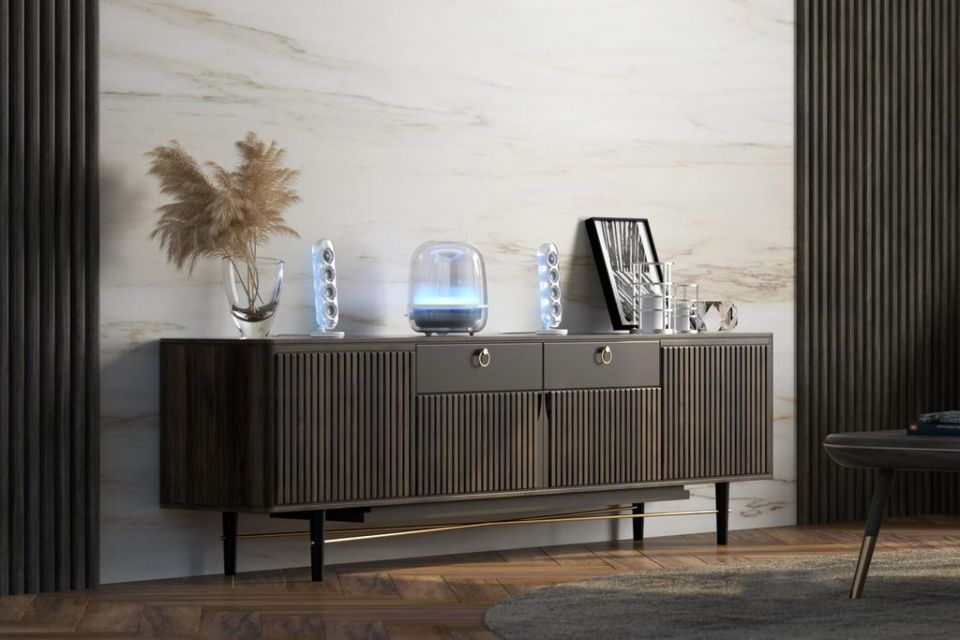
Harman Kardon has refreshed one of the most recognizable products in its catalog. The SoundSticks 5 Wi-Fi is a new version of the transparent speaker system that, for many years, was associated mainly with computers, desktops and its distinctive, almost sculptural form. This time, however, the emphasis shifts clearly toward a modern wireless system for everyday music listening. The transparent subwoofer and slim satellite speakers remain, but they are now joined by Wi-Fi connectivity, support for popular streaming platforms, Bluetooth 6.0, app-based control and lighting effects that react to the music. The SoundSticks 5 Wi-Fi is therefore not just another variation of a familiar design. It is an attempt to adapt this idea to the way music is used at home today - without signal cables, without a traditional source and, in most cases, without the need to connect anything apart from power.

We use cookies to improve our website and your experience when using it. To find out more about the cookies we use and how to delete them, please see our Privacy Policy.