Displaying items by tag: usb - StereoLife Magazine

Topping DX1 II

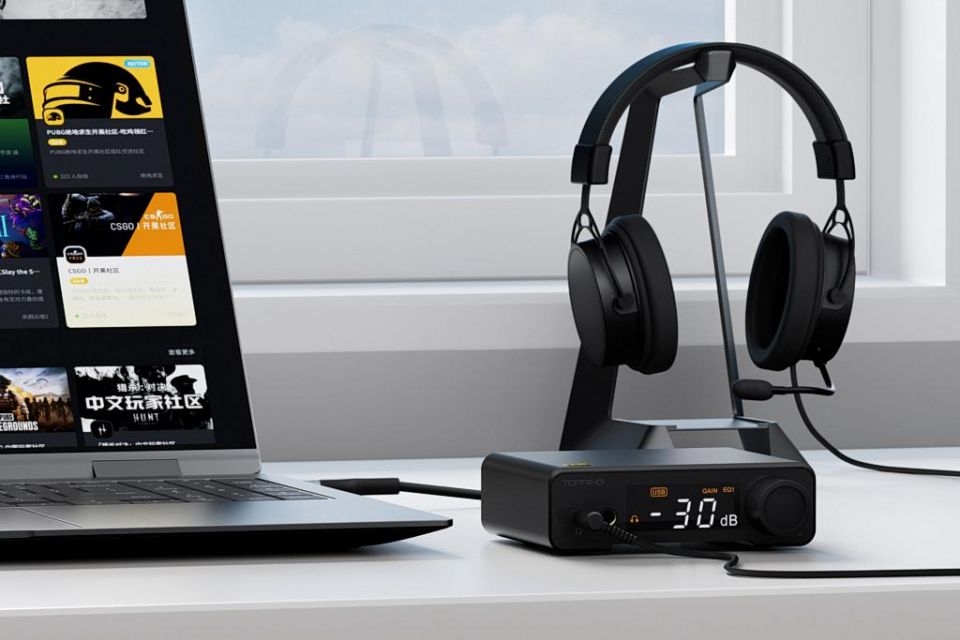
Topping has never been particularly shy about squeezing ambitious specifications into inexpensive little boxes, but DX1 II is a much more substantial update than its familiar name might suggest. The original DX1 was deliberately simple - a USB-powered DAC and headphone amplifier built around AKM's AK4493S, with a single USB input, RCA output and 3.5 mm and 6.35 mm headphone sockets. DX1 II keeps the compact desktop format and USB-powered operation, but almost everything around it has changed. There is a new ESS converter, fully balanced analog architecture, considerably more headphone power, optical input and output, 4.4 mm connections, parametric EQ, a display and remote control, plus features aimed specifically at PlayStation 5 and Nintendo Switch users. In other words, what started as an inexpensive way to improve computer audio has evolved into a surprisingly complete little DAC, preamplifier, headphone amplifier and digital signal processor.
AudioQuest DragonFly Copper

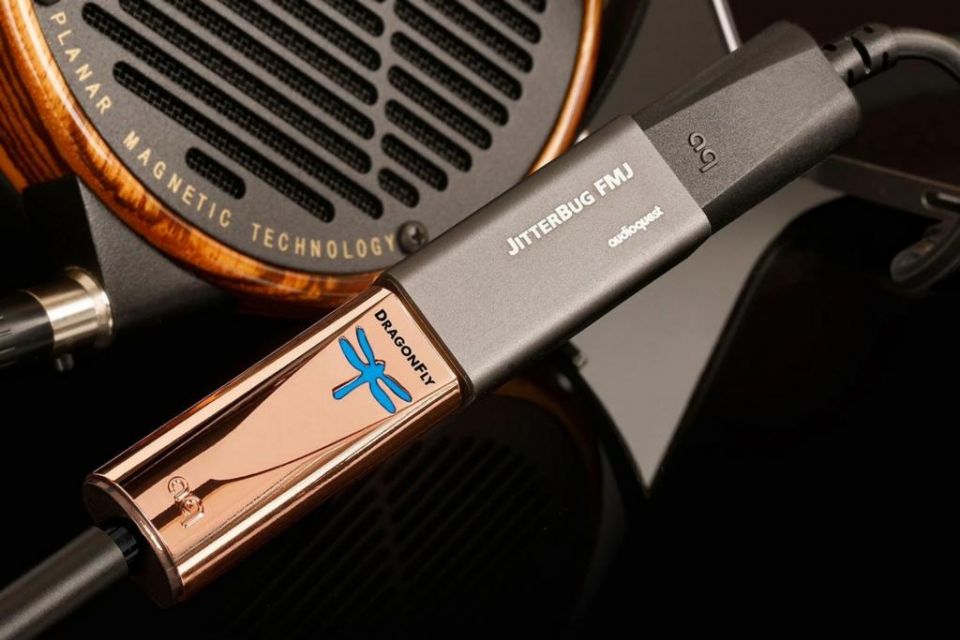
AudioQuest DragonFly is one of those products that hardly needs an introduction. The original model appeared in 2012 and helped turn the USB dongle DAC from a niche computer-audio accessory into a genuinely mainstream hi-fi product, with more than 300,000 DragonFlys sold worldwide since then. Black and Red followed in 2016, Cobalt arrived three years later, and then the series went quiet for almost seven years. Copper finally breaks that silence. Rather than simply updating Cobalt with a different finish, AudioQuest has substantially reworked the internal architecture, giving its latest DAC-preamp-headphone amplifier more output power, lower current consumption and a new copper-plated enclosure intended to improve RF noise dissipation.

Noble Audio Vanguard

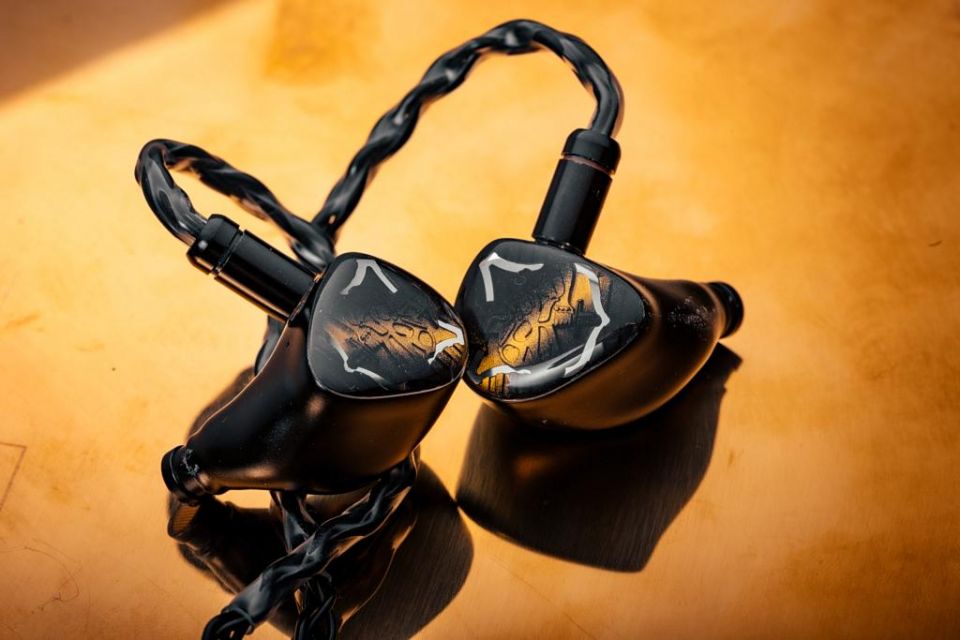
At the same time that Noble Audio is stripping the formula back to a single dynamic driver with Iris, the company is taking a very different route at the more accessible end of its wired IEM range. Vanguard builds on the success of Knight, which Noble describes as the highest-selling IEM in its history, but replaces that model's dynamic, balanced-armature and piezoelectric combination with a new three-way hybrid architecture based around one dynamic driver and two custom balanced armatures. The idea is not simply to add another entry-level model to an already crowded category, but to create a more refined starting point for listeners who want the Noble sound without immediately moving into the company's considerably more expensive universal monitors.

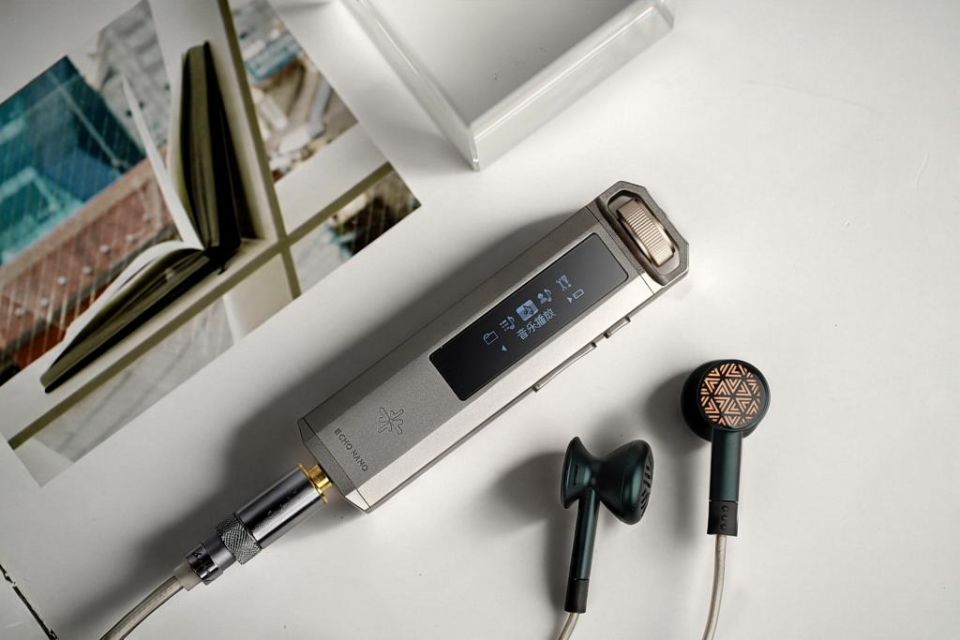
Snowsky Echo Nano

Not that long ago, carrying a separate music player was perfectly normal. Then smartphones took over, streaming largely removed the need to keep a personal library of files in your pocket, and traditional MP3 players all but disappeared from everyday life. Curiously, they are now starting to make a comeback - not by trying to compete with phones on features, but by doing the exact opposite. In an age when one device serves as a music player, camera, messenger, payment terminal, entertainment hub, and a constant source of notifications, there is something increasingly appealing about a gadget designed to do one thing and do it well. FiiO is tapping into that idea with the Snowsky Echo Nano, a tiny portable player that looks as though it has arrived straight from the early 2000s, but hides thoroughly modern hardware inside and has no intention of being just a nostalgic toy.

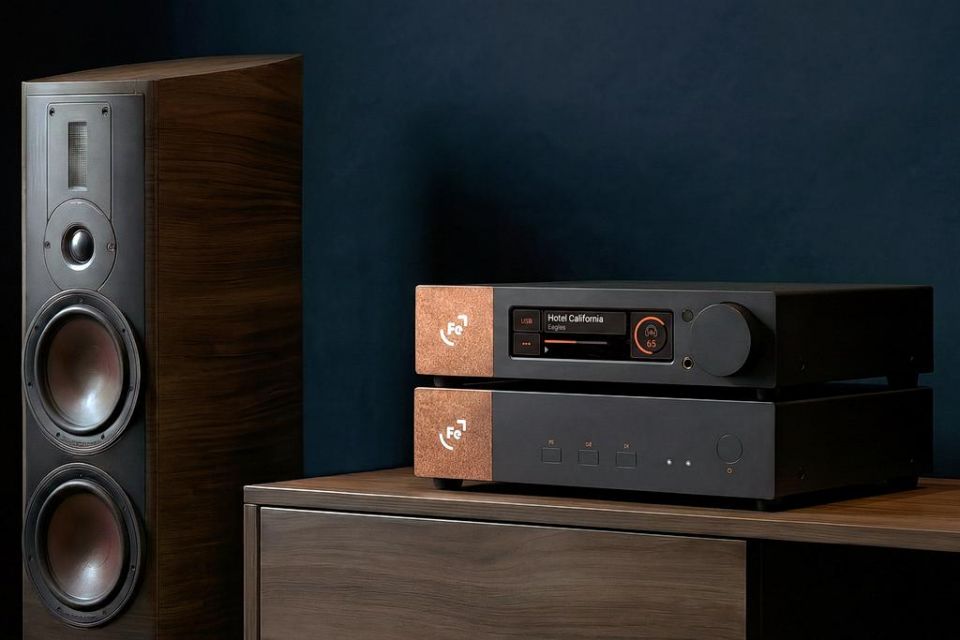
Ferrum Broen

Ferrum has spent the last few years building a compact ecosystem around digital conversion, headphone amplification and power management, but one obvious piece has been missing - a network transport of its own. That gap is now filled by Broen, the Polish company's first dedicated streaming product and a natural partner for the Wandla DAC family and Hypsos power supply. The model was previewed at the Audio Video Show in Warsaw and the Paris Audio Video Show in late 2025, but has now reached its final production form. Its name means "bridge" in Danish, which neatly summarizes the concept - Broen is designed as a digital gateway between streaming services, local music libraries and an external DAC rather than another all-in-one streamer with conversion and analog circuitry squeezed into the same chassis.

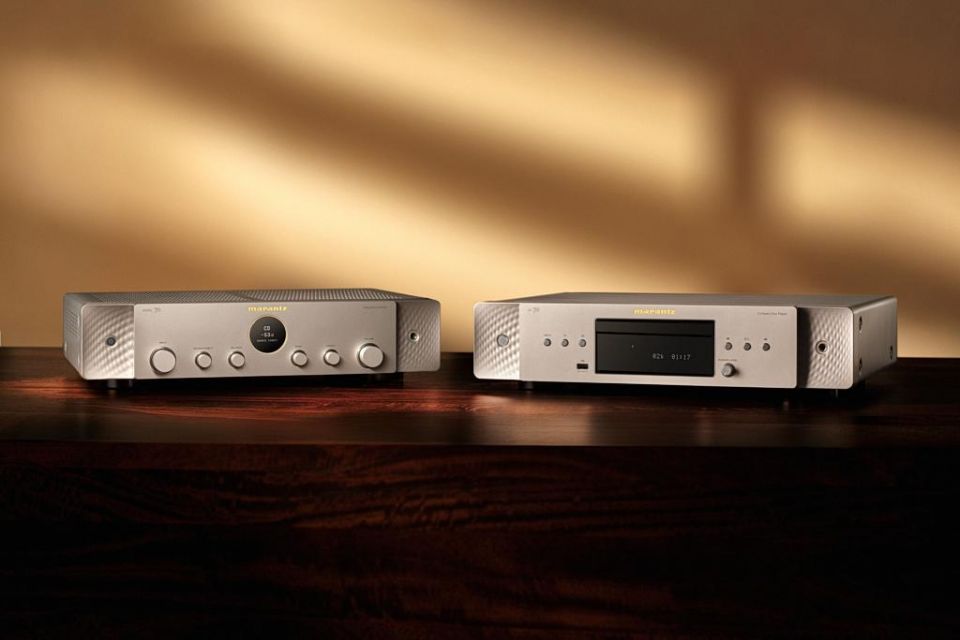
Marantz Model 70 & CD 70

Marantz is refreshing the entry point to its traditional hi-fi range with two full-size components - the Model 70 integrated amplifier and the matching CD 70 player. The new duo follows in the footsteps of the popular PM6007 and CD6007, but the transition involves considerably more than a change of model numbers. Both products adopt the visual language previously associated with more expensive Marantz components, while the amplifier gains HDMI ARC, two-way Bluetooth connectivity and a revised amplification section. The CD player, meanwhile, combines conventional disc playback with high-resolution files from USB storage.

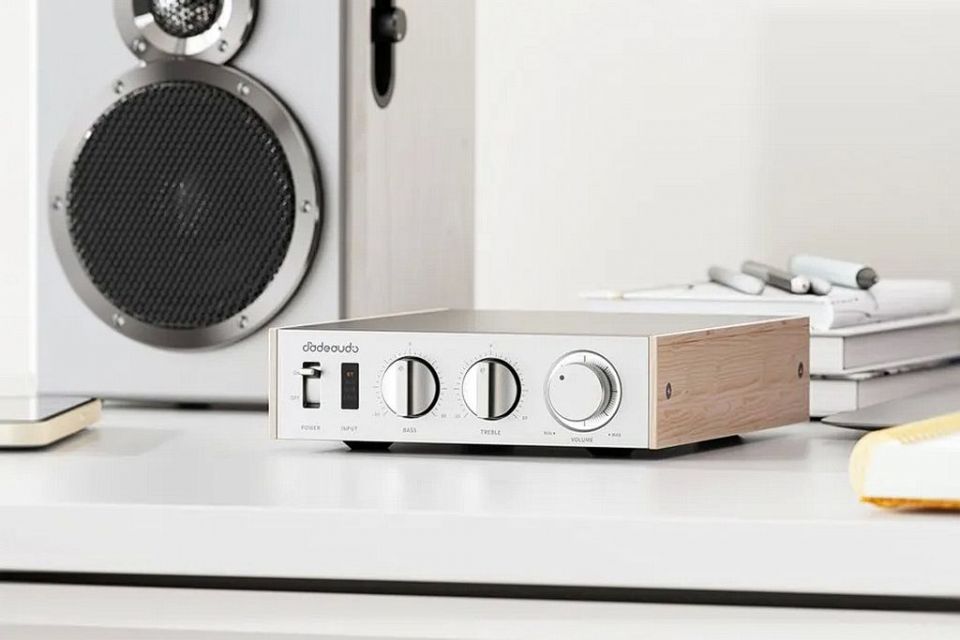
JadeAudio Level 1

FiiO is expanding its range of desktop audio equipment with the Level 1, a compact integrated amplifier designed to drive passive loudspeakers. The new model combines a Class D power amplifier, a built-in digital-to-analogue converter, Bluetooth connectivity, traditional tone controls and outputs allowing the system to be expanded with an active subwoofer or an external power amplifier. All of this is housed in an aluminium enclosure with wooden side panels. The Level 1 is slightly different from the products with which the Chinese company has traditionally been most closely associated. Rather than another portable player or DAC with a headphone amplifier, it is intended to serve as the heart of a proper stereo system built around conventional passive loudspeakers. This may explain why the front panel carries the JadeAudio logo. Owned by FiiO, the brand is positioned as a younger, more modern alternative with a particularly strong focus on value for money. JadeAudio benefits from FiiO's technical resources, engineering experience and proprietary solutions, but products developed under this project carry their own JadeAudio branding.

Noble Audio FoKus Artemis & FoKus Apollo Pro

The wireless headphone market is no longer defined only by convenience, battery life and noise cancellation. In its upper tier, it is increasingly becoming a place where brands are trying to translate ideas from serious wired headphones and in-ear monitors into a format that still works on a train, at a desk or during everyday listening. Noble Audio is now pushing that direction further with two new models in its FoKus line - the FoKus Apollo Pro and FoKus Artemis. Both build on the original FoKus Apollo, which Noble describes as the world's first wireless headphone to combine dynamic and planar magnetic driver technologies, but they approach the idea in different ways.

Topping E50 II

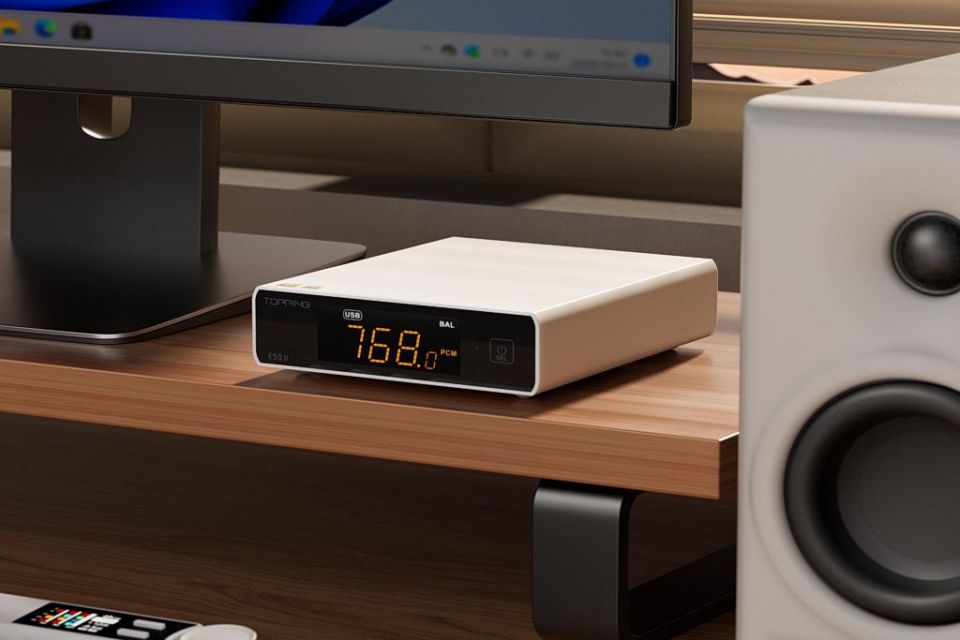
Topping has introduced the E50 II, a compact pure DAC with preamp functionality and no onboard headphone amplifier. The new model joins the company's popular E Series of budget-friendly converters and is designed for desktop systems, hi-fi setups, active speakers, separate headphone amplifiers and even more demanding studio-oriented use. It is a small device, but the feature set is unusually broad, combining a modern AKM DAC chip, balanced and single-ended outputs, high-resolution USB input, Bluetooth, app control and a sophisticated parametric EQ system.

Sivga M260

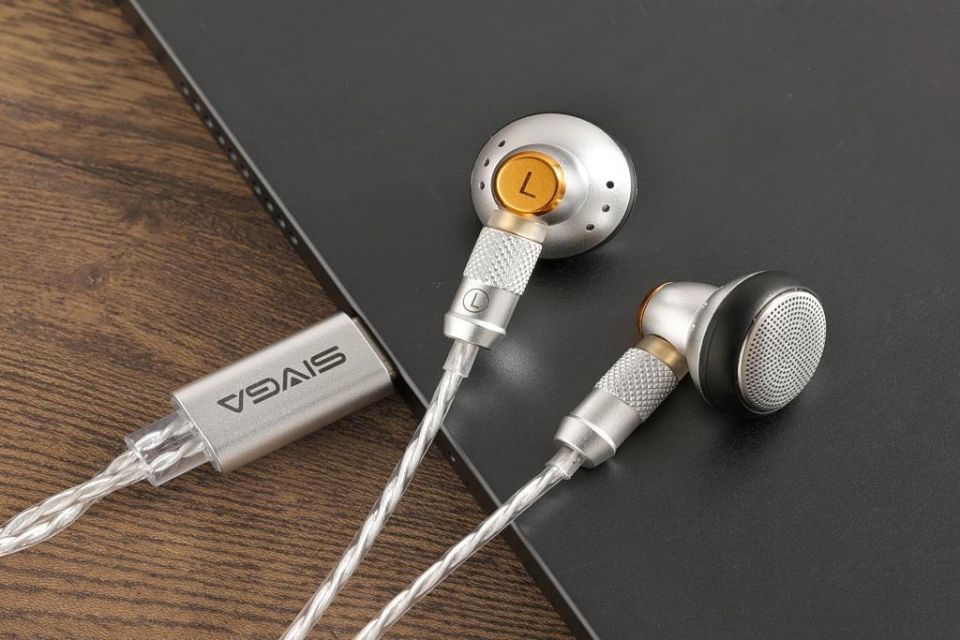
Wired earbuds have become a small counter-trend in a market dominated by true wireless models. For some users, the appeal is simple - no battery, no pairing, no latency, no codec confusion and no fear that the product will become useless once the cells wear out. Sivga's M260 fits neatly into that space. It is a retro-inspired hi-fi earbud designed for music, commuting, gaming and everyday use, combining a classic open earbud shape with a modern detachable cable system and an optional USB-C version with its own DAC and microphone.

We use cookies to improve our website and your experience when using it. To find out more about the cookies we use and how to delete them, please see our Privacy Policy.