
- News
- Posted
Sivga M260
Wired earbuds have become a small counter-trend in a market dominated by true wireless models. For some users, the appeal is simple - no battery, no pairing, no latency, no codec confusion and no fear that the product will become useless once the cells wear out. Sivga's M260 fits neatly into that space. It is a retro-inspired hi-fi earbud designed for music, commuting, gaming and everyday use, combining a classic open earbud shape with a modern detachable cable system and an optional USB-C version with its own DAC and microphone.
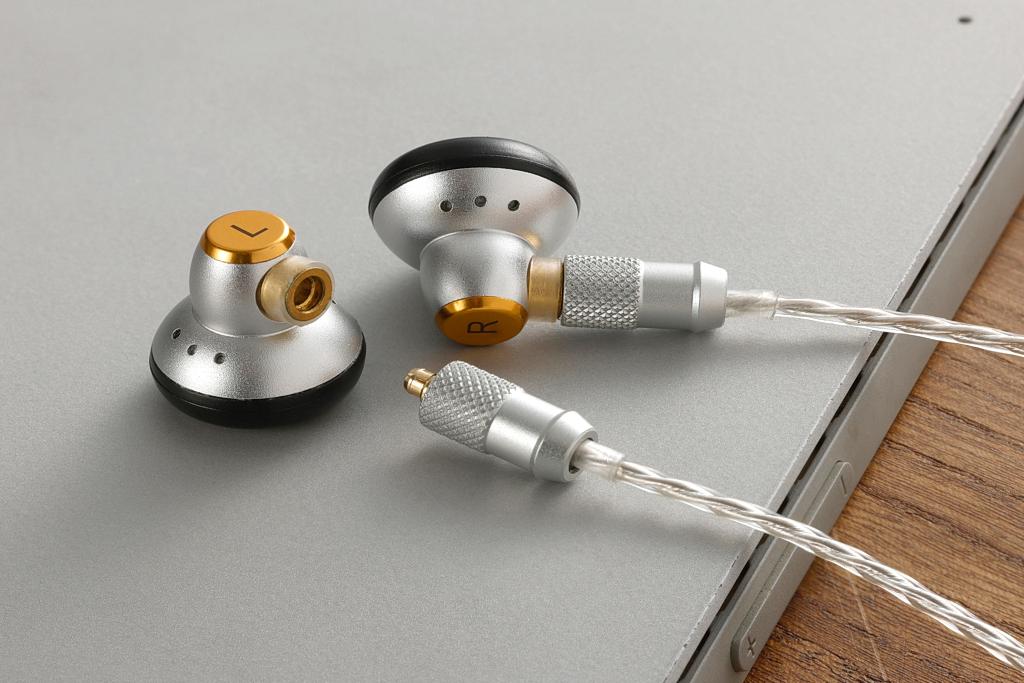
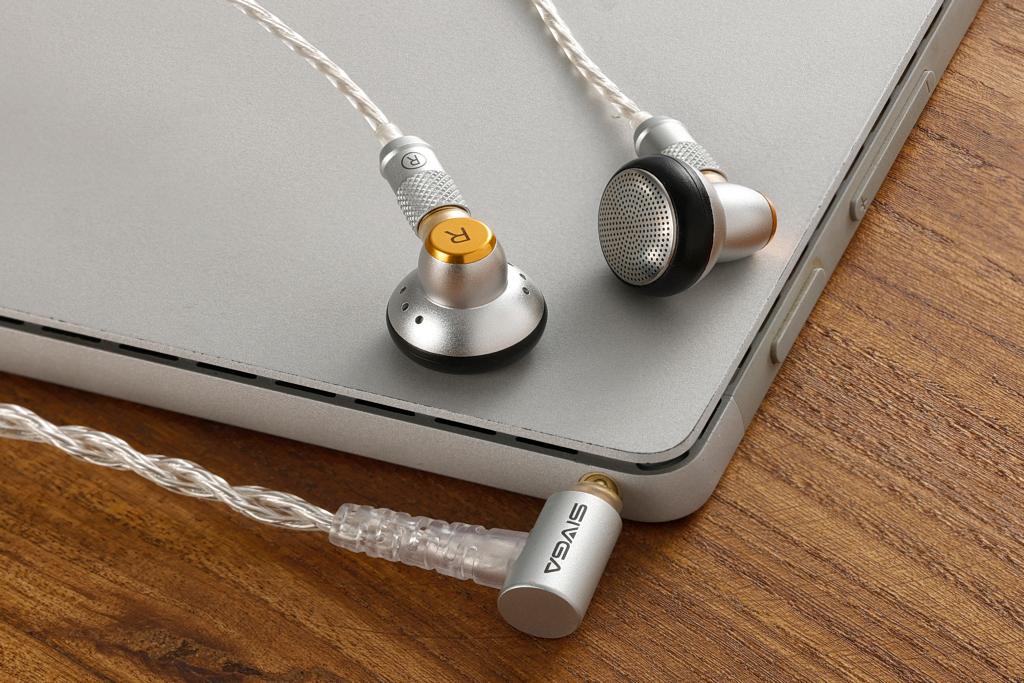
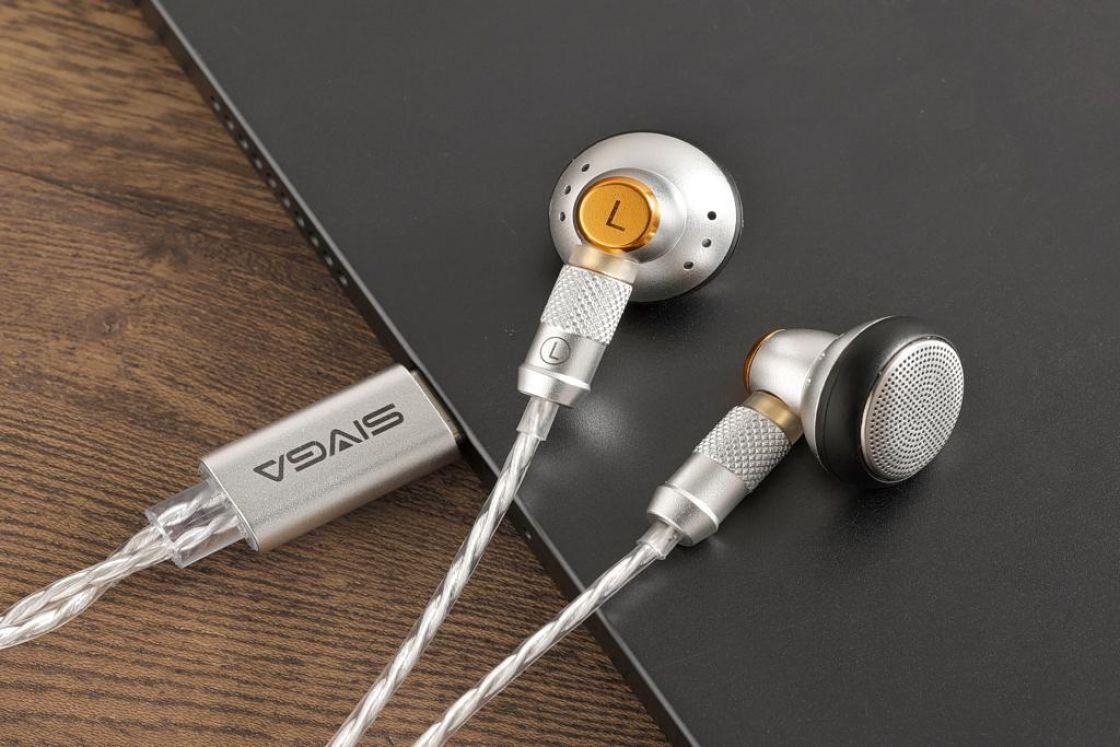
The design is clearly part of the attraction. Sivga has drawn from the era of cassette players and early portable CD systems, using a metallic finish and exposed grille to give the M260 a more nostalgic look than most modern in-ear products. This is not an in-ear monitor with deep insertion and strong passive isolation, but a traditional earbud-style design intended to sit more lightly in the ear. That makes the M260 more relevant for users who want comfort, awareness of their surroundings and an easy fit rather than the sealed-off feeling of typical IEMs.
At the center of the M260 is a 14.2-mm dynamic driver. In an earbud of this type, driver size matters because the design does not rely on a sealed canal fit to create bass pressure in the same way as an IEM. A larger dynamic driver gives the product a better chance of sounding open, stable and full enough without becoming thin or overly dependent on a perfect seal. Sivga uses a copper-ring composite bio-diaphragm, a structure intended to improve diaphragm control, reduce distortion and keep the tonal balance smooth.
The tuning is described as balanced, non-fatiguing and natural through the vocal range. That makes sense for the intended audience. The M260 is not being presented as a specialist studio tool or a bass-heavy gaming accessory, but as a simple wired earbud for long sessions - playlists, podcasts, video calls, portable gaming and everyday listening. For gaming, the wired connection is particularly relevant because it removes Bluetooth latency, while the open earbud form can make dialogue and spatial cues feel less trapped inside the head than with some sealed in-ear designs.
Sivga has also paid attention to the motor system. The driver uses a lightweight CCAW voice coil, or copper-clad aluminum wire, which is intended to improve transient response by reducing moving mass. An N50 neodymium magnet provides the magnetic force needed to keep the driver controlled across the frequency range. These are the kinds of details that matter more than simply quoting a frequency response figure, because they help explain why Sivga expects the M260 to sound clean, quick and stable despite its low price and simple form factor.
The electrical specifications reinforce the idea of easy everyday use. With 16-ohm impedance and 118-dB sensitivity, the M260 should be simple to drive from phones, laptops, handheld gaming devices and portable players. This is important because products in this category are often used directly from consumer devices rather than dedicated amplifiers. The listed 20 Hz - 20 kHz frequency response is best treated as confirmation of full-bandwidth tuning rather than a headline feature, but the low impedance and high sensitivity are genuinely useful for understanding how the earbuds will behave with common sources.
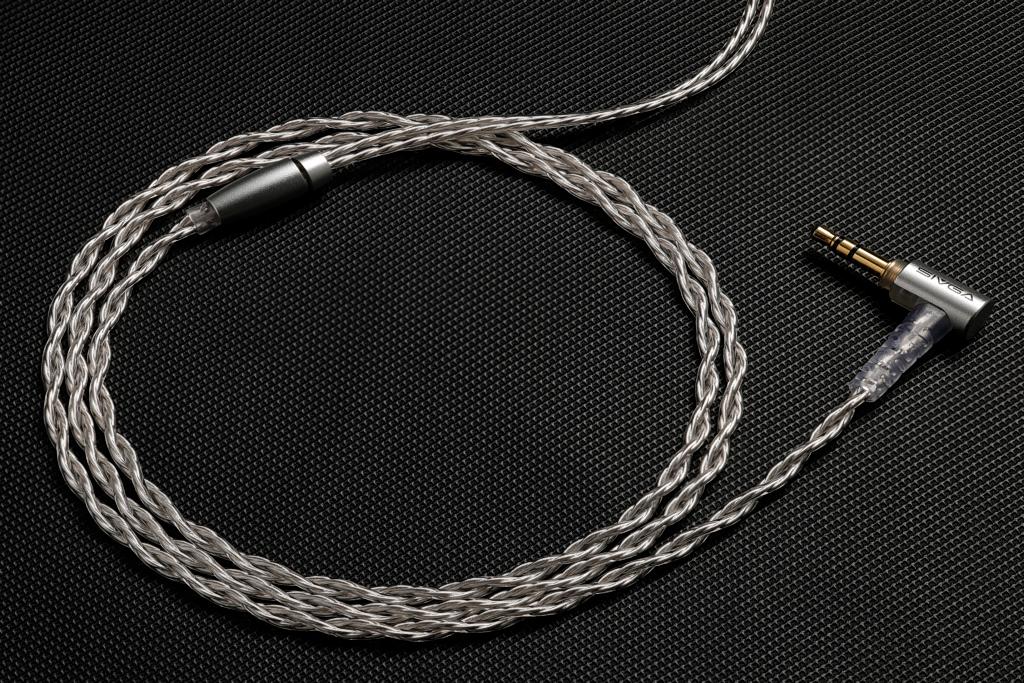
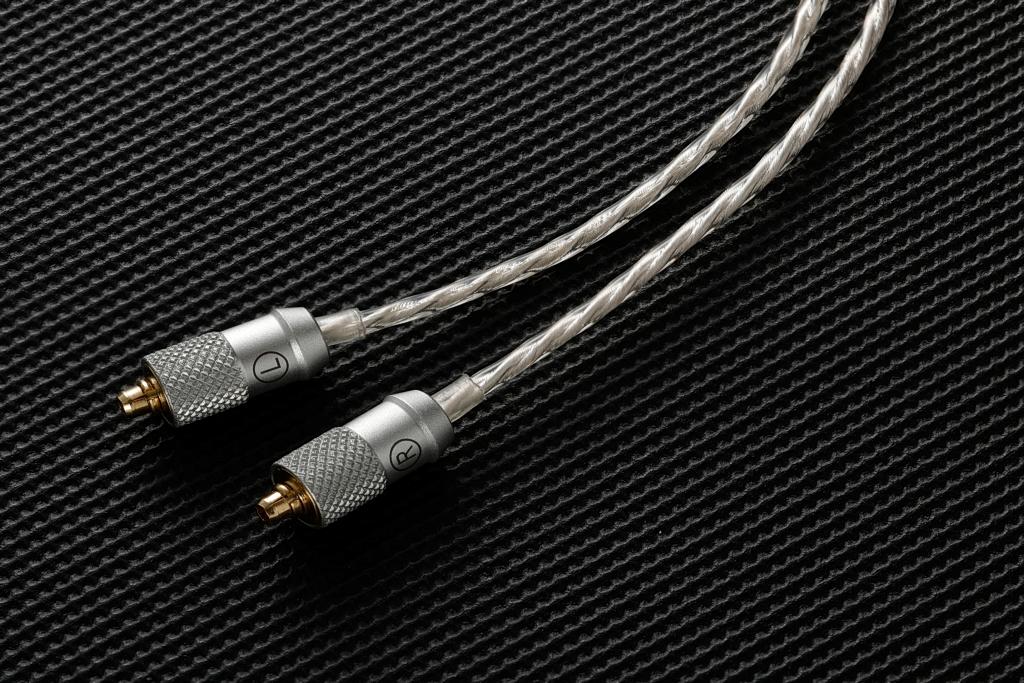
One of the more practical features is the detachable MMCX cable system. At this price level, a fixed cable would not be surprising, but Sivga has chosen a replaceable connection that can extend the product's useful life. If the cable is damaged or if the user wants a different termination later, it can be changed rather than forcing replacement of the whole earbud. The included cable is a 4N silver-plated OFC design, chosen for clean signal transmission and durability.
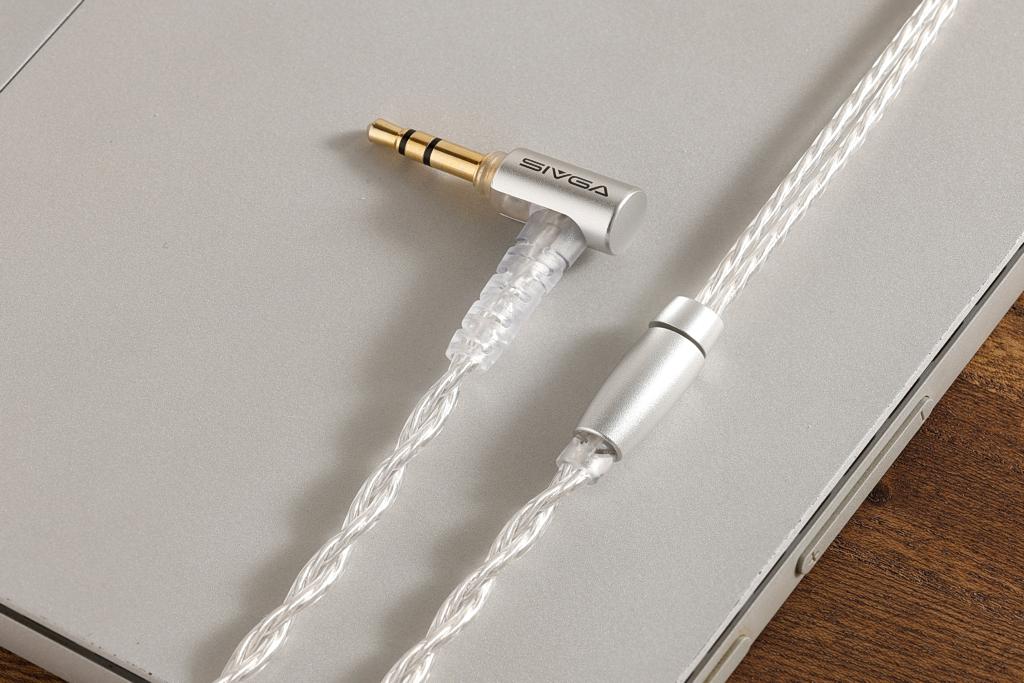
The M260 is available in two versions. The standard model uses a 3.5-mm L-shaped plug, which should be useful with laptops, handheld consoles, portable players and devices that still provide an analog headphone output. The angled plug also helps reduce strain when the cable is connected to a pocket device or gaming handheld.
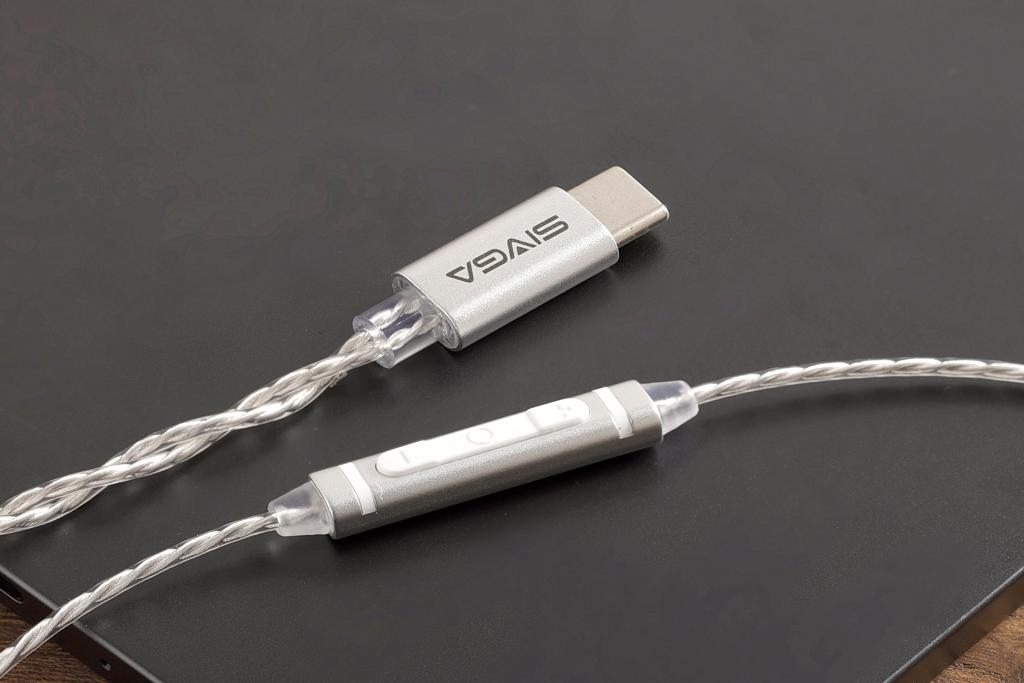
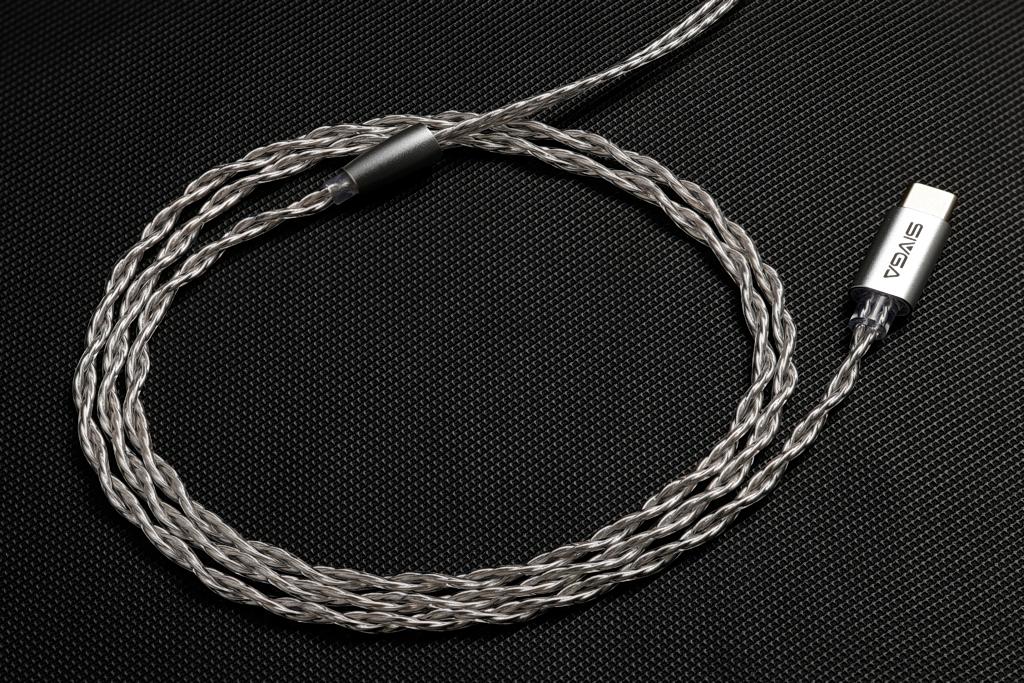
The USB-C version is more interesting for users whose phones, tablets or laptops no longer have headphone jacks. It includes an integrated Realtek ALC5686 DAC supporting hi-res playback up to 32-bit/384 kHz. The practical advantage is not the format number itself, but the fact that the USB-C model does not rely on the audio hardware inside the source device. It also includes a high-sensitivity microphone and multifunction controls for calls, music playback and volume, making it the more complete option for gaming, video calls and general mobile use.
Portability is handled in a straightforward way. The M260 comes with four pairs of ear tips and an Oxford fabric carry case, and its 1.2-m cable length should be practical for desk use, commuting and portable gaming. The product is clearly designed as a small everyday companion rather than an audiophile object that demands special handling.
Sivga was founded in 2016 in Dongguan, China, and designs headphones and earphones in-house, with a focus on combining craftsmanship, material choices and accessible hi-fi performance. The company is also connected with Sendy Audio, its more ambitious sister brand focused on refined materials, distinctive design and higher-end headphone projects. The M260 is priced at €45/£39/$39 in the 3.5-mm version and €50/£45/$45 in the USB-C version. Info and photos by Sivga.