Displaying items by tag: iem - StereoLife Magazine

Sivga Lyrebird

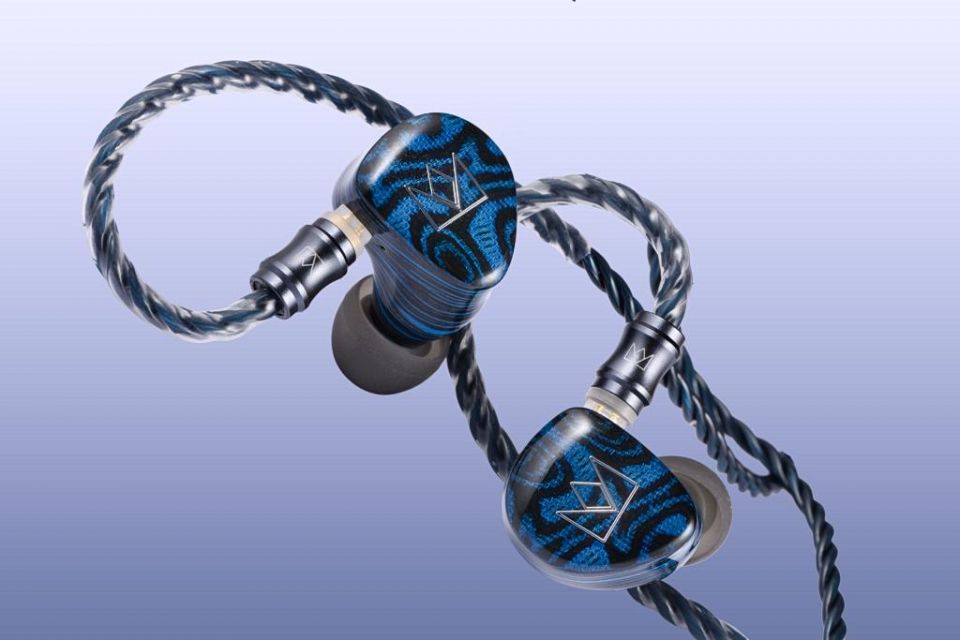
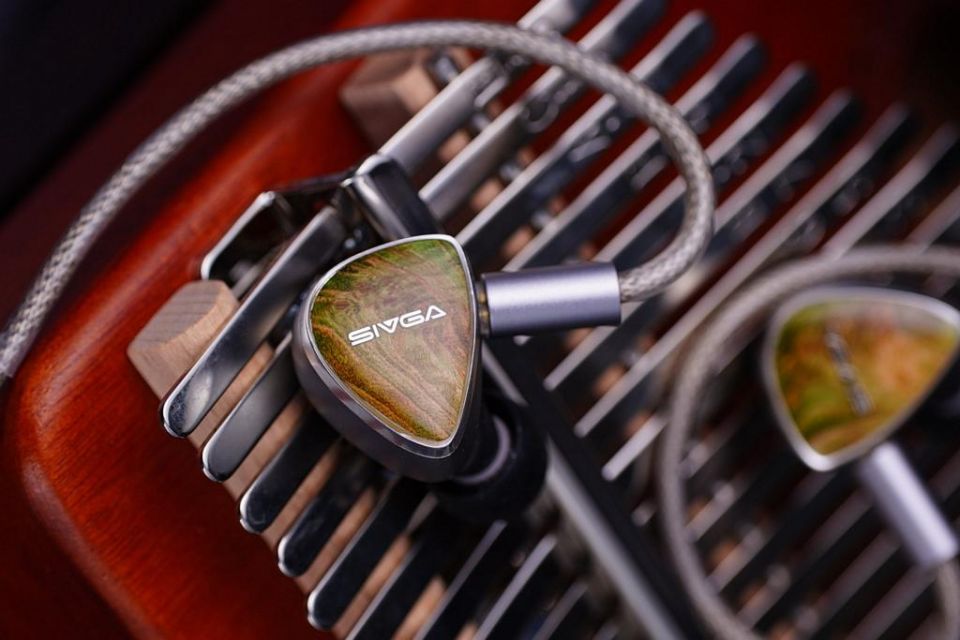
Sivga has built much of its reputation on combining relatively affordable pricing with materials and construction techniques more often associated with considerably more expensive headphones. Wood has played a particularly important role in that formula, appearing across many of the company's over-ear models and increasingly in its earphones as well. The new Lyrebird follows the same philosophy but approaches the acoustic side rather differently - instead of relying on a single transducer, Sivga has squeezed four different driver technologies into each earpiece, creating one of the more technically ambitious IEMs in its price range. The model now joins a growing wired earphone lineup that also includes products such as the Nightingale Pro, Que UTG and SM100.

Noble Audio Iris

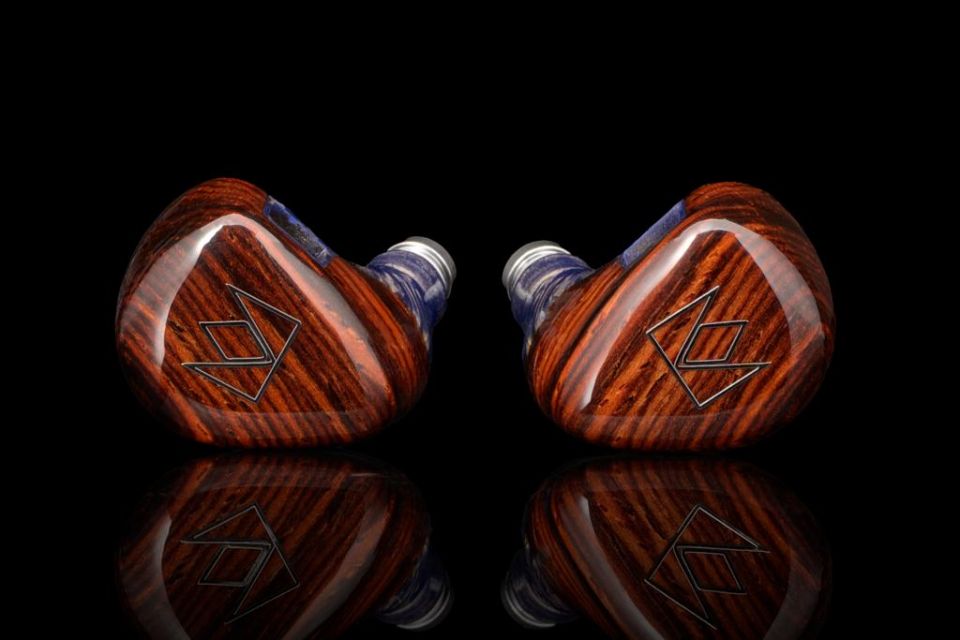
While much of the high-end IEM market seems determined to fit ever more drivers and technologies into increasingly elaborate shells, Noble Audio has decided to move in the opposite direction. Iris is a new universal in-ear monitor built around a single 10.2 mm dynamic driver, with the entire acoustic architecture developed to make that one transducer cover the full frequency range as coherently as possible. It is an interesting change of pace for a company whose catalog contains plenty of ambitious multi-driver designs, and Noble makes the philosophy unusually clear - one driver, one vision. Rather than competing through sheer driver count, Iris focuses on simplicity, consistency and the particular qualities that have kept single dynamic driver earphones relevant despite increasingly complex alternatives.

Noble Audio Vanguard

At the same time that Noble Audio is stripping the formula back to a single dynamic driver with Iris, the company is taking a very different route at the more accessible end of its wired IEM range. Vanguard builds on the success of Knight, which Noble describes as the highest-selling IEM in its history, but replaces that model's dynamic, balanced-armature and piezoelectric combination with a new three-way hybrid architecture based around one dynamic driver and two custom balanced armatures. The idea is not simply to add another entry-level model to an already crowded category, but to create a more refined starting point for listeners who want the Noble sound without immediately moving into the company's considerably more expensive universal monitors.

From Wooden Prototypes to Global Recognition - The Story of Meze Audio

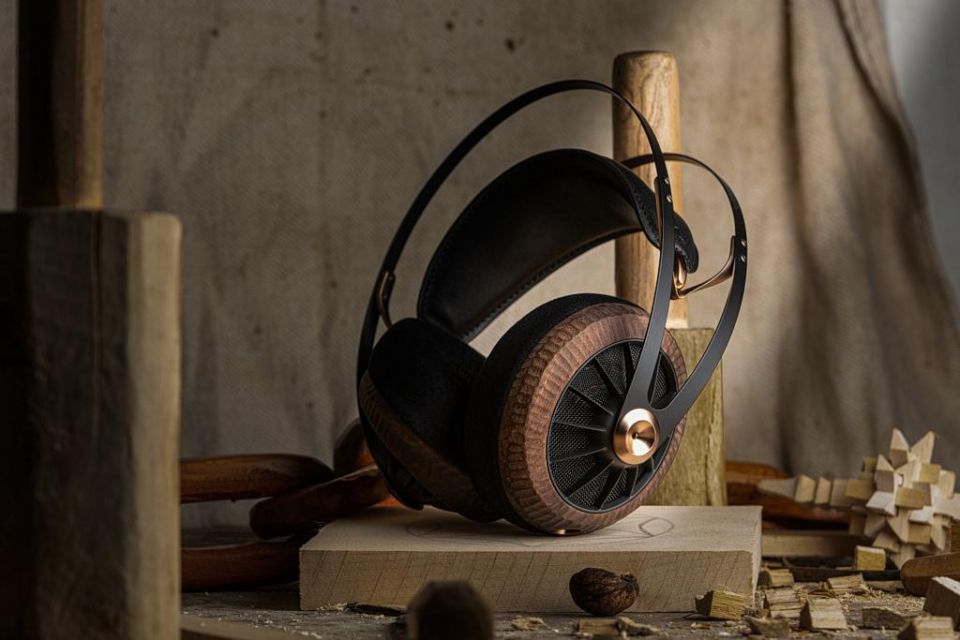
In the world of audio equipment, many legendary brands began with speakers assembled from off-the-shelf drivers, amplifiers soldered together on kitchen tables, or cables twisted by hand during live shows. With headphones, however, that kind of origin story seems far less plausible. This is a much more demanding field, one that has traditionally remained in the hands of major corporations - companies with their own laboratories, specialized machinery capable of manufacturing components to microscopic tolerances, and the financial resources needed to turn a prototype into a mass-produced product. Trying to recreate that process at home would appear doomed from the outset, unless we were talking about a place where technology spilled out of every corner, industrial facilities were within easy reach, the neighbors owned 3D printers, and the latest scientific expertise was available through a nearby technical university. Under those circumstances, perhaps something could be done. But what if you lived in a small city in northern Romania, close to the borders with Hungary and Ukraine, far from any major industrial center, with an education in the arts, no connections in the technology industry, and a very, very limited budget? That sounds like a recipe for failure. And yet it was under precisely those conditions that one of the most fascinating phenomena in the modern audio market was born. This is a story about how passion, determination, and a certain degree of stubbornness can make even the most improbable plan a reality. And about how, sometimes, despite everything and everyone standing in the way, it simply works.

MEE Audio Pebbles Air

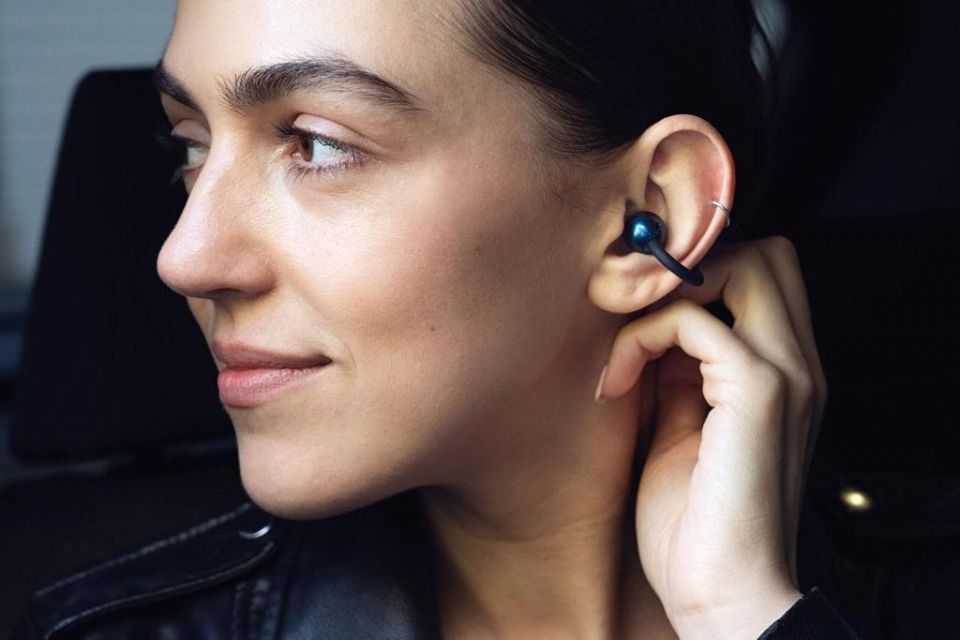
MEE Audio has introduced Pebbles Air, a pair of lightweight true wireless earbuds designed for people who do not want to choose between listening to music and staying aware of their surroundings. These are not classic in-ear monitors whose main purpose is to seal the ear canal, block out the street and put the listener inside a private bubble of sound. Pebbles Air take the opposite approach. They use an open-ear design that sits gently against the ear without blocking the ear canal, allowing the user to listen to music, follow a podcast or take a call while still hearing what is happening around them - a cyclist approaching from behind, an announcement at the station, a colleague speaking nearby or the city that does not disappear just because a playlist has started.

Beyerdynamic DT 30 IE

Beyerdynamic has introduced the DT 30 IE, a new in-ear monitor aimed primarily at musicians, stage performers and users who need a compact, durable monitoring solution rather than a lifestyle earphone. The model arrives as a more accessible addition to the German brand's professional in-ear range, but its positioning is interesting because it does not divide users into narrow categories or instrument-specific profiles. Instead, Beyerdynamic presents the DT 30 IE as a broadly tuned monitor built around three practical requirements that matter on stage - balanced sound, strong passive isolation and resistance to demanding working conditions.

Noble Audio Osprey

Noble Audio is expanding its true wireless range with Osprey, a new hybrid in-ear model positioned as the most accessible entry in the company's wireless lineup. Priced below the brand's more ambitious FoKus models, Osprey has been designed to bring Noble's tuning approach, distinctive visual language and hybrid driver architecture to a wider group of listeners. The new model sits in an interesting place in Noble's catalog. It is not presented as a simplified lifestyle earbud with the Noble name attached, but as a more approachable way into the company's true wireless family. The price is lower than Noble's upper-tier wireless products, but the core ingredients remain familiar - a hybrid driver layout, careful tuning, app support, modern Bluetooth implementation and a shell design that tries to look more individual than the anonymous forms often seen in this category.

Sivga M260

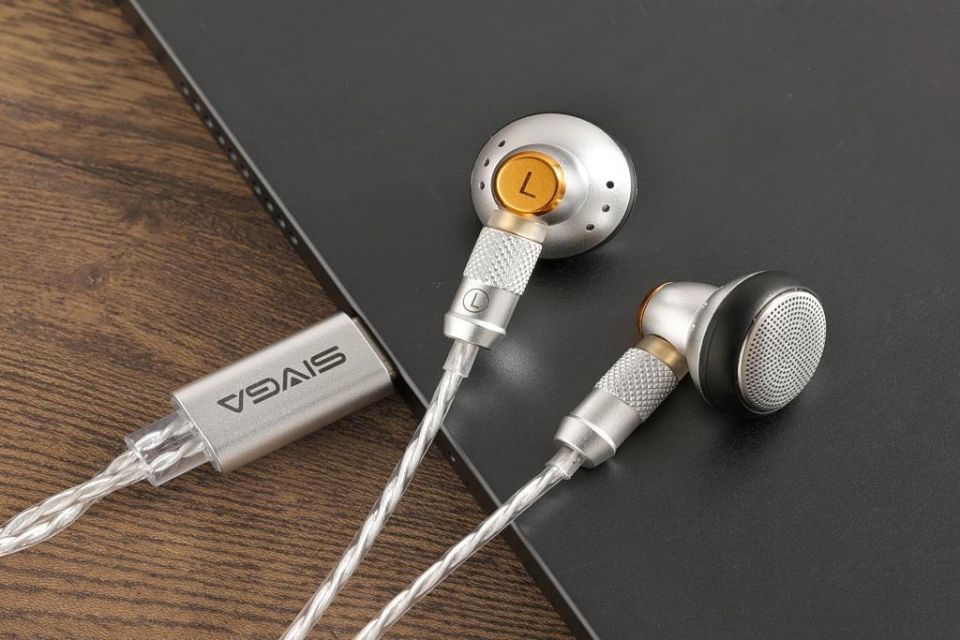
Wired earbuds have become a small counter-trend in a market dominated by true wireless models. For some users, the appeal is simple - no battery, no pairing, no latency, no codec confusion and no fear that the product will become useless once the cells wear out. Sivga's M260 fits neatly into that space. It is a retro-inspired hi-fi earbud designed for music, commuting, gaming and everyday use, combining a classic open earbud shape with a modern detachable cable system and an optional USB-C version with its own DAC and microphone.

Noble Audio Lu Ban

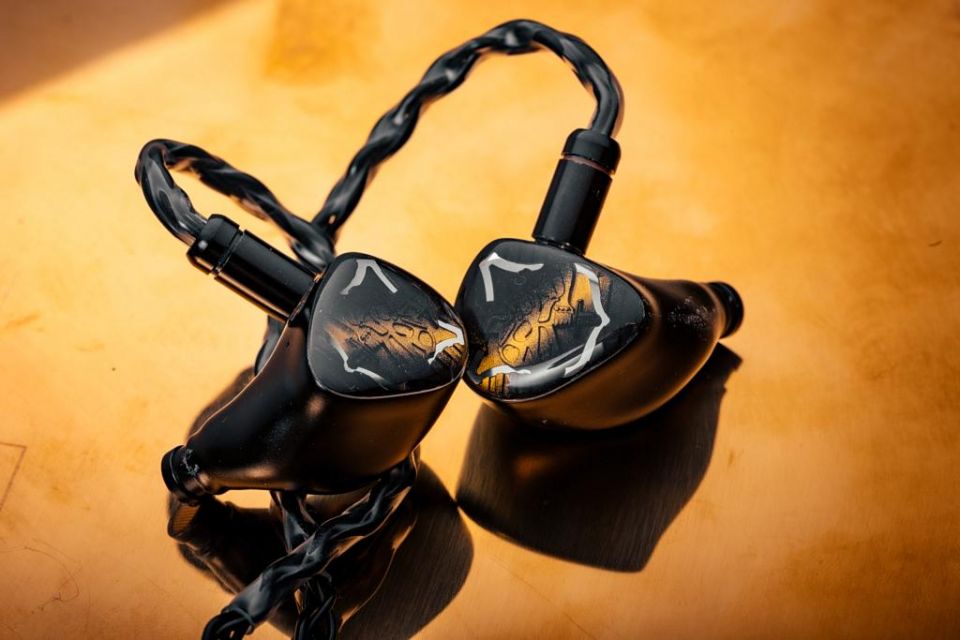
Noble Audio has introduced Lu Ban, a new statement hybrid in-ear monitor in its universal IEM lineup. The model combines a 10-mm wooden composite diaphragm dynamic driver with two newly developed Super-Magnetic planar drivers. The idea is not simply to add another multi-driver construction to Noble's catalog, but to combine natural diaphragm materials with a fast, technically capable magnetic driver system in a way that gives the earphones both physical weight and high-frequency precision. The name refers to Lu Ban, the legendary Chinese craftsman associated with precision, invention and mastery of materials. That reference is reflected both in the acoustic design and in the physical construction of the earphones.

JBL Live Beam 4, Live Buds 4 & Live Flex 4

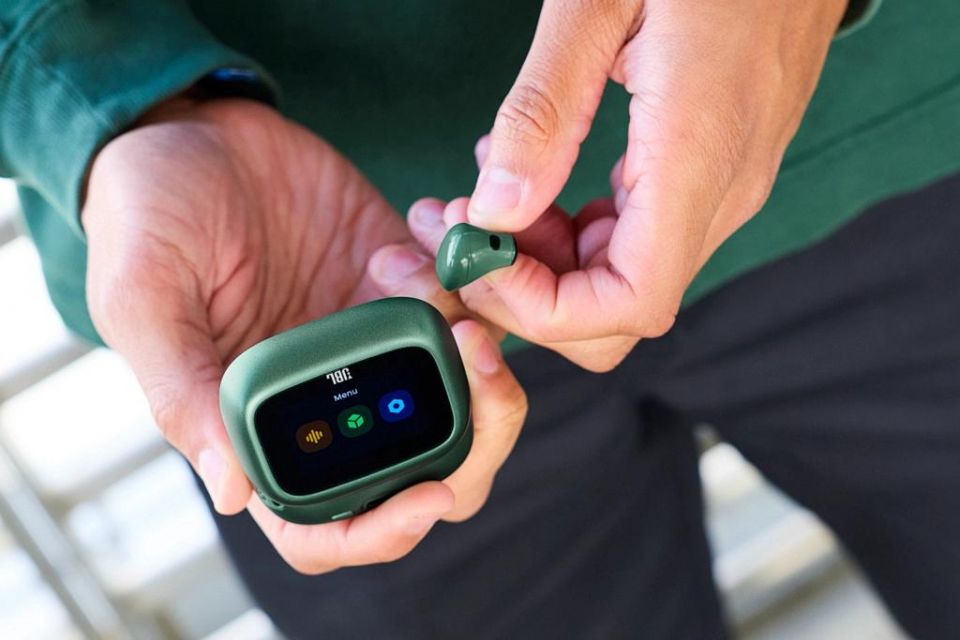
JBL is refreshing its Live series with three new true wireless models designed to reflect the different ways people use in-ear and open-fit earbuds in everyday life. The Live Beam 4, Live Buds 4 and Live Flex 4 all follow the same general direction - Hi-Res Audio Wireless, True Adaptive Noise Cancelling 2.0, JBL Spatial Sound, Bluetooth 6.0 and a new Smart Charging Case with a larger display. The differences between the three models are still significant, however, covering not only the shape of the earbuds, but also the type of fit, driver size, water and dust resistance, and battery life. As a result, the Live 4 series is not a set of three nearly identical products, but a small family of models aimed at users with different expectations - from those looking for maximum isolation, through fans of compact in-ear designs, to listeners who prefer a more open earbud construction.

We use cookies to improve our website and your experience when using it. To find out more about the cookies we use and how to delete them, please see our Privacy Policy.