
- News
- Posted
Schiit Vestri
Schiit Audio has built a large part of its reputation around one deceptively difficult idea - making serious audio products at prices that still feel almost stubbornly reasonable. The Vestri takes that philosophy into the headphone DAC/amp dongle category, a segment crowded with small devices that often look similar, use similar chipsets and compete mostly on specification lists. Schiit is entering that space with its usual mixture of simplicity, engineering stubbornness and a few features that separate Vestri from the portable DAC/amp formula.
The name follows Schiit's familiar mythological habit. Vestri is named after one of the Norse dwarfs said to have held up the sky, and although the product itself is obviously small, the symbolism fits the idea of a compact device asked to carry a fairly serious load. Schiit has made small DAC/amp products before, but Vestri is the company's first real move into the ultra-portable dongle format.
"Vestri is the only dongle that matters" is how Schiit co-founder Jason Stoddard jokingly described it, before adding that the line is "beyond cheeky" but contains "a grain of truth" in a market full of similar-looking products using the same off-the-shelf technology. That is also the central point of the device. Vestri is not trying to win attention with a tiny OLED display, an oversized feature list or a dramatic case shape. Instead, Schiit is leaning on its own digital and USB technology, a clean interface and American assembly.
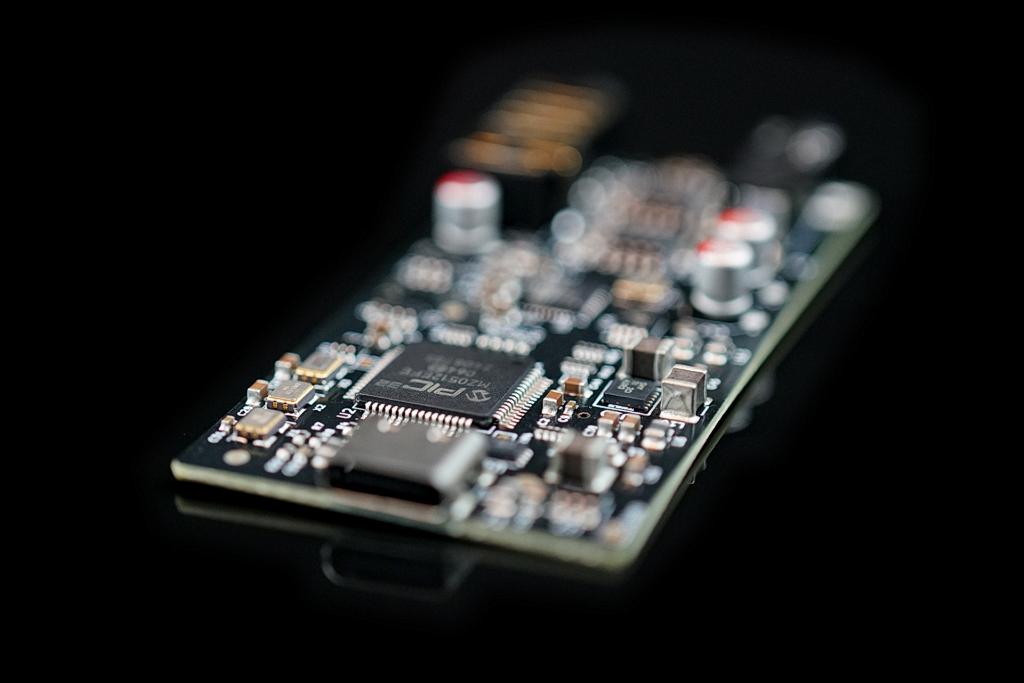
At the heart of Vestri is Schiit's Unison USB receiver, designed to make the dongle work easily with modern phones, tablets, computers and streamers. D/A conversion is handled by the company's Mesh architecture, described as a combination of a time- and frequency-domain optimized digital filter with a standard delta-sigma modulator, in this case based around an ES9018. Vestri supports standard CD-quality files as well as high-resolution PCM up to 32-bit/192 kHz, which is more than enough for the intended use case and shows that Schiit is not chasing extreme format numbers simply for marketing effect.
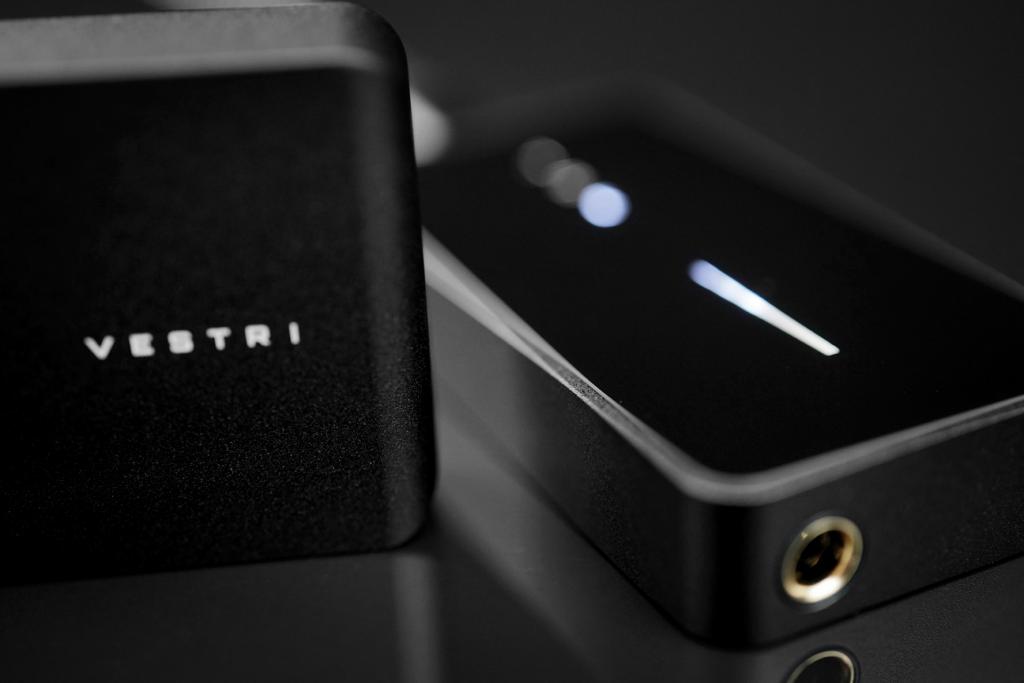
The output section is the part of the specification that matters most in everyday use. Vestri includes both a 4.4-mm balanced headphone output and a 1/8-inch single-ended output, so it can work with modern balanced portable cables as well as conventional mini-jack headphones and IEMs. The balanced output is the one to use when more headroom is needed, particularly with full-size dynamic headphones or less sensitive models. The single-ended output keeps the device compatible with standard cables and simpler portable setups, which will still be important for many users.
Power output is strong enough to make Vestri more than a phone-jack replacement. Through its balanced output, it should comfortably handle efficient IEMs, portable headphones and many conventional full-size designs, while the single-ended output remains practical for less demanding headphones and earphones. The output impedance is below 0.5 ohms, which is especially relevant for IEM users, because a very low output impedance helps preserve the intended tonal balance of sensitive multi-driver earphones rather than altering it through electrical interaction.
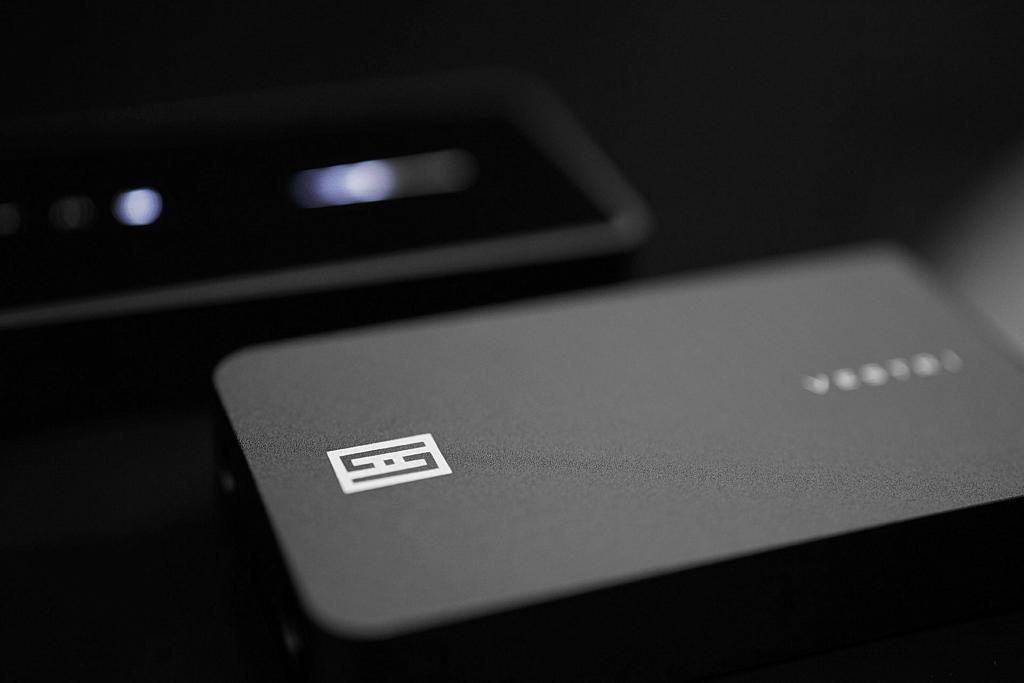
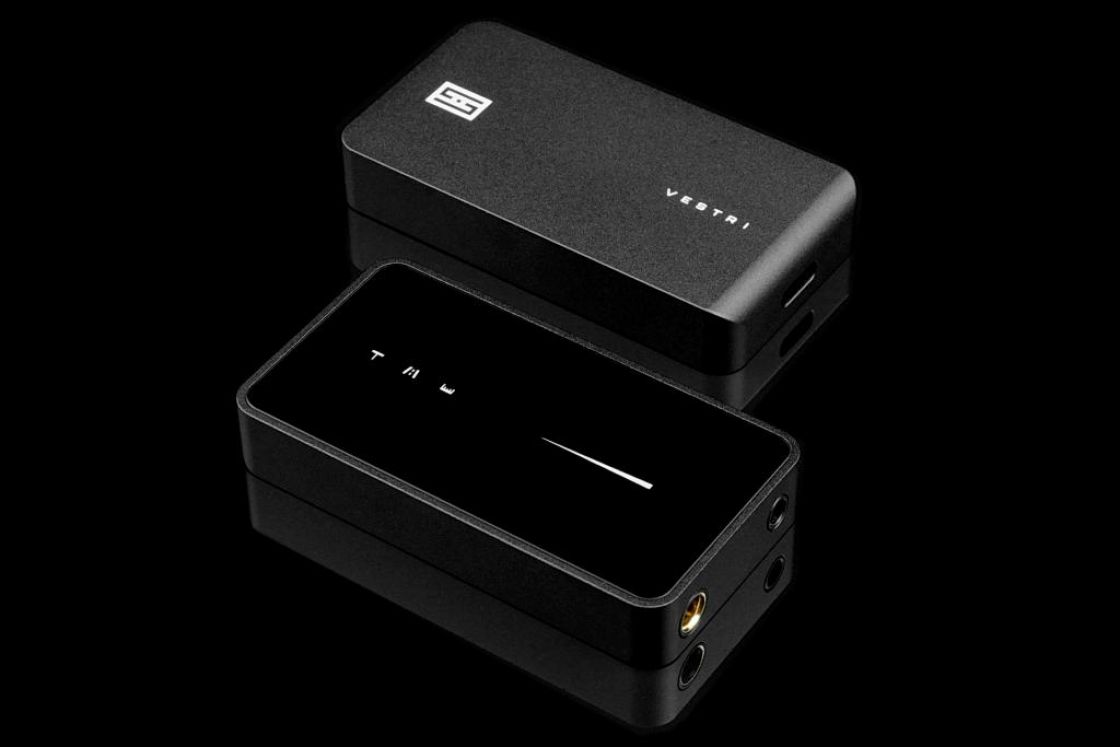
Schiit has also included controls that are more unusual in this class. Volume, NOS mode, invert and Loudness are available through capacitive touch controls under the glass front. The Loudness contour is a particularly Schiit-like addition. It gives users a way to add compensation at lower listening levels without going into a full app-based EQ system, while NOS and invert modes give more technically curious listeners extra ways to tailor playback.
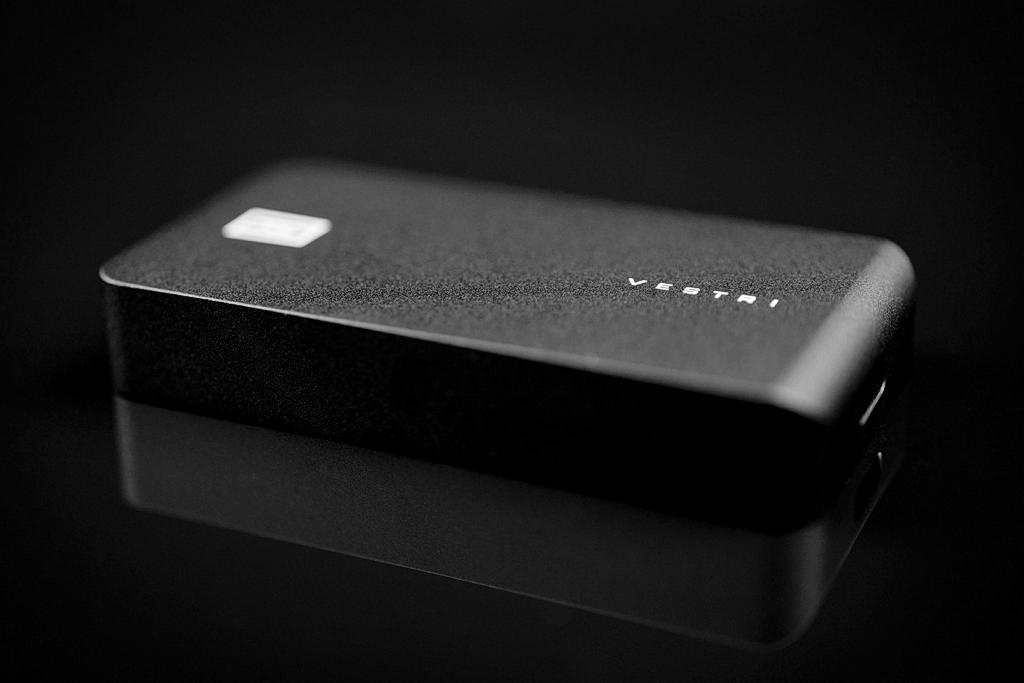
The physical design avoids a screen entirely. Vestri uses a seamless milled aluminum chassis with a glass front and embedded LEDs below the surface. Stoddard says the decision was deliberate, because screens can burn in and are treated by Schiit as a wear item. Instead, the company uses individual lighting LEDs run conservatively, a solution intended to last much longer than a small display. "No screens. Screens burn in and are a wear item. We want to design for the next generation, not the next sale." - said Stoddard.
The no-screen approach also fits the product's size and purpose. Vestri is small enough for portable use, but substantial enough to feel more like a miniature component than a disposable accessory. Schiit notes that the unit may get slightly warm in operation, which is not surprising for a USB-powered DAC/amp with this level of output capability.
The measured performance is best treated as confirmation of the engineering approach rather than a list of numbers to impress on paper. Vestri is specified as effectively flat across the audible band, with very low noise and distortion, which is exactly what matters in a small DAC/amp designed for both IEMs and full-size headphones. More practically, the combination of a quiet output stage, low output impedance and stronger balanced connection suggests that the device should be able to move between sensitive earphones and more traditional headphones without obvious hiss, tonal shifts or a lack of usable volume.
Vestri is also made in the USA on Schiit Audio's own SMD assembly line in Corpus Christi, Texas. In a category dominated by low-cost portable products manufactured overseas, that is a significant part of the story. Schiit has long used domestic manufacturing as a central part of its identity, and Vestri shows that the company is not abandoning that approach even for a very affordable dongle. The Schiit Vestri is available now for $99 and comes with balanced and single-ended headphone outputs, Unison USB, Mesh D/A conversion, touch controls, Loudness, NOS and invert modes, and a two-year warranty. Info and photos by Schiit Audio.