
- News
- Posted
JPLAY Brings New Features in Major App Update
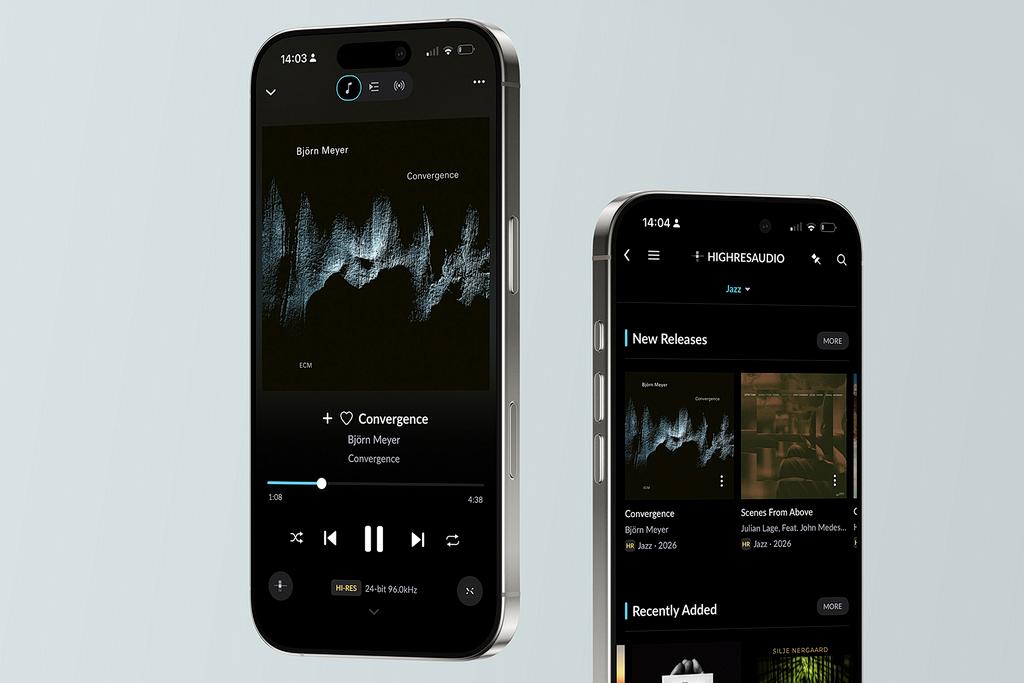
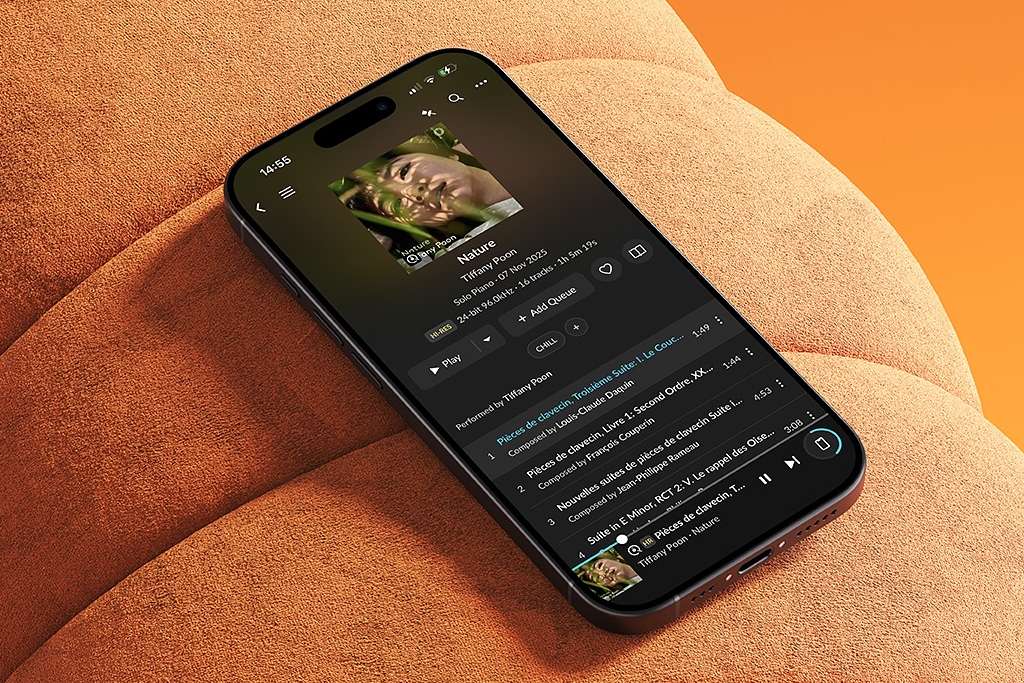
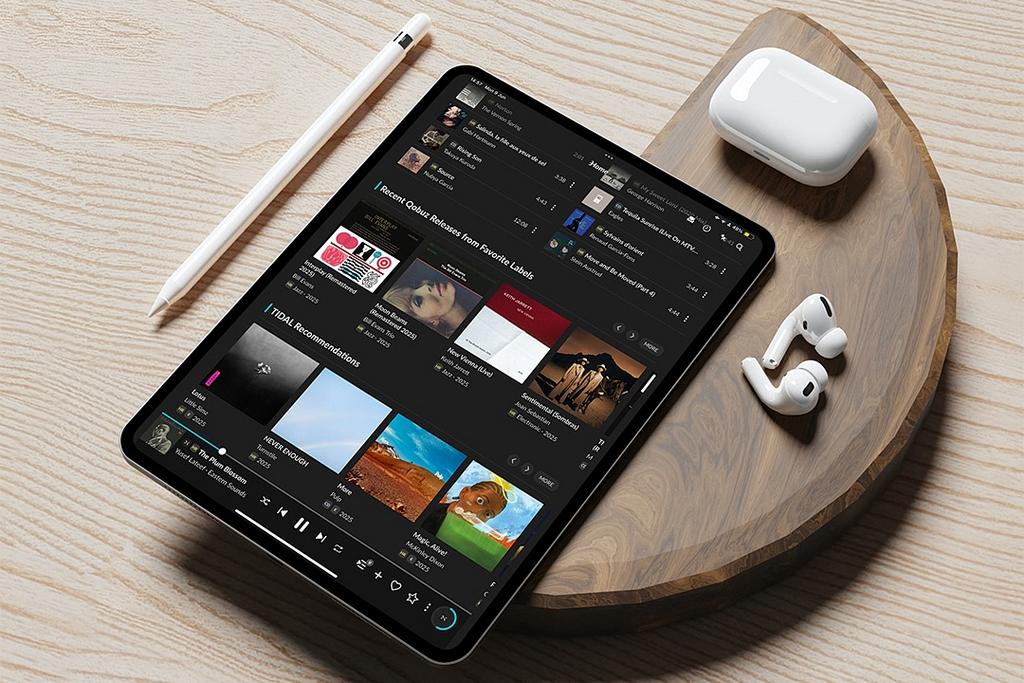
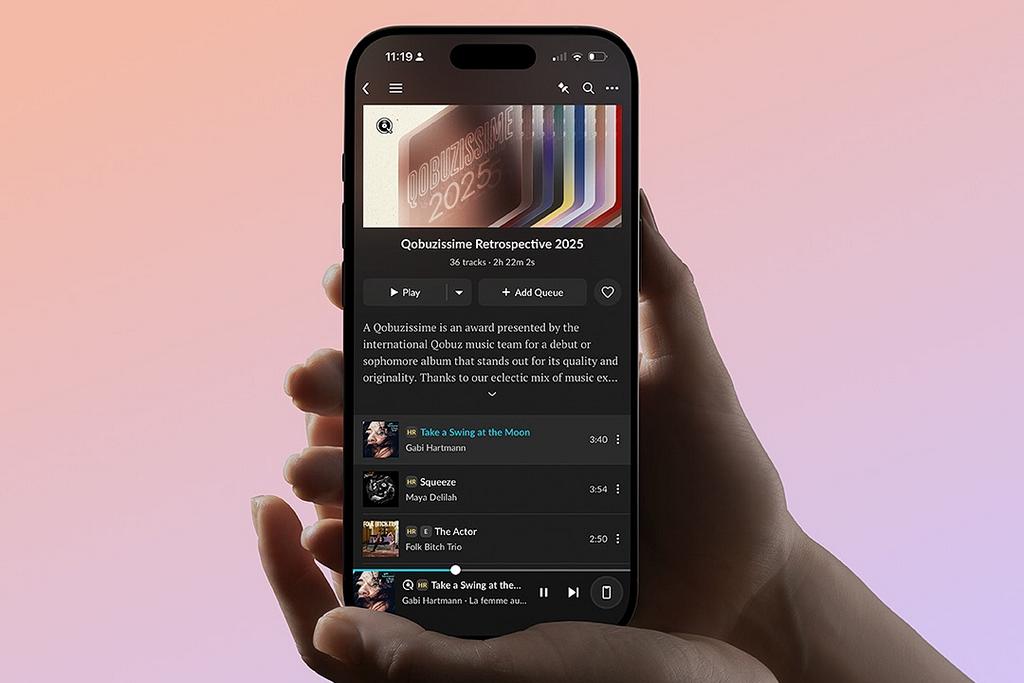
JPLAY has received a major update that expands the app with one of the most requested features in its recent history - full support for the HQPlayer library. For hi-fi users, this may be a more significant change than a simple feature list would suggest, because JPLAY has never positioned itself as just another app for playing music. From the beginning, it has functioned as a specialized control center for listeners using streamers, network DACs, services such as Qobuz, Tidal and HighResAudio, and local UPnP libraries. Now it adds the ability to browse and control an HQPlayer library directly from within JPLAY, alongside dynamic Smart Playlists, a completely new History screen with a calendar view and several refinements based on community feedback. The update is available in the latest version of the app as a free upgrade for existing users through the App Store.
JPLAY is a hi-fi app designed for music lovers and audiophiles who want to control their music from one place, without the need for an additional core and without complicated setup. The app can connect to almost any streamer or network DAC on the market, integrates Qobuz, Tidal, HighResAudio, HQPlayer and local files shared by UPnP servers, and allows users either to combine all their music in a single library or access individual sources separately. An important part of JPLAY's philosophy is native iOS development, speed, responsiveness and a reduction in network traffic between the app and the audio endpoint. According to the developers, this is intended not only to improve day-to-day usability, but also to reduce network noise and support better sound quality. The app is available for iPhone, iPad and Macs with Apple Silicon processors.
The central new feature is full integration with the HQPlayer library. Users running HQPlayer Embedded or HQPlayer Desktop can now browse, control and play their library directly from JPLAY, combining the app's refined audiophile interface with HQPlayer's upsampling and DSP capabilities. This is especially relevant for listeners who use HQPlayer as an advanced element of their digital playback chain, but until now needed separate solutions for library control. The new integration removes the need for a separate local UPnP server for HQPlayer users and brings their library into the JPLAY environment while preserving the fast, elegant browsing experience for which the app is known.
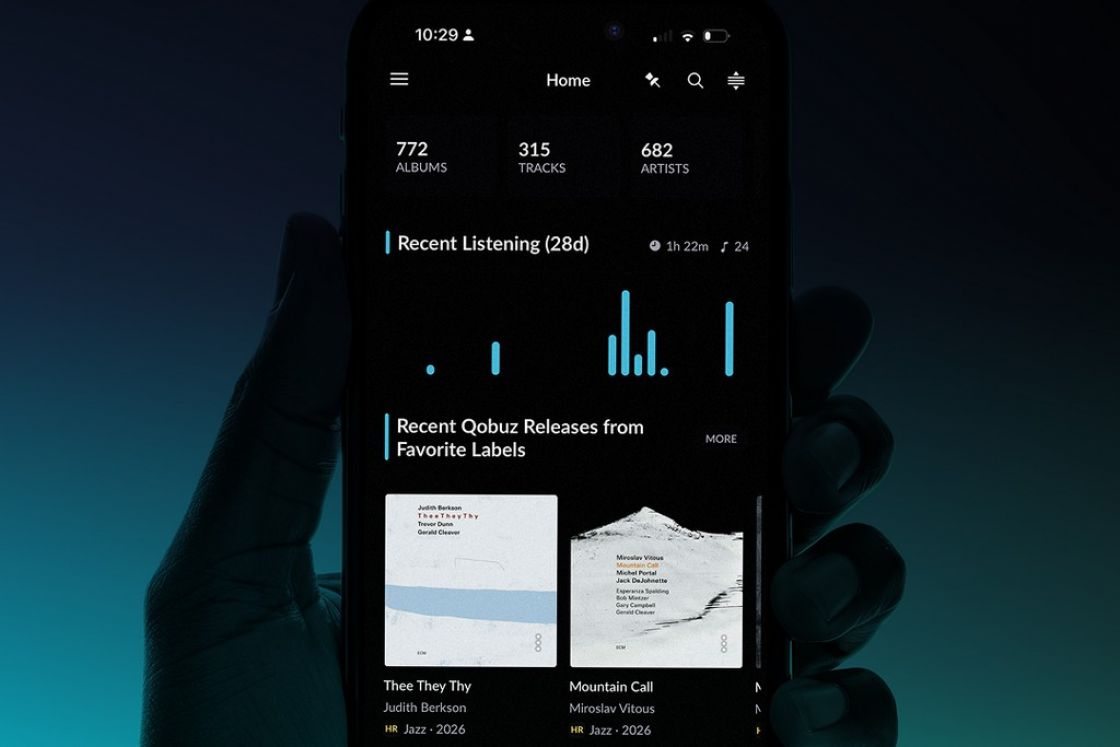
The second major change is the new History screen, which organizes information about previously played music. Tracks are grouped by day, while a calendar view shows listening activity in a more visual way, with days of longer listening sessions appearing as brighter points in the calendar grid. This allows users to return easily to periods when they were listening most actively, without manually searching through the library, playback history or individual albums. The History screen is available from the side menu, but it also appears on the home screen through a new Recent Listening widget. In practice, this is a useful feature for listeners who often return to recently discovered albums, test new releases, compare different versions of recordings or simply want to find something they played a few days earlier.
Smart Playlists are another important addition. These are dynamic playlists created automatically from filters defined by the user. They can take into account library, genre, audio quality, year and other criteria, allowing sets of music to be built without manually adding individual tracks. This is useful when the listener does not have a specific playlist prepared, but knows roughly what they want to hear - for example recordings from a particular period, albums in a certain quality or music from a chosen genre. In an app designed for deliberate listening and work with large libraries, this kind of automation can be more than a convenience feature. It can help users rediscover their own collections and reach material suited to a particular mood, system or listening session more quickly.
JPLAY's developers also point to features aimed at more demanding users, including folder view, display of the quality and source of the music being played, fast contextual search and intelligent radio for discovering new recordings. The app is also developed alongside the JPLAY Certified program, in which selected audio devices are tested for stability, compatibility and performance with the JPLAY app. The new version of JPLAY is available now in the App Store as a free update for existing users. The app is offered through a subscription model, with a one-time Lifetime license also available. The yearly JPLAY Premium subscription is listed at $49/€49, while JPLAY Lifetime is priced at $199/€199. New users can try the app free for 14 days. Info and photos by JPLAY.