Displaying items by tag: stereo - StereoLife Magazine

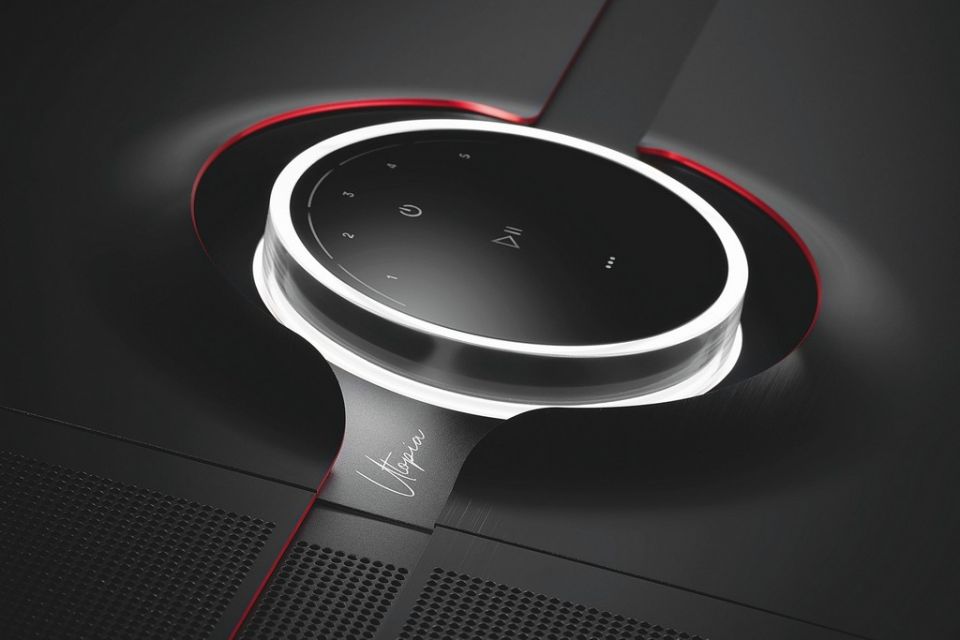
Naim Muso Utopia

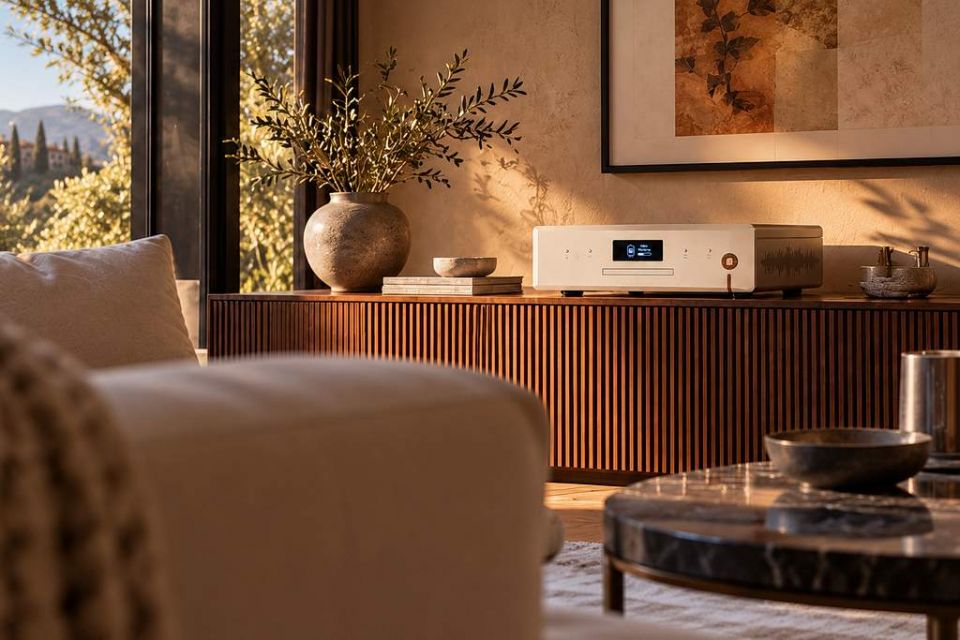
In the world of high-end audio, there has always been a fairly clear division of labor. If you want to listen to music seriously, you buy an amplifier, a network player, and a decent pair of speakers. If movie sound is the priority, you put together a home theater system with an AV receiver, a subwoofer, and speakers dotted around the couch. And if convenience, good looks, and a minimum of boxes matter more than anything else, you buy a soundbar or a wireless speaker and accept that you're making a compromise on sound quality. Or at least that's how the thinking went for years. The trouble is, audio manufacturers seem to have stopped playing by those rules. Increasingly, they're offering products that refuse to stay in their designated categories, promising to take the place of several components in a home entertainment system. Most of the time, the promise is more impressive than the result. It's easy enough to give a soundbar streaming capabilities or add an HDMI socket to a Bluetooth speaker. Getting that same box to sound like a proper stereo system is another matter entirely. Occasionally, though, engineers approach the challenge with rather more ambition. They're not content to assume that powerful bass, clear dialogue, and the ability to stream a playlist from a phone are all anyone could possibly want. That's when things get interesting, and even die-hard audiophiles may find themselves questioning a few long-held beliefs. Suddenly, we have compact wireless speakers that can hold their own against imposing floorstanders, or a beautiful amplifier slim enough to hang on a wall that can embarrass high-end integrated amps and 100-pound power amplifiers. Could the new Naim Muso Utopia be another of these rule-breakers?

Audio Video Show Warsaw 2026

Had we told international hi-fi enthusiasts fifteen or twenty years ago that one of the world's largest and most important audio shows would one day take place in Warsaw, many would probably have found it hard to believe. Back then, Poland was hardly known as a major market for luxury audio equipment, and the country's own hi-fi manufacturers were only beginning to establish themselves internationally. Yet Audio Video Show, whose history dates back to the 1990s, kept growing almost without interruption, attracting an ever-increasing number of manufacturers, distributors, journalists, and music lovers. What began as a relatively small exhibition in the rooms of a Warsaw hotel has evolved into an event that can hold its own against the biggest audio shows anywhere in the world. The 28th edition occupied no fewer than 196 demonstration rooms across three venues - the PGE Narodowy stadium and the Radisson Blu Sobieski and Golden Tulip hotels. Nearly 700 brands were represented, and more than fifteen thousand people attended. Perhaps even more impressive is the fact that all of this happened over just three days, October 23-25, 2026.

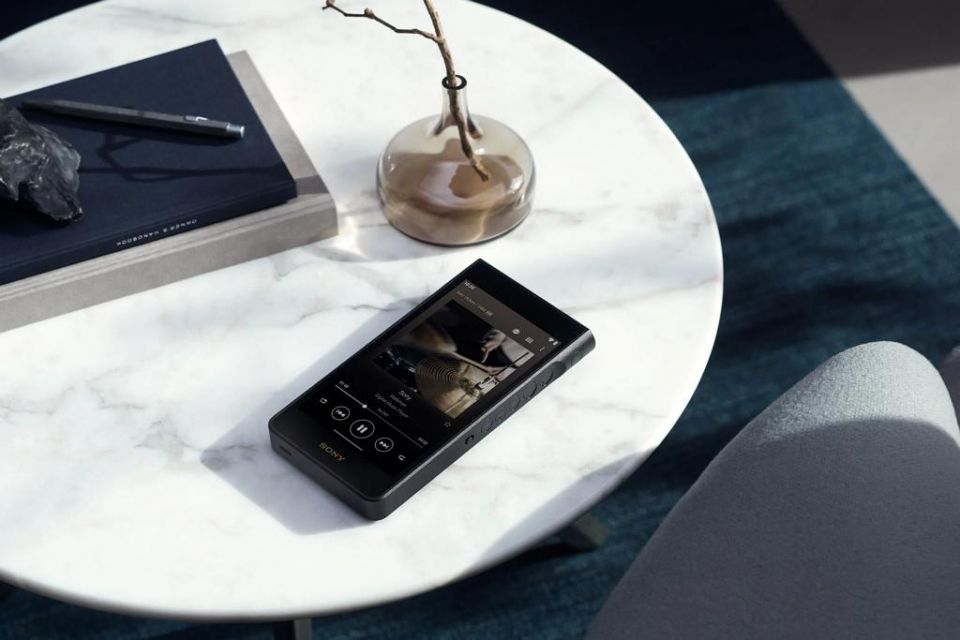
Sony NW-WM1ZM3 i NW-WM1AM3

If there's one thing Sony has demonstrated over the years, it's that the Walkman is remarkably difficult to kill. The original portable cassette player changed the way people listened to music, turning what had previously been a largely stationary activity into something they could enjoy almost anywhere. Back then, the priorities were fairly straightforward: reasonable sound quality, compact dimensions, long battery life, and enough room in your bag for a few favorite tapes. Nearly half a century later, the world looks very different. For most people, a smartphone and a pair of wireless earbuds provide everything they could possibly need, with millions of recordings available at the touch of a screen. Yet Sony continues to develop dedicated portable music players, including some that cost more than an entire high-end stereo system. The latest examples are the NW-WM1ZM3 and NW-WM1AM3, two new members of the company's prestigious Signature Series. Both feature upgraded S-Master HX digital amplifiers, extensively redesigned power supplies, sophisticated noise-reduction measures, and larger 5.5-inch touchscreens. They also support high-resolution audio, modern streaming services, and advanced signal processing. But their real purpose is something rather more specific: to convince demanding listeners that a dedicated music player can still offer something a smartphone cannot.

iFi Audio iCAN Phantom 1.5

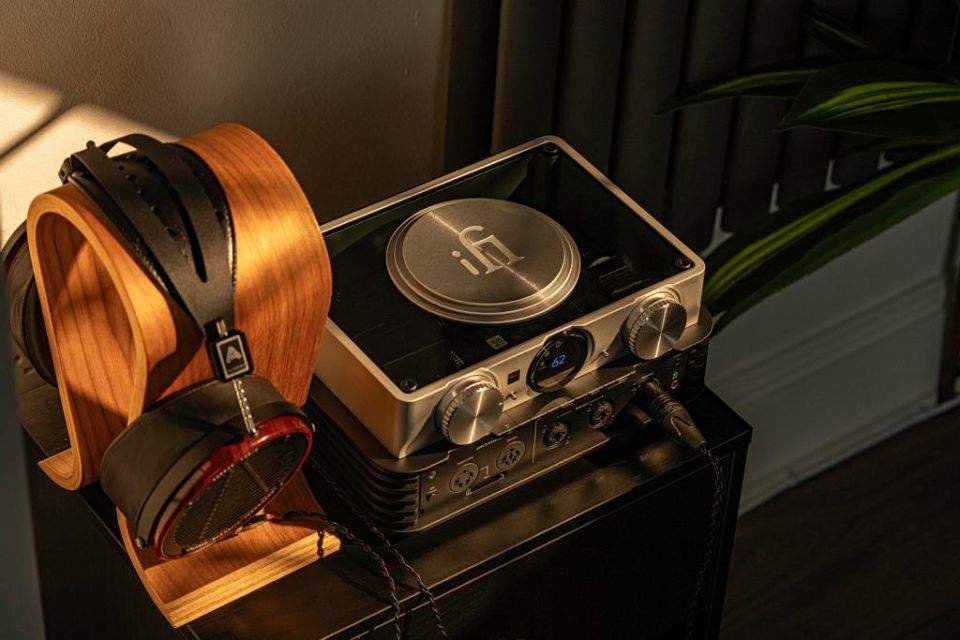
Building a serious headphone collection can get complicated remarkably quickly. A pair of sensitive in-ear monitors might work beautifully with a small portable DAC, but plug them into a powerful desktop amplifier and suddenly there's audible hiss in the background. Planar magnetic headphones present a different challenge, often demanding considerably more current than their size would suggest. And if you decide to explore electrostatic headphones, you're entering another world altogether, complete with specialized amplification and high-voltage requirements. Before long, what started as a relatively simple listening setup can turn into a collection of amplifiers, power supplies, and cables, each serving a slightly different purpose. iFi Audio believes there's a better way. Its new iCAN Phantom 1.5 is an updated version of the company's flagship analog headphone amplifier and preamplifier, designed to accommodate practically every type of headphone from a single chassis. The original iCAN Phantom arrived in 2023 as the successor to the Pro iCAN Signature, bringing together several technologies that would normally require separate components. The 1.5 edition doesn't reinvent that concept, but introduces a series of refinements aimed at making this exceptionally versatile amplifier easier to configure, operate, and live with.

QED Performance

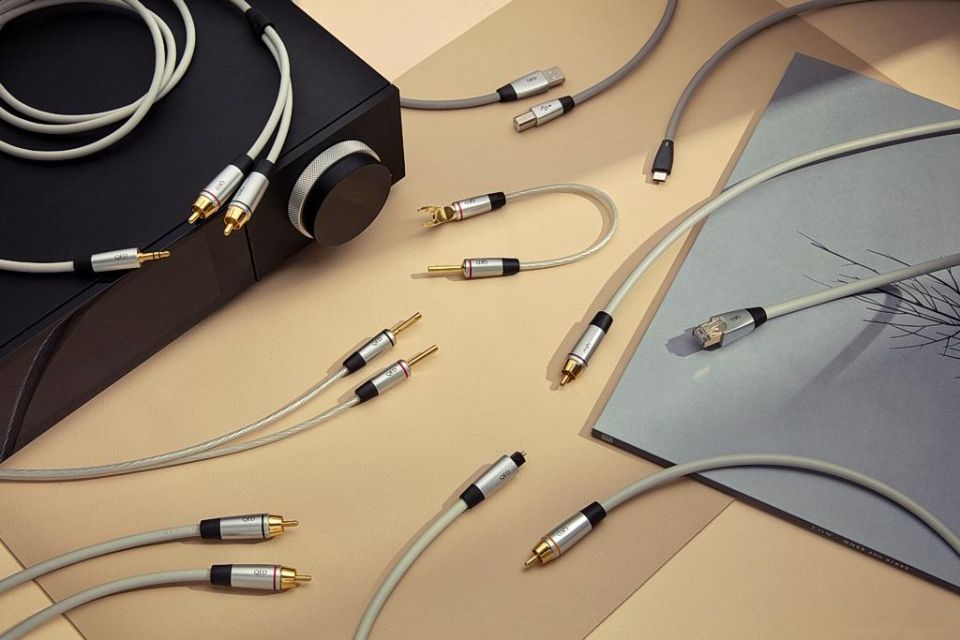
There was a time when connecting a hi-fi system was a fairly straightforward business. You needed a pair of speaker cables, an interconnect between your source and amplifier, and perhaps a few additional wires if you happened to own a particularly elaborate setup. These days, things are rather different. A typical system might include a streamer connected through Ethernet, a DAC receiving music over USB, an optical connection to the television, a coaxial digital transport, an active subwoofer, and perhaps even a good old 3.5 mm headphone jack, which has somehow survived repeated predictions of its imminent extinction. With so many different connections to consider, buying the right cables can become almost as complicated as choosing the equipment itself. British cable specialist QED is hoping to make things a little easier with a comprehensive overhaul of its popular Performance series. The refreshed lineup now consists of 13 models covering practically every common analog and digital connection found in modern audio and home theater systems. The biggest additions are an entirely new speaker cable, matching bi-wire links, and four USB cable configurations, bringing the range up to date with the increasingly diverse ways people listen to music.

JBL Quantum 520

Gaming headsets have come a long way from the days when their main selling points were oversized earcups, an enormous microphone, and enough colored LEDs to illuminate an entire room. These days, manufacturers are paying considerably more attention to sound quality, spatial accuracy, wireless performance, and the ability to use the same headphones for activities other than gaming. JBL has been particularly active in this area, gradually expanding its Quantum series with models aimed at different types of players and budgets. The latest addition is the Quantum 520, a full-size wireless gaming headset that combines 50 mm dynamic drivers, JBL Quantum Spatial Sound, a detachable directional microphone, and three connection options. Users can choose between low-latency 2.4 GHz wireless transmission, Bluetooth 5.4, and wired USB-C audio, making the Quantum 520 suitable for everything from competitive gaming to listening to music on a smartphone. Hi-Res Audio support, extensive customization through JBL QuantumENGINE, and up to 37 hours of battery life complete a surprisingly versatile package.

Unison Research Unico DS

Unison Research has always been associated with vacuum tubes, elegant Italian craftsmanship, and a certain old-school approach to music reproduction. Yet the company has never been particularly interested in treating tradition and technological progress as opposing forces. Its latest creation, the Unico DS, is perhaps the clearest expression of that philosophy to date. This flagship digital source combines a network streamer, CD transport, and sophisticated DAC with a fully balanced, Class A tube output stage. At its heart are an ESS SABRE ES9038Q2M converter, advanced digital signal processing, and a proprietary technology called F.D.F. (Frequency-Dependent Feedback). Rather than producing yet another streamer whose main selling point is a slick smartphone app, Unison Research has set out to build a serious source component for high-end stereo systems. The idea is to bring together the precision, transparency, and dynamic capabilities of modern digital audio with the natural presentation and tonal richness that have long defined the company's tube amplifiers.

Technics EAH-A1000

Developing a successful pair of wireless headphones is one thing. Taking technology originally designed for tiny in-ear monitors and adapting it to a full-size over-ear model is something else entirely. That's precisely what Technics has done with the EAH-A1000, its new flagship wireless headphones and the long-awaited successor to the EAH-A800. Rather than simply updating the styling, improving noise cancellation, and adding a few features to keep up with the competition, the Japanese manufacturer has gone back to the drawing board. The centerpiece is an entirely new 40 mm Magnetic Fluid Driver, incorporating technology previously used in the company's EAH-TZ700 in-ear monitors and EAH-AZ100 wireless earbuds. The driver combines magnetic fluid stabilization with a carbon fiber diaphragm and a suspension design derived from Technics' high-end loudspeakers. Add adaptive active noise cancellation, advanced spatial audio capabilities, three-device Bluetooth multipoint, and a completely redesigned headband, and the result looks like a considerably more ambitious product than a conventional generational update.

Marantz MCR 60n

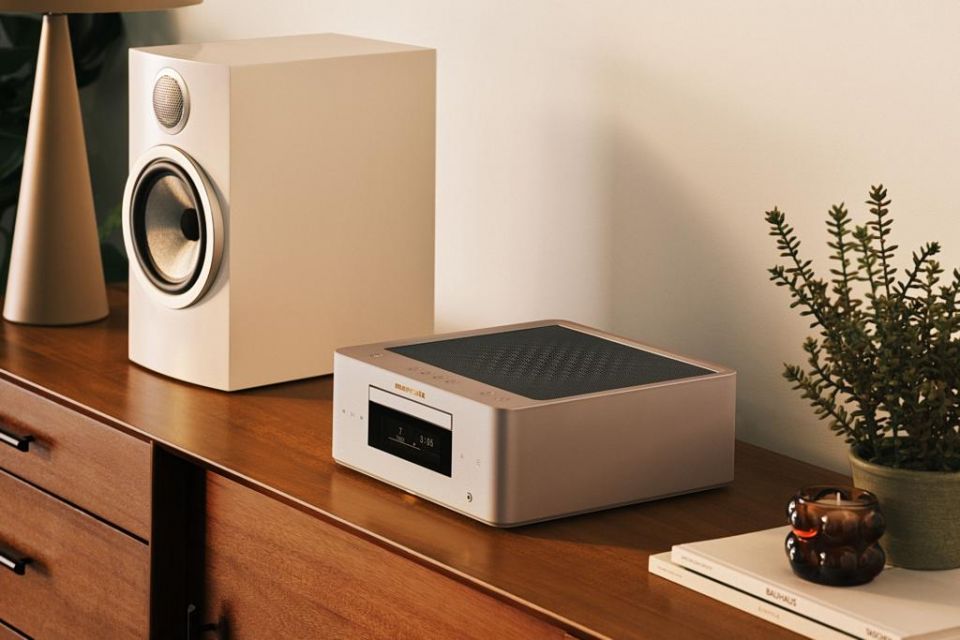
There's something rather appealing about a hi-fi system that doesn't demand an entire equipment rack, half a dozen power outlets, and a weekend spent figuring out which cable goes where. Compact all-in-one systems have been part of Marantz's catalog for years, but the Japanese manufacturer has never treated them as little more than glorified mini stereos destined for a bedroom shelf. The Melody X M-CR612 was a perfect example. Despite its modest dimensions, it combined a CD player, radio tuner, HEOS streaming platform, and an unusual four-channel amplifier that could drive two pairs of speakers or operate in a bi-amping configuration. It remained on the market for years, becoming something of a favorite among listeners who wanted proper hi-fi functionality without the usual collection of separate components. Replacing it was never going to be easy. With the new MCR 60n DAB, Marantz has kept the things that made the Melody X so appealing while bringing almost everything else up to date. HDMI eARC, a dedicated phono input, a substantially upgraded streaming platform, and even optional Dirac Live room correction have joined the party. What was already a remarkably versatile little stereo system has become something considerably more ambitious.

Yamaha R200A

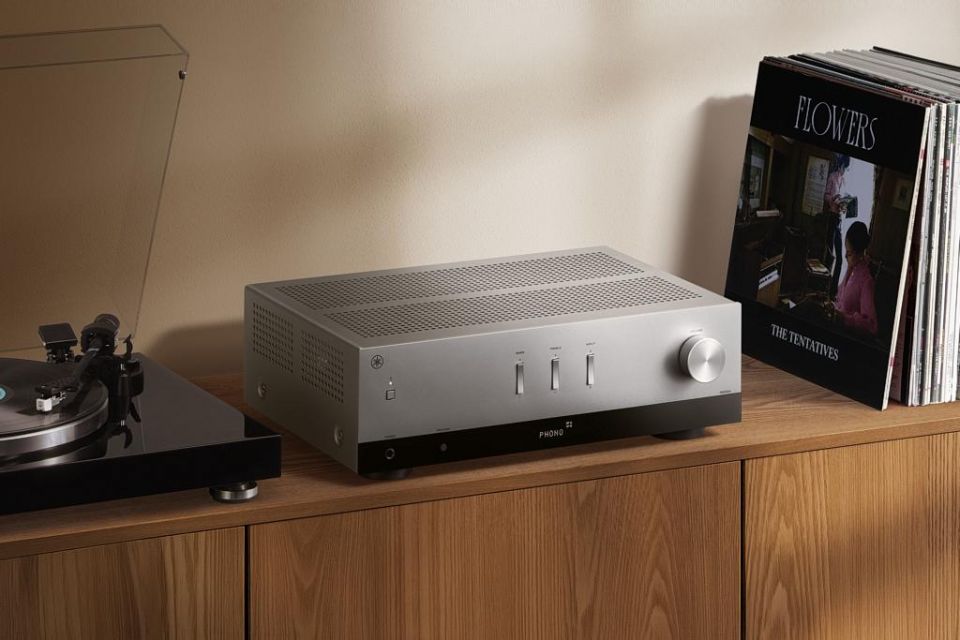
Not every stereo receiver needs to be a miniature computer. Over the past few years, even relatively inexpensive hi-fi components have acquired features that were once reserved for considerably more sophisticated equipment. Built-in streaming platforms, wireless networking, HDMI connections, music services, smartphone apps, and increasingly elaborate digital processing have become almost standard. There's nothing wrong with any of that, of course, but it does raise an interesting question. What if someone simply wants to build a conventional stereo system, connect a turntable or CD player, and listen to music without having to configure another device on their home network? Yamaha's new R200A is designed for precisely that kind of listener. It's a full-size, two-channel stereo receiver offering 100 watts per channel, a dedicated phono input, several analog connections, conventional radio tuners, and Bluetooth. There is no Wi-Fi, no MusicCast, no HDMI, and not a single digital audio input. Even the USB port on the rear panel is reserved exclusively for firmware updates. In other words, this is a stereo receiver in the traditional sense of the term: an integrated amplifier with a built-in radio tuner, intended to form the foundation of a straightforward hi-fi system.

We use cookies to improve our website and your experience when using it. To find out more about the cookies we use and how to delete them, please see our Privacy Policy.