Displaying items by tag: stereo - StereoLife Magazine

Denon DP-500BT

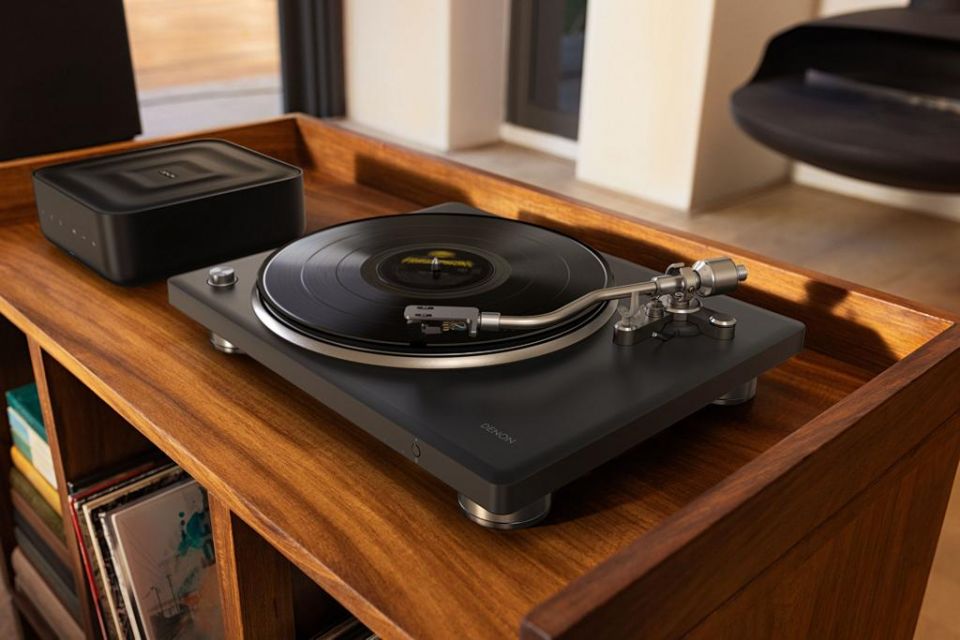
The vinyl revival shows no signs of slowing down, and audio manufacturers are increasingly looking for ways to combine traditional record playback with the conveniences we have come to expect from modern music systems. One of the simplest approaches is to equip a turntable with a Bluetooth transmitter, allowing listeners to enjoy their records without being tied to a conventional stereo setup. This is precisely the idea behind Denon's new DP-500BT. The latest addition to the Japanese company's turntable lineup is a semi-automatic, belt-driven design featuring an S-shaped tonearm, a factory-installed moving-magnet cartridge, and a built-in phono preamplifier. Its most distinctive additional feature, however, is the ability to transmit music wirelessly to compatible headphones, speakers, and other Bluetooth-enabled devices.
Fosi Audio S3, ZD3, ZH3 & PSU20

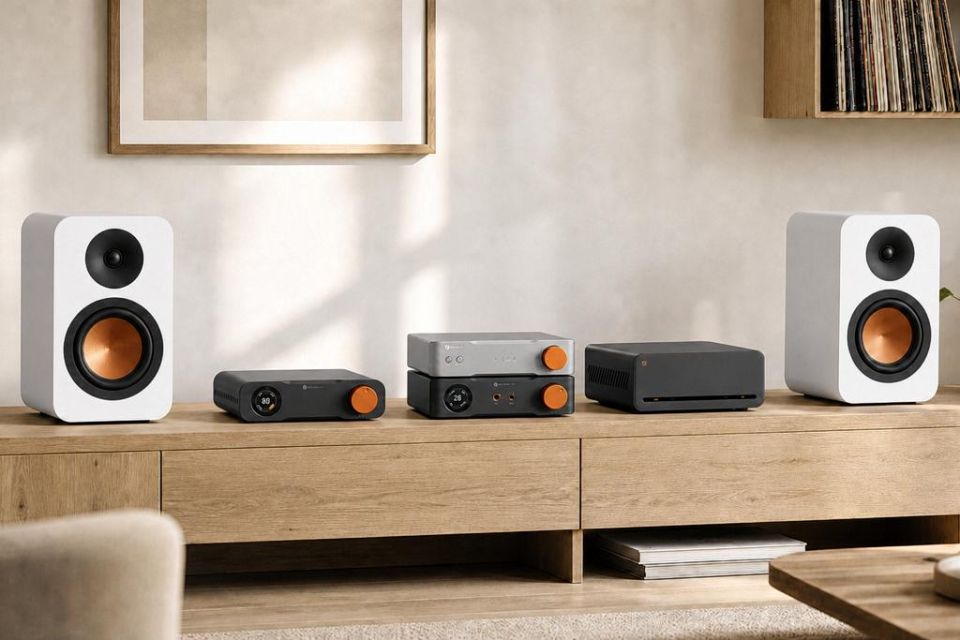
Fosi Audio started out making small, affordable amplifiers designed to deliver as much performance as possible for relatively little money, while occupying considerably less space on a desk or shelf than conventional hi-fi equipment. Over time, however, the Chinese company's portfolio has expanded well beyond that original concept. DACs, preamplifiers, monoblocks, headphone amplifiers, and, more recently, loudspeakers and a dedicated music streamer have all joined the lineup. Now, Fosi Audio is attempting to bring these developments together into something that can reasonably be described as a complete audio ecosystem. At its core are four components with similar dimensions and a consistent visual identity: the S3 network streamer, ZD3 digital-to-analog converter, ZH3 headphone amplifier, and PSU20 linear power supply. Each can operate independently, but all four have been designed with the idea that users can gradually assemble a more sophisticated system as their requirements evolve.

Harman Kardon Fit & Flow

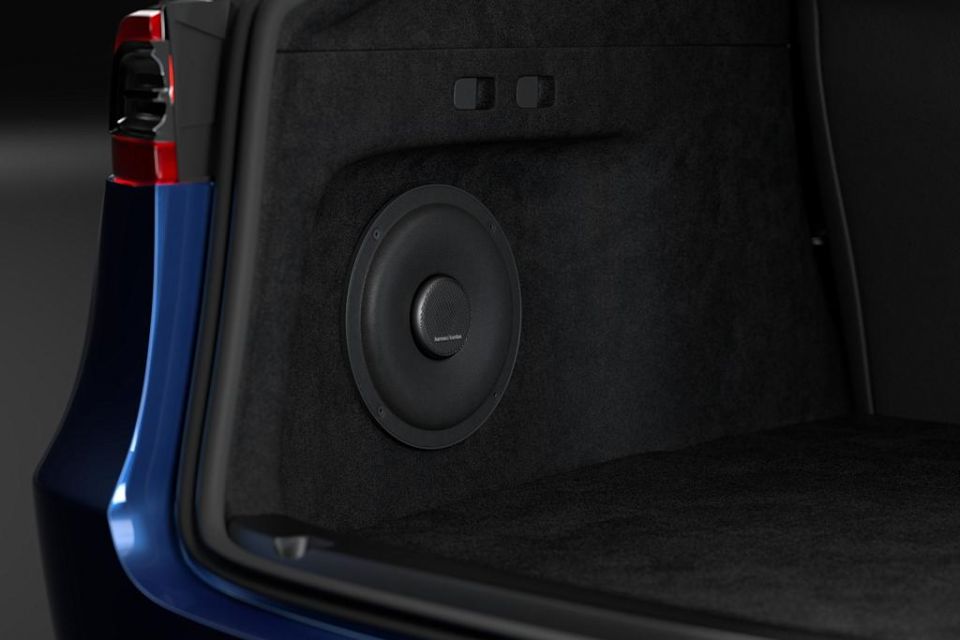
You don't have to be a hi-fi enthusiast to know Harman Kardon. In fact, there's a good chance you've encountered the brand without ever setting foot in an audio store. Its logo has adorned the speaker grilles of countless cars over the years, with BMW being perhaps the most recognizable example of a partnership that has lasted more than three decades. Harman Kardon systems can also be found in vehicles from Mini, Volvo, Subaru, Kia, Hyundai, and several brands belonging to the Stellantis group. For most drivers, however, getting that distinctive badge on their speaker grilles has traditionally involved one important decision: ordering the appropriate audio package when buying the car. Miss that opportunity, and upgrading the sound system usually meant turning to a completely different manufacturer. Harman Kardon is now making that choice a little less permanent. Its expanding aftermarket car audio lineup includes two speaker families, Fit and Flow, along with the compact Flow 80 and Feel 700 subwoofers. Together, they offer everything from relatively straightforward replacements for factory speakers to the components needed for a more ambitious custom installation.

Nothing Headphone (1) Pro

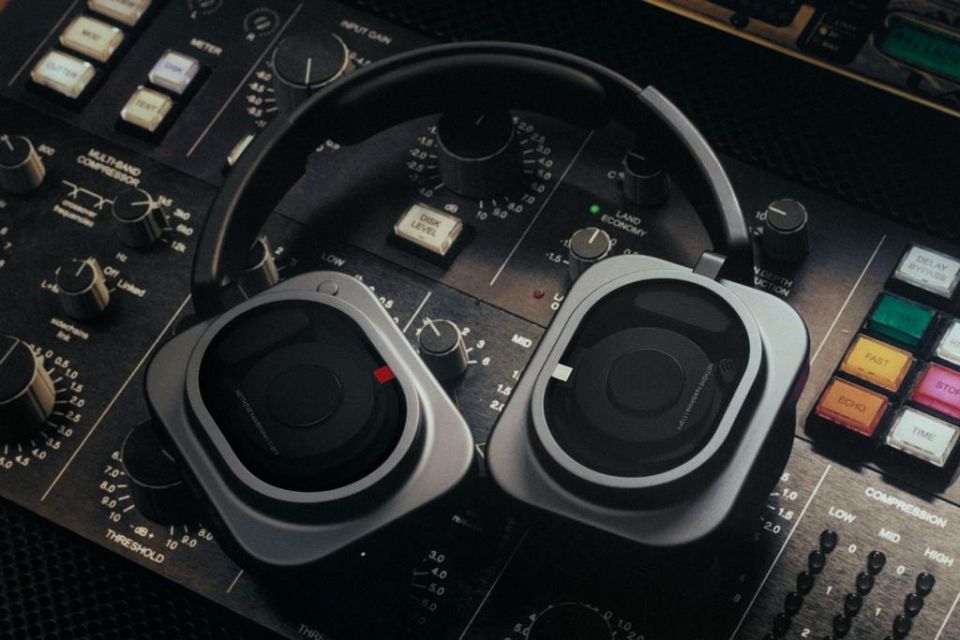
Nothing has never been particularly interested in making products that look like everyone else's. From transparent smartphones to earbuds that resemble tiny pieces of industrial machinery, the London-based company has built much of its identity around doing things differently, sometimes simply for the pleasure of standing out. Its latest flagship headphones, however, suggest that the brand is becoming increasingly ambitious about what happens inside those distinctive enclosures. The new Headphone (1) Pro retains the partly transparent design introduced with the original Headphone (1), but the real changes are hidden beneath the surface. Instead of relying on a single dynamic driver in each earcup, Nothing has developed an unusual three-driver arrangement that includes a miniature solid-state xMEMS tweeter. There are also extensive sound customization options, a dedicated Flat EQ mode, tuning developed in collaboration with London's Metropolis Studios, adaptive active noise cancellation, and spatial audio with head tracking. It's a surprisingly elaborate combination for a company that only entered the full-size headphone market relatively recently, and one that clearly aims to challenge more established players in the premium wireless category.

Panasonic SC-PMX112 & SC-PM302

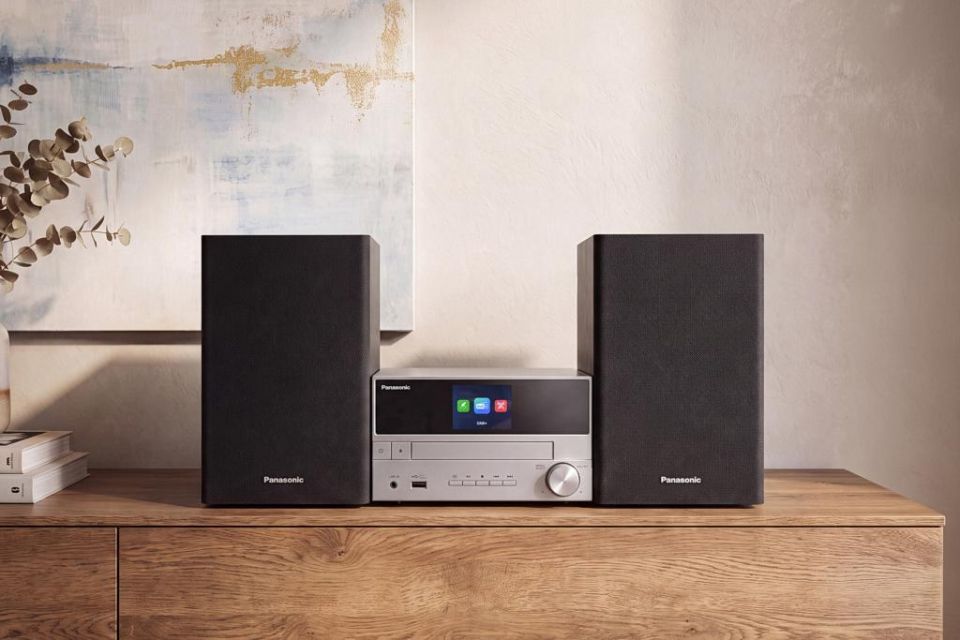
For years, we've been told that the future of home audio belongs to wireless speakers, streaming services, and devices controlled entirely through smartphone apps. And yet, somehow, the traditional micro hi-fi system refuses to disappear. It's not particularly difficult to understand why. For plenty of music lovers, a compact stereo with a built-in CD player, radio tuner, and two separate speakers remains one of the simplest and most practical ways to enjoy music at home. No complicated setup, no need to assemble a collection of separate components, and no requirement to reach for a phone every time you want to hear something. Panasonic clearly believes there's still a market for this kind of equipment, as the Japanese manufacturer has just introduced two new micro systems, the SC-PMX112 and SC-PM302. The former is a more sophisticated, 180-watt model with internet radio, Spotify Connect, and two-way speakers, while the latter offers a simpler, more affordable 60-watt alternative for listeners who are perfectly happy with CDs, radio, and Bluetooth streaming. Both retain the familiar micro hi-fi format while introducing a few welcome modern touches, including color displays and USB playback.

NuPrime SiGa Power75

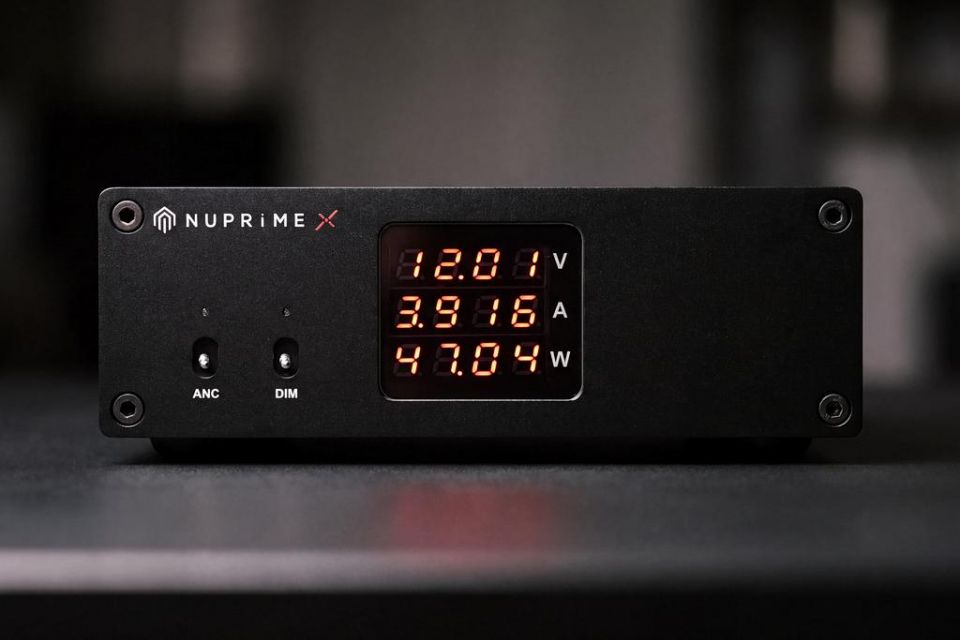
Power supplies are rarely the most exciting part of a hi-fi system. Nobody invites friends over to admire a particularly impressive wall adapter, and even the most enthusiastic audiophiles probably spend more time discussing DAC chips, amplifier topologies, and speaker cables than the electronics responsible for keeping everything running. Yet power supplies have become an increasingly important topic as our systems have filled up with streamers, network switches, reclockers, digital transports, and other compact devices. Many rely on external DC adapters, which makes them relatively easy to replace without modifying the equipment itself. The usual upgrade path involves swapping the manufacturer's switching adapter for a heavier, more expensive linear power supply. NuPrime, however, has decided to approach the problem from a different direction. Its new SiGa Power75 combines silicon carbide and gallium nitride semiconductors with an active noise cancellation circuit, offering six regulated DC outputs for compatible audio and digital equipment. It promises the low-noise characteristics enthusiasts typically associate with sophisticated linear supplies, but achieves them through a rather different set of technologies.

Soul Note A-0, A-1 & A-2 ver.2

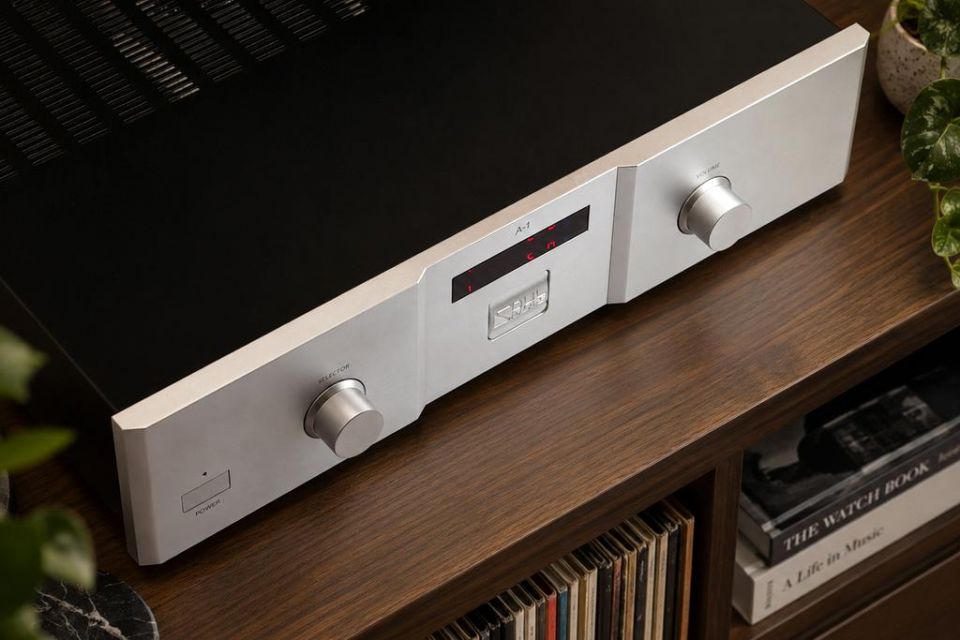
In the hi-fi industry, a new generation of amplifiers is generally expected to deliver more of everything. More power, more features, better specifications, and, inevitably, a higher price. Manufacturers love being able to announce that their latest model produces another twenty or thirty watts per channel, even if the actual benefits are considerably less obvious than the numbers might suggest. Soulnote has never been particularly interested in playing that game. The Japanese company has now introduced substantially revised versions of three of its most important integrated amplifiers, the A-0, A-1, and A-2, each carrying the ver.2 designation. Their familiar names and understated appearance might suggest relatively modest updates, but the changes go considerably deeper than a few upgraded components. All three have received revised output stages, bias circuits, and power supplies, while the more expensive models incorporate technologies developed for the flagship A-3. Most surprisingly, the new A-2 ver.2 actually produces less power than its predecessor. This isn't a cost-cutting measure or a technical setback. Soulnote has deliberately traded some maximum output voltage for greater instantaneous current delivery, believing that the result will be a more capable amplifier when connected to demanding loudspeakers. It's a decision that tells us quite a lot about the company's approach to audio engineering.

DALI Basik Sub

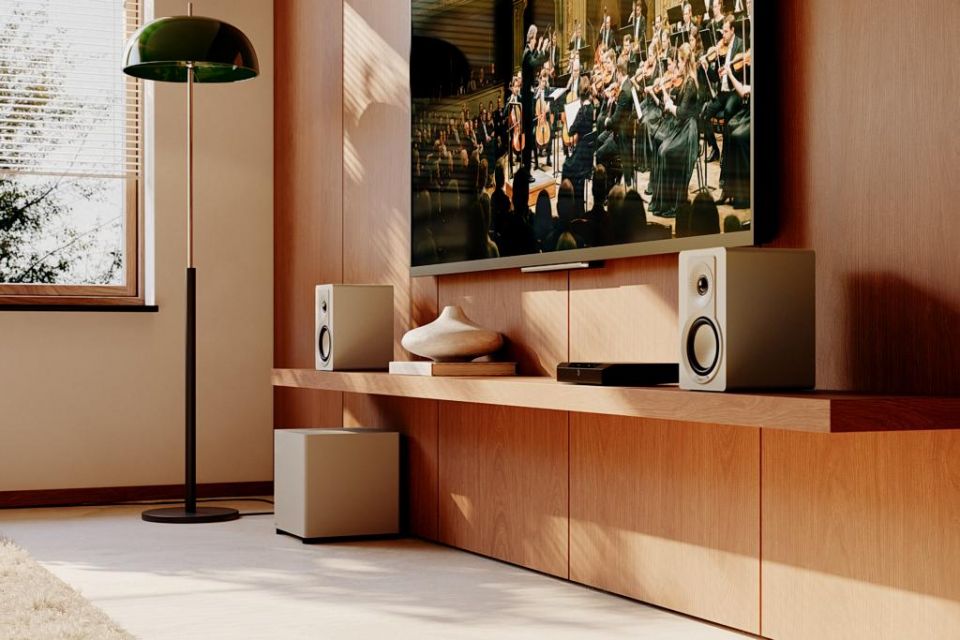
Compact bookshelf speakers and small streaming amplifiers have become enormously popular in recent years, but there are some laws of physics that even the cleverest engineers cannot completely overcome. A stereo system that fits comfortably on a sideboard, shelf, or small media cabinet can deliver surprisingly mature and sophisticated sound, but when it comes to the lowest frequencies, it will usually have to concede some ground to larger designs. One way to address this limitation is to add an active subwoofer, extending the system's bass response without immediately replacing everything with a pair of large floorstanding speakers. This is precisely the idea behind DALI's new Basik Sub, a compact model designed primarily to complement smaller stereo systems while remaining equally suitable for home theater applications.

JBL Quantum 120

Not every gaming headset needs a wireless transmitter, a rechargeable battery, or a collection of features that require half an hour of configuration before you can start playing. Sometimes, a good pair of headphones, a decent microphone, and a cable are all you really need. That's the idea behind the JBL Quantum 120, a new entry-level gaming headset that brings some of the technology found in the company's more expensive models to a much more affordable package. Rather than competing with sophisticated wireless designs, JBL has kept things relatively simple, combining a conventional 3.5 mm connection with large 50 mm dynamic drivers, a detachable microphone, and support for its Quantum Spatial Sound processing and QuantumENGINE software. The result is a headset aimed at gamers who want solid performance and useful features without paying extra for wireless connectivity they might not actually need.

iFi Audio UP Play & UP Play Max

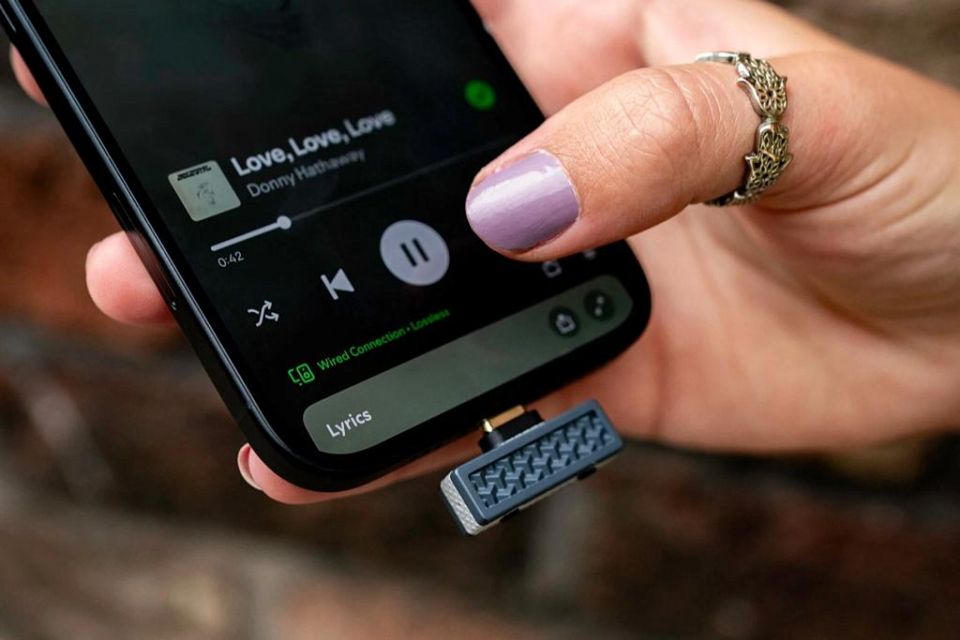
You can spend a small fortune on wireless headphones, carefully compare their drivers, tuning, noise cancellation, and battery life, and eventually settle on a model that supports some of the most advanced Bluetooth codecs available. Then you connect it to your phone and discover that half those capabilities are essentially useless. The headphones may support LDAC, aptX Adaptive, or even aptX Lossless, but that doesn't necessarily mean your smartphone can transmit audio using any of them. iPhone owners know this problem particularly well, since Apple continues to rely on AAC and SBC for Bluetooth audio, regardless of how sophisticated the connected headphones might be. iFi Audio believes the solution doesn't have to involve buying a different phone. Its new UP Play and UP Play Max are miniature USB-C Bluetooth transmitters designed to take over wireless audio duties from the source device, effectively bypassing its built-in codec limitations. Neither is a conventional DAC or headphone amplifier. Instead, these tiny accessories give smartphones, tablets, computers, and compatible gaming devices access to Bluetooth formats they might otherwise be unable to use. The standard UP Play supports LDAC and several members of the aptX family, while the more advanced UP Play Max adds aptX Lossless and promises future support for Auracast.

We use cookies to improve our website and your experience when using it. To find out more about the cookies we use and how to delete them, please see our Privacy Policy.