Displaying items by tag: stereo - StereoLife Magazine

Technics EAH-A1000

Developing a successful pair of wireless headphones is one thing. Taking technology originally designed for tiny in-ear monitors and adapting it to a full-size over-ear model is something else entirely. That's precisely what Technics has done with the EAH-A1000, its new flagship wireless headphones and the long-awaited successor to the EAH-A800. Rather than simply updating the styling, improving noise cancellation, and adding a few features to keep up with the competition, the Japanese manufacturer has gone back to the drawing board. The centerpiece is an entirely new 40 mm Magnetic Fluid Driver, incorporating technology previously used in the company's EAH-TZ700 in-ear monitors and EAH-AZ100 wireless earbuds. The driver combines magnetic fluid stabilization with a carbon fiber diaphragm and a suspension design derived from Technics' high-end loudspeakers. Add adaptive active noise cancellation, advanced spatial audio capabilities, three-device Bluetooth multipoint, and a completely redesigned headband, and the result looks like a considerably more ambitious product than a conventional generational update.
Marantz MCR 60n

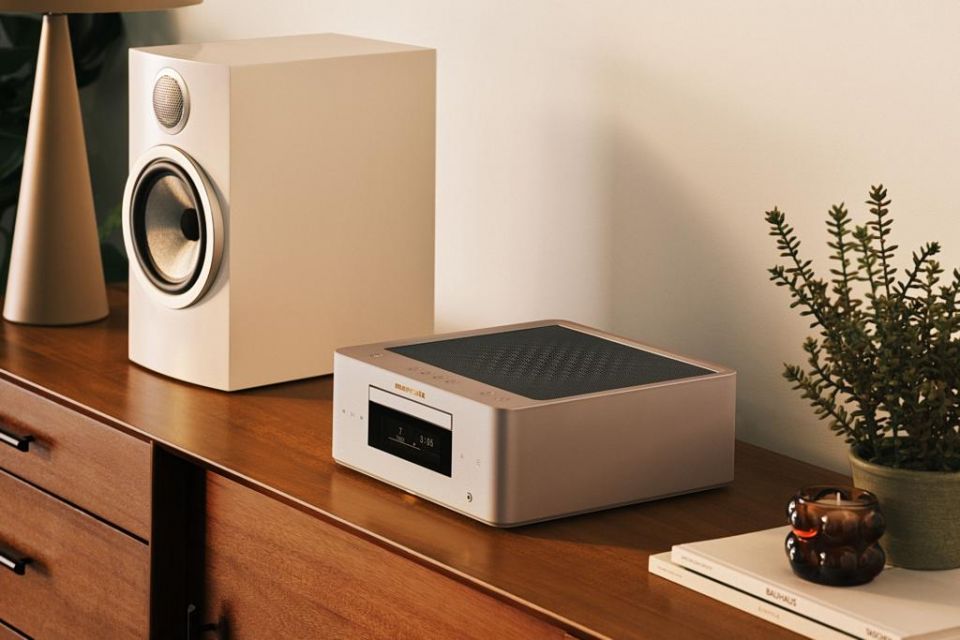
There's something rather appealing about a hi-fi system that doesn't demand an entire equipment rack, half a dozen power outlets, and a weekend spent figuring out which cable goes where. Compact all-in-one systems have been part of Marantz's catalog for years, but the Japanese manufacturer has never treated them as little more than glorified mini stereos destined for a bedroom shelf. The Melody X M-CR612 was a perfect example. Despite its modest dimensions, it combined a CD player, radio tuner, HEOS streaming platform, and an unusual four-channel amplifier that could drive two pairs of speakers or operate in a bi-amping configuration. It remained on the market for years, becoming something of a favorite among listeners who wanted proper hi-fi functionality without the usual collection of separate components. Replacing it was never going to be easy. With the new MCR 60n DAB, Marantz has kept the things that made the Melody X so appealing while bringing almost everything else up to date. HDMI eARC, a dedicated phono input, a substantially upgraded streaming platform, and even optional Dirac Live room correction have joined the party. What was already a remarkably versatile little stereo system has become something considerably more ambitious.

Yamaha R200A

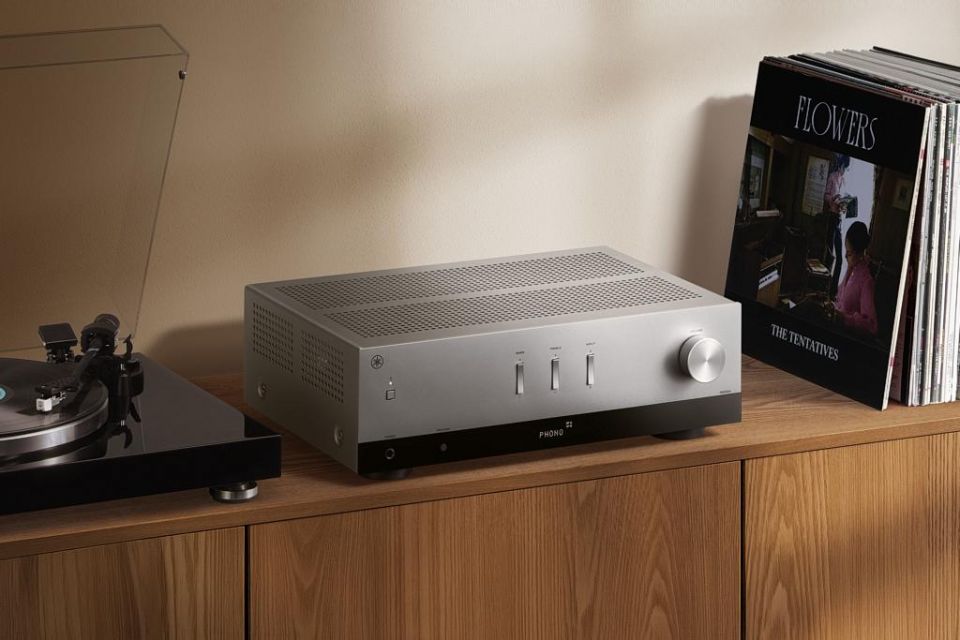
Not every stereo receiver needs to be a miniature computer. Over the past few years, even relatively inexpensive hi-fi components have acquired features that were once reserved for considerably more sophisticated equipment. Built-in streaming platforms, wireless networking, HDMI connections, music services, smartphone apps, and increasingly elaborate digital processing have become almost standard. There's nothing wrong with any of that, of course, but it does raise an interesting question. What if someone simply wants to build a conventional stereo system, connect a turntable or CD player, and listen to music without having to configure another device on their home network? Yamaha's new R200A is designed for precisely that kind of listener. It's a full-size, two-channel stereo receiver offering 100 watts per channel, a dedicated phono input, several analog connections, conventional radio tuners, and Bluetooth. There is no Wi-Fi, no MusicCast, no HDMI, and not a single digital audio input. Even the USB port on the rear panel is reserved exclusively for firmware updates. In other words, this is a stereo receiver in the traditional sense of the term: an integrated amplifier with a built-in radio tuner, intended to form the foundation of a straightforward hi-fi system.

FiiO FG3

For years, FiiO has remained firmly focused on portable and personal audio, more recently expanding into full-size desktop and home hi-fi components. The Chinese company started with compact headphone amplifiers and DACs before building an extensive portfolio of digital audio players, in-ear and over-ear headphones, desktop equipment, streamers, and even devices designed for playing cassette tapes and CDs. Now, FiiO is opening another chapter in its history, this time turning its attention to gamers. The FG3 is the brand's first full-size gaming headset. According to the manufacturer, however, the objective was not simply to develop another conventional gaming accessory. Instead, FiiO decided to apply the engineering knowledge accumulated through years of designing hi-fi equipment and then add the features required for gaming, including a microphone, spatial audio processing, dedicated sound profiles, and convenient access to essential controls.

Canor Crius H5S

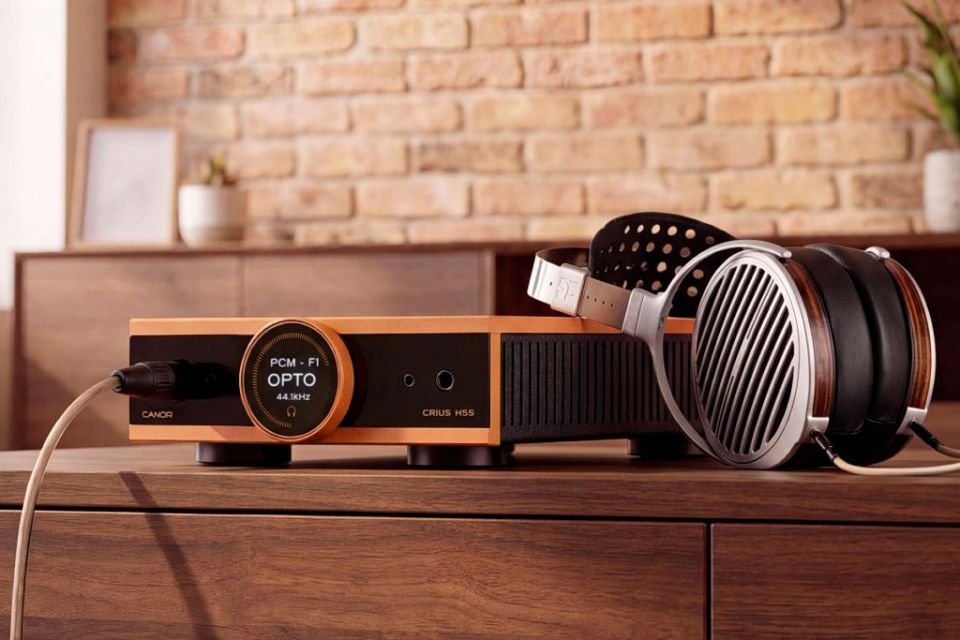
For many years, Canor built its reputation primarily on tube-based audio equipment, but the Slovak manufacturer has recently been expanding its solid-state offerings with increasing confidence. The latest example of this strategy is the Crius H5S, a compact headphone amplifier, digital-to-analog converter, and preamplifier combined in a single chassis. The new model marks the debut of the Essential Line, a series intended to bring engineering solutions developed for Canor's more expensive components into smaller, more versatile, and more affordable products. Although the Crius H5S has been designed primarily for owners of high-quality headphones, it can also serve as the control center of a compact stereo system, feeding a separate power amplifier or active speakers.

JBL L150 Classic

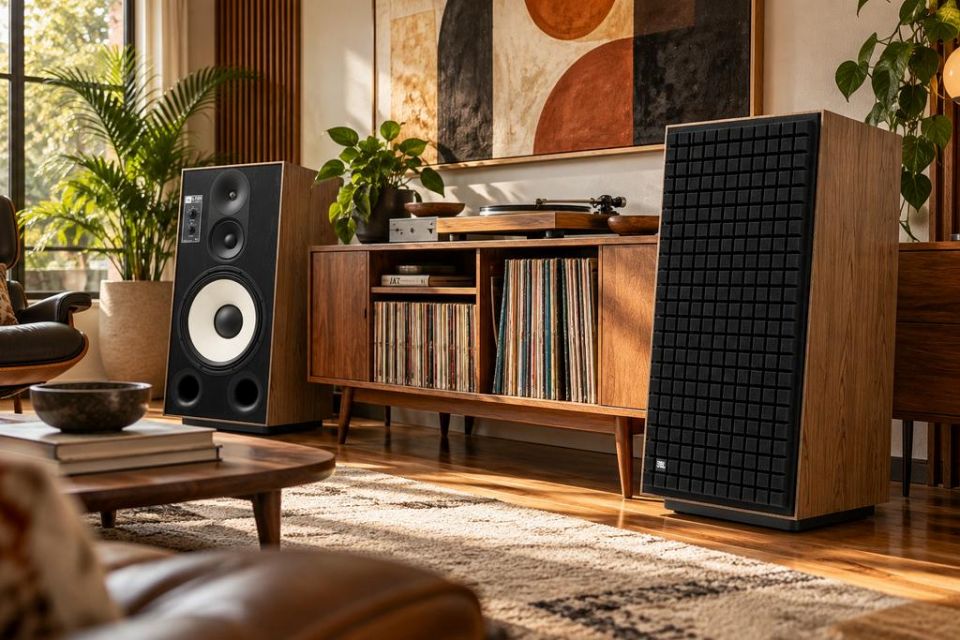
For all the changes the hi-fi industry has gone through over the past few decades, there's something undeniably appealing about a pair of enormous American loudspeakers with big woofers, wide cabinets, and absolutely no interest in blending discreetly into the living room. JBL knows this better than most. The company has spent recent years bringing its most recognizable designs back to life, combining the unmistakable styling of its 1970s classics with modern drivers and acoustic engineering. Now it's taking that philosophy to a whole new level. The newly announced L150 Classic is the largest and most ambitious model in the current Classic series, featuring a massive 15-inch woofer, a dedicated midrange driver, and a titanium dome tweeter, all housed in a substantial three-way enclosure finished in natural walnut veneer. Each speaker weighs approximately 115 pounds, and the famous Quadrex foam grille is present and correct. But perhaps the biggest surprise is where JBL has decided to unveil its latest creation. Instead of choosing an audio show in the United States, Germany, or Japan, the American manufacturer will give the L150 Classic its world premiere at Audio Video Show 2026 in Warsaw, Poland, on October 23-25. Visitors will be the first people anywhere to see the new speakers in person and, more importantly, hear what they can do.

Argon Audio Aurora

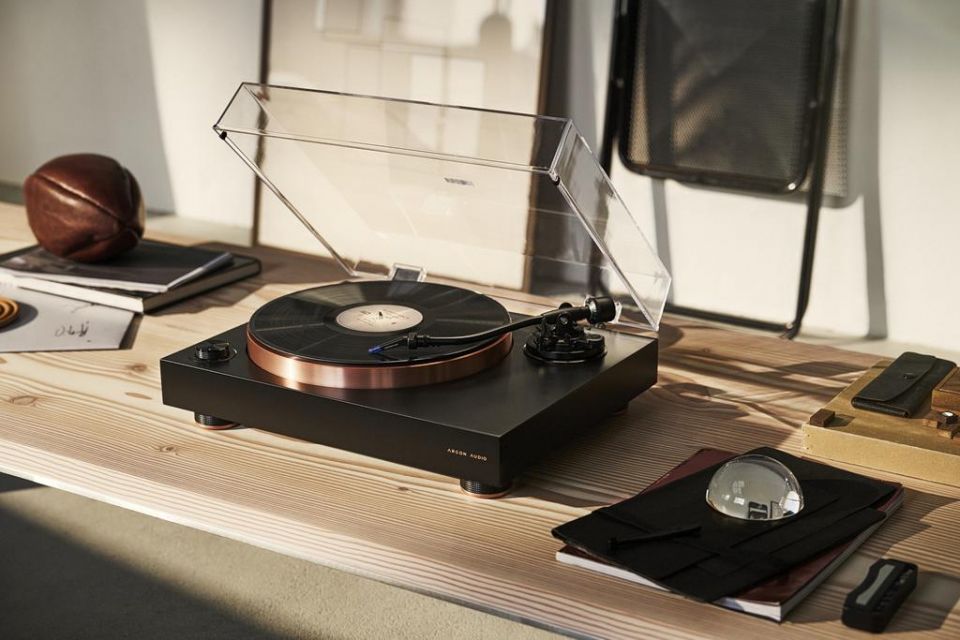
Argon Audio has built its reputation on products that bridge the gap between traditional hi-fi and the expectations of modern listeners. The Danish company's catalog includes active speakers, streaming components, headphones, radios, and an increasingly extensive range of turntables. Rather than trying to convince customers that great sound requires complicated setups and countless hours spent matching individual components, Argon Audio takes the opposite approach. Its products are designed to be elegant, easy to use, and ready to perform almost straight out of the box. With turntables, that philosophy can sometimes involve a few compromises, but the company's latest model suggests that convenience and more ambitious engineering don't necessarily have to be mutually exclusive. The Aurora is Argon Audio's new flagship turntable and, more importantly, the first direct-drive model in the brand's history.

Davis Acoustics Renoir Evolution

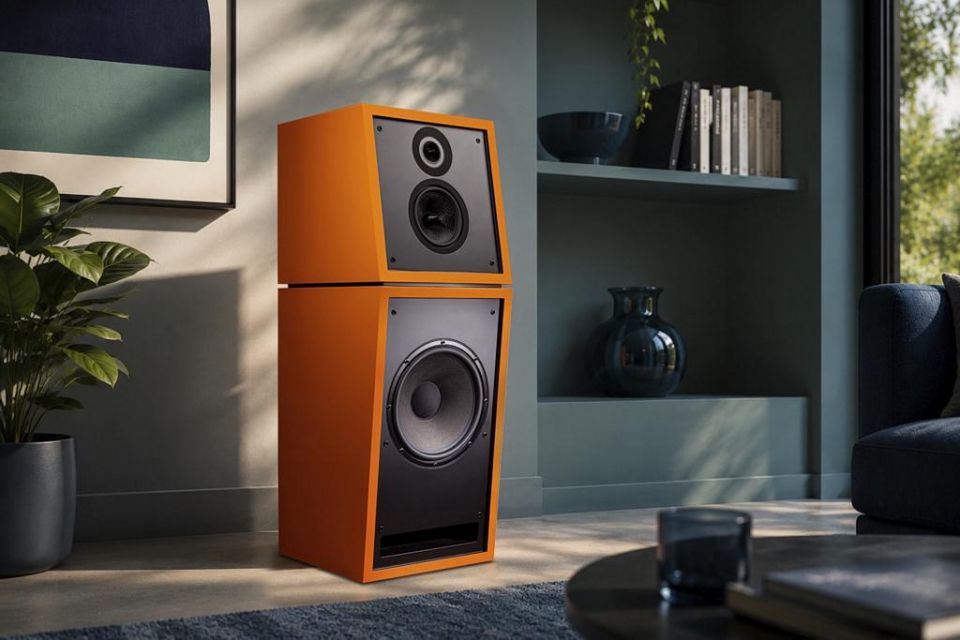
The growing popularity of small tube amplifiers comes with one fundamental problem - not all modern loudspeakers are particularly interested in working with them. Increasingly elaborate driver configurations, relatively low sensitivity, and demanding impedance curves mean that a handful of watts is not always enough, even when the specifications suggest that everything should work reasonably well. The Davis Acoustics Renoir Evolution takes precisely the opposite approach. These are imposing three-way floorstanding speakers equipped with massive 12-inch woofers and weighing approximately 220 lb each, yet they offer a sensitivity of 94 dB and a nominal impedance of 8 ohms, with a minimum of just 5 ohms. The French manufacturer therefore openly suggests that its new speakers should work extremely well with low-powered amplifiers, including single-ended designs based on 300B triodes, which typically deliver around 8-10 watts per channel. In other words, the Renoir Evolution promises the scale and authority of a large, full-range loudspeaker without forcing its owner to invest in an equally enormous solid-state power amplifier.

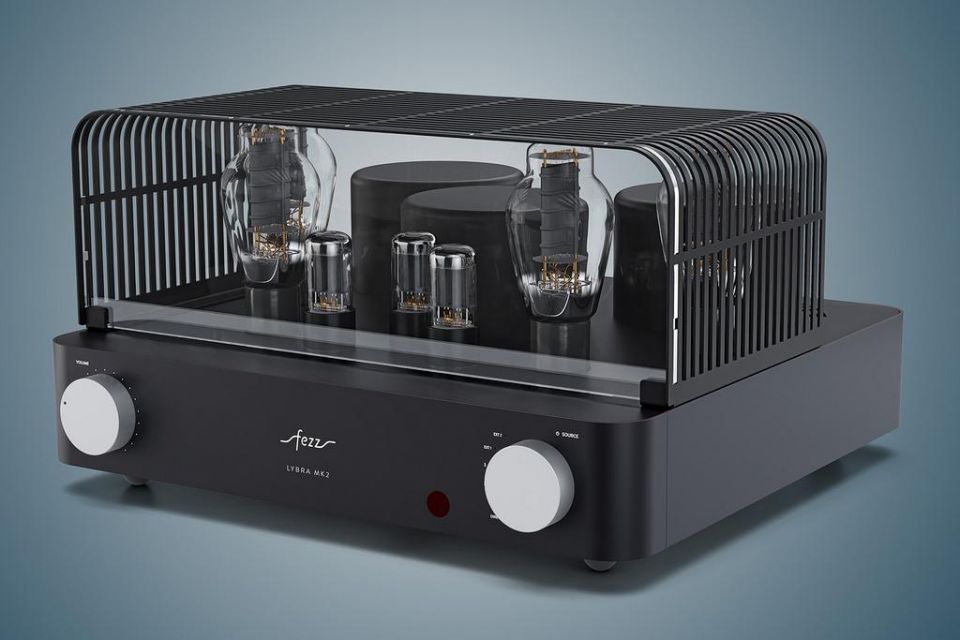
Fezz Audio Lybra MK2

Fezz Audio continues to refresh its product lineup, introducing another amplifier bearing the MK2 designation. This time, the Polish manufacturer has turned its attention to the Lybra, one of its most sophisticated integrated amplifiers and a design built around the legendary 300B triode. The original model occupied a special place in the company's catalog, combining the distinctive sonic character of directly heated triodes with enough power to drive a somewhat wider range of loudspeakers than most conventional single-ended amplifiers. The new Lybra MK2 retains that fundamental concept but introduces a redesigned signal path, expanded connectivity, and several practical improvements intended to make living with a tube amplifier almost as convenient as owning a modern solid-state integrated. Alongside the new integrated model, Fezz Audio is also offering the Lybra Mono Power Amplifier, a monoblock designed for enthusiasts who prefer separate preamplification and power amplification components.

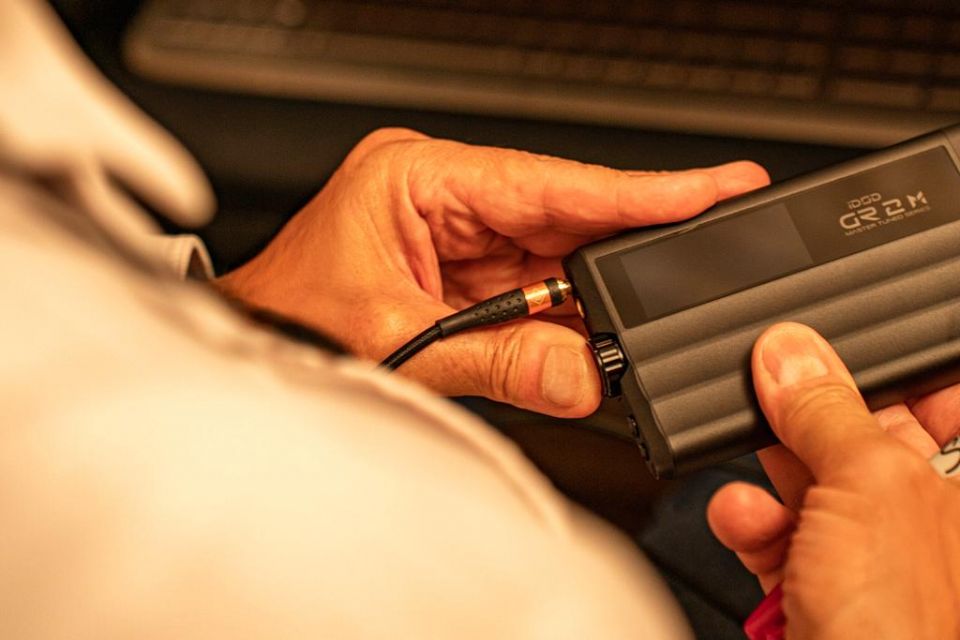
iFi Audio iDSD GR 2 MT

It hasn't been long since the launch of the iDSD GR 2, but iFi Audio has already prepared a special version of its latest portable DAC and headphone amplifier. The iDSD GR 2 MT, with the final letters standing for "Master Tuned," was developed in collaboration with Steve Levine, the British record producer whose credits include Culture Club, The Beach Boys, Gary Moore, and Motörhead. This is not, however, the usual kind of special edition where the differences amount to a new finish, a celebrity signature, and a few additional menu options. For the GR 2 MT, iFi has upgraded several components in the analog signal path, replaced the circuit board material, and introduced two exclusive digital filters developed with Levine. The starting point remains the standard iDSD GR 2, introduced in June 2026 as the successor to the popular xDSD Gryphon. Rather than treating it as a modest update, iFi approached the GR 2 as a substantially new design, introducing a revised DAC architecture, fully balanced amplification, a color OLED touchscreen, and support for the latest wireless audio technologies. At the heart of its digital section is the Burr-Brown PCM1795, a current-output DAC chip that gave the company's engineers considerable freedom in designing the analog circuitry that follows it.

We use cookies to improve our website and your experience when using it. To find out more about the cookies we use and how to delete them, please see our Privacy Policy.