Displaying items by tag: japan - StereoLife Magazine

Sony NW-WM1ZM3 i NW-WM1AM3

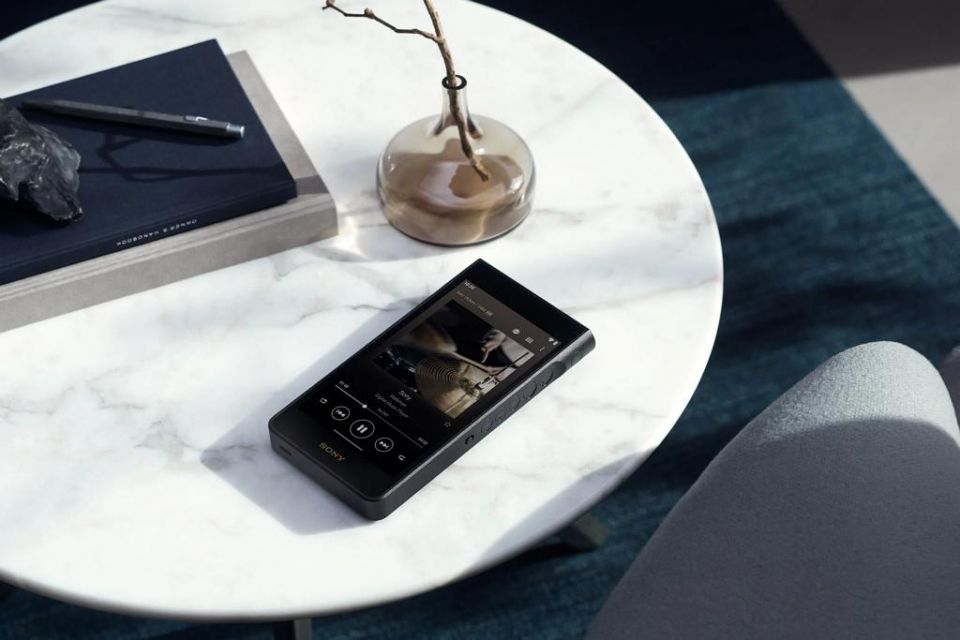
If there's one thing Sony has demonstrated over the years, it's that the Walkman is remarkably difficult to kill. The original portable cassette player changed the way people listened to music, turning what had previously been a largely stationary activity into something they could enjoy almost anywhere. Back then, the priorities were fairly straightforward: reasonable sound quality, compact dimensions, long battery life, and enough room in your bag for a few favorite tapes. Nearly half a century later, the world looks very different. For most people, a smartphone and a pair of wireless earbuds provide everything they could possibly need, with millions of recordings available at the touch of a screen. Yet Sony continues to develop dedicated portable music players, including some that cost more than an entire high-end stereo system. The latest examples are the NW-WM1ZM3 and NW-WM1AM3, two new members of the company's prestigious Signature Series. Both feature upgraded S-Master HX digital amplifiers, extensively redesigned power supplies, sophisticated noise-reduction measures, and larger 5.5-inch touchscreens. They also support high-resolution audio, modern streaming services, and advanced signal processing. But their real purpose is something rather more specific: to convince demanding listeners that a dedicated music player can still offer something a smartphone cannot.

Technics EAH-A1000

Developing a successful pair of wireless headphones is one thing. Taking technology originally designed for tiny in-ear monitors and adapting it to a full-size over-ear model is something else entirely. That's precisely what Technics has done with the EAH-A1000, its new flagship wireless headphones and the long-awaited successor to the EAH-A800. Rather than simply updating the styling, improving noise cancellation, and adding a few features to keep up with the competition, the Japanese manufacturer has gone back to the drawing board. The centerpiece is an entirely new 40 mm Magnetic Fluid Driver, incorporating technology previously used in the company's EAH-TZ700 in-ear monitors and EAH-AZ100 wireless earbuds. The driver combines magnetic fluid stabilization with a carbon fiber diaphragm and a suspension design derived from Technics' high-end loudspeakers. Add adaptive active noise cancellation, advanced spatial audio capabilities, three-device Bluetooth multipoint, and a completely redesigned headband, and the result looks like a considerably more ambitious product than a conventional generational update.

Yamaha R200A

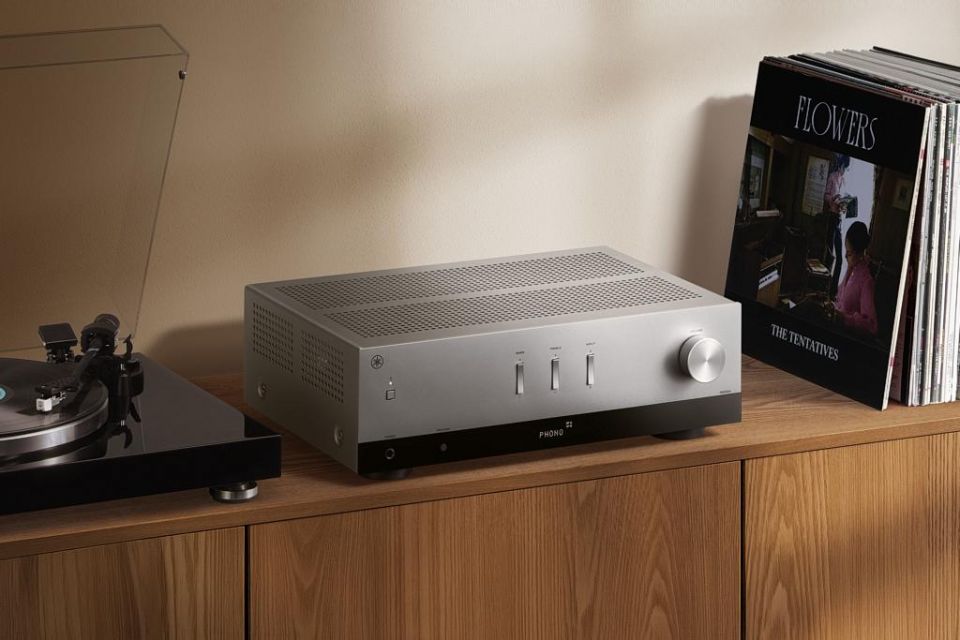
Not every stereo receiver needs to be a miniature computer. Over the past few years, even relatively inexpensive hi-fi components have acquired features that were once reserved for considerably more sophisticated equipment. Built-in streaming platforms, wireless networking, HDMI connections, music services, smartphone apps, and increasingly elaborate digital processing have become almost standard. There's nothing wrong with any of that, of course, but it does raise an interesting question. What if someone simply wants to build a conventional stereo system, connect a turntable or CD player, and listen to music without having to configure another device on their home network? Yamaha's new R200A is designed for precisely that kind of listener. It's a full-size, two-channel stereo receiver offering 100 watts per channel, a dedicated phono input, several analog connections, conventional radio tuners, and Bluetooth. There is no Wi-Fi, no MusicCast, no HDMI, and not a single digital audio input. Even the USB port on the rear panel is reserved exclusively for firmware updates. In other words, this is a stereo receiver in the traditional sense of the term: an integrated amplifier with a built-in radio tuner, intended to form the foundation of a straightforward hi-fi system.

Denon DP-500BT

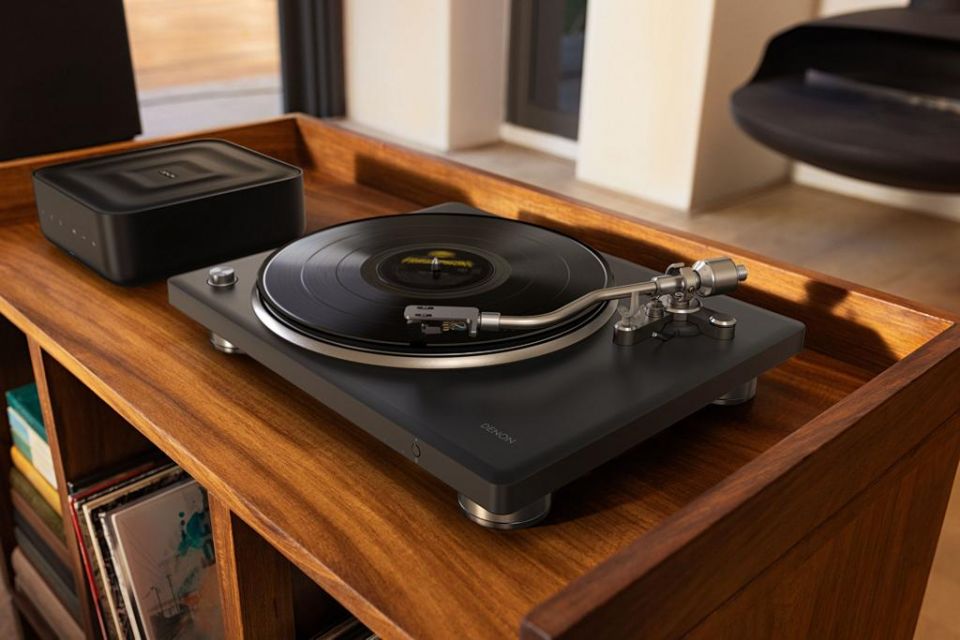
The vinyl revival shows no signs of slowing down, and audio manufacturers are increasingly looking for ways to combine traditional record playback with the conveniences we have come to expect from modern music systems. One of the simplest approaches is to equip a turntable with a Bluetooth transmitter, allowing listeners to enjoy their records without being tied to a conventional stereo setup. This is precisely the idea behind Denon's new DP-500BT. The latest addition to the Japanese company's turntable lineup is a semi-automatic, belt-driven design featuring an S-shaped tonearm, a factory-installed moving-magnet cartridge, and a built-in phono preamplifier. Its most distinctive additional feature, however, is the ability to transmit music wirelessly to compatible headphones, speakers, and other Bluetooth-enabled devices.

Panasonic SC-PMX112 & SC-PM302

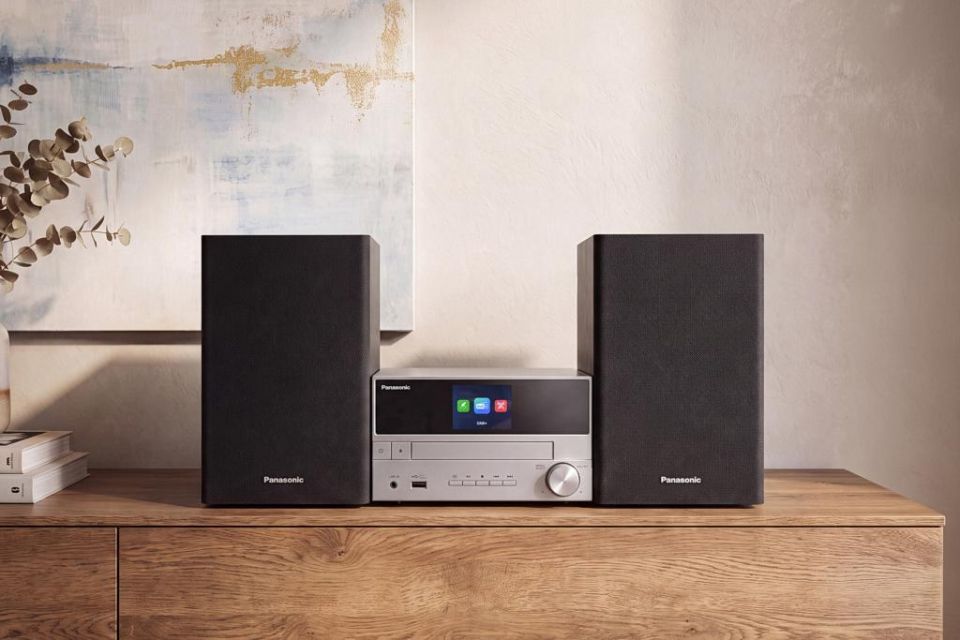
For years, we've been told that the future of home audio belongs to wireless speakers, streaming services, and devices controlled entirely through smartphone apps. And yet, somehow, the traditional micro hi-fi system refuses to disappear. It's not particularly difficult to understand why. For plenty of music lovers, a compact stereo with a built-in CD player, radio tuner, and two separate speakers remains one of the simplest and most practical ways to enjoy music at home. No complicated setup, no need to assemble a collection of separate components, and no requirement to reach for a phone every time you want to hear something. Panasonic clearly believes there's still a market for this kind of equipment, as the Japanese manufacturer has just introduced two new micro systems, the SC-PMX112 and SC-PM302. The former is a more sophisticated, 180-watt model with internet radio, Spotify Connect, and two-way speakers, while the latter offers a simpler, more affordable 60-watt alternative for listeners who are perfectly happy with CDs, radio, and Bluetooth streaming. Both retain the familiar micro hi-fi format while introducing a few welcome modern touches, including color displays and USB playback.

Soul Note A-0, A-1 & A-2 ver.2

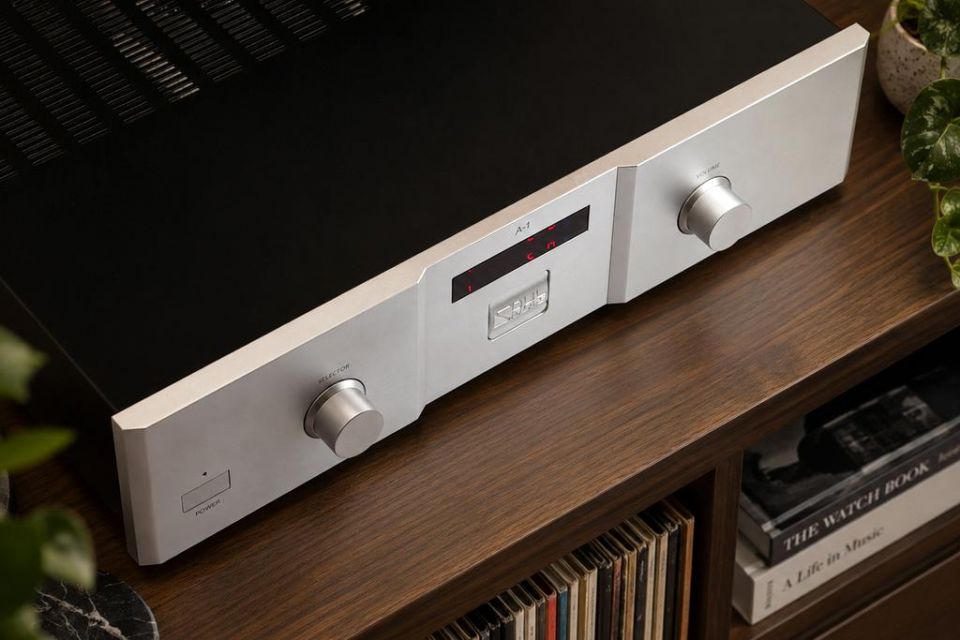
In the hi-fi industry, a new generation of amplifiers is generally expected to deliver more of everything. More power, more features, better specifications, and, inevitably, a higher price. Manufacturers love being able to announce that their latest model produces another twenty or thirty watts per channel, even if the actual benefits are considerably less obvious than the numbers might suggest. Soulnote has never been particularly interested in playing that game. The Japanese company has now introduced substantially revised versions of three of its most important integrated amplifiers, the A-0, A-1, and A-2, each carrying the ver.2 designation. Their familiar names and understated appearance might suggest relatively modest updates, but the changes go considerably deeper than a few upgraded components. All three have received revised output stages, bias circuits, and power supplies, while the more expensive models incorporate technologies developed for the flagship A-3. Most surprisingly, the new A-2 ver.2 actually produces less power than its predecessor. This isn't a cost-cutting measure or a technical setback. Soulnote has deliberately traded some maximum output voltage for greater instantaneous current delivery, believing that the result will be a more capable amplifier when connected to demanding loudspeakers. It's a decision that tells us quite a lot about the company's approach to audio engineering.

Tiglon arrives in the United States

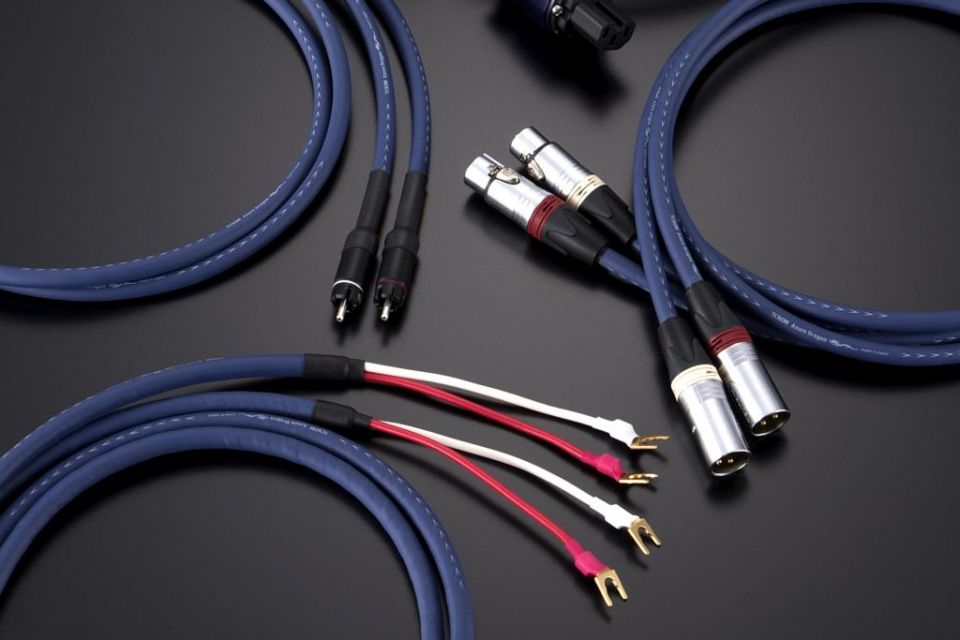
Tiglon, a Japanese manufacturer specializing in high-end audio cables, vibration-control products, equipment supports and related accessories, is establishing a much stronger presence in the United States through Tiglon USA. Headquartered in Yamato, Kanagawa Prefecture, the company is led by founder and chief designer Kentaro Okino and has been developing audio products for roughly two decades. It was formally established in 2008 as Kryna Pro Co. Ltd., the Tiglon brand appeared later that year, and in 2010 both the company and the brand adopted the name used today. Its catalog is now broad enough to include power, analog, speaker, USB, LAN and digital cables, along with equipment racks, platforms, isolators, speaker stands and several more specialized tuning accessories, while production remains centered in Japan.

Final Audio Design DX10000 CL

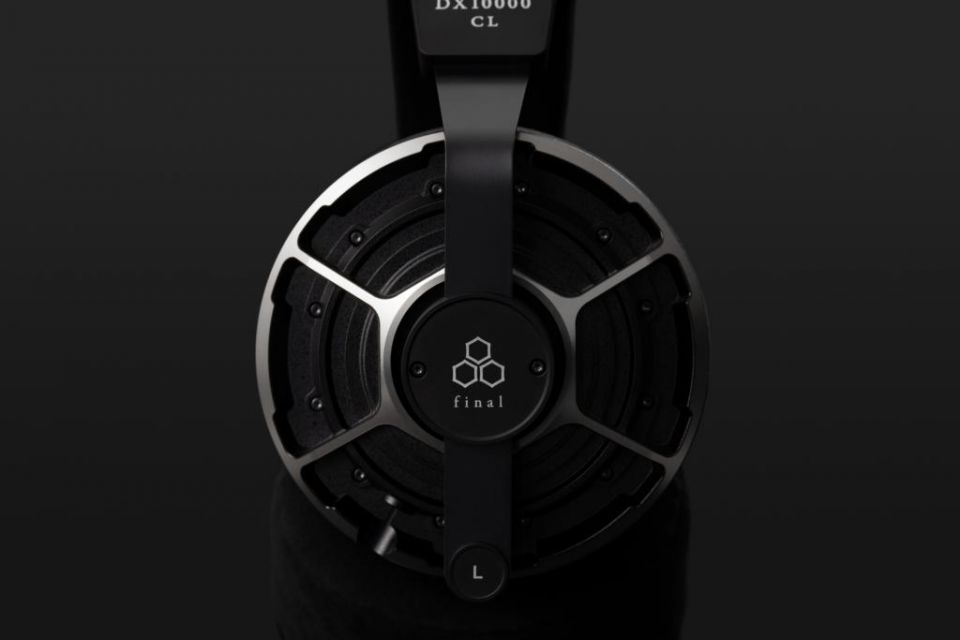
Final has introduced one of its most ambitious headphones to date, and this time the Japanese manufacturer has chosen to tackle a problem that becomes particularly difficult at the very top of the market - how to build a closed-back design that preserves the intimacy, physical impact and isolation of this format without accepting the resonances and tonal coloration that often come with it. The answer is the DX10000 CL, a new reference model built around a 40 mm dynamic driver with a genuine diamond diaphragm, a heavily engineered aluminum-magnesium enclosure and an unusual screw-fastened structure designed to maintain rigidity and airtightness. Alongside the regular version, Final is also releasing the first 150 units worldwide as a special Collector's Edition. The company has opened pre-orders, while the standard model is expected to begin shipping later in 2026.

Marantz Model 70 & CD 70

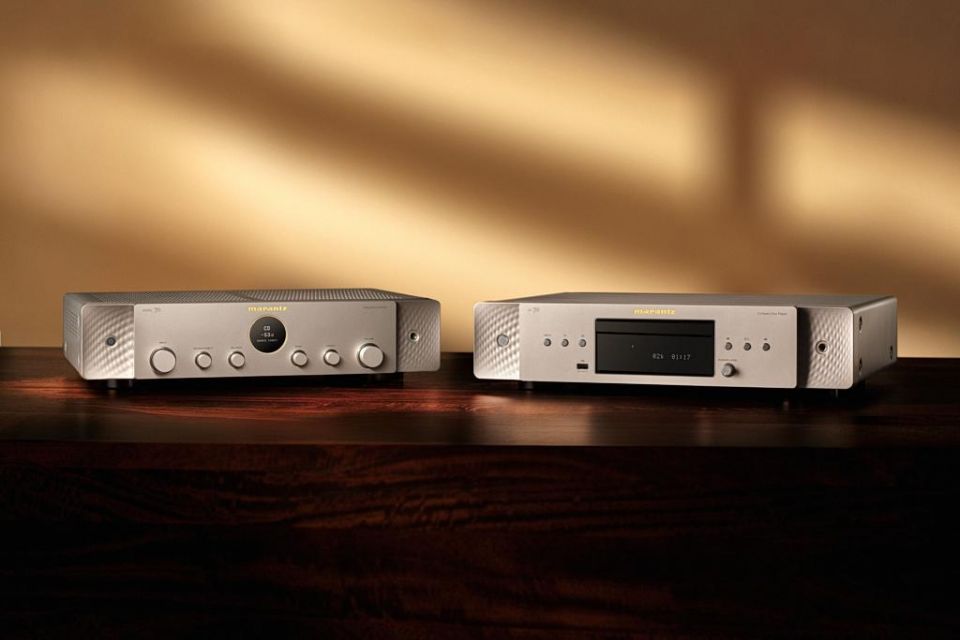
Marantz is refreshing the entry point to its traditional hi-fi range with two full-size components - the Model 70 integrated amplifier and the matching CD 70 player. The new duo follows in the footsteps of the popular PM6007 and CD6007, but the transition involves considerably more than a change of model numbers. Both products adopt the visual language previously associated with more expensive Marantz components, while the amplifier gains HDMI ARC, two-way Bluetooth connectivity and a revised amplification section. The CD player, meanwhile, combines conventional disc playback with high-resolution files from USB storage.

Luxman D-100 Centennial

For Luxman, the physical disc has never been treated as a format from the past. The new D-100 Centennial, created to mark the Japanese company's 100th anniversary, shows how far the brand is still willing to take SACD and CD playback while also turning the player into a reference-class DAC for modern high-resolution sources. As the successor to the D-10X, it is not merely an anniversary edition with a special nameplate, but a comprehensively redesigned flagship source component with a new disc transport, renewed digital processing, an updated analog output stage and the latest version of Luxman's LIFES feedback engine.

We use cookies to improve our website and your experience when using it. To find out more about the cookies we use and how to delete them, please see our Privacy Policy.