Displaying items by tag: us - StereoLife Magazine

JBL Live Beam 4, Live Buds 4 & Live Flex 4

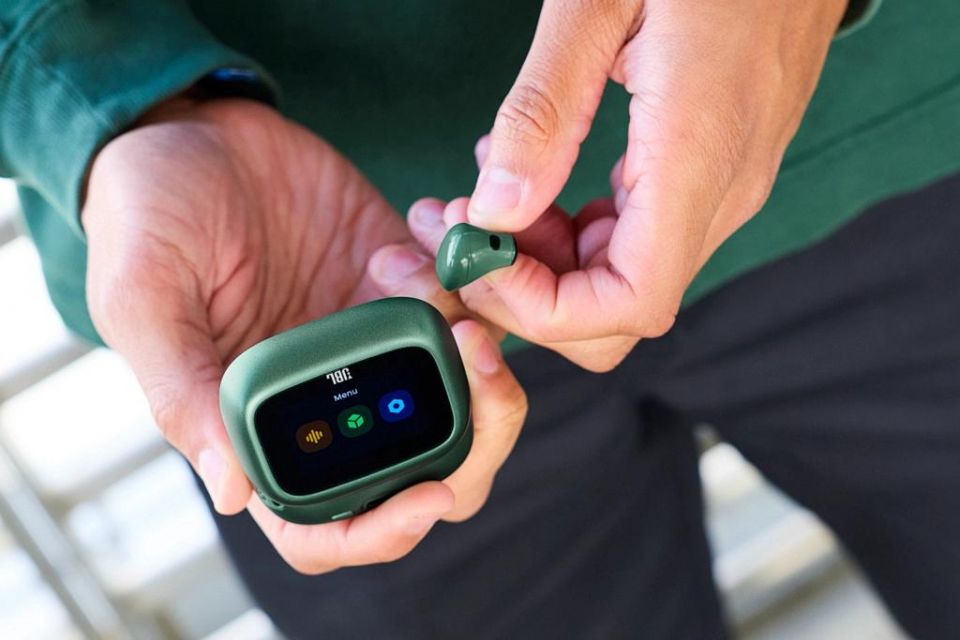
JBL is refreshing its Live series with three new true wireless models designed to reflect the different ways people use in-ear and open-fit earbuds in everyday life. The Live Beam 4, Live Buds 4 and Live Flex 4 all follow the same general direction - Hi-Res Audio Wireless, True Adaptive Noise Cancelling 2.0, JBL Spatial Sound, Bluetooth 6.0 and a new Smart Charging Case with a larger display. The differences between the three models are still significant, however, covering not only the shape of the earbuds, but also the type of fit, driver size, water and dust resistance, and battery life. As a result, the Live 4 series is not a set of three nearly identical products, but a small family of models aimed at users with different expectations - from those looking for maximum isolation, through fans of compact in-ear designs, to listeners who prefer a more open earbud construction.
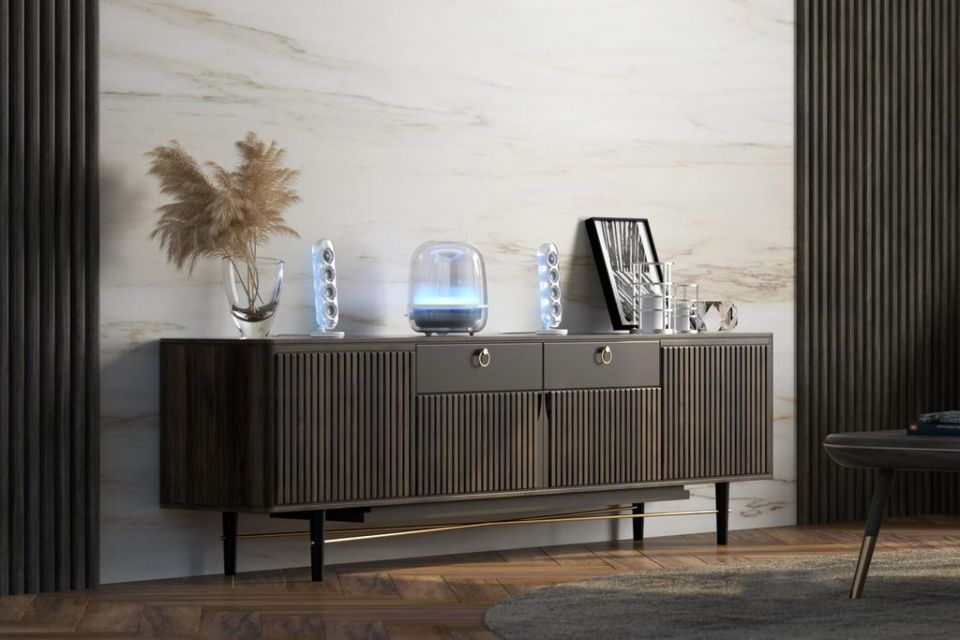

Harman Kardon SoundSticks 5 Wi-Fi

Harman Kardon has refreshed one of the most recognizable products in its catalog. The SoundSticks 5 Wi-Fi is a new version of the transparent speaker system that, for many years, was associated mainly with computers, desktops and its distinctive, almost sculptural form. This time, however, the emphasis shifts clearly toward a modern wireless system for everyday music listening. The transparent subwoofer and slim satellite speakers remain, but they are now joined by Wi-Fi connectivity, support for popular streaming platforms, Bluetooth 6.0, app-based control and lighting effects that react to the music. The SoundSticks 5 Wi-Fi is therefore not just another variation of a familiar design. It is an attempt to adapt this idea to the way music is used at home today - without signal cables, without a traditional source and, in most cases, without the need to connect anything apart from power.

JBL Live 680 NC & Live 780 NC

JBL is expanding its Live series with two new wireless headphone models - the Live 680 NC and Live 780 NC. Both belong to the Live 4 generation and have been designed for users who now expect everyday headphones to offer more than decent sound and comfort. Effective noise cancelling, long battery life, extensive personalization and the ability to handle several usage scenarios at once have become just as important. The new models open another chapter for a series that sits in JBL's catalog between simpler everyday headphones and more advanced designs focused on comfort, functionality and greater freedom to adapt the listening experience to individual needs. The higher model mainly adds a larger over-ear design, bigger ear cushions, a more advanced noise-cancelling system and the additional Low Volume Dynamic EQ and Personal Sound Amplification features. The common platform remains the same - 40-mm drivers, Hi-Res Audio, JBL Spatial Sound, Personi-Fi 3.0, Bluetooth 6.0, LE Audio, Auracast, multipoint connection, quick charging and very long battery life.

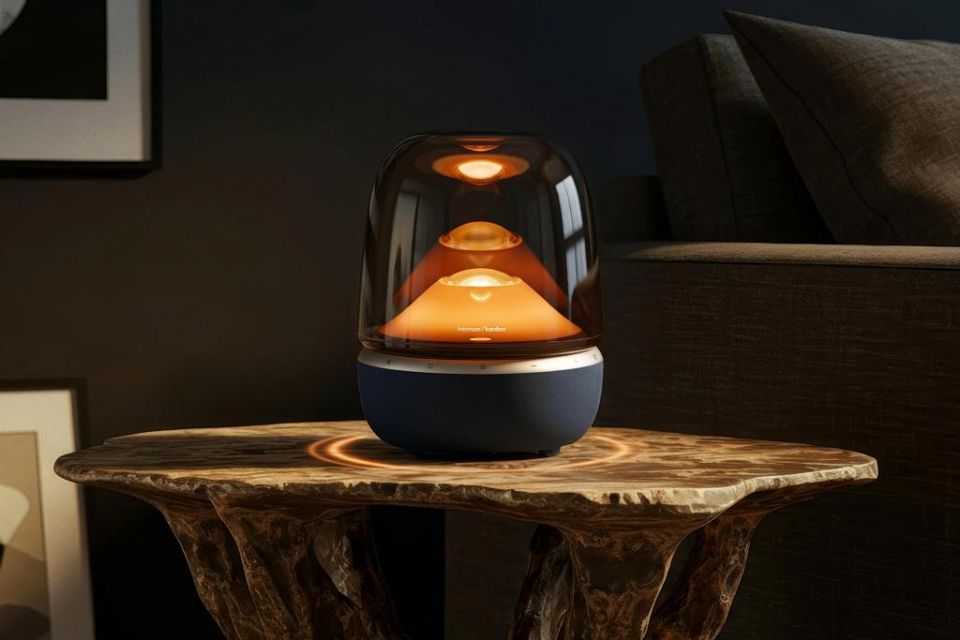
Harman Kardon Aura Studio 5 Wi-Fi

Harman Kardon revealed the Aura Studio 5 Wi-Fi, a new wireless speaker that develops one of the most recognizable lines in the company's catalog. The Aura Studio series has always stood apart from typical home speakers not only because of its sound, but also because of its form. Its transparent dome and lighting effects were never just decorative extras, but part of the product's identity from the beginning. In the latest version, Harman Kardon takes that idea further, combining the familiar design with Wi-Fi connectivity, support for popular streaming systems, multi-room operation, Bluetooth 6.0 and a more elaborate acoustic structure. The Aura Studio 5 Wi-Fi is therefore intended not only as a striking object for the home, but also as a fully fledged network speaker for everyday music listening.

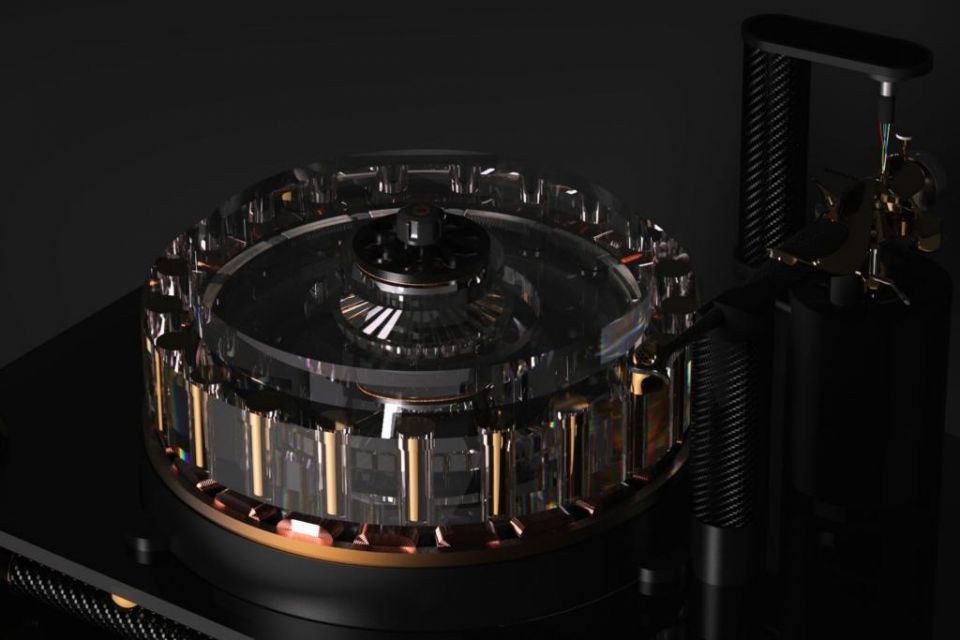
Wilson Benesch Greenwich

Wilson Benesch announced the Greenwich Turntable, a new model within its GMT analogue platform that establishes the entry point into the company's latest reference-level record playback architecture. Rather than representing a simplified derivative of existing designs, the Greenwich Turntable is conceived as the foundation of a modular analogue ecosystem in which structural, damping and isolation strategies evolve progressively through the GMT range while preserving a common motor platform. This approach allows owners to enter the architecture at the Greenwich level and move upward toward Prime Meridian and ultimately the flagship GMT One without replacing the core drive system.

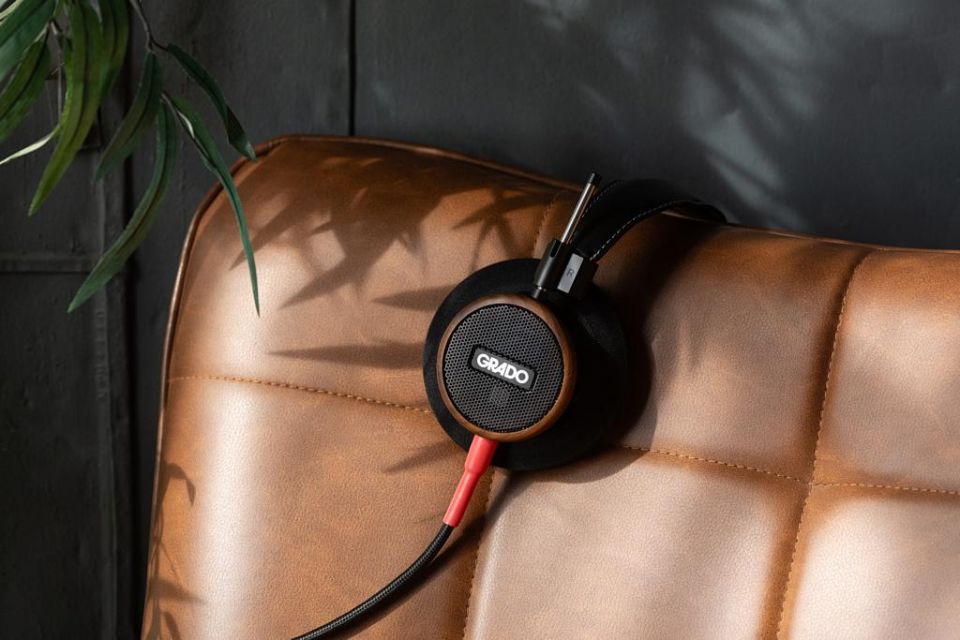
Grado Signature S550

Grado Labs revealed the Signature S550, the latest addition to its growing Signature Line of open-back headphones and the fourth model in the series following the earlier S950 and S750 variants. Designed as a wood-housed dynamic headphone tuned for a warmer and more relaxed presentation than some traditional Grado designs, the S550 combines the company's 50 mm S2 driver platform with Brazilian walnut earcups and a modular cable architecture intended to support both desktop and portable listening systems.

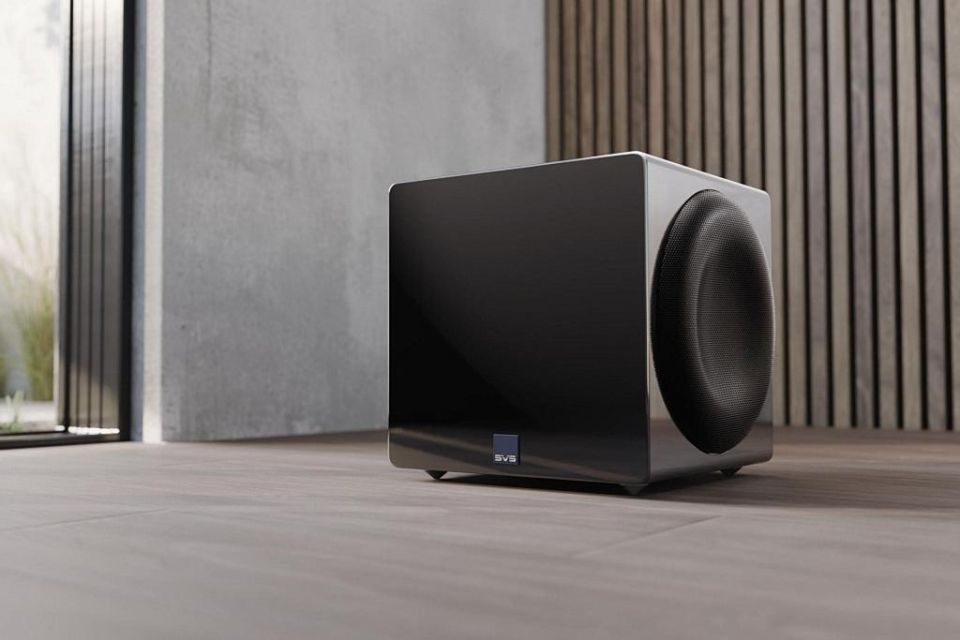
SVS 3000 Micro R|Evolution

SVS has expanded its compact subwoofer lineup with the introduction of the SVS 3000 Micro R|Evolution, a new sealed-cabinet model designed to deliver reference-grade low-frequency performance from an enclosure measuring just 11 inches across. Positioned as a successor to the earlier 3000 Micro, the new version brings updated drivers, a more powerful amplifier platform, and significantly increased DSP capability while maintaining the lifestyle-friendly form factor that made the original model popular in space-constrained listening rooms.

Schiit Eitr 2

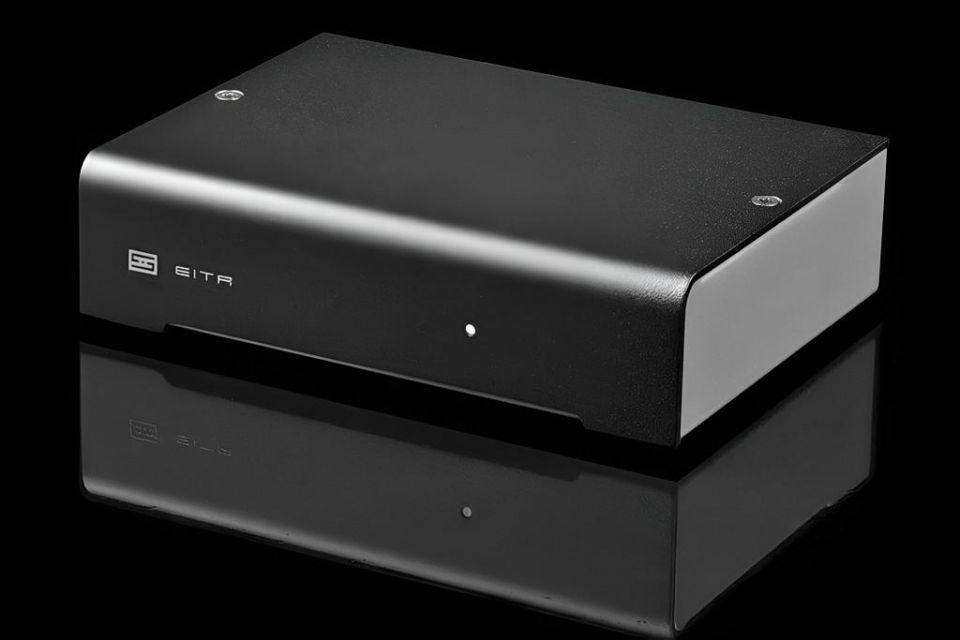
Schiit Audio has introduced the Eitr 2, a compact digital-to-digital converter designed to improve signal integrity when using computers, tablets, or smartphones as audio sources in high-performance playback systems. Building on the concept of the original Eitr released in 2017, the new version expands connectivity with AES/EBU output, introduces support for the company's Forkbeard control platform, and replaces the earlier USB interface with Schiit's proprietary Unison USB architecture. Rather than acting as a conventional converter, the Eitr 2 operates as a signal-conditioning stage between a USB source and an external DAC. Incoming USB audio is reclocked and regenerated before being transmitted through transformer-isolated AES/EBU and coaxial outputs or via optical TOSLINK, with support for PCM signals up to 24-bit/192 kHz. The inclusion of a balanced AES interface is particularly notable at this price level, as it is typically reserved for professional or higher-end consumer equipment.

Klipsch ProMedia Lumina

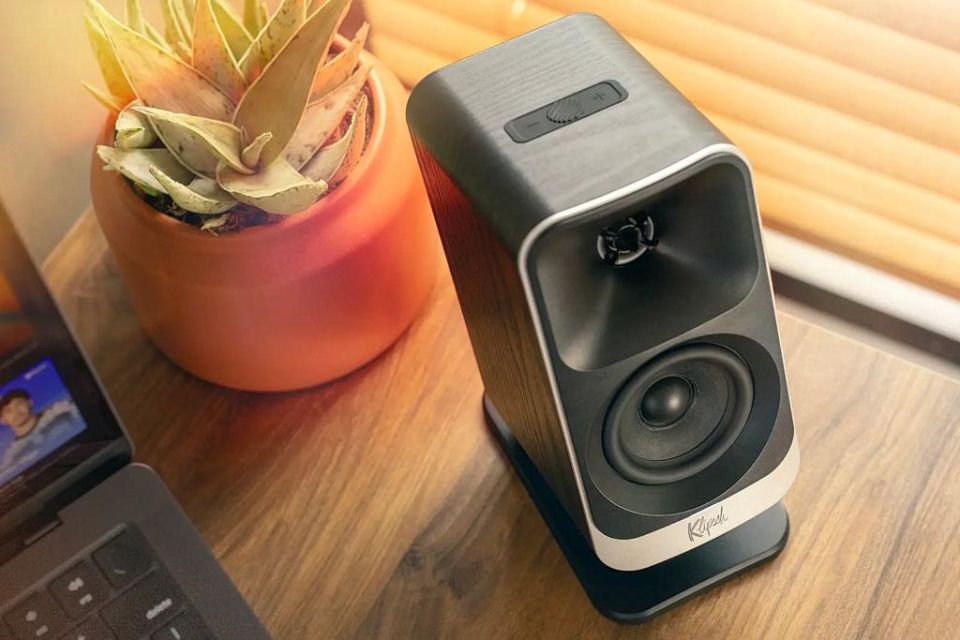
Klipsch has introduced the ProMedia Lumina, a new 2.1-channel desktop speaker system that updates one of the company's longest-running multimedia audio platforms with revised acoustics, expanded connectivity, and integrated lighting control. Positioned as the successor to earlier ProMedia configurations first introduced in 1999, the Lumina version adapts the concept for contemporary desktop environments used for gaming, content creation, remote work, and everyday listening. The original ProMedia series established a distinctive position in the compact speaker category by incorporating horn-loaded high-frequency drivers, a feature rarely found in desktop audio systems. The new ProMedia Lumina continues this approach with updated MicroTractrix horn technology, now implemented in a wider geometry intended to improve dispersion and maintain clarity in nearfield listening conditions. Each satellite speaker uses a two-way configuration with a 3-inch midrange driver designed to support dynamic output and intelligibility across mixed-use scenarios ranging from voice communication to music playback and gaming.

Grado Classic Series

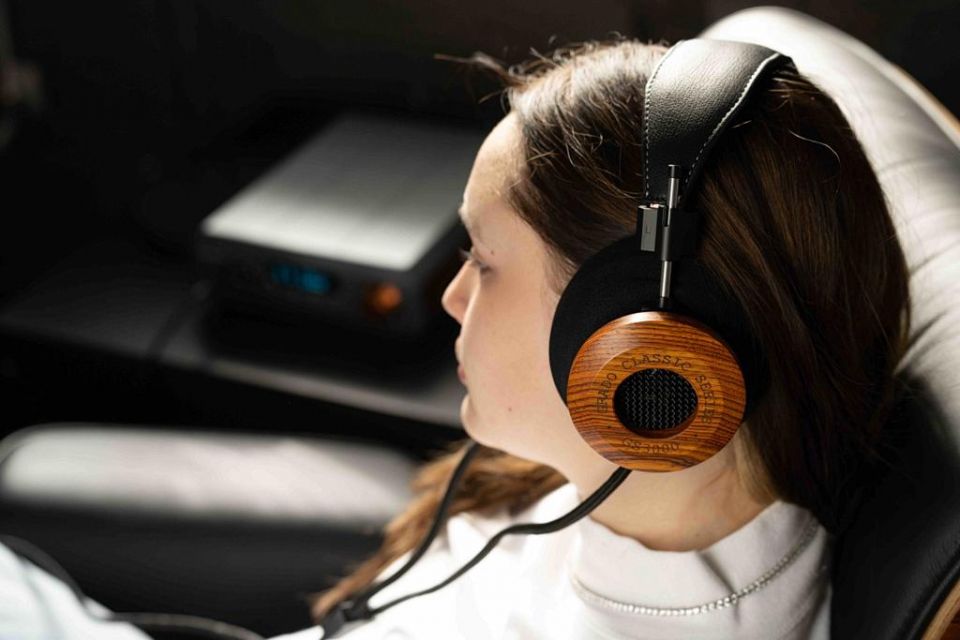
Grado Labs has introduced the Classic Series, a newly defined structure within its headphone portfolio that brings together several of the company's most recognizable open-back models under a single lineup while incorporating the latest X2 driver platform across the range. The move formalizes the role of these long-standing designs within Grado's evolving product architecture, positioning the Classic Series alongside the Signature Line and Wireless Series as one of the three pillars of the manufacturer's current headphone catalog.

We use cookies to improve our website and your experience when using it. To find out more about the cookies we use and how to delete them, please see our Privacy Policy.