Displaying items by tag: stereo - StereoLife Magazine

Marcin Ostapowicz - JPLAY

Digital audio has come a long way in recent years. There was a time when all you needed was a computer, a modest collection of files on a hard drive and a DAC connected over USB. Today, we have music servers, network transports, dedicated operating systems, control apps, streaming services and an entire infrastructure that some audiophiles take just as seriously as their amplifiers or speakers. For a long time, I found myself somewhere between those two worlds. I was eager to try anything that promised a better way to listen to files, seeing it not just as a matter of convenience but as a chance to get around some of the limitations of CD. I extensively modified my PC to make it quiet and efficient, and just about every DAC from a familiar hi-fi brand found its way onto my desk: the Meridian Explorer, Primare DAC30, Hegel HD25, Atoll HD100, iFi Audio iDSD Micro and Marantz HD-DAC1. Back then, this was seen as a harmless eccentricity. For most audiophiles, the only serious source of music was a CD player, but that began to change quickly. Today, streaming is a galaxy of its own, with streamers, servers, dedicated operating systems, control apps, streaming services, specialist power supplies and even LAN cables with prices that can make your head spin. For some people, streaming is simply a more convenient way to listen to music. For others, it is another area where they can spend hours searching for small improvements. But even the most ambitious system needs one more key component: software for playing music. You can use one of the free apps, download the one supplied by your streamer’s manufacturer or switch between them depending on where you want to access your music. Or you can bring all of that together with a specialist app such as JPLAY.
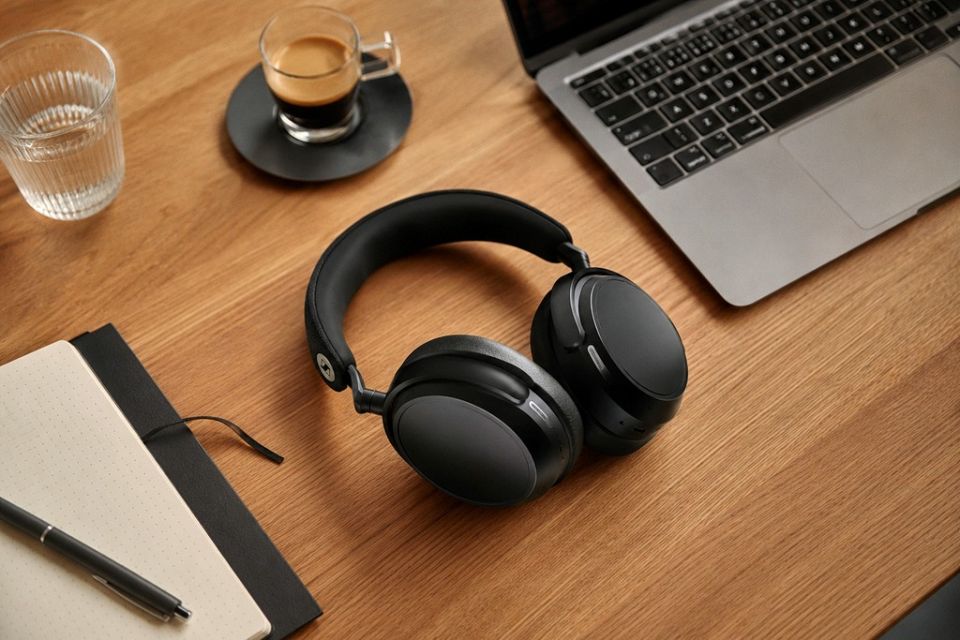
Sennheiser Momentum 5 Wireless

Some audio products come around so predictably that you could almost use them to mark the passing of time. A new smartphone every year. A new DAC every couple of years. An amplifier gets refreshed every three, usually gaining a slightly larger display, an updated streaming board, and a few extra connections along the way. Wireless headphones live on an even shorter clock because the electronics inside them age far faster than the parts that actually make sound. A good driver can remain perfectly competitive for a decade or more, and there is no reason a well-designed enclosure should suddenly become obsolete, but one new codec, a better ANC system, another Bluetooth revision, or a much better app can make a three- or four-year-old model feel surprisingly old. That makes the four-year gap between the Momentum 4 Wireless and their successor unusually long for this market. In 2022, Bluetooth 5.2 with aptX Adaptive was a serious selling point, 60 hours of battery life sounded borderline ridiculous, and manufacturers were still putting the word "adaptive" in front of noise cancellation as though that alone settled the matter. Today, expectations are much higher. Buyers want ANC that can deal with conversation as well as engine rumble, a transparency mode that sounds natural, seamless switching between devices, the best possible wireless audio quality, regular firmware updates, and an app designed for people rather than engineers. Sennheiser has not been standing still either. Since the Momentum 4 appeared, the company has launched the Accentum Wireless, expanded its true-wireless range, and - most importantly from an audiophile point of view - introduced the HDB 630, a model designed to bring some of the philosophy behind the HD 600 family into a modern wireless package. So the Momentum 5 Wireless are entering a very different world. They have tougher competition outside the company and, for the first time, a clearly defined rival within Sennheiser's own lineup.

KEF LS Luxe

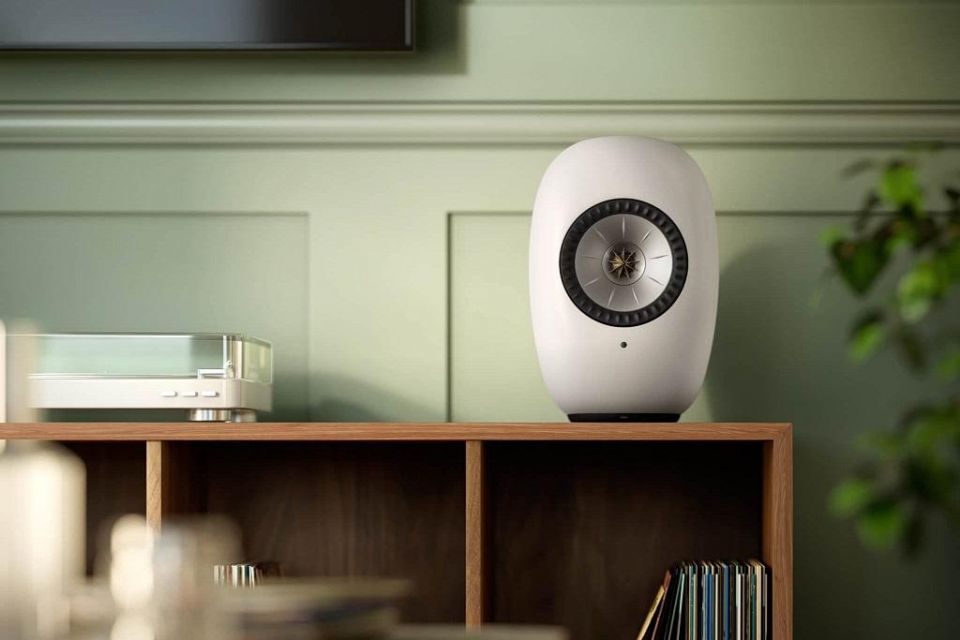
For years, KEF has been steadily developing the concept of a complete stereo system contained within a pair of active speakers. The history of this part of the company's lineup goes back much further than the rise of music streaming. Its symbolic starting point is the LS3/5a monitor, developed by the BBC in the 1970s using KEF drivers. The company returned to that tradition for its 50th anniversary with the passive LS50, followed several years later by the active LS50 Wireless. Subsequent generations of the LS50 Wireless, the smaller LSX systems and the slim LS60 Wireless floorstanders established an entire family of products in which the amplification, digital-to-analog conversion, streamer and digital crossover are designed from the outset as a single system. The latest and most luxurious expression of this idea is the LS Luxe, an active stand-mounted system positioned above the LS50 Wireless II while remaining considerably more compact than the floorstanding LS60 Wireless.

Beyerdynamic DT 275 PRO

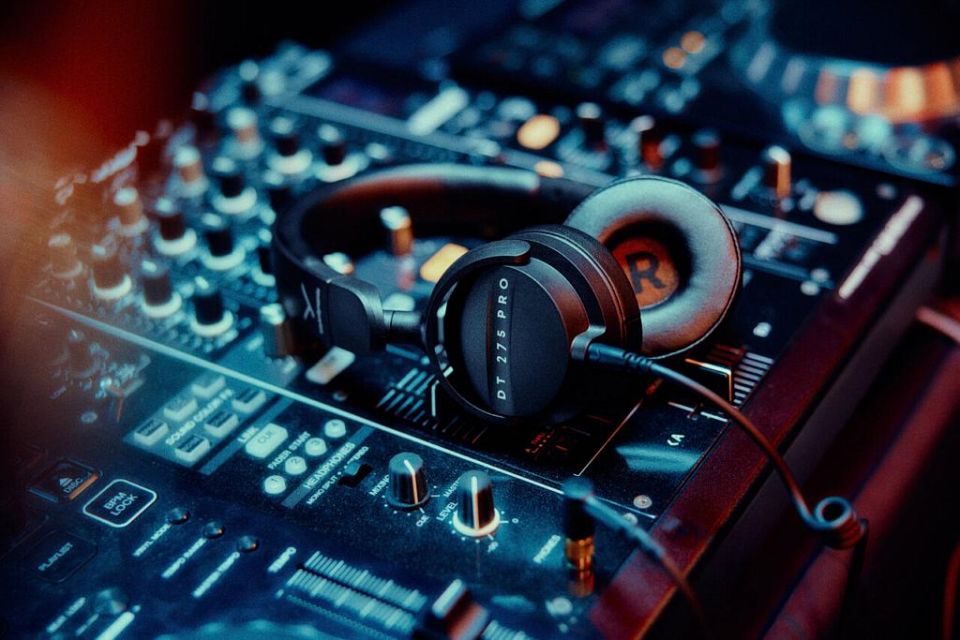
Professional headphone monitoring is not always about creating perfect listening conditions. Sometimes the real challenge is being able to work without them - surrounded by a film crew talking, sound spilling from the stage, a PA system running at full tilt, crowds moving around and all the general chaos that comes with live events. The Beyerdynamic DT 275 PRO was designed precisely for situations like these. These compact, closed-back on-ear headphones are intended for signal monitoring on film sets, at front-of-house positions, side stage, in DJ booths and across other mobile production environments. Rather than presenting the new model as another all-purpose pair of headphones, the company has given it a much more specific job: allowing professionals to assess speech, levels, cues and the most important elements of an audio signal quickly and reliably, even when the world around them is anything but quiet.

Arcam A50 Signature & CD25

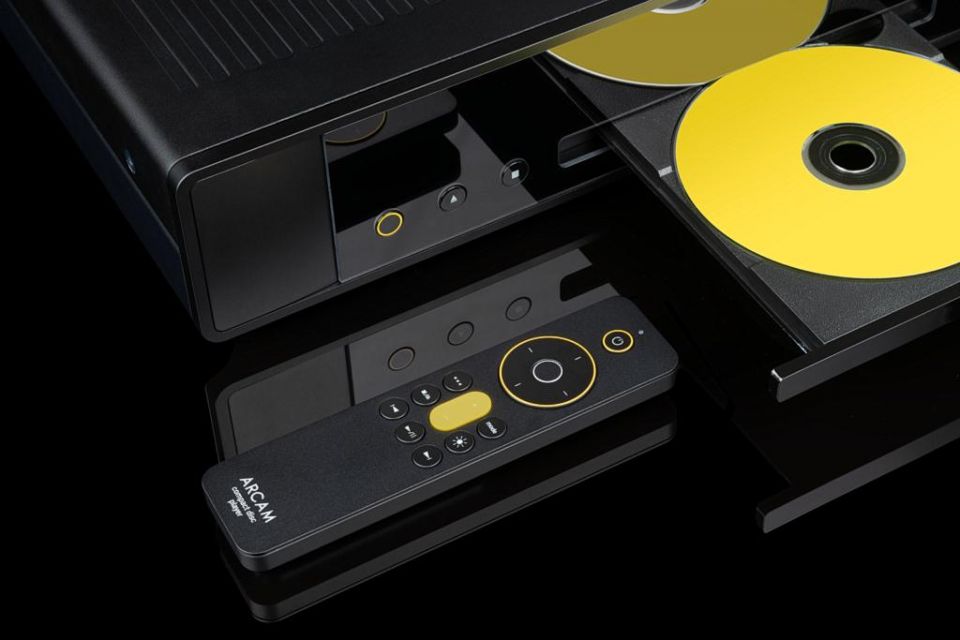
In 2026, Arcam celebrates its 50th anniversary. The British company's story began in Cambridge, where two engineering students and friends, John Dawson and Chris Evans, combined their interest in music with their technical expertise to establish Amplification and Recording Cambridge, later known as A&R Cambridge. Its first major product was the A60 integrated amplifier, introduced in September 1976. It not only gave the fledgling company a successful start, but also established the direction it would follow for decades to come. Although Arcam's catalogue eventually expanded to include disc players, digital-to-analogue converters, streamers and sophisticated home cinema electronics, amplifiers remained at the heart of the company's identity. To mark its golden anniversary, Arcam has introduced two new components positioned at the top of the Radia range - the A50 Signature integrated amplifier and the CD25 compact disc player.

Meze Audio Ultra

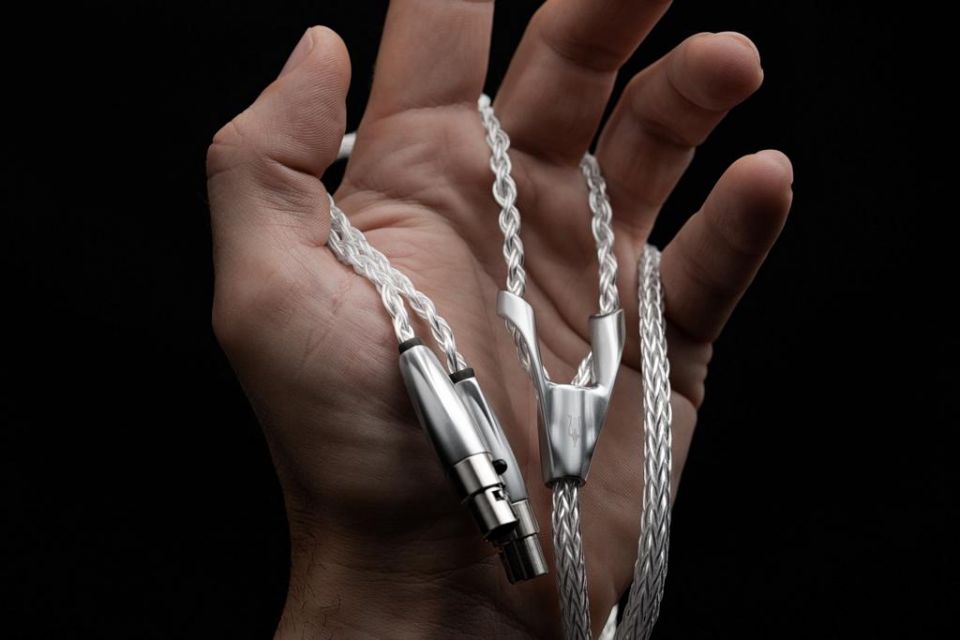
Meze Audio has never treated cables as an afterthought, offering several upgrade options for its headphones alongside the standard cords supplied in the box. The latest addition takes that idea considerably further. Ultra Cable is the company's new flagship headphone cable, built around extremely pure silver conductors, an elaborate hand-braided geometry and metal hardware designed with almost as much attention as the headphones themselves. It is also priced accordingly, positioning itself as an accessory primarily for owners of Meze's most ambitious models rather than a casual replacement for a worn-out cable.

Hegel A200 & H200

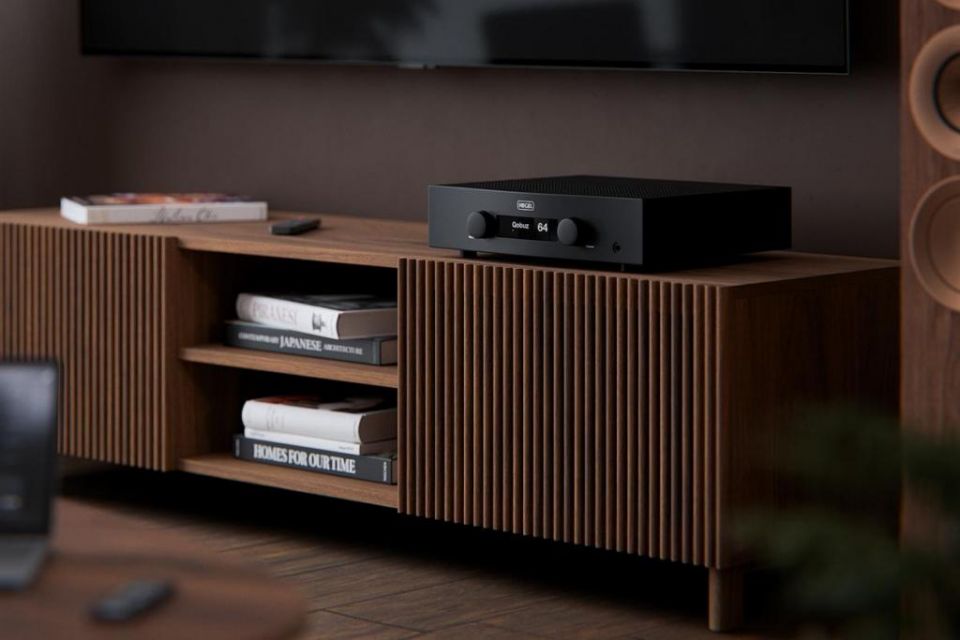
Hegel is introducing two new integrated amplifiers built around the same core platform but aimed at different types of system. The H200, described by the manufacturer as "The Connected", combines a 2 x 150 W amplifier with a digital-to-analogue converter, network player, MM phono stage and headphone output. The A200, or "The Classic", retains the same power output and key circuit solutions, but is an entirely analogue design intended for use with external sources such as streamers and DACs. Both amplifiers employ a Class AB output stage delivering 150 W per channel into 8 ohms. The H200 and A200 are designed to remain stable into loads as low as 2 ohms, while the damping factor of their output stages exceeds 4000. Both models also feature Hegel's SoundEngine2 technology, which is designed to detect and reduce distortion at the point where it occurs, before it travels further through the signal path. The basic amplifier architecture is therefore shared, with the main differences concerning connectivity, features and the role each model is intended to play within a system. Rather than creating one heavily equipped amplifier for everyone, Hegel has developed two versions - a complete network-enabled model and a more traditional integrated amplifier without a digital section.

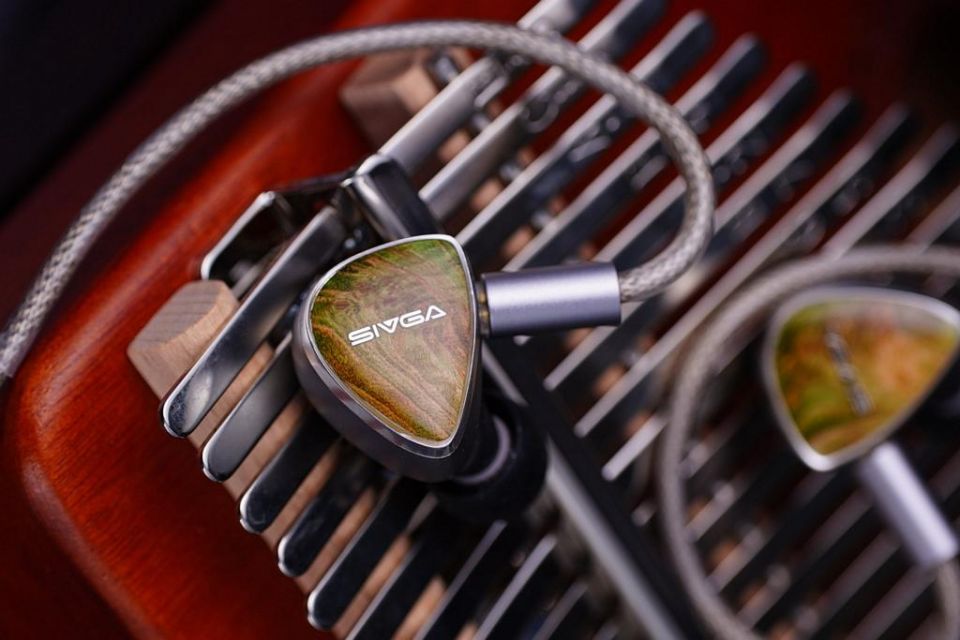
Sivga Lyrebird

Sivga has built much of its reputation on combining relatively affordable pricing with materials and construction techniques more often associated with considerably more expensive headphones. Wood has played a particularly important role in that formula, appearing across many of the company's over-ear models and increasingly in its earphones as well. The new Lyrebird follows the same philosophy but approaches the acoustic side rather differently - instead of relying on a single transducer, Sivga has squeezed four different driver technologies into each earpiece, creating one of the more technically ambitious IEMs in its price range. The model now joins a growing wired earphone lineup that also includes products such as the Nightingale Pro, Que UTG and SM100.

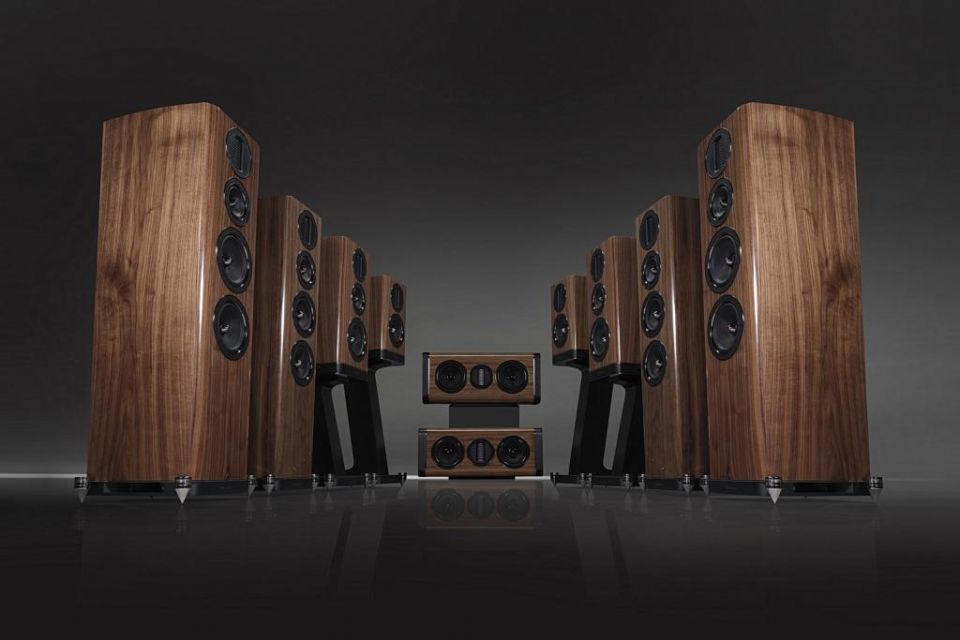
Wharfedale Aura

Wharfedale is one of those manufacturers that knows how to spread its ideas across several price levels without turning the more affordable ranges into stripped-down, characterless versions of its flagship designs. The Aura series is a particularly good example. It borrows heavily from technologies developed for the top-of-the-line Elysian range, but packages them in speakers aimed at a much broader audience. In terms of overall size, the Aura models remain relatively close to the popular Evo family, yet their drivers, cabinets, crossovers and bass-reflex systems have all been developed with Wharfedale's more ambitious designs in mind. This is not just a single pair of speakers, either, but a complete lineup capable of forming the basis of anything from a traditional stereo system to a full multichannel home theater. The range consists of two stand-mount models, the Aura 1 and Aura 2, two floorstanders, the Aura 3 and Aura 4, and two center-channel speakers, the Aura CS and Aura C. In other words, buyers can start with a relatively compact setup for a living room or office, move all the way up to a substantial three-way floorstander, or build a tonally consistent system for both music and movies.

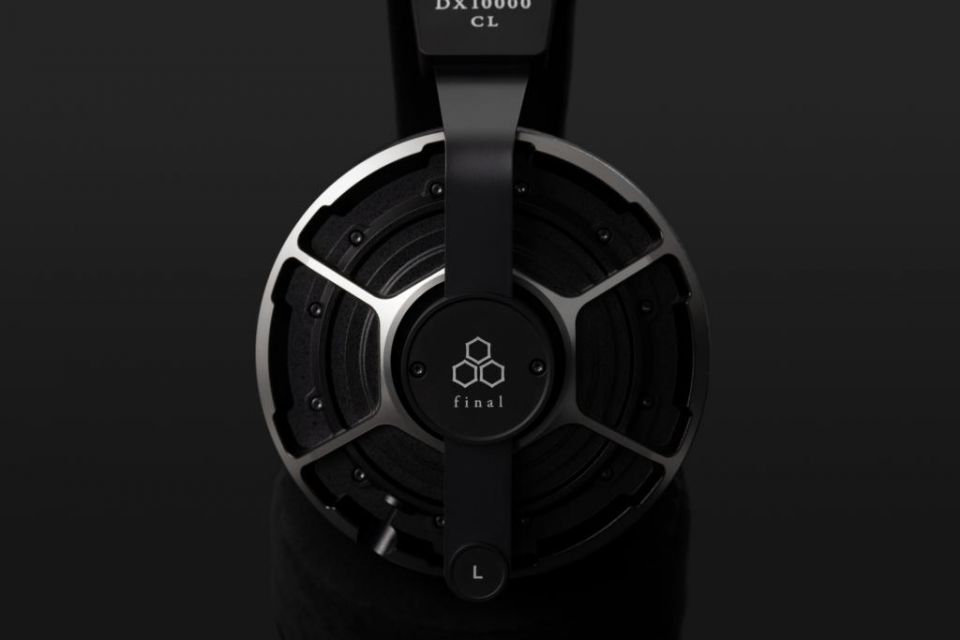
Final Audio Design DX10000 CL

Final has introduced one of its most ambitious headphones to date, and this time the Japanese manufacturer has chosen to tackle a problem that becomes particularly difficult at the very top of the market - how to build a closed-back design that preserves the intimacy, physical impact and isolation of this format without accepting the resonances and tonal coloration that often come with it. The answer is the DX10000 CL, a new reference model built around a 40 mm dynamic driver with a genuine diamond diaphragm, a heavily engineered aluminum-magnesium enclosure and an unusual screw-fastened structure designed to maintain rigidity and airtightness. Alongside the regular version, Final is also releasing the first 150 units worldwide as a special Collector's Edition. The company has opened pre-orders, while the standard model is expected to begin shipping later in 2026.

We use cookies to improve our website and your experience when using it. To find out more about the cookies we use and how to delete them, please see our Privacy Policy.