
- News
- Posted
JBL L150 Classic
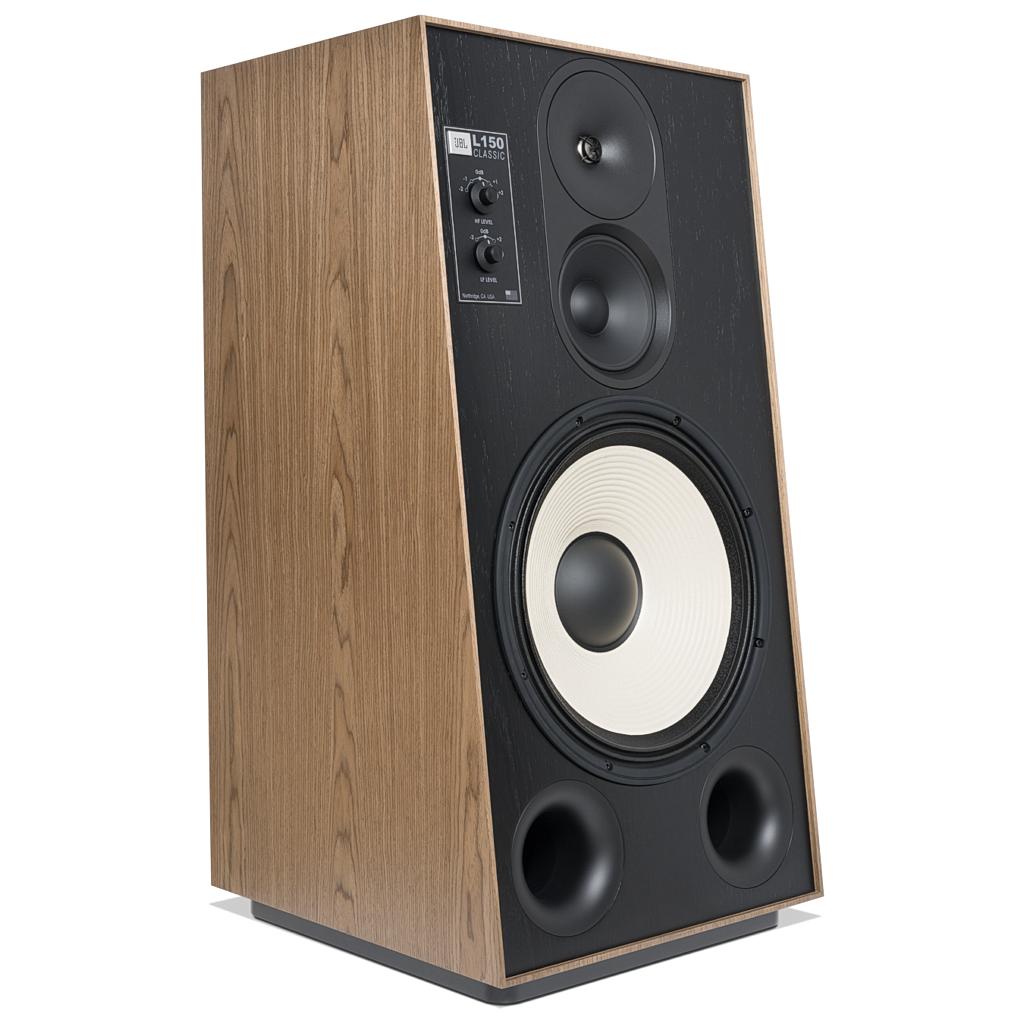
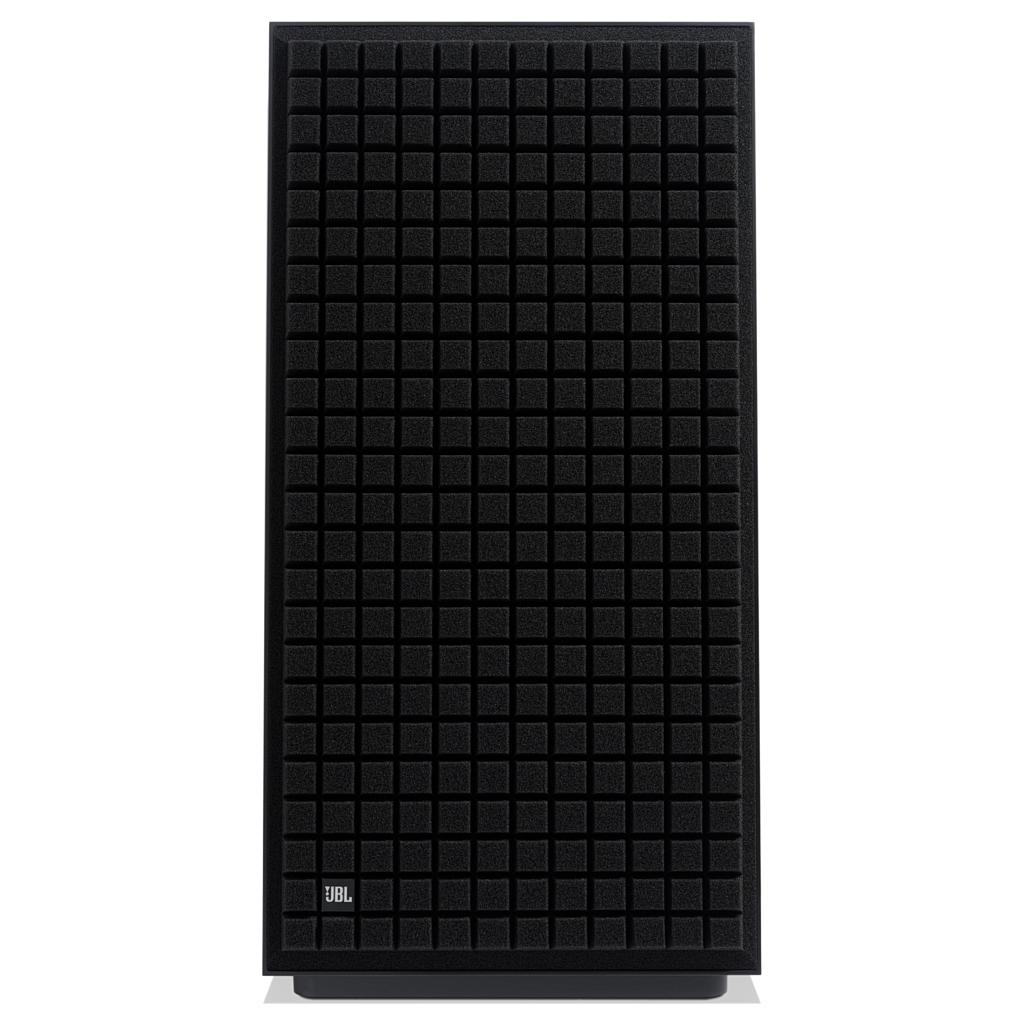
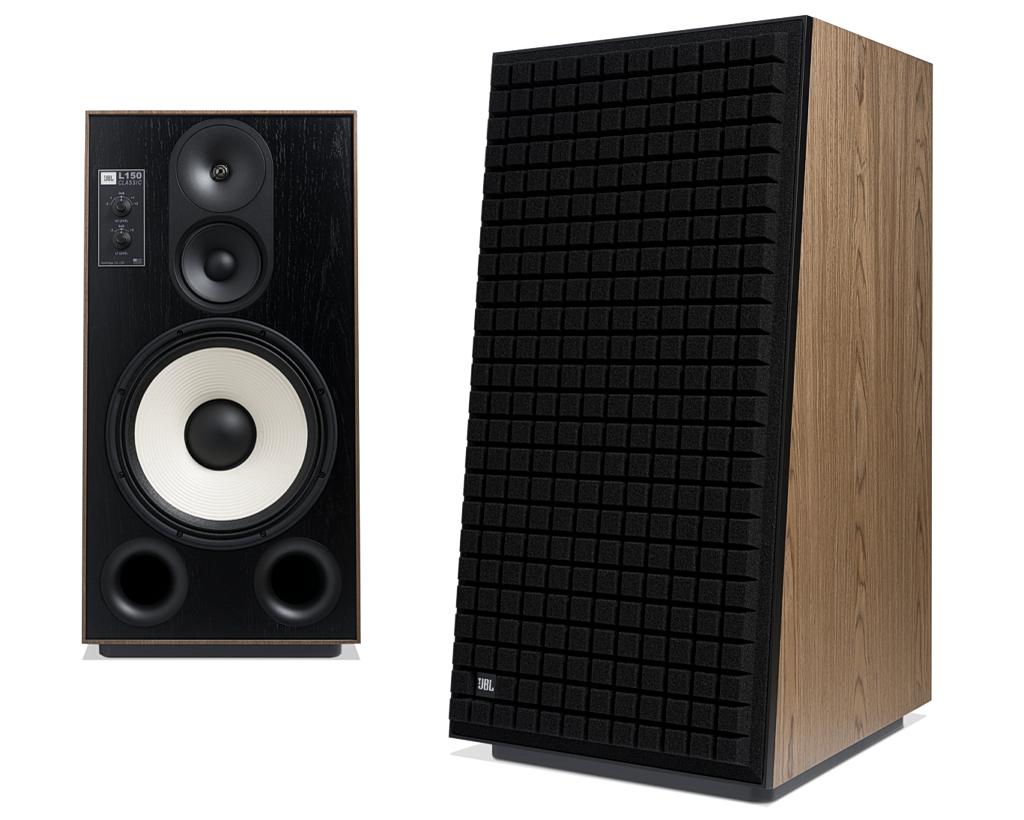
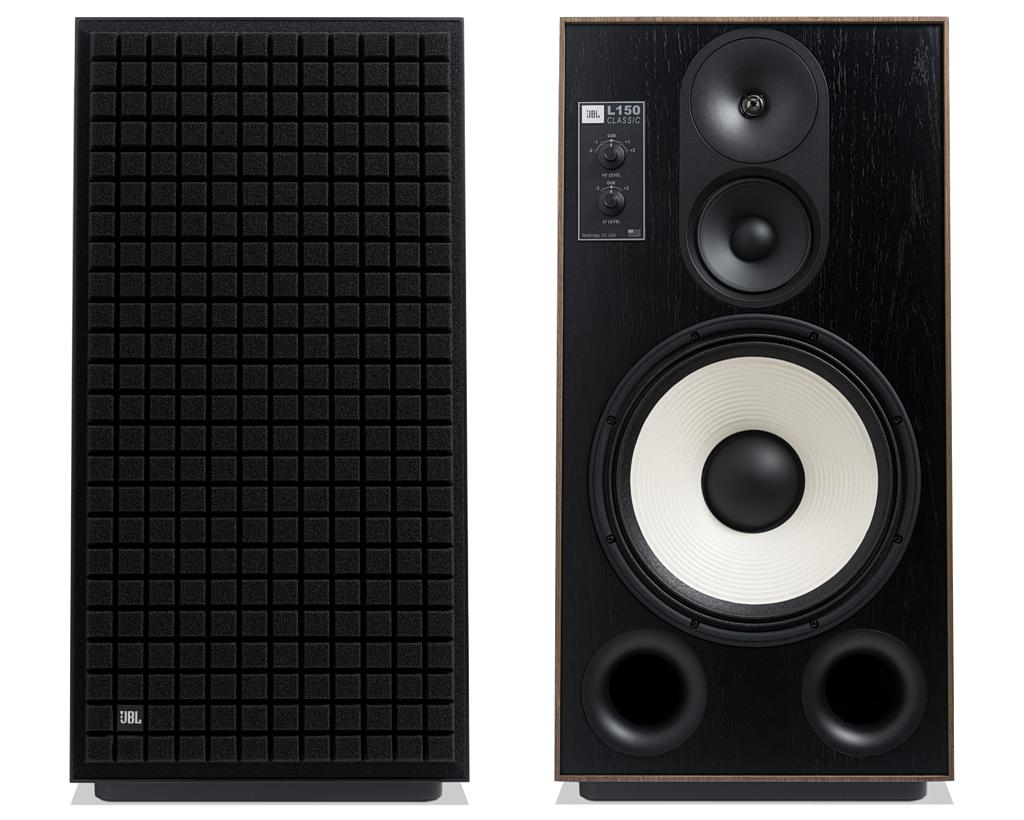
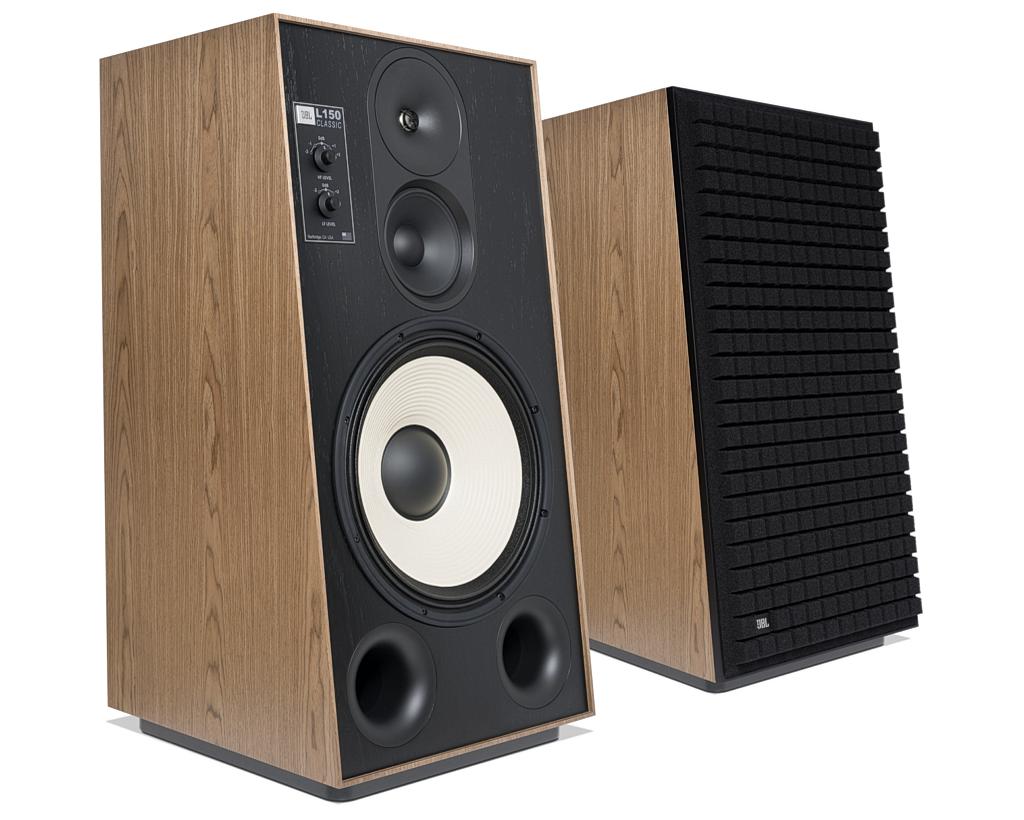
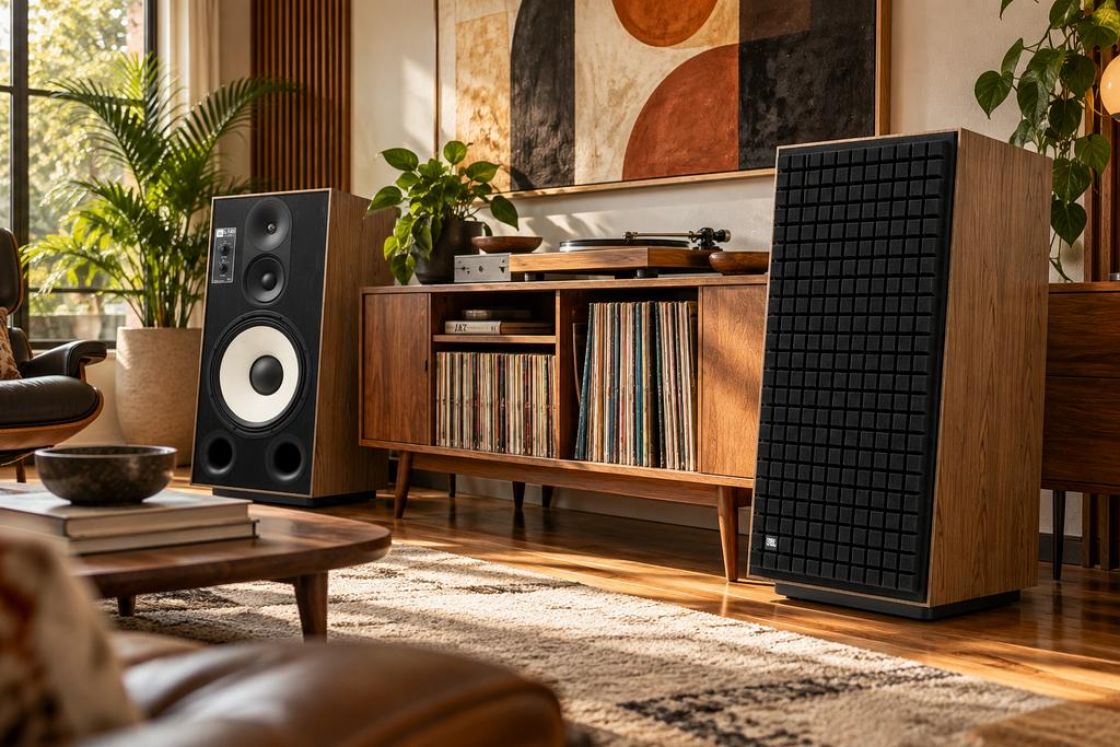
For all the changes the hi-fi industry has gone through over the past few decades, there's something undeniably appealing about a pair of enormous American loudspeakers with big woofers, wide cabinets, and absolutely no interest in blending discreetly into the living room. JBL knows this better than most. The company has spent recent years bringing its most recognizable designs back to life, combining the unmistakable styling of its 1970s classics with modern drivers and acoustic engineering. Now it's taking that philosophy to a whole new level. The newly announced L150 Classic is the largest and most ambitious model in the current Classic series, featuring a massive 15-inch woofer, a dedicated midrange driver, and a titanium dome tweeter, all housed in a substantial three-way enclosure finished in natural walnut veneer. Each speaker weighs approximately 115 pounds, and the famous Quadrex foam grille is present and correct. But perhaps the biggest surprise is where JBL has decided to unveil its latest creation. Instead of choosing an audio show in the United States, Germany, or Japan, the American manufacturer will give the L150 Classic its world premiere at Audio Video Show 2026 in Warsaw, Poland, on October 23-25. Visitors will be the first people anywhere to see the new speakers in person and, more importantly, hear what they can do.
The Classic series has become one of the industry's most successful exercises in bringing vintage hi-fi into the modern world. Its revival began in 2018 with the L100 Classic, a contemporary interpretation of the legendary L100 Century introduced in 1970. The original L100 became one of the most recognizable and commercially successful loudspeakers in JBL's history, while its distinctive foam grille, with its deep geometric pattern, eventually became almost synonymous with American home audio of that era. The modern version managed to capture much of that visual personality without relying on decades-old engineering, and its popularity encouraged JBL to expand the family. Smaller models such as the L82 Classic and L52 Classic followed, giving enthusiasts the same unmistakable styling in more manageable packages. Throughout the range, the recipe remained largely unchanged: keep the walnut veneer, the prominent drivers, and the bold proportions, but use contemporary materials, motor systems, and acoustic design to meet modern performance expectations. The L150 Classic takes this approach into territory the current lineup has not previously explored, with a genuinely large, full-size floorstanding loudspeaker that looks as though it belongs in a 1970s listening room but has been engineered for today's systems.
Even the name has a history. JBL offered an L150 back in 1979, when large domestic loudspeakers were still very much part of the mainstream hi-fi landscape. That original model was a tall, three-way design featuring a 12-inch woofer and a passive radiator to reinforce the lowest frequencies. An updated L150A followed, incorporating refinements and technology associated with other JBL models, including the L112. These were speakers designed for people who wanted to feel the energy of a live performance rather than merely admire the delicacy of a recording at modest volume levels. The new L150 Classic is not a painstaking recreation of either predecessor, however. JBL has preserved the underlying philosophy while changing almost everything else. The new model employs a considerably larger woofer, entirely different drivers, and a bass-reflex enclosure instead of the original passive-radiator arrangement. This is less a reproduction of a historical product than a return to an approach to loudspeaker design that has become surprisingly uncommon.
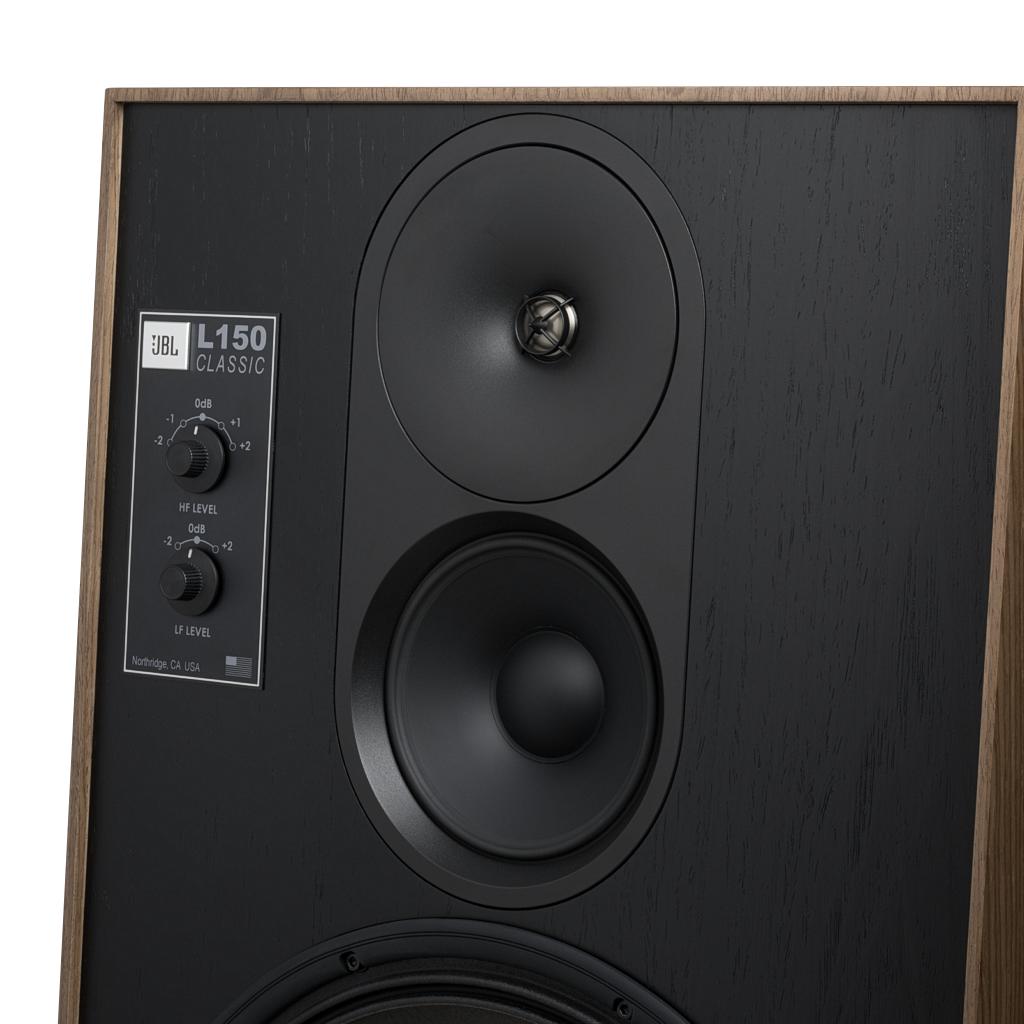
And what a woofer it is. The L150 Classic uses a 15-inch (380 mm) Pure Pulp Differential Drive bass driver mounted in a rigid cast frame. Compared with the 12-inch unit found in the L100 Classic, that's a substantial increase in cone area, giving the new model considerably more potential to move air and deliver the physical impact associated with large loudspeakers. The Differential Drive motor system is designed to maintain control over the diaphragm while reducing distortion, particularly when the driver is working hard and reproducing large-amplitude bass signals. A woofer this size is obviously capable of making a visual statement, but the real point is acoustic. Moving more air without requiring excessive cone excursion can help reproduce demanding low-frequency passages with greater authority and less strain. That matters whether the recording contains a powerful kick drum, an orchestral bass drum, an electric bass pushed through a large amplifier, or the sort of deep electronic bass that can quickly expose the limitations of smaller speakers.
JBL has also resisted the temptation to make that enormous woofer do too much. Midrange frequencies are handled by a separate 6.5-inch (165 mm) driver featuring a polymer-coated pure pulp cone and its own cast frame. This allows the bass driver to concentrate on the bottom end while the smaller, more specialized unit takes responsibility for much of the information that gives voices and instruments their recognizable character. It's an important distinction, because the midrange is where so much of a recording's emotional content resides. The weight of a baritone voice, the body of an acoustic guitar, the bite of a saxophone, and the texture of a snare drum all depend on this part of the frequency spectrum. Using a dedicated midrange driver also gives JBL greater freedom to optimize the woofer for low-frequency performance without asking it to reproduce frequencies for which a smaller diaphragm would generally be better suited.
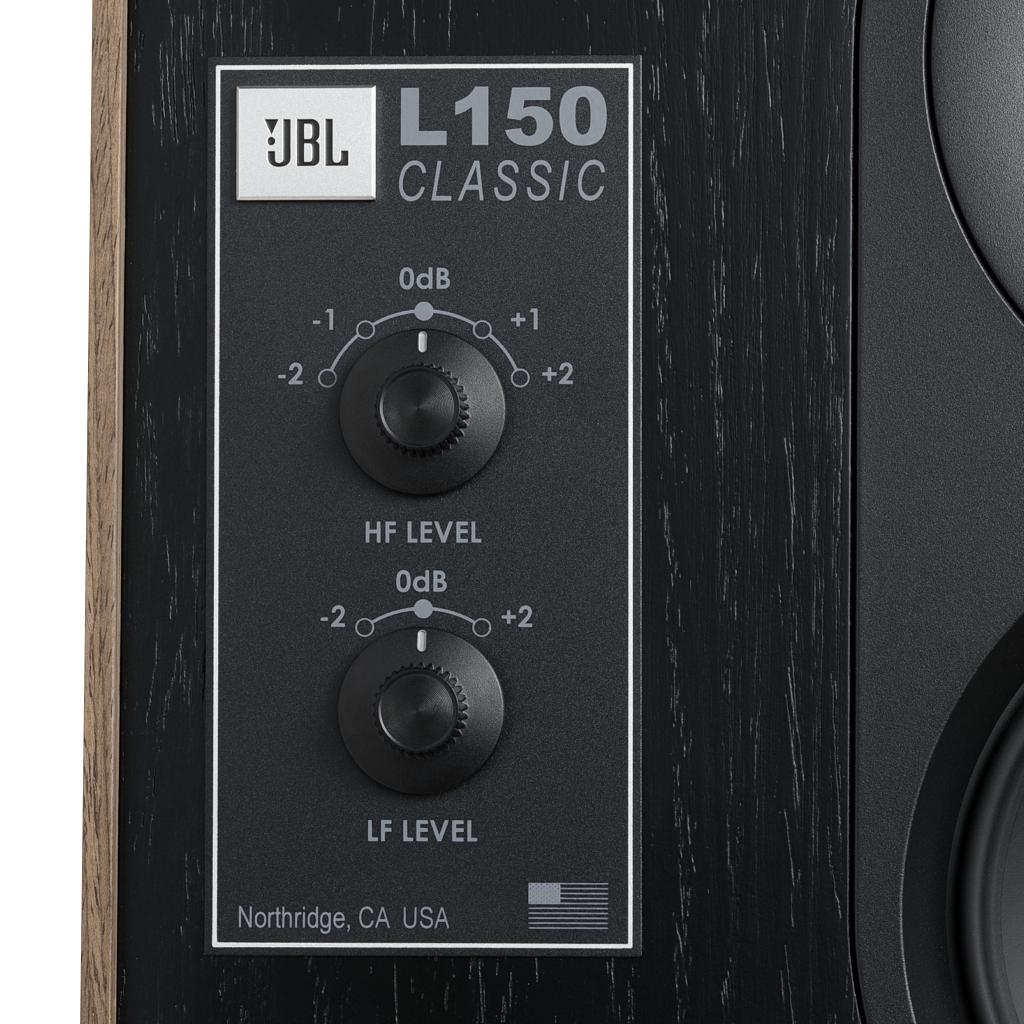
At the top of the frequency range is a 28 mm titanium dome tweeter working with an acoustic lens and waveguide. This is familiar territory for JBL, which has considerable experience controlling the dispersion of high-frequency drivers and integrating them with the rest of a loudspeaker system. The waveguide is intended to shape the tweeter's radiation pattern, helping provide consistent coverage and smoother integration around the crossover region. Speaking of crossovers, the L150 Classic divides the frequency spectrum at 310 Hz and 1.8 kHz. The lower figure is particularly revealing: JBL has deliberately limited the enormous woofer to the bass region, leaving a substantial portion of the musical spectrum to the dedicated midrange driver. There are also front-panel controls for adjusting the levels of the low- and high-frequency sections, allowing listeners to fine-tune the tonal balance to suit their room and preferences. Such controls were once a common sight on large JBL loudspeakers, although vintage models more often offered adjustments for the midrange and treble. In the L150 Classic, the concept has been adapted to a modern three-way design while preserving that hands-on approach to sound adjustment.
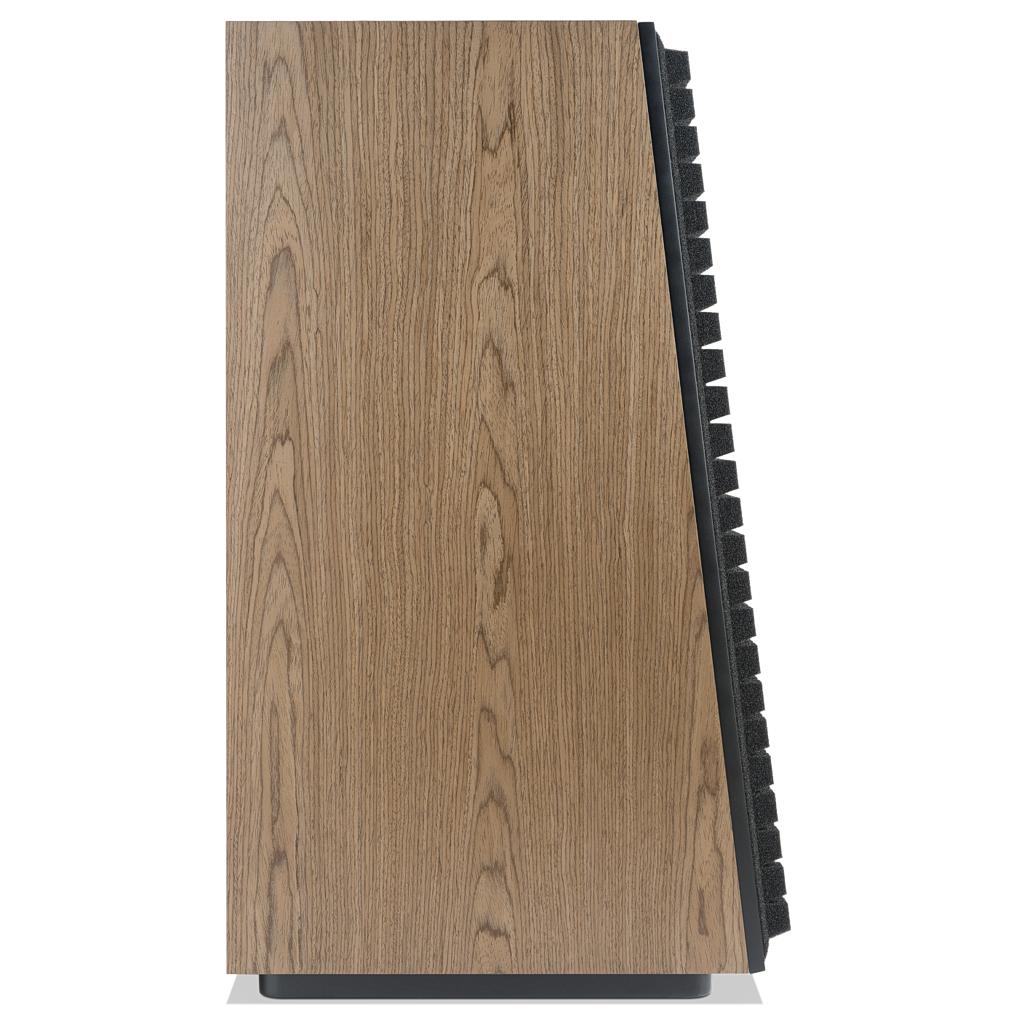
The cabinet is almost as interesting as the drivers themselves. Rather than using the tall, narrow enclosure that has become the default shape for modern floorstanding speakers, JBL has chosen something considerably broader and deeper. The front baffle is slightly tilted, an element of the acoustic design that also gives the speaker a distinctive appearance. Natural walnut veneer covers the enclosure, while a black Quadrex foam grille provides an unmistakable visual connection to the company's most famous domestic loudspeakers. It's a more restrained combination than the orange and blue grille options commonly associated with smaller Classic models, but perhaps a more appropriate one for speakers of this size. The dimensions tell their own story. Each L150 Classic stands 935 mm (36.8 inches) tall, measures 470 mm (18.5 inches) wide, and extends 539 mm (21.2 inches) from front to back. At 52 kg (114.6 lb) per cabinet, these are substantial loudspeakers by any reasonable definition.
Interestingly, the L150 Classic isn't especially tall. Plenty of contemporary floorstanders reach well above four feet, yet manage to look relatively discreet thanks to their narrow front baffles and small drivers. The JBLs take the opposite approach. They are broad-shouldered, deep, and visually dominated by their enormous woofers. This is hardly surprising, since a 15-inch driver needs an appropriately sized enclosure if it's going to deliver on its potential. The considerable weight also suggests that JBL has taken cabinet construction seriously, although the manufacturer has not provided enough information to draw detailed conclusions about internal bracing and damping. What we do know is that the enclosure uses a bass-reflex alignment rather than the passive radiator fitted to the original L150. Combined with the larger woofer and modern motor design, this gives the new model a very different technical foundation from its namesake of nearly half a century ago.
The published specifications provide a more complete picture of what JBL is trying to achieve. With the bass level control in its neutral position, the L150 Classic has a stated frequency response of 33 Hz to 22.5 kHz. Switching the low-frequency control to the +2 dB setting changes the specified lower limit to 30.5 Hz. These are respectable figures, although anyone expecting a 15-inch woofer to automatically guarantee subwoofer-like extension into the deepest octave should remember that driver diameter is only one factor in low-frequency performance. Cabinet volume, tuning, efficiency, and the intended balance between extension and output all play a role. JBL has evidently chosen an alignment intended to combine substantial bass capability with the dynamics and impact expected from a large three-way speaker, rather than simply chasing the lowest possible number on a specification sheet.
Another interesting figure is sensitivity, rated at 88 dB (2.83 V/1 m), with a nominal impedance of 4 ohms. Despite the enormous woofer and old-school appearance, these are not exceptionally efficient loudspeakers that can automatically be paired with a tiny single-ended tube amplifier. JBL recommends amplifiers delivering between 25 and 250 watts RMS, and the combination of a 4-ohm load and relatively moderate sensitivity suggests that amplifier quality and current delivery will be important considerations, particularly in larger rooms and at higher listening levels. Of course, the physical size of a speaker tells us surprisingly little about how easy it will be to drive. A large woofer does not automatically mean high sensitivity, just as a smaller driver does not necessarily require enormous amounts of power. Anyone planning to partner the L150 Classic with an existing amplifier would be wise to pay attention to the electrical specifications rather than relying on its vintage appearance.
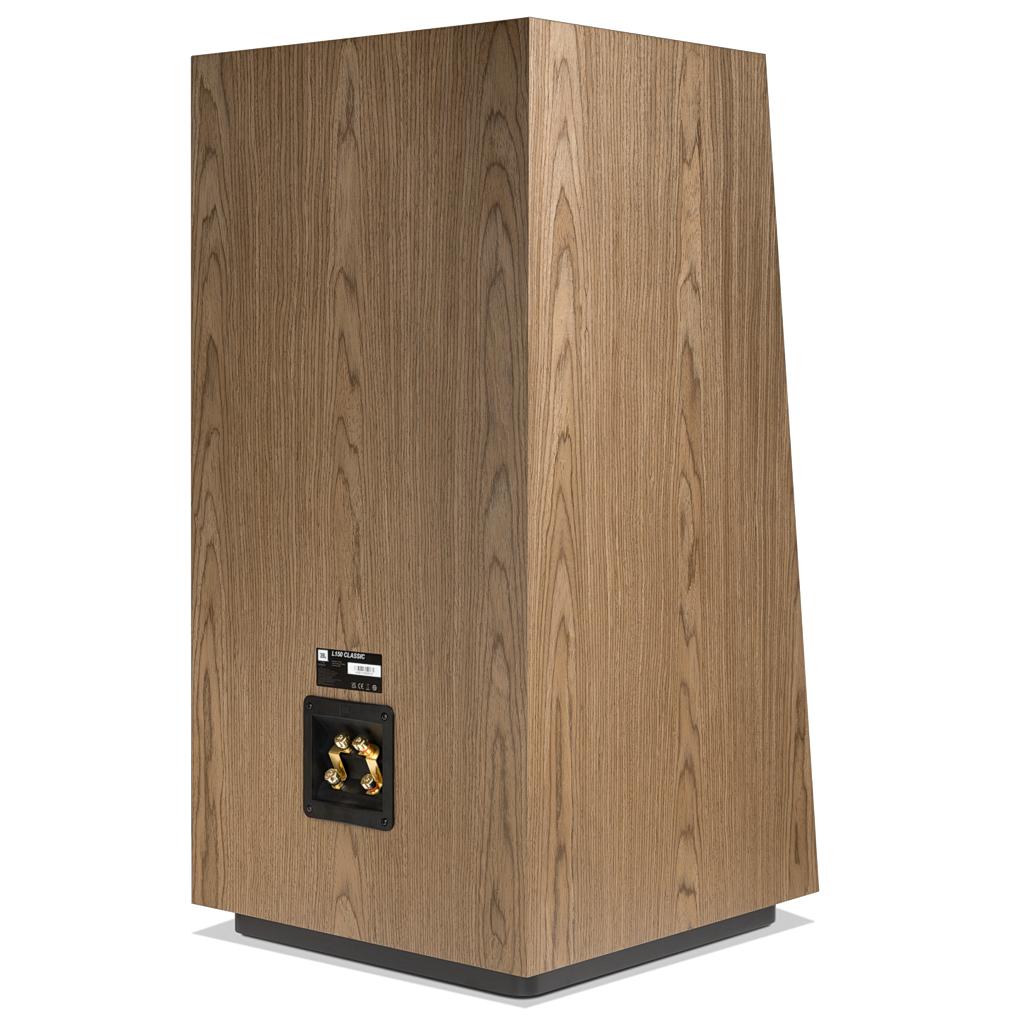
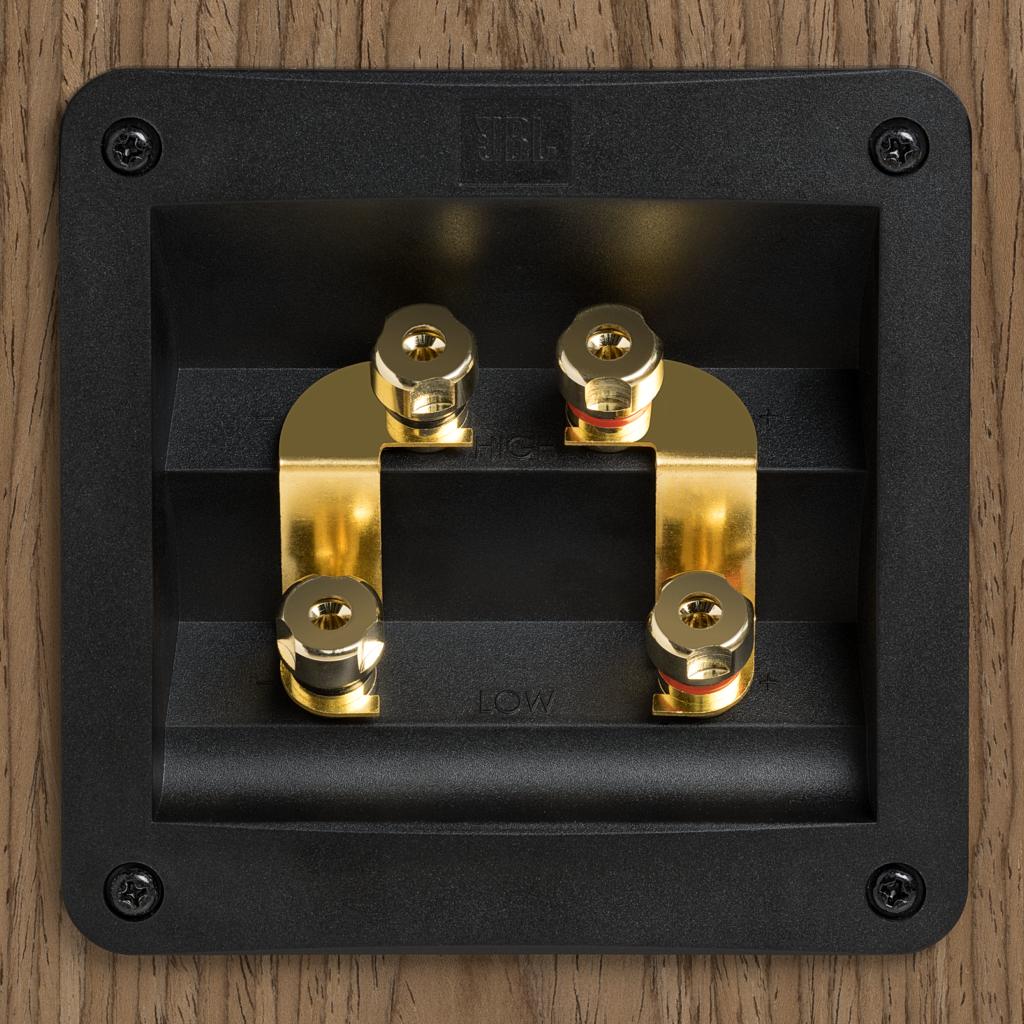
Around the back, JBL has fitted dual gold-plated binding posts, allowing bi-wiring or bi-amping configurations. The crossover network is divided into separate sections for the woofer and the remaining drivers, making these connection options possible. Whether bi-wiring produces any meaningful improvement in a particular system is open to debate, but the option is there for owners who want it. Bi-amping, meanwhile, may be of interest to those building more elaborate systems around separate amplification channels. Together with the adjustable bass and treble levels, these features give the L150 Classic a degree of flexibility that isn't always found on contemporary floorstanding speakers. They also reinforce the impression that JBL expects these loudspeakers to appeal to serious enthusiasts who enjoy experimenting with system matching rather than simply connecting everything once and forgetting about it.
The arrival of the L150 Classic comes at an interesting time for loudspeaker design. Much of the industry has spent the past few decades pursuing slimmer cabinets, smaller drivers, and products that can disappear visually into carefully designed interiors. JBL has chosen to remind everyone that there's another way of doing things. Large drivers, generous cabinet volumes, dedicated midrange units, and adjustable frequency balance were once familiar ingredients in ambitious domestic loudspeakers, particularly those built in the United States. The L150 Classic brings that philosophy into the present without pretending that the last fifty years of acoustic engineering never happened. It retains the appearance and spirit of JBL's golden era while using modern drivers, motor systems, and crossover design. Whether the result lives up to its imposing appearance remains to be heard, but the concept alone makes it one of the more intriguing additions to the company's current portfolio.
For anyone planning to attend Audio Video Show 2026, the new JBLs will be among the show's more compelling attractions. Their world premiere is scheduled for October 23-25 at PGE Narodowy, Warsaw's National Stadium, where visitors will be able to experience the L150 Classic in demonstration room 108 on the first floor. That makes the Polish exhibition the first public opportunity anywhere in the world to see and hear JBL's new flagship Classic loudspeaker. Given the model's historical connections, substantial engineering, and thoroughly unapologetic dimensions, it's a premiere that should attract plenty of attention. Official pricing has not yet been announced. Info and photos by JBL.