
- News
- Posted
Marantz Model 70 & CD 70
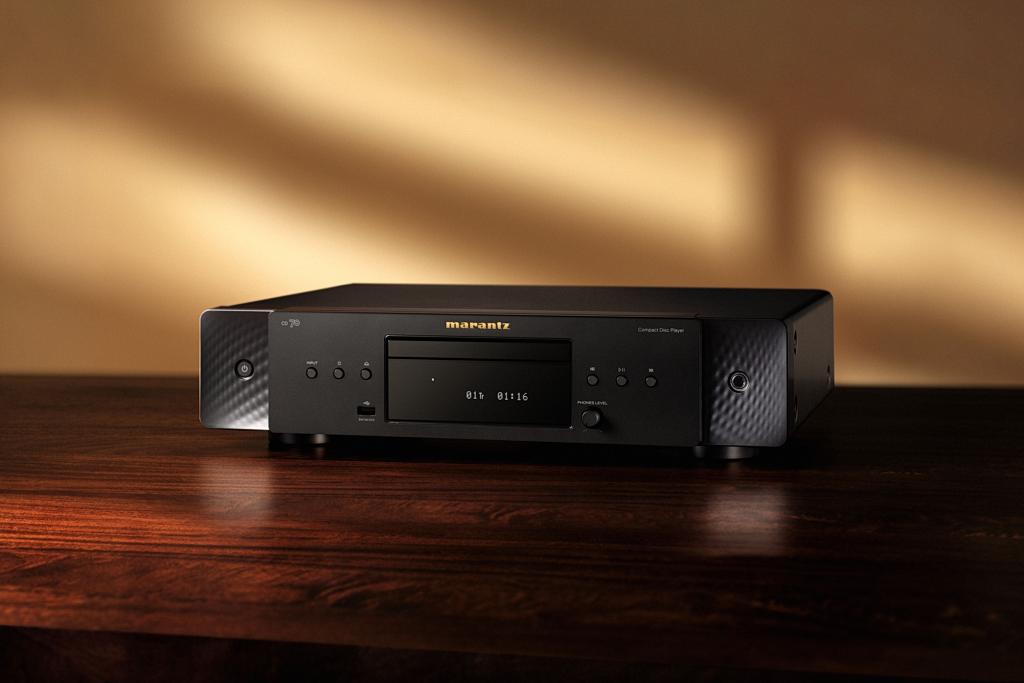
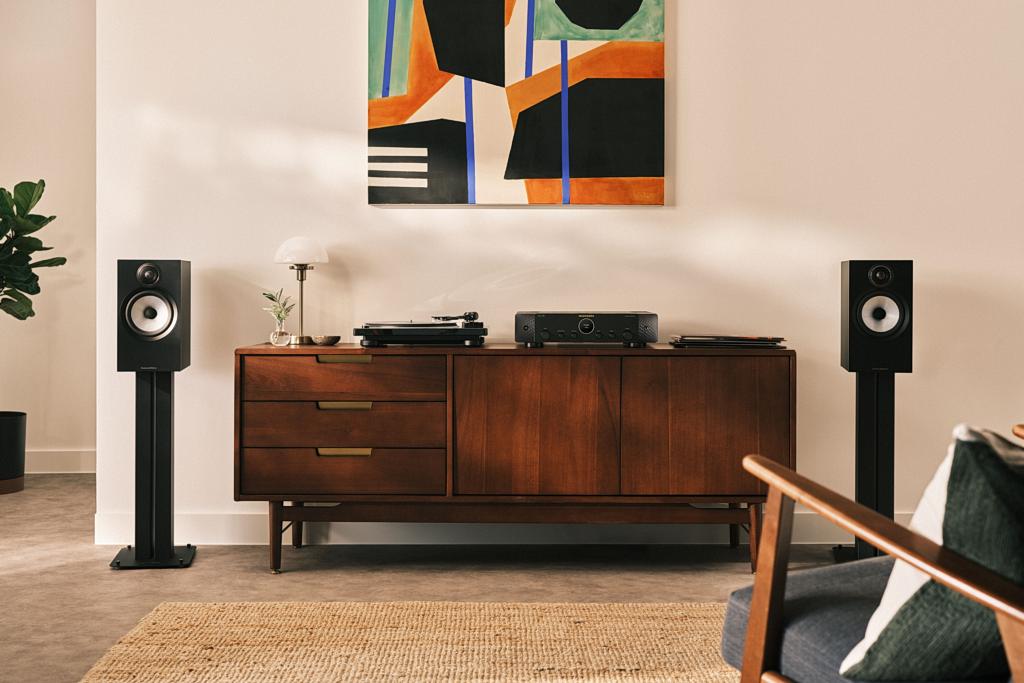
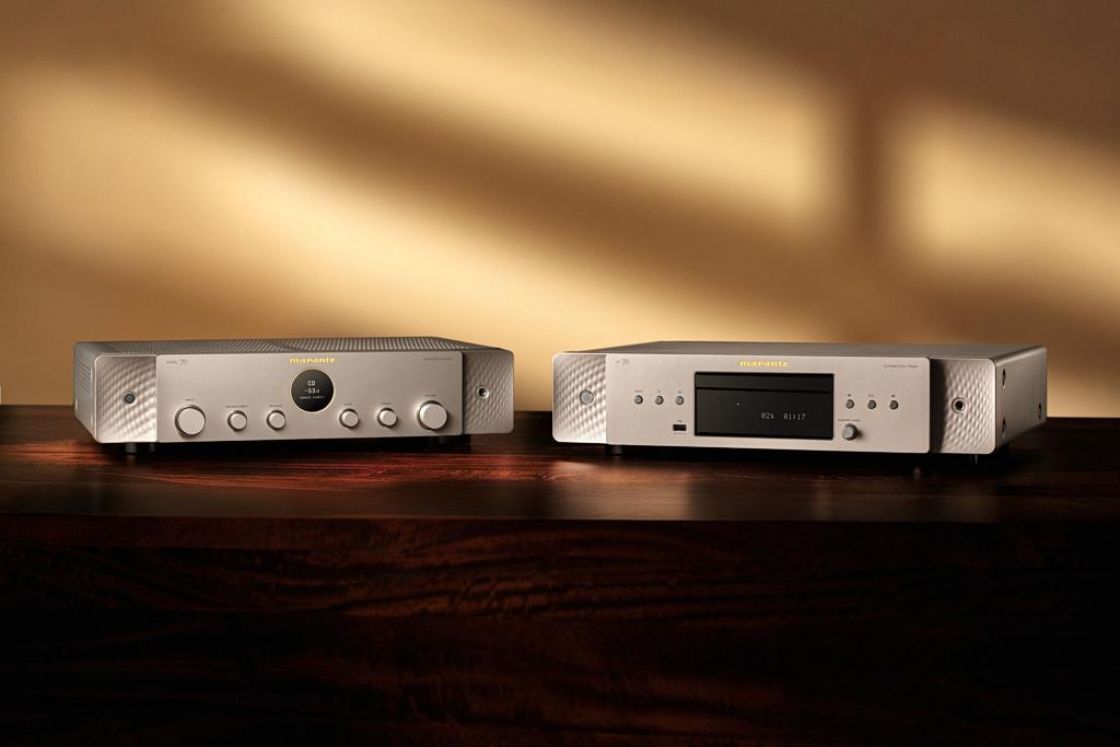
Marantz is refreshing the entry point to its traditional hi-fi range with two full-size components - the Model 70 integrated amplifier and the matching CD 70 player. The new duo follows in the footsteps of the popular PM6007 and CD6007, but the transition involves considerably more than a change of model numbers. Both products adopt the visual language previously associated with more expensive Marantz components, while the amplifier gains HDMI ARC, two-way Bluetooth connectivity and a revised amplification section. The CD player, meanwhile, combines conventional disc playback with high-resolution files from USB storage.
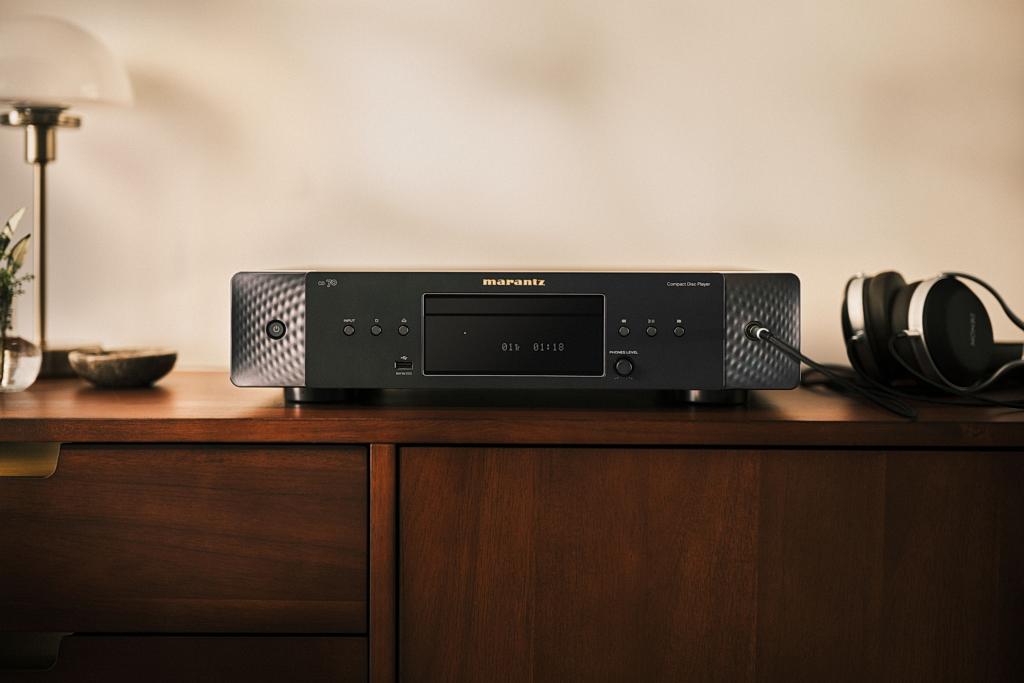
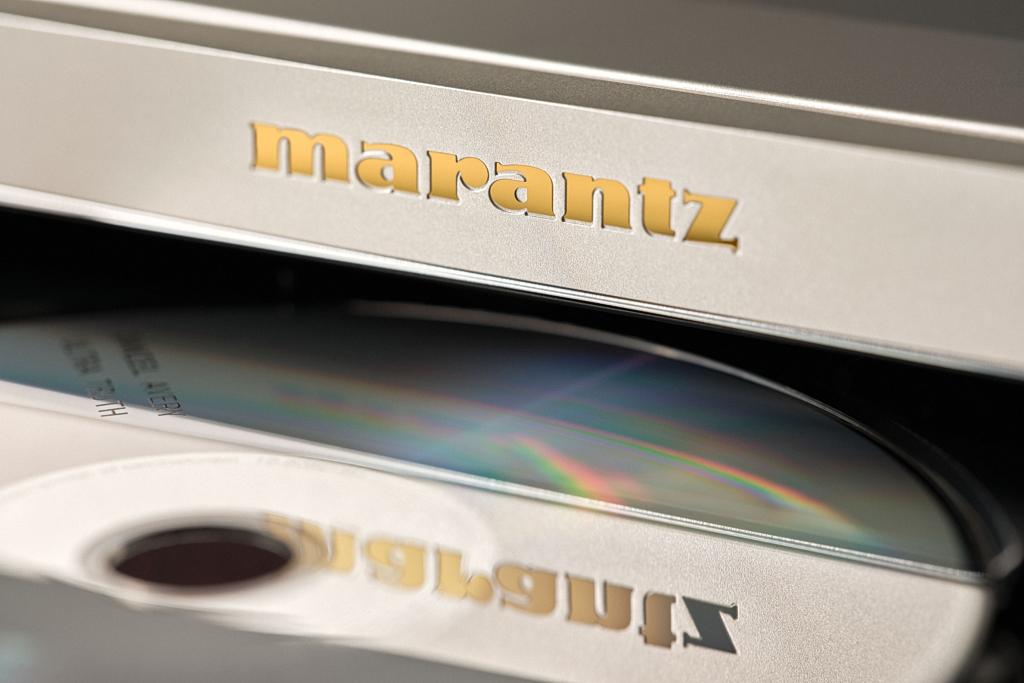
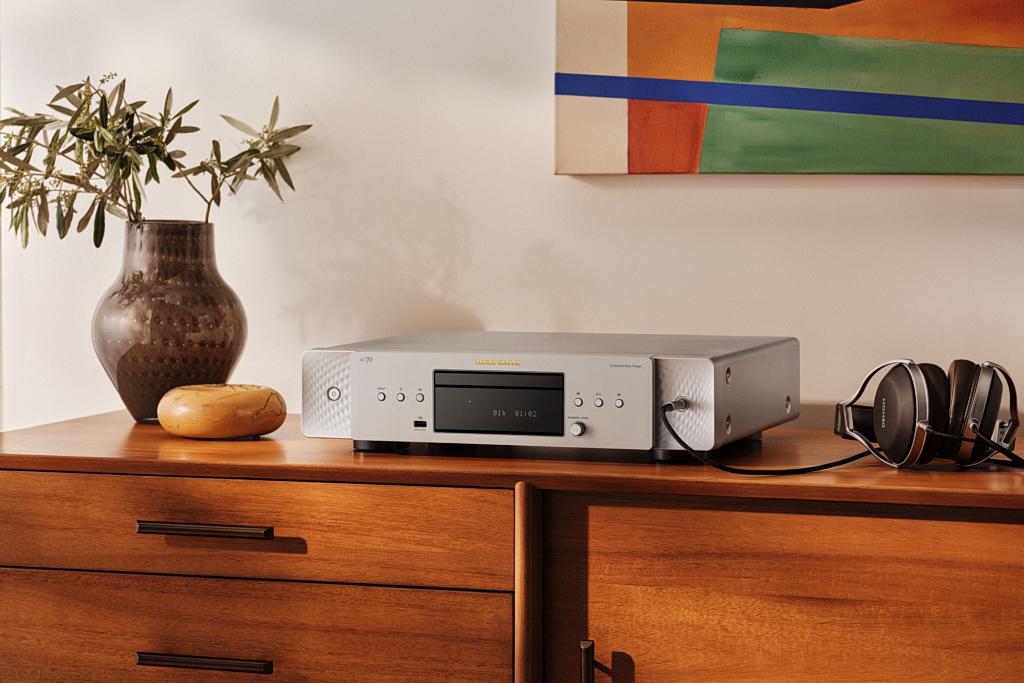
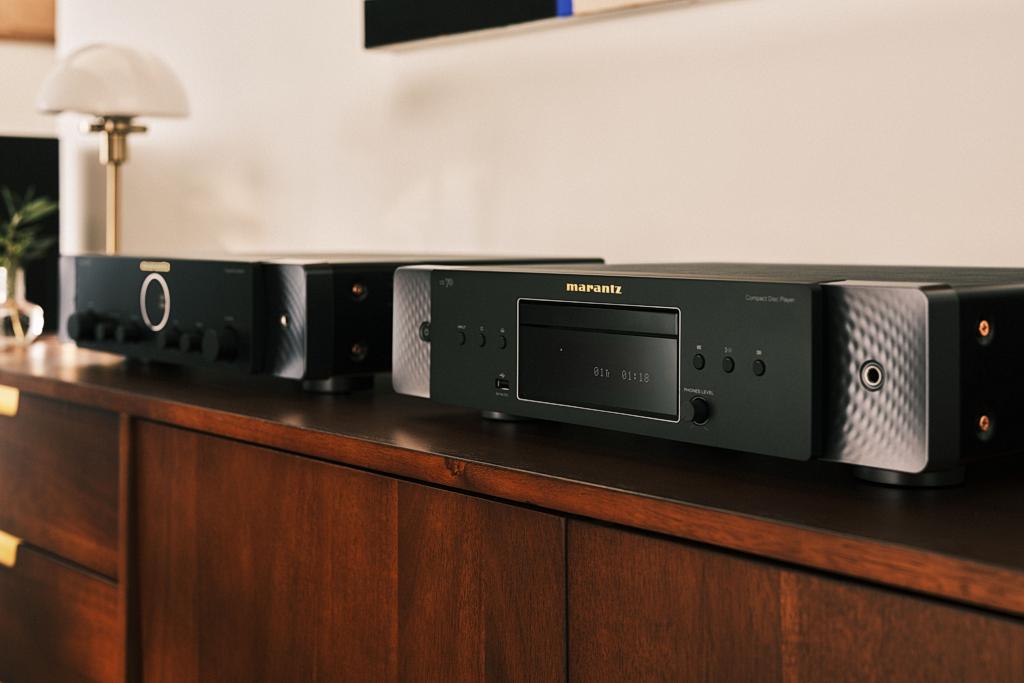
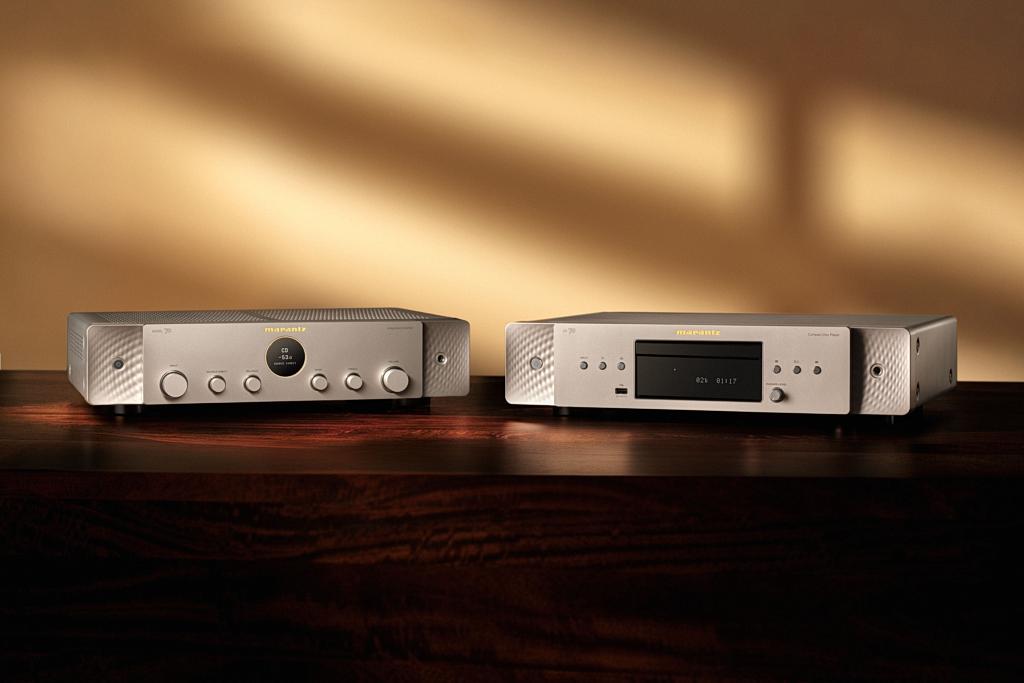
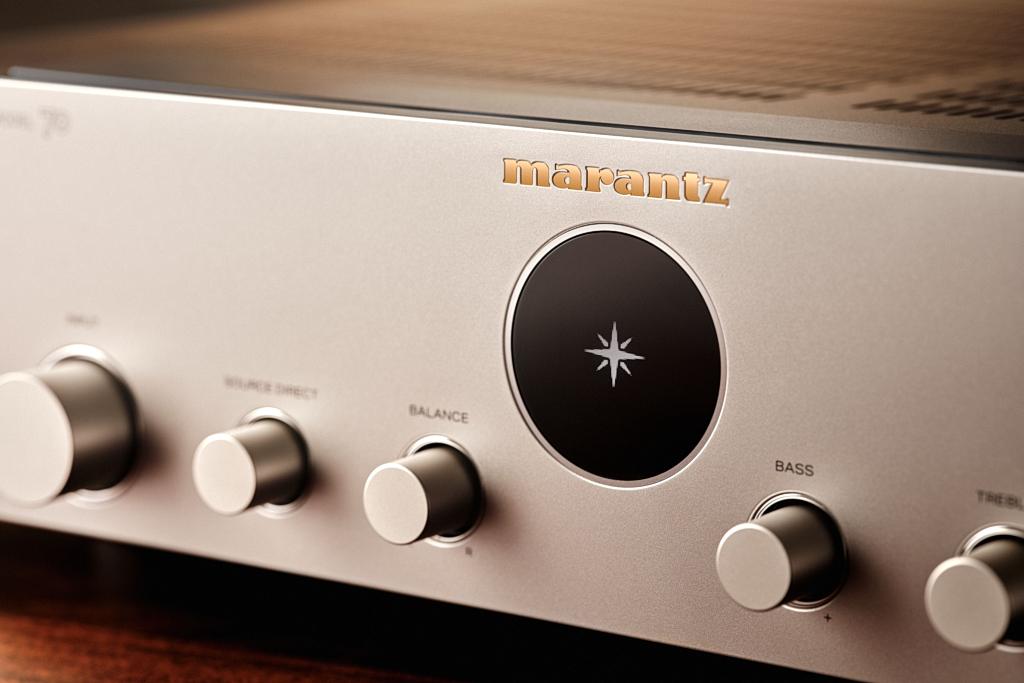
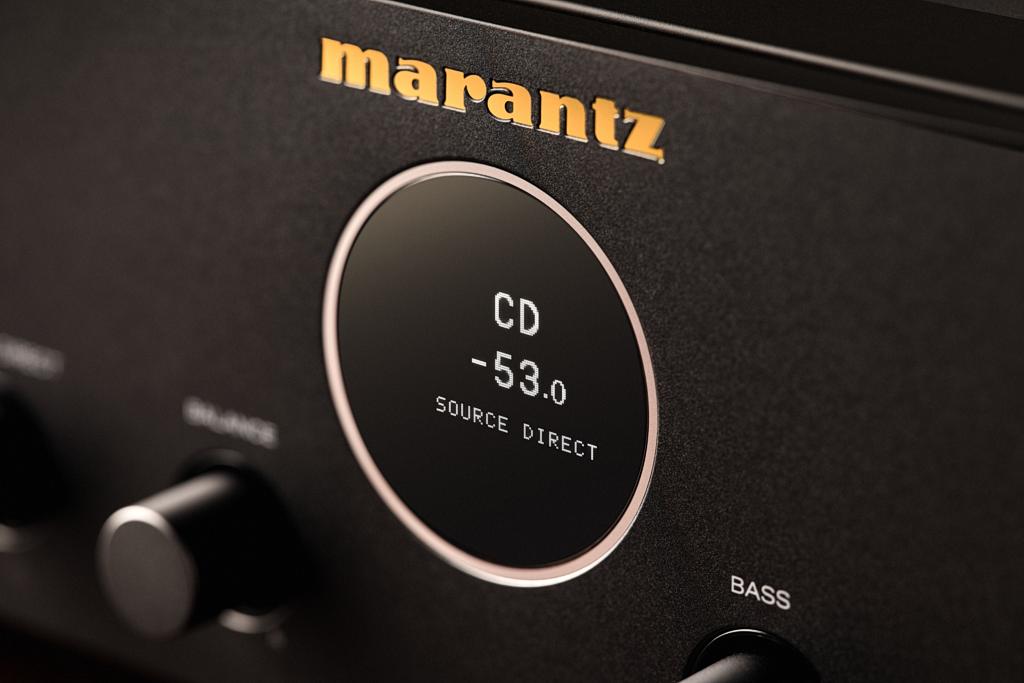
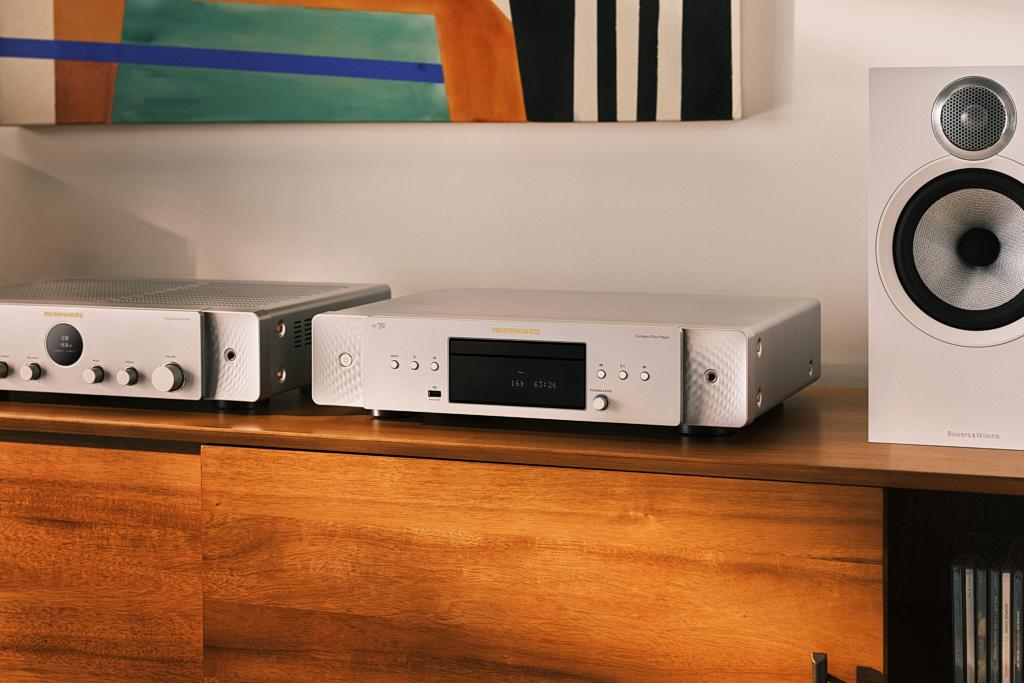
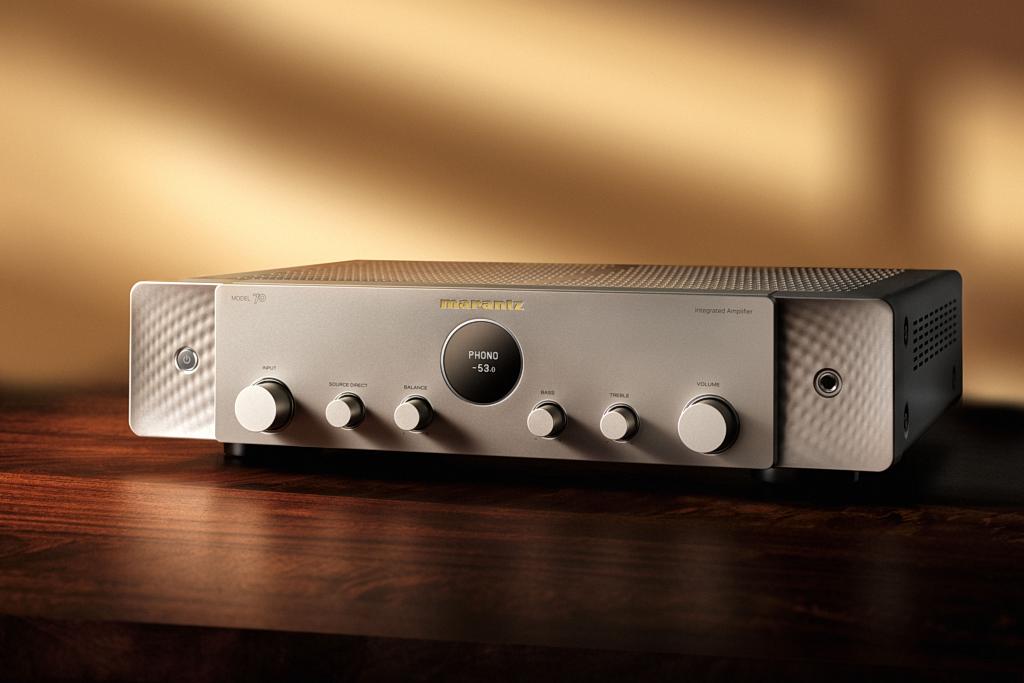
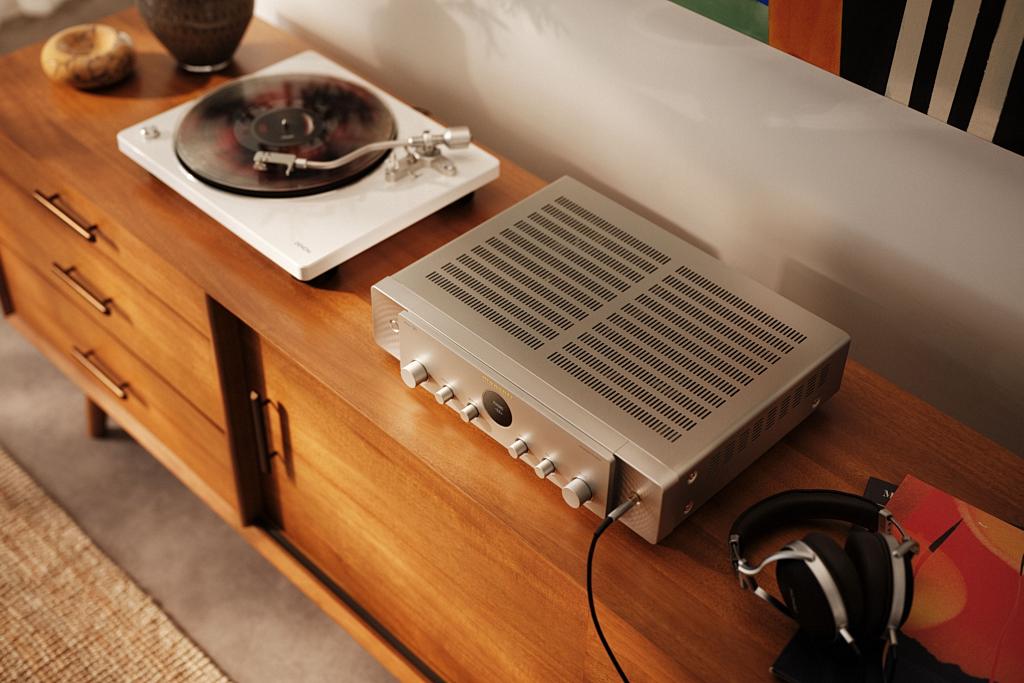
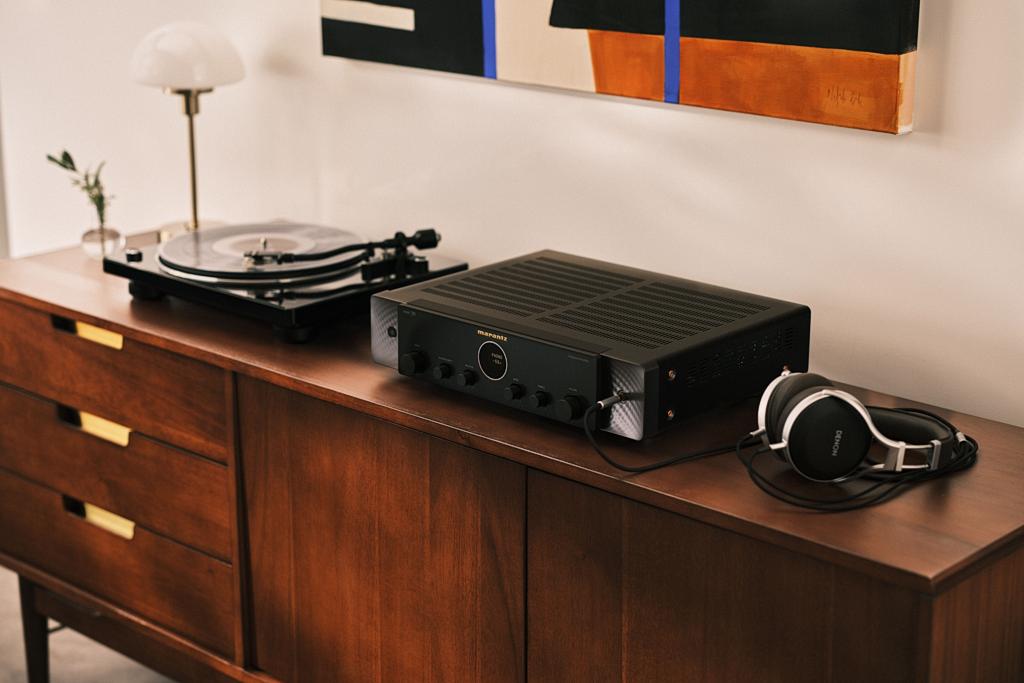
The PM6007 and CD6007 represented an older school of hi-fi design, with comparatively restrained front panels, numerous physical controls and a clear division between amplifier and source. Marantz has retained the two-box concept, but visually integrated the newcomers into its current product family. The textured side sections, restrained displays and carefully arranged controls recall components such as the Model 40n, Model 50 and Model 60n. Both units will be available in Black and Silver-Gold finishes, with full-width enclosures intended to work as part of a conventional stereo system rather than a compact desktop installation. The Model 70 measures 44.2 x 37.5 x 10.9 cm and weighs 7.9 kg, while the CD 70 measures 44.2 x 35.1 x 10.9 cm and weighs 6.5 kg.
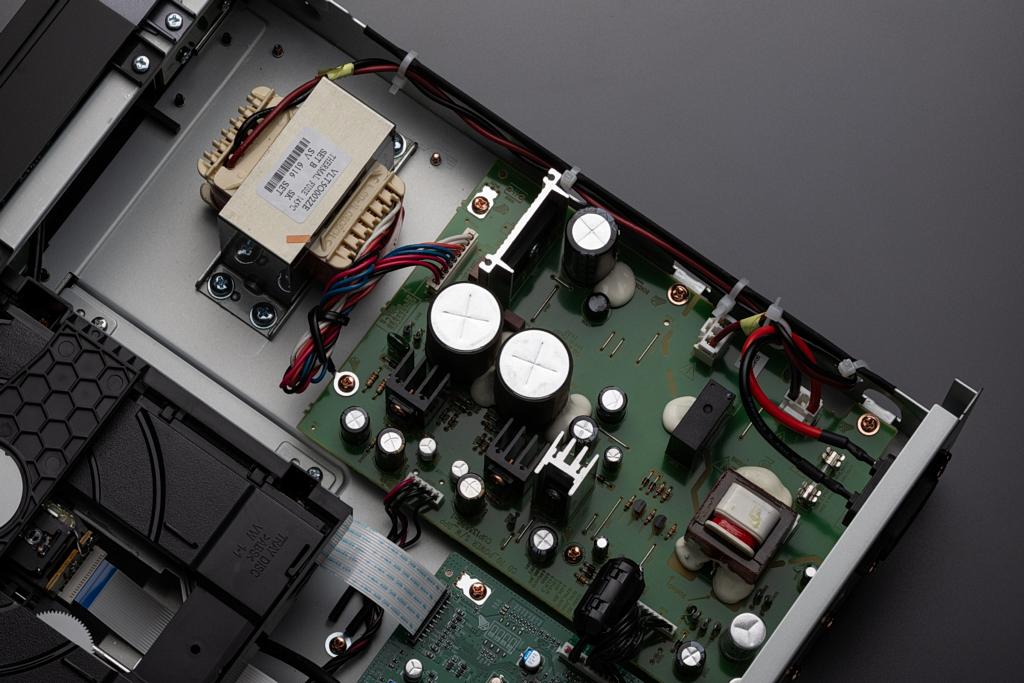
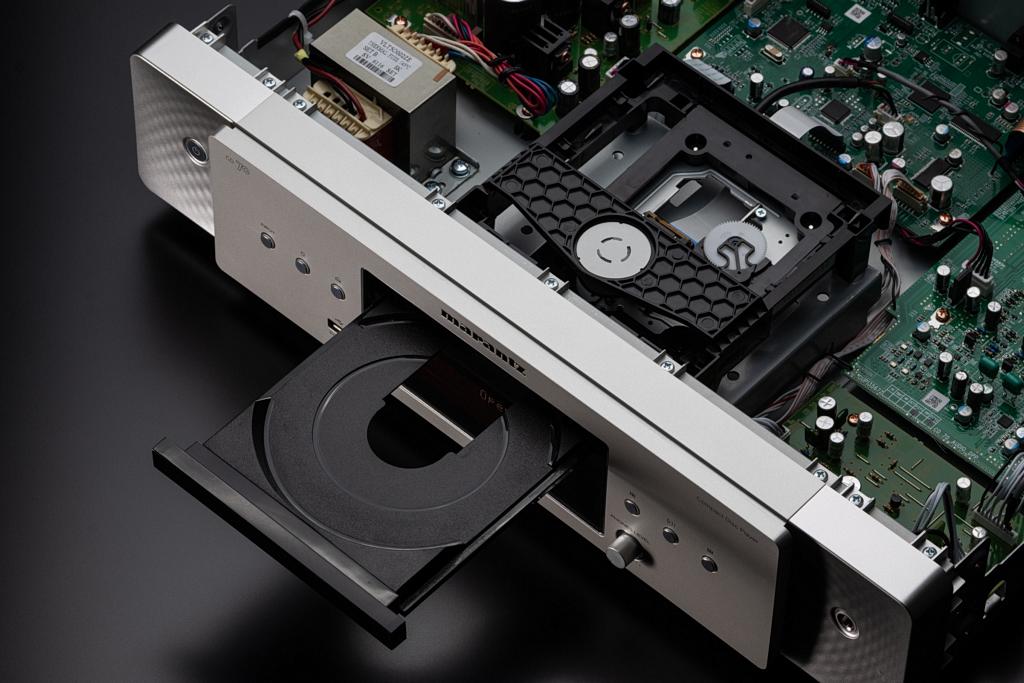
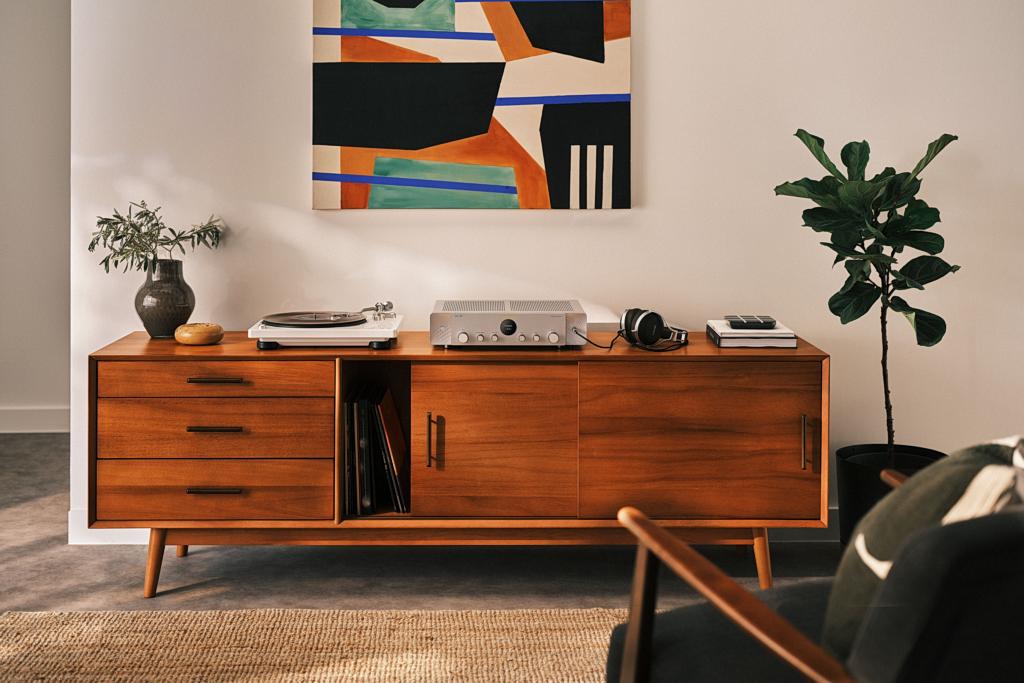
The resemblance to Marantz's more expensive components is not limited to the front panels. According to the manufacturer, the internal layouts have been optimised, selected components have been upgraded and the chassis structures have been designed to reduce the influence of vibration. The intention was to create an approachable hi-fi system that would look at home in a contemporary living space without treating industrial design as a substitute for proper audio engineering.
The Model 70 remains a conventional Class A/B integrated amplifier based on Marantz's current-feedback topology. It delivers 50 W per channel into 8 Ω and 65 W per channel into 4 Ω, compared with the PM6007's respective figures of 45 and 60 W. The increase is modest on paper, suggesting that the work carried out on the new model was aimed less at producing an impressive headline figure and more at improving current delivery, dynamic freedom and control with a broader range of loudspeakers. Marantz also lists a damping factor of 100, a total harmonic distortion figure of 0.08% and a signal-to-noise ratio of 110 dB for the line-level inputs.
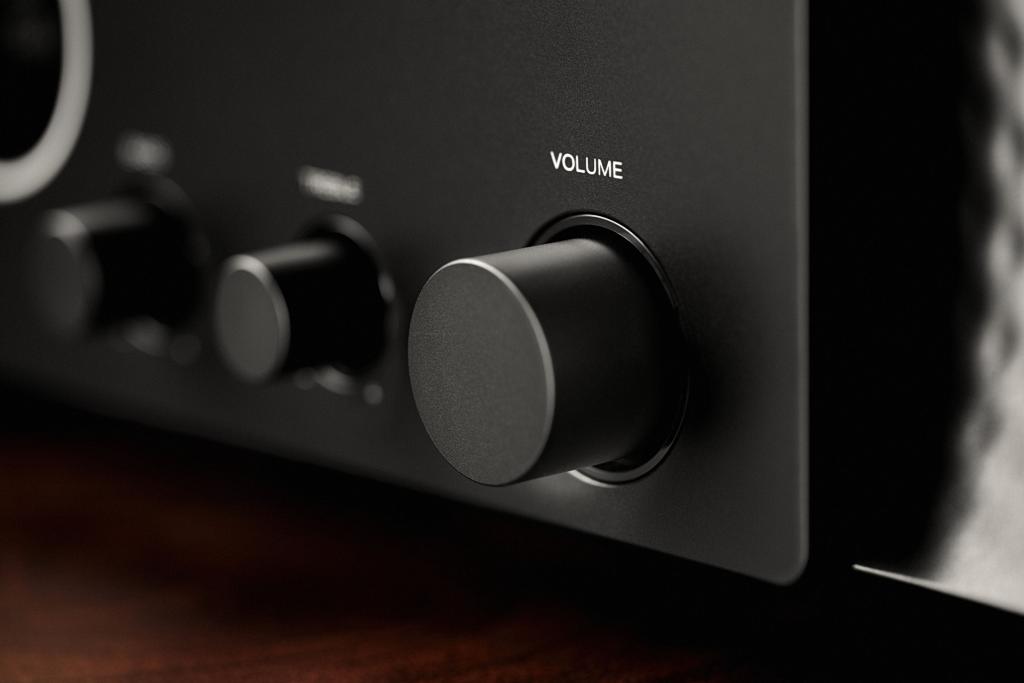
At the heart of the amplifier are Marantz HDAM-SA3 modules, a larger toroidal transformer and an upgraded power supply. The manufacturer describes the new circuit as a more refined design with an optimised signal path and lower noise, intended to improve transparency, detail and stability at higher listening levels. A solid aluminium heat sink and selected audio-grade components are also used, while the electronic volume-control arrangement is designed to maintain consistent channel balance and linear operation throughout its range.
The amplifier includes an ESS Sabre DAC for its digital inputs, along with an MM phono stage for direct connection of a turntable. Bass and treble can be adjusted by ±10 dB, a separate balance control is provided and Source Direct mode allows the tone-control section to be bypassed. This is therefore still recognisably a traditional Marantz integrated amplifier, but one whose analogue core has been supplemented with the digital facilities most users are likely to need in a modern stereo system.
The most conspicuous addition is HDMI ARC. The single HDMI socket is not intended to turn the Model 70 into a simplified AV receiver or provide switching for several video sources. Instead, it offers a direct connection to a television, allowing TV sound to be reproduced through the stereo system while volume remains controllable from the television's remote. In practice, the amplifier can therefore serve a record player and CD player during music listening, then take over from a television's built-in loudspeakers for films, series, games and sports broadcasts.
Bluetooth functionality has also been expanded considerably in comparison with the PM6007, which did not offer wireless connectivity at all. The Model 70 can operate both as a receiver and a transmitter, with support for aptX Adaptive, aptX HD, AAC and SBC. Music can be streamed from a compatible phone, tablet or computer, but audio from connected sources can also be sent to wireless headphones. This means that the same headphones can be used for private listening to a CD, a record or even television sound, rather than only material played directly from a mobile device.
The rear panel includes three line-level analogue inputs, an MM phono input, one optical and one coaxial digital input, HDMI ARC, a preamplifier output and a dedicated subwoofer output. There is also a headphone socket, a Marantz system-control connection and one pair of gold-plated loudspeaker terminals. The pre-out makes it possible to add an external power amplifier, while the subwoofer connection should prove useful in smaller systems based on standmount loudspeakers.
Not every change represents a straightforward increase in the number of available connections. The PM6007 provided five analogue audio inputs in total, two optical inputs and terminals for two pairs of loudspeakers. The Model 70 reduces that selection to four analogue inputs including phono, one optical input and a single pair of speaker terminals. It also drops the older model's record output. In return, users gain HDMI ARC, Bluetooth reception and transmission, a proper pre-out and a subwoofer output - facilities that are likely to be far more useful in many contemporary systems.
It is equally important to understand what the Model 70 is not. The amplifier has no network connection, Wi-Fi or built-in HEOS platform. It therefore occupies a different position from models such as the Model 40n and Model 60n, which combine amplification with network streaming. Marantz appears to have made a deliberate choice to keep the Model 70 focused on conventional stereo duties, leaving owners free to select an external streamer or dispense with network playback altogether. For some users, the lack of HEOS will be an obvious limitation. For others, it may be an advantage, particularly if they already own a preferred network source or want an amplifier less dependent on software and online services.
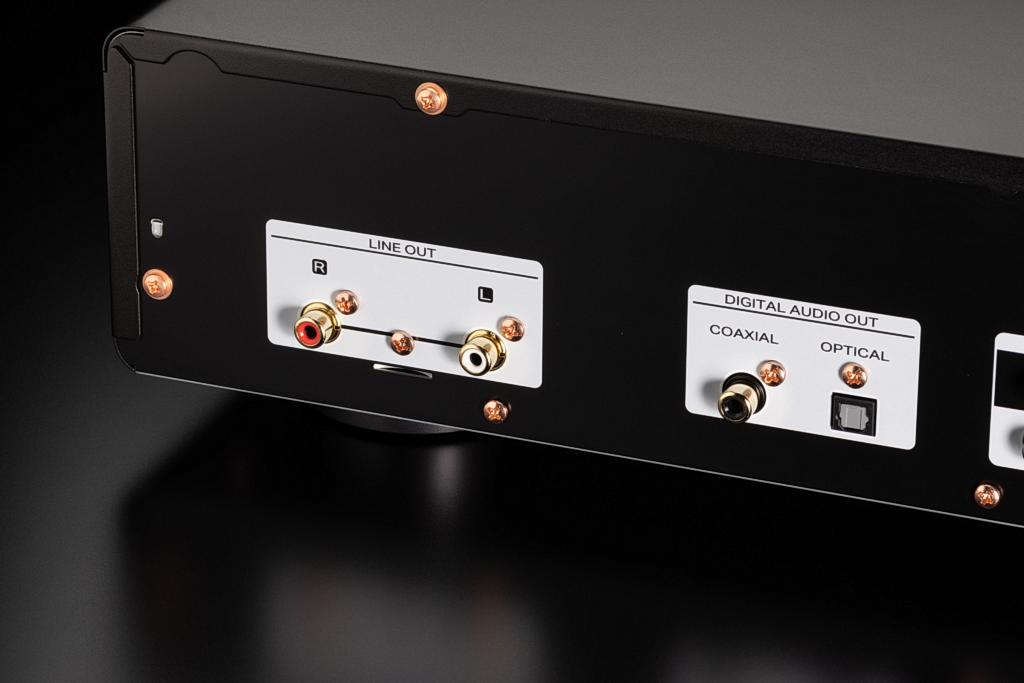
The CD 70 is a more traditional proposition at first glance, although Marantz describes it as more than a simple cosmetic replacement for the CD6007. It plays standard CDs as well as CD-R and CD-RW discs, including recordable media containing MP3 and WMA files. It does not support SACD and has no built-in network player, but its optical and coaxial digital outputs allow it to be used as a transport with an external DAC. Analogue RCA outputs are provided for systems in which its own conversion and output stages will be used.
Marantz says the CD 70 uses the same high-performance DAC platform as the Model 70, supported by proprietary HDAM and HDAM-SA2 circuitry. The analogue section employs a symmetrical layout, while separate rectifier circuits are used for the analogue and digital sections. The player also incorporates a master-clock design intended to preserve timing accuracy and minimise unwanted digital noise. These measures are aimed at extracting more detail from familiar discs without abandoning the warmth and musical flow traditionally associated with the brand.
A USB-A port on the front panel significantly extends the player's usefulness. It supports FLAC, WAV, AIFF, ALAC and DSD files stored on compatible USB media, allowing the CD 70 to handle a high-resolution digital library alongside a physical disc collection. This is not a USB DAC input for direct connection to a computer, however, and the player has no optical or coaxial digital inputs. Its role remains clearly defined - it is a disc player with additional file-playback capability, not a network hub or general-purpose digital preamplifier.
The fact that front-panel USB playback was already available on the CD6007 means that the most important differences are found deeper inside the unit. Marantz highlights an upgraded power supply, a double-layer chassis base, rigid isolation feet, an additional metal reinforcement plate and strategically positioned copper hardware. The intention is to increase mechanical stability, reduce interference and prevent low-level musical information from being obscured by noise and vibration. The new player also uses a toroidal transformer and selected audio-grade components.
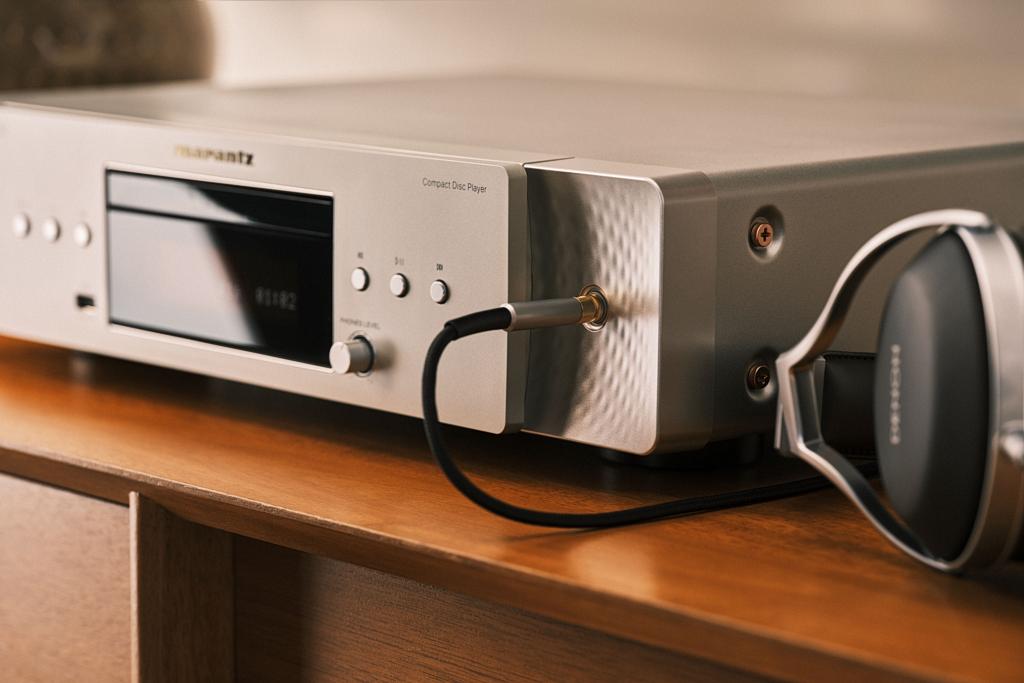
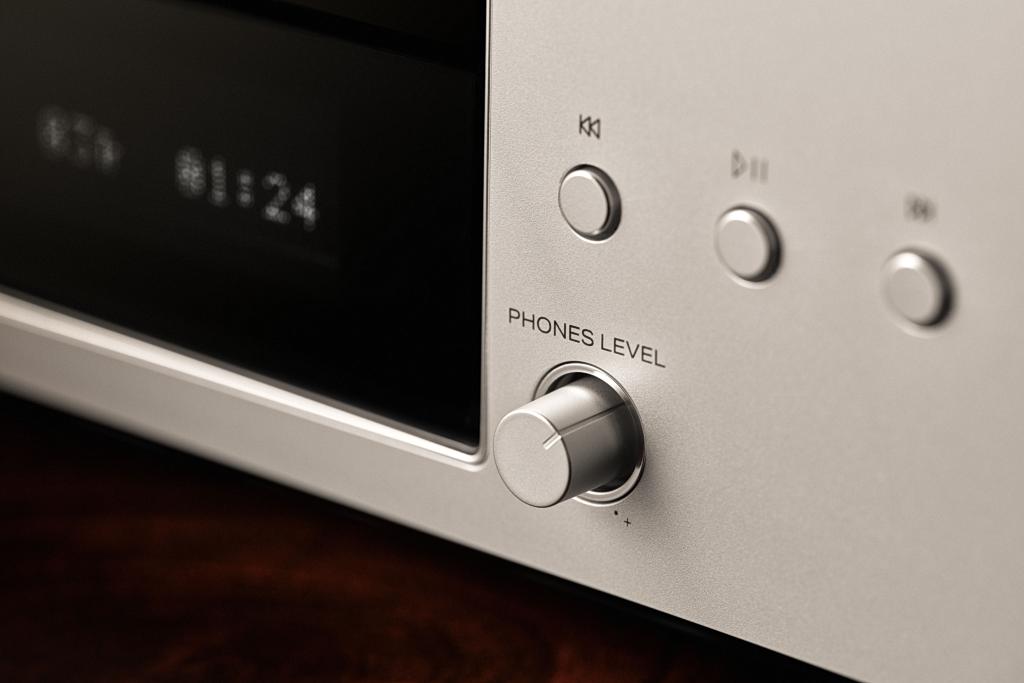
The CD 70 is equipped with a dedicated headphone amplifier using HDAM circuitry. Its gain can be adjusted to suit headphones with different sensitivities, while automatic headphone detection allows the relevant section to be activated only when required. Consequently, the player can function as a simple standalone headphone source without the need for the matching integrated amplifier or a separate headphone amplifier. The front-panel volume control makes this function rather more than an afterthought.
The published specifications include a frequency response of 2 Hz - 20 kHz, a dynamic range of 100 dB, a signal-to-noise ratio of 110 dB, channel separation of 98 dB and total harmonic distortion of 0.0016%. The player also offers switchable digital filtering, a display dimmer and the option to disable the digital outputs when they are not being used.
The CD 70 and Model 70 are supplied with the same system remote and can be linked through Marantz's D-Bus control connection. They are therefore intended to function as a coherent pair rather than merely two products released at the same time. The matching dimensions, finishes and front-panel detailing reinforce this impression, while the division of responsibilities remains refreshingly clear. The amplifier handles analogue and digital sources, a television and Bluetooth, whereas the player concentrates on CDs and locally stored audio files.
The new duo also reveals how Marantz currently interprets the entry-level hi-fi system. Instead of trying to fit streaming, multiroom software, room correction and complex video switching into a relatively affordable amplifier, the company has retained a conventional two-channel architecture and added a smaller selection of contemporary conveniences. HDMI ARC and two-way Bluetooth address everyday listening habits, while the absence of HEOS preserves a clear distinction between the Model 70 and Marantz's more expensive network amplifiers.
The same thinking applies to the CD 70. Physical media remain its central purpose, but owners are not restricted to Red Book CDs. USB playback, digital outputs and the built-in headphone amplifier broaden its role without transforming it into a multi-function network player. The result is a system that should appeal not only to customers buying their first serious stereo, but also to owners of older Marantz components who want updated connectivity without abandoning the familiar amplifier-and-CD-player format.
Marantz has also redesigned the packaging for both products, using FSC-certified cardboard and paper-based protective materials in an effort to reduce plastic consumption. According to the company, the objective was to lower the environmental impact of the packaging while maintaining the presentation expected of a premium product. The Marantz Model 70 is priced at €849, while the CD 70 costs €599. Both will be offered in Black and Silver-Gold finishes. Info and photos by Marantz.