
- News
- Posted
Écoute TH1
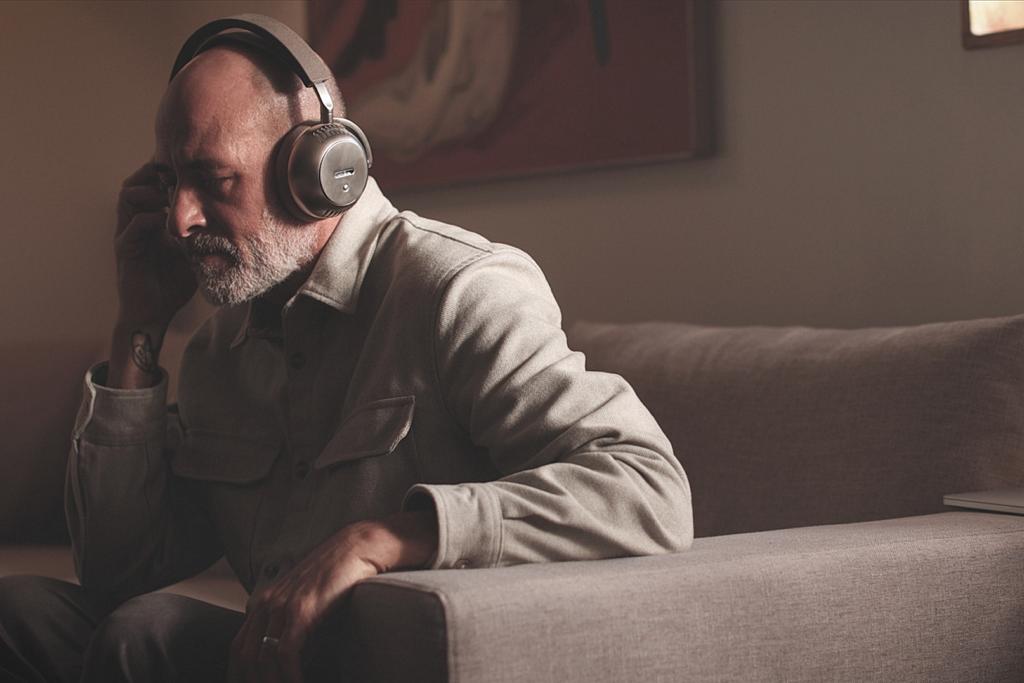
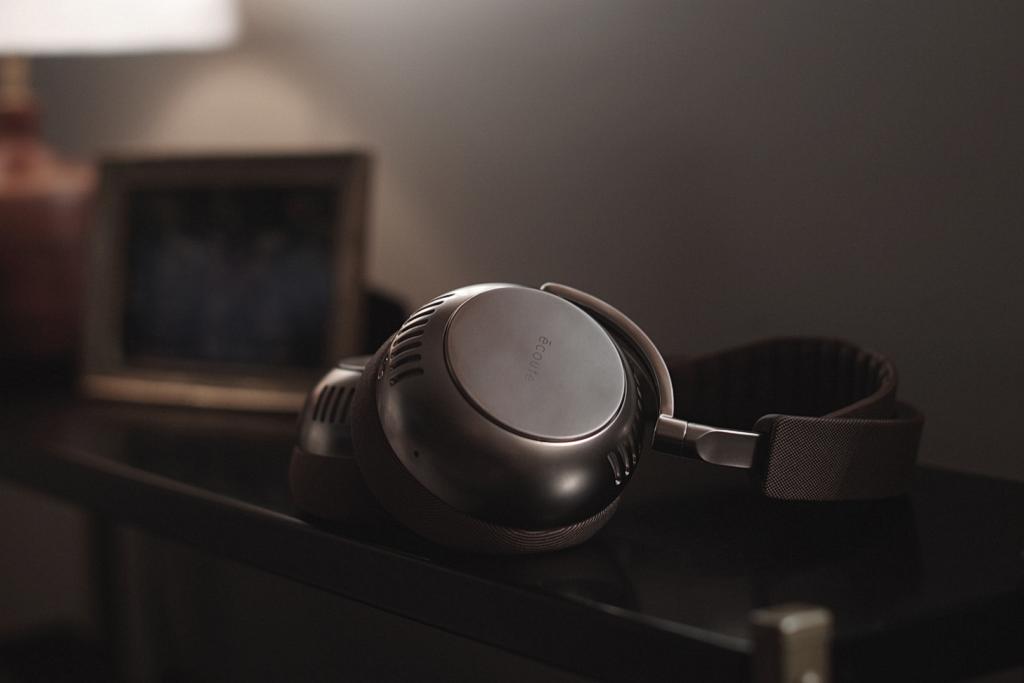
Écoute Audio has introduced the TH1, a pair of high-end wireless headphones built around a signal architecture more typical of a compact hi-fi system than a conventional Bluetooth design. Instead of relying on an integrated system-on-chip solution that combines decoding, processing and amplification in a single platform, the TH1 use a discrete dual-mono topology with a dedicated DAC stage, a tube preamplifier and separate Class A/B amplification for each channel. The result is a product positioned not simply as another premium portable headset but as a wearable extension of traditional hi-fi design logic.
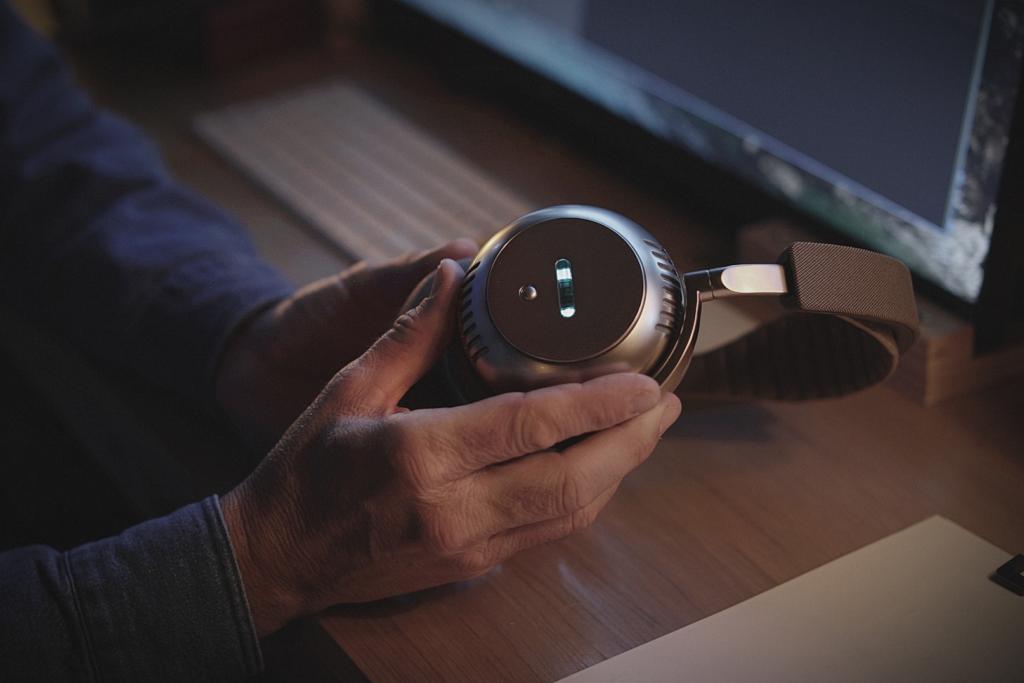
At the center of the concept is the integration of a real vacuum tube into the headphones themselves. The TH1 use a Nutube 6P1 dual-triode device developed by Korg and Noritake Itron, operating as a stereo preamp stage ahead of the power amplification section. Unlike DSP-based tube emulation approaches commonly used in portable audio, the Nutube forms part of the actual analog signal path, shaping harmonic structure before the signal reaches the drivers. The tube is visible through a window in the left ear cup and emits a turquoise glow when active, with an expected service life exceeding 30,000 hours.
Écoute's internal architecture follows a true dual-mono layout from conversion to output stage. Each channel runs through its own high-resolution DAC, valve preamp section and discrete Class A/B amplifier before driving 40 mm titanium-coated Mylar transducers. According to the manufacturer, this arrangement improves channel separation and spatial stability while maintaining the tonal character associated with tube amplification. The design is intended to deliver presentation closer to small separates systems than typical wireless headphones, where signal processing, conversion and amplification are normally consolidated into a single chip.
Wireless operation is handled via Bluetooth 5.3 with support for LDAC and AAC codecs, while additional wired connectivity includes USB-C digital input supporting signals up to 32-bit/384 kHz and a 3.5 mm analog input. In analog mode, the headphones can operate either actively, using their internal tube preamp and amplification stages, or passively, allowing an external amplifier to drive the transducers directly. This flexibility makes the TH1 usable not only as a wireless model but also as part of a conventional desktop headphone system.
Noise control options include passive isolation as well as hybrid active noise cancellation using feed-forward and feed-back microphones, complemented by a transparency mode that allows environmental sound to remain partially audible when required. A built-in microphone also supports voice calls and voice assistant operation. Battery capacity is rated at 1600 mAh, providing more than 20 hours of playback time depending on operating conditions.
Another unusual aspect of the TH1 is the firmware-level DSP tuning system accessible through the Écoute control app for iOS and Android. Instead of applying conventional external equalization, the application modifies internal DSP parameters before conversion to analog, allowing adjustments to phase alignment, driver behavior and frequency response directly within the headphones' processing architecture. Users can choose from 15 preset response curves, including genre-specific profiles and a Harman-curve option, as well as store up to five custom settings.
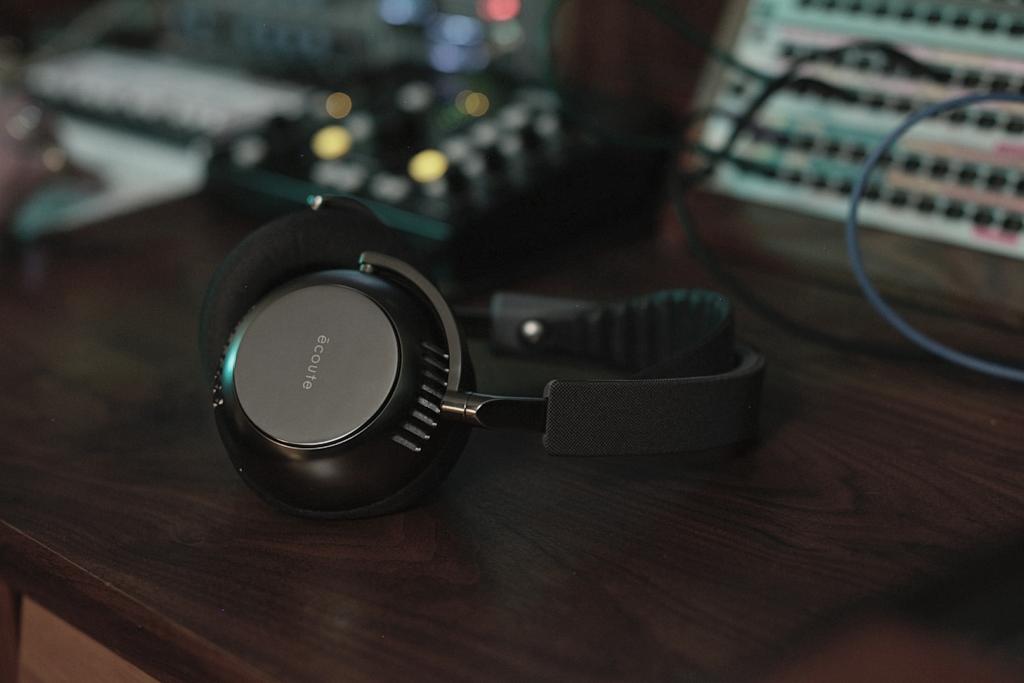
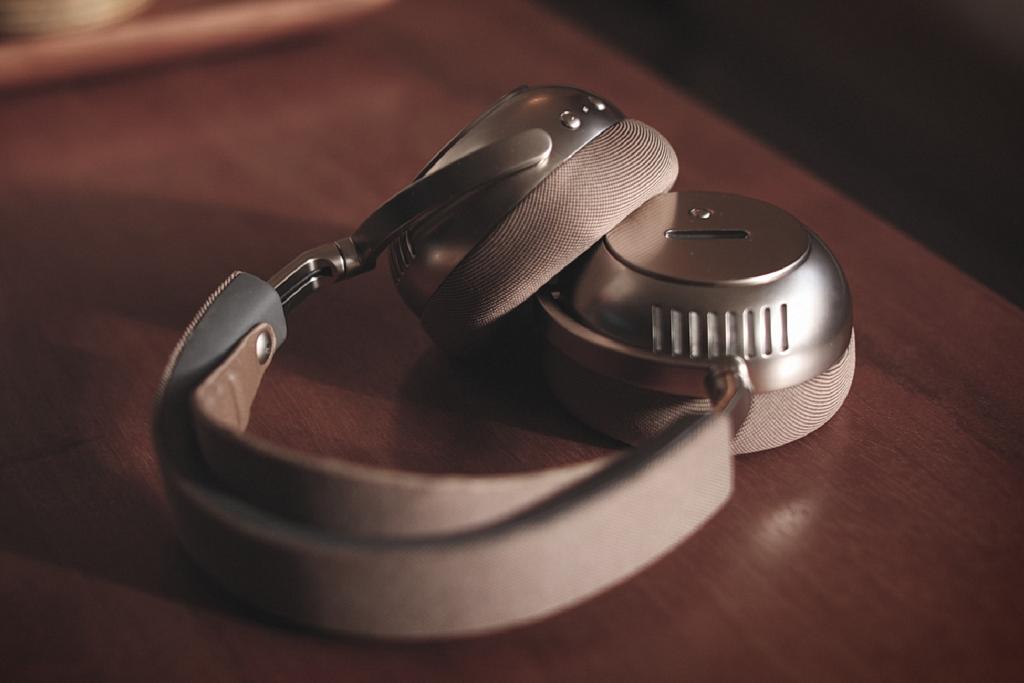
Physically, the headphones use an aluminum chassis with replaceable memory-foam earpads and a closed-back construction. Despite the complex internal electronics, total weight is specified at 424 g. Two finishes are available, Gunmetal and Satin Aluminum. The Écoute TH1 are currently available in the UK at a suggested retail price of £900. Info and photos by Écoute Audio.