Displaying items by tag: amplifier - StereoLife Magazine

Sony NW-WM1ZM3 i NW-WM1AM3

If there's one thing Sony has demonstrated over the years, it's that the Walkman is remarkably difficult to kill. The original portable cassette player changed the way people listened to music, turning what had previously been a largely stationary activity into something they could enjoy almost anywhere. Back then, the priorities were fairly straightforward: reasonable sound quality, compact dimensions, long battery life, and enough room in your bag for a few favorite tapes. Nearly half a century later, the world looks very different. For most people, a smartphone and a pair of wireless earbuds provide everything they could possibly need, with millions of recordings available at the touch of a screen. Yet Sony continues to develop dedicated portable music players, including some that cost more than an entire high-end stereo system. The latest examples are the NW-WM1ZM3 and NW-WM1AM3, two new members of the company's prestigious Signature Series. Both feature upgraded S-Master HX digital amplifiers, extensively redesigned power supplies, sophisticated noise-reduction measures, and larger 5.5-inch touchscreens. They also support high-resolution audio, modern streaming services, and advanced signal processing. But their real purpose is something rather more specific: to convince demanding listeners that a dedicated music player can still offer something a smartphone cannot.
iFi Audio iCAN Phantom 1.5

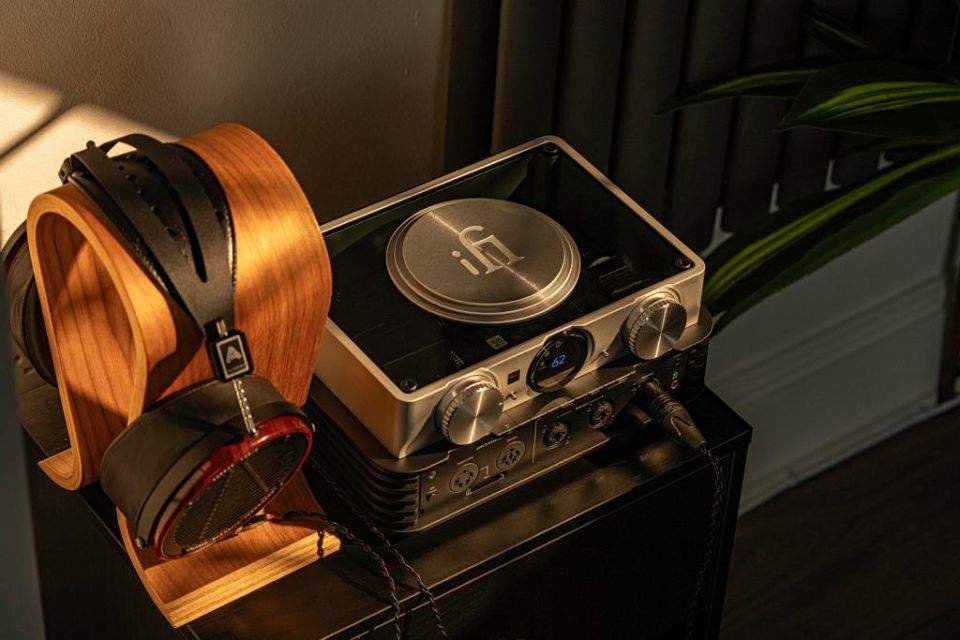
Building a serious headphone collection can get complicated remarkably quickly. A pair of sensitive in-ear monitors might work beautifully with a small portable DAC, but plug them into a powerful desktop amplifier and suddenly there's audible hiss in the background. Planar magnetic headphones present a different challenge, often demanding considerably more current than their size would suggest. And if you decide to explore electrostatic headphones, you're entering another world altogether, complete with specialized amplification and high-voltage requirements. Before long, what started as a relatively simple listening setup can turn into a collection of amplifiers, power supplies, and cables, each serving a slightly different purpose. iFi Audio believes there's a better way. Its new iCAN Phantom 1.5 is an updated version of the company's flagship analog headphone amplifier and preamplifier, designed to accommodate practically every type of headphone from a single chassis. The original iCAN Phantom arrived in 2023 as the successor to the Pro iCAN Signature, bringing together several technologies that would normally require separate components. The 1.5 edition doesn't reinvent that concept, but introduces a series of refinements aimed at making this exceptionally versatile amplifier easier to configure, operate, and live with.

Marantz MCR 60n

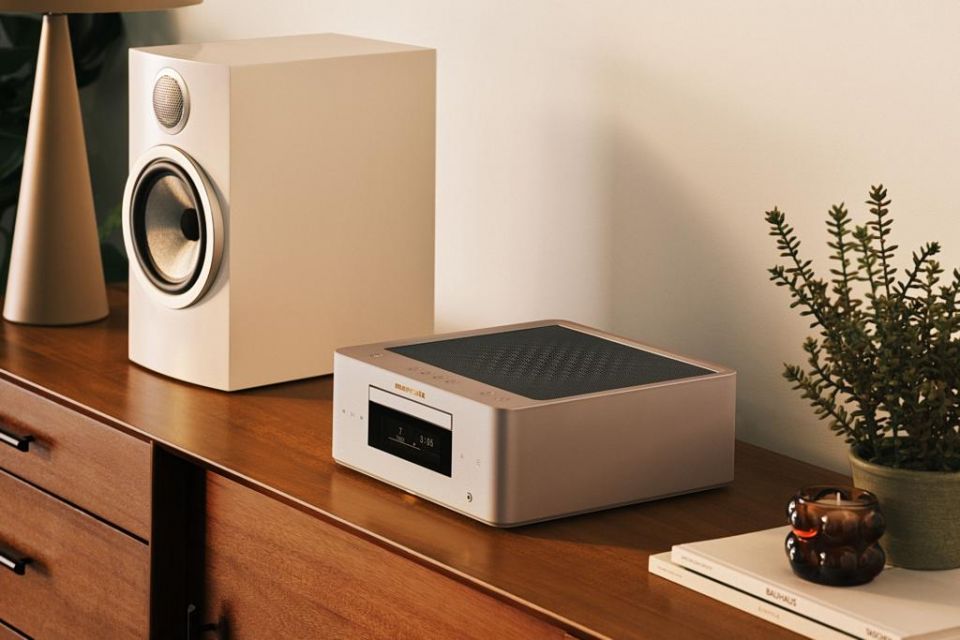
There's something rather appealing about a hi-fi system that doesn't demand an entire equipment rack, half a dozen power outlets, and a weekend spent figuring out which cable goes where. Compact all-in-one systems have been part of Marantz's catalog for years, but the Japanese manufacturer has never treated them as little more than glorified mini stereos destined for a bedroom shelf. The Melody X M-CR612 was a perfect example. Despite its modest dimensions, it combined a CD player, radio tuner, HEOS streaming platform, and an unusual four-channel amplifier that could drive two pairs of speakers or operate in a bi-amping configuration. It remained on the market for years, becoming something of a favorite among listeners who wanted proper hi-fi functionality without the usual collection of separate components. Replacing it was never going to be easy. With the new MCR 60n DAB, Marantz has kept the things that made the Melody X so appealing while bringing almost everything else up to date. HDMI eARC, a dedicated phono input, a substantially upgraded streaming platform, and even optional Dirac Live room correction have joined the party. What was already a remarkably versatile little stereo system has become something considerably more ambitious.

Yamaha R200A

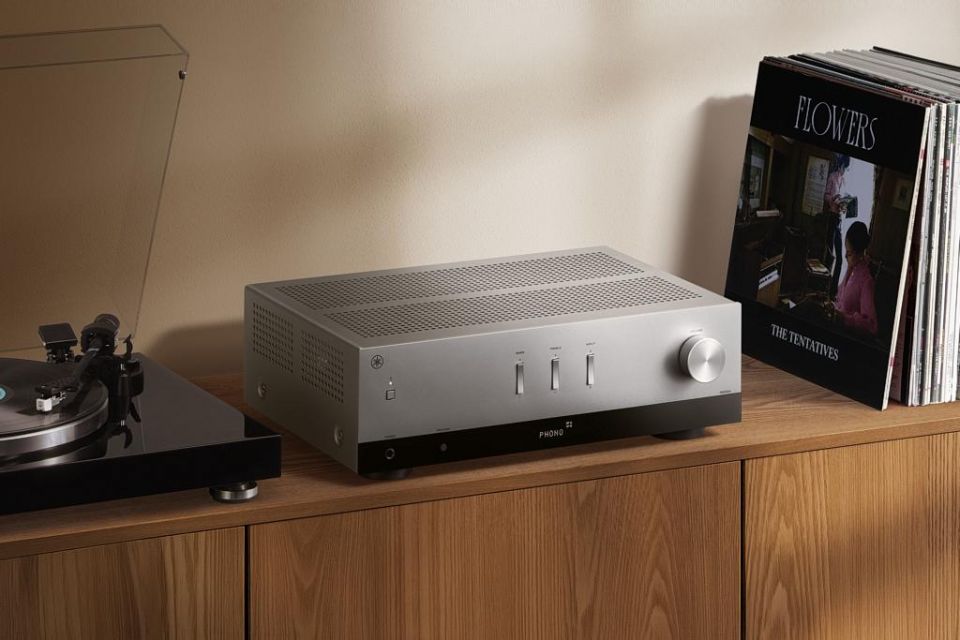
Not every stereo receiver needs to be a miniature computer. Over the past few years, even relatively inexpensive hi-fi components have acquired features that were once reserved for considerably more sophisticated equipment. Built-in streaming platforms, wireless networking, HDMI connections, music services, smartphone apps, and increasingly elaborate digital processing have become almost standard. There's nothing wrong with any of that, of course, but it does raise an interesting question. What if someone simply wants to build a conventional stereo system, connect a turntable or CD player, and listen to music without having to configure another device on their home network? Yamaha's new R200A is designed for precisely that kind of listener. It's a full-size, two-channel stereo receiver offering 100 watts per channel, a dedicated phono input, several analog connections, conventional radio tuners, and Bluetooth. There is no Wi-Fi, no MusicCast, no HDMI, and not a single digital audio input. Even the USB port on the rear panel is reserved exclusively for firmware updates. In other words, this is a stereo receiver in the traditional sense of the term: an integrated amplifier with a built-in radio tuner, intended to form the foundation of a straightforward hi-fi system.

Fezz Audio Lybra MK2

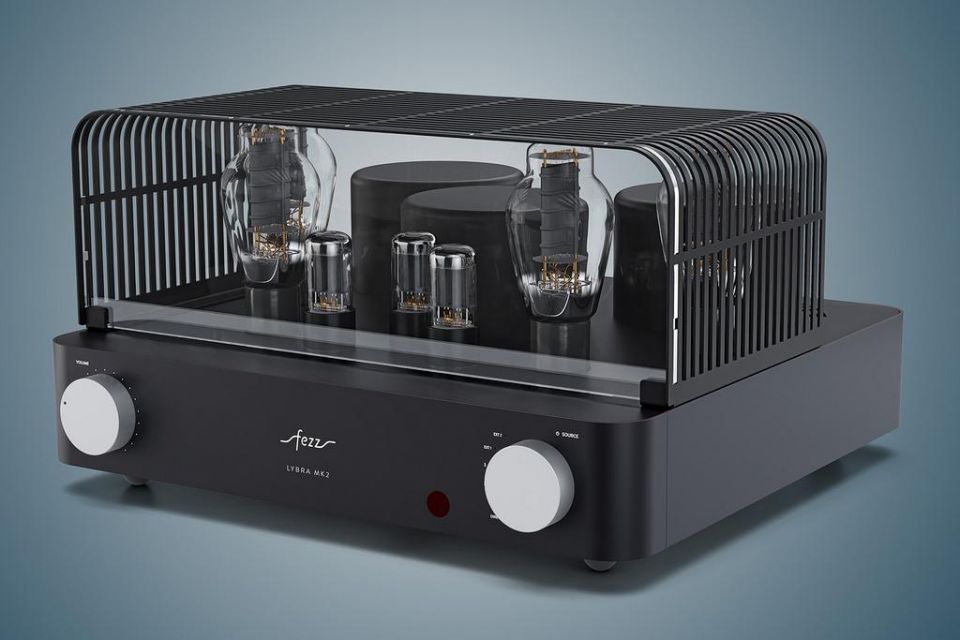
Fezz Audio continues to refresh its product lineup, introducing another amplifier bearing the MK2 designation. This time, the Polish manufacturer has turned its attention to the Lybra, one of its most sophisticated integrated amplifiers and a design built around the legendary 300B triode. The original model occupied a special place in the company's catalog, combining the distinctive sonic character of directly heated triodes with enough power to drive a somewhat wider range of loudspeakers than most conventional single-ended amplifiers. The new Lybra MK2 retains that fundamental concept but introduces a redesigned signal path, expanded connectivity, and several practical improvements intended to make living with a tube amplifier almost as convenient as owning a modern solid-state integrated. Alongside the new integrated model, Fezz Audio is also offering the Lybra Mono Power Amplifier, a monoblock designed for enthusiasts who prefer separate preamplification and power amplification components.

Fosi Audio S3, ZD3, ZH3 & PSU20

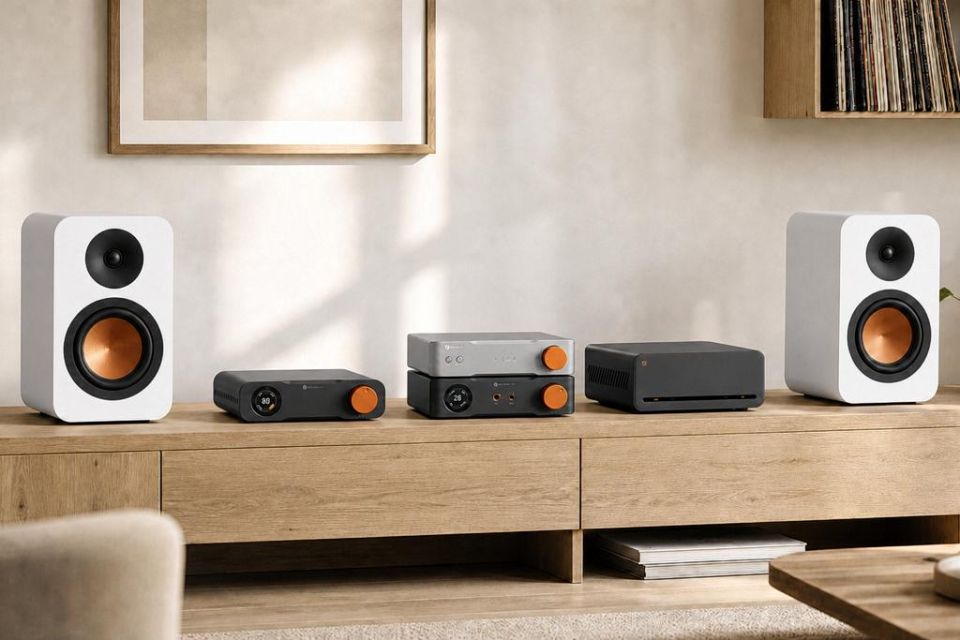
Fosi Audio started out making small, affordable amplifiers designed to deliver as much performance as possible for relatively little money, while occupying considerably less space on a desk or shelf than conventional hi-fi equipment. Over time, however, the Chinese company's portfolio has expanded well beyond that original concept. DACs, preamplifiers, monoblocks, headphone amplifiers, and, more recently, loudspeakers and a dedicated music streamer have all joined the lineup. Now, Fosi Audio is attempting to bring these developments together into something that can reasonably be described as a complete audio ecosystem. At its core are four components with similar dimensions and a consistent visual identity: the S3 network streamer, ZD3 digital-to-analog converter, ZH3 headphone amplifier, and PSU20 linear power supply. Each can operate independently, but all four have been designed with the idea that users can gradually assemble a more sophisticated system as their requirements evolve.

Harman Kardon Fit & Flow

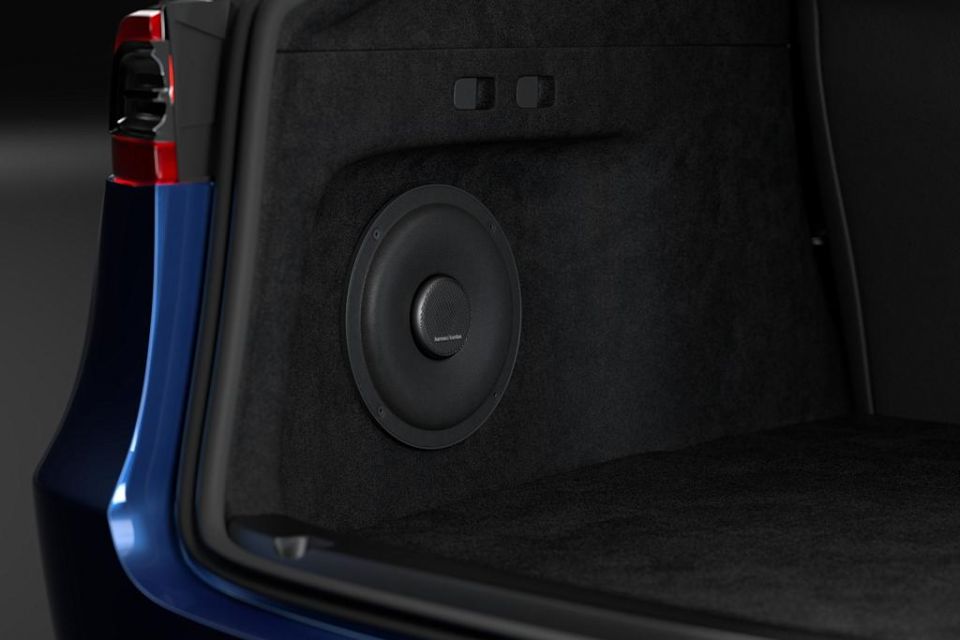
You don't have to be a hi-fi enthusiast to know Harman Kardon. In fact, there's a good chance you've encountered the brand without ever setting foot in an audio store. Its logo has adorned the speaker grilles of countless cars over the years, with BMW being perhaps the most recognizable example of a partnership that has lasted more than three decades. Harman Kardon systems can also be found in vehicles from Mini, Volvo, Subaru, Kia, Hyundai, and several brands belonging to the Stellantis group. For most drivers, however, getting that distinctive badge on their speaker grilles has traditionally involved one important decision: ordering the appropriate audio package when buying the car. Miss that opportunity, and upgrading the sound system usually meant turning to a completely different manufacturer. Harman Kardon is now making that choice a little less permanent. Its expanding aftermarket car audio lineup includes two speaker families, Fit and Flow, along with the compact Flow 80 and Feel 700 subwoofers. Together, they offer everything from relatively straightforward replacements for factory speakers to the components needed for a more ambitious custom installation.

Panasonic SC-PMX112 & SC-PM302

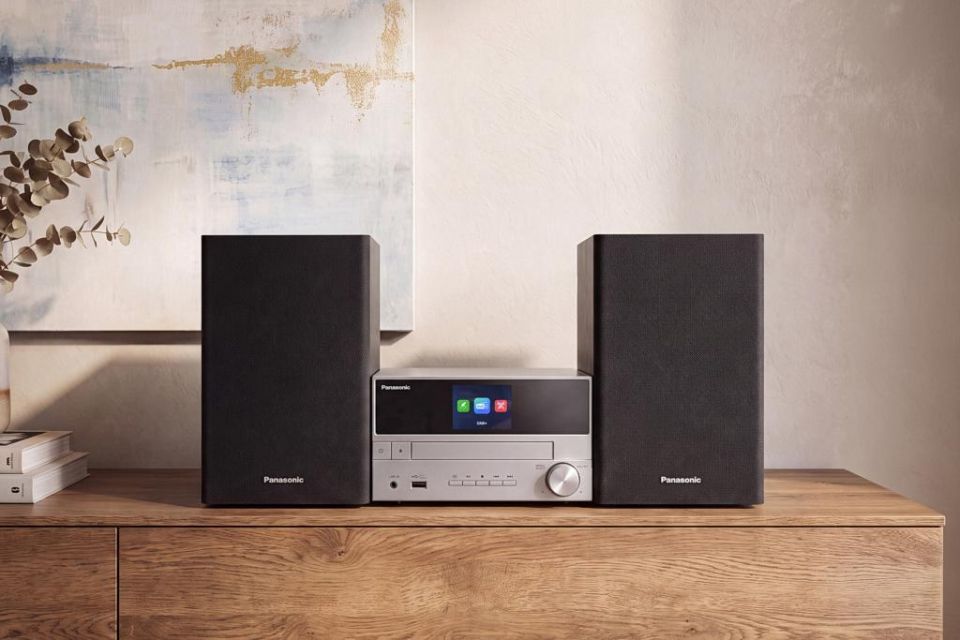
For years, we've been told that the future of home audio belongs to wireless speakers, streaming services, and devices controlled entirely through smartphone apps. And yet, somehow, the traditional micro hi-fi system refuses to disappear. It's not particularly difficult to understand why. For plenty of music lovers, a compact stereo with a built-in CD player, radio tuner, and two separate speakers remains one of the simplest and most practical ways to enjoy music at home. No complicated setup, no need to assemble a collection of separate components, and no requirement to reach for a phone every time you want to hear something. Panasonic clearly believes there's still a market for this kind of equipment, as the Japanese manufacturer has just introduced two new micro systems, the SC-PMX112 and SC-PM302. The former is a more sophisticated, 180-watt model with internet radio, Spotify Connect, and two-way speakers, while the latter offers a simpler, more affordable 60-watt alternative for listeners who are perfectly happy with CDs, radio, and Bluetooth streaming. Both retain the familiar micro hi-fi format while introducing a few welcome modern touches, including color displays and USB playback.

Soul Note A-0, A-1 & A-2 ver.2

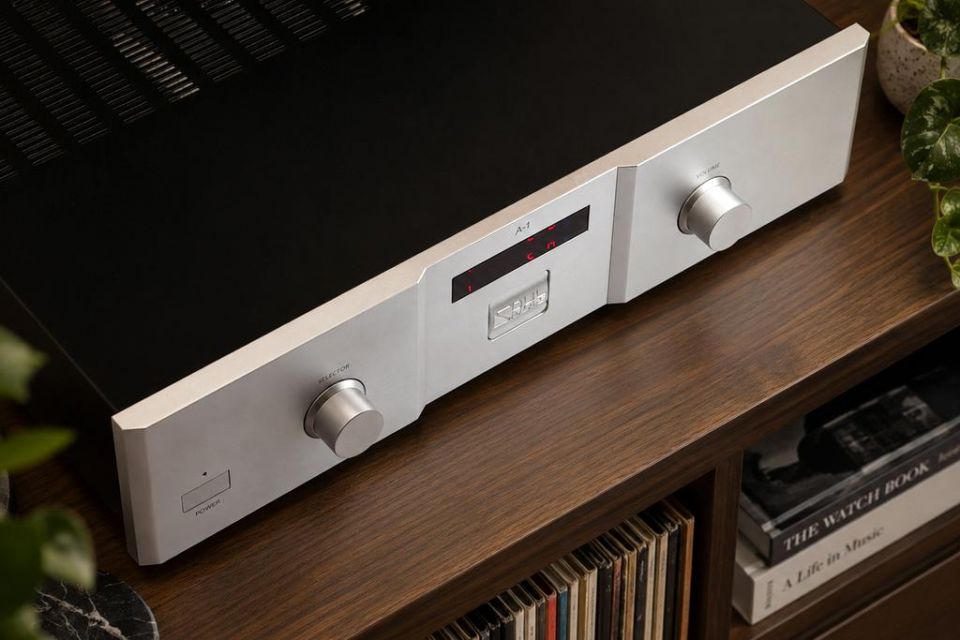
In the hi-fi industry, a new generation of amplifiers is generally expected to deliver more of everything. More power, more features, better specifications, and, inevitably, a higher price. Manufacturers love being able to announce that their latest model produces another twenty or thirty watts per channel, even if the actual benefits are considerably less obvious than the numbers might suggest. Soulnote has never been particularly interested in playing that game. The Japanese company has now introduced substantially revised versions of three of its most important integrated amplifiers, the A-0, A-1, and A-2, each carrying the ver.2 designation. Their familiar names and understated appearance might suggest relatively modest updates, but the changes go considerably deeper than a few upgraded components. All three have received revised output stages, bias circuits, and power supplies, while the more expensive models incorporate technologies developed for the flagship A-3. Most surprisingly, the new A-2 ver.2 actually produces less power than its predecessor. This isn't a cost-cutting measure or a technical setback. Soulnote has deliberately traded some maximum output voltage for greater instantaneous current delivery, believing that the result will be a more capable amplifier when connected to demanding loudspeakers. It's a decision that tells us quite a lot about the company's approach to audio engineering.

DALI Basik Sub

Compact bookshelf speakers and small streaming amplifiers have become enormously popular in recent years, but there are some laws of physics that even the cleverest engineers cannot completely overcome. A stereo system that fits comfortably on a sideboard, shelf, or small media cabinet can deliver surprisingly mature and sophisticated sound, but when it comes to the lowest frequencies, it will usually have to concede some ground to larger designs. One way to address this limitation is to add an active subwoofer, extending the system's bass response without immediately replacing everything with a pair of large floorstanding speakers. This is precisely the idea behind DALI's new Basik Sub, a compact model designed primarily to complement smaller stereo systems while remaining equally suitable for home theater applications.

We use cookies to improve our website and your experience when using it. To find out more about the cookies we use and how to delete them, please see our Privacy Policy.