Displaying items by tag: mobile - StereoLife Magazine

From Wooden Prototypes to Global Recognition - The Story of Meze Audio

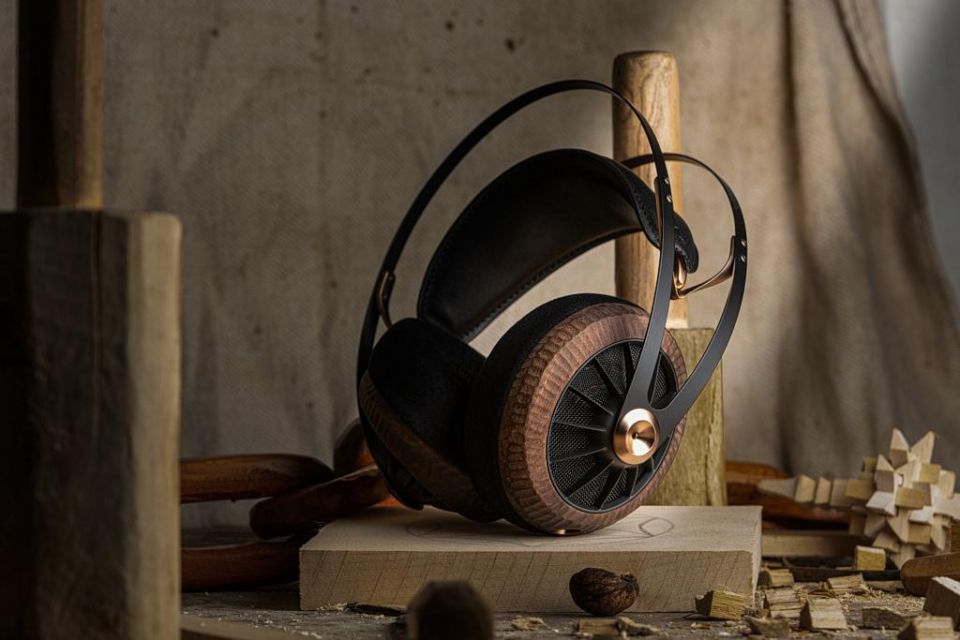
In the world of audio equipment, many legendary brands began with speakers assembled from off-the-shelf drivers, amplifiers soldered together on kitchen tables, or cables twisted by hand during live shows. With headphones, however, that kind of origin story seems far less plausible. This is a much more demanding field, one that has traditionally remained in the hands of major corporations - companies with their own laboratories, specialized machinery capable of manufacturing components to microscopic tolerances, and the financial resources needed to turn a prototype into a mass-produced product. Trying to recreate that process at home would appear doomed from the outset, unless we were talking about a place where technology spilled out of every corner, industrial facilities were within easy reach, the neighbors owned 3D printers, and the latest scientific expertise was available through a nearby technical university. Under those circumstances, perhaps something could be done. But what if you lived in a small city in northern Romania, close to the borders with Hungary and Ukraine, far from any major industrial center, with an education in the arts, no connections in the technology industry, and a very, very limited budget? That sounds like a recipe for failure. And yet it was under precisely those conditions that one of the most fascinating phenomena in the modern audio market was born. This is a story about how passion, determination, and a certain degree of stubbornness can make even the most improbable plan a reality. And about how, sometimes, despite everything and everyone standing in the way, it simply works.

Sivga M260

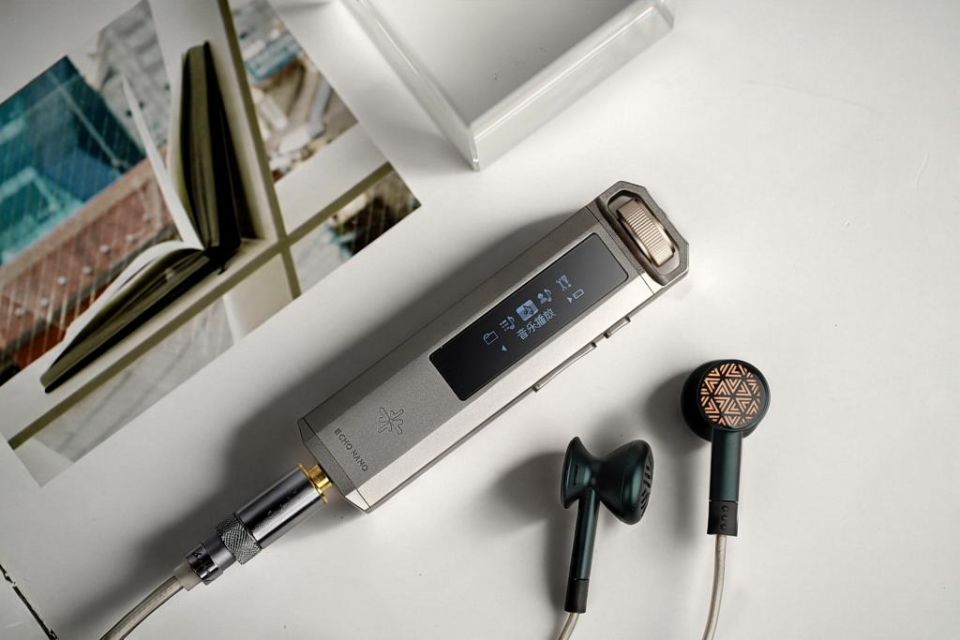
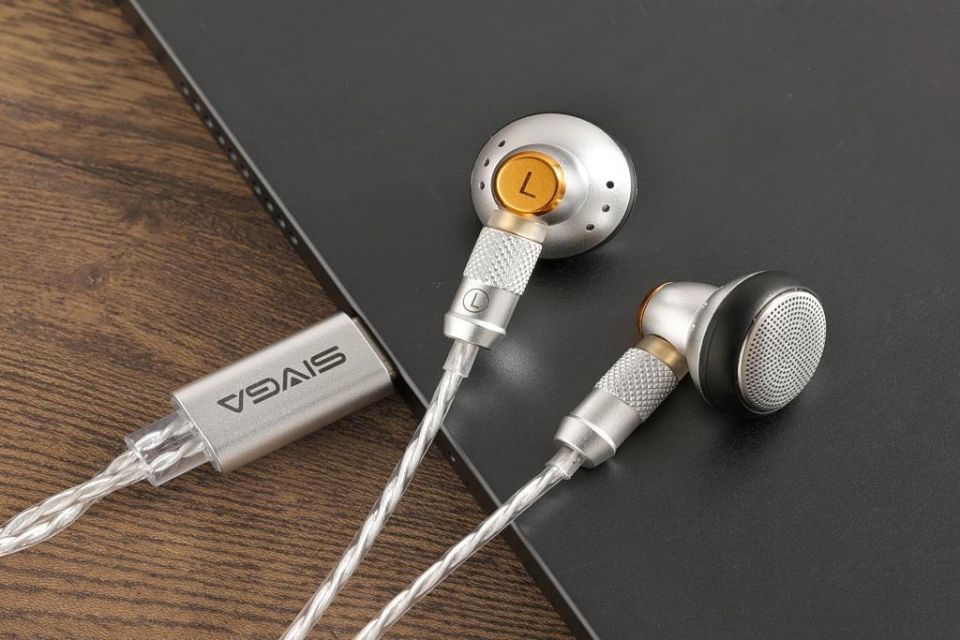
Wired earbuds have become a small counter-trend in a market dominated by true wireless models. For some users, the appeal is simple - no battery, no pairing, no latency, no codec confusion and no fear that the product will become useless once the cells wear out. Sivga's M260 fits neatly into that space. It is a retro-inspired hi-fi earbud designed for music, commuting, gaming and everyday use, combining a classic open earbud shape with a modern detachable cable system and an optional USB-C version with its own DAC and microphone.

Schiit Vestri

Schiit Audio has built a large part of its reputation around one deceptively difficult idea - making serious audio products at prices that still feel almost stubbornly reasonable. The Vestri takes that philosophy into the headphone DAC/amp dongle category, a segment crowded with small devices that often look similar, use similar chipsets and compete mostly on specification lists. Schiit is entering that space with its usual mixture of simplicity, engineering stubbornness and a few features that separate Vestri from the portable DAC/amp formula.

Noble Audio Lu Ban

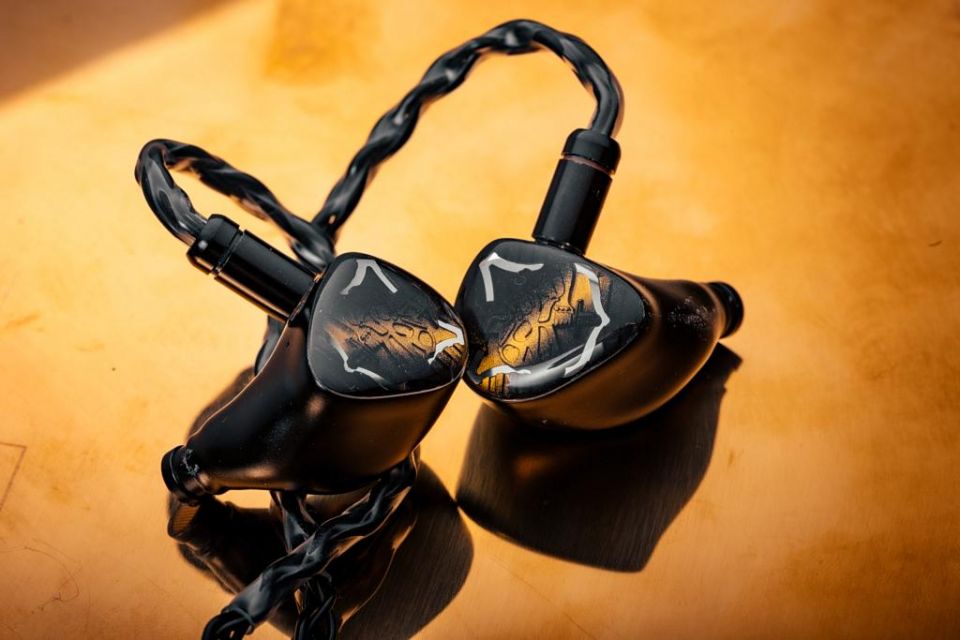
Noble Audio has introduced Lu Ban, a new statement hybrid in-ear monitor in its universal IEM lineup. The model combines a 10-mm wooden composite diaphragm dynamic driver with two newly developed Super-Magnetic planar drivers. The idea is not simply to add another multi-driver construction to Noble's catalog, but to combine natural diaphragm materials with a fast, technically capable magnetic driver system in a way that gives the earphones both physical weight and high-frequency precision. The name refers to Lu Ban, the legendary Chinese craftsman associated with precision, invention and mastery of materials. That reference is reflected both in the acoustic design and in the physical construction of the earphones.

We Are Rewind Freddie

We Are Rewind is a French audio brand focused on reviving cassette culture through modernized portable players and accessories. Its products combine analog nostalgia with contemporary usability, giving listeners a way to enjoy physical media while keeping practical features such as Bluetooth connectivity, rechargeable batteries and modern design refinements. Now We Are Rewind has launched Freddie, a new pair of wireless headphones inspired by the portable audio culture of the 1980s. Also known as EQ-002, the model has been designed to complement the company's WE-001 cassette players, but it can also be used with smartphones, tablets, computers and other Bluetooth sources. The idea is simple - a lightweight retro-style headphone that visually belongs next to a cassette player, but behaves like a modern everyday wireless model.

JBL Live Beam 4, Live Buds 4 & Live Flex 4

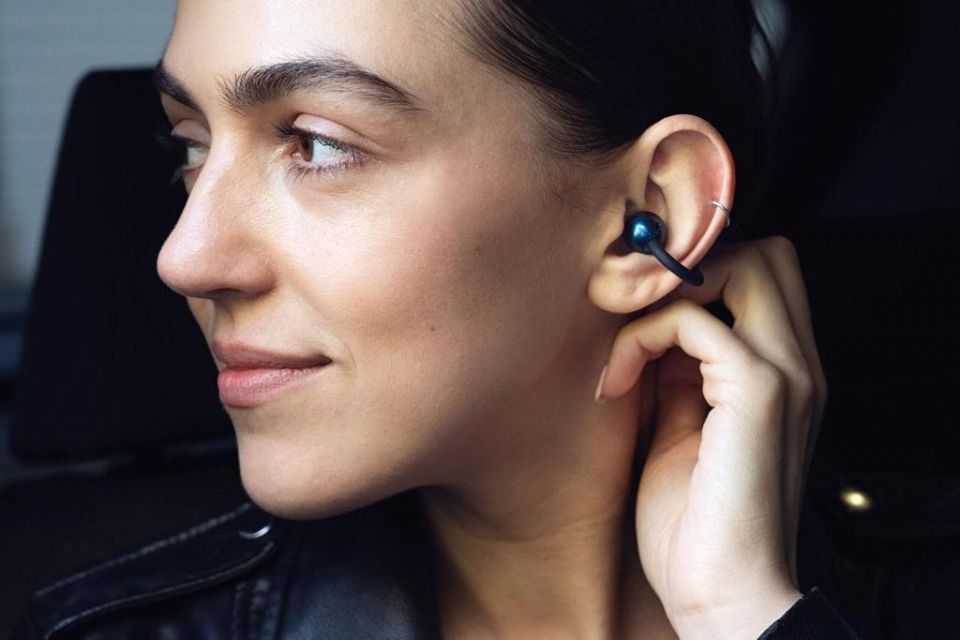
JBL is refreshing its Live series with three new true wireless models designed to reflect the different ways people use in-ear and open-fit earbuds in everyday life. The Live Beam 4, Live Buds 4 and Live Flex 4 all follow the same general direction - Hi-Res Audio Wireless, True Adaptive Noise Cancelling 2.0, JBL Spatial Sound, Bluetooth 6.0 and a new Smart Charging Case with a larger display. The differences between the three models are still significant, however, covering not only the shape of the earbuds, but also the type of fit, driver size, water and dust resistance, and battery life. As a result, the Live 4 series is not a set of three nearly identical products, but a small family of models aimed at users with different expectations - from those looking for maximum isolation, through fans of compact in-ear designs, to listeners who prefer a more open earbud construction.

iFi Audio GO link 2 Max

Not so long ago, a headphone socket on a smartphone was taken for granted. Today, many users have to choose between wireless headphones, a basic USB-C adapter, or a more serious dongle DAC with its own converter and headphone output stage. Not everyone wants to move entirely to Bluetooth. Good wired headphones still make sense. They do not need charging, they introduce no wireless latency, they do not depend on codec support, and they can often deliver better sound quality than wireless models at the same price. The problem is that more and more devices no longer give users a proper place to plug them in. The iFi Audio GO link 2 Max is designed as an answer to exactly that problem - a small USB-C adapter intended not only to replace the missing headphone socket, but also to improve on the average audio circuitry built into a phone, laptop, or tablet.

Sennheiser Momentum 5 Wireless

Sennheiser has introduced the fifth generation of its most important consumer wireless headphones. The new Momentum 5 Wireless is not an attempt to rewrite the story from the beginning, but rather to refine a formula that has become one of the most recognizable reference points in the premium segment over the years. The manufacturer has kept what is essential to the series - large over-ear earcups, extensive wireless connectivity, a characteristic sound and very long battery life - while introducing changes to noise cancellation, sound personalization, codec support, sustainability, packaging and product longevity. The result is a headphone that should be not only more technically advanced, but also more convenient in everyday use and better prepared for several more years of service. "When designing Momentum 5 Wireless, we focused on refining the entire user experience without moving away from the formula that made the previous generation successful. The new improvements increase the functionality of the headphones while preserving that special magic you feel every time you press play." - said Sreenath "Sri" Unnikrishnan, Product Manager at Sennheiser.

JBL Live 680 NC & Live 780 NC

JBL is expanding its Live series with two new wireless headphone models - the Live 680 NC and Live 780 NC. Both belong to the Live 4 generation and have been designed for users who now expect everyday headphones to offer more than decent sound and comfort. Effective noise cancelling, long battery life, extensive personalization and the ability to handle several usage scenarios at once have become just as important. The new models open another chapter for a series that sits in JBL's catalog between simpler everyday headphones and more advanced designs focused on comfort, functionality and greater freedom to adapt the listening experience to individual needs. The higher model mainly adds a larger over-ear design, bigger ear cushions, a more advanced noise-cancelling system and the additional Low Volume Dynamic EQ and Personal Sound Amplification features. The common platform remains the same - 40-mm drivers, Hi-Res Audio, JBL Spatial Sound, Personi-Fi 3.0, Bluetooth 6.0, LE Audio, Auracast, multipoint connection, quick charging and very long battery life.

iFi Audio iDSD GR 2

Portable listening is no longer just a matter of convenience. For a long time, taking better headphones and high-resolution files outside the home meant accepting a stack of compromises - weak headphone outputs, awkward adapters, short battery life, and small devices that often felt more like emergency solutions than serious audio components. That has changed. Portable DACs and headphone amplifiers have become a mature category of their own, designed not simply to make a phone or laptop usable with wired headphones, but to create a compact listening system that can travel from a desk to a hotel room, from a train seat to a vacation apartment, and still retain a meaningful degree of audio quality. iFi Audio has been one of the companies most closely associated with this shift, and the iDSD GR 2 is one of the most important new products in its portable lineup.

We use cookies to improve our website and your experience when using it. To find out more about the cookies we use and how to delete them, please see our Privacy Policy.