
- News
- Posted
Fezz Audio Lybra MK2
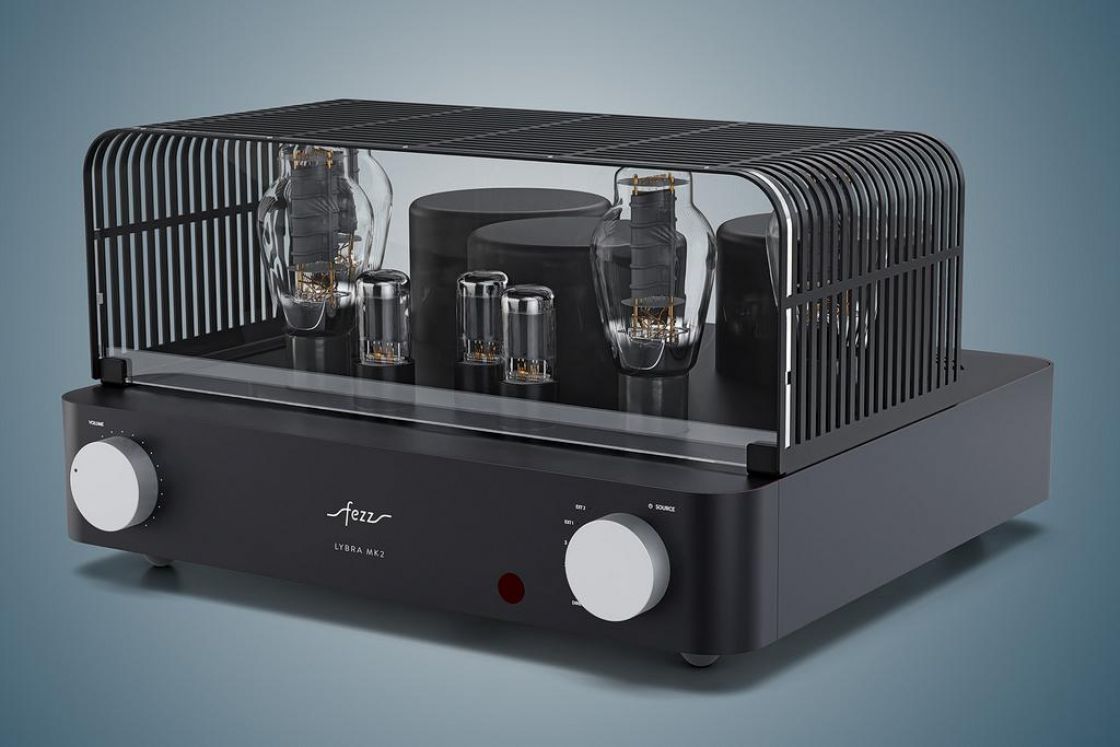
Fezz Audio continues to refresh its product lineup, introducing another amplifier bearing the MK2 designation. This time, the Polish manufacturer has turned its attention to the Lybra, one of its most sophisticated integrated amplifiers and a design built around the legendary 300B triode. The original model occupied a special place in the company's catalog, combining the distinctive sonic character of directly heated triodes with enough power to drive a somewhat wider range of loudspeakers than most conventional single-ended amplifiers. The new Lybra MK2 retains that fundamental concept but introduces a redesigned signal path, expanded connectivity, and several practical improvements intended to make living with a tube amplifier almost as convenient as owning a modern solid-state integrated. Alongside the new integrated model, Fezz Audio is also offering the Lybra Mono Power Amplifier, a monoblock designed for enthusiasts who prefer separate preamplification and power amplification components.
The 300B is one of the greatest legends in the history of vacuum tube technology. Developed by Western Electric in the 1930s, it was originally used in professional telecommunications equipment before eventually attracting the attention of audio engineers. To this day, many enthusiasts regard it as something of a benchmark for naturalness, tonal richness, and musical expression, particularly throughout the midrange. Traditional single-ended amplifiers using one 300B triode per channel, however, generally deliver only a handful of watts, making careful loudspeaker matching essential. High sensitivity and a relatively benign impedance curve are usually at the top of the shopping list. Fezz Audio decided to tackle this limitation somewhat differently. The Lybra employs a Parallel Single-Ended (PSE) topology, in which two 300B triodes operate in parallel in each channel. This arrangement increases the available output power while preserving the fundamental advantages of single-ended amplification, providing greater dynamic headroom and improved compatibility with more demanding loudspeakers.
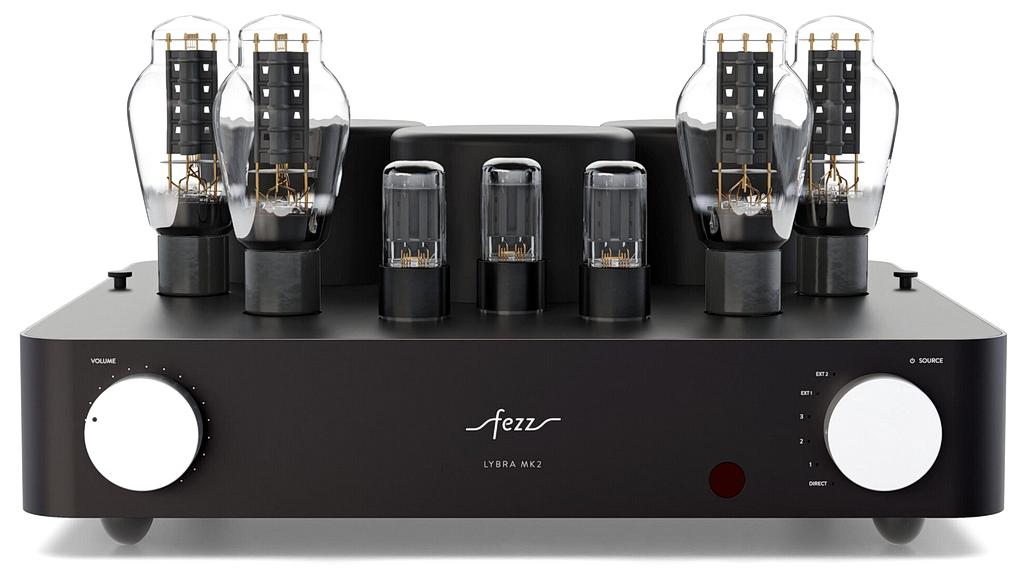
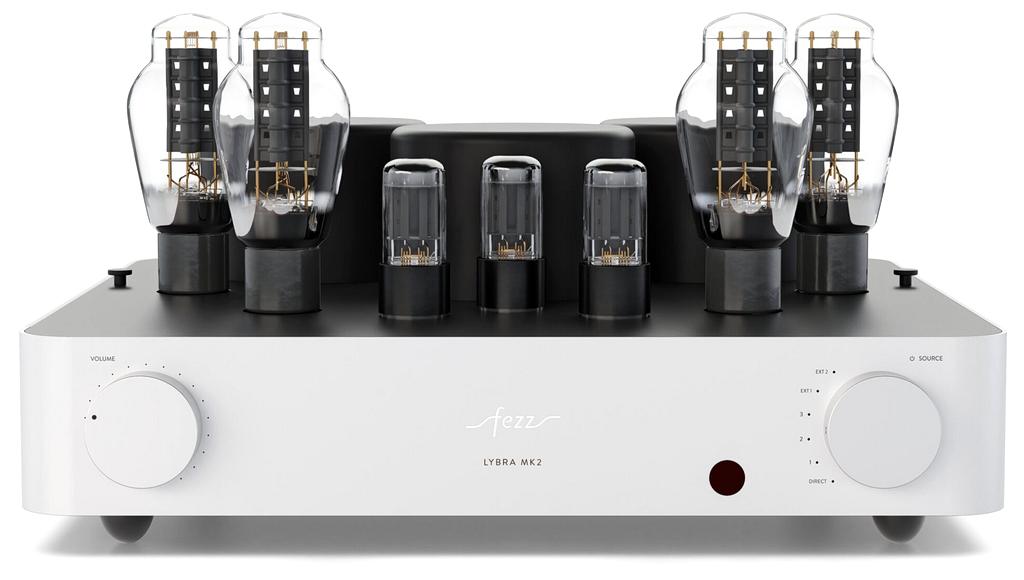
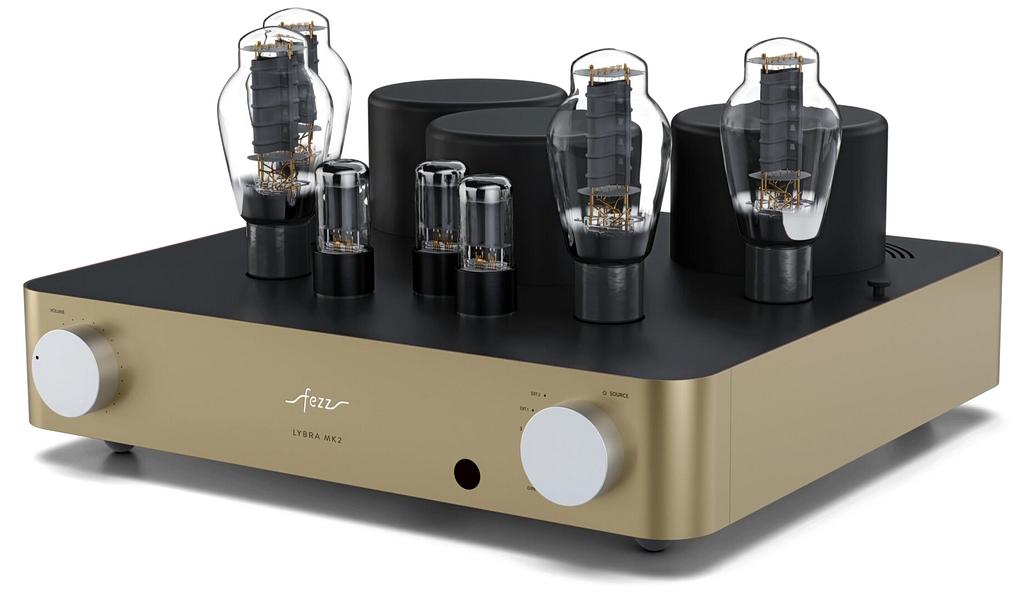
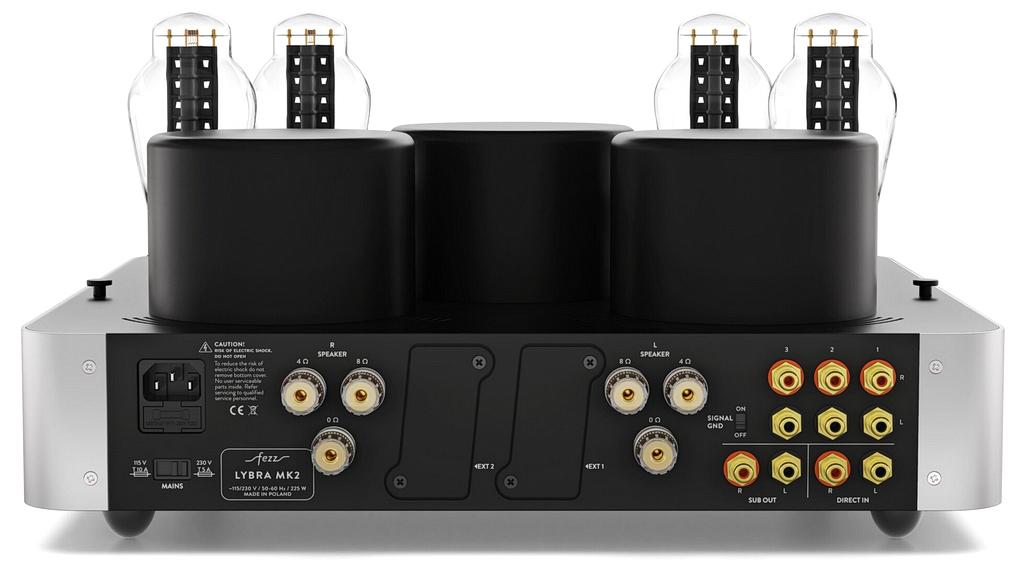
The new Lybra MK2 uses four 300B output tubes supported by three 6SN7 dual triodes. The amplifier delivers 15 watts per channel, while proprietary toroidal output transformers provide connections for loudspeakers with nominal impedances of either 4 or 8 ohms. It is worth emphasizing that transformer design and manufacturing expertise has always been one of Fezz Audio's greatest strengths. The company has its roots in the engineering capabilities of Toroidy, a specialist manufacturer of toroidal transformers, including components developed specifically for audio applications. In tube amplifiers, output transformers are particularly important because they influence not only the power that can be delivered to the loudspeakers but also frequency response, bandwidth, distortion, and the way the amplifier interacts with different speaker loads. Using toroidal transformers in the output stage of a single-ended amplifier is also relatively unusual, and it has been one of the defining characteristics of Fezz Audio's designs for many years.
The most significant change introduced with the second-generation Lybra is its redesigned signal path. According to the manufacturer, the modifications have allowed its engineers to combine the subtlety and harmonic richness traditionally associated with single-ended amplification with greater dynamics, control, and overall authority. The new model is said to deliver a saturated, richly textured midrange, smooth and silky high frequencies, and surprisingly deep, well-controlled bass. Particular attention has also been paid to spatial presentation, with Fezz Audio promising a wide, layered, almost holographic soundstage. The manufacturer emphasizes that the Lybra MK2 is intended to perform equally well with intimate jazz recordings, vocal music, and small acoustic ensembles as it does with larger, more complex arrangements requiring a convincing sense of scale and dynamic freedom. Naturally, 15 watts per channel does not mean the amplifier can drive absolutely any loudspeaker, but compared with traditional designs employing a single 300B triode per channel, the possibilities for assembling a suitable system are considerably broader.
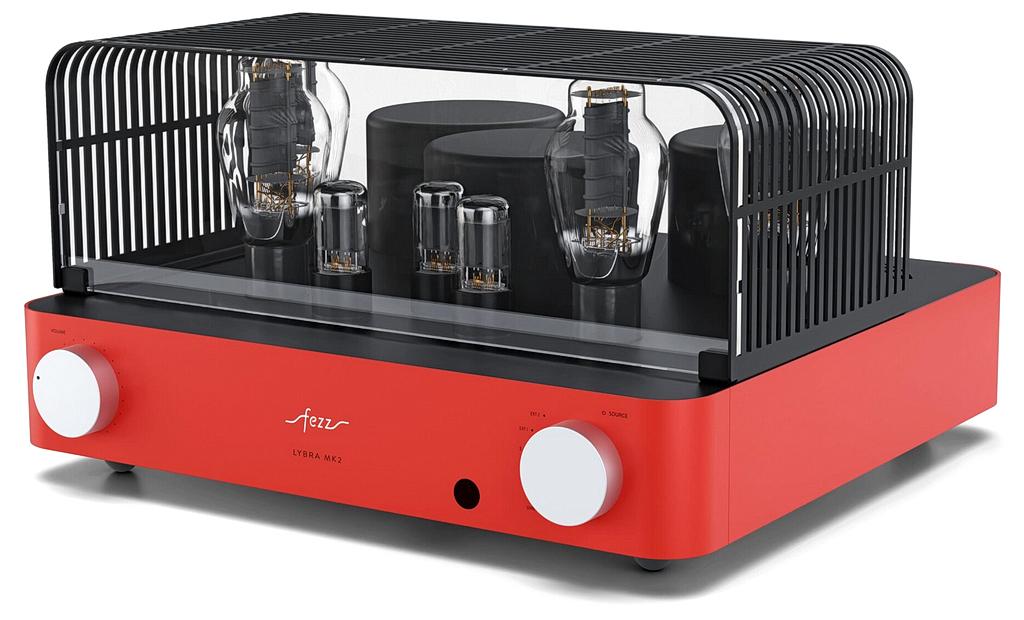
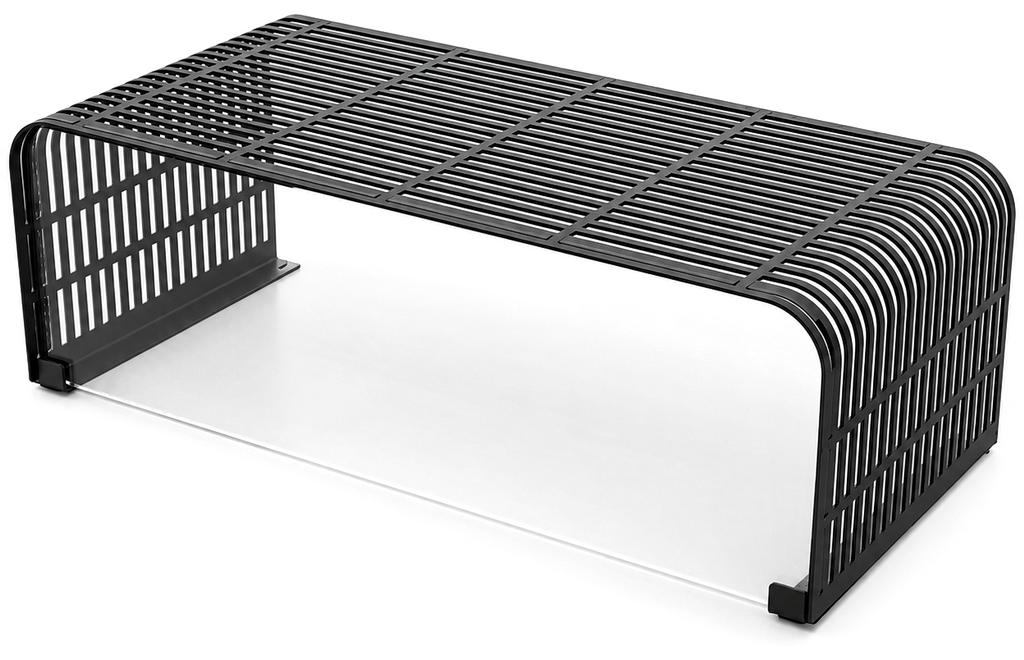
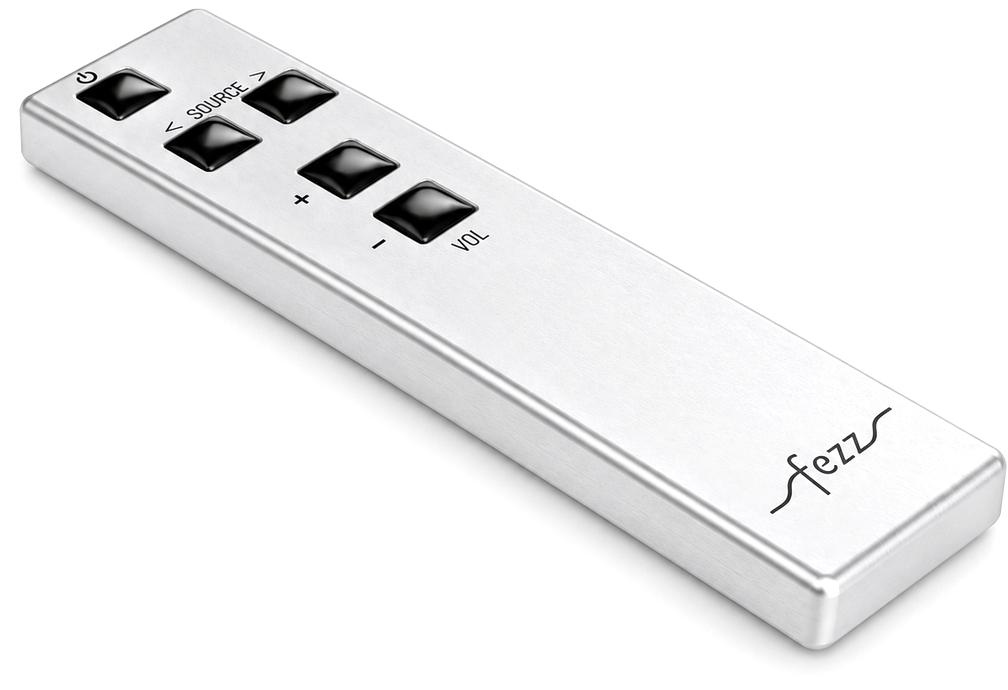
An important part of the new model's engineering is devoted to making tube ownership easier and ensuring that the valves operate under appropriate conditions. Automatic bias adjustment eliminates the need to set the tubes' idle current manually, while a delayed high-voltage supply allows them to warm up before normal operation begins. These solutions are not entirely new to the Lybra family, but they remain important elements of its design, especially considering that purchasing and periodically replacing a complete set of high-quality 300B tubes can be a rather expensive undertaking. Fezz Audio has also addressed everyday convenience. A remote control and protective tube cage are now included as standard equipment, whereas both accessories could previously be ordered separately. These may seem like relatively modest improvements, but they make the amplifier more approachable for listeners who appreciate tube sound without necessarily wanting to treat every listening session as a technical exercise.
The Lybra MK2 also offers considerably greater flexibility when it comes to integration with other audio components. Its rear panel features three RCA line-level inputs and an additional Direct input (HT Pre-In), which bypasses the internal volume control and allows the amplifier to function as a power amplifier driven by an external preamplifier or home theater receiver. A dedicated Sub-Out connection makes it possible to add an active subwoofer, extending the system's low-frequency capabilities without abandoning the sonic qualities of the 300B output stage. The options do not end there, however, as the amplifier also features two slots for optional expansion modules. Owners can therefore adapt the Lybra MK2 to their individual requirements by adding functionality such as Bluetooth connectivity, a phono preamplifier, or a digital-to-analog converter. This modular approach fits naturally into the philosophy behind Fezz Audio's latest products, where traditional tube engineering is increasingly combined with modern functionality and the ability to upgrade a system over time.
Visually, the Lybra MK2 remains faithful to the Evolution series, with its minimalist metal chassis, distinctive proportions, and gently rounded edges. Naturally, the vacuum tubes positioned on top of the enclosure attract most of the attention, but the ability to match the amplifier to its surroundings is another important part of the design. Fezz Audio offers seven finishes: Black Ice, Big Calm, Burning Red, Republika, Evergreen, Moonlight, and Sunlight. The amplifier measures 420 x 380 x 226 mm (16.5 x 15 x 8.9 inches) and weighs a substantial 23.5 kg (51.8 lb). These figures serve as a useful reminder that, despite its relatively modest power output, the Lybra MK2 is a serious piece of equipment. Much of that weight comes from the transformers and robust chassis, illustrating once again why the size and mass of a tube amplifier often bear little resemblance to the number of watts printed in its specifications.
Alongside the integrated amplifier, Fezz Audio is introducing the Lybra Mono Power Amplifier, a monoblock based on the same Parallel Single-Ended concept but intended for systems built around a separate preamplifier. Each monoblock uses two 300B output triodes, two 6SN7 tubes, and a rectifier tube, delivering 15 watts to a single channel. Both RCA and XLR inputs are provided, increasing compatibility with different preamplifiers. Using two completely independent power amplifiers also allows the left and right channels to be physically separated, including their respective power supplies and output transformers. This approach is aimed primarily at more demanding enthusiasts who want to build a system around the sonic character of 300B triodes but prefer the flexibility of separate components, with greater freedom to select and upgrade the preamplifier independently of the power amplification stages.
The introduction of the Lybra MK2 marks another step in the evolution of Fezz Audio, a company that has grown over the past decade from a relatively small manufacturer of straightforward tube amplifiers into an internationally recognized brand offering everything from traditional integrated designs to ambitious high-end components. Although its portfolio has expanded to include solid-state equipment, digital converters, and other stereo components, vacuum tube technology remains one of the foundations of the company's identity. The Lybra MK2 also demonstrates that updating a successful amplifier does not necessarily mean abandoning the philosophy that made it appealing in the first place. Sometimes, refining the circuitry, improving everyday usability, and adapting the feature set to modern expectations are enough, provided the qualities that defined the original design remain intact. The Fezz Audio Lybra MK2 is already available through selected dealers, with retail prices of €5,490 in France and £5,495 in the United Kingdom. A version equipped with premium tubes is also offered at an additional cost. Official US pricing for the new MK2 model has not yet been confirmed. Info and photos by Fezz Audio.