
- News
- Posted
Topping DX1 II
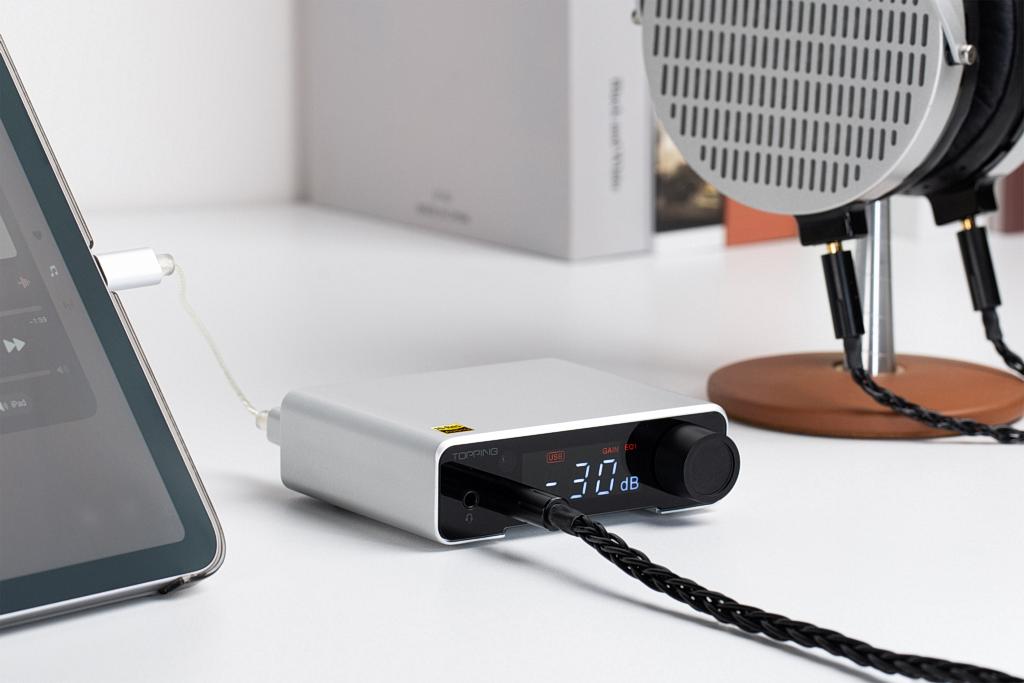
Topping has never been particularly shy about squeezing ambitious specifications into inexpensive little boxes, but DX1 II is a much more substantial update than its familiar name might suggest. The original DX1 was deliberately simple - a USB-powered DAC and headphone amplifier built around AKM's AK4493S, with a single USB input, RCA output and 3.5 mm and 6.35 mm headphone sockets. DX1 II keeps the compact desktop format and USB-powered operation, but almost everything around it has changed. There is a new ESS converter, fully balanced analog architecture, considerably more headphone power, optical input and output, 4.4 mm connections, parametric EQ, a display and remote control, plus features aimed specifically at PlayStation 5 and Nintendo Switch users. In other words, what started as an inexpensive way to improve computer audio has evolved into a surprisingly complete little DAC, preamplifier, headphone amplifier and digital signal processor.
Digital conversion is now handled by ESS Technology's ES9039Q2M from the Sabre 32 Reference family. The chip incorporates HyperStream IV architecture and two internal conversion channels, allowing Topping to process left and right channels independently. Ahead of it sits a 16-core XMOS XU316 USB interface, while the analog circuitry after conversion follows a fully balanced layout. Topping has therefore maintained channel separation through considerably more of the signal path than in the original DX1, with the goal of reducing noise, distortion and crosstalk rather than simply replacing one DAC chip with another.
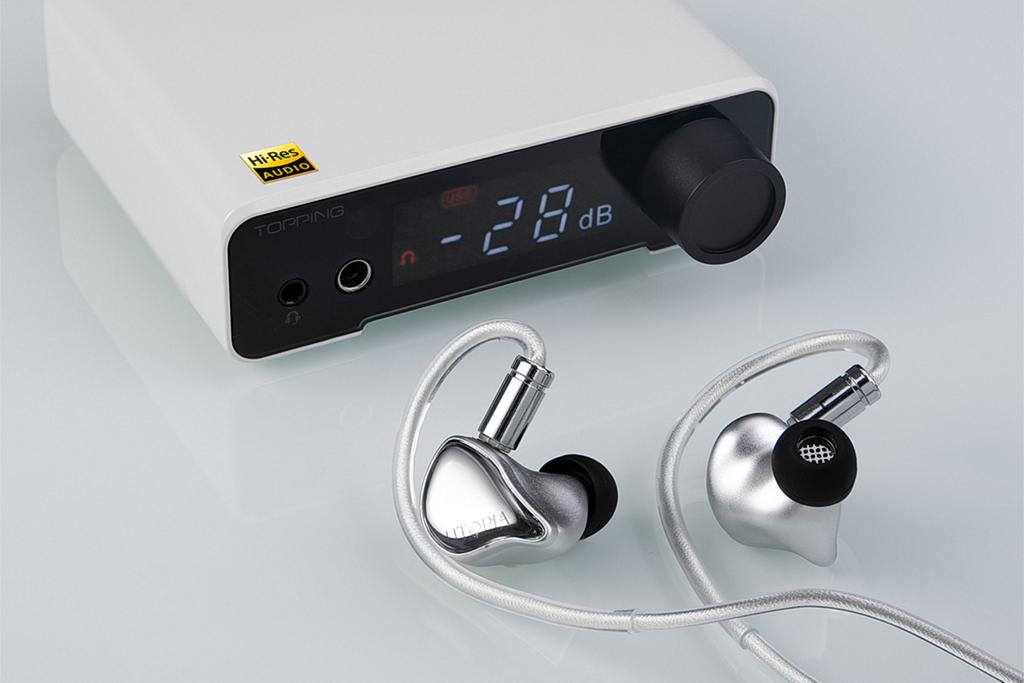
The headphone amplifier has undergone an equally significant transformation. Its four-channel architecture provides independent left and right signal paths and feeds both conventional 3.5 mm and balanced 4.4 mm headphone outputs. Through the balanced connection, DX1 II can deliver up to 2 x 1000 mW into 32 Ω - a dramatic increase over the original DX1, which was rated at 2 x 280 mW into the same load. Topping also paid particular attention to low-level noise, quoting less than 0.9 μVrms from the new amplifier stage, so the additional output power is not supposed to come at the expense of usability with sensitive IEMs. Two gain settings allow the amplification stage to be adapted to very different headphone sensitivities.
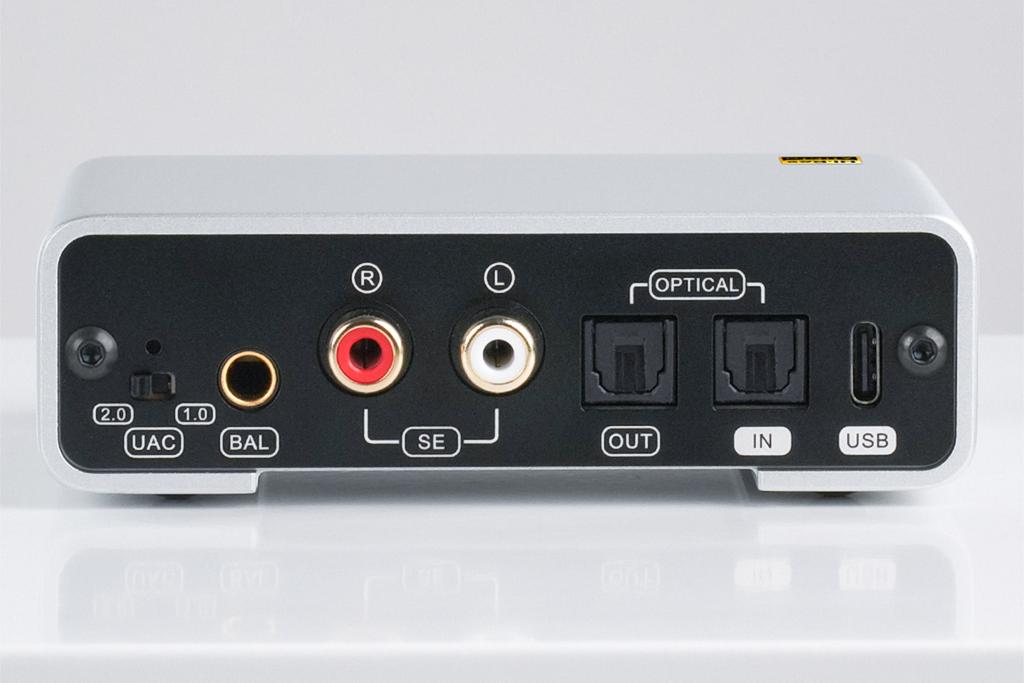
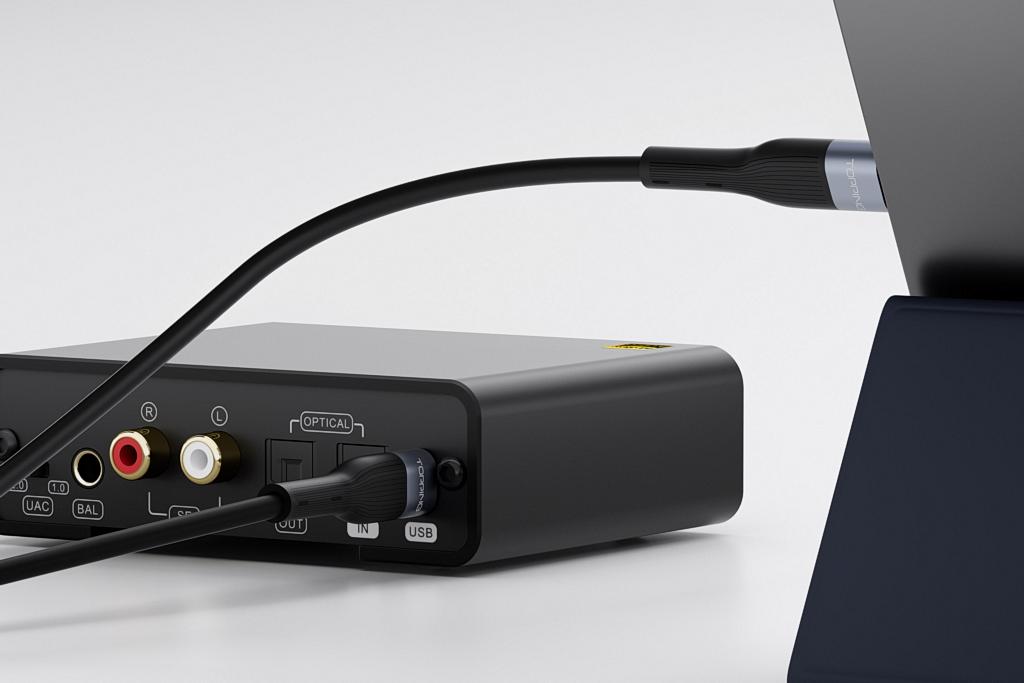
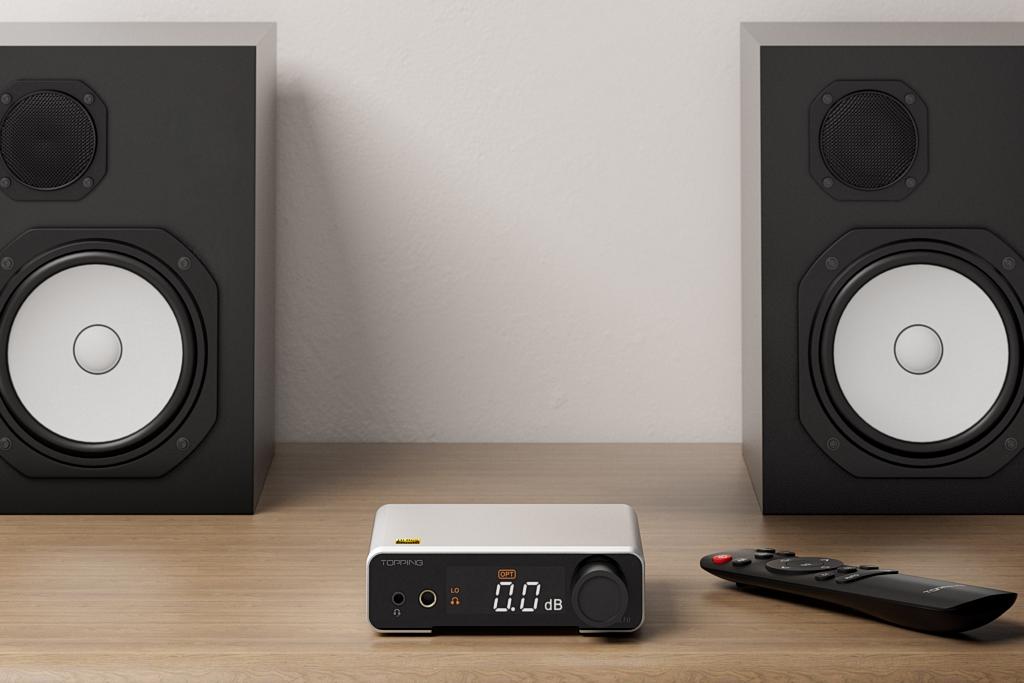
Topping has also broadened the input and output selection considerably. USB-C handles both audio data and power, so a separate power supply is not required in normal operation. An optical input makes it possible to connect televisions, CD players, consoles and other digital sources, while an optical output gives DX1 II a rather less obvious additional role. Stereo RCA and balanced 4.4 mm line outputs can operate at fixed level for connection to an integrated amplifier or in variable-output mode, allowing DX1 II to drive active speakers or a power amplifier directly.
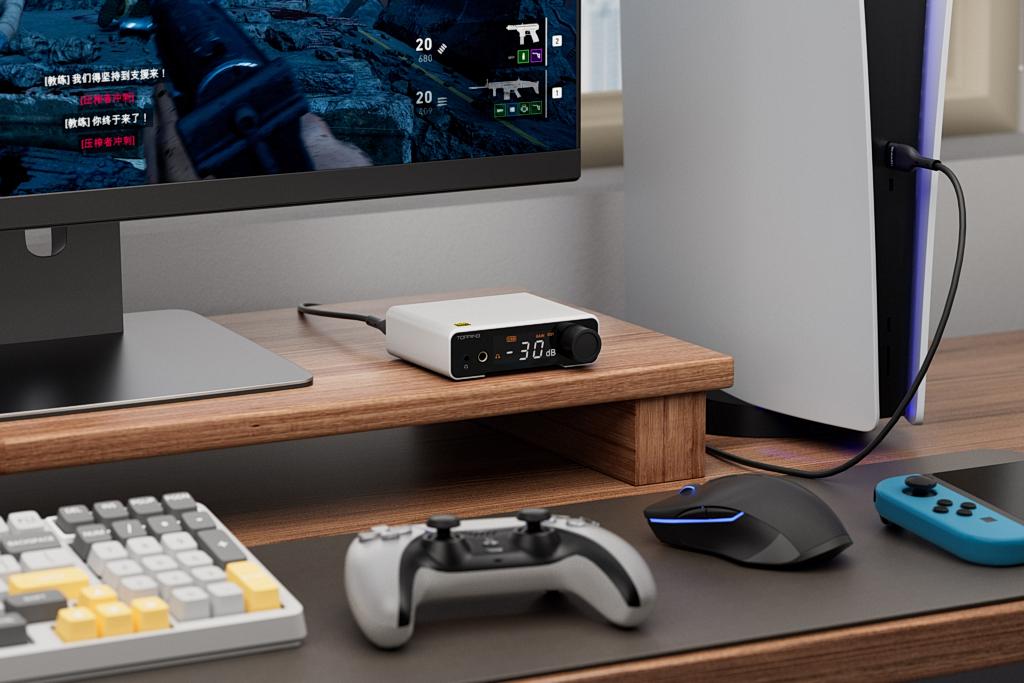
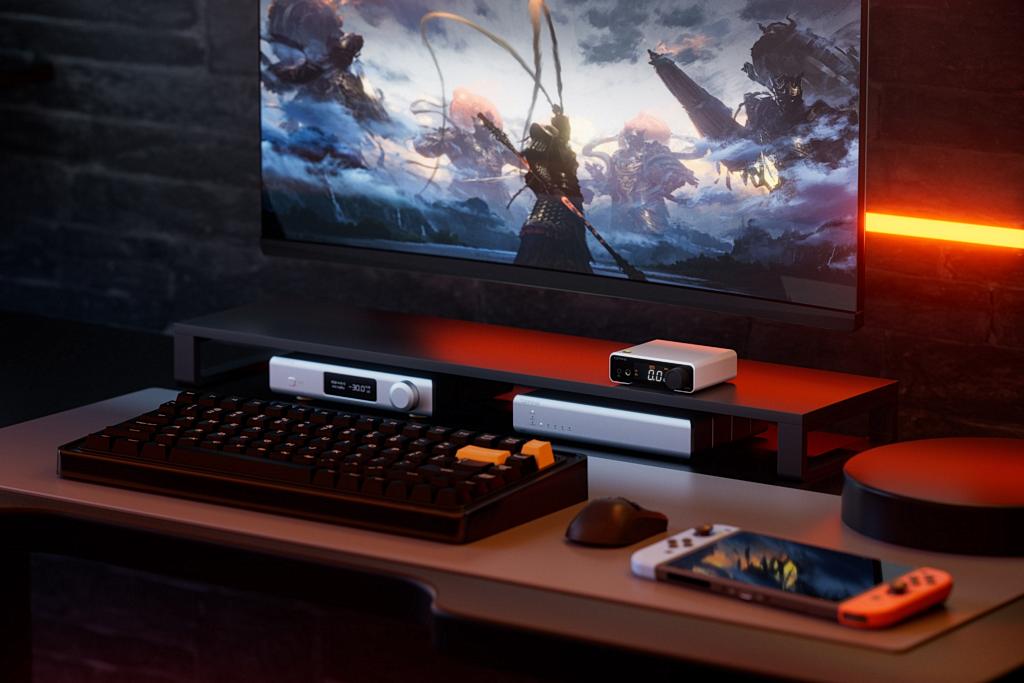
Gaming is one of the areas where the second generation differs most clearly from the original. A rear-panel switch allows the USB interface to operate in either USB Audio Class 1.0 or 2.0 mode. Most computers, phones and tablets can use UAC 2.0, while devices such as PlayStation 5 and Nintendo Switch depend on UAC 1.0 for USB audio compatibility. DX1 II can therefore be connected directly to both without resorting to additional converters. The 3.5 mm headset connection also supports microphone input, including digital processing at up to 24-bit/192 kHz, making voice communication part of the same audio chain rather than forcing gamers to find a separate solution for the microphone.
That does not mean Topping has turned DX1 II into a gaming accessory with hi-fi features bolted on afterward. USB playback supports PCM up to 32-bit/384 kHz and native DSD256, while the optical input handles PCM up to 24-bit/192 kHz and DSD64 using DoP. Topping quotes a 128 dB signal-to-noise ratio and the same figure for dynamic range through the balanced line and headphone outputs, with THD+N dropping below 0.00007% through the balanced line output. Those numbers place considerable emphasis on the measurement-driven approach that has become closely associated with the brand, despite DX1 II occupying one of the least expensive positions in its DAC range.
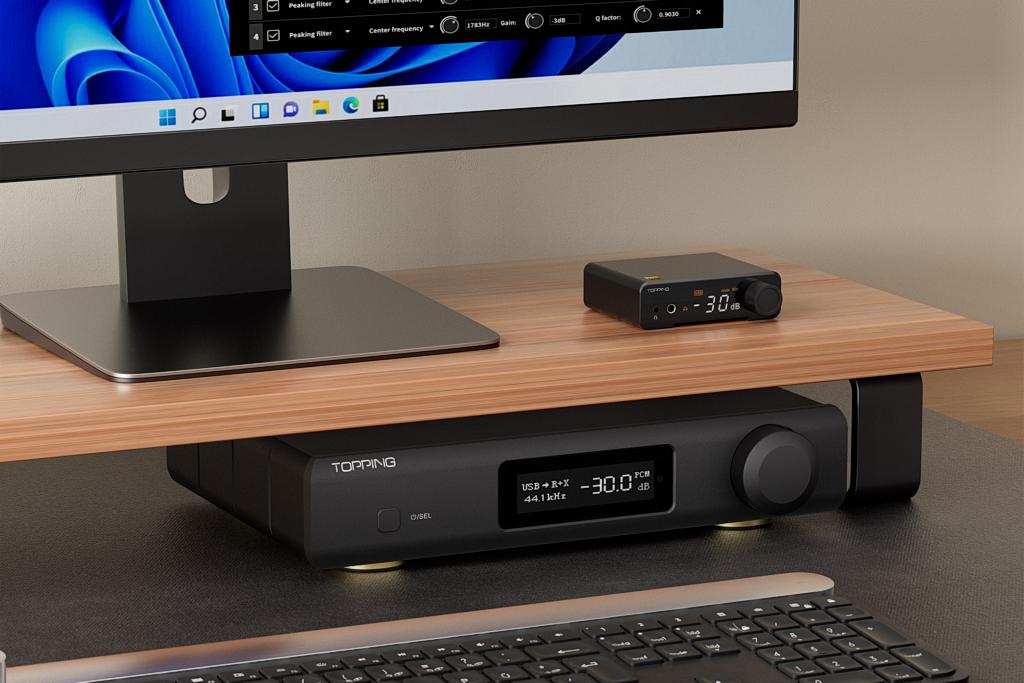
Perhaps the most interesting addition is the 10-band parametric equalizer. Each band allows frequency, gain and Q to be adjusted, so users can create correction curves for particular headphones, speakers or personal preferences rather than relying on a handful of fixed tonal presets. Up to three profiles can be stored in DX1 II's internal memory. Configuration is possible through Topping Tune on Windows and macOS or through Topping Home Web, which provides a browser-based interface and also supports community-shared profiles. Topping continues to update the software side as well - the company's support page currently lists firmware, Topping Tune and Topping Home Web specifically for DX1 II.
The optical output makes PEQ considerably more useful than it might first appear. DX1 II can sit between a digital source and a completely separate DAC, applying its 10-band processing before passing the signal onward. This means owners who later upgrade the conversion or amplification stage do not necessarily lose one of DX1 II's most useful functions. Eight selectable digital filters provide another, subtler level of adjustment.
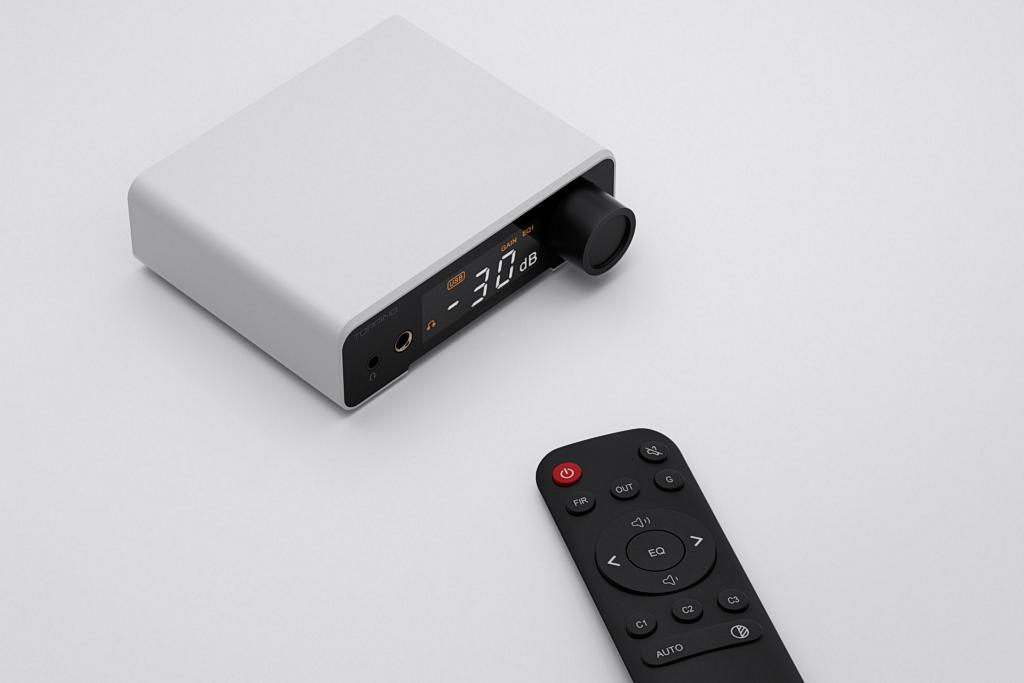
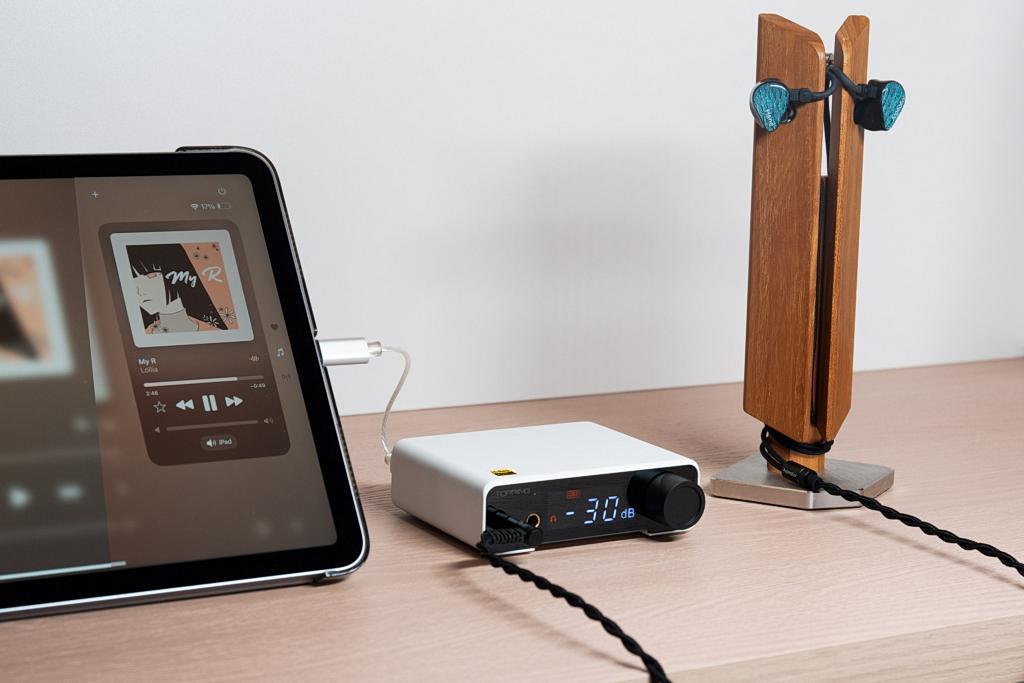
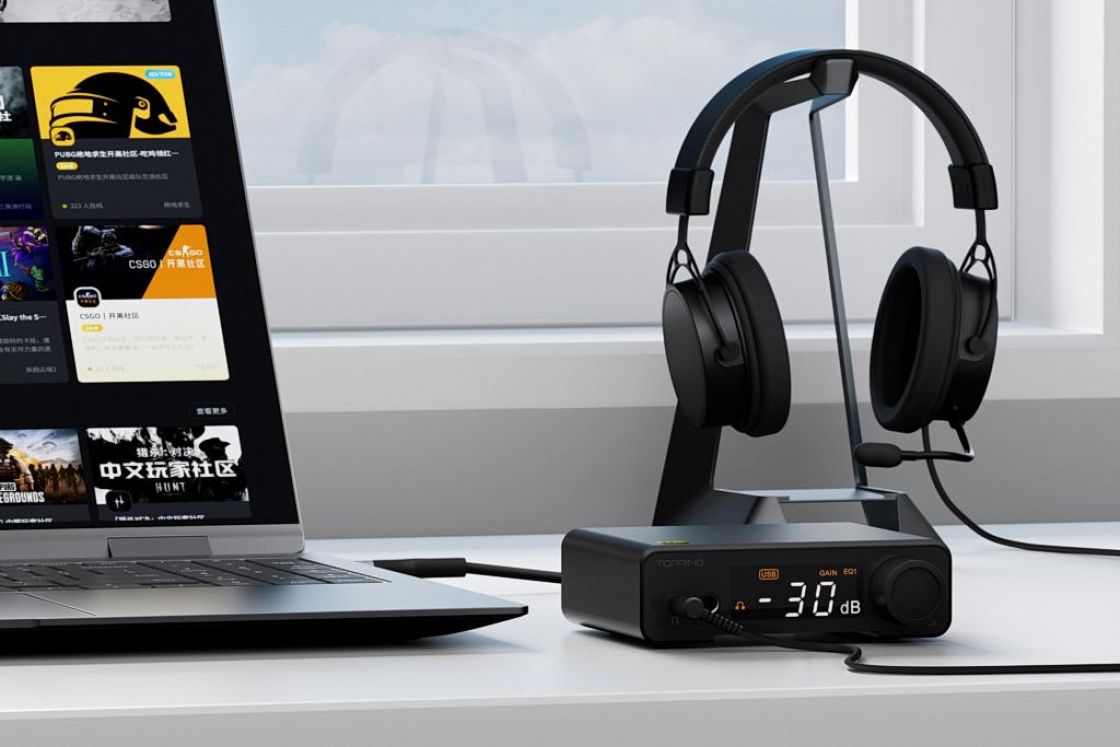
For all that additional functionality, the enclosure remains tiny. DX1 II measures 100 x 32 x 100 mm and weighs 275 g, with the electronics contained in an aluminum case. The front panel is considerably more informative than before, combining the two headphone connections with a multifunction rotary control and a central LED display showing volume, sample rate, selected input and output, DSD status, PEQ profile and gain setting. Display brightness can be adjusted or switched off, automatic standby and wake-up are provided, and an infrared remote is included. Topping also supplies USB-C-to-USB-C and USB-A-to-USB-C cables.
The result is a rather different proposition from the original DX1. That model remains an appealingly simple USB DAC/headphone amplifier, but DX1 II moves into territory normally occupied by much larger desktop components. It can serve headphones and IEMs, drive active speakers as a preamplifier, feed a conventional stereo system as a DAC, process another converter's digital signal through PEQ and work directly with modern game consoles. At the same time, it still takes both data and power from a single USB connection. The feature list is unusually long for an entry-level product, but more importantly, most of those additions solve genuine practical problems rather than simply making the specification sheet look busier. DX1 II is available in black, white and silver, priced at $119/€119/£119. Info and pictures by Topping.