
- News
- Posted
Pro-Ject Wireless Box E
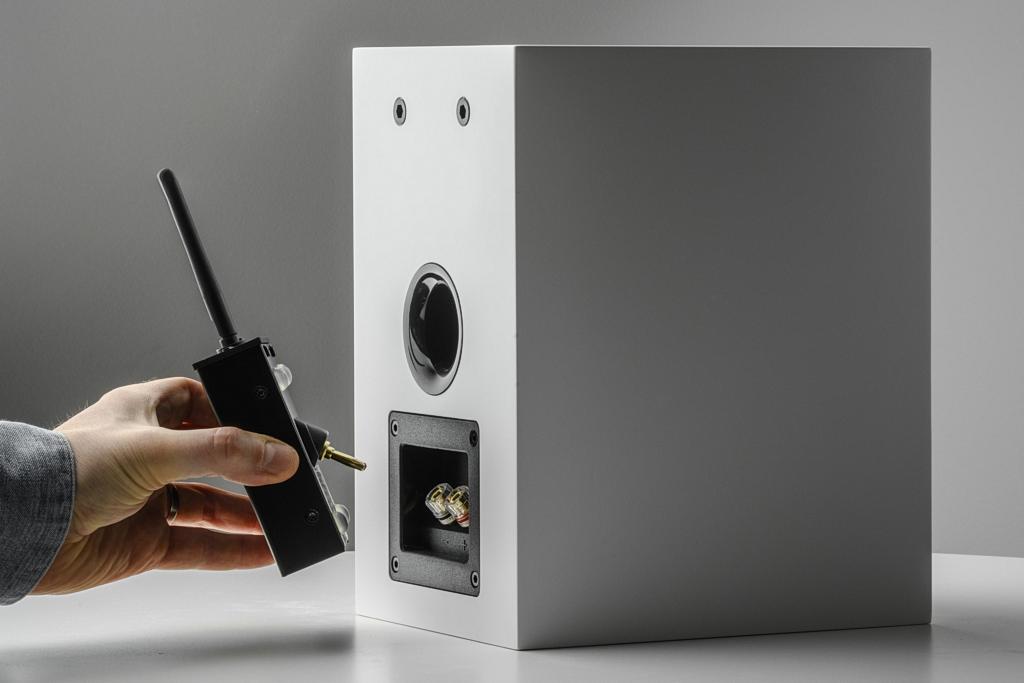
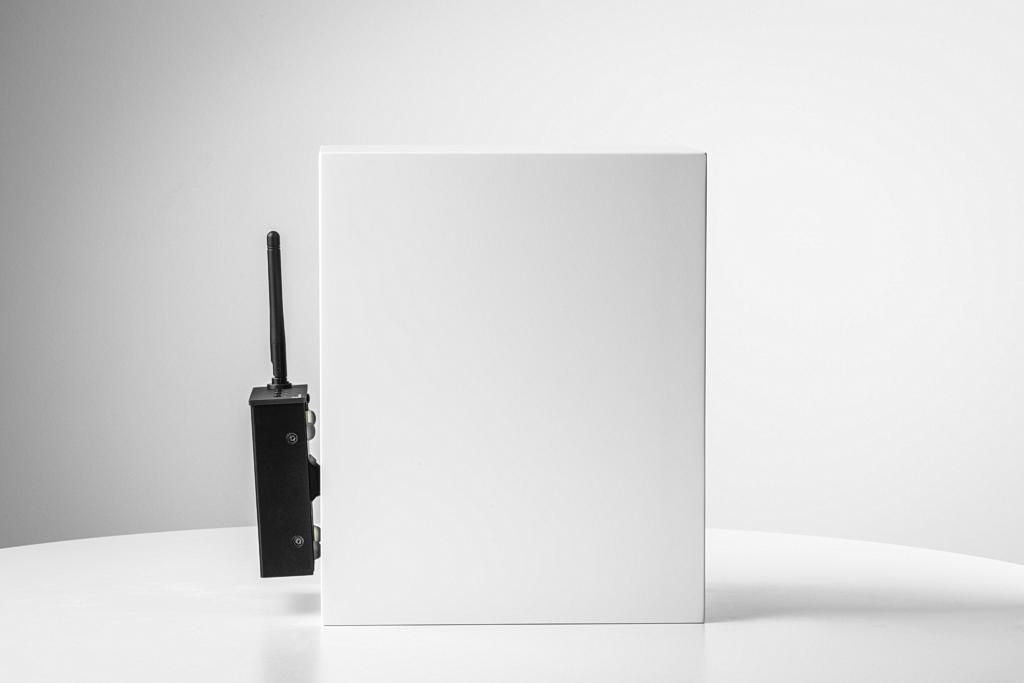
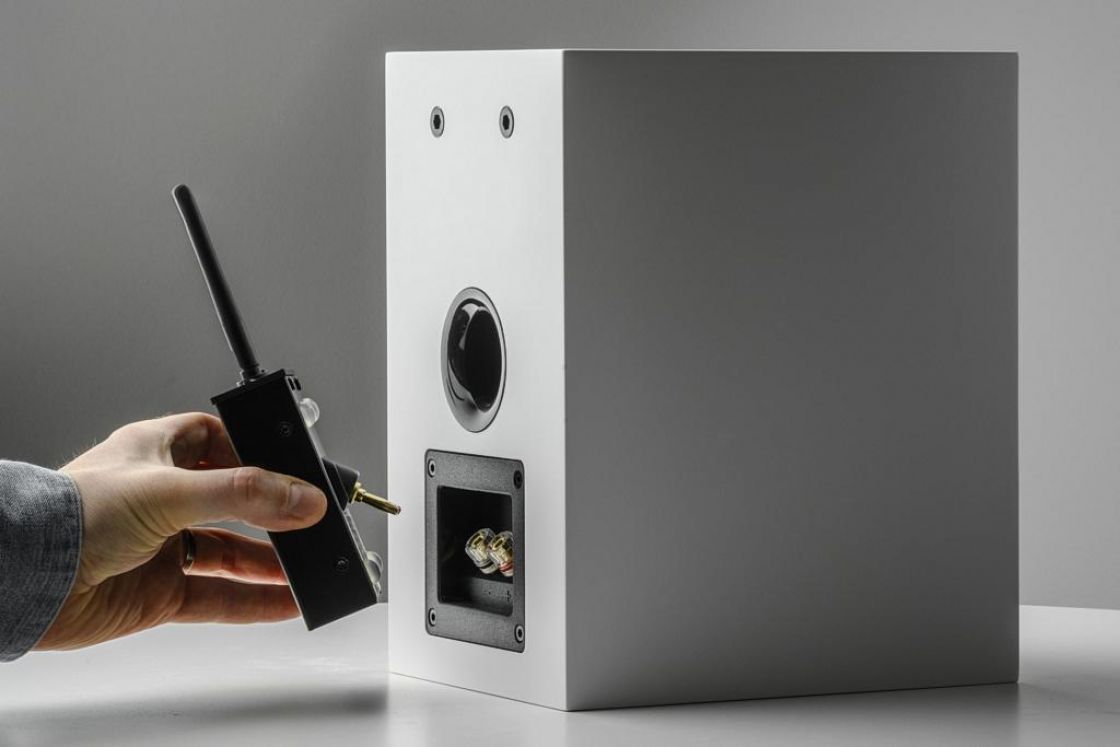
The Wireless Box E is one of those small Pro-Ject components whose purpose becomes clear the moment you see where it is meant to sit - not on a hi-fi rack, but directly on the back of a loudspeaker. Instead of adding streaming to an existing amplifier, as the Stream Box E does, the Wireless Box E takes the idea further by turning a passive speaker into a wireless active audio system. It is a compact mono streaming amplifier that connects directly to speaker terminals, removing the need for a separate amplifier and allowing users to build a flexible, app-controlled stereo or multi-room setup with traditional passive loudspeakers.
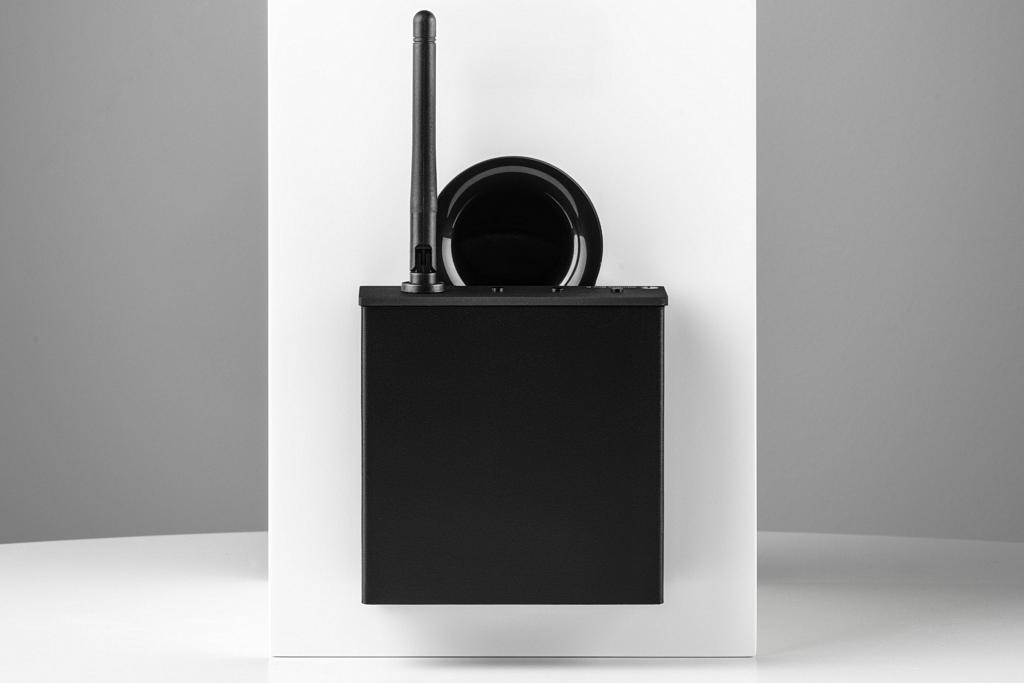
At its simplest, the concept is straightforward. One Wireless Box E is attached to each speaker, with a stereo pair requiring two units. Each module contains its own amplification, streaming platform and wireless connectivity, so the speaker no longer needs to be connected to a conventional amplifier with speaker cable. Pro-Ject describes the device as a plug-in streaming amplifier, and that description is accurate - it is designed to be physically mounted at the speaker rather than treated as another box between source and amplifier.
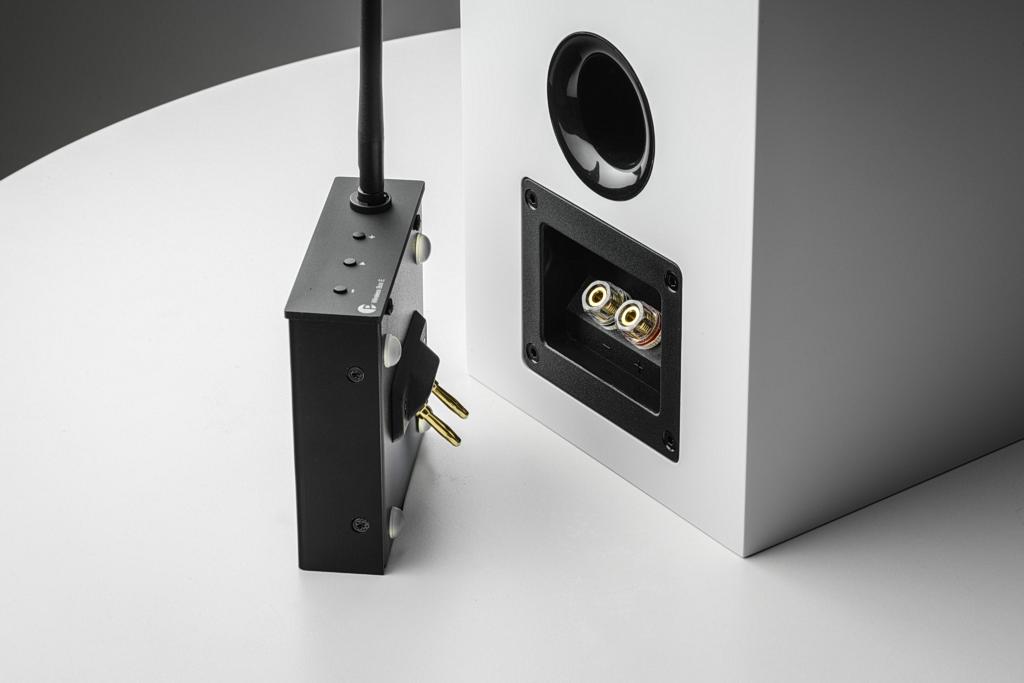
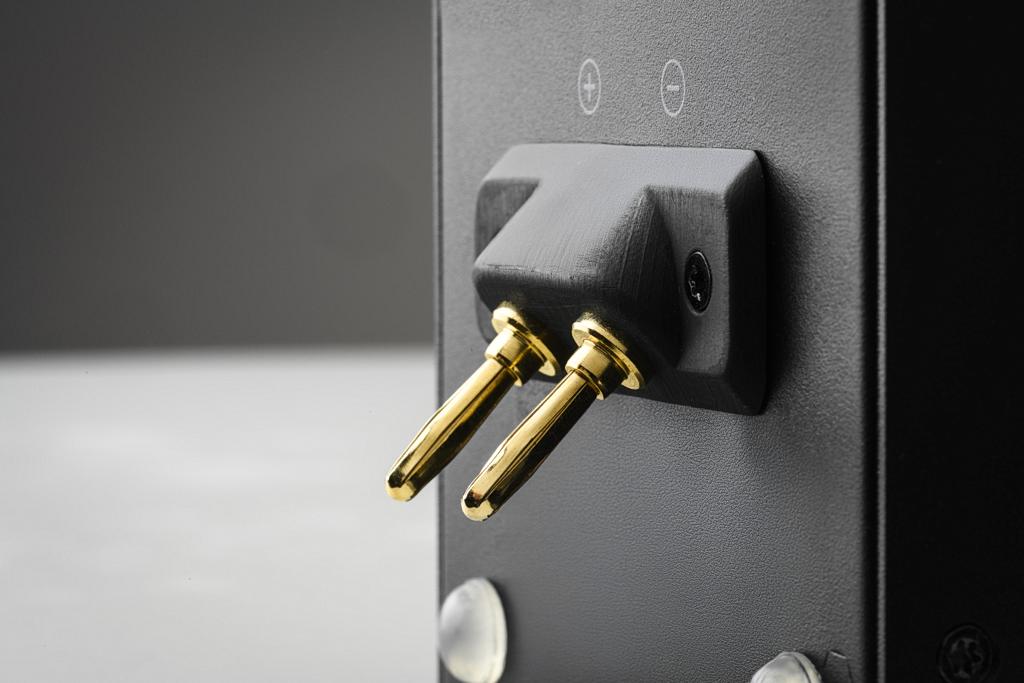
From a system-building perspective, the most important specification is the amplifier section itself. Each Wireless Box E is a mono unit delivering 25 W into 8 ohms or 50 W into 4 ohms, so a stereo setup requires two modules, one mounted to each loudspeaker. This output makes most sense with compact and moderately efficient passive speakers in smaller and medium-sized rooms, or in secondary systems where cable-free placement matters more than very high sound pressure levels. The speaker connection is made through 4-mm gold-plated banana plugs, which allows direct attachment to the terminals of many Pro-Ject loudspeakers and some models from other brands.
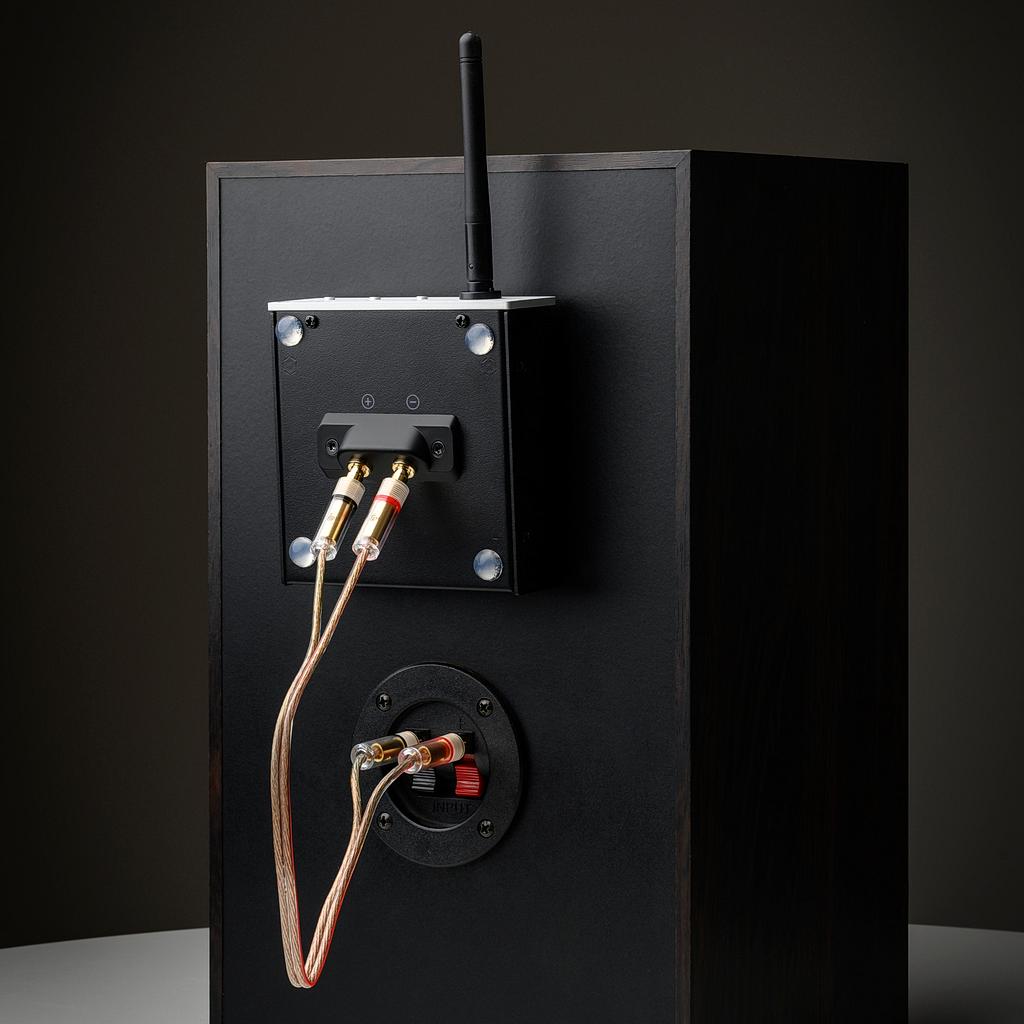
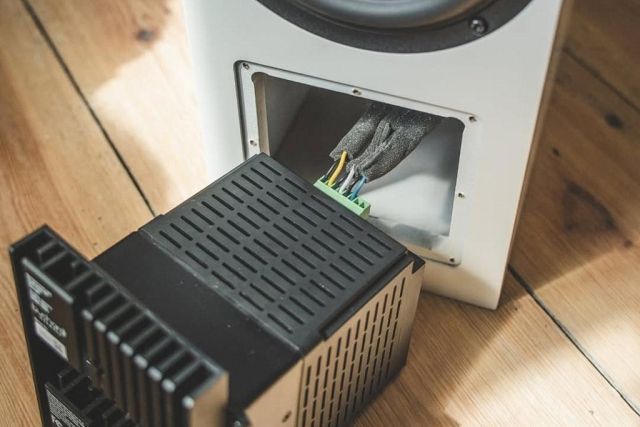
For speakers whose terminal layout does not allow direct mounting, Pro-Ject offers the Connect it LS-E Flex 0.3-m extension cable, sold separately as a set of two cables for a stereo pair. This small accessory is actually important, because the whole concept depends on practical installation. Some loudspeakers have recessed terminals, unusual spacing or binding posts rotated in a way that would make a rigid plug-in module difficult to use. The extension cable gives the Wireless Box E more flexibility and allows it to be fixed more easily behind the cabinet.
This physical idea is probably the most distinctive part of the product. Wireless speakers are normally designed as complete systems, with amplification and streaming built into the cabinet from the beginning. The Wireless Box E takes a different route, allowing passive loudspeakers to be upgraded without changing the speakers themselves. That makes it useful not only for new Pro-Ject systems, but also for users who already own passive loudspeakers and want to modernize them without adding a traditional amplifier, speaker cable runs or a large electronics stack.
The Wireless Box E is powered by WiiM OS, the same streaming platform used in Pro-Ject's new Stream Box E. Control is handled through the Pro-Ject Home app, which provides access to streaming services, setup and multi-room management. Supported services include Spotify, Tidal, Qobuz, Amazon Music, Napster, Pandora, TuneIn, Deezer and many others, while the press material also highlights Spotify Connect and Tidal Connect. Bluetooth 5.0 is supported with SBC and AAC codecs, which is enough for convenient everyday wireless playback, although the main attraction here is clearly network streaming rather than Bluetooth.
Network connectivity is handled by dual-band Wi-Fi supporting both 2.4-GHz and 5-GHz bands. In this type of product, that matters more than it might seem, because the Wireless Box E is designed to work in multi-room layouts and may be placed behind loudspeakers, close to walls or in parts of the home where Wi-Fi conditions are not ideal. Stable wireless operation is therefore central to the concept, especially if several units are used around the house.
Setup is designed to be app-led. After opening the Pro-Ject Home app, the Wireless Box E is automatically detected and the user is guided through configuration. Once connected, the unit can receive audio wirelessly through Pro-Ject True Wireless Receiving technology from devices such as the Uni Box S3, Stream Box E or compatible next-generation Pro-Ject streamers. The material also notes compatibility with WiiM devices, which makes the system less isolated than many proprietary wireless audio platforms.
In practice, this allows several different system layouts. The most direct is a wireless stereo setup using two Wireless Box E units and a pair of passive speakers. This gives the user a clean stereo system controlled from the app, with no conventional speaker cables running across the room. Each speaker still needs power for its Wireless Box E module, but signal distribution is wireless, making the arrangement useful in rooms where speaker-cable routing would be awkward or visually intrusive.
A second configuration uses the Wireless Box E as part of a larger Pro-Ject system built around a central component such as the Uni Box S3 or Uni Box S3 Pre. In this arrangement, analog and digital sources connected to the central hub can be streamed wirelessly to Wireless Box E modules attached to the loudspeakers. This can be useful in larger rooms, open-plan spaces or layouts with obstacles such as doors, glass walls or furniture that make conventional speaker wiring difficult.
The third use case is whole-home multi-room audio. A turntable, CD player, FM/DAB radio, TV or another source connected to a compatible Pro-Ject streamer can be sent wirelessly to Wireless Box E modules in different rooms. The product information gives the example of a turntable connected in the living room becoming the source for other spaces, including a bedroom or kitchen system. In this context, the Wireless Box E is not only a way to remove speaker cables, but also a way to bring vinyl or other analog sources into a wireless multi-room network.
This is where the product connects especially well with the Stream Box E. The Stream Box E can send an analog input, such as a turntable, into the network, while the Wireless Box E receives that signal and amplifies passive speakers elsewhere. Together, the two devices create a flexible ecosystem in which older or more traditional sources can be distributed around the home without forcing the user into a fully closed active-speaker platform.
The Wireless Box E is also intended to revive existing speakers. Pro-Ject explicitly mentions the idea of bringing passive or vintage loudspeakers into a modern wireless system, with the amplifier module hidden discreetly behind the cabinet. This is a useful angle because many people already own speakers they like, or have older passive models that are no longer connected to a current system. The Wireless Box E offers a way to keep those loudspeakers in use while adding streaming, app control and multi-room capability.
The published audio figures are best understood as confirmation that the device is meant to behave like a proper compact hi-fi amplifier, not just a convenience adapter. Pro-Ject specifies a 20 Hz - 20 kHz response within less than -1.5 dB at 4 ohms, which is the kind of full-bandwidth performance expected from a stereo system rather than a simple wireless add-on. The listed SNR of 96 dB, or 100 dB A-weighted, is also a solid result for a compact streaming amplifier mounted directly to a speaker, suggesting that background noise should not be an obvious limitation in normal living-room or nearfield use. More important than the numbers themselves is what they imply - the Wireless Box E is intended to preserve the basic expectations of hi-fi playback while changing the way the system is wired and controlled.
The casework follows the same compact Pro-Ject language as the Stream Box E, with an aluminum front panel and metal chassis available in silver or black. The format is utilitarian, but the metal construction is important because the device is designed to live close to loudspeaker terminals, behind cabinets and in places where it may not be handled often once installed. Pro-Ject has also included physical controls on the unit, though most day-to-day operation will likely happen through the Pro-Ject Home app. The Wireless Box E will be available from Pro-Ject dealers. One unit, configured as a mono amplifier, is priced at €229. The Connect it LS-E Flex 0.3-m extension cable, supplied as a set of two cables for a stereo pair, is priced at €29. Info and photos by Pro-Ject Audio Systems.