
- News
- Posted
QED Performance
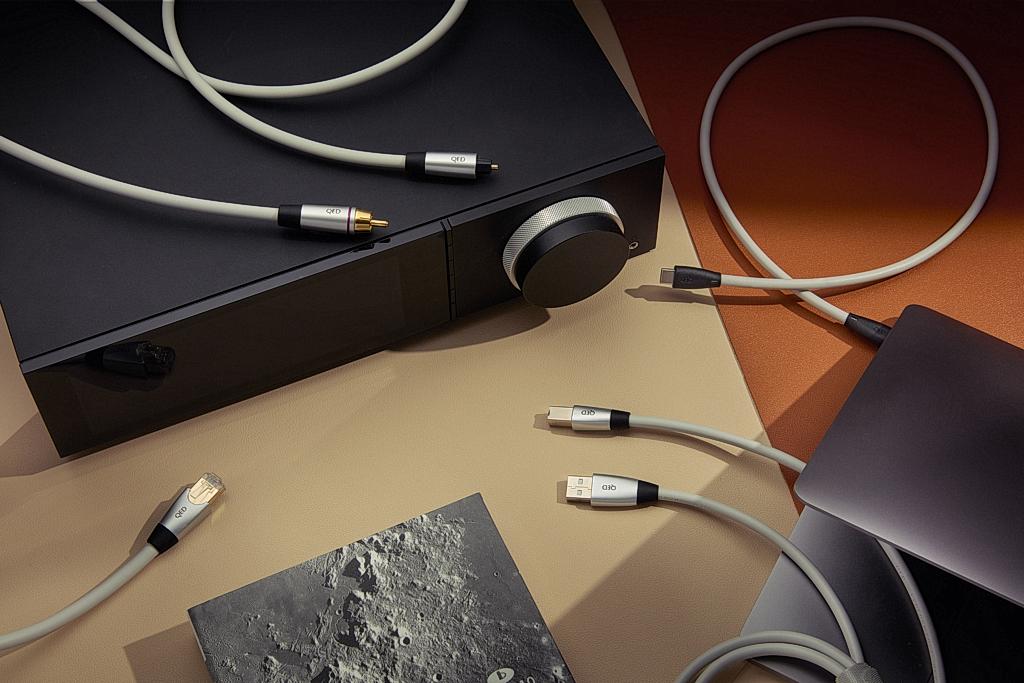
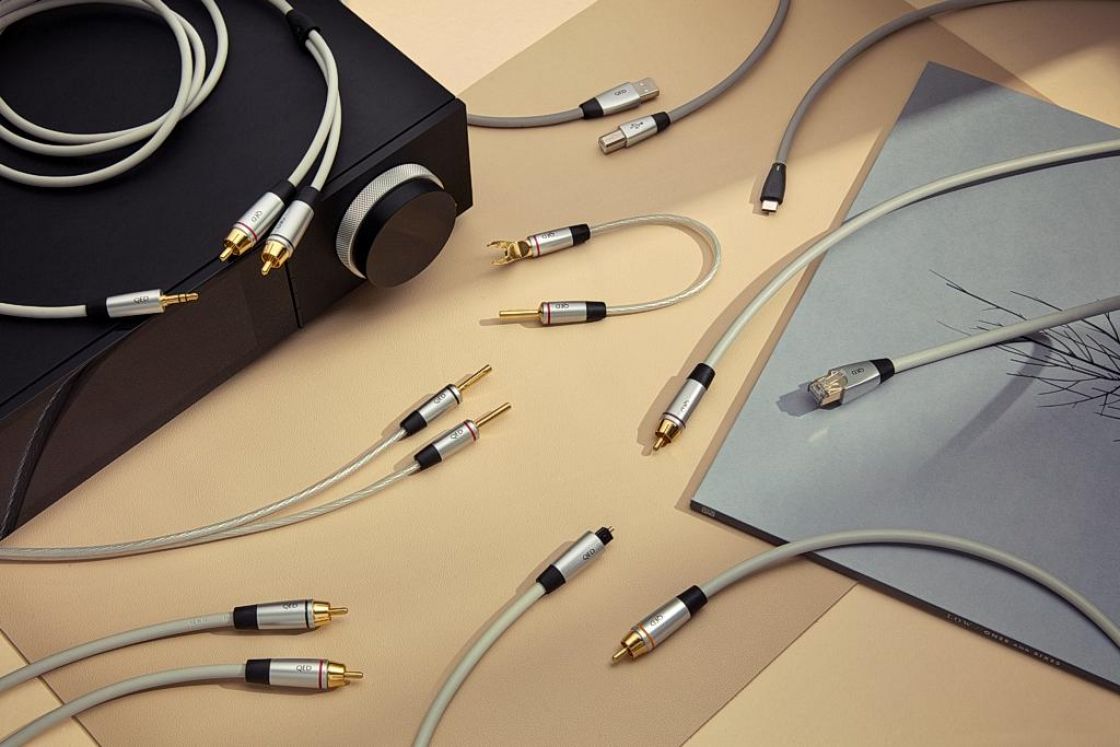
There was a time when connecting a hi-fi system was a fairly straightforward business. You needed a pair of speaker cables, an interconnect between your source and amplifier, and perhaps a few additional wires if you happened to own a particularly elaborate setup. These days, things are rather different. A typical system might include a streamer connected through Ethernet, a DAC receiving music over USB, an optical connection to the television, a coaxial digital transport, an active subwoofer, and perhaps even a good old 3.5 mm headphone jack, which has somehow survived repeated predictions of its imminent extinction. With so many different connections to consider, buying the right cables can become almost as complicated as choosing the equipment itself. British cable specialist QED is hoping to make things a little easier with a comprehensive overhaul of its popular Performance series. The refreshed lineup now consists of 13 models covering practically every common analog and digital connection found in modern audio and home theater systems. The biggest additions are an entirely new speaker cable, matching bi-wire links, and four USB cable configurations, bringing the range up to date with the increasingly diverse ways people listen to music.
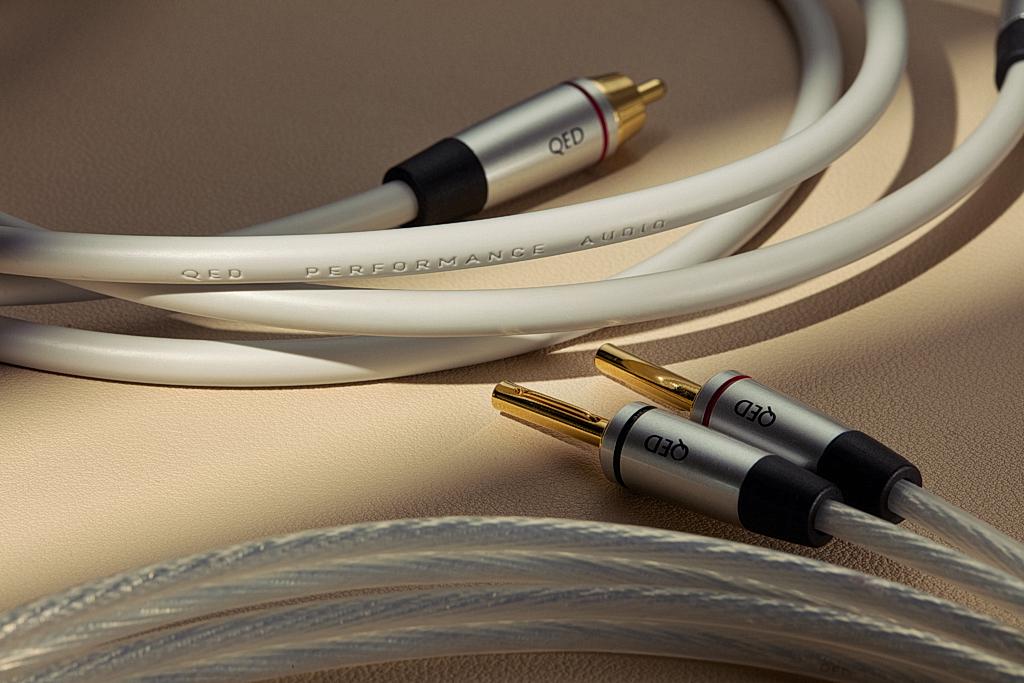
Performance occupies an important position in QED's catalog, sitting above the entry-level Connect series but below the more ambitious Reference and Signature ranges. That makes it particularly relevant to listeners who want something better than the inexpensive cables that often come bundled with audio equipment, but have little interest in spending hundreds or thousands of dollars on exotic materials and increasingly elaborate constructions. QED has deliberately kept the underlying philosophy relatively straightforward, concentrating on established engineering principles, reliable materials, and practical usability. Throughout the new range, the company uses conductors made from 99.999% pure oxygen-free copper, with 24-karat gold-plated contacts on most models. The USB cables are an exception, featuring nickel-plated connectors instead. The visual design has also received a makeover, with silver-gray connectors and softer, more flexible jackets made from thermoplastic elastomer (TPE). The speaker cable uses a separate low-density polyethylene construction. According to QED, the revised styling will eventually extend to its Reference and Signature ranges, creating a more consistent appearance across the entire portfolio.
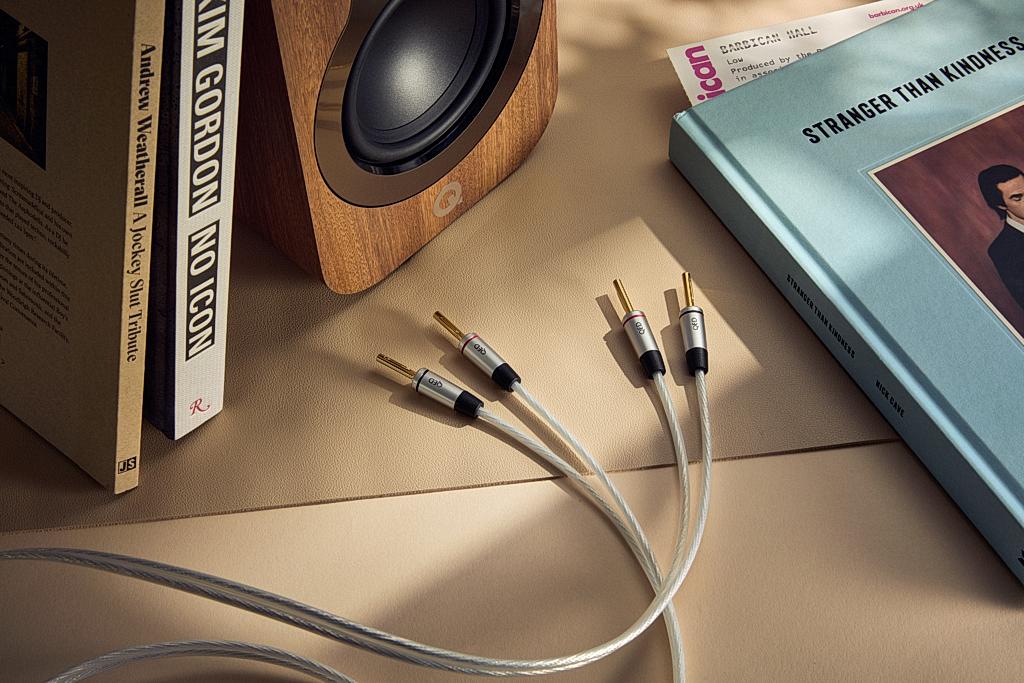
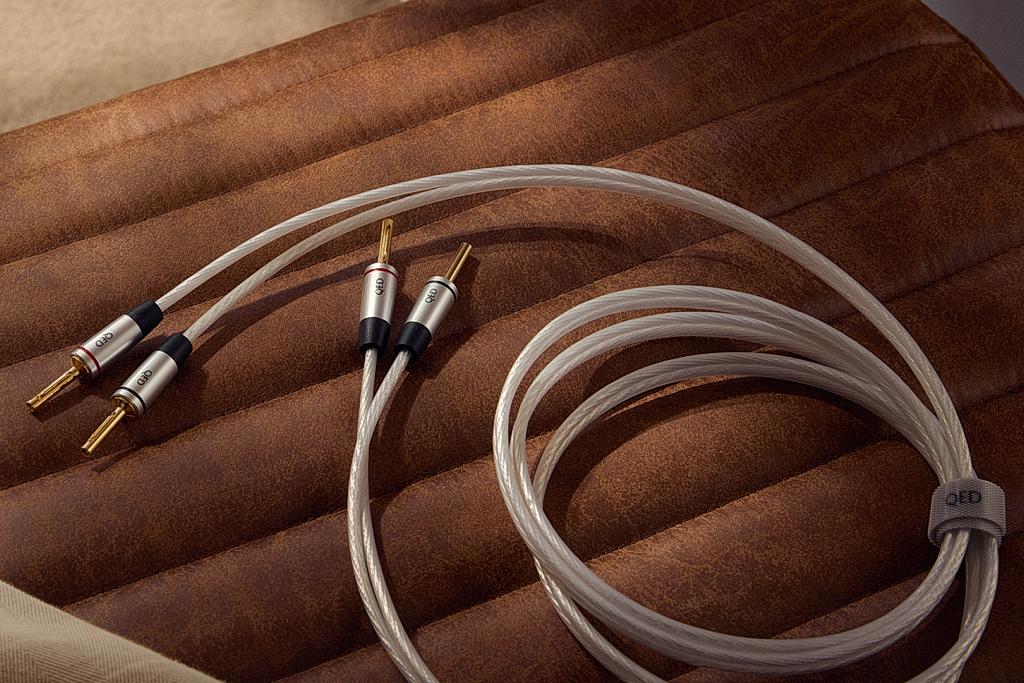
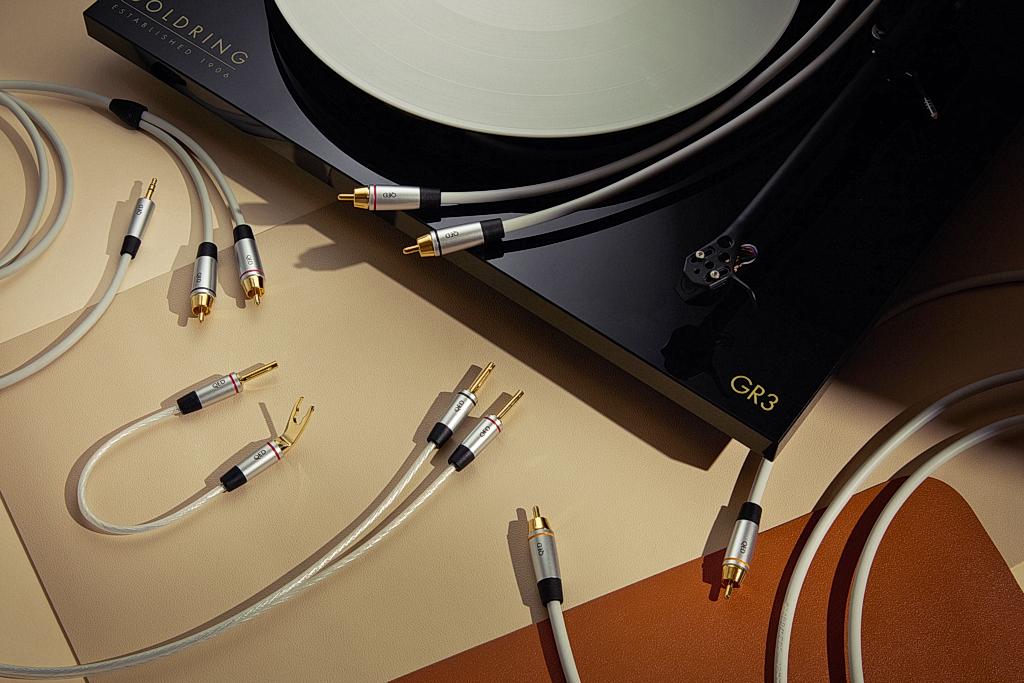
The centerpiece of the new family is the Performance Speaker Cable, which combines 2.5 mm² (approximately 14 AWG) oxygen-free copper conductors with QED's proprietary X-Tube Plus technology. Unlike a conventional stranded cable, where the conductive material is distributed throughout the entire cross-section, X-Tube uses a carefully arranged conductor geometry intended to maintain more consistent electrical behavior across the audio frequency range. The idea is to address two familiar phenomena in cable design: skin effect and proximity effect. As frequency increases, current distribution within a conductor can become less uniform, while the electromagnetic interaction between neighboring conductors can also influence the way current flows. These effects can increase the effective resistance of a cable at higher frequencies. X-Tube Plus is designed to minimize those variations by arranging the conductors in a way that promotes more even current distribution. Whether the differences are significant enough to produce audible improvements in a particular system will depend on several factors, but the underlying principles are well established in electrical engineering.
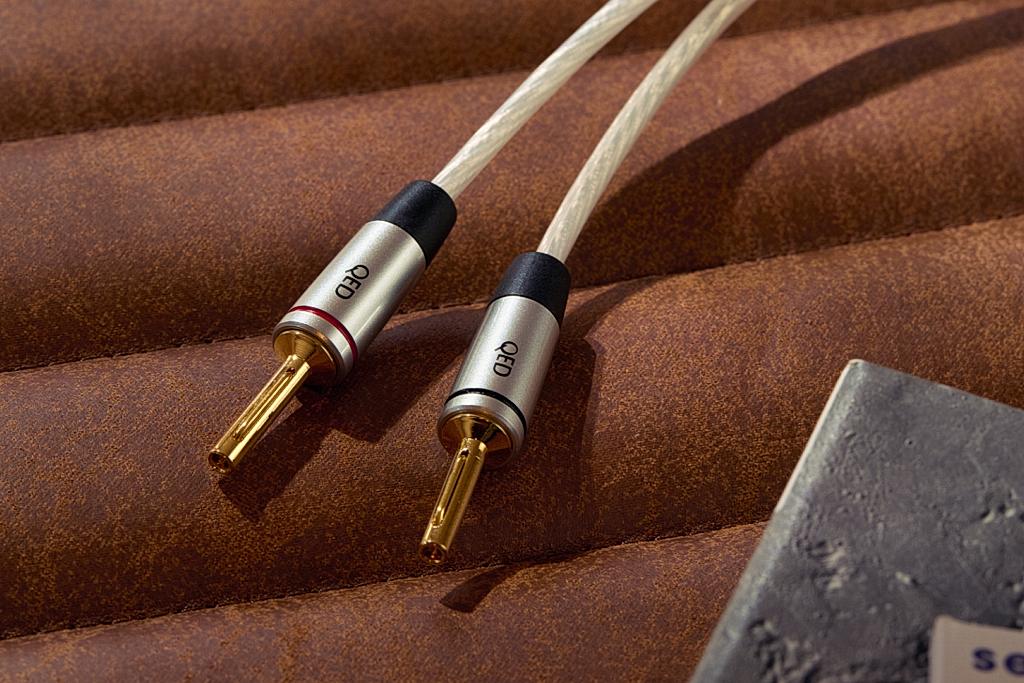
QED has also published detailed electrical specifications for the new speaker cable, which provide a more useful basis for evaluation than vague promises of greater transparency or a wider soundstage. Loop resistance is rated at 0.017 ohms per meter, capacitance at 26 pF/m, and inductance at 0.56 µH/m. These parameters influence how a cable interacts electrically with an amplifier and loudspeaker, particularly over longer runs. The relatively generous conductor cross-section also helps keep resistance low, which is generally desirable when transmitting the substantial currents involved in driving passive speakers. Pre-terminated versions are available with QED's Airloc banana plugs or spade connectors, attached using a proprietary cold-weld process. Rather than relying on conventional soldering, this method uses high-pressure crimping to form a secure mechanical and electrical connection between the conductor and terminal. The company says it helps minimize contact resistance while protecting the joint against oxidation over time. Matching Performance Bi-wire Links are also available for speakers equipped with separate high- and low-frequency binding posts, allowing owners to replace the metal jumper plates commonly supplied with such loudspeakers.
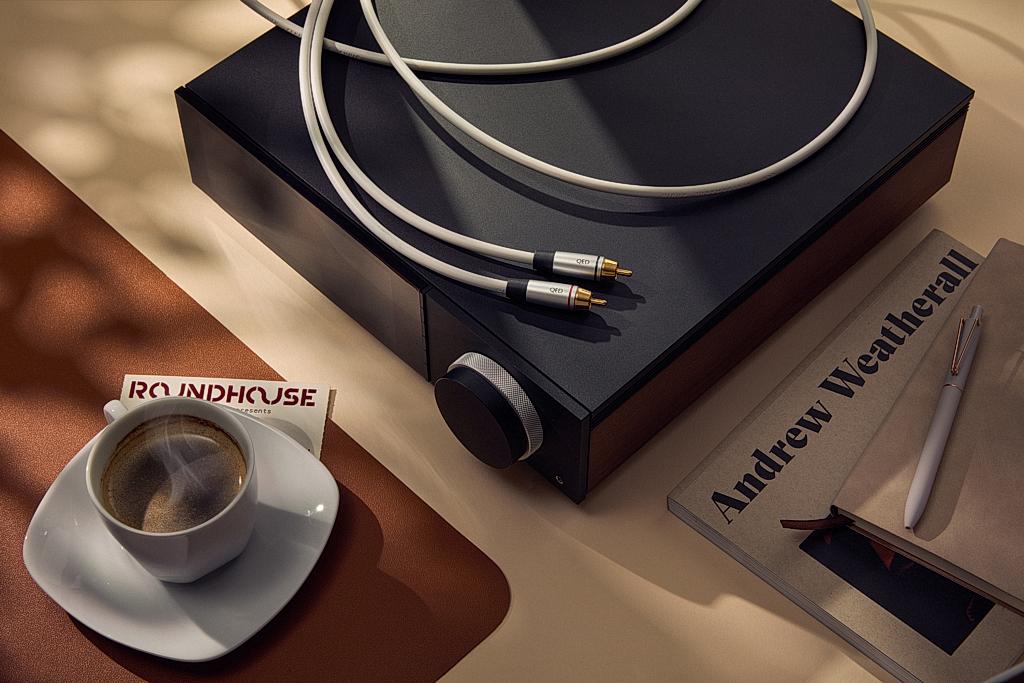
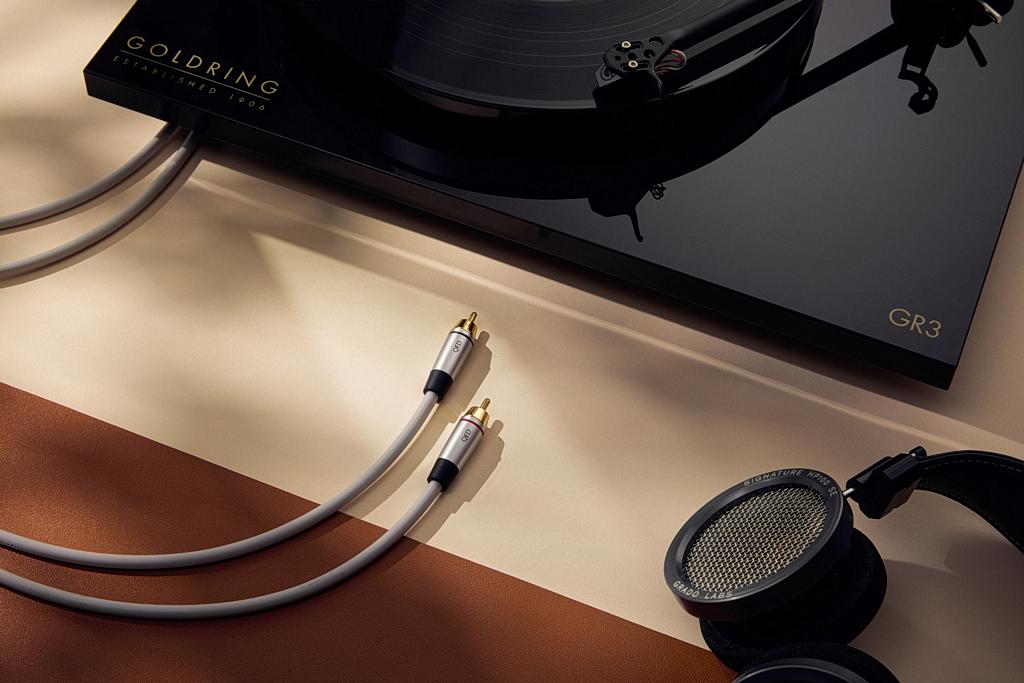
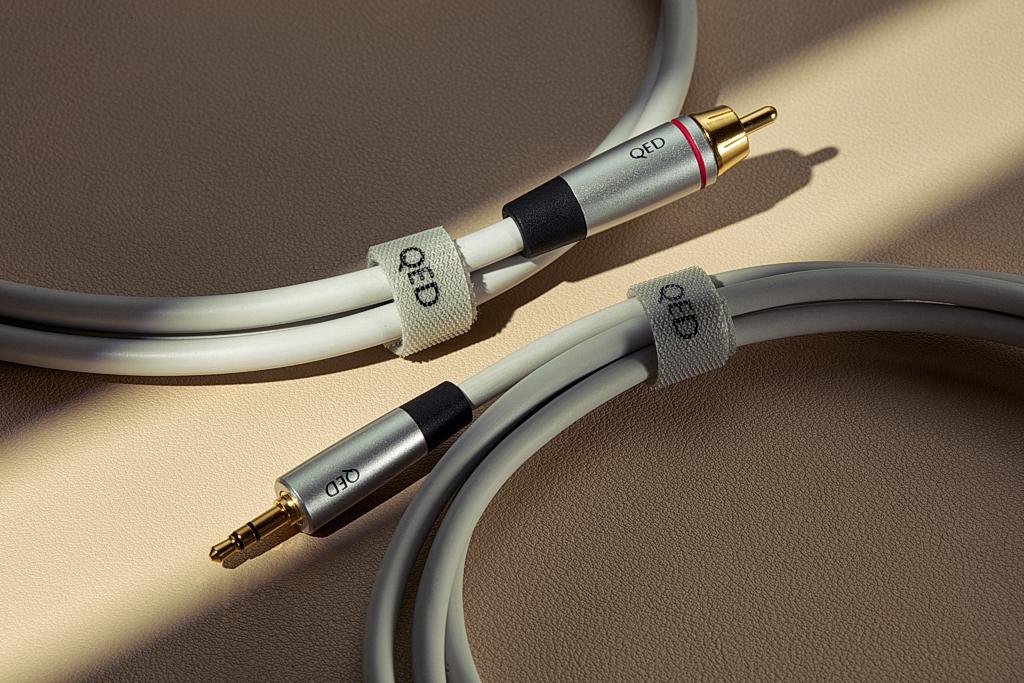
The second major analog component is the Performance Audio RCA interconnect. Here, QED has taken a different approach, employing its Solid Complementary Conductor Technology rather than simply adapting the speaker cable design. The construction uses two electrically isolated oxygen-free copper conductors of different diameters, which work together to carry the same audio signal. According to the manufacturer, this geometry is intended to preserve signal accuracy while maintaining consistent electrical characteristics. The cable also features extensive shielding and something QED calls Ferrite Insulation Technology, which incorporates ferrite material into the insulation structure to help suppress high-frequency interference. This is particularly relevant for analog interconnects carrying relatively low-level signals, where unwanted electrical noise can be more troublesome than it would be in a high-level speaker connection. The softer TPE jacket is designed to make installation easier while reducing mechanical noise associated with cable movement. Gold-plated RCA connectors complete the package, with the same general construction philosophy extending to the Performance Subwoofer cable and the range's 3.5 mm connections.
The inclusion of those smaller analog connections is worth noting. Despite the industry's increasing reliance on wireless audio and USB-C, the humble mini-jack remains surprisingly useful. Portable music players, headphone amplifiers, desktop speakers, computers, and countless other devices continue to rely on 3.5 mm analog connections. QED has therefore retained both mini-jack-to-mini-jack and mini-jack-to-RCA versions, alongside conventional RCA interconnects and dedicated subwoofer cables. It's a sensible decision, particularly for a range intended to cover complete systems rather than just expensive traditional hi-fi components. Someone assembling a desktop listening setup may need an entirely different combination of connections from a listener building a conventional stereo system around a turntable, CD player, and integrated amplifier. The refreshed Performance family is intended to accommodate both without requiring customers to search through several unrelated product lines.
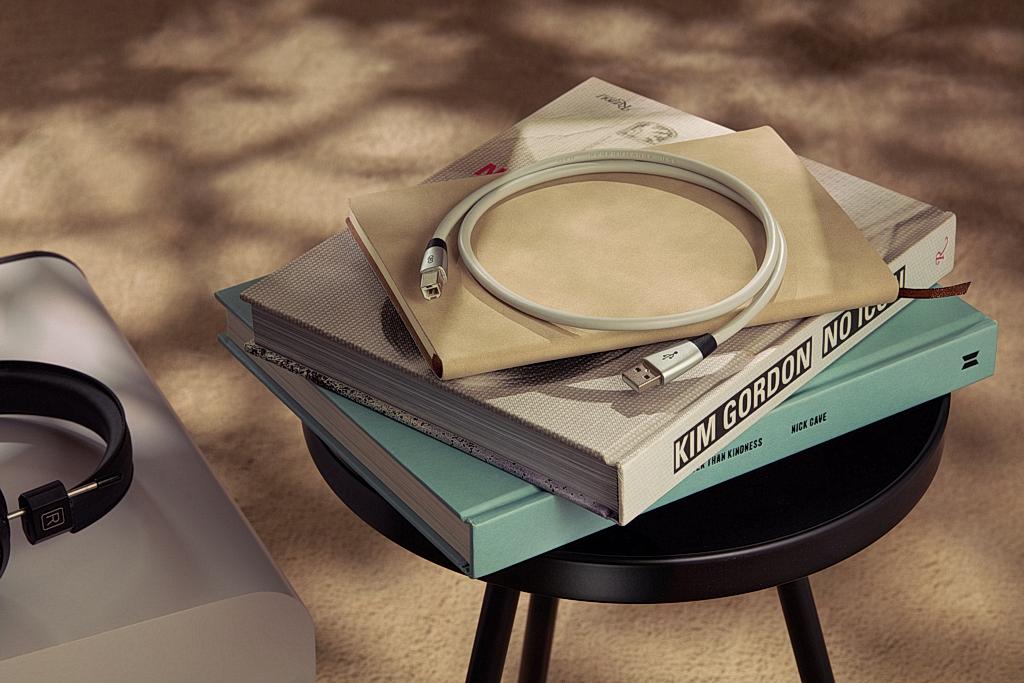
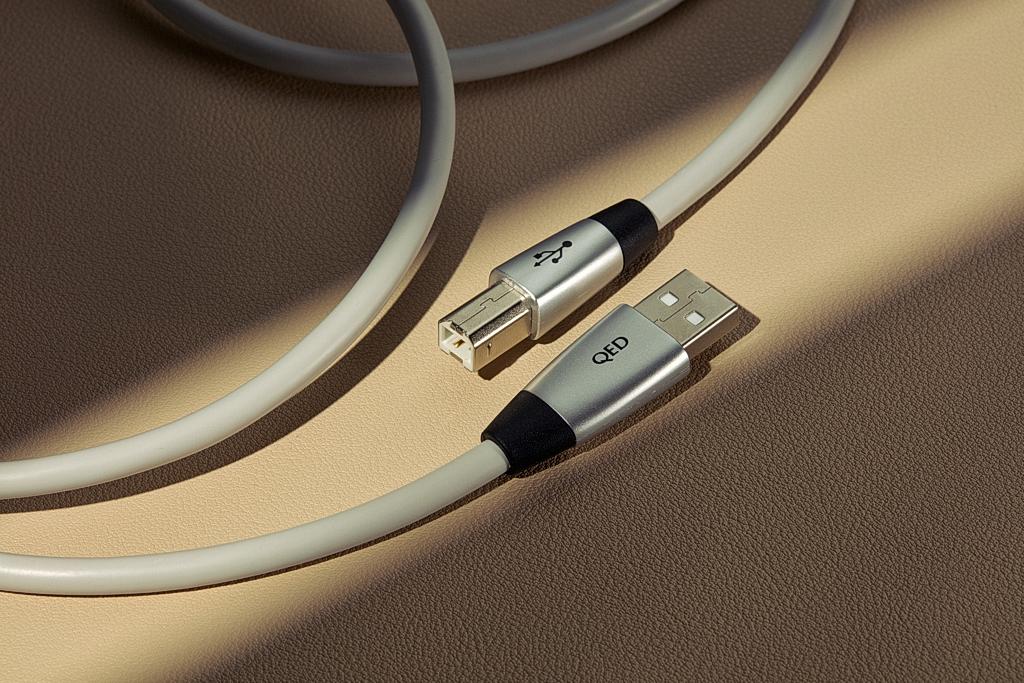
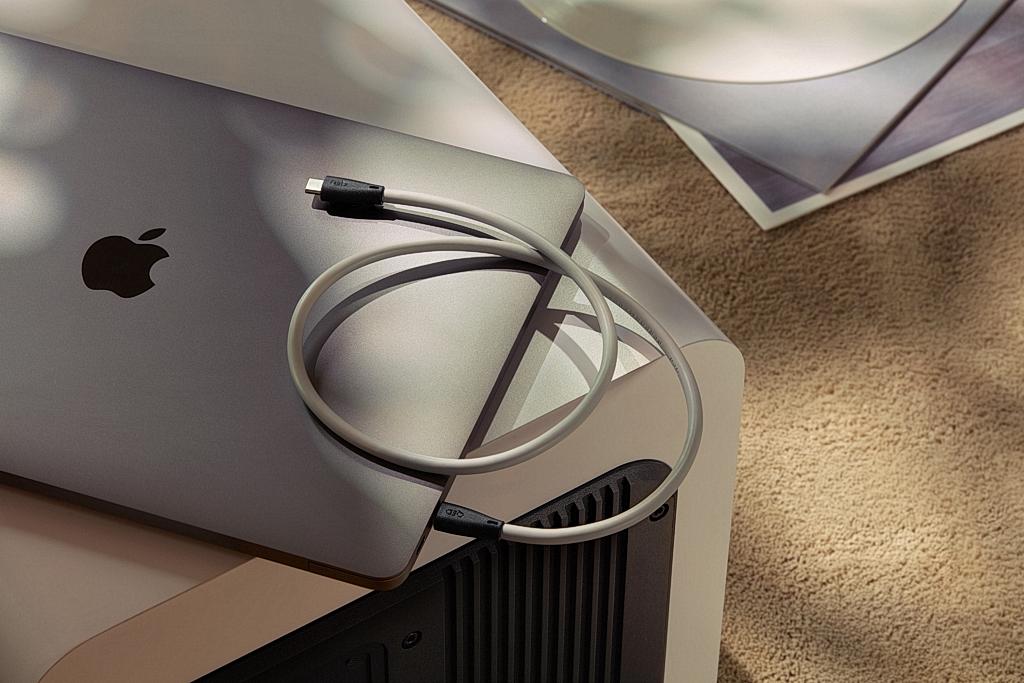
The digital side of the range has received an even more extensive overhaul. Familiar options such as Performance Digital Audio for coaxial S/PDIF connections, Performance Optical, and Performance Ethernet remain, but the biggest development is the expanded USB lineup. Four configurations are now available: USB-A to USB-B, USB-A to USB-C, USB-C to USB-C, and USB-C to USB-B. That selection reflects the rather untidy transition currently taking place across the audio industry. Traditional USB-B connectors are still widely used on stationary DACs, headphone amplifiers, and other hi-fi components, while laptops, smartphones, tablets, and an increasing number of portable audio devices have moved to USB-C. As a result, even a relatively simple system can involve several generations of USB hardware. By offering all four combinations, QED makes it possible to connect many of these devices directly without adding adapters or replacing otherwise perfectly functional equipment.
More importantly, the new USB cables carry independent certification from the USB Implementers Forum, the organization responsible for maintaining and promoting USB standards. That is a considerably more concrete selling point than the usual claims about cables being "optimized for digital audio." USB-IF certification concerns compliance with the relevant electrical and operational requirements of the interface, giving buyers some assurance that the cables have been designed to meet established standards. It doesn't mean that a certified USB cable will somehow make digital music sound warmer, more detailed, or more three-dimensional than another properly functioning cable. Rather, it addresses the fundamental requirement of reliable digital communication. The same practical thinking is evident in the Performance Digital Audio coaxial cable, which features a specified 75-ohm characteristic impedance, a low-loss dielectric, and dual-layer shielding. In an S/PDIF connection, maintaining appropriate impedance and controlling reflections and interference are meaningful engineering objectives, particularly when longer cable runs are involved.
The optical and Ethernet models complete the digital family, giving the Performance range an unusually broad selection of connections. Optical S/PDIF remains common on televisions, DACs, CD transports, and other equipment, while Ethernet has become an essential part of many network-based music systems. It's worth remembering, however, that reliable digital transmission doesn't follow quite the same rules as analog signal transfer. An Ethernet cable carrying music data is not responsible for recreating the analog waveform that eventually reaches the loudspeakers. Its job is to deliver data correctly over a network connection, using an interface designed with error detection and other mechanisms that help maintain reliable communication. Similarly, a USB audio cable must meet the electrical requirements of the connection rather than possess some mysterious ability to enhance the musical content passing through it. QED's emphasis on proper construction, shielding, and interface compliance is therefore a more useful foundation for these products than suggesting that expensive digital cables automatically improve sound quality.
The revised Performance range also provides an opportunity to revisit QED's long-standing approach to cable design. Founded in 1973 by Bob Abraham and Ian Vine, the company was among the first manufacturers to treat loudspeaker cables as specialized audio components rather than generic electrical wire. Its famous 79 Strand, introduced in 1979, became one of the products that helped establish the entire market for dedicated hi-fi cabling. Over the following decades, QED invested heavily in researching the electrical behavior of audio connections, eventually publishing the Genesis Report in the mid-1990s. The original research concentrated on the influence of resistance, capacitance, inductance, conductor geometry, and dielectric properties on loudspeaker cable performance. A subsequent Genesis Report II expanded the discussion to digital connections and home entertainment systems. These projects continue to form part of the company's engineering philosophy, with technologies such as X-Tube representing the ongoing development of ideas that have been part of QED's catalog for many years.
Of course, the subject of audio cables remains one of the more contentious corners of hi-fi. There is no serious dispute that electrical parameters such as resistance, capacitance, and inductance can influence signal transmission under certain conditions. What continues to generate disagreement is the extent to which differences between properly designed cables of reasonable length translate into audible changes in typical systems. Some enthusiasts consider cable selection a crucial part of fine-tuning their equipment, while others view claims about dramatic improvements with considerable skepticism. The useful distinction is between measurable electrical properties and subjective descriptions of how a cable sounds. QED's research-oriented background gives the company plenty to discuss in the former category, and the published specifications of the new Performance Speaker Cable are a welcome example of that approach. Ultimately, good cables should provide secure connections, appropriate electrical characteristics, durable construction, and reliable performance over time. Anything beyond that deserves to be evaluated carefully rather than accepted simply because it appears in a brochure.
The redesign extends to packaging and environmental considerations as well. QED has reduced the amount of plastic used throughout the Performance range, replacing it with recyclable paper-based materials wherever practical. All products comply with the applicable RoHS and REACH requirements governing restricted substances and chemical safety. These changes won't affect the sound coming from a pair of loudspeakers, but they do reinforce the impression that QED has approached this as a complete product family update rather than simply introducing a few new cable configurations. The revised jackets, connectors, packaging, and more extensive USB options are all part of the same effort to make Performance feel like a coherent range intended for current audio systems.
Perhaps the most appealing aspect of the new lineup is that it doesn't require customers to venture into the more extravagant end of the cable market. QED has deliberately positioned Performance as a practical middle ground, offering a consistent selection of connections with recognizable engineering features and relatively accessible prices. The range is extensive enough to connect a traditional stereo system, a desktop headphone setup, a home theater installation, or a modern streaming system without mixing cables from several different families. That won't necessarily matter to someone who buys the cheapest suitable cable and never thinks about it again, but listeners who appreciate consistent construction, reliable terminations, and matching accessories may find the proposition attractive. And with the sheer number of connection standards now found in audio equipment, having thirteen cable models organized into one clearly defined range is certainly more convenient than navigating an assortment of unrelated products.
The refreshed QED Performance range is available now in the United Kingdom and Europe, with US availability scheduled for late November 2026. Official prices start at £29, €39, or $49 for selected USB and Ethernet cables. A factory-terminated pair of Performance Speaker cables costs £119, €159, or $209 in a 2-meter length, rising to £139, €179, or $229 for 3 meters and £179, €239, or $309 for 5 meters. The matching Performance Bi-wire Links are priced at £99, €129, or $169 per set of two pairs. Performance Audio RCA interconnects start at £49, €69, or $89 for a 0.75-meter stereo pair, while subwoofer cables begin at £59, €79, or $99. Digital coaxial connections start at £39, €55, or $69, and optical cables at £49, €65, or $79. With thirteen models available in different lengths and configurations, QED now offers a reasonably comprehensive solution for connecting just about everything in a modern hi-fi system. Info and photos by QED.