
- News
- Posted
Argon Audio Berlin Sub 10 & Berlin Sub 12
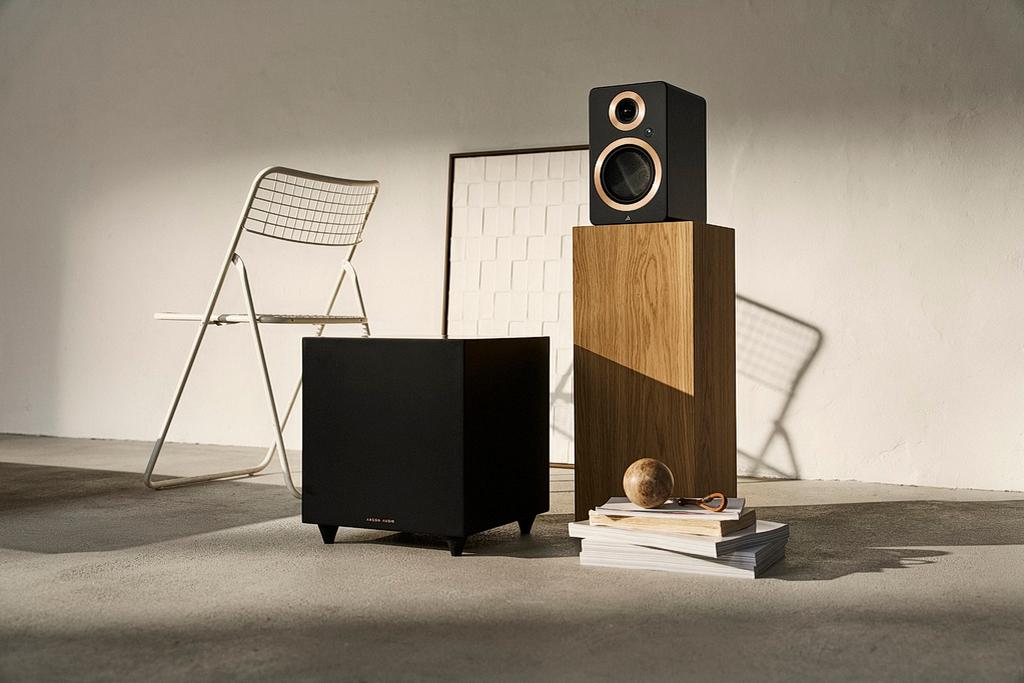
Argon Audio has introduced two new subwoofers, the Berlin Sub 10 and Berlin Sub 12, both designed around the same fundamental concept. They combine sealed enclosures, downward-firing woofers, powerful 500-watt Class D amplifiers, and sophisticated DSP processing. The main difference between the two comes down to driver and cabinet size - the smaller model uses a 10-inch woofer, while its larger sibling features a 12-inch unit. What makes these subwoofers particularly interesting, however, is that Argon Audio has not approached them simply as a way of adding more low-frequency energy to a system. Considerable attention has also been paid to something that often proves more challenging than generating powerful bass in the first place - integrating a subwoofer properly with the main speakers and the listening room. This explains the presence of technologies such as Real Time Bass and Speakermatch, adjustable delay and phase settings, and a three-band notch filter. Both models also support wireless signal transmission through the Matrix Wireless system, making the Berlin Sub 10 and Sub 12 not only powerful but also relatively easy to position and fine-tune for a particular setup.
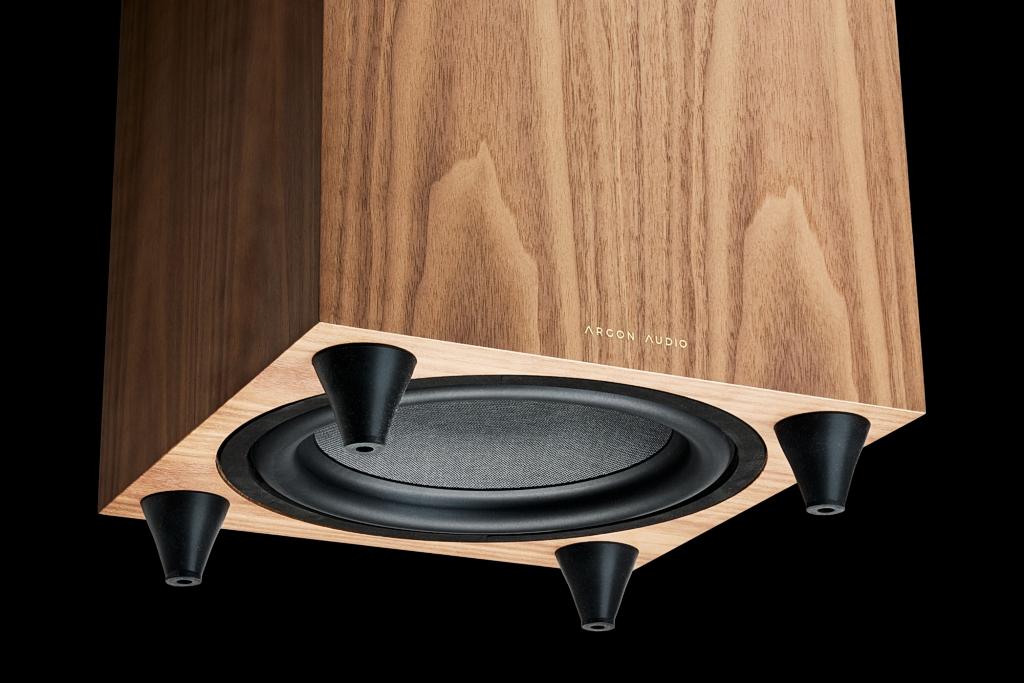
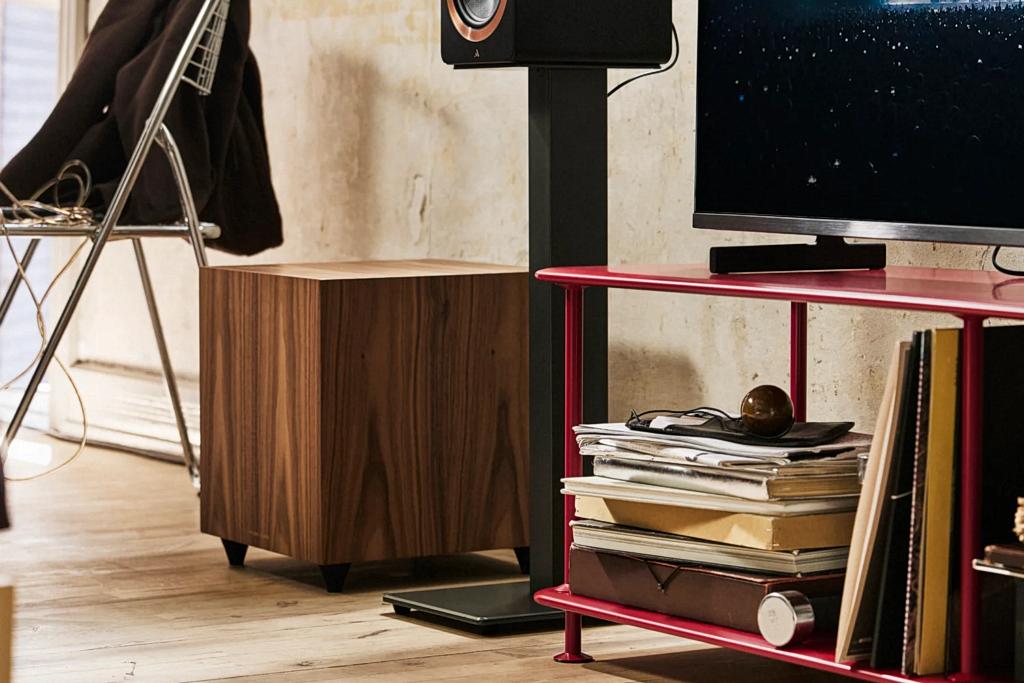
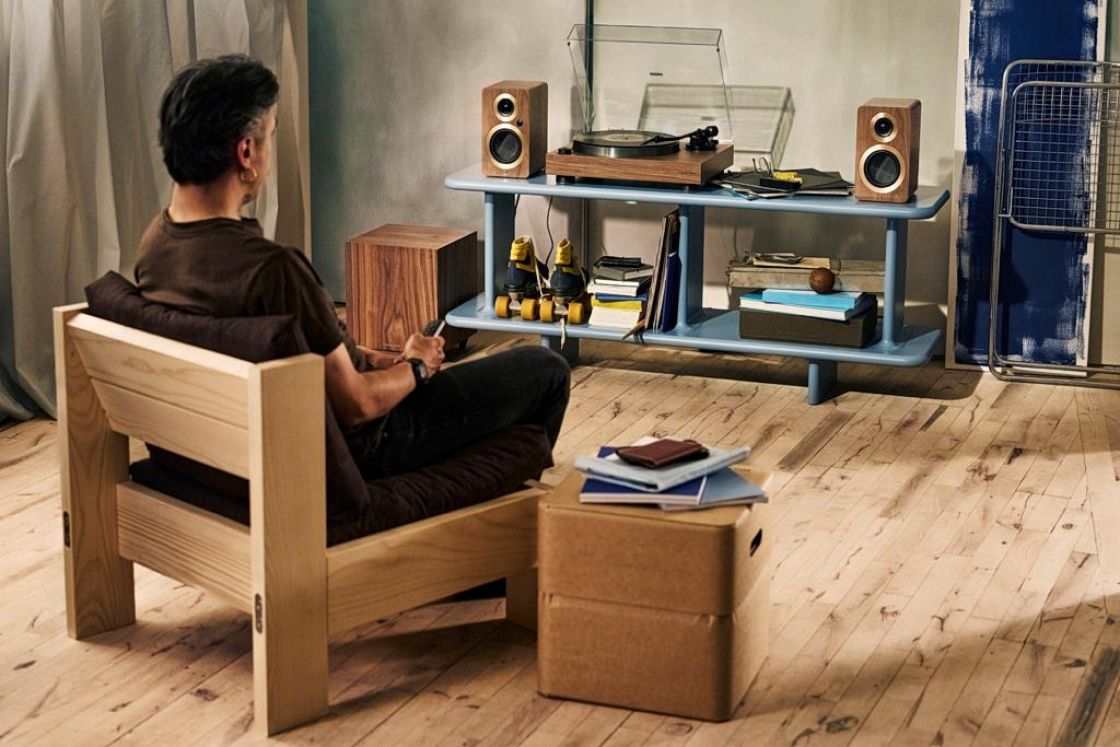
In terms of construction, Argon Audio has chosen a fairly conventional approach, although one that offers several practical advantages. Both cabinets are made from MDF and feature a completely sealed design, dispensing with the bass-reflex port found in many competing subwoofers. The long-excursion drivers face downward, leaving all the visible sides free of large speaker cones. This allows the cabinets to maintain a clean, minimalist appearance, which can be especially important when a subwoofer is destined for a living room rather than a dedicated home theater. The Berlin Sub 10 is particularly compact, measuring just 30 x 34 x 30 cm (11.8 x 13.4 x 11.8 inches). Inside, however, is a 10-inch woofer powered by a Pascal Audio Class D amplifier delivering 500 watts of continuous power and 1,200 watts at peak output. The larger Berlin Sub 12 uses the same type of amplification but features a 12-inch driver and a correspondingly larger enclosure, giving it more headroom for demanding applications and bigger rooms. Argon Audio specifies a frequency response of 14-250 Hz (±6 dB) for the Sub 10 and 13-250 Hz (±6 dB) for the Sub 12. On paper, that may not seem like a dramatic difference, but the larger cone area should become particularly useful when high output levels are required at the lowest frequencies, especially when listening at higher volumes.
Amplifier power and driver diameter, however, are only part of the equation. One of the Berlin series' most important features is Real Time Bass, a proprietary technology that uses DSP to minimize processing delays and improve the timing of low-frequency reproduction. The idea is to prevent the subwoofer from behaving like an independent sound source that simply adds another layer of bass, allowing it instead to work as closely as possible with the main speakers. This becomes particularly important around the crossover frequency, where the operating ranges of the speakers and subwoofer begin to overlap. It is precisely here that phase and timing errors can make an otherwise powerful system sound heavy, sluggish, or poorly controlled. Conversely, incorrect integration can also produce noticeable cancellations, leaving certain parts of the frequency spectrum unexpectedly weak. Real Time Bass is designed to keep processing latency exceptionally low, helping the subwoofer remain synchronized with the rest of the system. It is therefore a somewhat more ambitious approach than the basic combination of volume, crossover frequency, and phase controls found on many conventional subwoofers.
An even more interesting feature is Speakermatch, which allows the subwoofer's behavior to be adapted to the type of main speakers used in the system. Users can specify whether their speakers employ sealed cabinets, bass-reflex ports, or passive radiators, and the electronics adjust the relevant filtering and phase characteristics accordingly. This makes perfect sense, since these different enclosure types behave differently at low frequencies, particularly in the way their acoustic output rolls off below their useful operating range. Argon Audio has also prepared dedicated profiles for selected speakers from its own lineup and models manufactured by Radiant Acoustics. In these cases, setting up the subwoofer can be as simple as selecting the appropriate speaker model rather than manually experimenting with crossover frequencies and other parameters. Owners of other loudspeakers still have access to extensive adjustments, including a crossover frequency range of 30-250 Hz, phase control, and adjustable delay. The manufacturer has also included a three-band notch filter, allowing users to attenuate particularly troublesome room resonances. This is not a replacement for a comprehensive room correction system, but it does provide a useful way to tackle several specific acoustic problems without investing in an external processor.
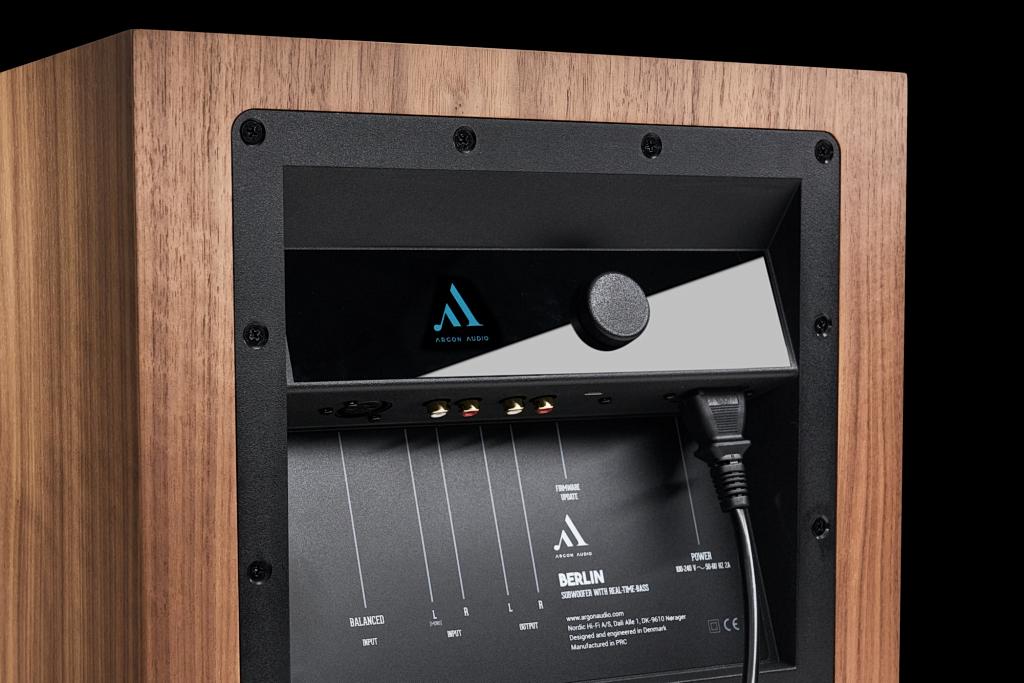
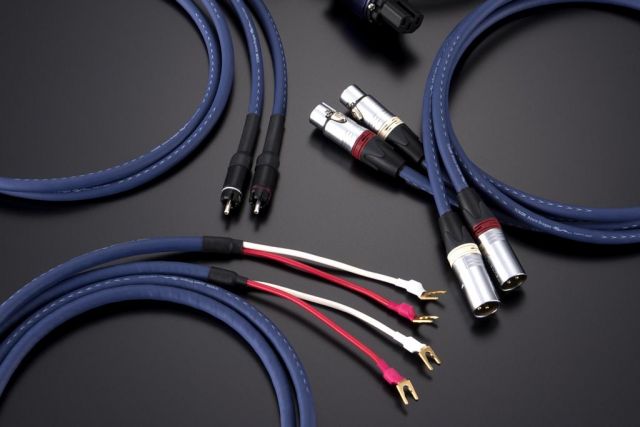
Operating all this processing hardware does not require a smartphone or yet another dedicated app. Argon Audio has fitted the rear panel with a display and physical controls, allowing users to navigate the DSP settings directly on the subwoofer. Connectivity includes RCA and balanced XLR inputs, so both models can be incorporated into conventional home theater systems as well as more elaborate two-channel setups. The company has also considered situations where the acoustically ideal position for a subwoofer happens to be some distance from the amplifier or equipment rack. Both the Berlin Sub 10 and Sub 12 feature a built-in Matrix Wireless receiver and can receive their audio signal wirelessly when paired with an optional transmitter. This is particularly useful with subwoofers, since their placement should ideally be determined by room acoustics rather than by the length of the available signal cable. Being able to position the cabinet where it produces the smoothest and most convincing low-frequency response, without running several meters of cable across the living room, could therefore prove considerably more valuable than a simple convenience feature.
Since both models offer essentially the same feature set, choosing between them should primarily depend on room size, placement possibilities, and the desired level of low-frequency performance. The Berlin Sub 10 looks particularly appealing for listeners who want a serious subwoofer but simply do not have room for a large cabinet. Its dimensions make it relatively easy to accommodate in a typical living room, yet it still contains a 10-inch driver, a 500-watt amplifier, and exactly the same DSP package found in the larger model. The Berlin Sub 12 takes the same concept further without changing its underlying philosophy. Its larger driver and cabinet are intended to provide greater authority and dynamic headroom in spacious rooms and systems where the bass section is expected to move considerably more air. In other words, paying extra for the Sub 12 does not unlock additional features or more sophisticated processing. The difference is primarily physical, with the larger driver offering the potential for greater output and a more effortless presentation under demanding conditions.
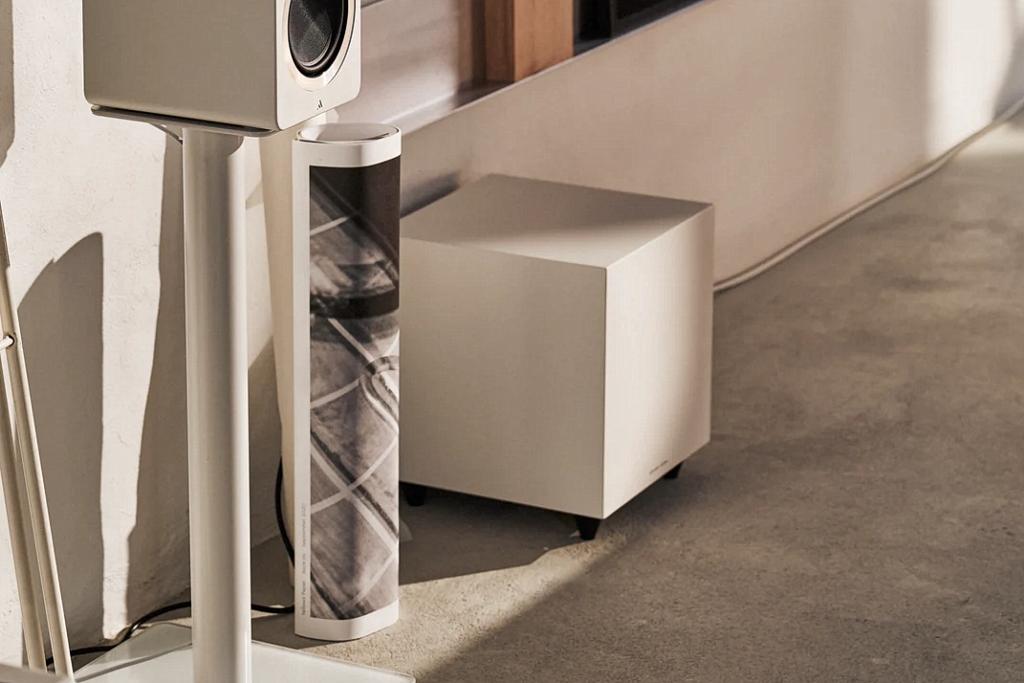
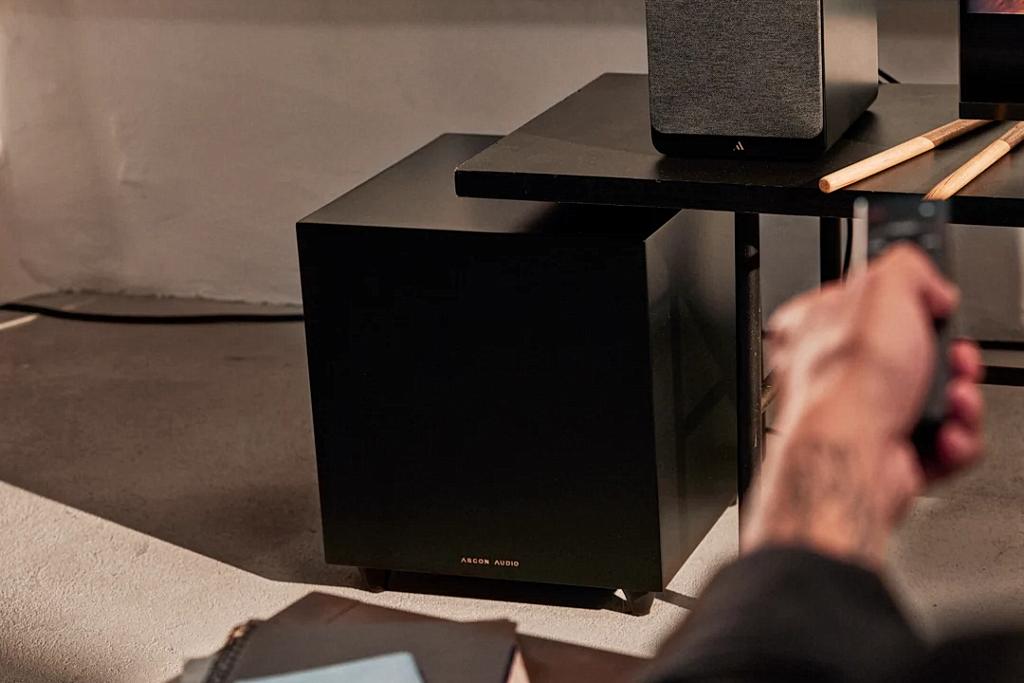
The Berlin Sub 10 and Berlin Sub 12 are also good examples of how the approach to subwoofers designed for both home theater and serious stereo listening has evolved. Not so long ago, the most important specifications could practically be reduced to three numbers - driver diameter, amplifier power, and the lowest frequency the subwoofer could reproduce. Here, just as much attention is devoted to timing, phase alignment, filtering, and integration with the main speakers. These are precisely the factors that determine whether a subwoofer becomes a natural extension of a stereo system or merely another source of booming bass in the corner of the room. Both models are available in three finishes - Black Matte Lacquer, White Matte Lacquer, and Walnut Veneer. The Argon Audio Berlin Sub 10 is priced at €899 in Europe and £899 in the United Kingdom, while the larger Berlin Sub 12 costs €1,099 and £1,099, respectively. For reference, these European prices translate to approximately $1,050 and $1,280, although official US retail pricing has not been confirmed. Info and photos by Argon Audio.