
- News
- Posted
Pylon Audio Opal 23 mkII
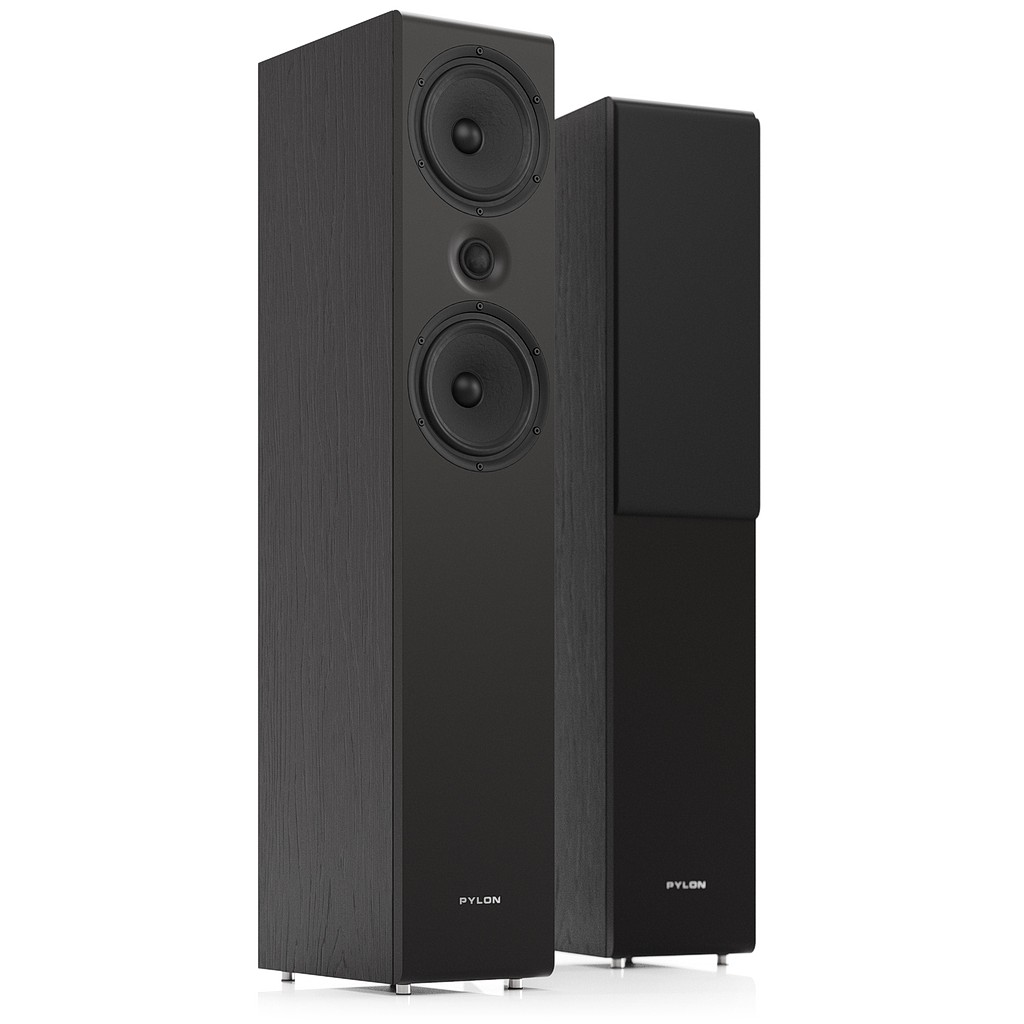
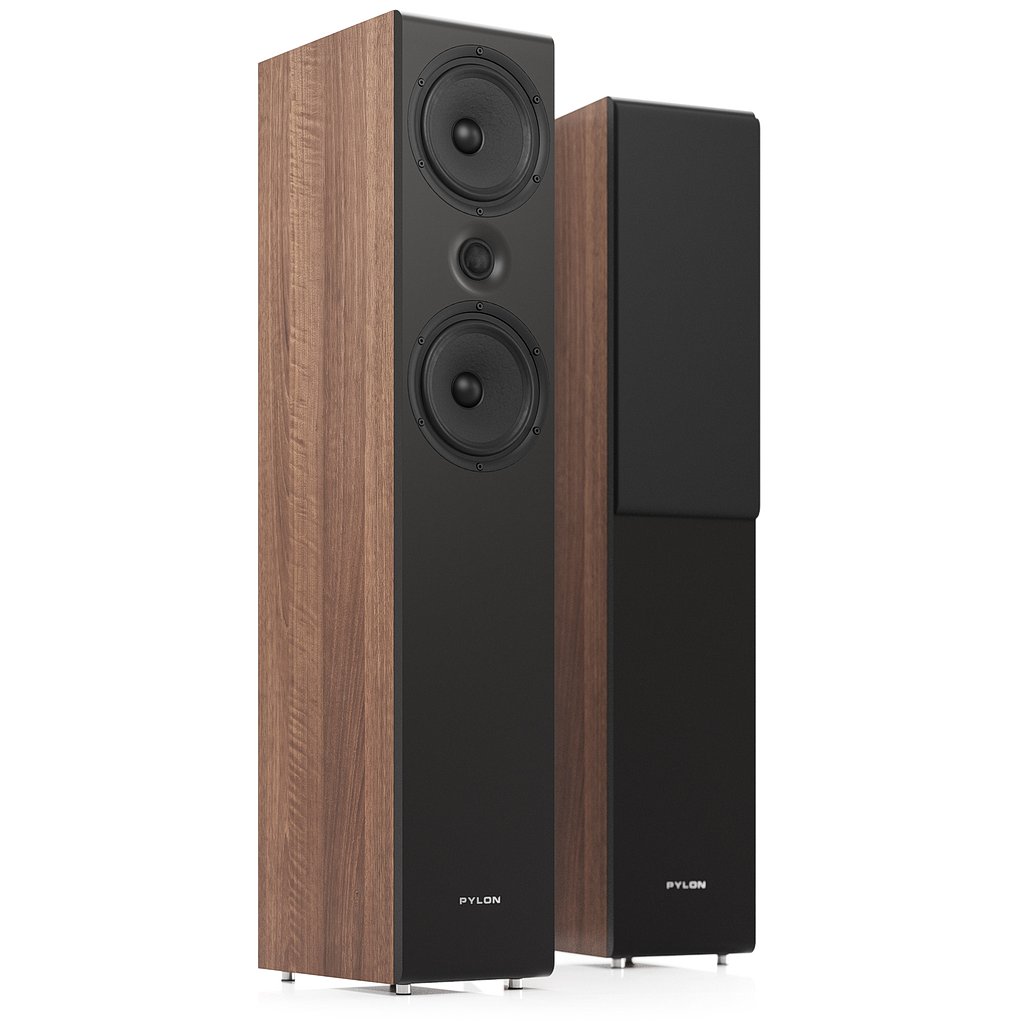
Pylon Audio has introduced the Opal 23 mkII, a new version of one of its best-known floorstanding loudspeakers. The model develops a concept that has been part of the Polish manufacturer's catalog for years - a full-size, reasonably priced loudspeaker designed not for a narrow group of specialists, but for listeners who want solid engineering, room-filling sound and enough versatility to work in a normal domestic system. The original Opal series occupied an important place in Pylon Audio's lineup precisely because it offered this kind of balance. It was not an exotic or overtly audiophile design, but a practical loudspeaker for people building their first or second serious stereo system. With the mkII generation, Pylon has not attempted to replace that idea with something completely different. Instead, the company has retained the overall format and visual identity of the original model while redesigning the drivers, crossover, cabinet tuning and resonance-control measures.
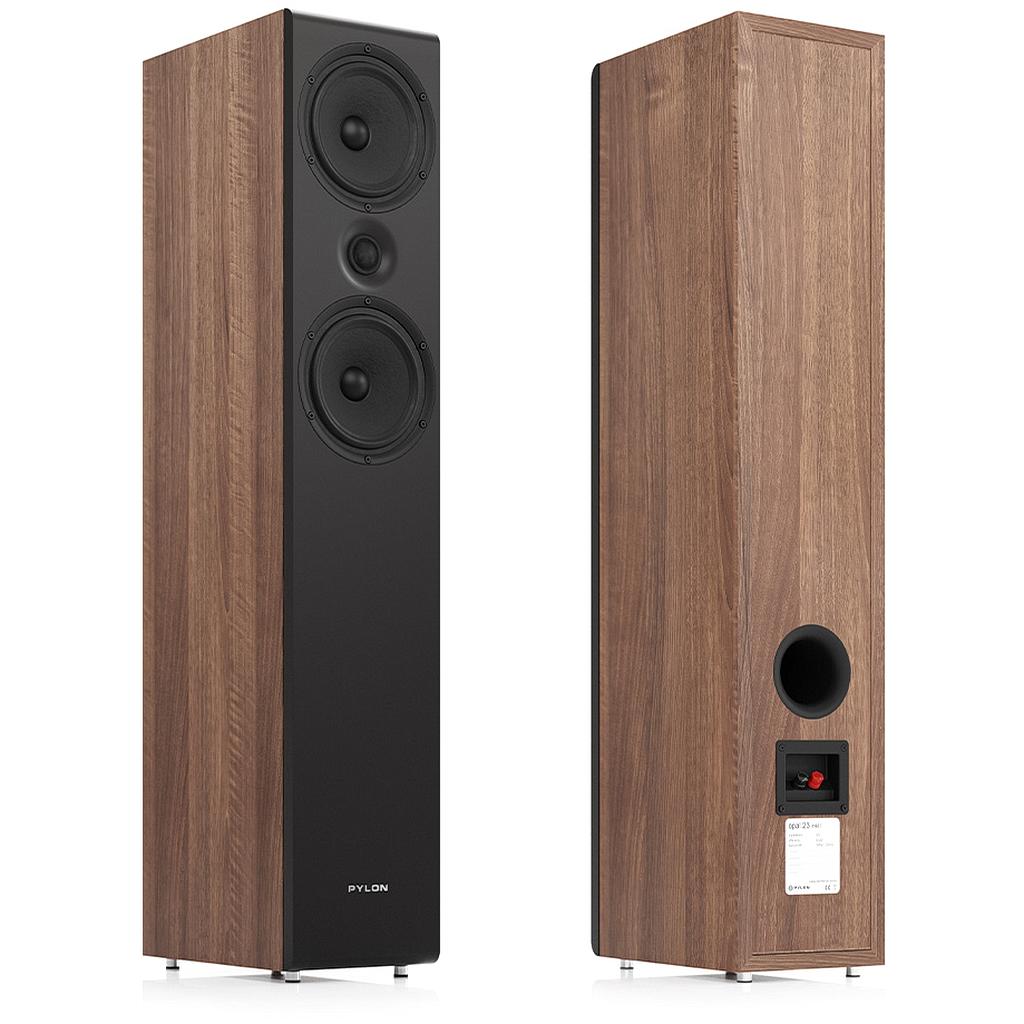
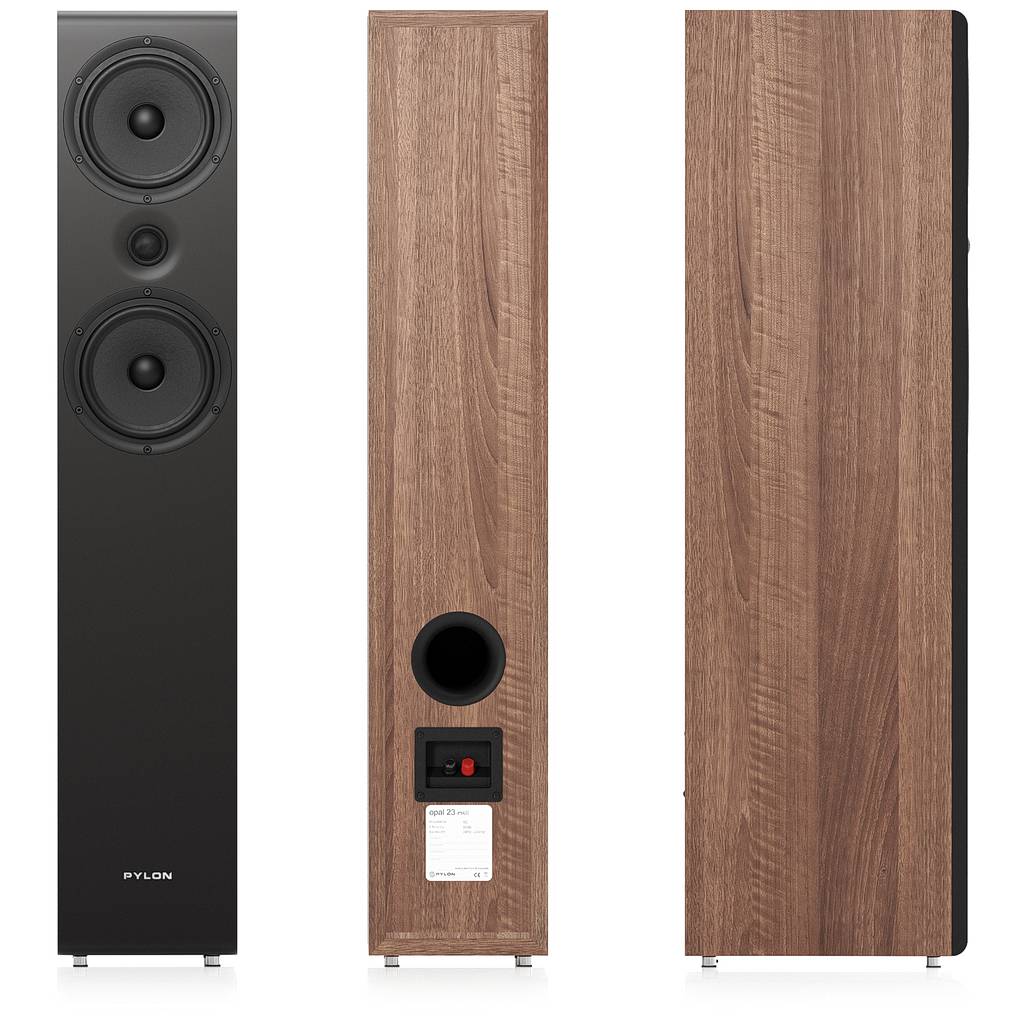
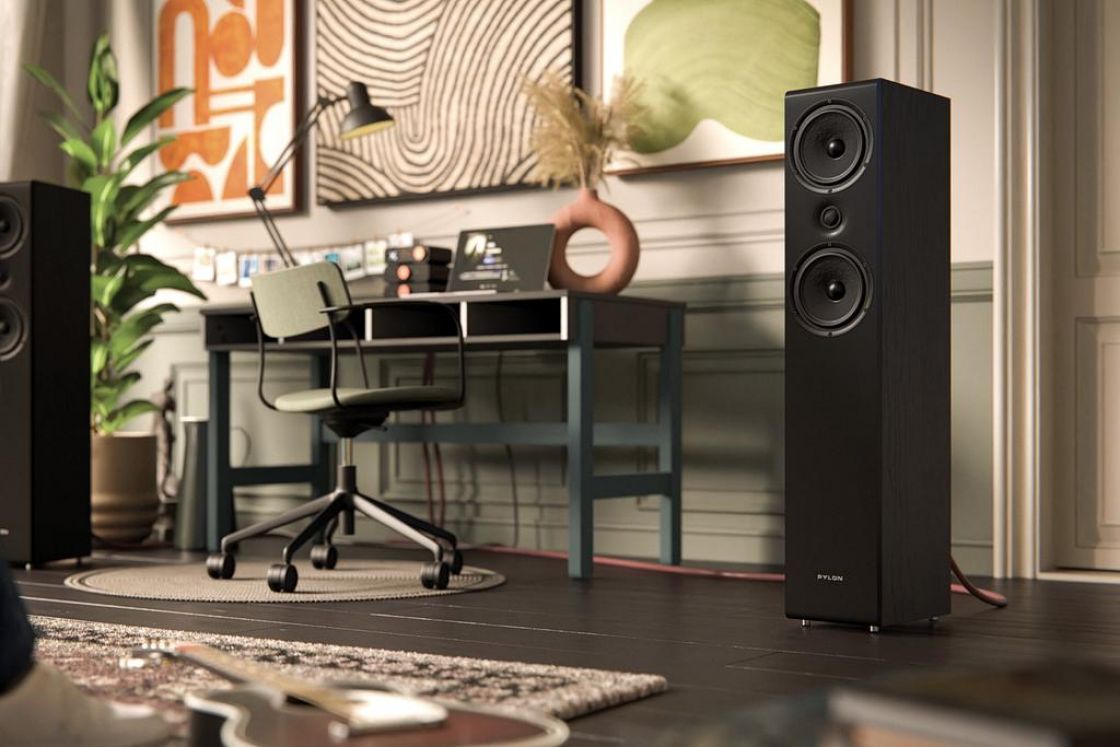
The Opal 23 mkII keeps the symmetrical midwoofer-tweeter-midwoofer arrangement used in the previous generation. In this configuration, the high-frequency driver is placed between two midbass units, a layout intended to support coherent dispersion, a stable soundstage and even sound coverage across a larger listening area. Although the basic geometry remains familiar, Pylon Audio says the new version uses revised drive units and a more carefully tuned application. The midbass drivers now feature cellulose diaphragms that are thicker, stiffer, heavier and more durable than before. According to the manufacturer, the shorter decay of the diaphragms' own vibrations improves the drivers' response to the input signal, while the increased moving mass lowers the resonant frequency and helps extend low-frequency performance.
The bass section has also been strengthened through a more powerful magnetic system and a precisely formed polymer basket, replacing the stamped steel basket used in the earlier version. Combined with a retuned bass-reflex system, these changes are intended to give the Opal 23 mkII deeper, stronger and better-controlled low frequencies. This is an important point for a loudspeaker of this type. Models such as the Opal 23 mkII are often used not in dedicated listening rooms, but in living rooms and multi-purpose domestic spaces where placement, furniture and room acoustics have to be treated pragmatically. In that context, bass control can matter more than simply extending the quoted low-frequency limit.
The high-frequency section has also been redesigned. The new tweeter uses a textile dome reinforced with graphene, a lightweight CCAW voice coil and a Faraday ring to reduce distortion. Pylon Audio says the diaphragm surface has been increased by 50% compared with the first-generation model, allowing the tweeter to work more freely with the more capable midbass drivers. The tweeter is integrated into the front baffle and works with a shallow waveguide formed directly in the front panel. This is not intended to give the speaker a horn-like sonic character, but to improve radiation consistency and reduce edge reflections from the cabinet. A ventilated chamber and a heatsink inspired by professional compression drivers are used to help maintain clean operation at higher playback levels.
The cabinet has also been refined, even though the loudspeaker retains a straightforward, slim floorstanding form. The enclosure is made from 18 mm MDF panels, while the front baffle is 22 mm thick. Internal bracing has been placed in key areas, and the cabinet is damped with selected acoustic material. Pylon Audio says work on the enclosure was supported by measurements in an anechoic chamber and by laser vibrometer analysis. The aim is to reduce cabinet coloration and improve clarity, detail retrieval and overall control. The crossover has been modified as well. Its architecture remains close to that of the original Opal 23, but the mkII version uses higher-grade components, including air-core inductors in the midbass section and a quality capacitor in the tweeter path.
In specification terms, the Opal 23 mkII remains a full-size floorstanding loudspeaker for medium and larger rooms. The manufacturer quotes a 4-ohm nominal impedance, a frequency response of 38 Hz - 30 kHz, 120 W nominal power handling, 180 W maximum power handling and 90 dB sensitivity. Each speaker measures 19 x 100 x 30 cm and weighs 18 kg. The recommended room size is 20 - 35 m², which confirms that this is not a compact speaker intended only for small spaces, but a model designed to fill a normal living room with ease. Finishes include American walnut and black ash PVC veneer, with grilles available as an option.
Pylon Audio is a Polish loudspeaker manufacturer based in Jarocin. Over the past several years, the company has developed from a local workshop into one of the most recognizable names in Polish hi-fi, with a catalog spanning affordable home loudspeakers and more advanced models from the Diamond, Ruby, Jasper and Jade ranges. An important part of the brand's development has been the expansion of its own measurement and production facilities, including an anechoic chamber that allows loudspeakers to be designed and tuned in controlled conditions. Pylon Audio has also increasingly focused on its own technical solutions and drive units, giving it greater control over the sound and engineering character of each series. The Opal 23 mkII is entering the market now, with availability depending on the distributor and country. A confirmed euro retail price for the Opal 23 mkII has not yet been announced, but based on the Polish pricing, the speaker should be positioned at roughly €950 per pair. Info and photos by Pylon Audio.