
- News
- Posted
Monitor Audio Radius 4G
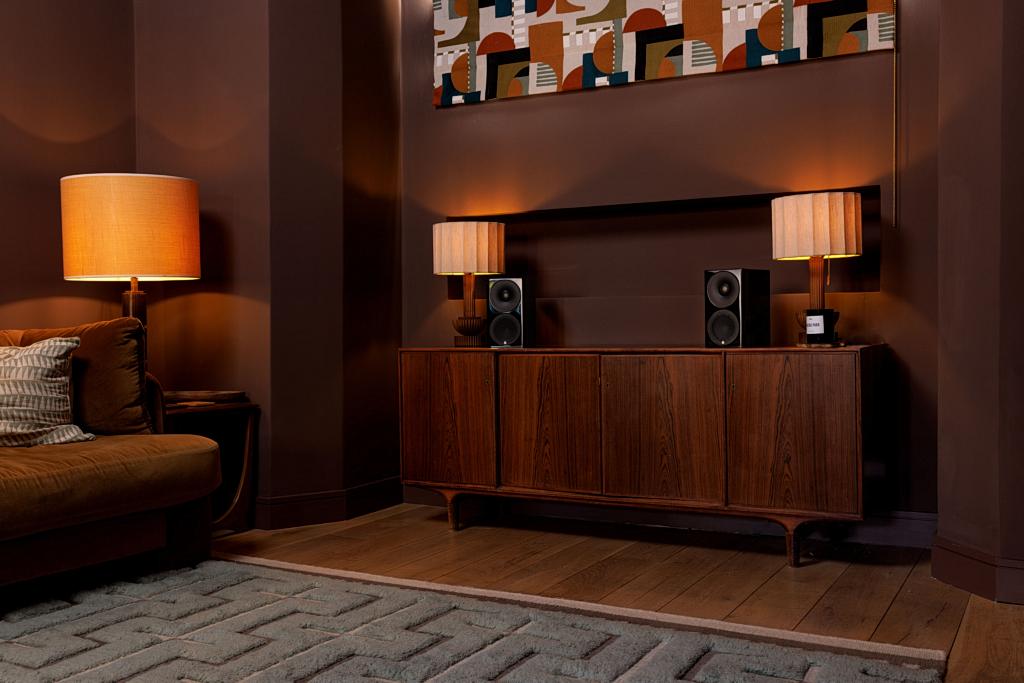
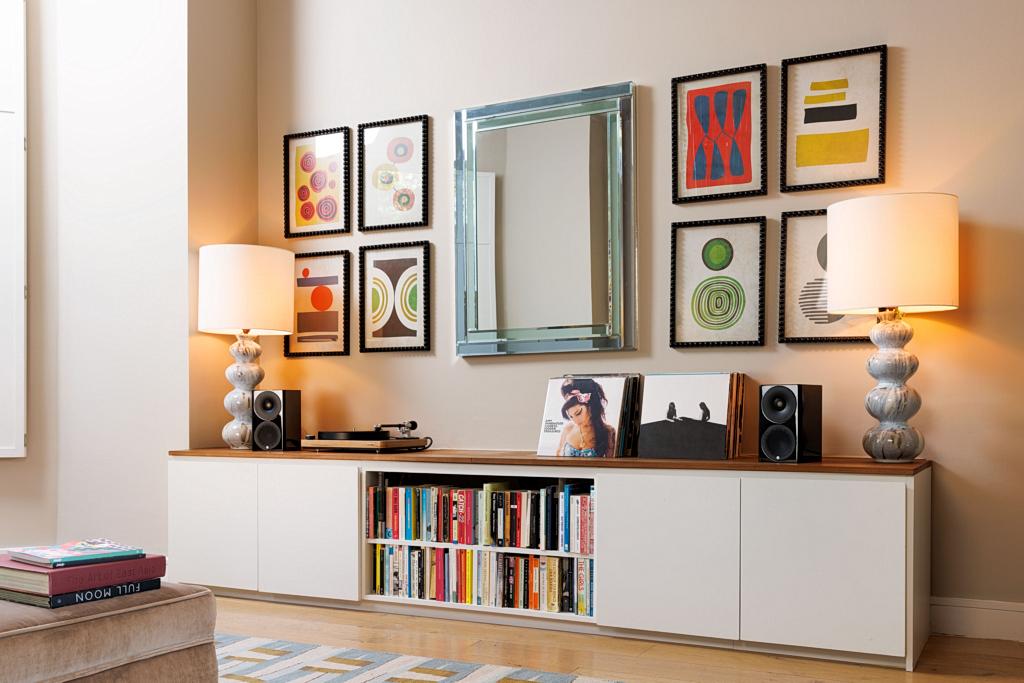
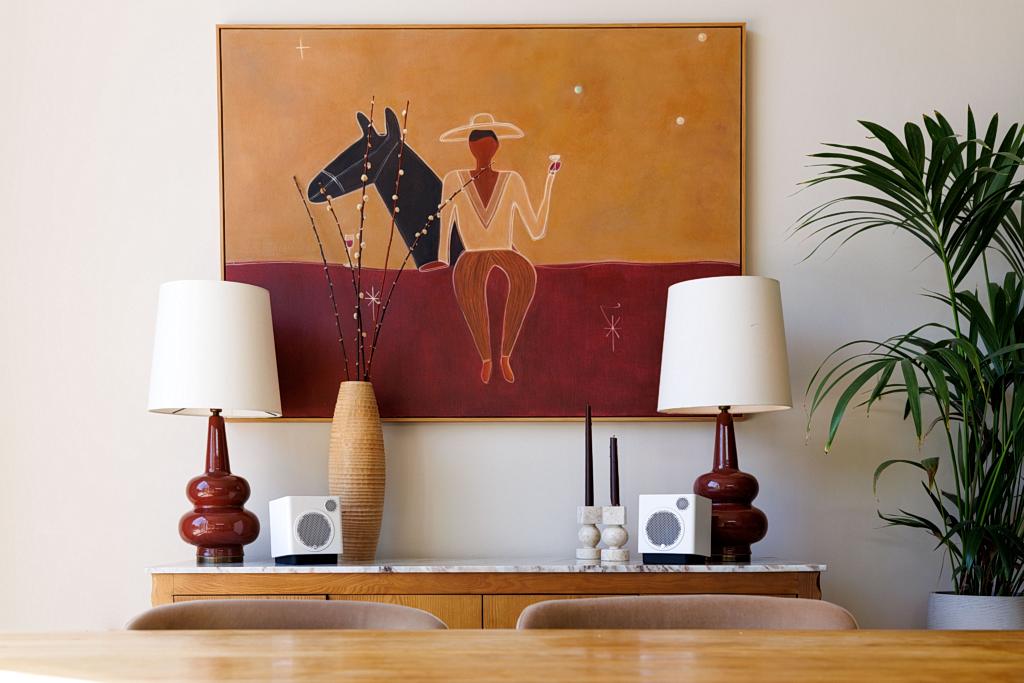
Monitor Audio has introduced the Radius Series 4G, a new generation of one of its best-known compact loudspeaker ranges. The idea behind the series is straightforward but still highly relevant - to offer proper hi-fi performance from speakers small enough to work in modern interiors, desktop systems, multi-room installations and discreet home cinema setups. The new line has been redesigned around Monitor Audio's Transparent Design Philosophy, combining the company's familiar driver technologies with slimmer cabinets, matching accessories and a more flexible approach to placement. In other words, Radius 4G is aimed not only at listeners looking for compact stereo speakers, but also at those who want a complete, scalable system that can move from near-field listening to wall-mounted surround sound without looking like conventional hi-fi has simply been squeezed into the room.
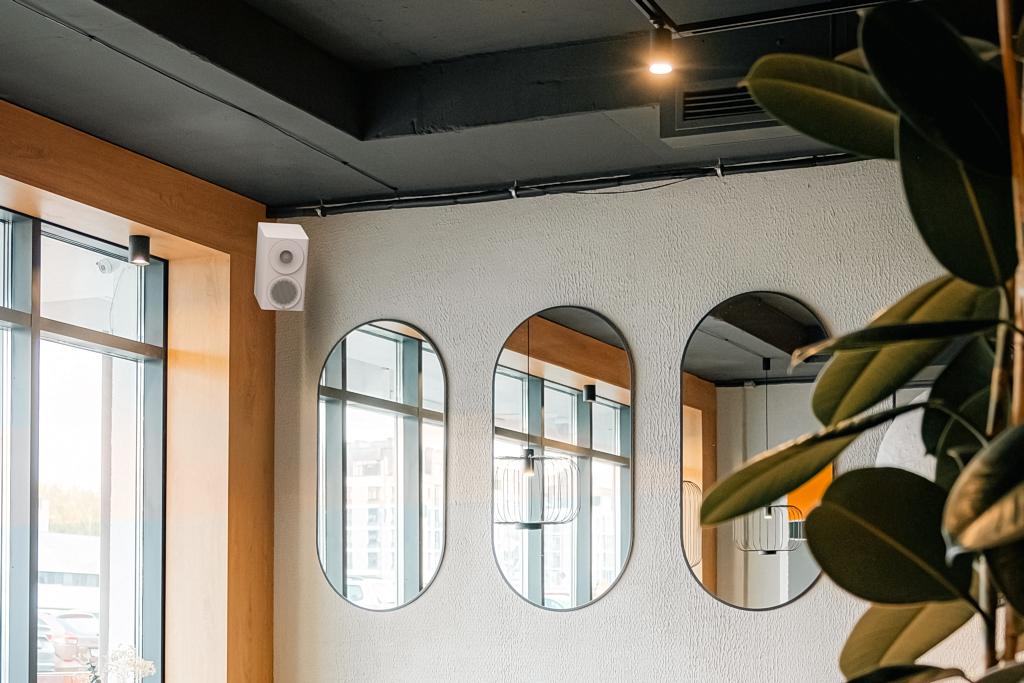
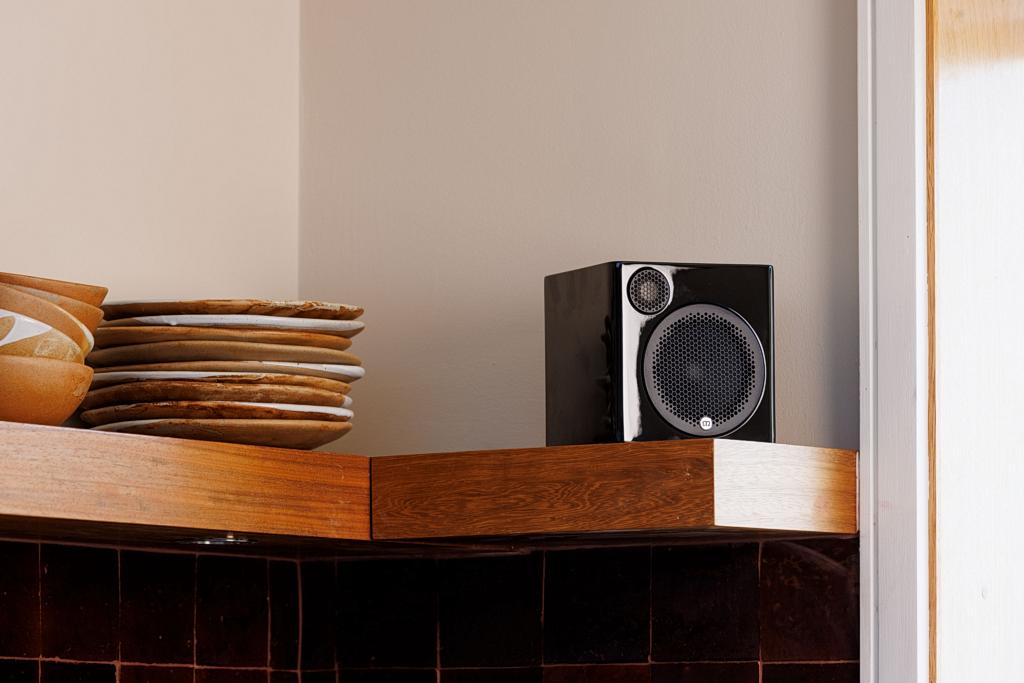
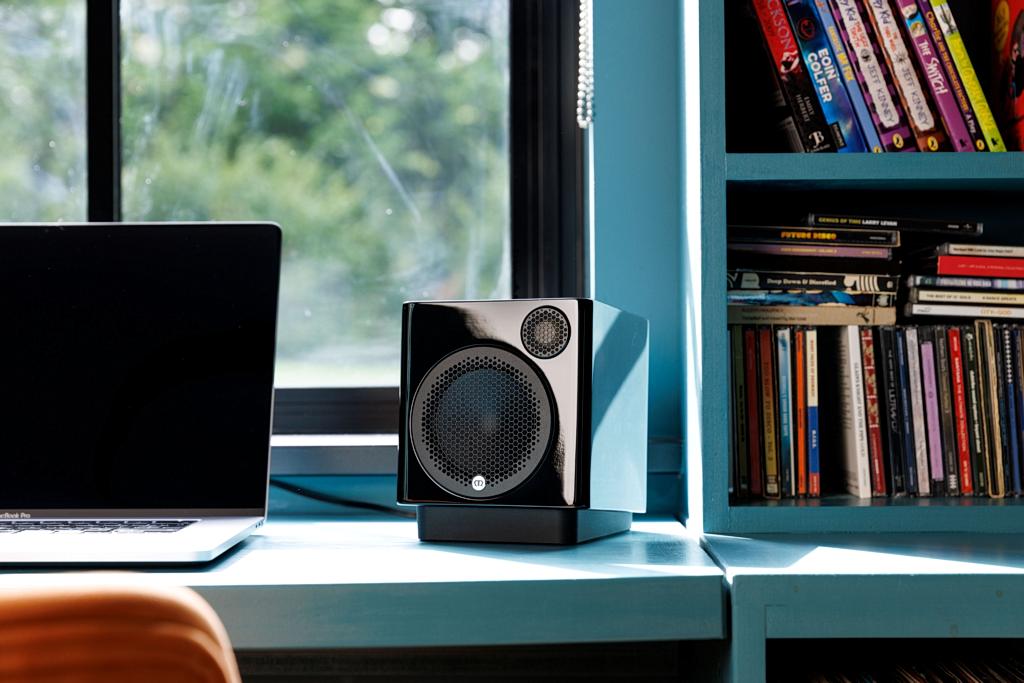
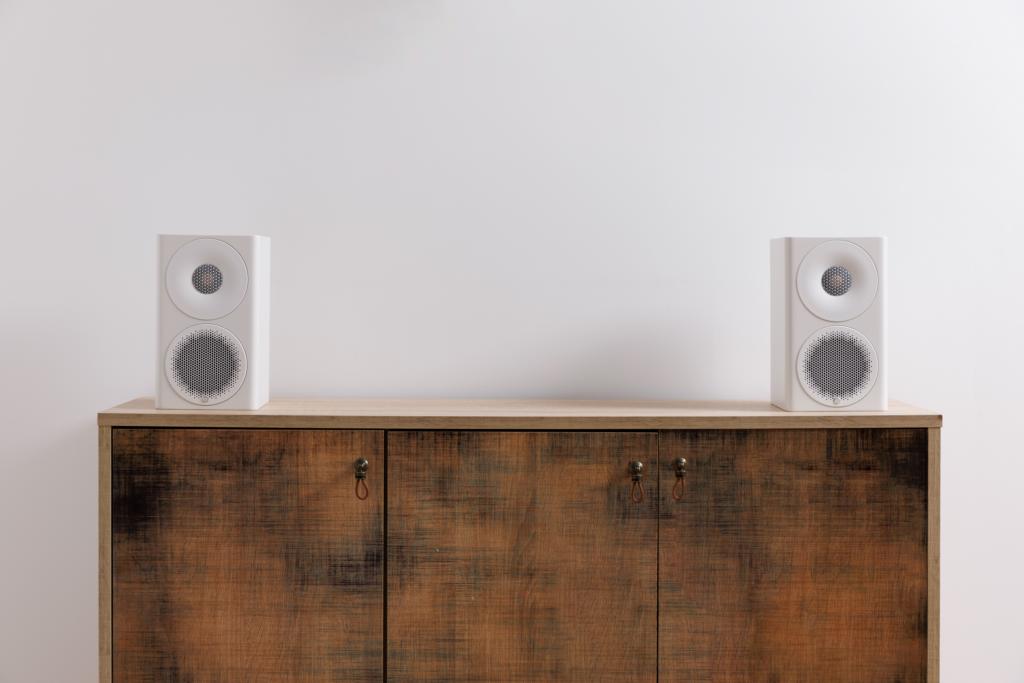
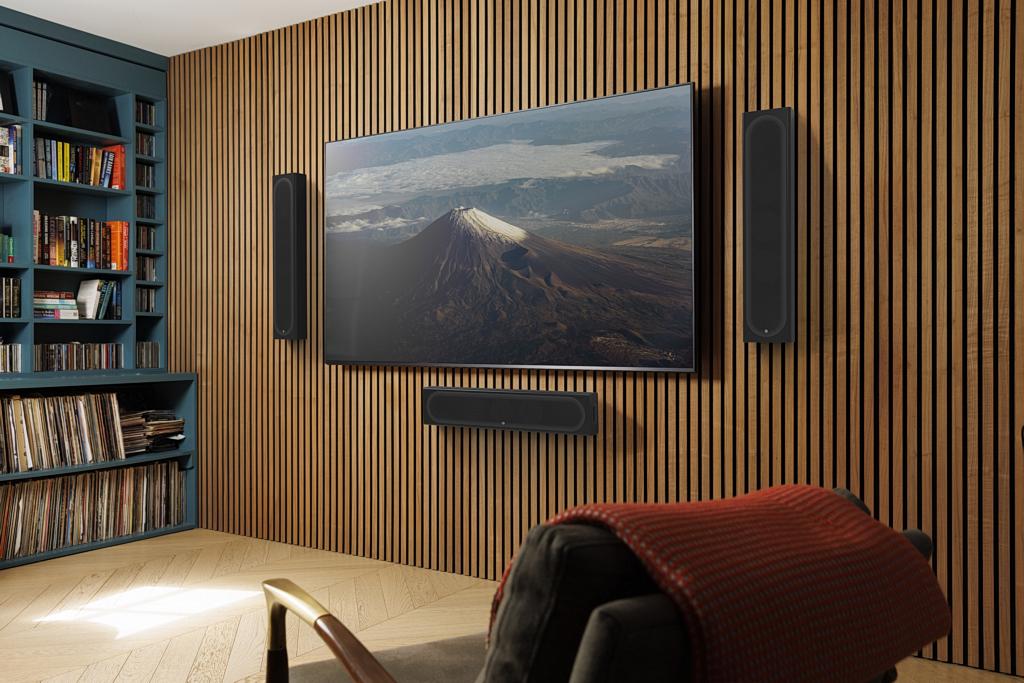
The Radius Series 4G consists of three models - Radius 1, Radius 3 and Radius On-Wall - supported by a dedicated set of accessories including floor stands, desk pads and two wall-mounting solutions. This makes the range unusually broad for a compact loudspeaker family. Radius 1 is the smallest model and will most likely be the natural choice for desktop listening, discreet stereo systems, rear-channel duties or spaces where a full-size standmount would be too visually intrusive. Radius 3 adds a larger cabinet and, according to Monitor Audio, an enlarged HiVe II port that is 50% bigger than in the previous generation, allowing it to deliver stronger low-frequency performance from a compact enclosure. Radius On-Wall is designed for wall-mounted installations and can be used in stereo, home cinema or commercial applications where the speaker needs to sit close to the surface rather than occupy a stand or shelf.
The technical changes are more substantial than the minimalist form factor might suggest. At the heart of the new series are C-CAM drivers, using Monitor Audio's ceramic-coated aluminum-magnesium cone material. This technology has been part of the company's identity for many years, appearing in different forms across its loudspeaker ranges, but in the Radius Series 4G it is combined with the latest RST III cone geometry. The purpose of this dimpled surface profile is to increase stiffness and reduce breakup modes, allowing the cone to behave more predictably across its operating range. In a compact speaker, this matters because small drivers are often asked to cover a wide bandwidth and work harder than their dimensions would suggest. Better cone control should therefore translate into cleaner midrange reproduction, tighter bass and lower coloration at higher listening levels.
Monitor Audio has also redesigned the C-CAM Gold Dome tweeter used in the Radius Series 4G. Instead of relying on a more conventional internal puck magnet arrangement, the new tweeter uses an external magnet motor system closer in concept to a full drive unit. The company says this architecture helps improve performance, but just as importantly it shows that Radius has not been treated as a lifestyle-only product. Compact speakers are often sold mainly on size and appearance, with the engineering presented as a secondary concern. Here, Monitor Audio appears to have worked the other way around, retaining a refined visual language while making meaningful changes to the acoustic platform.
The crossover networks have also been redesigned, with Monitor Audio emphasizing measurement, listening and component selection rather than simply listing parts. This is one of those areas where compact loudspeakers can gain or lose a lot. When the cabinet is small and the drivers are placed close together, integration between the tweeter and mid/bass unit becomes especially important. A well-executed crossover should help the Radius models sound coherent at normal listening distances, whether they are being used on a desk, placed on stands, mounted on a wall or integrated into a surround system.
Cabinet construction is another important part of the Radius 4G design. Monitor Audio uses through-bolt driver bracing, a technique that secures the drive units to the rear of the cabinet and tightens them to a controlled torque. This approach increases structural rigidity between the driver and enclosure, while also helping to reduce unwanted chassis resonances. The range also uses HiVe II port technology, designed to support smoother airflow and improve bass control. In the Radius 3 model, the enlarged port is intended to extract more low-frequency weight from a small cabinet without sacrificing the clean, fast character expected from compact speakers.
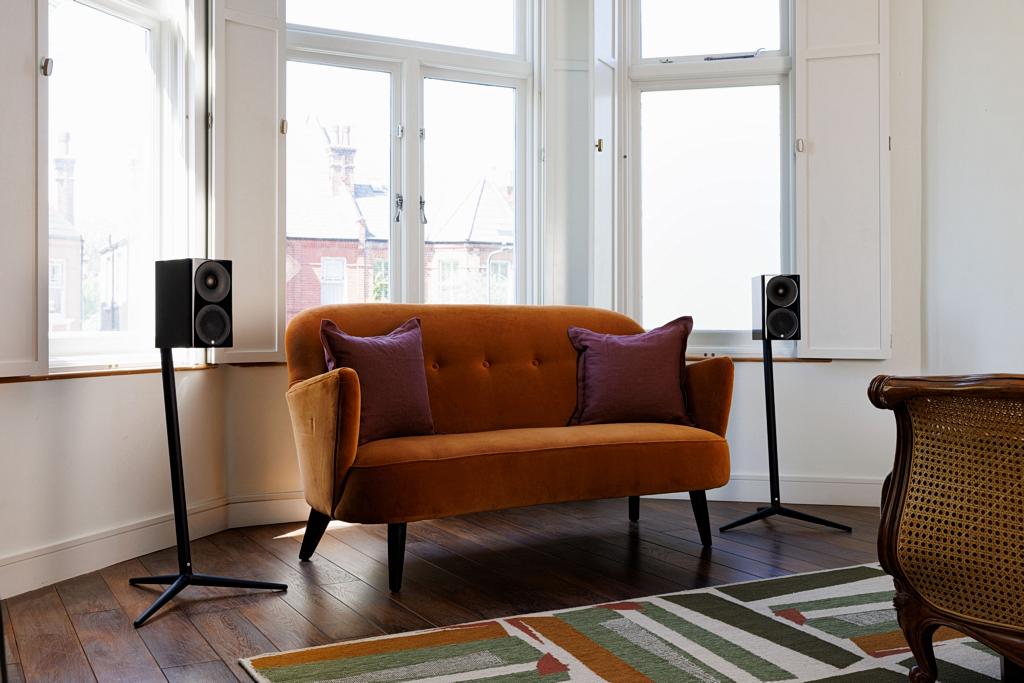
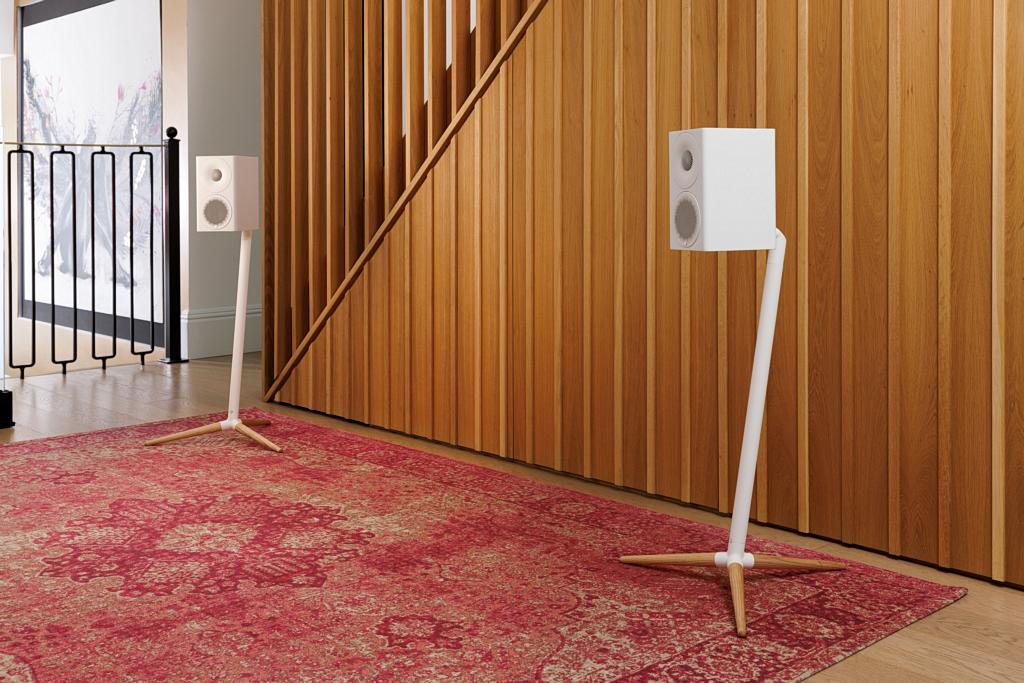
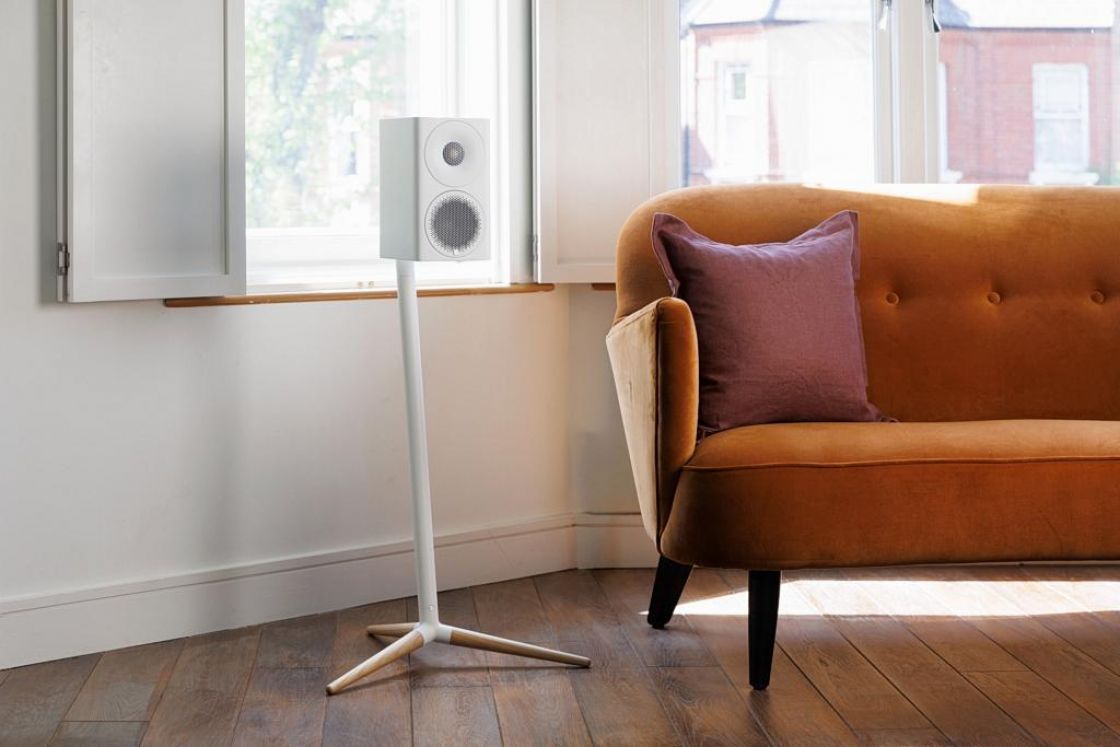
The accessory system is unusually important here, because Radius 4G is clearly intended to be installed in many different ways. The dedicated floor stands use wooden tripod legs, giving them a more domestic and design-conscious appearance than conventional metal supports. Cable routing is integrated from the speaker terminals through the stand to the base, which should help keep installations tidy. For desktop use, Monitor Audio has developed a rubber desk pad with a specific hardness selected for vibration isolation. It gives the speaker a stable platform and a slight upward tilt, which should be useful in near-field systems where the tweeter needs to be aimed more directly toward the listener. Wall mounting is covered by the MASM bracket for Radius 1 and the FIX-M bracket for Radius 3, making the range suitable for surround channels, multi-room setups or compact commercial installations.
The broader context is also worth noting. Monitor Audio has long offered compact loudspeakers, but the market around them has changed. Many listeners no longer want a traditional stereo rack and large boxes in the room, yet they still expect better sound than wireless speakers, TV audio or generic installation products can deliver. Radius 4G is positioned precisely in that gap. It is compact enough for living rooms, workspaces, restaurants, bedrooms and home cinema installations, but it still uses recognizable Monitor Audio technologies rather than anonymous full-range drivers or purely decorative enclosures. That combination may be particularly attractive for people building elegant secondary systems, discreet surround layouts or desktop setups with a real amplifier rather than an all-in-one Bluetooth speaker.
Monitor Audio Group describes itself as an independent, engineering-led British audio company designing and manufacturing products across several brands, including Monitor Audio, Roksan and Blok. The company has built its reputation on loudspeakers ranging from accessible hi-fi models to more advanced architectural, home cinema and high-end designs, with metal-cone driver technology remaining one of its most recognizable technical signatures. The Radius Series 4G continues that direction in a more compact, design-conscious form, aiming to bring the brand's acoustic ideas into spaces where full-size hi-fi loudspeakers would either be impractical or visually too dominant.
The Radius Series 4G will be available from June 2026. The Radius 1 4G is priced at €475/£425/$525 per pair, while the larger Radius 3 4G costs €675/£575/$725 per pair. The Radius On-Wall 4G is priced at €525/£450/$575 each. Accessories include the Radius Floor Stand 4G at €350/£300/$395 per pair, the Radius Desk Pad 4G at €35/£30/$40 per pair, the MASM Wall Bracket at €30/£20/$35 each and the FIX-M Wall Bracket at €50/£45/$55 each. Info and photos by Monitor Audio.