
- News
- Posted
Moon 491 & 461
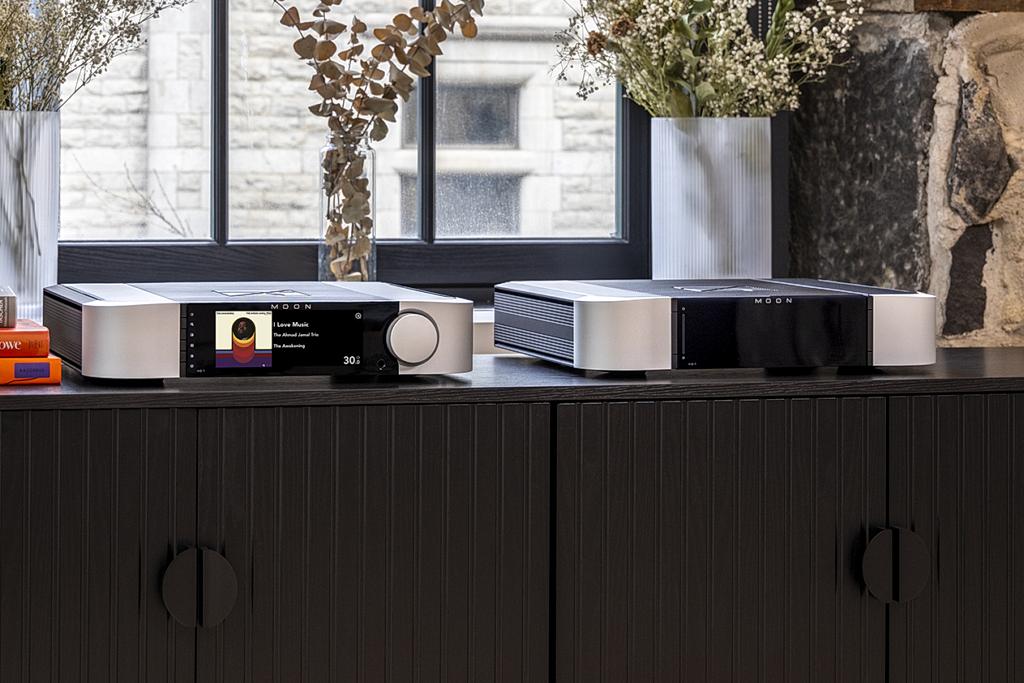
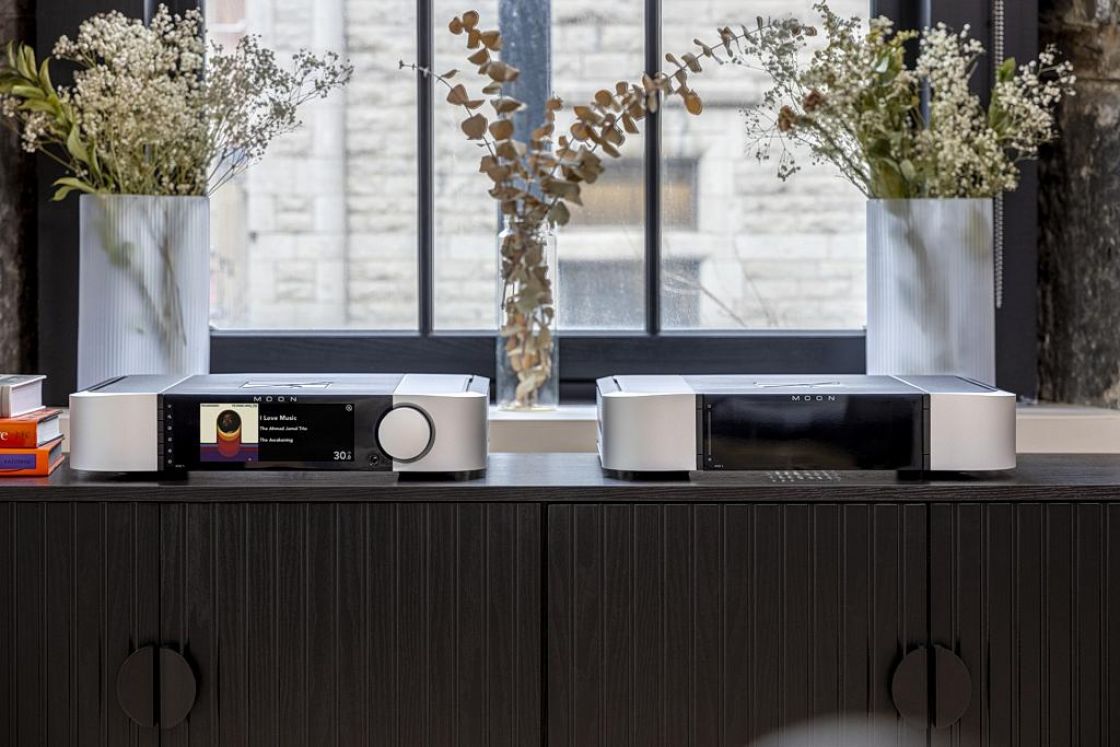
Moon is expanding its Compass Collection with two new components that clearly move the series closer to technologies previously associated with the brand's higher-end reference designs. After the 371, a complete streaming amplifier, the company is now introducing a classic two-box system made up of the 491 network player and preamplifier, and the 461 power amplifier. It is an interesting move, because the Compass Collection was originally positioned as a more accessible, compact and practical answer to the flagship North Collection, but it is now becoming clear that the idea is not simply to simplify the range. The new components are designed to bring some of Moon's more advanced technologies into a more traditional two-unit system, where one device handles sources, digital-to-analog conversion, volume control, vinyl playback and headphones, while the other takes care of driving the loudspeakers.
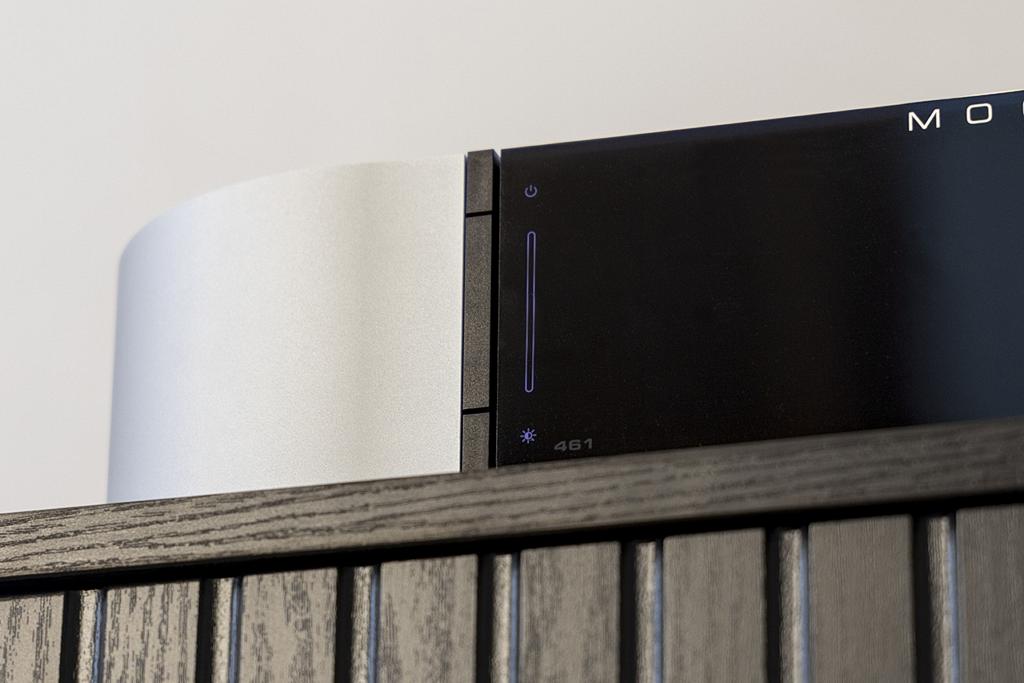
The 461 is the most powerful amplifier in the Compass Collection. It operates in class AB and delivers 150 W per channel into 8 ohms, 300 W into 4 ohms and 450 W in bridged mono mode. Moon says the design has been developed with high current capability, low distortion and stable operation with different loudspeaker systems in mind. At the heart of the amplifier is the company's proprietary MDCA architecture, or Moon Distortion-Cancelling Amplifier, originally developed for the North Collection. Instead of relying only on a conventional feedback loop, the circuit compares the input signal with the amplified output signal in real time, identifies generated errors and injects a precise correction signal directly into the output stage. According to the manufacturer, this allows distortion to be reduced more effectively while also lowering output impedance, which should translate, among other things, into better loudspeaker control. In its technical materials, Moon also notes that the circuit is fully DC-coupled and does not require a servo mechanism to eliminate unwanted DC offset.
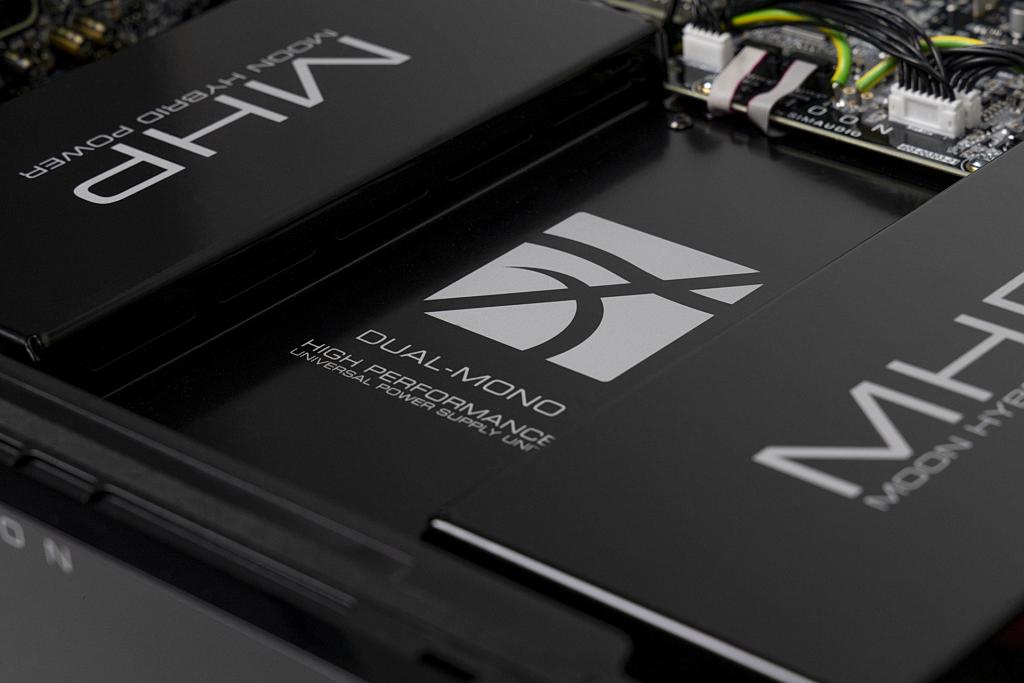
Power supply design is another important part of the 461. The amplifier uses two Moon Hybrid Power modules, one for each channel, creating a dual mono layout. Each channel has its own independent 800 W power supply, intended to improve channel separation, stereo image stability and the ability to deliver current during dynamic signal peaks. The power supply itself combines switching and linear technologies. At the input, a Power Factor Correction stage converts mains voltage into a 400 V DC bus. The energy then passes to a high-frequency LLC converter, while final regulation takes place in the linear section. Moon emphasizes that switching frequencies are kept far outside the audio band, and that this arrangement is intended to combine high efficiency, low ripple, low electromagnetic interference and strong response to momentary current demand. The new power amplifier can operate in three modes. The first is conventional stereo, the second is bridged mono, which allows the unit to be used as a higher-power monoblock, and the third is bi-amping mono, intended for systems in which separate sections of a loudspeaker are powered independently. The rear panel includes RCA and XLR inputs, loudspeaker binding posts, 12 V trigger sockets, a USB-C service port and two Ethernet ports for the MoonLink system, used to integrate Moon components in one setup.
The second component in the new system is the 491, described by the manufacturer as a network player and preamplifier, although in practice it is a much more comprehensive control center for an audio system. In one chassis, Moon has combined a streamer, DAC, line preamplifier, MM/MC phono stage and headphone amplifier. The unit has been designed as the natural partner for the 461 power amplifier, but it can of course also work with other power amplifiers or active loudspeaker systems. The network section uses Moon's MiND 2 platform. The 491 can operate as a UPnP renderer and Roon Ready endpoint, supports AirPlay and Bluetooth, and through the Moon MiND Controller app for iOS and Android gives users access to services such as Qobuz, Tidal, Deezer and Spotify. The manufacturer has also included support for Qobuz Connect, Tidal Connect and Spotify Connect, which in practice allows users to play music from popular streaming apps without having to rely exclusively on the manufacturer's own software.
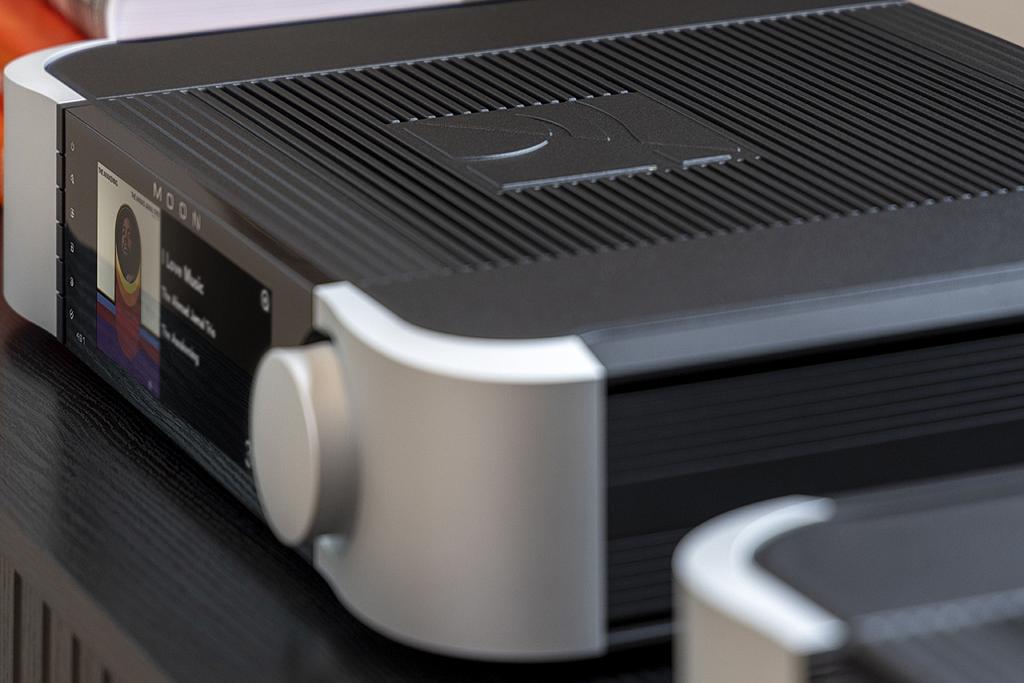
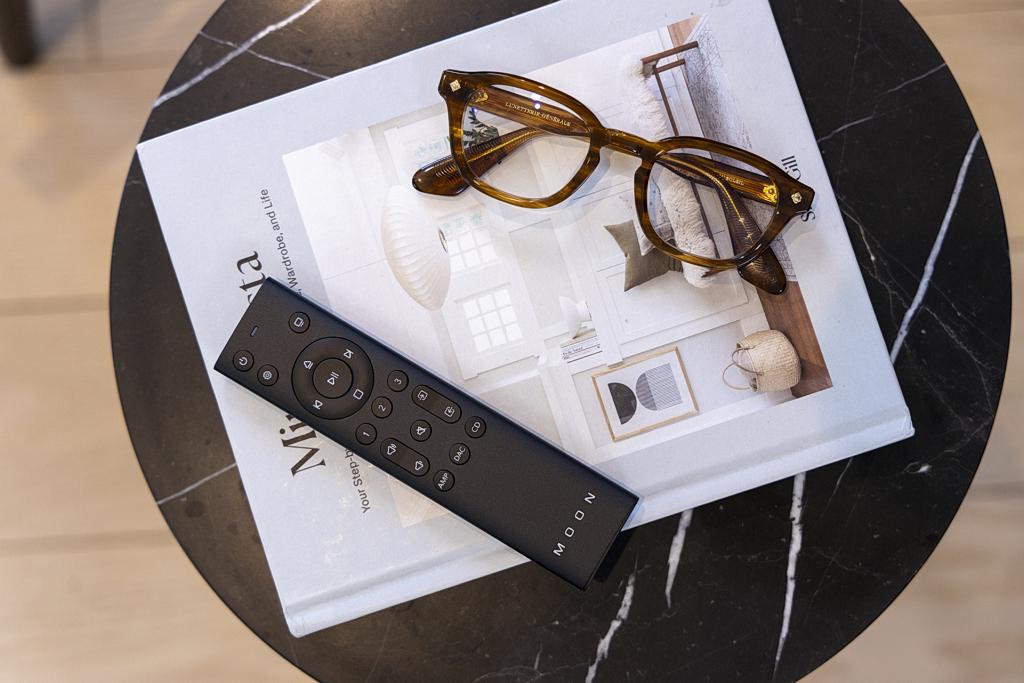
In terms of connections, the 491 offers one RCA line input, one balanced XLR input and a phono input. Outputs include fixed and variable RCA, variable XLR and a 6.35-mm headphone output on the front panel. The rear panel also includes digital inputs, including HDMI, optical, AES/EBU, SPDIF and USB-C marked as an audio input. The front panel is equipped with a large color display showing, among other things, volume level, album artwork and playback information, while control can be handled through the app, front-panel buttons or the supplied CRM-4 aluminum remote control. The 491 is also compatible with the optional BRM-1 Bluetooth remote, which has its own volume knob and display.
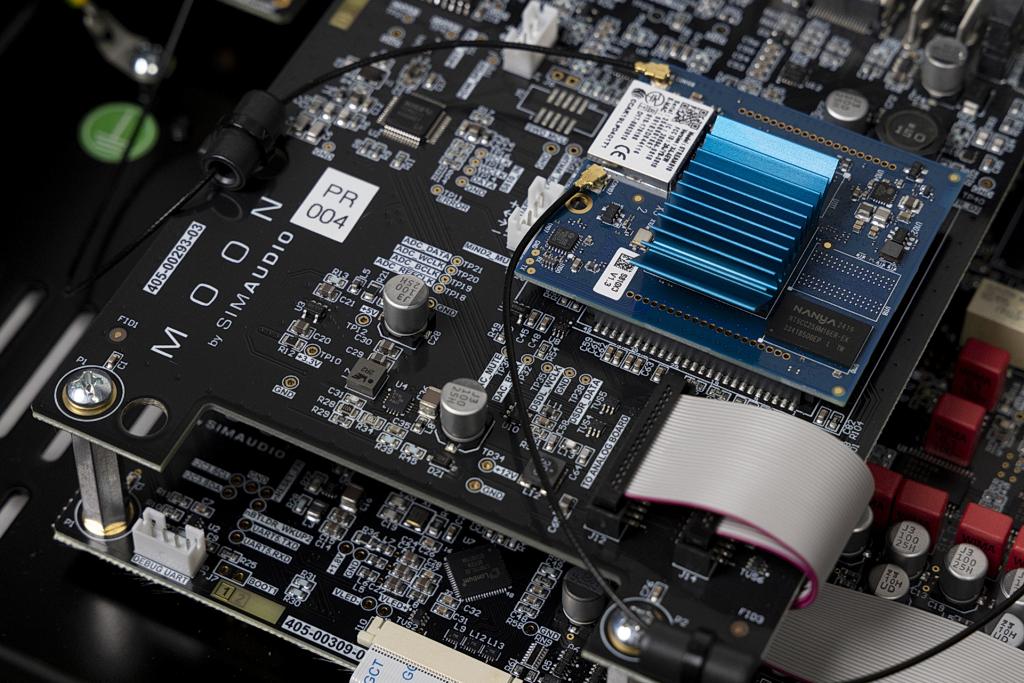
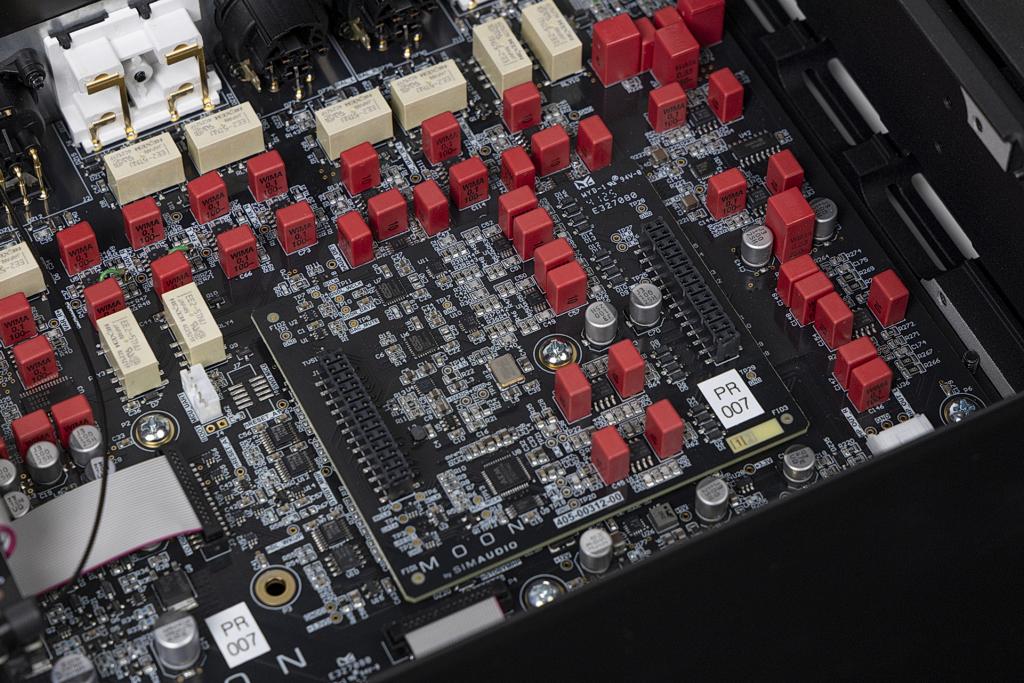
The digital section of the 491 is based on two ESS 9039Q2M converters operating in dual mono configuration, supported by a precision clock and a carefully developed output stage. The entire DAC module is mounted on a separate board, which is intended to make future upgrades easier and improve the long-term compatibility of the unit with new standards. Moon Hybrid Power is used here as well, delivering stable, low-noise voltage to particularly sensitive circuits. In its technical materials, the company says this solution is intended to lower noise, improve dynamics and reduce the effect of mains-voltage fluctuations on the operation of the device. One of the most interesting elements of the Moon 491 is its built-in phono stage. This is not a token addition, but a full MM/MC circuit adjustable from the on-screen menu. The user can select input impedance of 47 kOhm, 1 kOhm, 470 ohms, 100 ohms or 10 ohms, capacitance of 0 pF, 100 pF or 470 pF, and additional gain of 40 dB, 54 dB, 60 dB or 66 dB. There is also a choice between RIAA and IEC equalization curves. This range of adjustment allows the phono input to be treated as a genuinely configurable part of the system, rather than a universal socket for occasional vinyl playback.
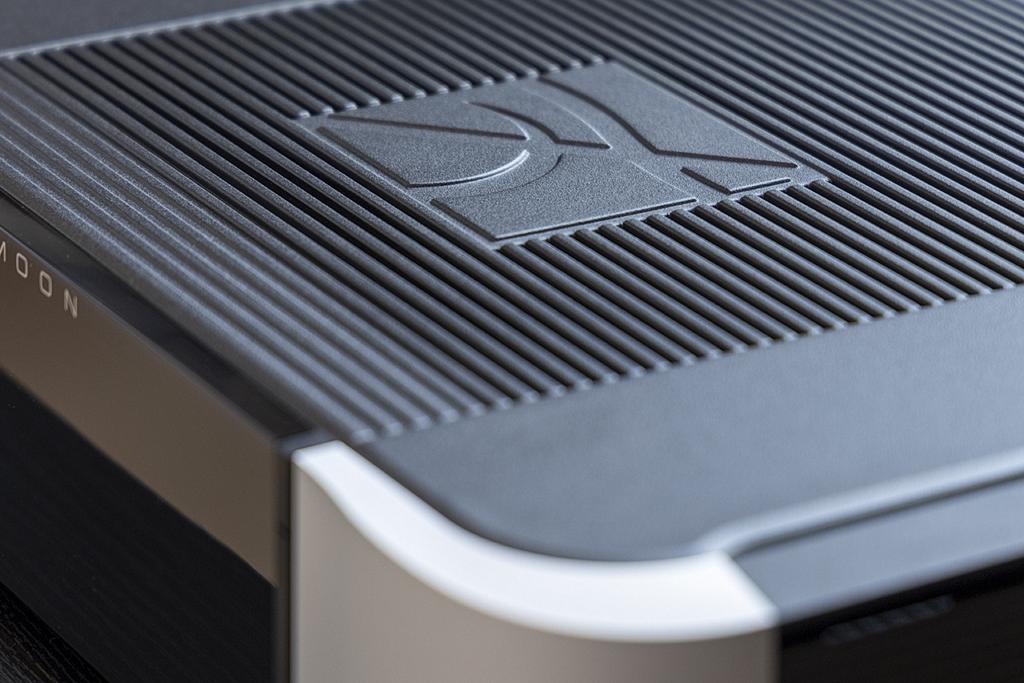
Both components follow the Compass Collection design language already known from the 371. This means black bodies, clean lines, low-profile enclosures and distinctive bead-blasted aluminum side panels available in black or silver. Moon also emphasizes the Canadian origin of its products. The brand designs and hand-assembles its components in Boucherville, Quebec, and the new models, like other Moon products, are covered by a 10-year warranty. The 461 and 491 are expected to go on sale in July. The Moon 461 power amplifier is priced at €5200/£4550/$5000, while the Moon 491 network player and preamplifier costs €6800/£5950/$6500. Info and photos by Simaudio.